

Picture this: you walk through the door after a long day, expecting that joyful tail-wag explosion from your furry best friend. Instead, they barely lift their head from the couch. Heart sinks, right? As a dog lover who’s seen it all, I know that subtle shift can signal something deeper.
Dogs can’t tell us they’re feeling blue, but their bodies shout it loud and clear. Spotting these hidden cries for help early can change everything. Let’s uncover the six sneaky signs and simple ways to bring back that sparkle in their eyes.[1][2]
1. Skipping Meals They Once Devoured
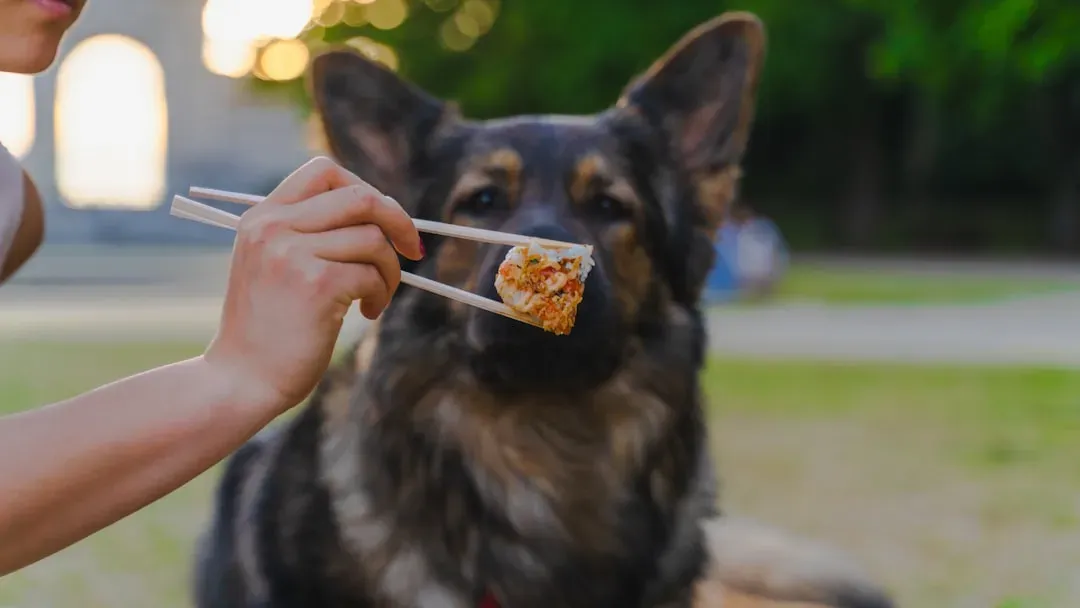
Your dog turns up their nose at kibble they gobbled yesterday. This isn’t pickiness; it often points to stress or low mood weighing on their tummy.[3] Think about Max, who stopped eating after a family move. First step? Rule out health issues with a vet check.
Sprinkle in some excitement with puzzle feeders or toppers like warm broth. Short, frequent walks can spark appetite too. Watch how their enthusiasm returns bite by bite.
2. Hiding Away or Zoning Out

That once-playful pup now burrows under blankets or stares into space. Withdrawal screams unhappiness, like they’re retreating from a world that feels overwhelming.[4] I’ve comforted many like Luna, who sulked after losing a canine buddy.
Gently coax them out with low-pressure invites, like sitting nearby with a favorite toy. Build routine play sessions to rebuild trust in fun. Patience pays off as they lean back in.
3. Licking Paws or Chewing Excessively

Constant lip-licking, yawning, or gnawing at paws signals stress overload. These self-soothing moves mimic how we’d fidget when anxious.[2] Spot it early, like with Buddy who licked raw spots during fireworks season.
Redirect with chew toys or frozen Kongs stuffed with peanut butter. Create a calm zone with white noise or pheromone diffusers. Their calmer paws will thank you.
4. Snapping or Growling at Familiar Faces
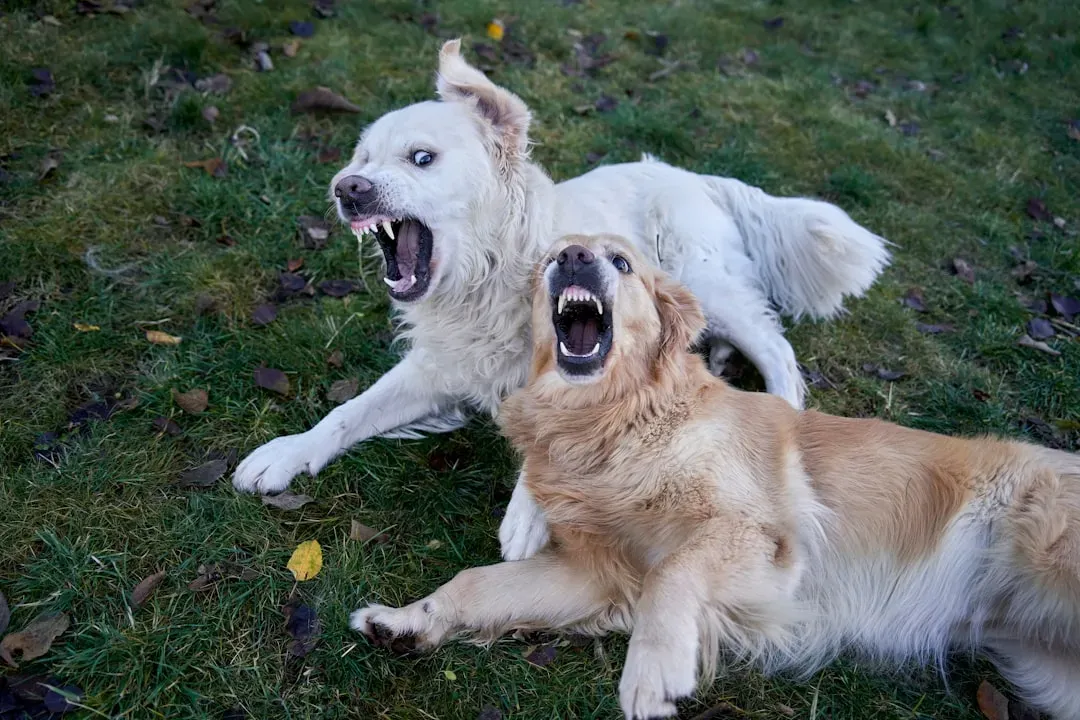
Sudden irritability toward you or other pets? Frustration brews under that unhappy surface, turning tolerance into tension.[3] Remember Rusty, who nipped during what used to be cuddle time?
Avoid triggers while ramping up positive reinforcement training. More exercise burns off that edge, revealing the sweet dog underneath. Consistency turns growls to grins.
5. Whining or Barking Non-Stop

That persistent whine or bark fest isn’t boredom alone; it’s a vocal plea for comfort amid inner turmoil.[1] Poor Ollie howled through nights after a schedule shake-up.
Respond with calm reassurance, not scolding, paired with mental games like scent work. Scheduled alone time builds confidence. Soon, quiet contentment settles in.
6. Pacing Restlessly or Tucked Tail

Endless pacing or a tail glued to their belly shows unease they can’t shake. Body language like this rarely lies about a dog’s emotional state.[5] Sadie paced circles post-adoption, missing her old routine.
Up the daily walks and introduce calming massages. Enrichment toys keep minds busy, easing that wanderlust. A relaxed wag emerges with time.
Bringing Back the Joy: Your Action Plan
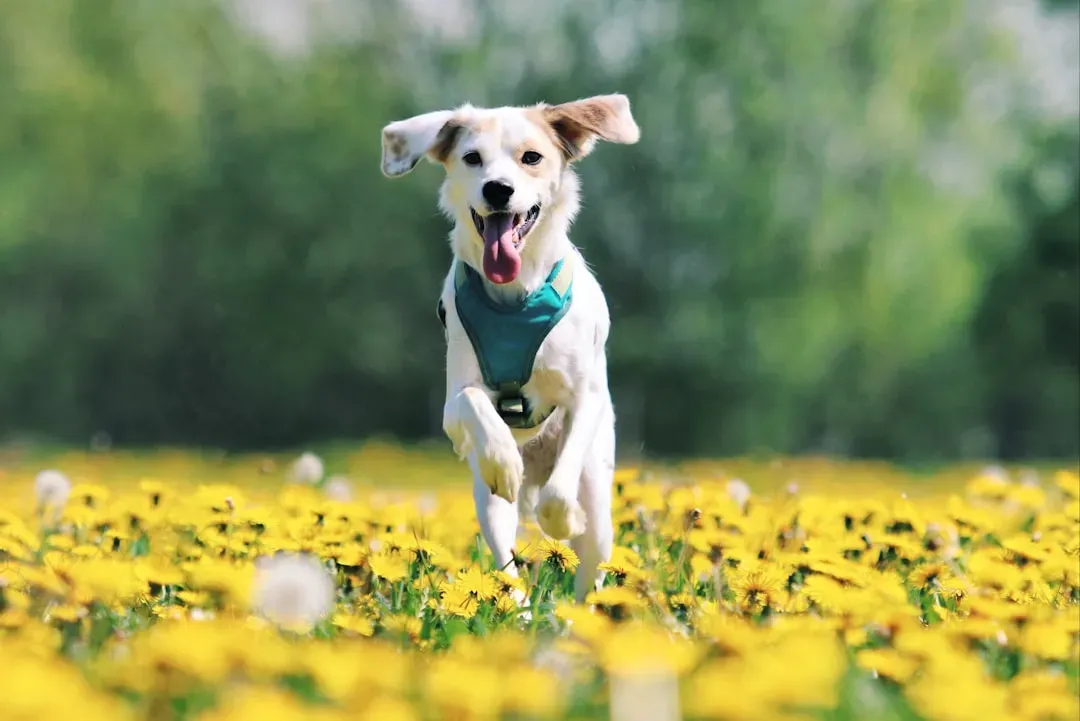
These signs hit close to home because our dogs mirror our care. Start with a vet visit to nix medical culprits, then layer in exercise, play, and undivided attention.[1] Small changes, like extra belly rubs or neighborhood strolls, weave magic.
You’ve got this, fellow dog parent. Watch their world brighten and feel that bond deepen. What’s one step you’ll try first? Share in the comments – we’re all in this tail-wagging together.


