
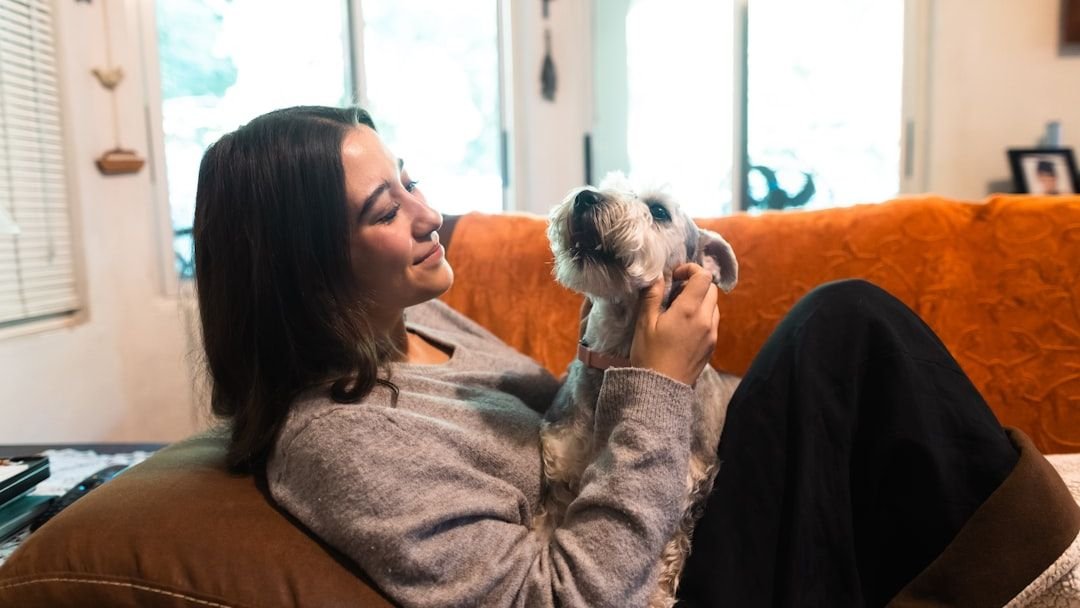
Think about that moment when you walk through the door after a long day. Before you’ve even dropped your keys, there’s that unmistakable sound of paws hitting the floor, a tail beating against furniture, and eyes that light up like you’re the most important person in the entire world. No matter how many times it happens, it never gets old, does it?
Your dog doesn’t need words to tell you what they mean to you. They show it every single day in ways we sometimes take for granted until we stop and really pay attention. These aren’t just habits or trained behaviors. They’re promises your dog makes to you from the moment they enter your life until their very last breath. Let’s be real, these promises are the purest form of love most of us will ever experience.
I Will Always Be Your Guardian, Even When You Don’t Know You Need One
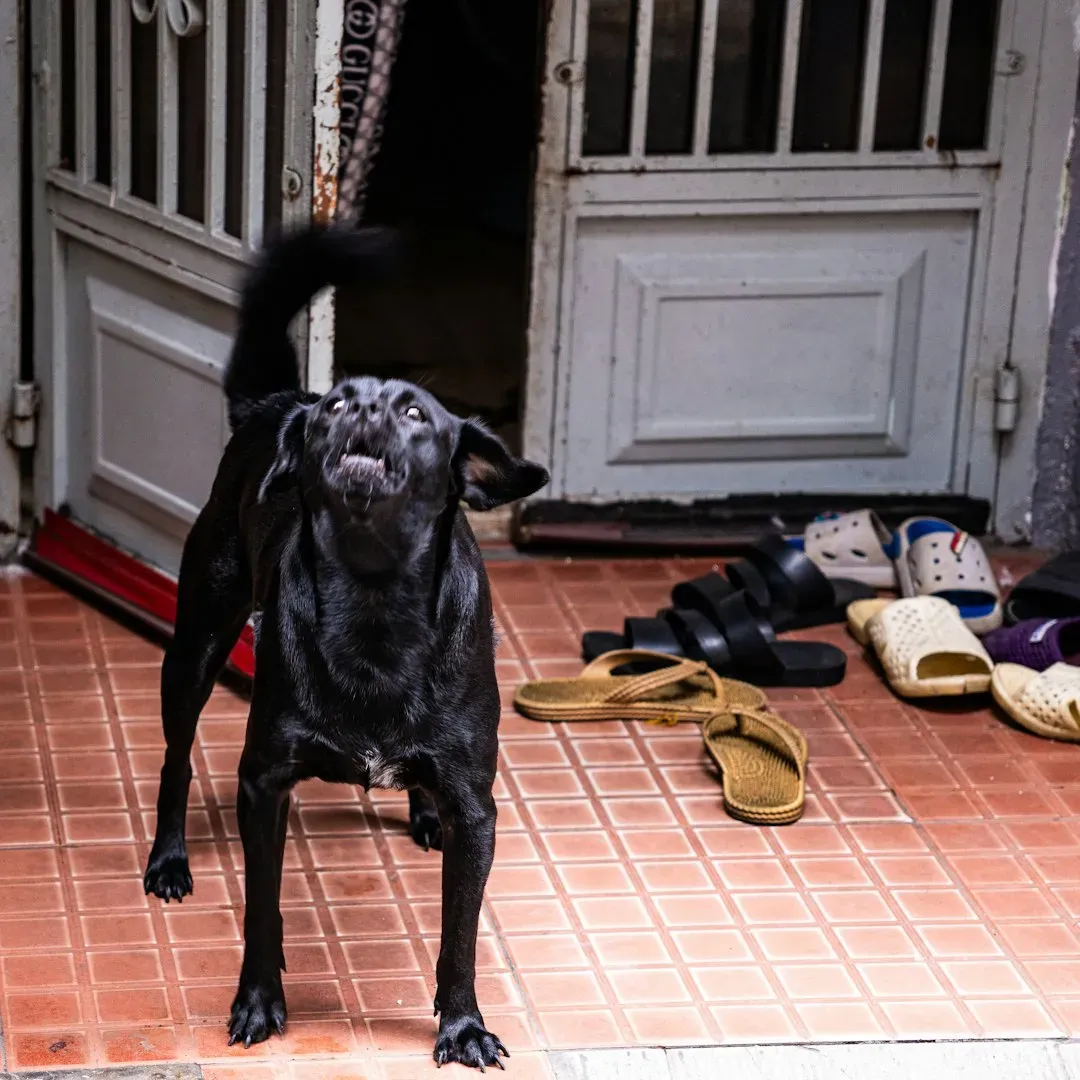
Dogs have put aside their survival instincts on numerous occasions to save their human family. Your dog doesn’t clock out at five or take weekends off from watching over you. That’s not how they’re wired.
Dogs are incredibly good at reading situations, using their extraordinary senses to pick up on things we might miss, and their sense of smell allows them to detect changes in people’s scent that might signal fear or stress. Maybe you’ve noticed your dog positioning themselves between you and a stranger on the street, or how they suddenly become alert when someone unfamiliar approaches. Protective dogs will often position themselves in a way that allows them to act quickly if needed, including lying or sitting in strategic locations, such as doorways or by their owner’s side, especially in public places – this positioning is not just about comfort; it’s a calculated choice to protect.
Dogs consider their owners to be part of their pack and thus inherently feel the need to protect them in case of any threats. This instinct runs deep, passed down through generations from their wolf ancestors. Domesticated dogs view their human families as their pack, and their protective instincts kick in when they perceive potential threats.
Here’s the thing, though. A truly protective dog remains calm and controlled. The protective mode is triggered only if he feels threatened or senses their owner’s fear. They’re not being aggressive for the sake of it; they’re being your silent bodyguard, always watching, always ready.
I Will Read Your Emotions Better Than Anyone Else Can
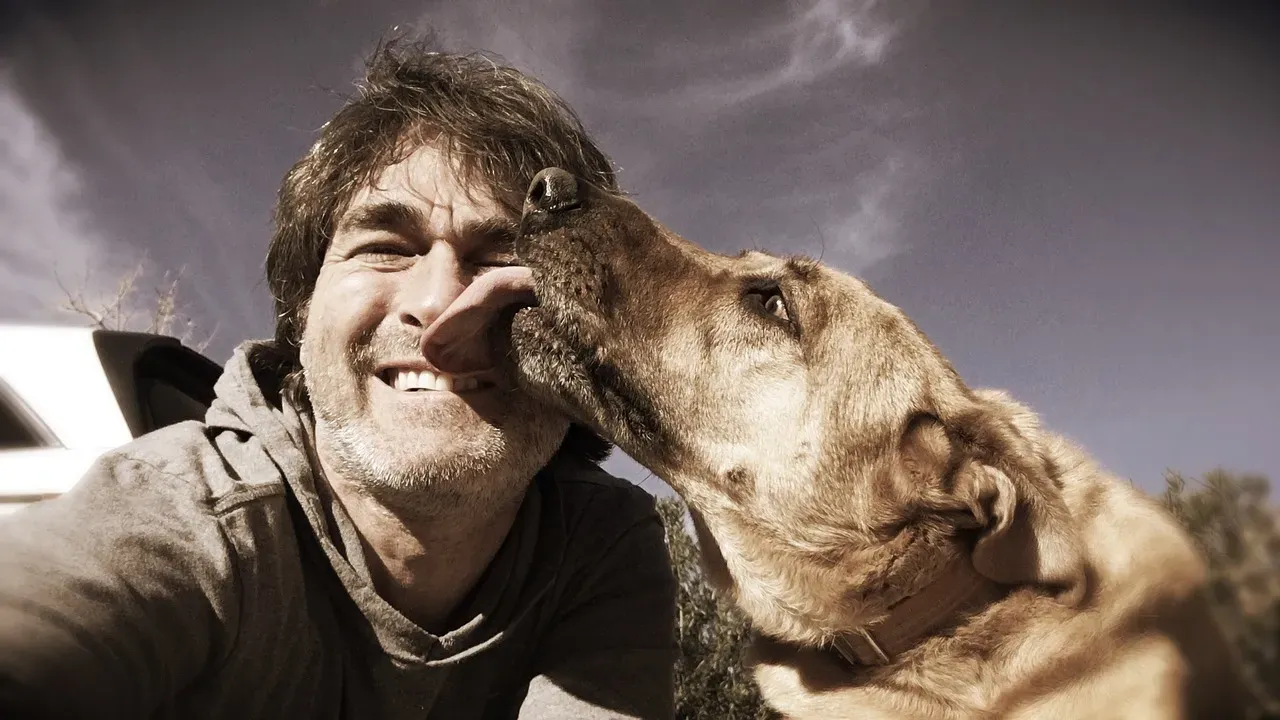
Ever had one of those days where you’re holding it together on the outside, but inside you’re crumbling? Your dog knows. They always know.
Dogs are incredibly perceptive and can sense your mood and respond to your emotions – if you’re feeling down, your dog will often come to comfort you, and this emotional sensitivity is a result of their ability to read human body language and facial expressions. It’s not magic or coincidence. There’s actual science behind it.
Studies that played dogs recordings of six basic human emotions measured brain side use, heart activity, and behavior, showing dogs used the right brain more for negative sounds like fear and sadness and the left brain more for positive sounds like happiness, proving they’re genuinely sensitive to emotional cues in nonverbal human vocalizations. Think about that for a second. Your dog’s brain literally processes your emotions differently based on what you’re feeling. They’re not just along for the ride; they’re actively tuning into your emotional frequency.
Dogs are keen observers of human behavior and can sense when their owners are anxious, fearful, or uncomfortable, and they communicate with each other and with humans using body language, allowing them to interpret situational dynamics. When you’re stressed, your dog might lean against your leg or rest their head on your lap. That’s not random behavior. That’s them offering comfort the only way they know how.
I Will Be Your Anchor When Life Feels Overwhelming
Life can be brutal sometimes. Anxiety, depression, grief, loneliness – these aren’t just words. They’re real battles people fight every single day. Your dog doesn’t have a degree in psychology, yet somehow they provide emotional support that rivals any professional.
Interacting with a dog can alleviate stress, anxiety, and depression. The simple act of petting a dog releases oxytocin, a hormone associated with relaxation and bonding, fostering emotional resilience in humans. When you’re petting your dog and feeling that weight lift off your shoulders, that’s a genuine chemical reaction happening in your brain.
Among the many mental health benefits of pets, nearly two-thirds of pet owners say that their animals offer companionship, are a true friend and provide unconditional love and support, and eighty-four percent of pet owners say that their pets have a mostly positive impact on their mental health. Those numbers aren’t small. They represent millions of people who find solace in their four-legged companions.
Interacting with animals has been shown to decrease levels of cortisol, a stress-related hormone, and lower blood pressure, while other studies have found that animals can reduce loneliness, increase feelings of social support, and boost your mood. Your dog becomes a buffer between you and the chaos of the world. They don’t judge your bad days or expect you to be someone you’re not.
I Will Stay Loyal to You, No Matter What Changes
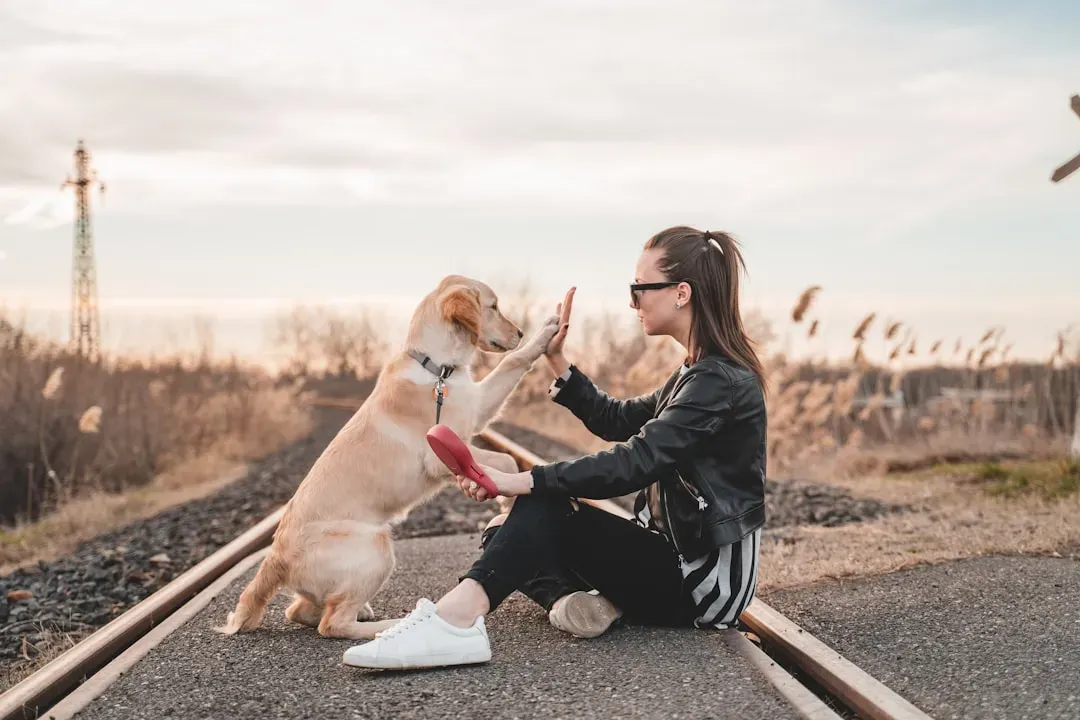
People come and go in life. Jobs change, friends drift apart, relationships end. Through all of it, your dog remains constant. Their loyalty isn’t conditional on your success, your mood, or your circumstances.
Dogs are loyal due to their evolutionary history, domestication process, and the strong bonds they form with humans, and wolves rely on each other for survival, with this pack behavior passed down to dogs, making them naturally inclined to form strong social connections, including with humans. Loyalty is literally bred into them over thousands of years of evolution.
Holding true to loyalty, dogs were more likely to choose a treat from the kind or neutral stranger and ignored the one who wouldn’t help their guardian. Research has shown that dogs even snub people who are unkind to their owners. They’re paying attention to how others treat you, and they remember.
It would explain why dogs often put their own lives in danger to protect their owners; their pack instincts require it of them. Stories of dogs saving their owners from fires, alerting them to medical emergencies, or standing guard during dangerous situations aren’t just feel-good tales. They’re testament to a loyalty so profound it transcends self-preservation. Your dog doesn’t love you because you feed them or give them shelter, though those things matter. They love you because you’re you, and that bond is unbreakable.
I Will Grieve With You, and For You
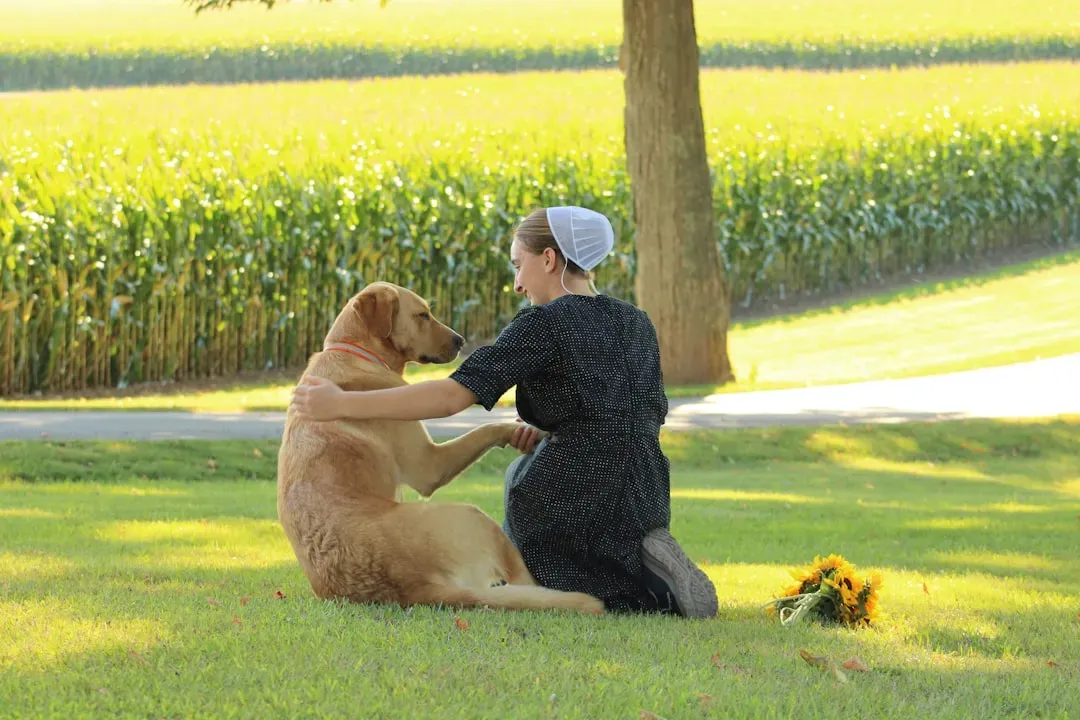
Loss is part of life, yet it never gets easier. When you’re grieving – whether it’s a person, another pet, or just the weight of life’s hardships – your dog feels it too. They don’t just witness your pain; they absorb it.
When a dog loses a companion, whether animal or human, he grieves and reacts to the changes in his life, and dogs alter their behavior when they mourn, much like people do – they may become depressed and listless. If you’ve ever noticed your dog acting differently after a loss in the family, you weren’t imagining it.
Multiple logistic regression indicates that both a friendly or parental relationship between two dogs but also the fact that dogs used to share food and the owner’s grief and anger are principal predictors of negative behavioral changes, and according to dog owners’ answers, the surviving dog after the death of the companion dog changed both in terms of activities like playing, sleeping, and eating, and emotions like fearfulness. Your dog picks up on your grief and it affects them deeply.
Dogs grieve too, and in fact, because dogs process everything emotionally and intuitively, their grieving process is often very difficult for them because their sense of loss is so profoundly emotional. They don’t understand why someone is gone, but they understand the absence. They feel the empty space where someone used to be. During your darkest moments, your dog stays close, offering silent companionship when words would fail anyway.
I Will Love You Until My Last Breath, and Beyond
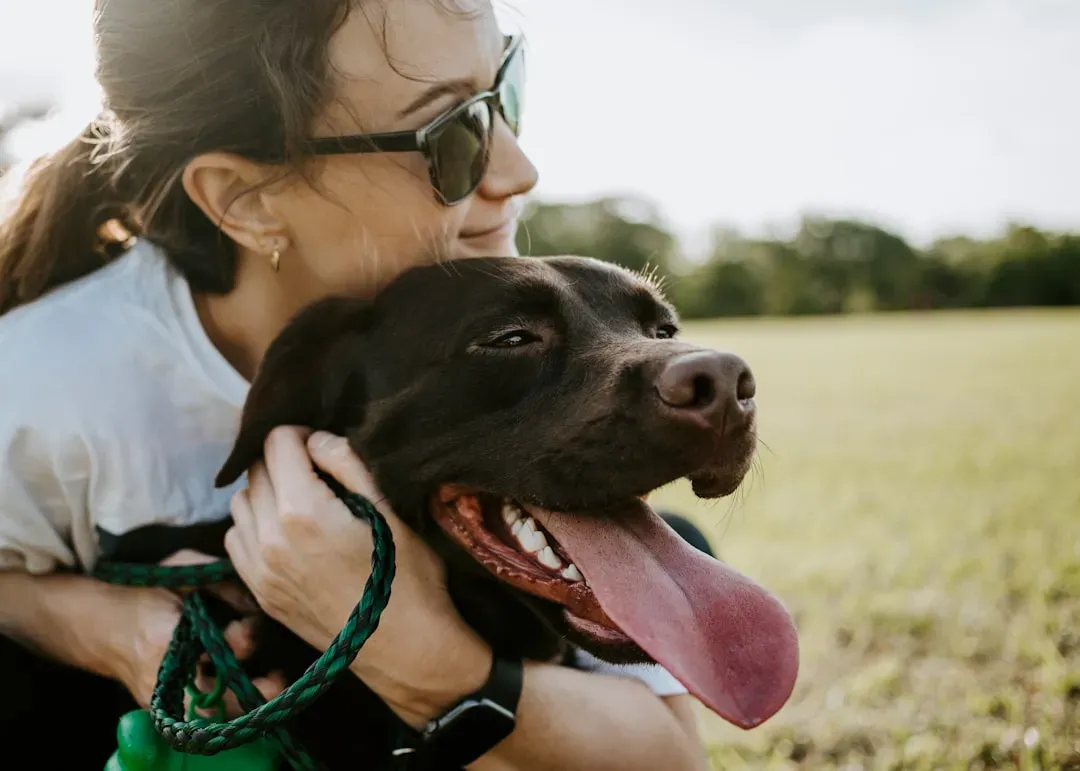
This is the hardest promise to talk about because it comes with the inevitable reality that our time with our dogs is limited. They give us everything they have, right up until the very end.
The most common sign that the dying process has begun is lying in one spot, not interested in toys or walks, barely acknowledging family members – in other words, just not acting like themselves. When that time comes, and it will, your dog isn’t afraid because you’re there. You’re their whole world, and your presence is the greatest comfort they could ask for.
To love a dog is to truly know the meaning of unconditional love, and if you were lucky enough to share your life with a dog, especially a ‘soulmate dog’ who has passed or is nearing the end of life, then you also have the flip-side of such a strong relationship: grief. The depth of our grief reflects the depth of their love. They loved us with everything they had, held nothing back, and asked for so little in return.
Even as they grow older, slower, perhaps sicker, their eyes still light up when they see you. Since a dog may not understand death as something permanent, sometimes they will wait patiently, believing that the deceased will return. That loyalty, that love, doesn’t fade with age or illness. It burns steady until the very last moment. The promise they make isn’t just to love you in the good times. It’s to love you always, completely, without reservation.
Conclusion
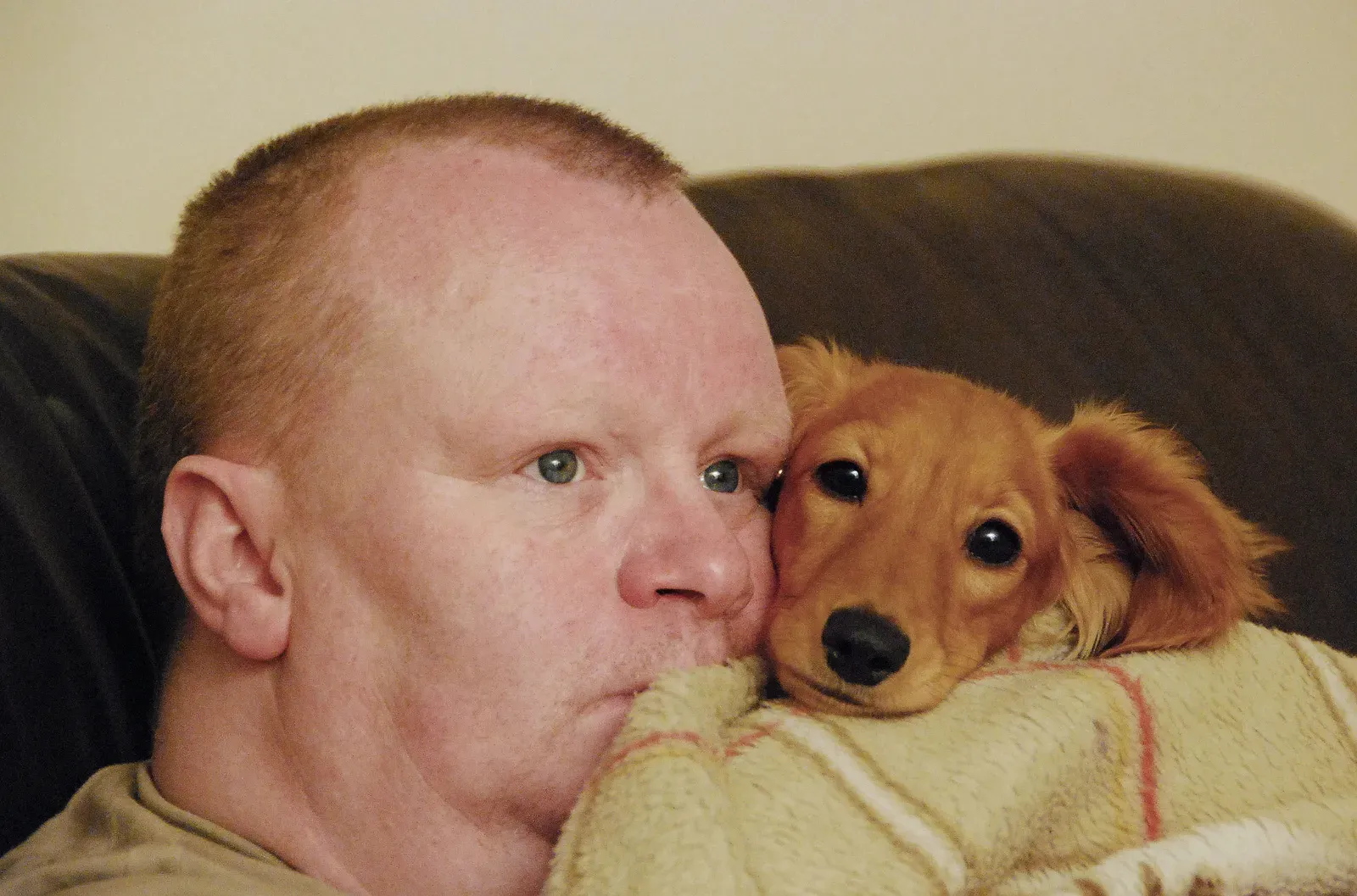
The promises your dog keeps aren’t written down anywhere. There’s no contract, no formal agreement. Yet they honor these vows with a consistency and devotion that puts most human relationships to shame. They guard you, understand you, support you, stay loyal through everything, grieve alongside you, and love you until their final breath.
We don’t deserve dogs, honestly. Yet here they are, showing up for us every single day with wagging tails and open hearts. Maybe the real question isn’t what promises they keep for us, but what promises we’re keeping for them in return. Are we giving them the life they deserve? Are we present, patient, and grateful for every moment we have together?
What promise has your dog kept for you that you’ll never forget? Sometimes just thinking about it can remind us why these four-legged companions mean so much.


