
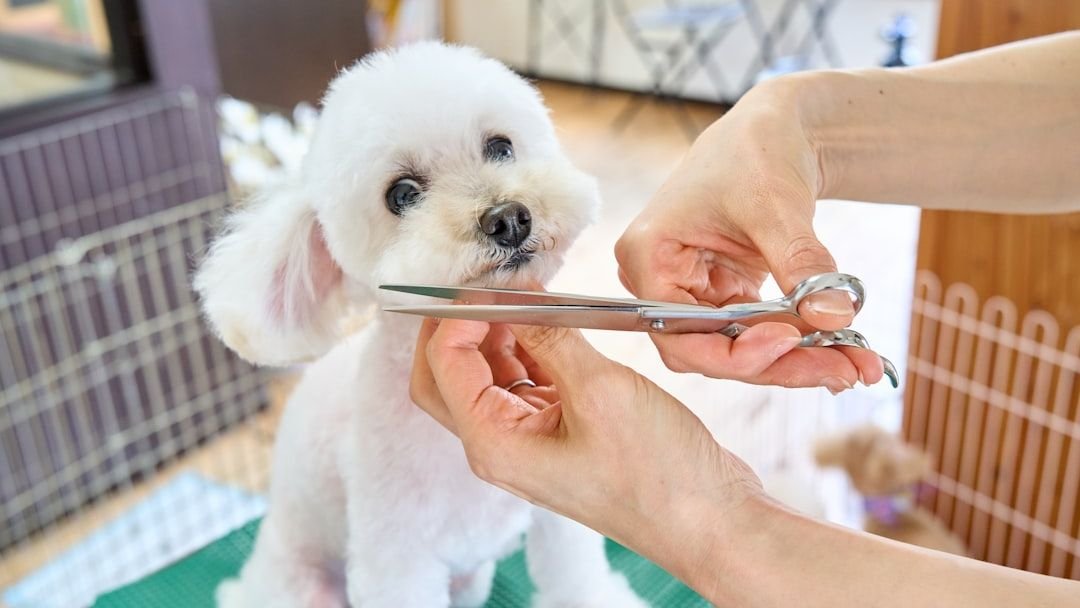
Every dog owner knows that satisfying feeling when your pup looks fresh, smells wonderful, and just seems more comfortable in their own fur. There’s something special about a well groomed dog, isn’t there? They prance a little prouder, wag their tail a bit harder, and honestly, the bond you share feels even stronger.
Here’s the thing: grooming doesn’t have to feel like a chore or an expensive trip to the salon every few weeks. With a handful of clever tricks up your sleeve, you can keep your furry friend looking absolutely stunning between professional appointments while boosting their overall health. Let’s dive into some genuinely game changing grooming hacks that’ll make life easier for both of you.
Master the Art of Strategic Brushing Times
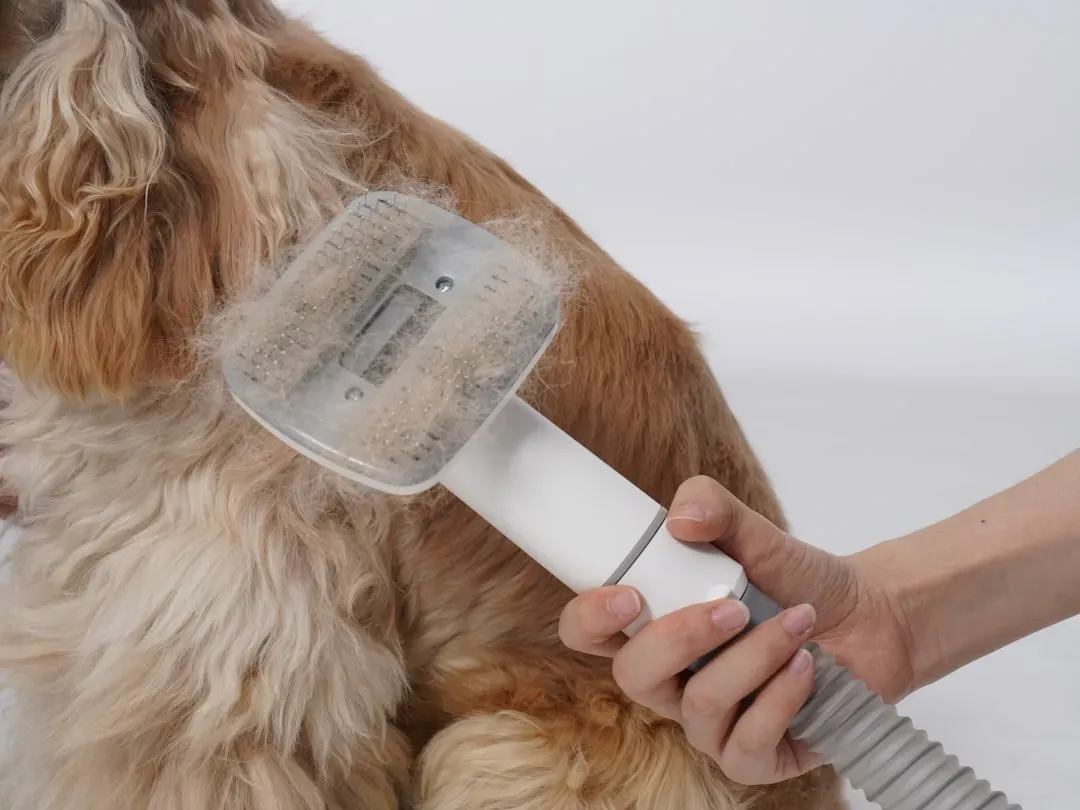
Most dogs benefit from brushing every couple of days, while those with high maintenance coats like poodles or double coated breeds should be brushed daily. Here’s what many people miss though: timing matters just as much as frequency.
Try brushing your dog right after playtime or a long walk when they’re naturally calmer and more cooperative. Brushing before bath time removes loose fur, meaning less hair in your drain and allowing shampoo to penetrate the coat more easily for cleaner skin. Think about it like this: you wouldn’t wash a car covered in dried mud without rinsing it first, right?
The real magic happens when you brush in the direction of hair growth, starting from the skin outward. Getting down to the skin level is crucial because surface brushing won’t do a thorough job. For those tricky mats, apply a tiny bit of conditioner mixed with water first. Your dog will thank you for it.
The Cotton Ball Trick for Bath Time Bliss
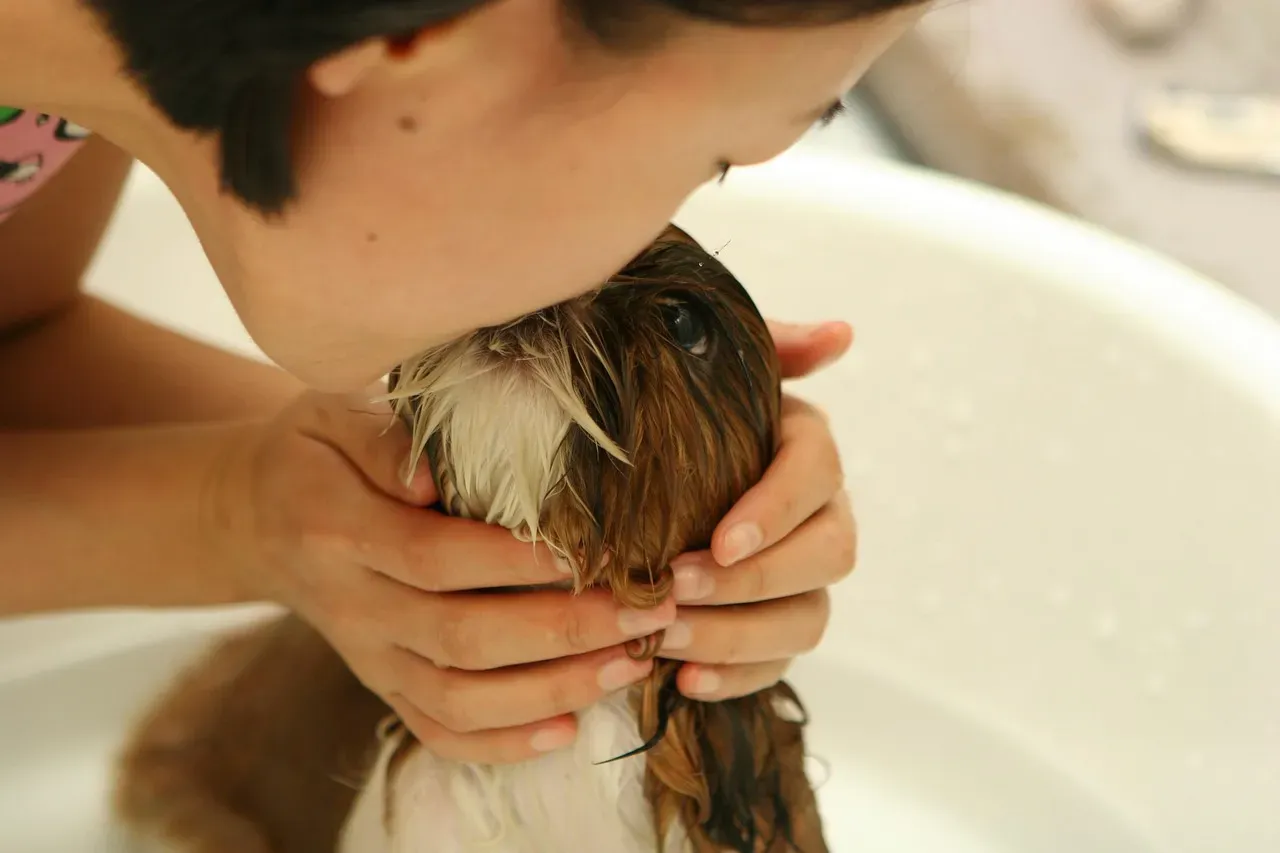
Water in a dog’s ears is one of those small problems that can snowball into expensive vet visits. Dogs with floppy ears especially benefit from regular earwax removal using ear safe cleaners and cotton balls. Before bath time starts, gently place a large cotton ball in each ear opening to create a moisture barrier.
Protecting your pet’s ears with cotton balls during bathing prevents water and shampoo from entering the ear canal. It’s such a simple step, yet so many people skip it. I’ve seen too many preventable ear infections that could’ve been avoided with this one tiny hack.
After the bath, carefully remove the cotton balls and let your dog do their natural head shake. Give the outer ear a gentle wipe with a fresh cotton ball if needed, but never push anything deep into the canal.
Turn Nail Trimming Into a Positive Experience
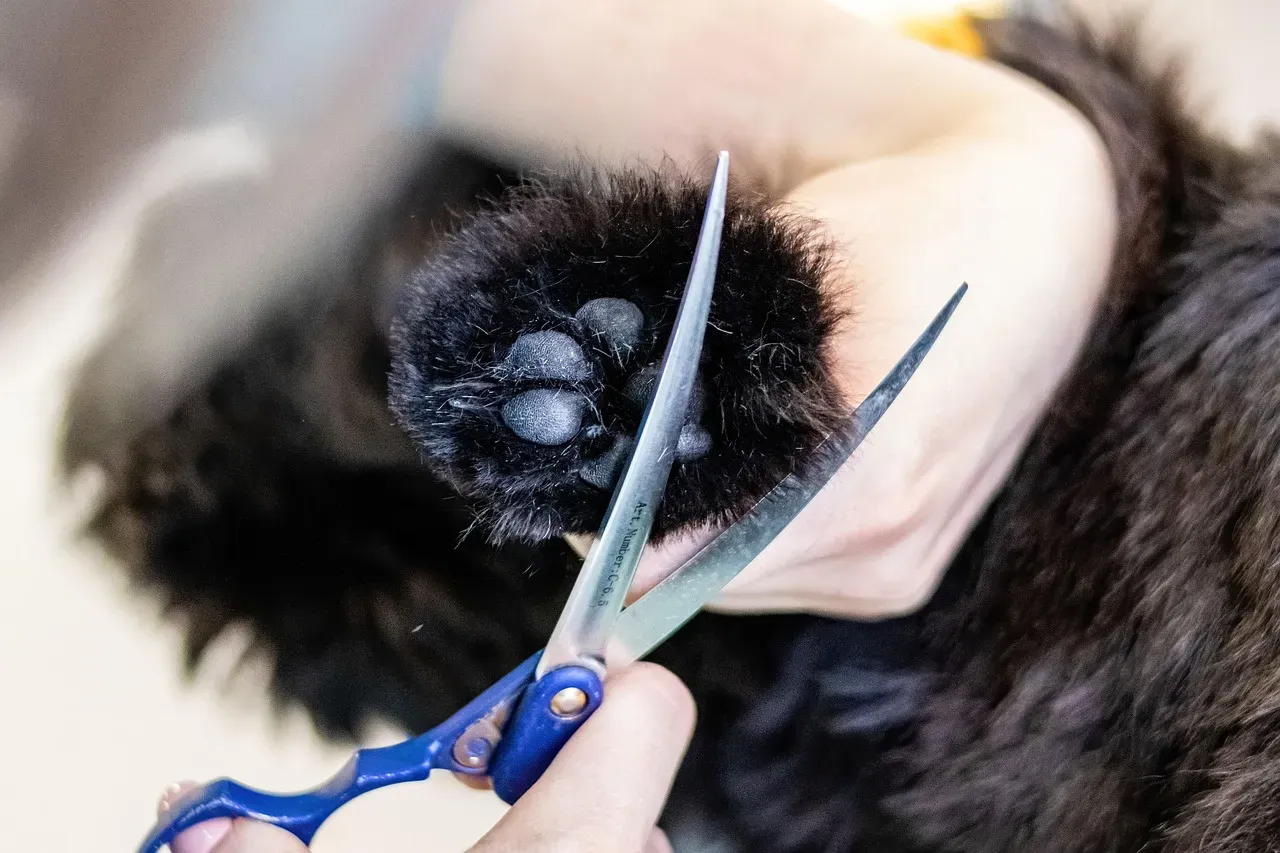
Let’s be real: nail trimming often feels like wrestling an alligator. Signs of distress during nail trimming include panting, drooling, trembling, whining, freezing, cowering, and tail tucking. The secret isn’t just having sharp clippers; it’s about building trust through gradual exposure.
Start by letting your puppy sniff the nail clipper and offering treats and praise, then progress to touching the clipper to each paw while giving rewards. Most dogs need nail trims every three to four weeks, but breaking this down into tiny sessions makes everything manageable.
Dog nails shouldn’t touch the floor when standing, as this can push up on the toe causing uncomfortable foot positioning. If you hear clicking on hardwood floors, it’s definitely trim time. Here’s a pro tip: trim after exercise when your dog is tired, and always have styptic powder handy just in case you nick the quick.
The Weekly Ear Check That Saves Hundreds
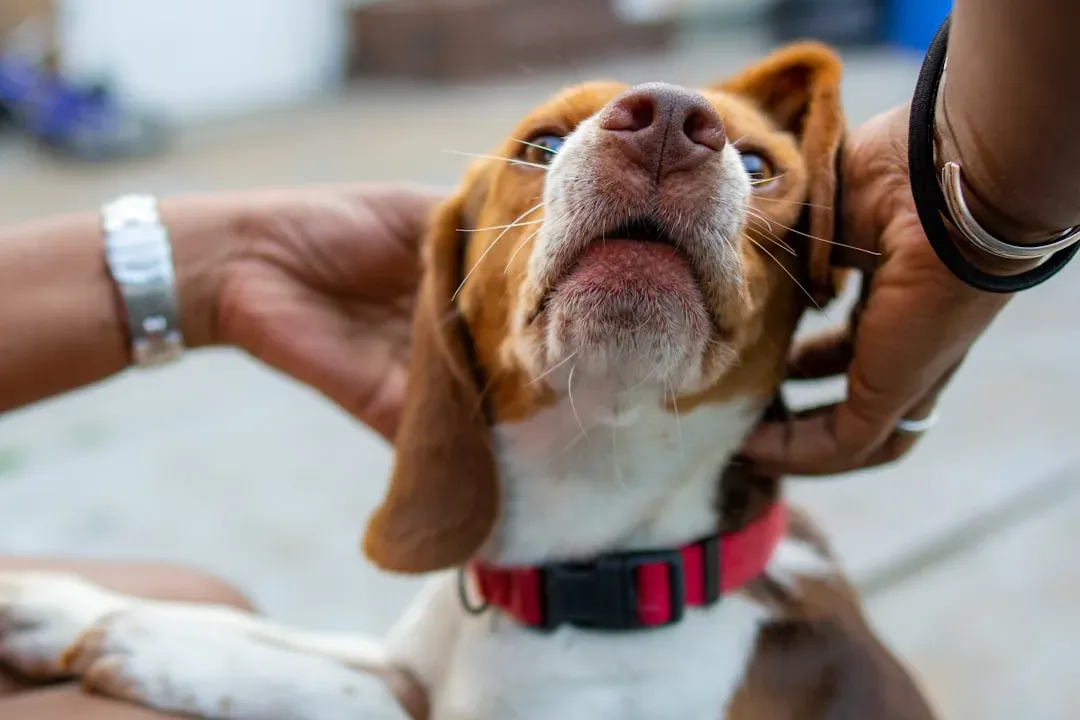
For treating infections, ear cleaning might be needed daily initially, while for maintenance it could be every one to two weeks, with dogs prone to allergies or with floppy ears requiring more frequent cleaning. Honestly, checking your dog’s ears once a week takes less than a minute but catches problems before they explode.
Signs of ear infection include redness, discharge, odor, head shaking, scratching at ears, and discomfort when touching the ear. Healthy ears should look pink, clean, and smell like, well, nothing much really. Ear cleaning helps decrease debris, bacteria and yeast inside the ear, which is especially crucial for water loving pups.
Use a veterinary approved ear cleaning solution and cotton balls, never Q tips which can damage delicate tissue. Hold the ear flap up, squeeze solution into the canal without inserting the nozzle too deeply, fill the canal, then gently massage the ear base for twenty to thirty seconds. Your dog will shake their head afterward, which is exactly what should happen.
Spot Cleaning Between Full Baths
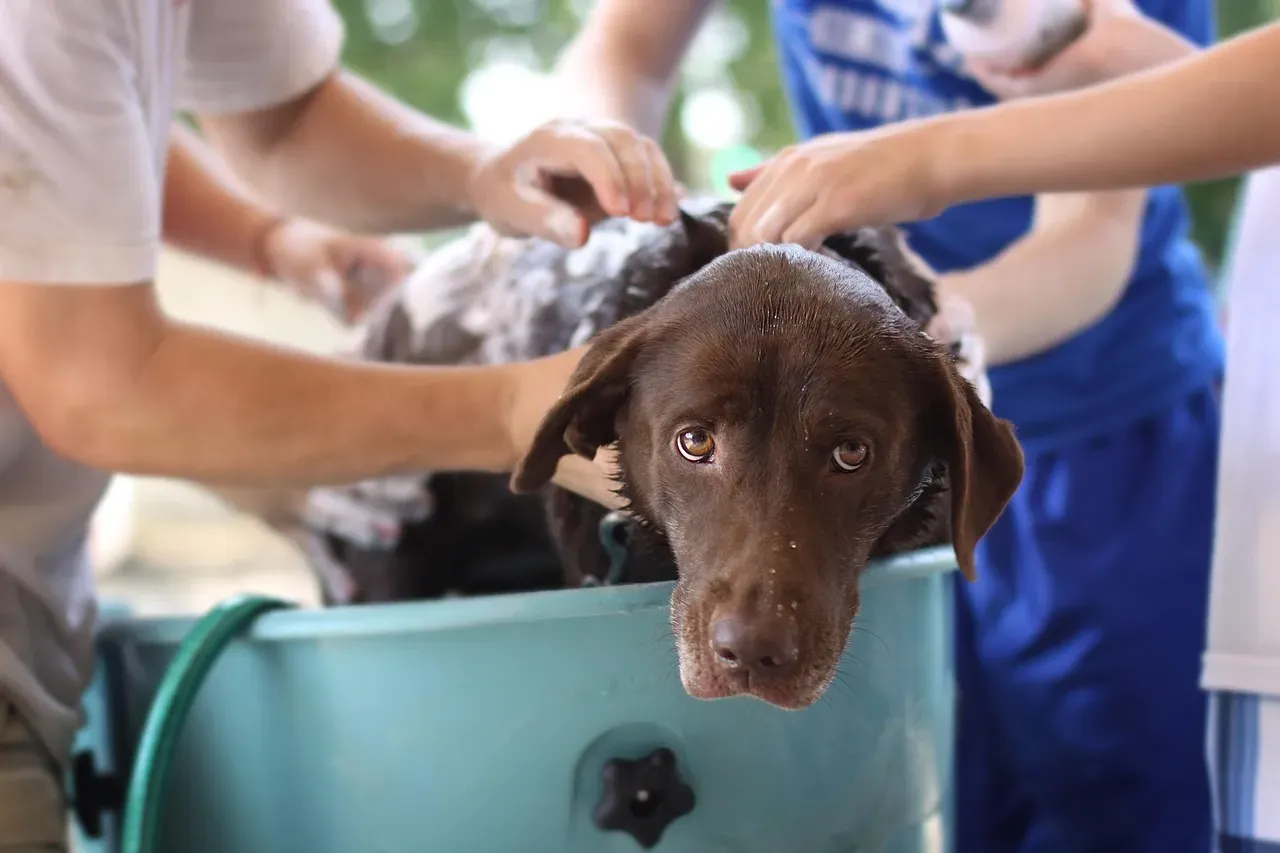
Unless your dog gets into something smelly or dirty, bathing is only needed every two to four months, as bathing too frequently dries out skin and strips natural oils from the coat. So what do you do when your pup rolls in something questionable but doesn’t need a full spa day?
Over bathing can damage your dog’s skin and coat, while spot cleaning with wipes and daily brushing reduces odors and keeps dogs cleaner between grooming sessions. Keep pet safe wipes handy for muddy paws, dirty faces, or that mysterious smell they picked up at the park.
Focus on problem areas like the belly, paws, and rear end. A damp washcloth works wonders for facial cleaning without risking shampoo in sensitive eyes. This approach keeps your dog fresh smelling while preserving those essential oils that protect their skin. It’s about working smarter, not harder.
The Treat Distraction Method That Actually Works
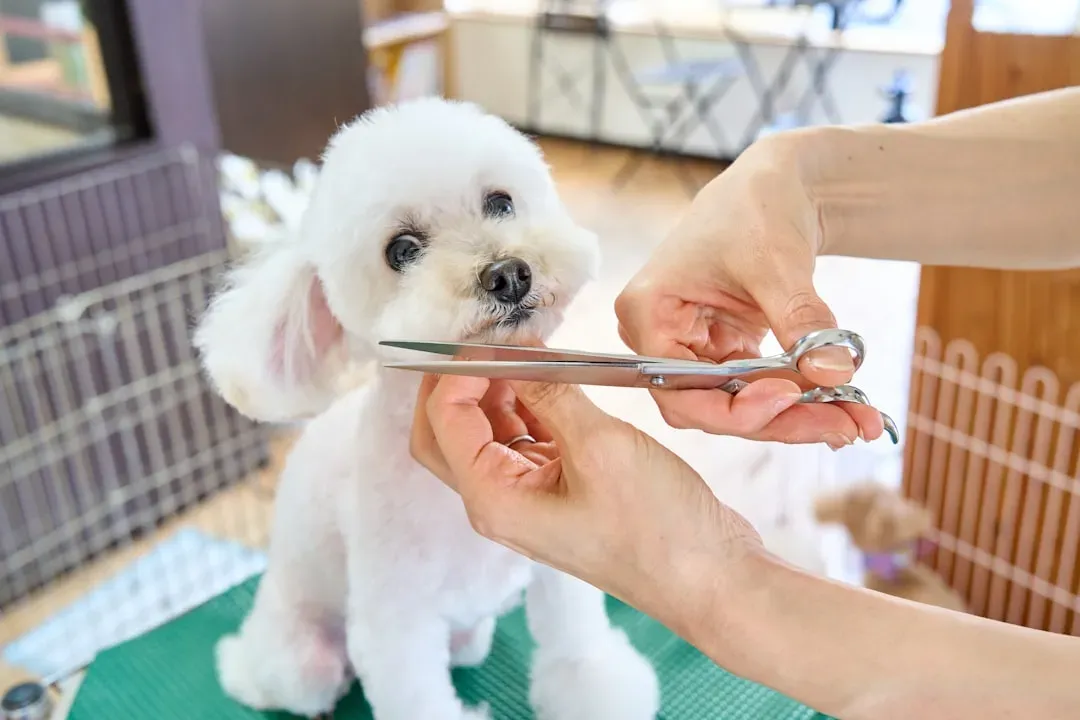
Use treats as rewards for calm behavior during grooming, offering them when your dog gets in the bath, sits to be washed, and stands for belly washing. This isn’t bribery; it’s smart training that creates positive associations.
Try smearing a small amount of peanut butter on a lick mat attached to the bathroom wall at your dog’s eye level during bath time or nail trims. There are emotional benefits to good grooming as it can be a very calming activity for both you and your dog when introduced properly, since grooming is a social activity in animals.
The key is consistency and patience. Keep grooming sessions short at first, maybe just five minutes, and gradually increase duration as your dog relaxes. Celebrate small wins. Did they let you trim just one nail without fussing? That deserves a celebration and their favorite treat.
Invest in Quality Tools That Make Everything Easier
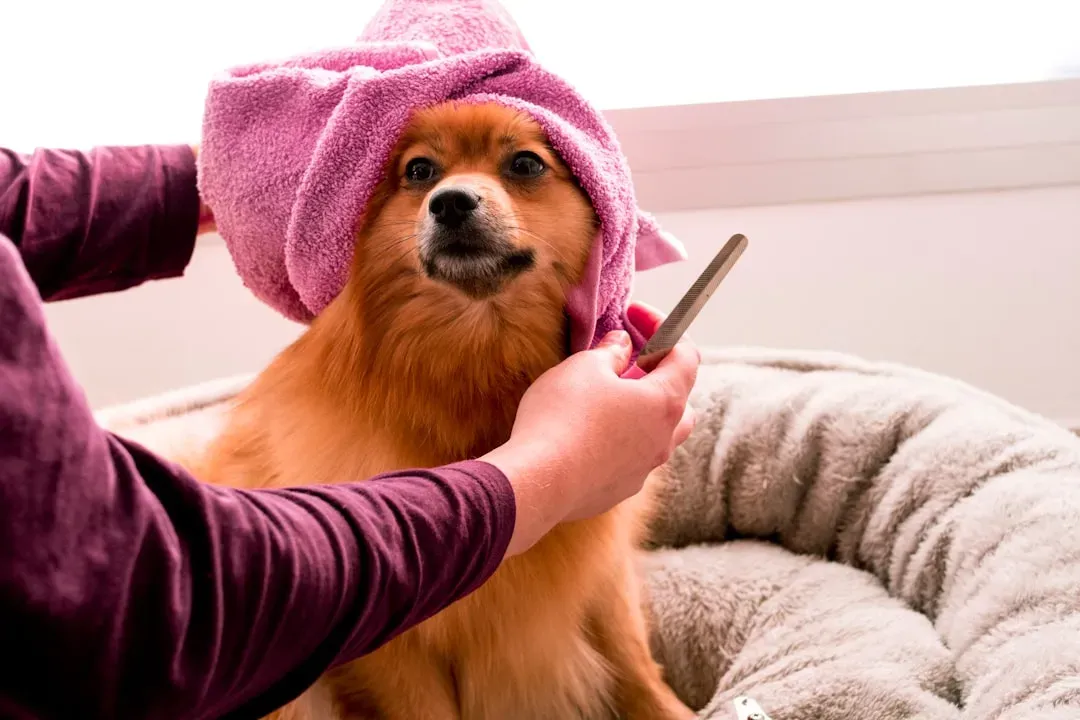
The way you brush your pet and how often depends largely on coat type. Cheap grooming tools aren’t just ineffective; they can actually hurt your dog or damage their coat. A slicker brush that pulls out chunks of fur or dull nail clippers that crush instead of cut create negative experiences.
Regular brushing prevents matting, which can cause serious skin issues, painfully pull and pinch skin, and hide parasites like fleas or maggots. Quality brushes glide smoothly through the coat without yanking. Professional grade nail clippers give clean cuts that don’t splinter.
Think of grooming tools as an investment in your dog’s comfort and your own sanity. Regular grooming removes dirt, spreads natural oils throughout the coat, prevents tangles, and keeps skin clean while also being a great time to check for fleas and flea dirt. The right tools cut grooming time in half and make the experience pleasant for everyone involved.
Conclusion
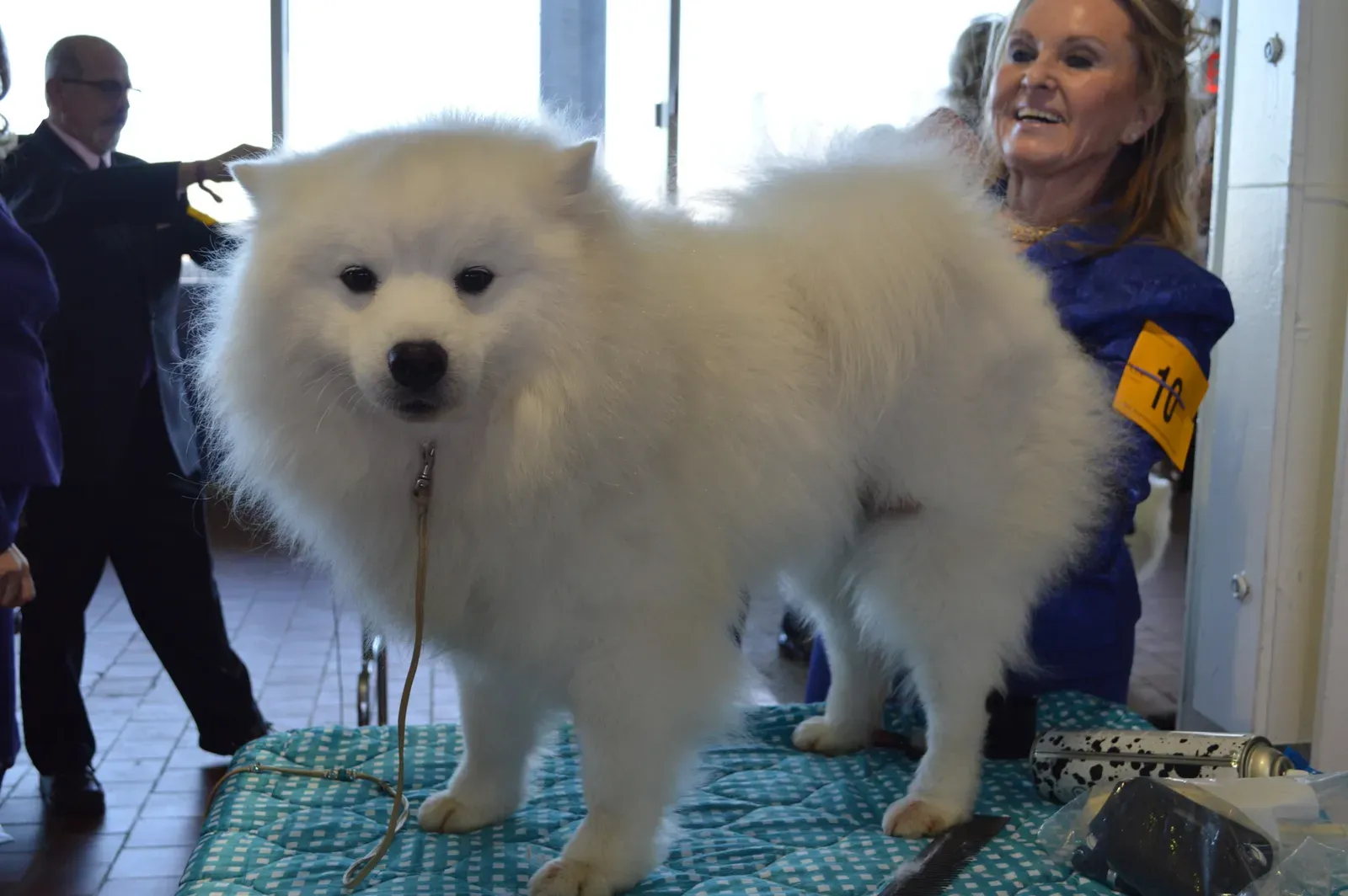
Grooming your dog doesn’t require professional skills or hours of your time each week. These six simple hacks transform what often feels like an overwhelming task into manageable moments of connection with your best friend. Regular brushing, strategic bathing, gentle nail care, and proactive ear cleaning keep your pup healthy while strengthening the bond you share.
Remember that every dog is unique. What works perfectly for one might need tweaking for another, and that’s completely normal. Pay attention to your dog’s signals, celebrate progress no matter how small, and never hesitate to reach out to your vet or a professional groomer when you’re unsure about something.
Your dog relies on you for their care, and these grooming basics are essential to their wellbeing. What grooming challenge have you faced with your pup? Share your experiences in the comments below.


