
Picture this: you grab your keys, and your dog immediately starts trembling in the corner. You haven’t even said the word “vet” yet. Sound familiar? If it does, you are absolutely not alone, and honestly, your heart breaking a little in that moment is completely understandable.
So many dog parents dread vet day almost as much as their pups do. The good news? It doesn’t have to be that way. With a handful of smart, practical strategies, you can genuinely change how your dog feels about the whole experience. Be ready to be surprised by just how manageable, even enjoyable, vet day can become.
Know What Stress Actually Looks Like in Your Dog
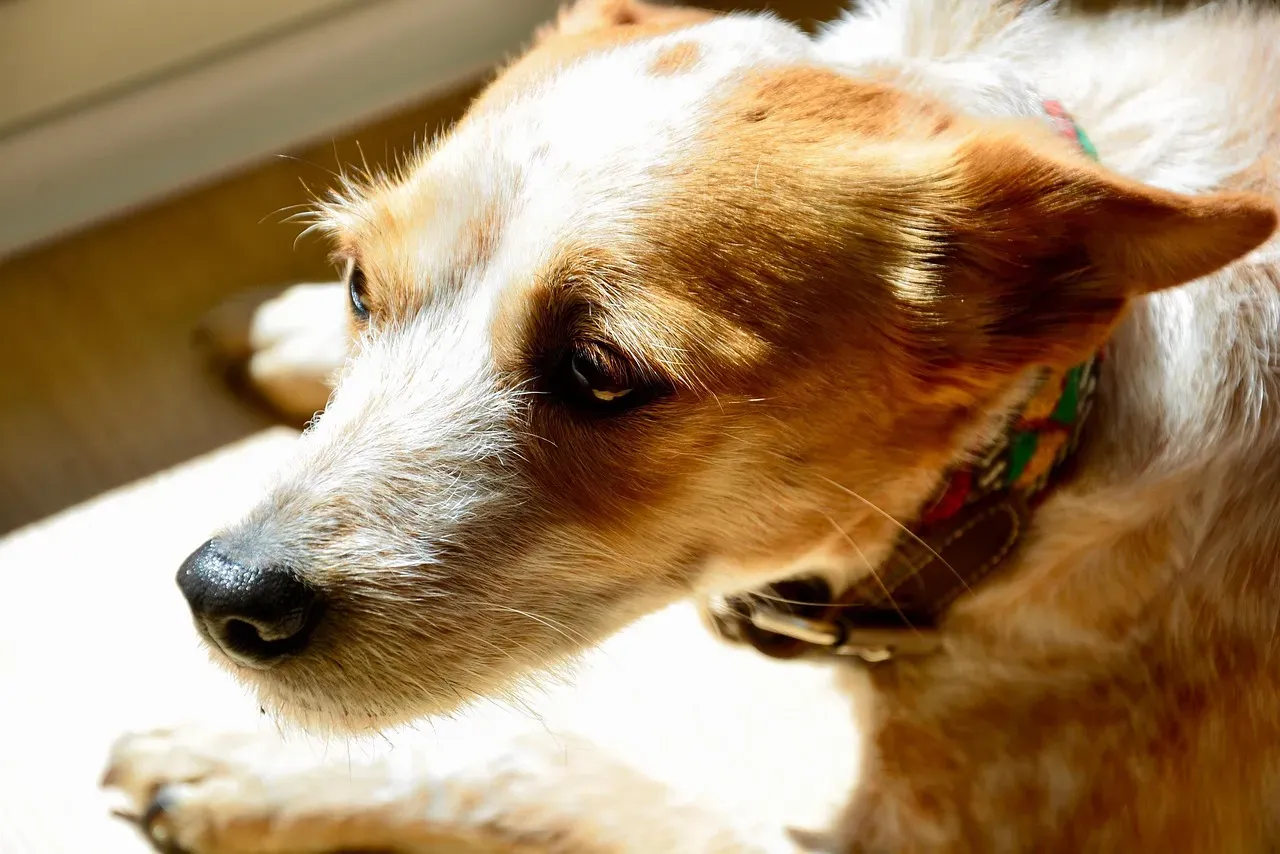
Before you can help your dog, you need to understand what they’re trying to tell you. The signs of anxiety in dogs are often subtle and can easily be misinterpreted unless the full context is understood. Your dog can’t say “I’m scared,” but their body is constantly talking.
You might notice behavior such as excessive drooling or shedding, your dog’s ears and tail staying low, and overall timid body language such as pulling back on their leash or staying right up against your leg. Some signs are even quieter than that. Learn to observe your dog closely for subtle signs of anxiety like yawning, licking, raising a front paw, or looking away.
Here is something I think is so important and often missed: showing these behaviors doesn’t mean your dog is “naughty” or “dominant.” These are some of the only ways that your dog can say, “I’m not comfortable, please give me space.” Recognizing the difference between a calm dog and an anxious one is your very first superpower as a dog parent.
Introduce “Happy Visits” to Rewire Your Dog’s Brain
Here’s the thing: most dogs only see the vet when something unpleasant is happening. No wonder they connect the parking lot with doom. The fix? Change the story entirely. A “happy visit” refers to taking your dog to the vet on a day when they do not need medical treatment, just a visit to the building to create positive associations before or between scheduled appointments.
During a happy visit, your pet will greet team members, receive lots of attention, and explore the hospital while receiving high-value treats, with no poking, prodding, or needles. Think of it like taking a child to a candy store before dentist day. You’re building a bank of good memories.
The best time to start this process is during puppyhood, but it is equally beneficial for adult dogs. Start small. Start with small steps, such as giving your dog treats in the car or parking lot outside the veterinary hospital. Call ahead to ensure the clinic isn’t too busy, and ask if a staff member can greet your dog with treats outside. Slow and steady wins this race every time.
Practice Handling at Home Before the Appointment
Think about it from your dog’s perspective. Most strangers don’t start handling your dog’s feet, face, and ears when they meet your dog. So when a vet does exactly that, it feels alarming and invasive. The solution is to make that kind of touch totally normal at home first.
Dog guardians can practice similar handling techniques commonly used by veterinarians and groomers at home. The goal is for dogs to learn to be comfortable with this type of handling in a stress-free environment. Practice handling your dog’s paws, ears, mouth, and other body parts while offering treats as rewards.
One golden rule: never push too far, too fast. Never force your dog to accept touch or handling. Always allow them to walk away if they are uncomfortable or unwilling to participate. If they walk away, it is information that the training needs to be in smaller, slower steps before progressing. Respect goes a long way with dogs. It always does.
Use Food Strategically to Create Calm
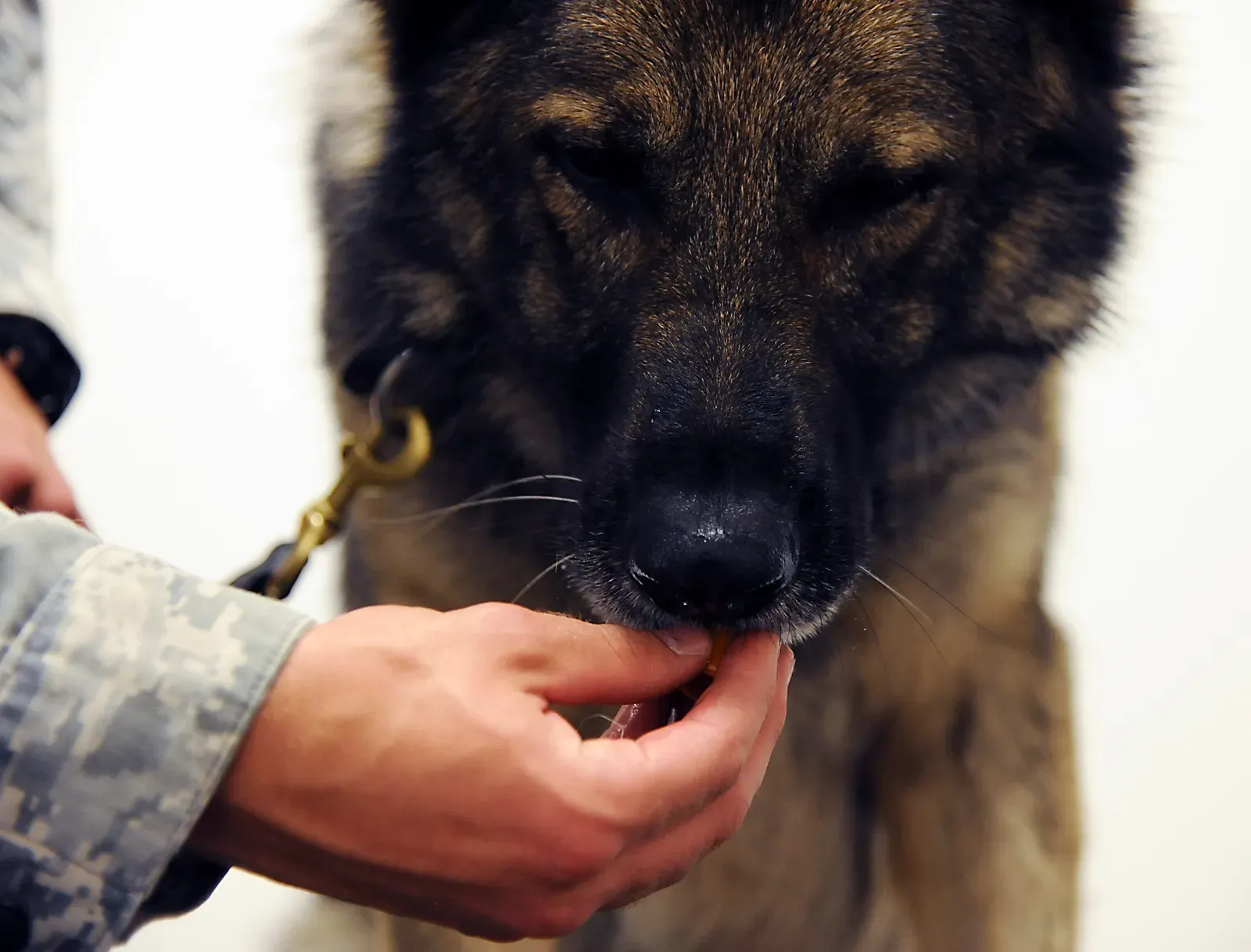
This hack is almost delightfully simple, and yet so many dog parents skip it. Avoid feeding your dog a meal prior to the visit. Your dog will be more receptive to the veterinarian and staff using treats to help calm or distract your dog during the visit. A hungry dog is a motivated dog.
There is a lot of research that shows when a dog eats, it releases feel-good hormones inside his brain. So every treat given during the exam is actually doing double duty: distracting your pup and flooding their brain with good feelings at the same time. Some clinics even use lick pads containing high-value treats to distract pets during vaccines and blood draws.
Bring treats or food from home if your dog has special dietary needs or your dog has a particularly irresistible treat they like. Honestly, if your dog goes wild for a specific food, this is the moment to use it. Save the really good stuff for vet day.
Burn Energy First, Then Walk In Calm
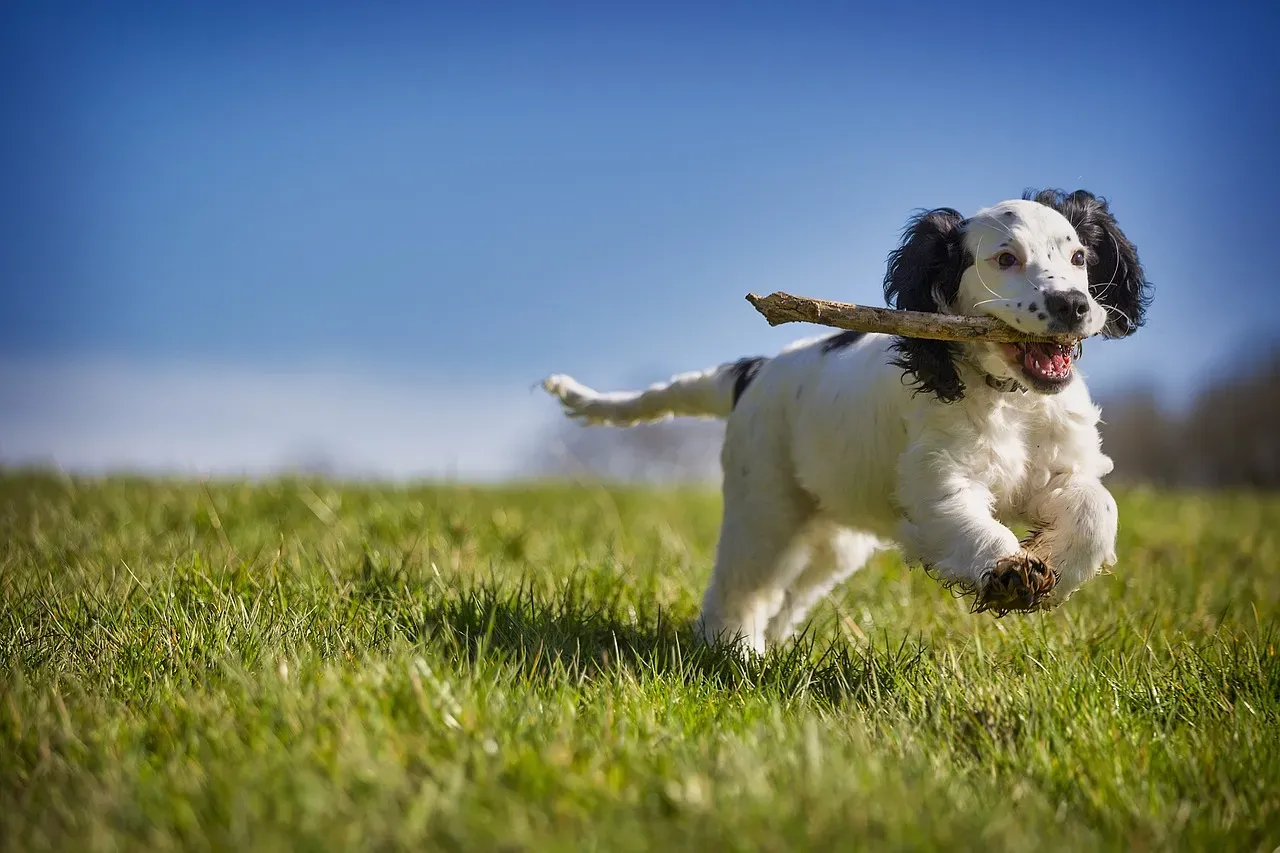
A tired dog is a calmer dog. It’s not complicated, but it’s genuinely effective. When possible, schedule appointments so that you can walk or exercise your dog prior to the appointment. Physical activity can help make dogs feel calmer and more relaxed. Think of exercise as nature’s anxiety medication for your pup.
Exercising your dog before their appointment may help in boosting their mood and getting them to relax at the veterinarian. A walk, quick run, or game of fetch may do the job perfectly. The goal is to take the edge off that nervous energy before it even gets a chance to build inside the clinic walls.
One practical tip: walking dogs outside the clinic before the appointment can also help burn off excess energy and reduce stress. Scheduling appointments during quieter times can minimize wait times and exposure to other animals. Less chaos in the waiting room means a much better start to the whole visit.
Stay Calm Yourself – Your Dog Is Watching You
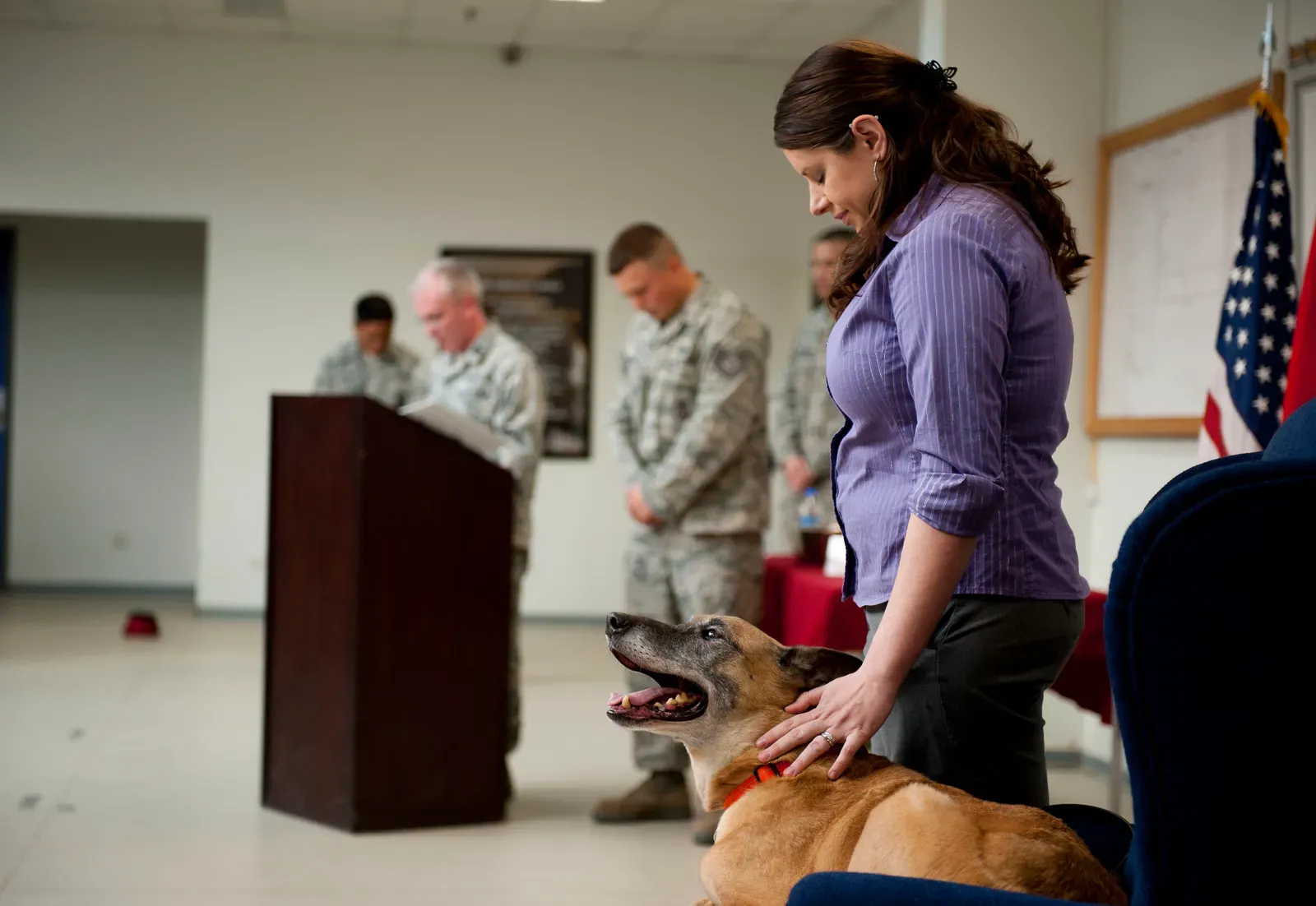
This one might be the most underrated hack of them all. Your dog is essentially looking at you for instructions on how to feel. Dogs are incredibly attuned to their owner’s emotions. A nervous or anxious owner can inadvertently heighten a dog’s stress. It’s important for owners to project calmness and confidence, reassuring their pet through their demeanor that there’s nothing to fear.
Pets are incredibly tuned into their owners’ emotions and look to them when feeling uncertain about a particular situation. If you’re worried about your pet’s behavior at the veterinary hospital or concerned about how they’re feeling, you might put off an anxious, unsure vibe that your pet will notice.
It’s hard to say for sure what exactly your dog picks up on, but the emotional contagion between dogs and their owners is very real. Take a breath before you walk in. Move slowly and speak softly. Bringing comfort items from home, such as a favorite blanket or toy, can also give your pet a sense of security during their veterinary visit. Your calm presence, paired with a familiar scent from home, is genuinely one of the most powerful tools you have.
Conclusion: Every Calm Visit Builds a Braver Dog
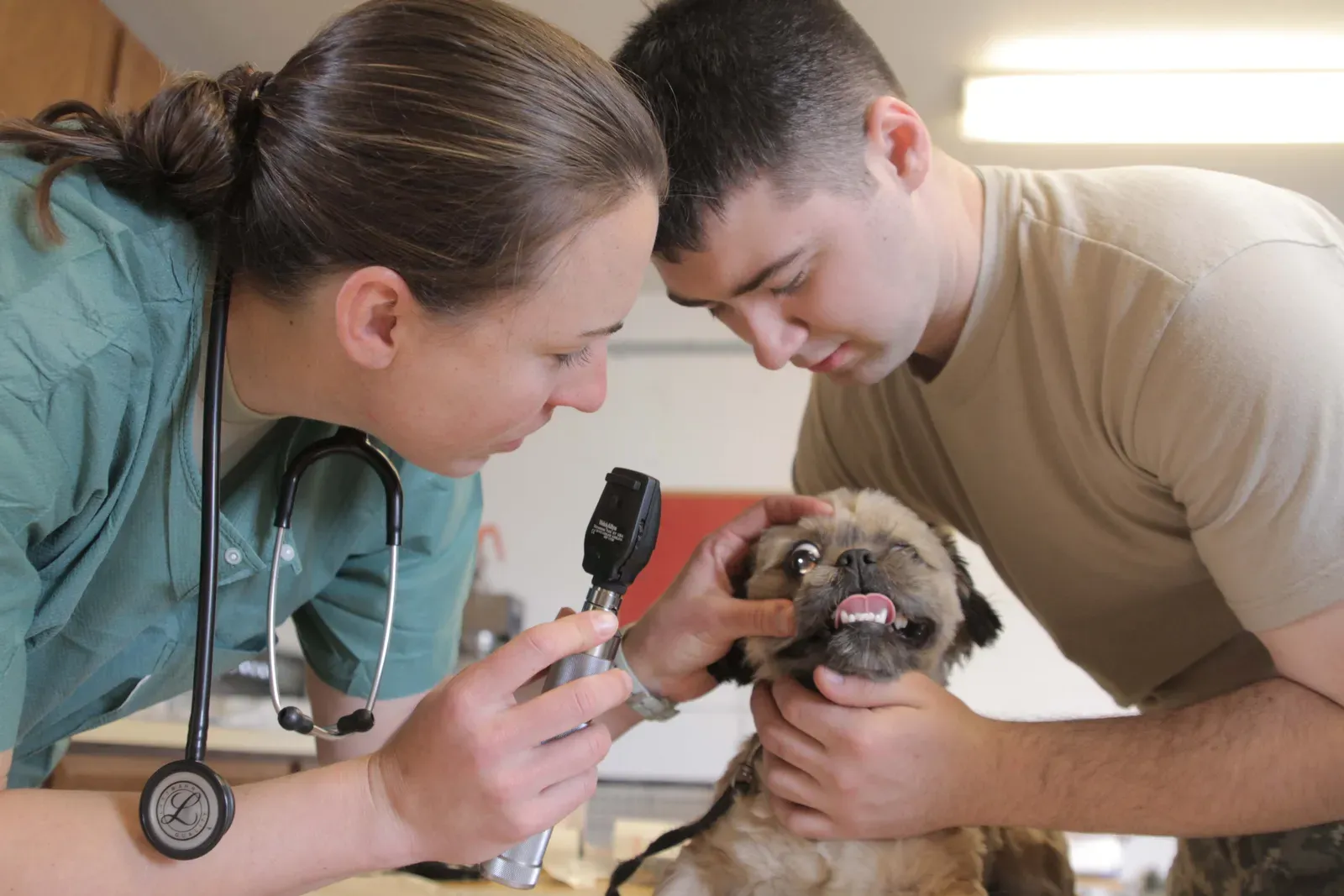
Let’s be real: you might not transform your dog into someone who wags their tail through every vaccination overnight. That’s okay. Progress is what matters. Helping your dog become less anxious is an ongoing process that will take some patience and dedication, but every step benefits your pup’s overall wellbeing.
The six hacks above – learning to read stress signals, scheduling happy visits, practicing handling, using food wisely, exercising before appointments, and staying calm yourself – build on each other. Each small win rewires your dog’s emotional response over time. If a pet’s anxiety regarding exams is left unaddressed, they may develop long-term aversions to veterinary visits. This can lead to a dog being traumatized after a vet visit, causing future veterinary appointments to become even more challenging. Starting now matters more than you think.
Your dog trusts you completely. That trust is your greatest tool. Use it with patience, consistency, and a whole lot of treats, and you may find that vet day slowly transforms from the most dreaded day of the month into just another adventure with their favorite human. What small change will you try first?


