
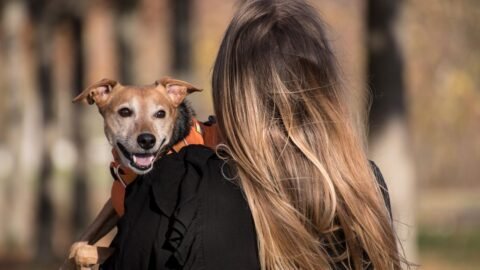
You know the feeling. You settle down for a meal, take that first delicious bite, and suddenly you sense it. A pair of eyes locked onto you with laser focus. Your dog has somehow materialized next to your chair, head tilted slightly, gaze unwavering, as if willing your food to levitate from your plate directly into their waiting mouth. It’s part comedy, part guilt trip, and entirely relatable to anyone who’s ever shared their home with a canine companion.
Let’s be real, we’ve all wondered what’s really going through their furry little heads during these mealtime stare downs. Is it pure hunger? Manipulation? Something deeper? The truth turns out to be far more fascinating than you might expect, blending ancient instincts, emotional connection, learned behavior, and yes, a healthy dose of canine cleverness. So let’s dive in and unpack exactly what your dog is trying to tell you when those soulful eyes refuse to look away.
They’re Tapping Into Ancient Pack Hierarchy
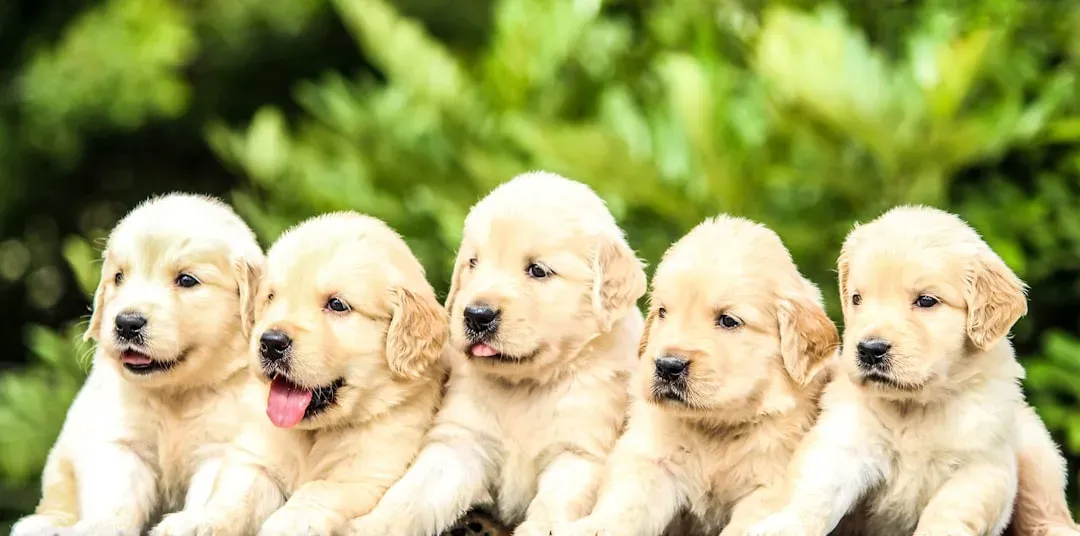
Here’s the thing. Dogs are pack animals, and wild dogs stare at higher-ranking dogs or the pack leader while they eat. This behavior is baked into their DNA, passed down through countless generations. When your dog watches you eat, they’re essentially acknowledging you as the leader of their pack.
In wolf packs and ancestral dog packs, the pack leader often eats first, and members watch not just out of fear but as part of structure and ritual. Your dining room might not look like the wild, but to your dog, the same social rules apply. By staring at you during mealtime, your dog is demonstrating that he is subordinate to you in the pack order.
In ethological circles, the term affiliative food begging describes this kind of behavior, not just “feed me” but “I’m with you”. It’s less about demanding food and more about affirming their place in your family unit. Think of it as their way of saying, “I see you, I respect you, and I’m part of this.”
It’s a Powerful Bonding Ritual Rooted in Chemistry
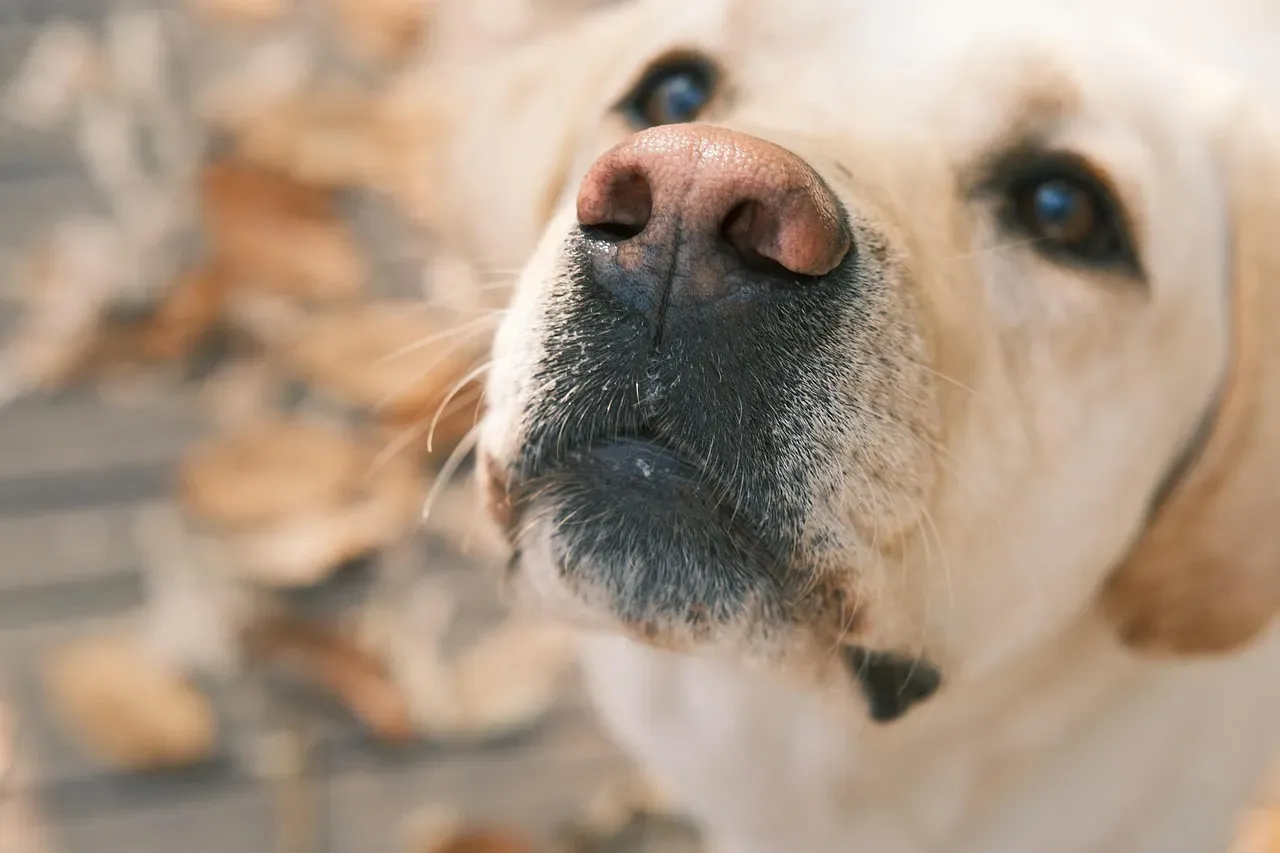
This one genuinely surprised me when I first learned about it. Mutual staring between humans and dogs releases oxytocin, known as the love hormone. This chemical plays an important role in bonding and boosts feelings of love and trust.
Gazing behavior from dogs increased urinary oxytocin concentrations in owners, which consequently facilitated owners’ affiliation and increased oxytocin concentration in dogs. In other words, when your dog stares at you and you look back, both of your brains are flooded with the same hormone that mothers and babies share during bonding. How incredible is that?
Of the duos that had spent the greatest amount of time looking into each other’s eyes, both male and female dogs experienced a 130% rise in oxytocin levels, and both male and female owners a 300% increase. This isn’t just some vague emotional response. It’s measurable, biological proof that your dog’s stare creates a genuine feedback loop of affection. It’s more than manipulation – it’s a silent ritual of emotional connection.
They’ve Learned That Staring Works Like Magic
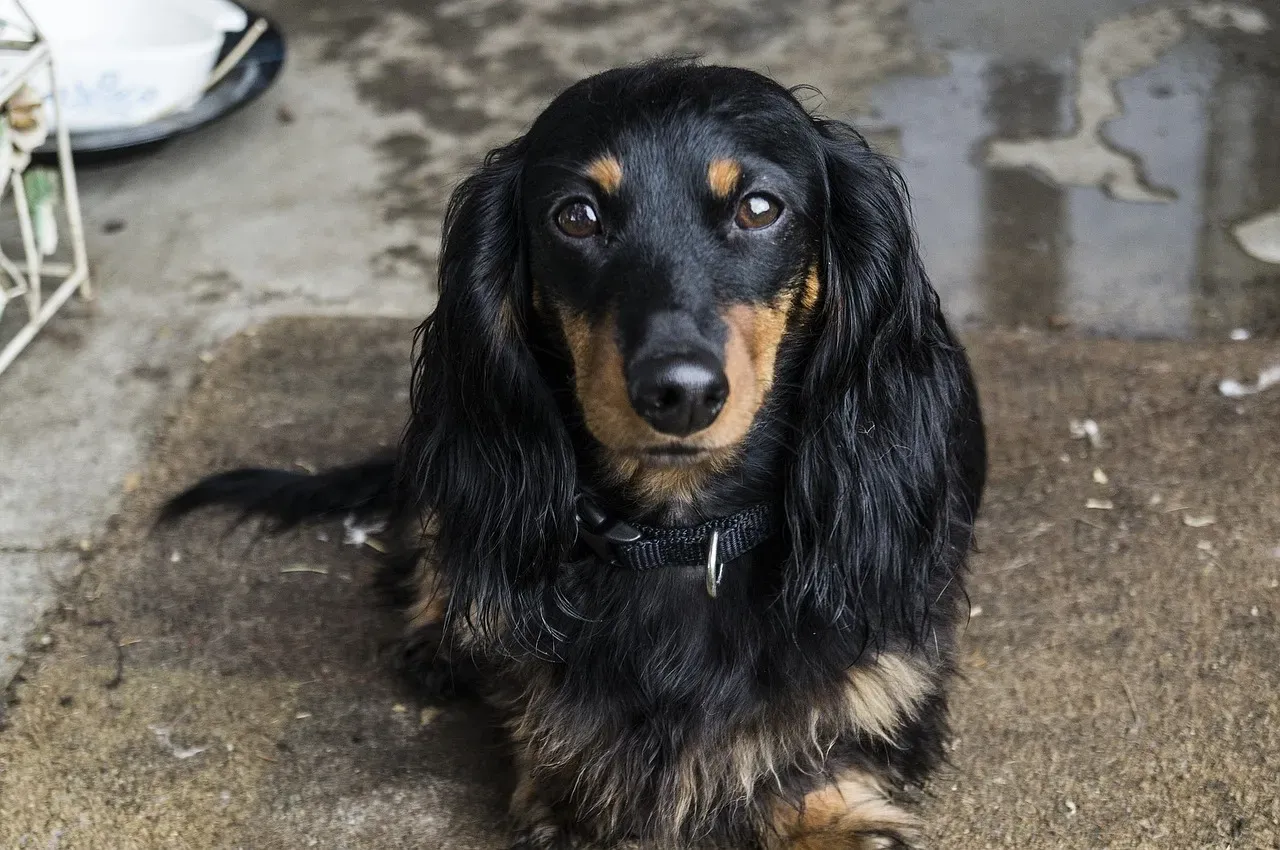
Let’s be honest. Your dog begs because begging works. A big part of it is people letting it happen. If you’ve ever given in to those puppy dog eyes and tossed them a bite of chicken, congratulations. You’ve just reinforced the behavior for life.
At some point dogs discover that pawing, nudging, whining, drooling, barking, or simply riveting their gaze on your plate, will usually yield a prized reward. Dogs are observational geniuses. They notice patterns faster than we do. One small reward during dinner and suddenly they’ve cracked the code.
Dogs stare at us because we, their caregivers, reinforce them for doing so in a variety of ways. Basically, our dogs know that if they just look at us, we’ll give them whatever they want. Even if you don’t hand over food, simply making eye contact, talking to them, or reaching down to pet them sends the message that staring equals attention. And for a dog, attention is almost as valuable as treats.
Their Scavenging Instinct Is Still Very Much Alive
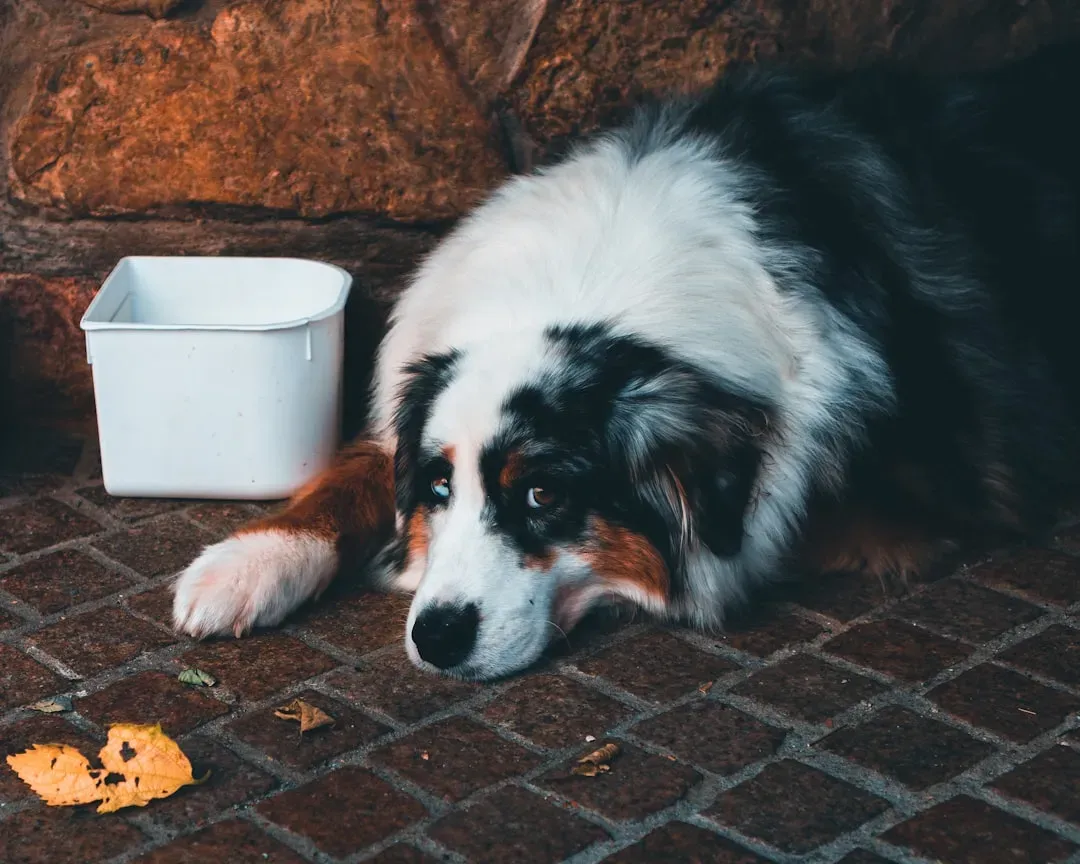
Even if your dog just polished off their own dinner, they’ll still sit there watching you eat yours. Why? Survival instinct. Eating whatever they could find and as often as possible was critical to their survival. In other words, binge eating was a way of life because who knew when their next meal was coming?
The instinct to scavenge and binge is still intact. This is why dogs are famous for stealing unsupervised food from countertops and tables. Your well fed pup isn’t necessarily hungry in the traditional sense. They’re just hardwired to take advantage of every food opportunity that presents itself.
Dogs are social animals who want to share the moment with their family, they are curious about the smells of the food, and they have a natural hunting instinct to take advantage of any opportunity to get more food in case it runs out later. It’s primal. It’s ancient. It’s honestly kind of remarkable when you think about how deeply embedded these behaviors are, even in the most pampered pets.
They’re Seeking Reassurance and Checking In With You
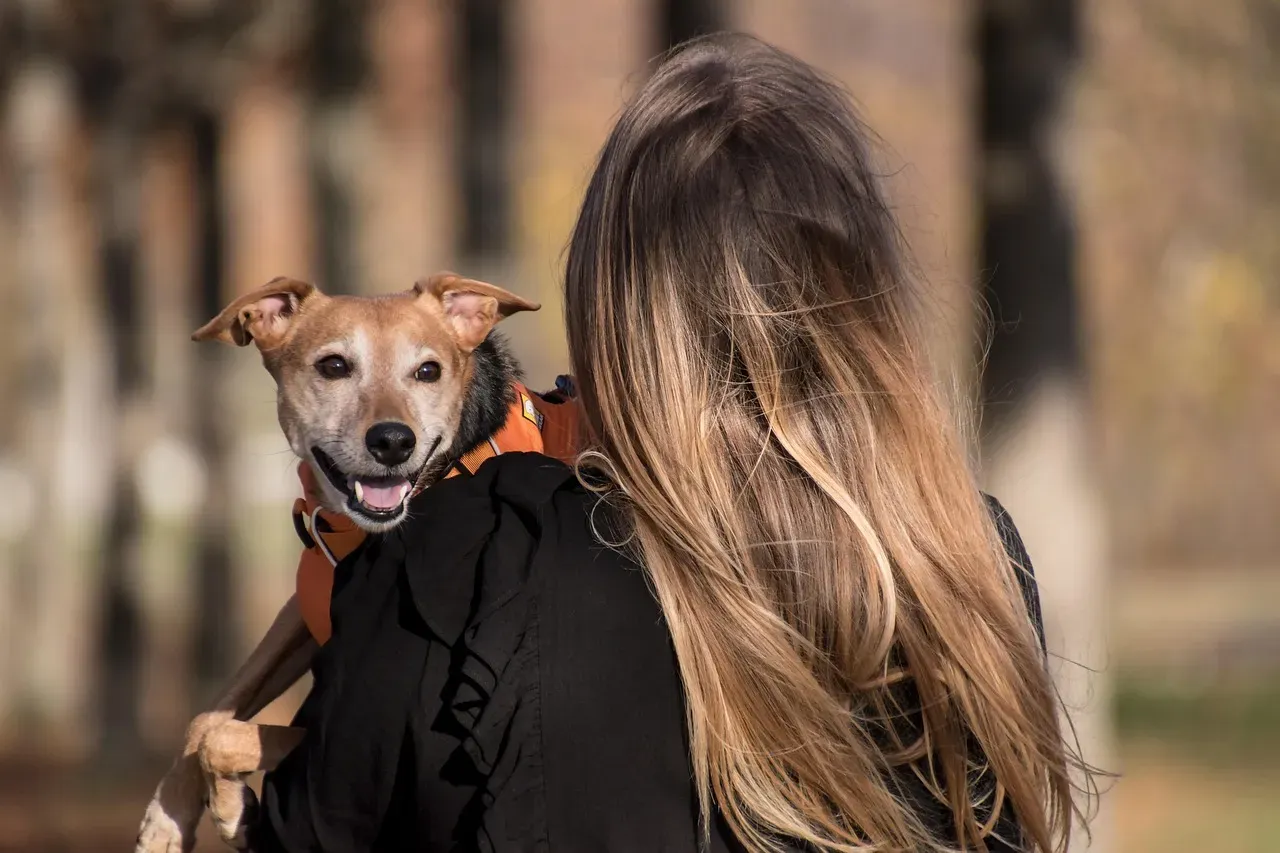
Sometimes that stare isn’t about food at all. Many dogs look to their owners for cues about safety and permission, especially during vulnerable moments like eating. This is particularly common in rescue dogs or those with uncertain pasts.
Your dog might be pausing mid meal or watching you during yours simply to check whether everything is okay. Are you calm? Are you happy? Is the environment safe? Dogs are incredibly perceptive, and they often use visual cues from their trusted humans to gauge how they should feel in any given moment.
When a dog feels unsafe or uneasy, they might stare at their owners for protection or to seek reassurance. In such situations, they might even show more signs of anxiety or distress, such as trembling or excessive panting. The stare becomes a lifeline, a way to ground themselves by connecting with you. It’s their version of asking, “We’re good, right?”
They’re Communicating a Need Beyond Hunger
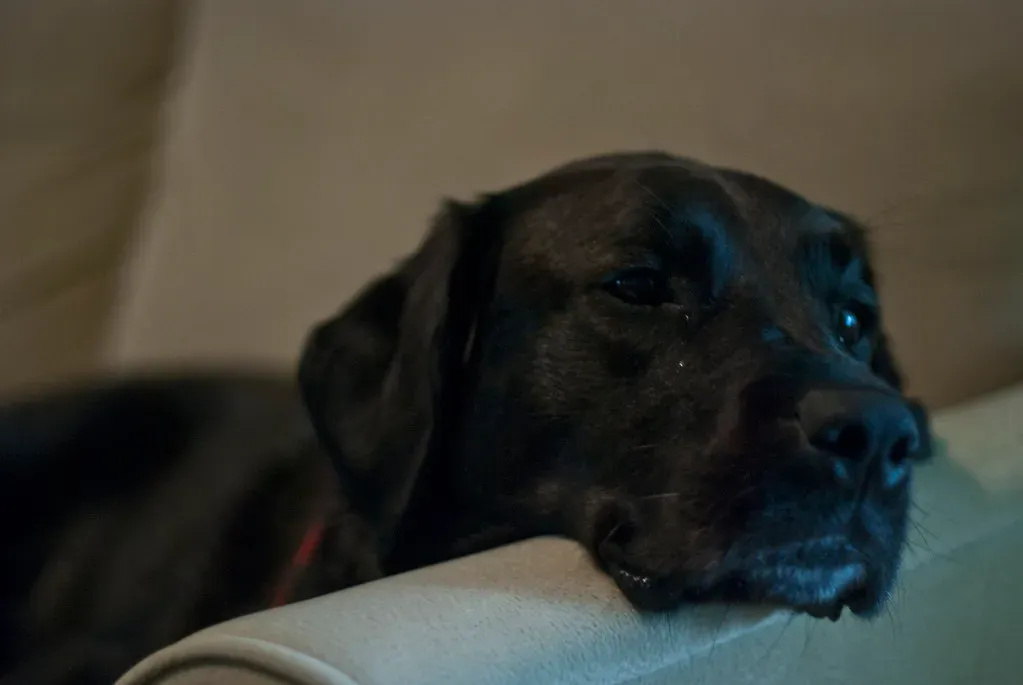
Here’s where it gets a little more nuanced. Staring also occurs when your dog is trying to get your attention or tell you something. For example, if it’s time for a potty break, your dog might sit by the door and gawk at you.
In general, dogs beg for three things: food, toys, and attention or play. In other words, dogs don’t beg to be annoying and they don’t do it for any complex, social, or evolutionary reasons. Sometimes your dog is simply bored, wants to go outside, or is trying to engage you in playtime. The stare is their way of tapping you on the shoulder without actually having hands.
Dogs’ ability to follow human actions stems from a willingness to accept humans as social companions, combined with conditioning to follow the limbs and actions of humans to acquire reinforcement. The type of attentional cues, the context in which the command is presented, and previous experience are all important. They’ve learned that looking at you gets results, whether that’s a walk, a game of fetch, or just a cuddle on the couch.
Conclusion

So what have we learned? That stare from your dog during dinner isn’t just one thing. It’s a complex blend of evolutionary instinct, emotional bonding, learned behavior, scavenging drive, reassurance seeking, and communication. It’s part biology, part psychology, and entirely a testament to the extraordinary relationship we share with dogs.
Next time your pup locks eyes with you while you’re mid bite, take a moment to appreciate what’s really happening. Sure, they might want a taste of your sandwich. That’s undeniable. Yet beneath that hopeful gaze lies thousands of years of coevolution, a brain flooded with bonding hormones, and a creature who sees you as their trusted leader and cherished companion.
What do you think? Does your dog have a signature stare that’s impossible to resist? Share your mealtime stories in the comments.


