
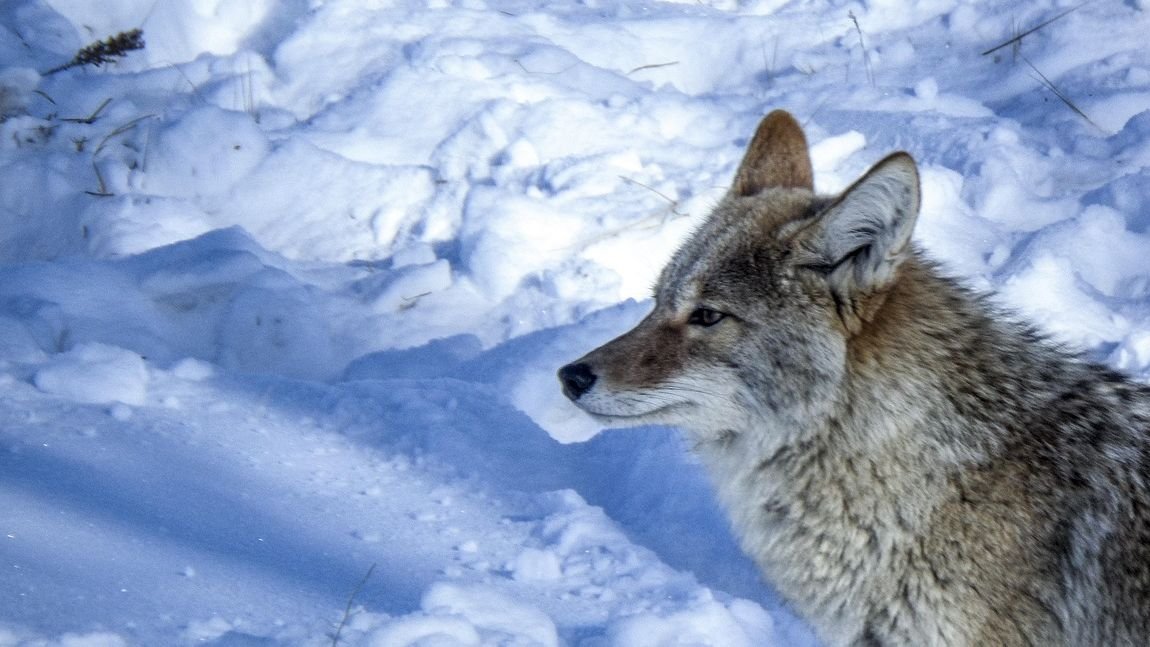
Picture this: you’re letting your dog out for a quick evening bathroom break, maybe scrolling through your phone while they sniff around the yard. Then you spot it. A coyote. Standing there, watching. Your heart races, your mind floods with worst-case scenarios, and you’re suddenly faced with a situation you never actually prepared for. What do you do?
If you live anywhere in North America right now, this isn’t just a hypothetical. Coyotes have adapted remarkably well to urban and suburban life, and they’re showing up in backyards from coast to coast. They’re smart, opportunistic, and surprisingly comfortable around humans when they need to be. That doesn’t make them villains, though. It makes them survivors.
Let’s be clear: most coyote encounters end without incident. These wild canines generally want nothing to do with us. Yet when things go wrong, it’s usually because someone did the exact opposite of what they should’ve done. Knowing what NOT to do can literally save your dog’s life. So let’s dive in.
Never Run Away or Turn Your Back
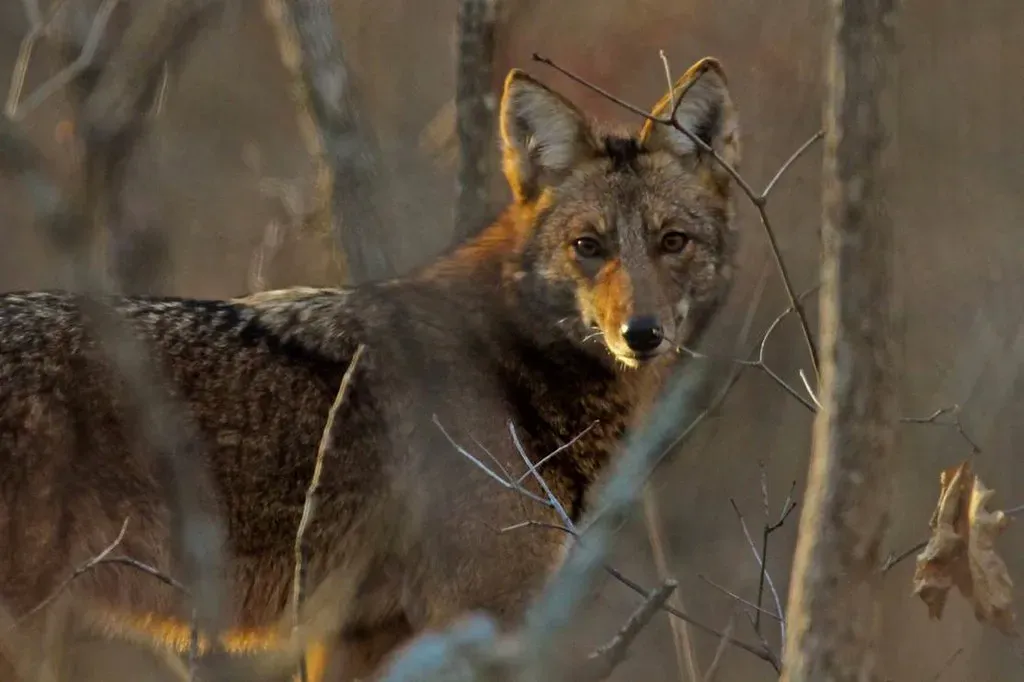
Here’s the thing about running: it triggers something deep in a coyote’s brain. Running could actually trigger a coyote’s natural chase instinct, turning a neutral encounter into a dangerous one in seconds. Think about it like this. Your dog probably chases squirrels, right? Same energy, except you’re the squirrel now.
Coyotes can run up to 40 mph over short distances. You won’t outrun them. Period. Turning your back sends an equally bad signal, because it suggests weakness or fear. Coyotes are opportunists, and they read body language the way we read text messages.
Instead, face the animal directly. Stand your ground. Keep your eyes on it while slowly backing away if you need to create distance. Do not run away. Do not play victim. Show confidence, even if you’re terrified inside.
If your dog is with you, keep them close on a very short leash. Small dogs should be picked up immediately, held securely against your chest. This isn’t the time to let your pup “handle it.”
Never Let Your Dog Interact or Play With a Coyote
Some coyotes are sneaky in ways that’ll catch you off guard. Coyotes often use niceness as a strategy to earn trust before going for the attack, or to lure dogs back to their den where more coyotes are waiting. I know it sounds crazy, but it happens. Your dog might think they’ve found a new playmate. They haven’t.
It is important to never let your dog interact or play with a coyote. This isn’t negotiable. Coyotes aren’t domesticated. They’re wild animals whose primary goal is survival, which often means finding food. And yes, unfortunately, small to medium dogs can look like food.
Even if the coyote seems friendly or playful, it’s performing a calculated behavior. There’s no friendship happening here. Your dog may think he has a new friend, but he will be killed and eaten. That’s not scare tactics. That’s biology.
Keep your distance. Call your dog back immediately. Use a firm, calm voice. If your dog doesn’t have strong recall, this is your sign to work on that skill starting tomorrow.
Never Feed Coyotes or Leave Food Sources Outside
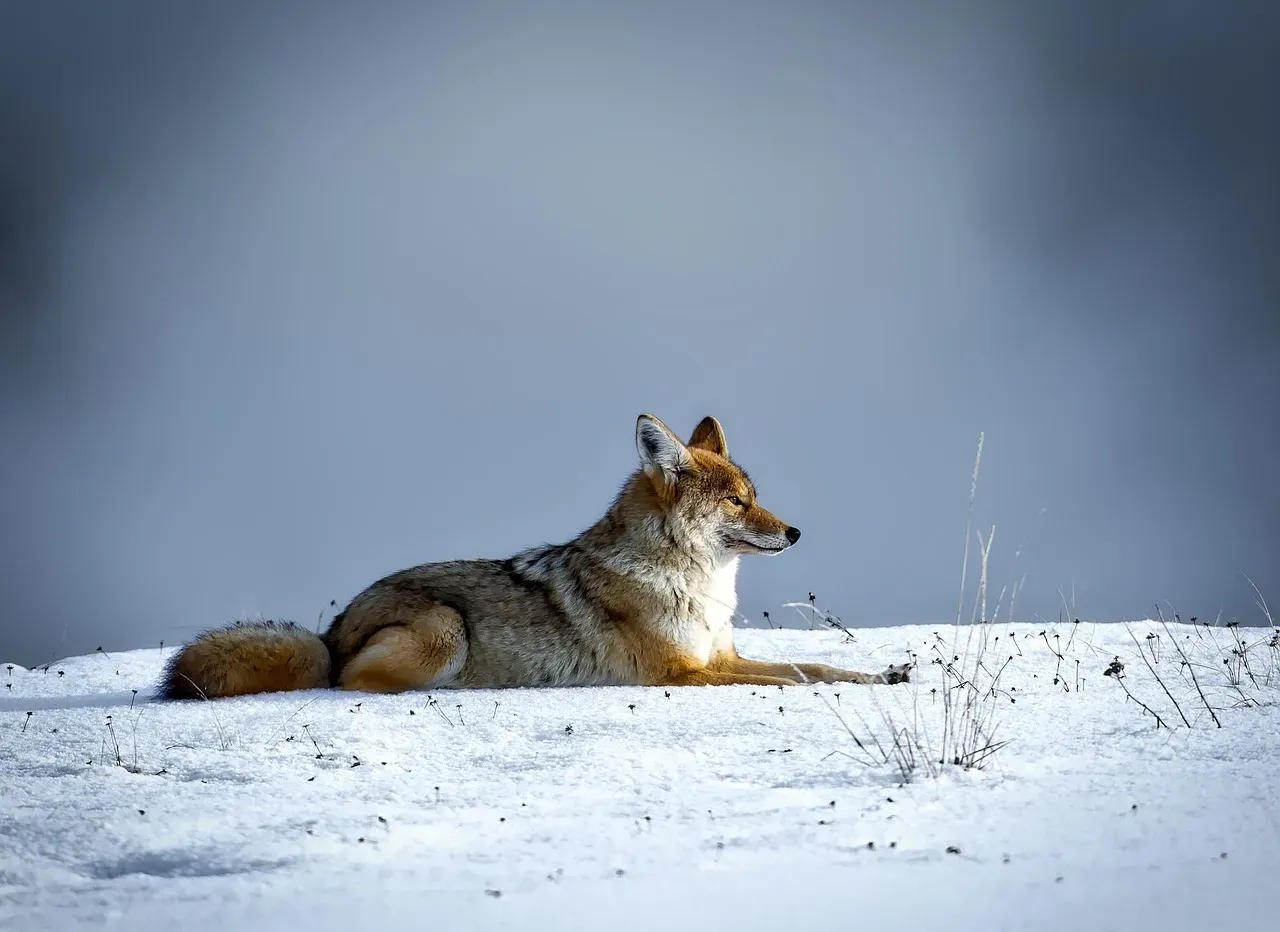
This one drives me up the wall because it’s so preventable. The number one most effective way to prevent coyote attacks in your neighborhood is to eliminate wildlife feeding. Yet people still leave pet food bowls on the porch, toss scraps in the yard, or let garbage sit unsecured overnight.
Coyotes that are fed in residential neighborhoods can lose their fear of people and may eventually test humans (and pets) as possible prey. Let that sink in. You’re not helping them by being generous. You’re teaching them that humans equal easy meals, which erodes the natural wariness that keeps everyone safe.
Honestly, even bird feeders can be a problem. Bird feeders often attract rodents, especially squirrels, which then attract coyotes. So you’re inadvertently setting up a buffet line that ends at your backyard.
Remove all food sources. Bring pet bowls inside. Secure trash in heavy-duty containers with locking lids. Clean up fallen fruit from trees. Make your yard as uninteresting as possible to a hungry coyote.
Never Leave Your Dog Unattended Outdoors
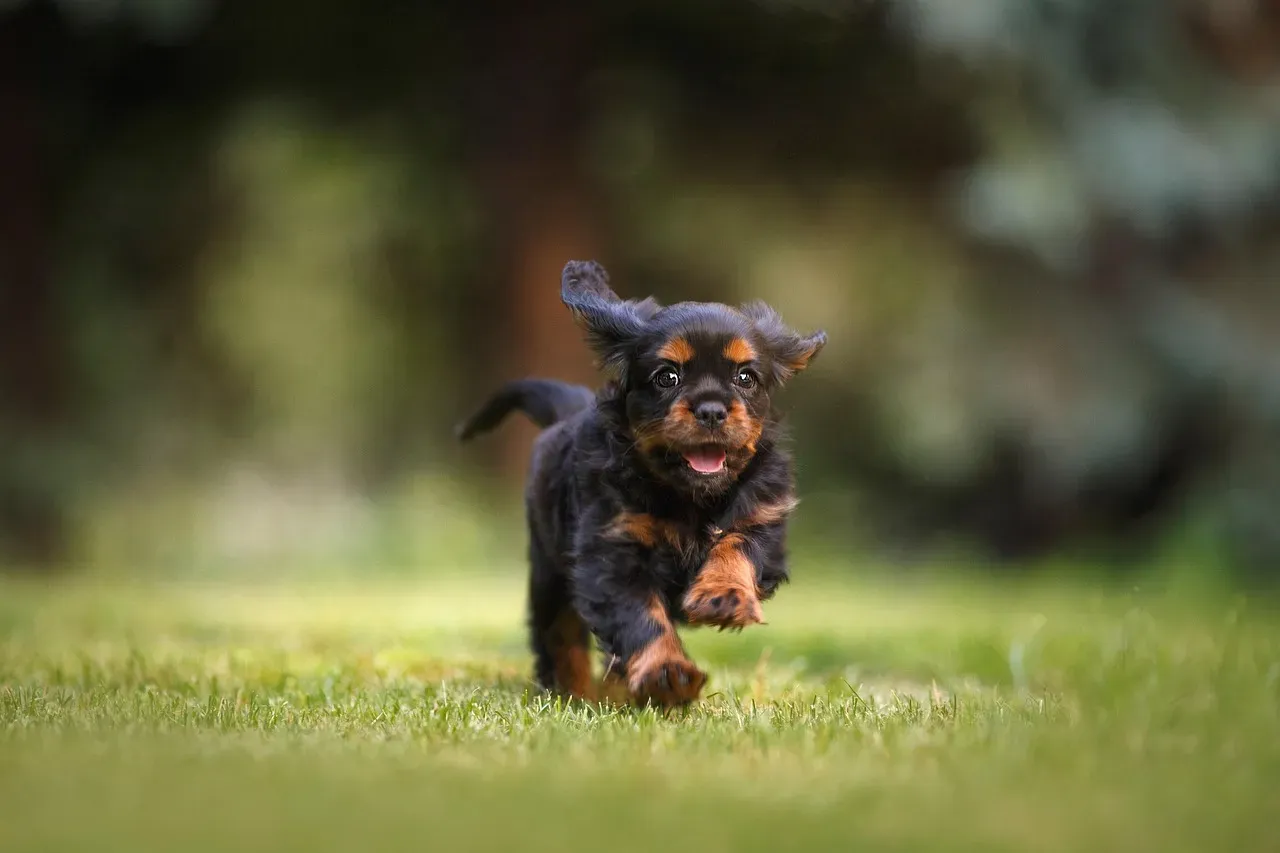
I get it. You want to let your dog enjoy the fresh air while you finish making dinner or answer a work email. But here’s the hard truth: If you see a coyote and you have a small dog with you, pick it up immediately. Keeping it on the ground will cause a coyote to charge.
Do not leave your pets unattended outside, not even for a second. Coyote attacks happen fast. Terrifyingly fast. One minute your dog is sniffing the bushes, the next they’re gone. Victims often describe it as surreal, like it couldn’t possibly be real, yet it was.
Coyotes tend to be more aggressive toward dogs during mating season (January – March) and denning season (April – May), which means there are specific times of year when vigilance becomes even more critical. Right now, in January 2026, we’re in peak mating season. Be extra cautious.
Supervise every outdoor moment, especially during dawn, dusk, and nighttime when coyotes are most active. Your presence is the deterrent. Stay outside with your dog. Keep them in constant view.
Never Approach or Corner a Coyote
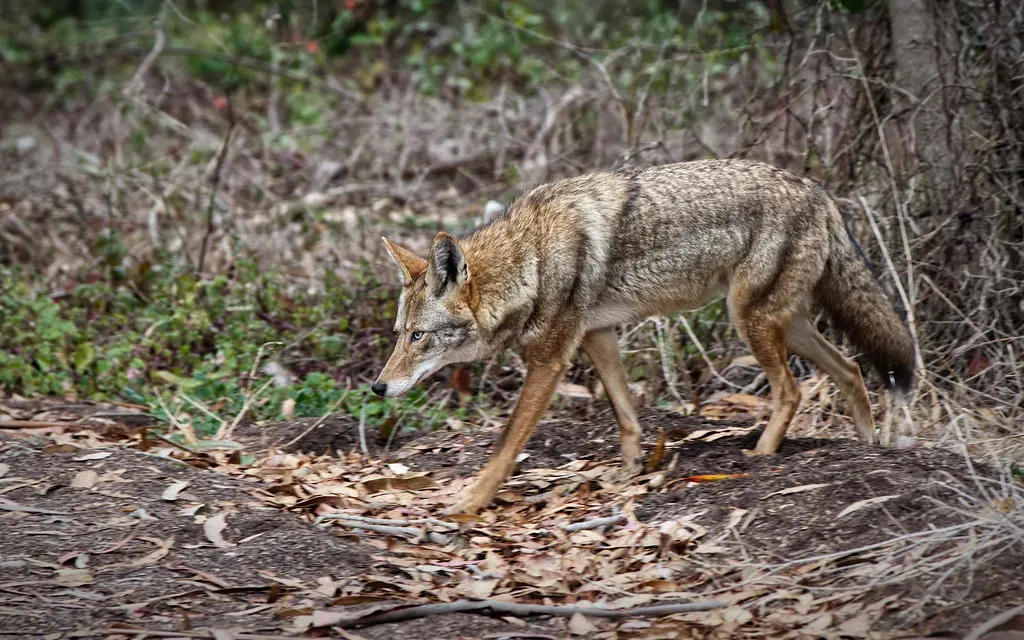
Let’s say you spot a coyote in your yard and your protective instincts kick in. You want to chase it off aggressively, maybe corner it near the fence so it “learns a lesson.” Don’t. Just don’t.
While hazing (scaring coyotes away) is absolutely recommended, there’s a difference between assertive deterrence and trapping an animal in a corner. Cornered animals become desperate. Desperate animals attack. Signs of aggression include agitated barking (unprovoked), raised hackles, snarling, growling, and lunging.
Your goal should be to make the coyote uncomfortable enough to leave, not to physically harm or trap it. Stand tall, make yourself look bigger by raising your arms or opening your jacket wide. Yell loudly, clap, throw objects NEAR it (not AT it directly). Make noise. Be intimidating from a safe distance.
If the coyote seems sick, injured, or unusually aggressive, back away slowly while continuing to haze, then get indoors and call animal control. Never try to handle the situation with physical force. You’re not equipped for that, and frankly, you don’t need to be.
Never Ignore Seasonal Behavior Changes
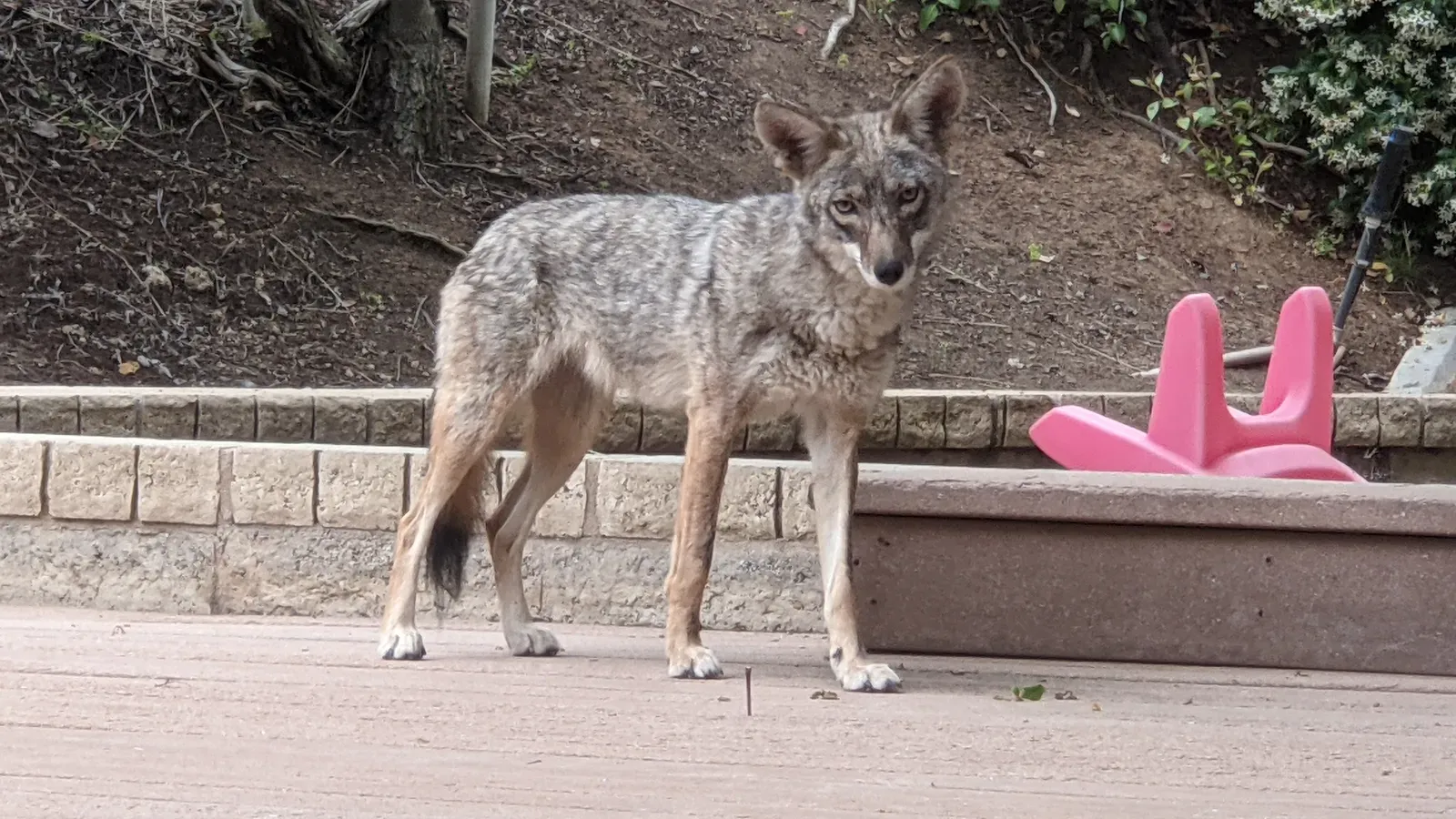
Coyotes aren’t the same all year round. Their behavior shifts based on breeding cycles, food availability, and pup-rearing responsibilities. Coyotes are most frequently seen and heard during mating season (January-March) and when juveniles start leaving the family pack (September-November).
During these peak times, coyotes become bolder, more territorial, and more protective. Around pupping season (May), your best bet may be to alter your route to avoid conflict if you know coyotes are denning nearby. It’s not about giving up your space. It’s about being smart.
Daytime sightings increase in spring and summer as parent coyotes search for food to feed their young. Coyotes are seen more during the daytime in the spring and summer as they are giving birth and raising their young. Daytime activity is normal behavior and does not mean the animal is rabid.
Stay informed about what’s happening in your area. Talk to neighbors. If someone reports a coyote sighting, take it seriously. Adjust your routines accordingly. Walk your dog on a leash during high-risk times, avoid dense brush areas, and vary your routes so coyotes can’t predict your patterns.
Conclusion
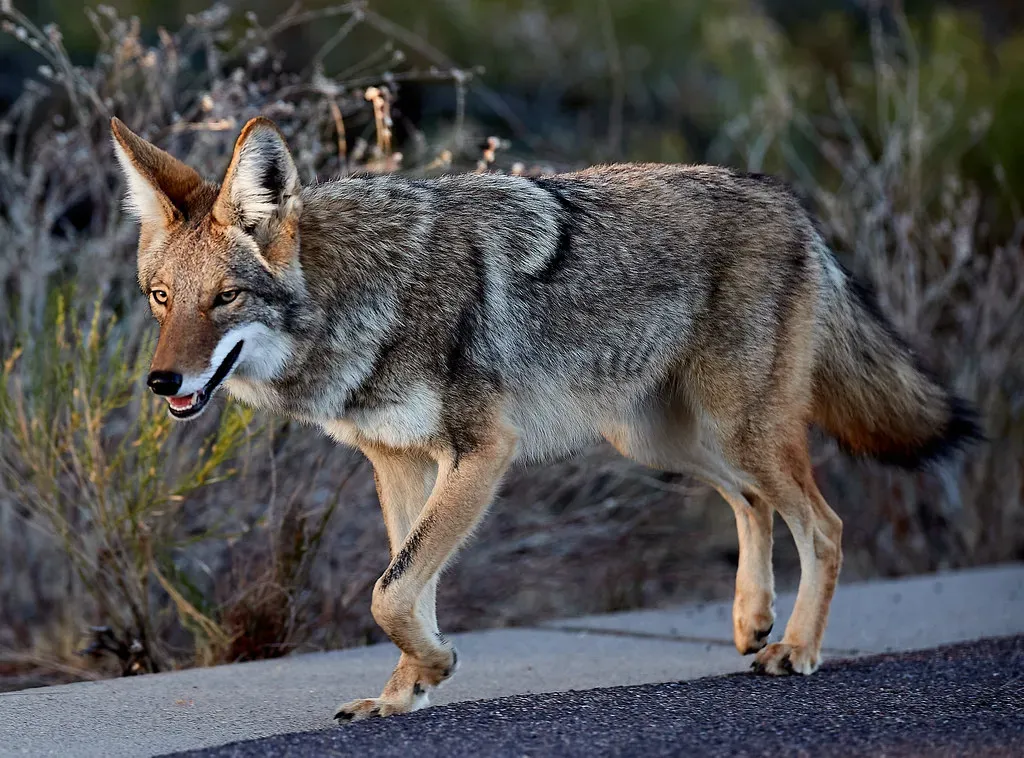
Coyotes aren’t going anywhere. They’ve proven they can thrive alongside humans, and in many ways, that’s a testament to their incredible adaptability. We share space now, whether we planned for it or not. The good news? Most conflicts are entirely preventable when you know what to avoid.
Don’t run. Don’t let your dog play with them. Don’t feed them. Don’t leave your pets outside alone. Don’t corner them. And don’t ignore the seasonal rhythms that make them more active and protective at certain times of year. These aren’t complicated rules, yet they’re so often overlooked until something terrible happens.
Your dog depends on you to make smart decisions in moments of danger. Be the calm, confident protector they need. Stay alert, stay informed, and respect the wildness that still exists right outside your door. What would you do if you spotted a coyote in your yard tonight? Share your thoughts in the comments.


