
We all know that breathless feeling when a dog’s energy suddenly shifts. Maybe you’re on your morning jog, or walking past a yard with a loose gate. Then comes the lunge, the hard stare, the low growl. Our hearts race, adrenaline spikes, and every instinct tells us to act fast. Sometimes, though, the actions that feel most natural in those frightening moments are exactly the ones that can escalate danger.
Understanding what not to do during a dog attack isn’t just about self-preservation. It’s about recognizing that dogs, even in their most aggressive moments, are communicating something, whether it’s fear, territoriality, or stress. Learning how to respond calmly and strategically can mean the difference between a close call and a trip to the emergency room. Let’s walk through the critical mistakes people make when confronted by an aggressive dog and how you can protect yourself better.
Never Run Away from an Aggressive Dog
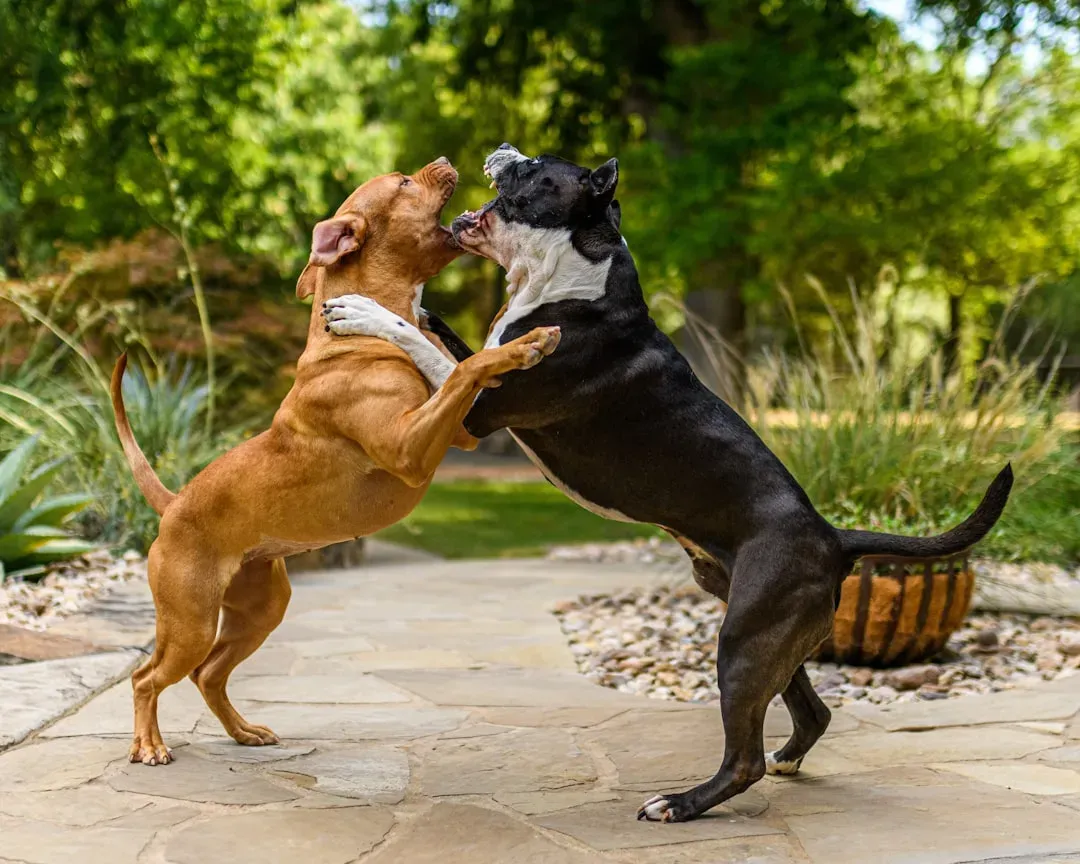
Running from a dog is one of the most dangerous reactions you can have. I know it sounds almost impossible when every fiber of your being is screaming at you to flee. Dogs naturally love to chase and catch things, and when you bolt, you’re triggering a primal instinct that even the friendliest pup finds hard to resist.
Even the most playful friendly dog will tend to chase someone they run up to, and if it’s exciting enough, the dog may even grab you as if you were a toy or prey. Running turns you into a moving target and can actually transform a dog that was just posturing into one that’s actively pursuing. Stay rooted to the spot, difficult as that is, and resist the overwhelming urge to turn and sprint.
Don’t Scream, Yell, or Make Frantic Gestures
Screaming or making frantic gestures can excite or provoke the dog further. High-pitched sounds and wild movements signal panic, and that panic can either intensify a dog’s fear-driven aggression or ramp up their excitement to dangerous levels. Any sound or movement you make might antagonize the dog further.
When you feel that terror rising in your chest, clamp down on the impulse to shriek or wave your arms. If you say anything, speak calmly and firmly. Honestly, though, silence is often your best friend here. The less stimulus you provide, the less likely the dog is to see you as a continued threat or an exciting challenge.
Never Make Direct Eye Contact or Face the Dog Head-On
Staring a dog down might work in the movies, but in real life, it’s often seen as a challenge. Making direct eye contact or facing the dog directly can challenge a strange dog with your body language. Dogs interpret a hard stare as confrontational, and when they’re already on edge, that can be the tipping point.
Avoid eye contact, lower your head and turn your gaze away from the dog, and turn your body slowly to the side. Think of it like defusing a tense conversation by softening your tone and posture. You’re telling the dog, without words, that you’re not looking for a fight. This simple shift in body language can sometimes be enough to convince an aggressive dog that you’re not worth the effort.
Don’t Try to Hit, Kick, or Physically Fight Back
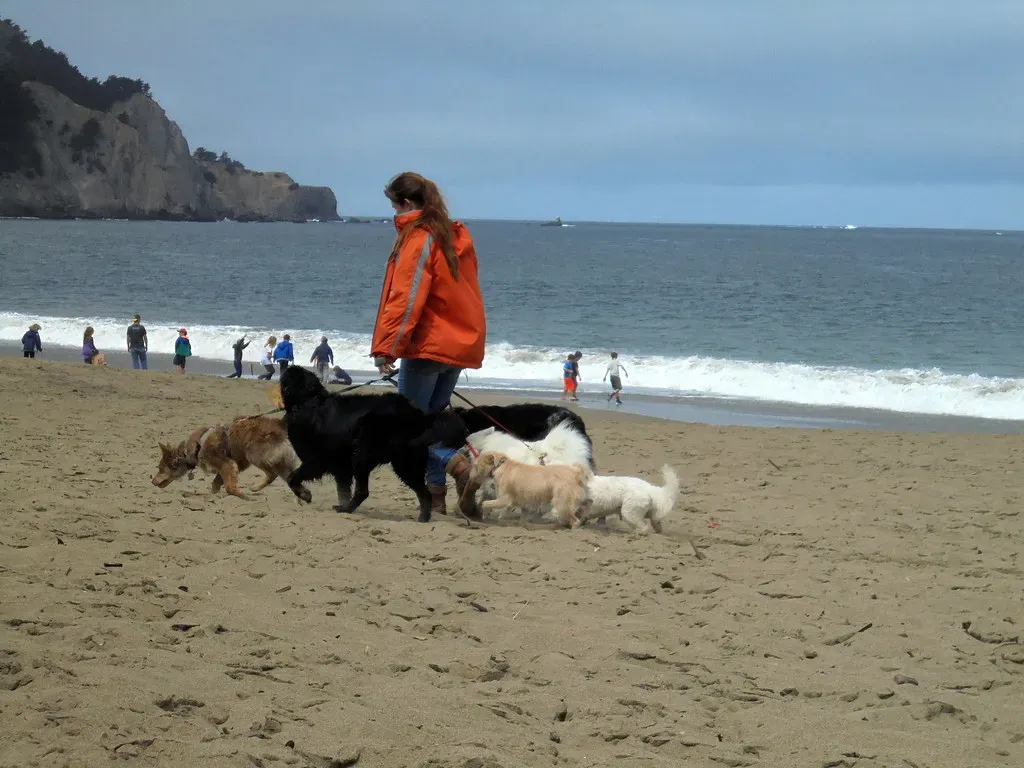
Do not yell, hit, or kick the attacking dog as this might raise their arousal level even more. I get it, your survival instinct screams at you to throw punches or land a solid kick. If you hit or kick a dog it may retaliate by biting, and using blunt force contributes to serious injuries.
If a dog has gotten to the point of attack, they are no longer thinking and are just reacting, so they will fight until they feel you are no longer a threat, but if you are quiet and calm, you are no longer a threat and they will stop. Fighting back often just escalates the situation and can redirect the dog’s aggression with even more intensity. Instead of becoming a warrior, become a statue.
Never Turn Your Back or Allow the Dog to Get Behind You
Turning your back on a dog or allowing it to get behind you is a dangerous mistake. Once you’ve broken visual contact and exposed your back, you become vulnerable. Fearful dogs will bite you when you’re not looking. It’s like giving them permission to strike without warning.
Try to stay still until the dog leaves, or back away slowly until the dog is out of sight, but don’t turn and run. Keep the dog in your peripheral vision as you create distance. Move at a glacial pace, and resist every temptation to whip around and dash away. Your goal is to appear non-threatening while maintaining awareness of where that dog is at all times.
Don’t Pull Away if the Dog Bites
If the unthinkable happens and a dog latches onto you, push against a bite instead of pulling away, as this forces most dogs to open their mouths and enables the victim to avoid ripping injuries from the dog’s serrated teeth. Pulling creates tearing wounds that are far worse than the initial bite itself.
Try not to pull the dog away, as this will likely cause the dog to grip harder; instead, push against the force of the bite, which is more likely to make the dog let go. It’s counterintuitive, but leaning into the pain rather than yanking away from it reduces damage. If you’re on the ground, curl up into the fetal position and protect your head and trunk with your arms and legs, and do not fight back or struggle.
Conclusion: Stay Safe, Stay Smart
Dog attacks are terrifying experiences that no one wants to face. Yet knowing what not to do can be just as critical as knowing what to do. By resisting the instinct to run, scream, make eye contact, fight back, turn your back, or pull away from a bite, you’re giving yourself the best possible chance of escaping without serious injury.
Most aggression is driven by fear, so intervening early if you have a fearful dog is best. Remember, dogs aren’t monsters. They’re animals responding to what they perceive as threats. Our job is to be smarter, calmer, and more strategic than our panic wants us to be. Have you ever had a close call with an aggressive dog? What would you do differently after reading this?


