
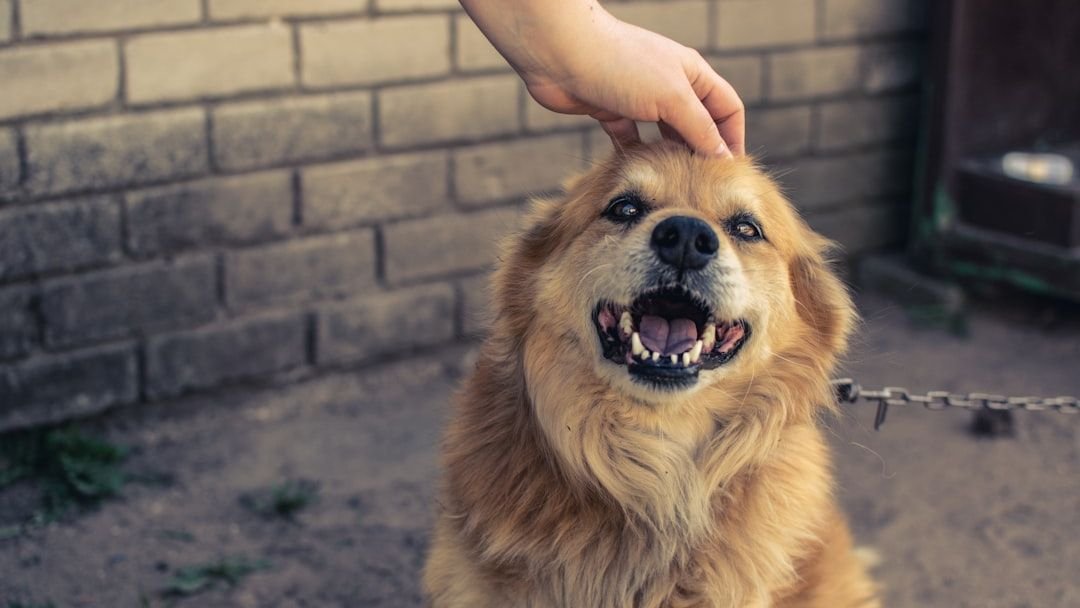
You ever notice your dog giving you those eyes? Not the “I want a treat” eyes, but the ones that seem to carry a quiet sadness, like they’re waiting for something that never comes. We love our dogs fiercely, but here’s the hard truth: sometimes we accidentally chip away at their sense of belonging without even realizing it. Life gets hectic, priorities shift, and before you know it, your best friend is left wondering if they still matter to you.
Dogs live for connection. They’re pack animals wired to need us, not just physically but emotionally. When that connection weakens, even in subtle ways, they feel it. Maybe they don’t complain or send you passive-aggressive texts, but trust me, they notice. Let’s talk about the things that slowly, quietly make your dog feel like they’re no longer the center of your world.
Scrolling Through Your Phone During Walks
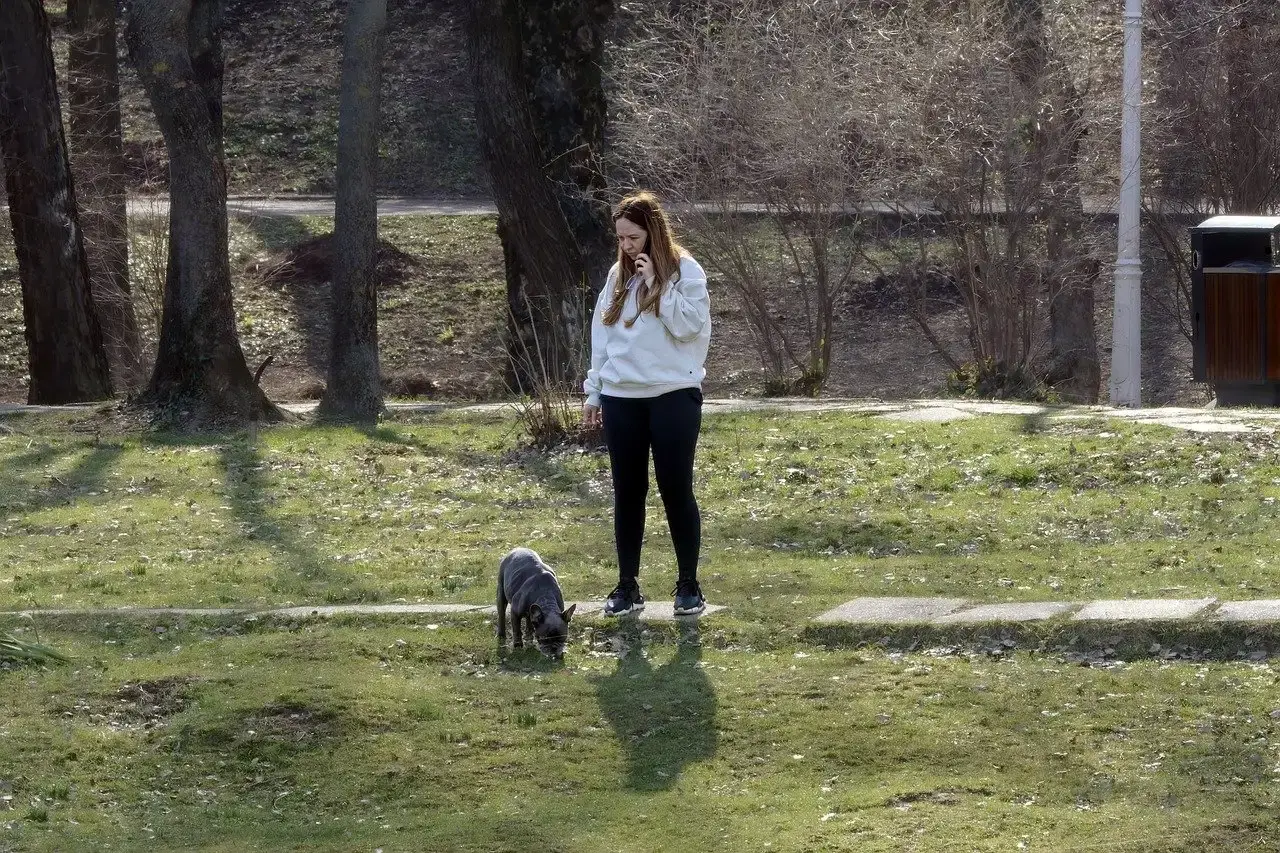
Think about your last walk with your dog. Were you actually present, or were you mentally somewhere else, thumbing through Instagram while your pup sniffed the same patch of grass for the third time? Your dog sees walks as bonding time, but when you’re constantly on your phone or distracted, they notice. It can feel like they’re not important enough for your full attention.
They don’t understand why your focus isn’t on them, and this can subtly lead them to feel overlooked. Giving your undivided attention on walks strengthens the bond and assures them that this time is meant for both of you. Honestly, those emails can wait. That text message isn’t going anywhere. Yet, the opportunity to make your dog feel valued and connected is happening right now, in this moment, and it’s slipping through your fingers every time you prioritize the screen over the leash in your hand.
Skipping Playtime Because You’re Too Busy

If life gets busy and playtime takes a backseat, your dog can feel neglected. Without regular play, they might assume they’re no longer important or valued in your life. Let’s be real, we’ve all been there. The dishes are piling up, the laundry’s multiplying like some kind of science experiment, and work deadlines are breathing down your necks.
If you find it challenging to remember when you last dedicated time to play with your dog, it’s a significant concern. Dogs flourish through interaction, play, and shared moments with their owners. The lack of consistent play can foster feelings of neglect and potentially contribute to behavioral challenges. Even ten minutes of fetch or a quick game of tug can mean the world to them. Your dog doesn’t need perfection; they just need you to show up and be present, even if it’s only for a little while.
Brushing Off Their Excitement When You Come Home
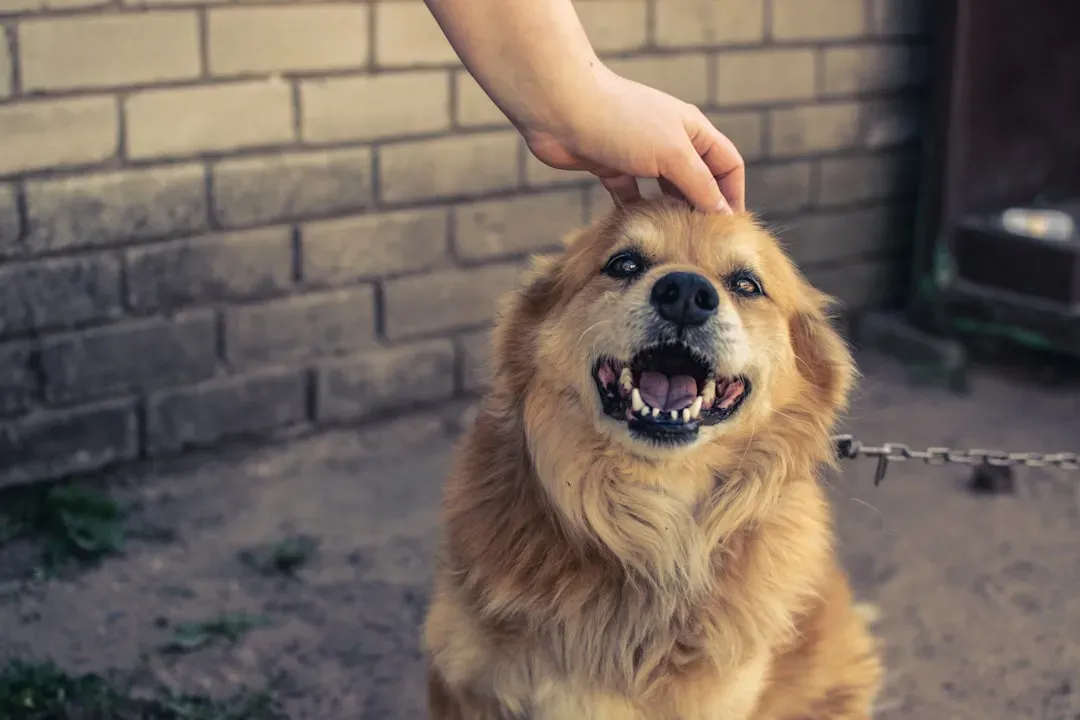
Dogs thrive on connection, and one of the most exciting parts of their day is when you come home. If you brush off their excitement, not acknowledging their enthusiasm, it can signal that the bond isn’t as strong as they thought. Picture this: You walk through the door after a long day, and your dog is practically doing backflips to greet you. Their tail’s wagging so hard it could generate electricity.
Yet, you’re drained. You just want to collapse on the couch, so you mumble a half-hearted “hey buddy” and keep walking. It seems harmless, right? Wrong. That greeting ritual matters more than you realize. It’s their way of saying “you’re my whole world,” and when you barely acknowledge it, the message they receive is that their love isn’t reciprocated. Taking just thirty seconds to crouch down, give them some ear scratches, and genuinely engage with their joy can make all the difference between a dog who feels cherished and one who feels invisible.
Suddenly Changing Their Sleeping Arrangements
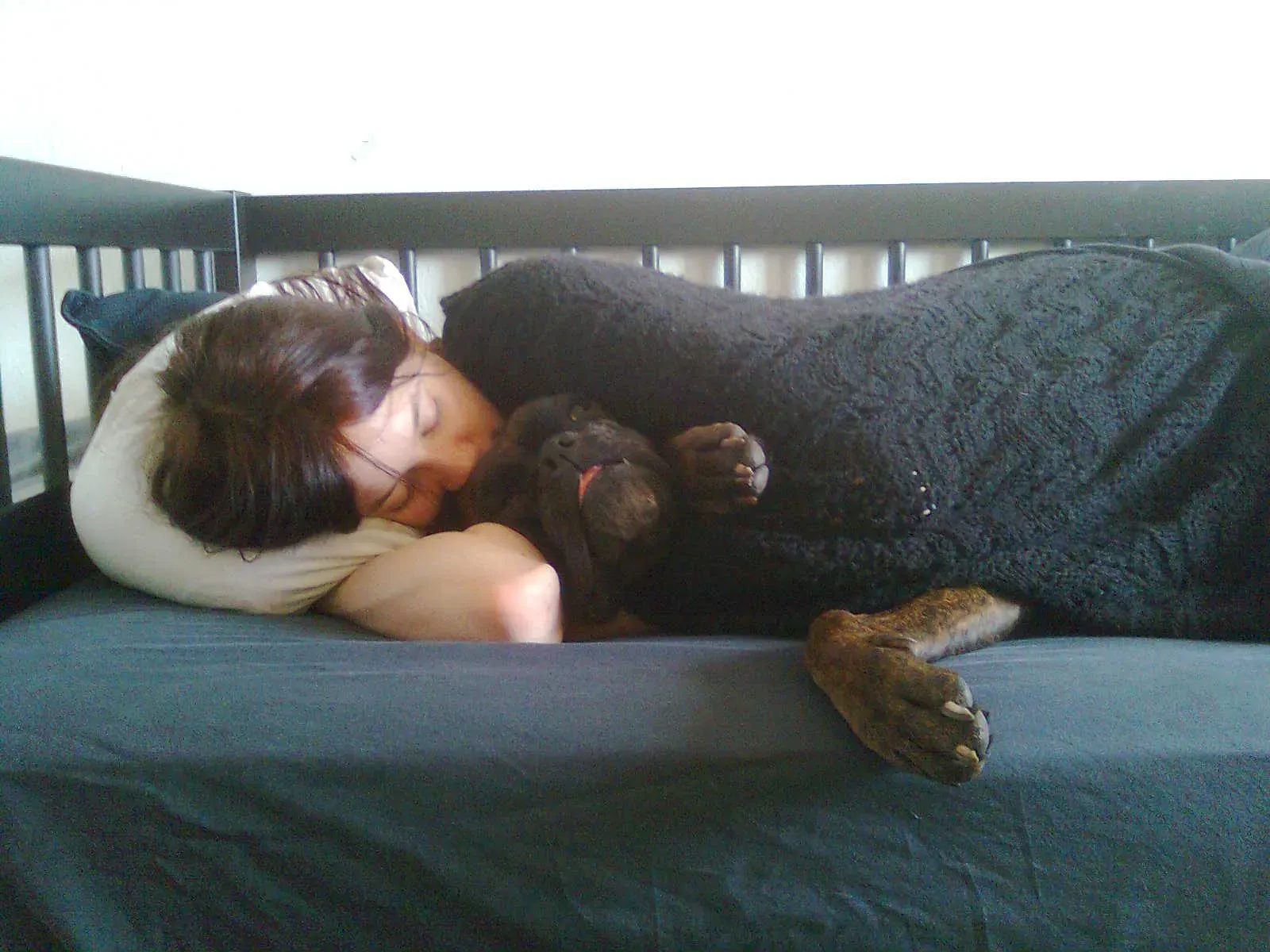
If your dog is used to sleeping near you and suddenly you change the arrangement – moving them to another room or away from your bed – it can be unsettling. Dogs find comfort in proximity, and moving them away can feel like a separation in the relationship. Changes like this, especially without warning, can leave your dog feeling confused and disconnected from you.
Maybe you got a new partner, or perhaps you’re just tired of waking up with a paw in your face at three in the morning. I get it. Sleep is precious. But from your dog’s perspective, being banished from the bedroom is a rejection. Owners that have a secure attachment style with their dog will respond to their dog’s signals and acknowledge their need for closeness and safety. You, the owner, needs to provide a secure base from which your dog can explore their environment. But at the same time, you need to act as a safe haven to return to when your dog faces danger. If a change is absolutely necessary, introduce it gradually and make their new sleeping spot cozy and special, not a punishment.
Leaving the House Without Saying Goodbye
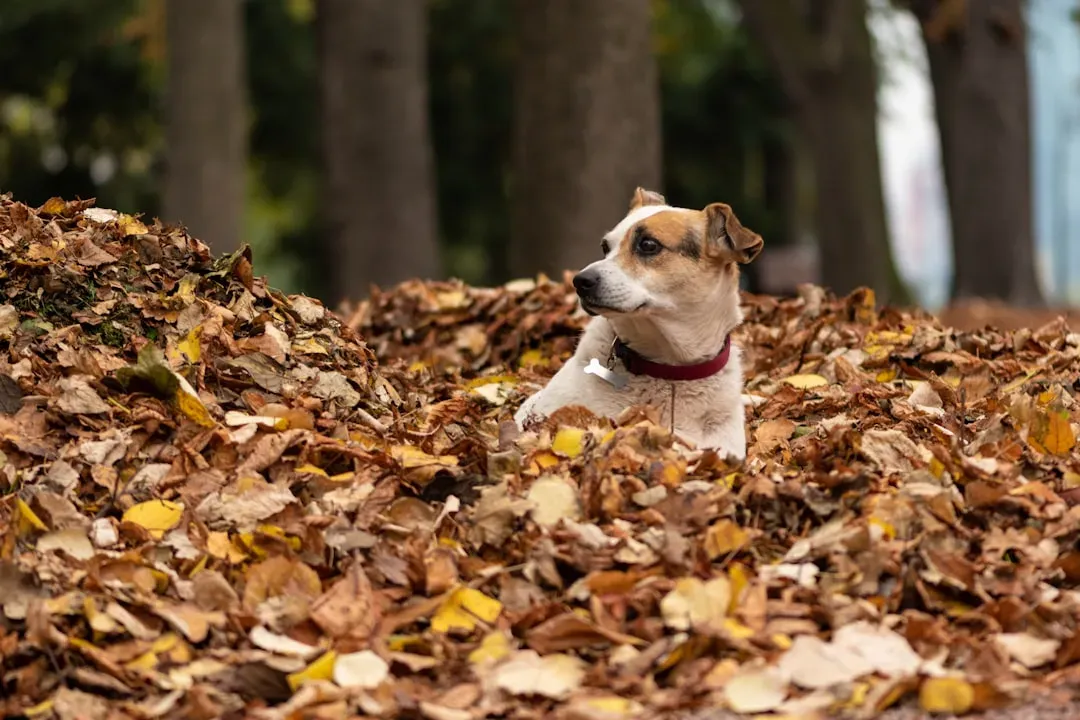
Dogs notice your comings and goings more than you think. When you leave the house without acknowledging them, it can feel abrupt and unsettling. Some trainers will tell you not to make a big fuss when you leave to avoid separation anxiety, and there’s some truth to that. Yet, there’s a difference between not making a dramatic production and completely ignoring your dog’s existence as you walk out the door.
While dogs can adapt to a regular schedule, unpredictable absences can be disorienting. If you’re gone for longer than usual or leave suddenly, it can make your dog anxious. They don’t have a sense of time the way humans do, so each absence feels like it could be permanent. A simple “I’ll be back soon” or quick scratch behind the ears gives them context and reassurance. It tells them this isn’t abandonment; it’s just a temporary separation. That small gesture can be the difference between a calm dog and one who’s frantically pacing by the window for hours.
Bringing Home a New Pet Without Proper Introduction
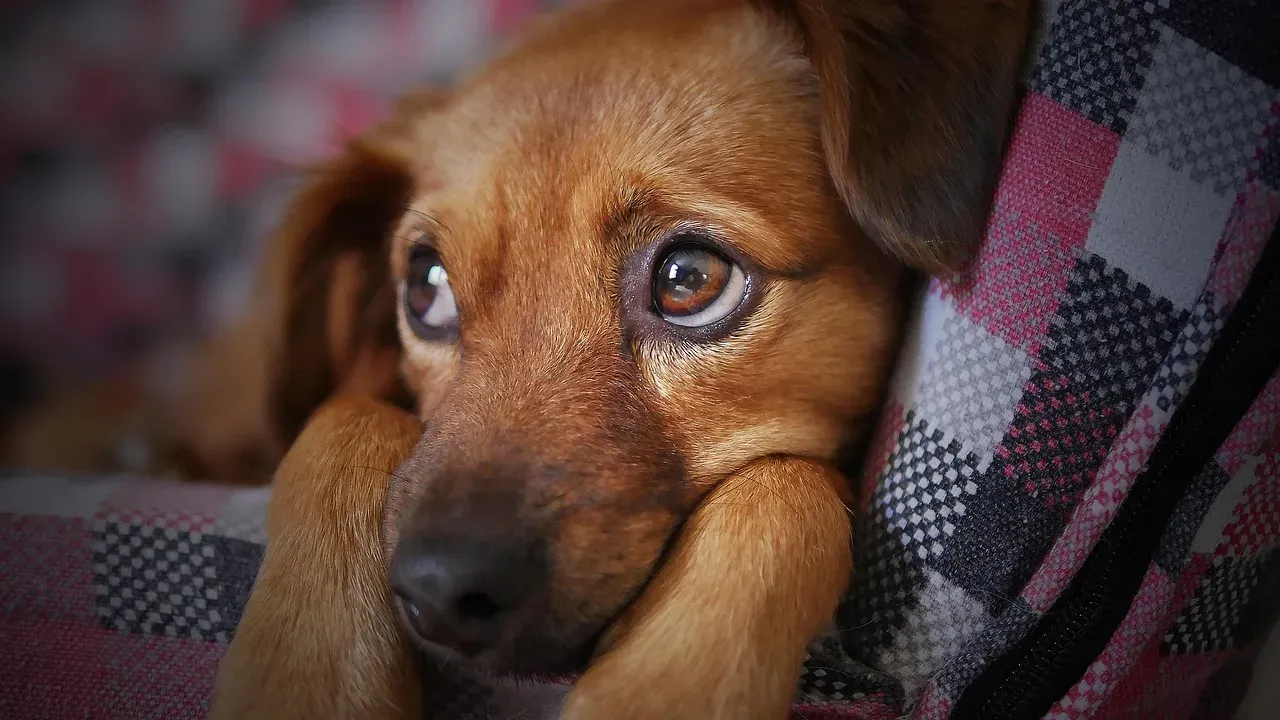
Introducing a new pet into your home is a big change, and without proper preparation, your dog may feel replaced or less valued. They don’t understand why another animal is now receiving attention and affection. This can create feelings of abandonment, even though you still love them.
New puppies are adorable, kittens are irresistible, and suddenly all the attention that used to go to your original dog gets redirected. Sometimes, adding a new furry family member can leave the first pet feeling depressed. Your older dog watches from the sidelines as everyone coos over the newcomer, and a quiet sadness settles in. They start to wonder if they’ve been replaced, if they’re not good enough anymore.
Gradually introducing the new pet and maintaining strong bonds with your dog can ease the transition and reduce the feeling of loss. Make sure your original dog still gets one-on-one time with you. Let them know they haven’t been demoted; the family has just expanded. Jealousy and insecurity can fester if left unaddressed, but with patience and intentionality, everyone can coexist happily.
Conclusion
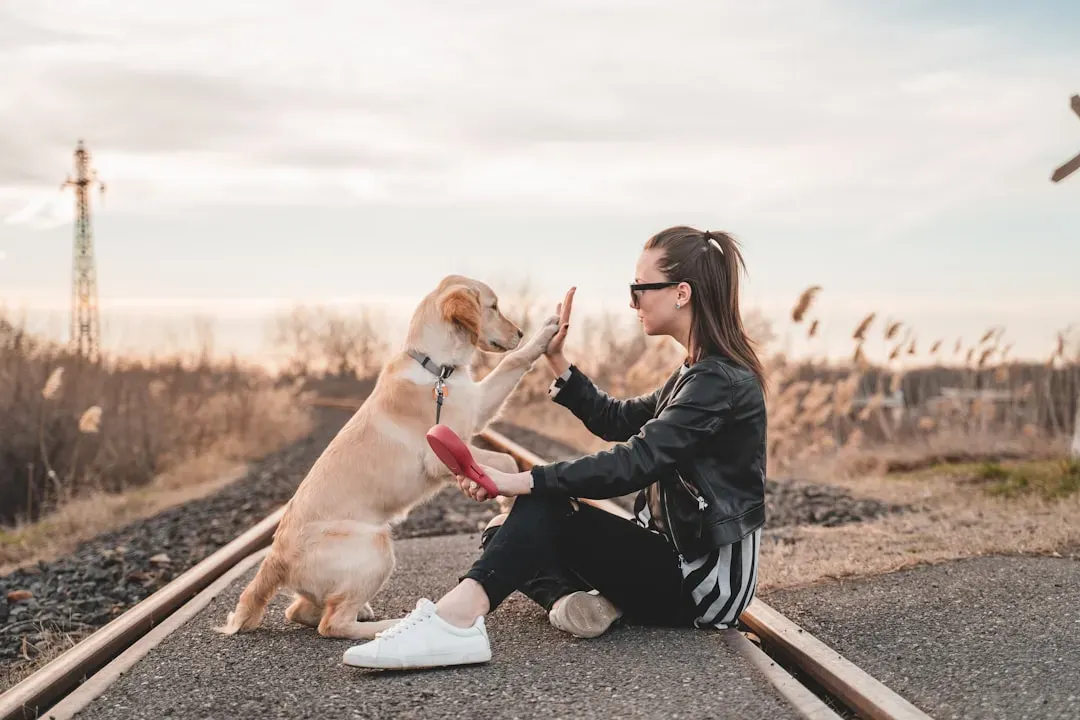
Dogs are emotionally intelligent creatures who thrive on connection, routine, and attention. Even though we don’t intend to make them feel abandoned, small shifts in our behavior can create emotional gaps that they notice. The beautiful thing is, it’s never too late to rebuild what might have been lost. Your dog isn’t holding grudges or keeping score; they’re just hoping you’ll see them again, really see them.
So put down the phone. Make time for play. Celebrate their greetings. Honor the rituals that matter to them. These aren’t grand gestures requiring hours of your day; they’re small acts of intentional love that say “you matter to me.” Because at the end of the day, that’s all they’ve ever wanted. What small change will you make today to show your dog they’re still your number one? Tell us in the comments.


