You’ve finally brought your puppy home. Those fluffy paws, that puppy breath, those big innocent eyes looking up at you. It’s pure magic, right? I completely understand the overwhelming rush of love that comes with a new puppy. It’s like falling head over heels for a tiny, furry tornado who chews everything and pees on your favorite rug.
Here’s the thing, though. While your heart is bursting with affection, there are some well-meaning habits that might actually be working against your pup’s long-term health and happiness. Veterinarians see these patterns over and over again in their clinics. They smile politely, offer gentle guidance, and secretly wish they could shout from the rooftops about what new puppy parents really need to know. So let’s dive into the six things vets truly wish you’d stop doing, starting right now.
Overfeeding Your Puppy Because You Think They’re Always Hungry

Those pleading eyes at dinnertime can melt anyone’s resolve. Your puppy looks up at you like they haven’t eaten in days, and suddenly you’re adding an extra scoop to their bowl. It feels like love, doesn’t it?
Overfeeding is one of the most common feeding mistakes veterinarians encounter, and it can lead to too-rapid growth, obesity, and developmental orthopedic problems that may affect your dog for life. Puppies need specific nutrition tailored to their breed and expected adult size. Rapid weight gain from overfeeding can strain developing joints and bones, increasing the risk of arthritis, hip dysplasia, and other joint problems later in life.
Think about it this way: your puppy’s skeleton is still forming. Too much weight too soon puts pressure on growing bones that aren’t ready to handle it. Overfeeding can overwhelm your puppy’s digestive system, often resulting in runny or soft stools, and if your pup’s poop is regularly loose, this may indicate they’re eating too much or too often. Pay attention to your puppy’s body condition rather than just their appetite. You should be able to feel their ribs without pressing hard, and they should have a visible waist when viewed from above.
Skipping Socialization Until Vaccinations Are Complete

This one is huge. You’ve probably heard conflicting advice: wait until your puppy is fully vaccinated before taking them anywhere versus get them socialized immediately. The confusion is real, and I get it.
The critical social development period for dogs is approximately between 3 and 14 weeks, when they are most accepting, less cautious, and very curious about their environment. Puppies go through a critical socialization period from 6 to 16 weeks of age that will dramatically impact their behavior for the rest of their lives. If you wait until your puppy is fully vaccinated at four months old, you’ve already missed the most important developmental window.
The risk of your puppy developing serious behavior problems from being poorly socialized is far greater than that of infectious disease, though you should only let your puppy interact with dogs that you know are physically and behaviorally healthy and vaccinated. This doesn’t mean throwing your unvaccinated puppy into a dog park free-for-all. It means thoughtfully exposing them to new people, friendly vaccinated dogs, different surfaces, sounds, and experiences in controlled, safe environments. Carry them to the hardware store, invite friends over, let them watch the world from your arms at an outdoor café.
Neglecting Regular Veterinary Visits Because Your Puppy Seems Fine
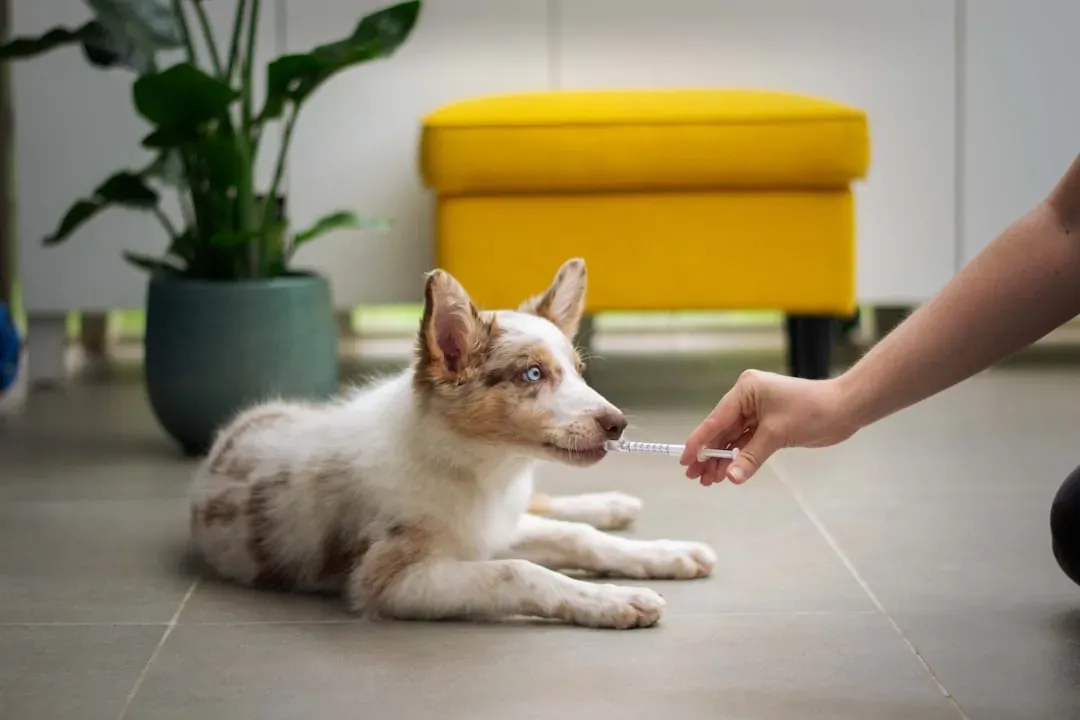
Your puppy is bouncing around, eating well, and seems perfectly healthy. Why spend money on another vet visit when nothing seems wrong? Let’s be real, this thinking can backfire in ways you won’t see coming until it’s too late.
Regular veterinary visits play an important role in your puppy’s development and lifetime health, and puppies need multiple vaccines during their first 16 weeks, not to mention a six-month checkup to ensure proper growth. These aren’t just vaccine appointments. Your veterinarian is checking developmental milestones, monitoring growth patterns, listening to your puppy’s heart and lungs, and catching potential problems before they become serious.
Medical issues are cleared up most easily and with the least cost early on, especially with puppies because they have an immature immune system. Skipping these early appointments might save you money in the short term, but it could cost you exponentially more down the road when a preventable problem becomes a full-blown crisis. Plus, these visits help your puppy get comfortable with the veterinary clinic, making future visits less stressful for everyone involved.
Ignoring Dental Care During Puppyhood
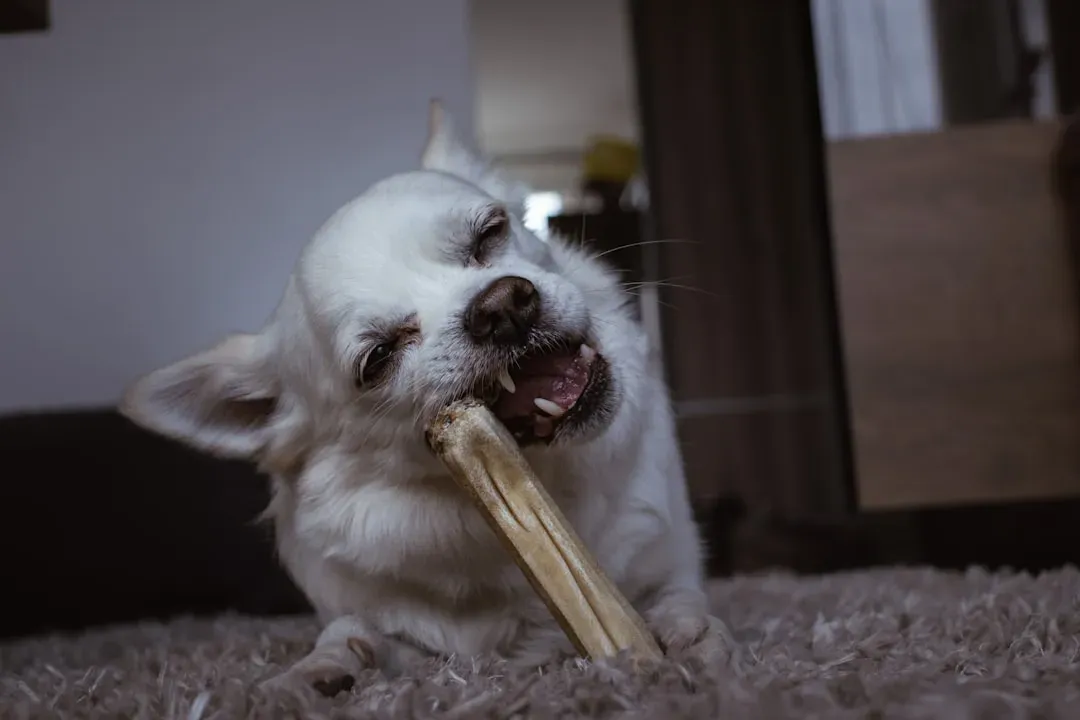
Brushing a puppy’s teeth probably feels ridiculous, right? They’re just baby teeth anyway, and they’ll fall out soon enough. This is one of those things that seems unimportant until your adult dog needs expensive dental work or develops painful infections.
Many pet owners do not realize just how integral puppy dental health is to overall health and wellbeing. Starting dental care early isn’t really about those baby teeth. It’s about getting your puppy comfortable with having their mouth handled and establishing a routine that will protect their adult teeth for years to come.
Investing in safe puppy chew toys and learning to brush canine teeth regularly will help keep your puppy’s mouth healthy, along with yearly dental exams by a qualified veterinarian. Honestly, it takes less than two minutes a day once you establish the habit. Make it part of your routine now, and your older dog will thank you by keeping their teeth instead of losing them to decay and gum disease. Dental disease doesn’t just affect the mouth; it can lead to heart, liver, and kidney problems as bacteria enters the bloodstream.
Punishing Housetraining Accidents After the Fact

You come home to find a puddle on the carpet. Your puppy is sitting nearby, looking guilty. Your frustration bubbles over, and you scold them, maybe even rub their nose in it because someone told you that’s how dogs learn. Here’s the hard truth: this approach doesn’t work and actually makes things worse.
Puppies should not be punished for accidents because after the fact, they don’t associate punishment with inappropriate elimination, and the guilty look they display is really just a scared look as they read your anger and anticipate something bad happening. They’re not feeling guilty about the accident; they’re feeling afraid of your unpredictable reaction.
When dogs are punished for eliminating in the house in front of the owner, they may learn to eliminate in an area out of the owner’s view, like behind the couch, because the puppy associates peeing in front of the owner with bad things happening. Instead of teaching your puppy where to go, you’re teaching them to hide from you when they need to eliminate. Puppies can hold it for no longer than one hour per each month of age, up to about 10 hours maximum. Set yourself and your puppy up for success with frequent potty breaks and massive praise when they go in the right spot.
Exercising Your Puppy Like They’re an Adult Dog
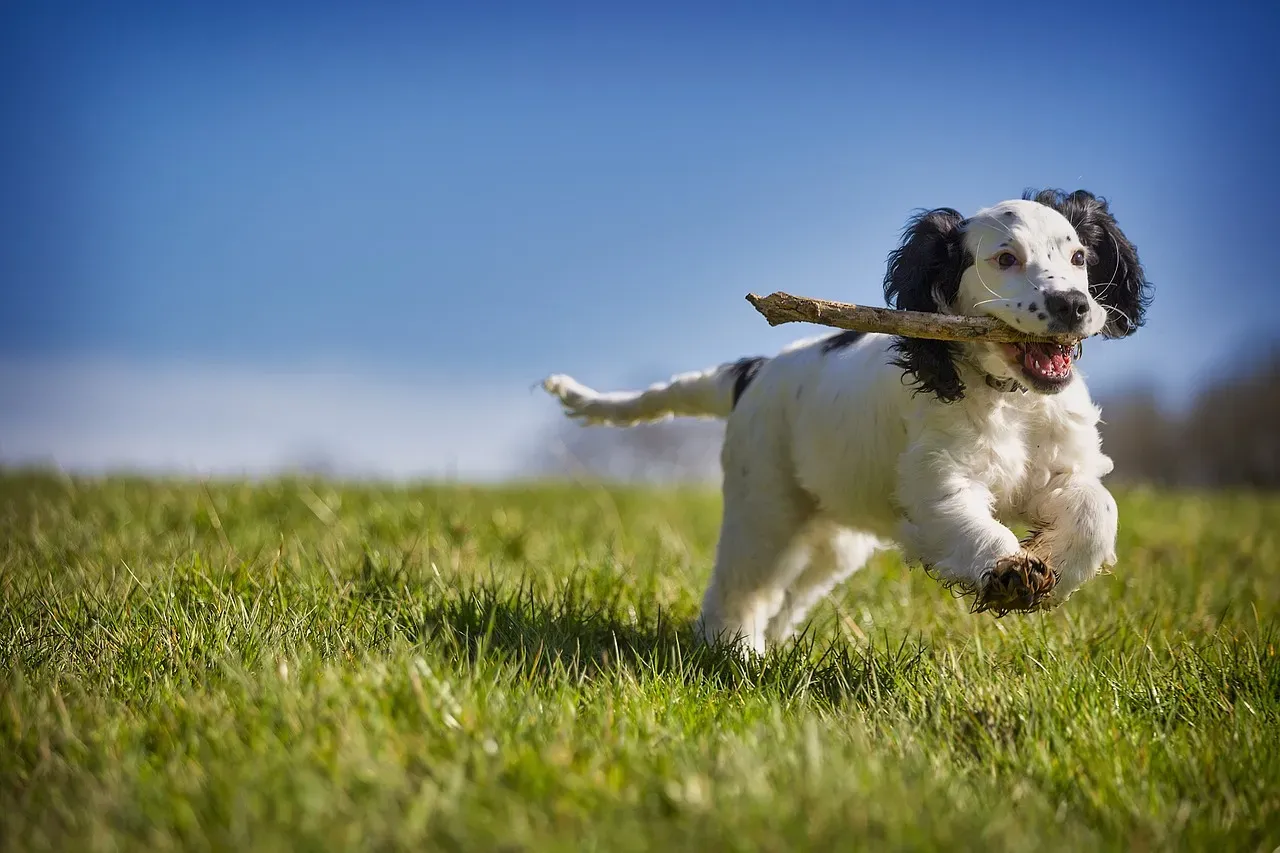
Your puppy seems to have endless energy, so naturally you think long runs, intense play sessions, and exhausting hikes are exactly what they need. It makes sense on the surface, but here’s where good intentions can cause lasting harm.
Tiny puppies only need supervised play time, and for these puppies, all time spent not sleeping or eating is play time. Young puppies, especially large breed puppies, have growth plates that haven’t closed yet. If you overfeed your pup, they’re likely to start growing too fast, which will negatively affect their skeleton, and being overweight means more pressure on bones and joints, which may lead to a condition called Osteochondrosis.
The same principle applies to excessive exercise. Too much impact on developing joints can cause permanent damage. Short, gentle play sessions are perfect for puppies. They’ll tire quickly, and that’s exactly what should happen. Save the marathon training for when your dog is fully grown and their veterinarian gives you the green light. Different breeds mature at different rates, with giant breeds taking much longer to reach skeletal maturity than small breeds. Always ask your vet about appropriate exercise levels for your specific puppy’s breed and age.
Conclusion
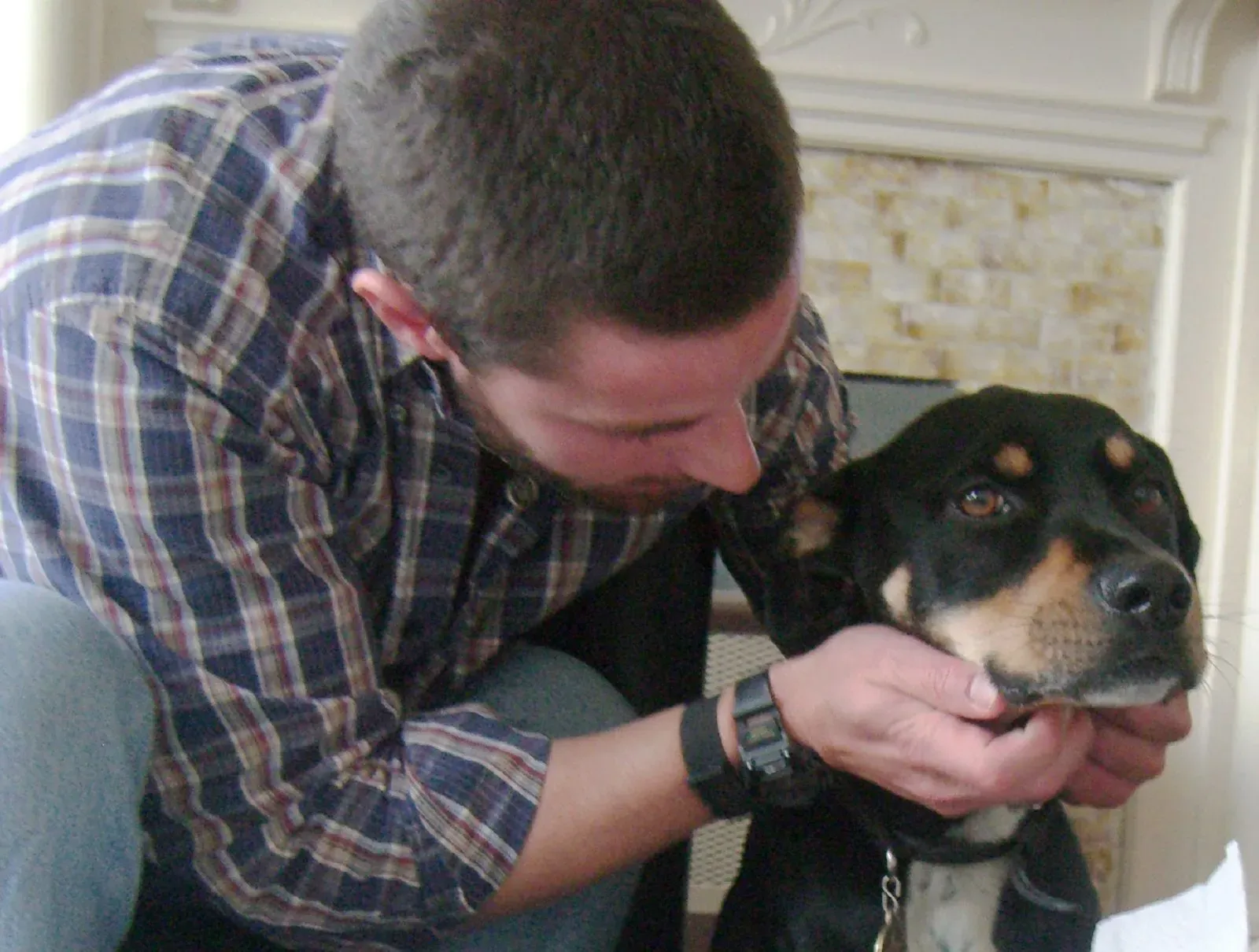
Raising a puppy is one of the most rewarding experiences you’ll ever have, even when it feels overwhelming. These six things vets wish you’d stop doing aren’t about judgment; they’re about setting you and your puppy up for the healthiest, happiest life together. From proper feeding portions to early socialization, regular vet visits to gentle training methods, every choice you make now shapes the dog your puppy will become.
Your veterinarian is your partner in this journey, not just someone you see when things go wrong. Trust their expertise, ask questions, and don’t hesitate to reach out when you’re unsure about something. Your puppy is depending on you to make the best decisions for their wellbeing, and now you’re armed with knowledge that can make all the difference. What surprised you most about these common mistakes? Share your own puppy journey experiences in the comments below!