

There’s something magical about bringing home a new puppy. Those tiny paws, that puppy breath, the way they tumble over their own feet. It’s intoxicating, honestly.
Yet behind the scenes, veterinarians see patterns emerge time and again. Little mistakes, made with the best intentions, that can ripple into bigger problems down the road. These aren’t the obvious things like forgetting vaccinations or skipping heartworm prevention. They’re subtler. More human. The kind of things we do because we love our dogs so much we accidentally do them harm.
Let’s be real, nobody wakes up wanting to mess up their puppy’s future. These missteps happen because we’re learning as we go, just like our pups. So here’s what vets wish they could tell every new puppy parent, but don’t always get the chance to say.
Overfeeding Those Pleading Puppy Eyes

Puppies are full of curiosity, energy, and a seemingly endless appetite, and it’s easy to fall into the trap of thinking that more food equals more love. Those big eyes staring up at you during dinner are hard to resist. I know it sounds crazy, but roughly one of the biggest issues vets encounter is people simply giving their pups too much food.
Puppies need roughly twice the calories of adult dogs per pound of body weight, but overfeeding creates obesity that stresses developing joints. If you overfeed your pup, they’re likely to start growing too fast, which will negatively affect their skeleton, with being overweight meaning more pressure on the bones and joints. The result can be conditions like hip dysplasia or joint issues that plague them for years.
Here’s the thing: if your pup eats like it’s a competitive sport every single time, they might be overfed and over-conditioned to expect nonstop snacks, with overfeeding training your dog to focus less on hunger cues. Watch for soft stools, a distended belly, or lethargy after meals. These are your pup’s body waving a red flag.
Measure portions precisely based on your vet’s recommendation, not just the bag’s guidelines. Treats should make up no more than 10% of your puppy’s daily caloric intake. Yes, even those tiny training treats add up faster than you think.
Skipping Early Socialization Out of Fear

Waiting until your puppy is fully vaccinated means you’ll miss their most important socialization window, with puppies between 8 to 20 weeks of age soaking in information about the world, and without safe, positive exposure during this time, they can grow into fearful or reactive adults. This one’s tricky because vets themselves sometimes contribute to the confusion.
Veterinarians generally advise dog owners to socialize pets within their first three months of life in order to set them on the right track for life. That critical window closes faster than you’d expect. The critical socialization window closes around sixteen weeks, making early exposure to varied people, environments, and stimuli essential for long-term behavioral health.
The fear is understandable. Nobody wants their puppy catching something nasty from an unvaccinated dog at the park. However, behavioral issues from poor socialization kill more dogs than infectious diseases do in well-vaccinated populations. That’s a hard truth.
Work with your vet to find safe middle ground. Carry your puppy to watch the world go by. Invite vaccinated, calm dogs over for controlled meetings. Enroll in puppy classes where health protocols are strict. The goal isn’t reckless exposure, it’s thoughtful, positive experiences that build confidence rather than fear.
Delaying Training Because They’re “Just a Baby”

“They’ll grow out of it.” “They’re too young to understand.” “I’ll start training when they’re older.” Vets hear these phrases constantly, and they cringe every single time.
Most dogs reach emotional and physical maturity between one and two years of age, but it’s important to know that they can have hardened habits formed by then, with puppy training being most effective when it starts early in life and stays consistent. That adorable jumping? The playful nipping? The selective hearing? They become exponentially harder to correct once they’re 50 pounds and fully convinced that’s just how life works.
Working with a certified professional dog trainer or behaviorist starting at eight weeks helps establish basic commands, house-training, and bite inhibition, with training at this age being far easier than correcting ingrained problems at six months. Think of it this way: your puppy’s brain is like wet cement right now. Every experience, every interaction is shaping it.
The mistakes aren’t cute when your adult dog knocks over Grandma or lunges at strangers. Basic social skills are an absolute must unless you’re willing to live with a dog that jumps on your grandmother and steals food from your plate, with the behavior of such a puppy getting worse as they get bigger and older. Start now, even with simple things like “sit” before meals or “wait” at doorways. Consistency matters more than perfection.
Ignoring Dental Care Until It’s Too Late
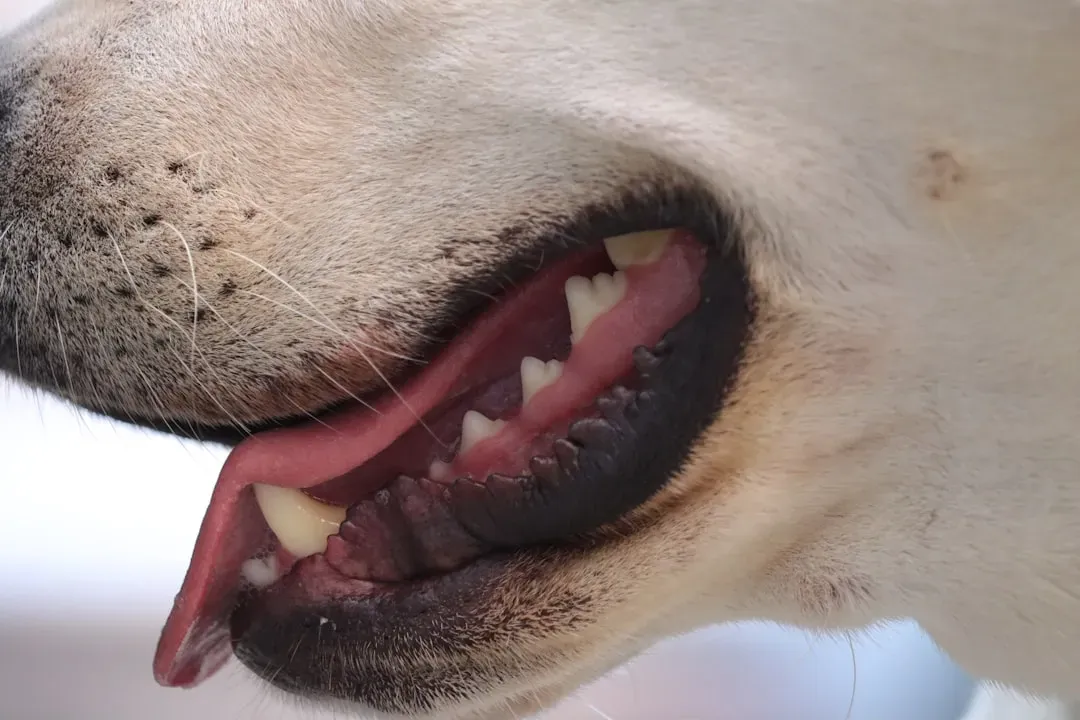
Let’s be honest, how many of us think about brushing a puppy’s teeth? It sounds absurd until your vet tells you your three-year-old dog needs a dental cleaning under anesthesia that costs hundreds of dollars.
Many pet owners do not realize just how integral puppy dental health is to overall health and wellbeing. Dental health is vital for your growing puppy’s overall well-being and health, and while at your pup’s first vet visit, you should ask about your puppy’s gums and teeth. Starting early makes all the difference.
If you’re lucky enough to start life out with a puppy or a kitten, start with brushing those teeth daily. Get them used to having their mouth handled. Use puppy-safe toothpaste (never human toothpaste, which contains xylitol that’s toxic to dogs). Make it a game, not a battle.
Dental disease doesn’t just cause bad breath. It leads to painful infections, tooth loss, and bacteria that can spread to vital organs like the heart and kidneys. Prevention is infinitely easier and cheaper than treatment.
Leaving Them Alone for Too Long, Too Soon

Life is busy. Work demands are real. Yet some people underestimate how much playtime and walks their new puppy needs, not to mention cuddle sessions and training time, with puppies needing to grow into well-behaved, happy and socialized dogs and not being left alone all day.
Puppies are hardwired for companionship. They’ve just left their mother and littermates, and suddenly they’re alone in a crate for eight hours while you’re at work. The anxiety this creates isn’t just sad, it’s formative. It can lead to separation issues, destructive behaviors, and a dog who never quite learns to be calm.
Some folk who acquire new puppies don’t have the time to take care of them properly, with raising a puppy properly taking time, and if you haven’t got time, you shouldn’t get a puppy. Hard truth right there. If your schedule means your puppy is crated or isolated for most of the day, doggy daycare, a dog walker, or even asking a neighbor to pop in becomes essential.
The rule of thumb for puppies is that they can hold it for no longer than one hour per each month of age, up to about 10 hours maximum. A three-month-old puppy physically cannot hold their bladder for a full workday. Setting them up to fail creates stress for everyone involved.
Using Punishment Instead of Positive Reinforcement
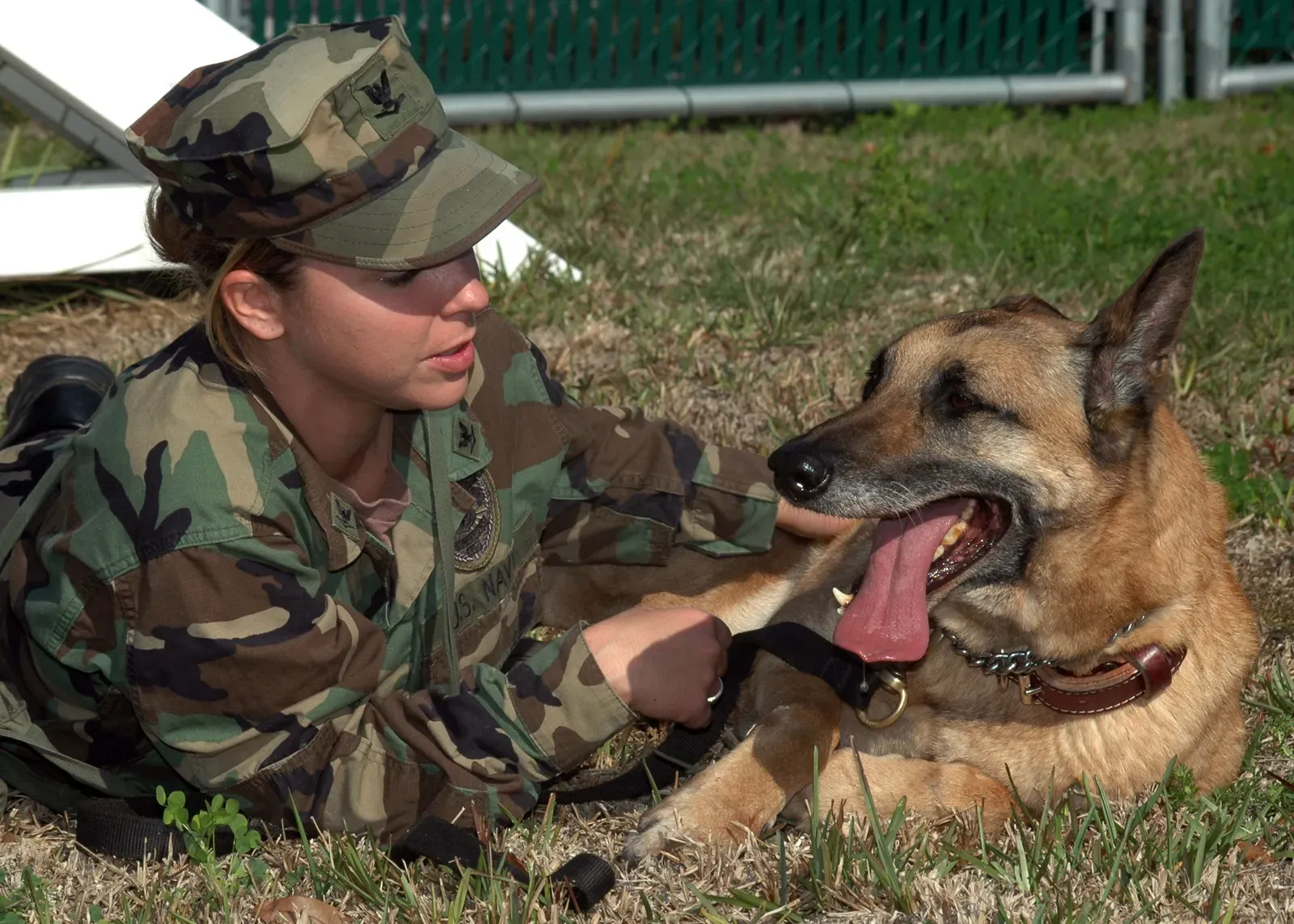
Many new dog owners make the mistake of calling out their dog’s name when it is misbehaving as an approach to correcting the bad behavior, however when this is done it only teaches the dog to begin associating the sound of its name with being corrected. This happens more than you’d think.
Yelling, threatening, or physical punishment teaches a dog nothing except how to avoid the punishment, with it being far better and far more humane to teach the pup what to do rather than punish it for something it is doing. Punishment creates fear. Fear creates either a shut-down dog or an aggressive one. Neither is what you signed up for.
Positive reinforcement isn’t about being permissive or letting your puppy run wild. It’s about rewarding the behaviors you want to see more of. Instead of using harsh methods that focus on what your puppy did wrong, focus on what your puppy is doing right, and teach them alternative behaviors that are incompatible with the problem behavior, rewarding them when your dog does the preferred alternative.
Caught your puppy chewing your shoe? Don’t yell. Redirect them to an appropriate chew toy and praise them enthusiastically when they take it. Consistency works miracles. Your puppy wants to please you; they just need clear communication about what “please you” actually means.
Conclusion
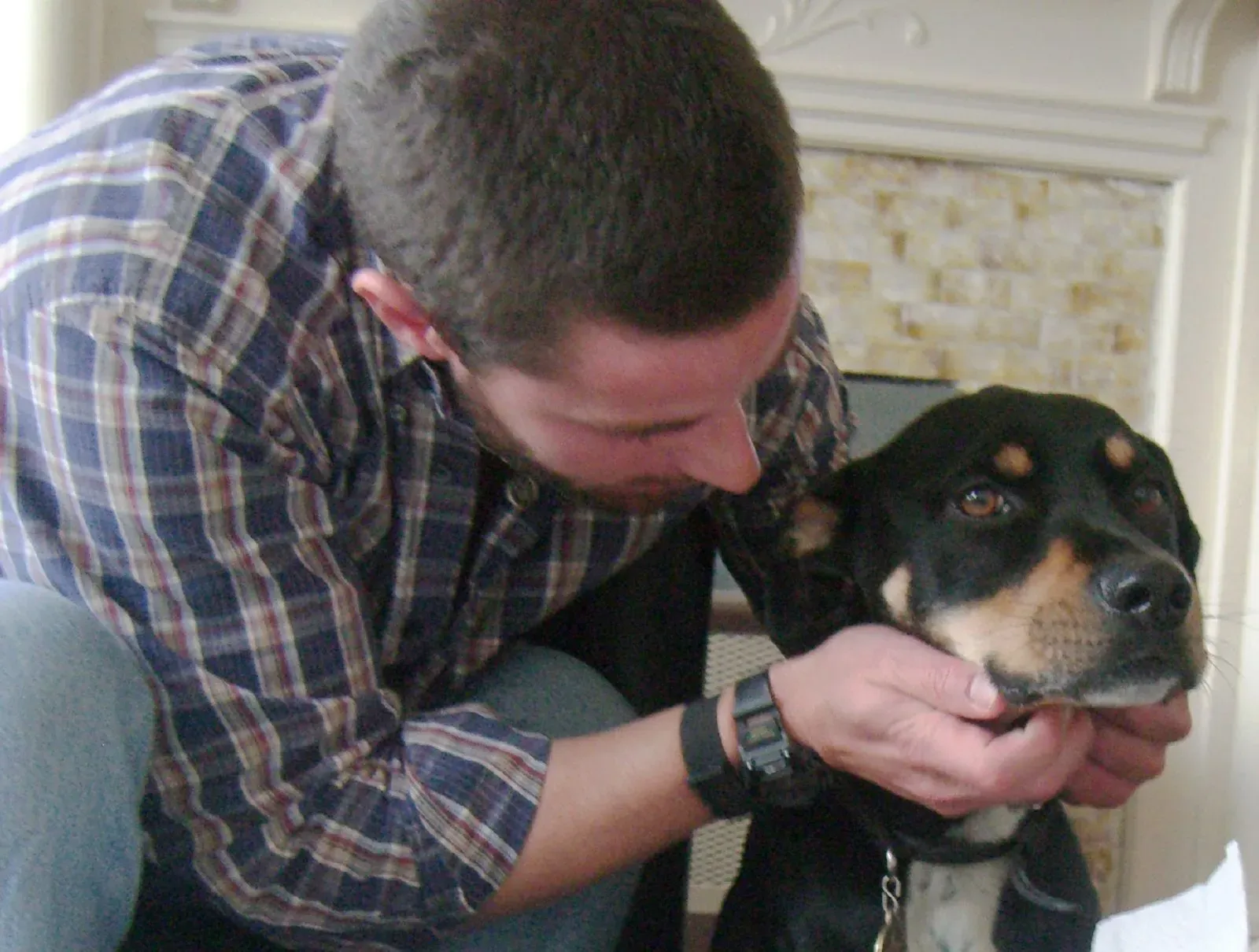
Raising a puppy is equal parts joy and chaos. You’re going to make mistakes. We all do. The key is catching them early, adjusting course, and remembering that your vet is your partner in this journey, not just someone you see when things go wrong.
These six things might seem small in isolation, but together they form the foundation of either a confident, well-adjusted adult dog or a lifetime of behavioral and health struggles. The first three months of a puppy’s life have a significant influence on how content and well-adjusted that dog will be as an adult, with a puppy who is properly socialized being comfortable with almost anything the world throws at them.
Your puppy is counting on you to get this right. The good news? You absolutely can. What surprised you most about puppy ownership? Share your experiences in the comments.


