

Have you ever wondered what’s going through your dog’s mind when your voice lights up the room? Maybe you’ve noticed how your pup’s ears perk up at certain words, or how their whole body seems to vibrate with joy when you say something special. Here’s the thing: dogs aren’t just listening to the sounds we make. They’re tuning into the emotion, the tone, the promise behind every syllable.
What we say to our dogs matters, though perhaps not in the way you’d expect. They’re reading us like a book we didn’t know we’d written. Let’s dive into the magical world of canine communication and discover exactly which phrases make your dog’s heart sing.
Good Boy/Good Girl

Dogs love to hear that they’ve done a good job, and the phrase “good boy/girl” is always a winner that every dog loves to hear. Think about it: when was the last time those two simple words didn’t transform your dog into a wiggling, tail-wagging bundle of pure joy?
The magic here isn’t just in the words themselves. Cheerful tones often sound silly and playful, telling your dog that you are proud of his behavior or that you want to play. Your dog builds positive associations through repetition, linking your enthusiastic praise to the behavior they just performed. Over time, this phrase becomes a powerful reinforcement tool, creating a shortcut straight to their emotional center.
Your dog may respond by perking his ears or wagging his tail, and he will learn to associate a particular behavior with a happy owner. What’s remarkable is how pure this emotional response is. They’re not overthinking or second-guessing whether you really mean it. They simply feel the warmth of your approval radiating through every word.
Dinner/Food/Treat
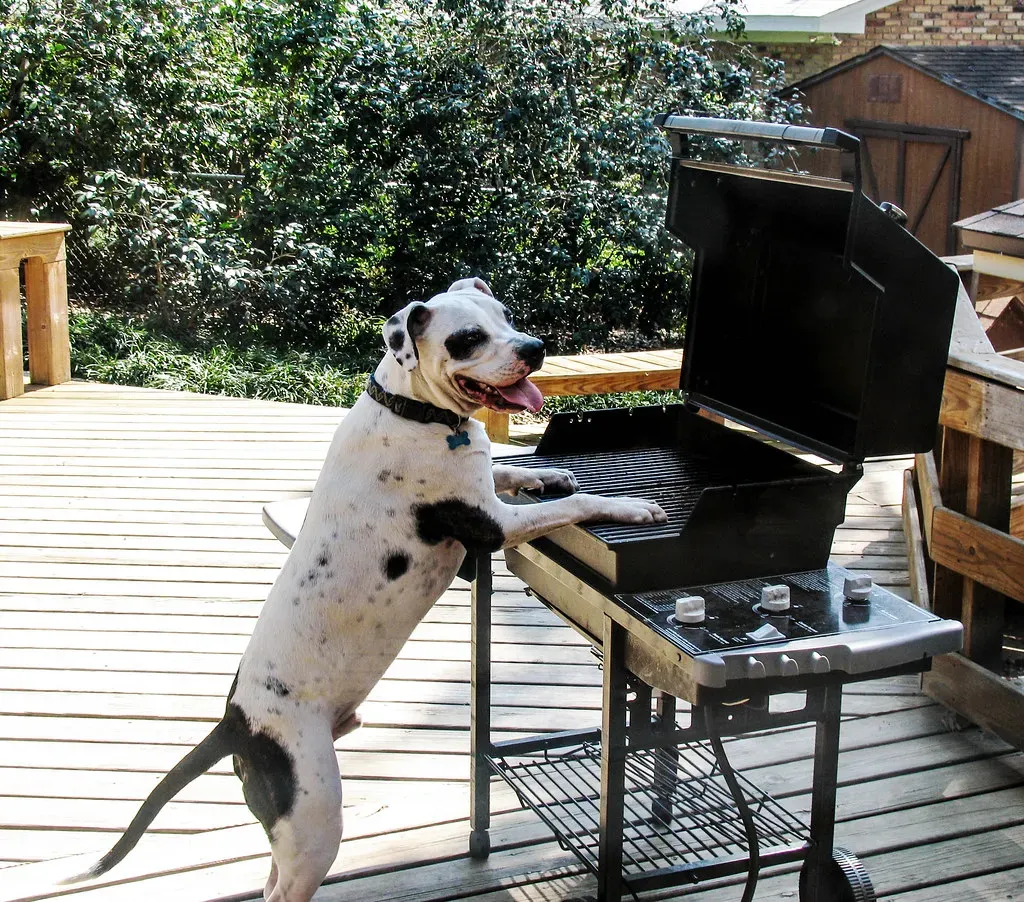
Let’s be real: the fastest way to any dog’s heart is definitely through their stomach. The words “dinner,” “food,” and “eat” caused a 31% increase in heart rate in research studying dogs’ responses to various words. That’s not just excitement, that’s full-blown anticipation at its finest.
Walkies, dinner and treat are among the words dogs love hearing the most, according new scientific research. Food-related words carry such powerful emotional weight because they’re consistently paired with something universally wonderful. Every single time you’ve said these words, something delicious has followed.
Your dog’s brain has created an ironclad connection between these sounds and the satisfaction that comes afterward. Dogs don’t just hear words, they build feelings around them through repetition, tone, and experience, making certain phrases shortcuts to excitement, comfort, play, or safety. The word “treat” might as well be a magic spell that instantly summons their full attention, no matter what else is happening.
Walk/Walkies/Outside
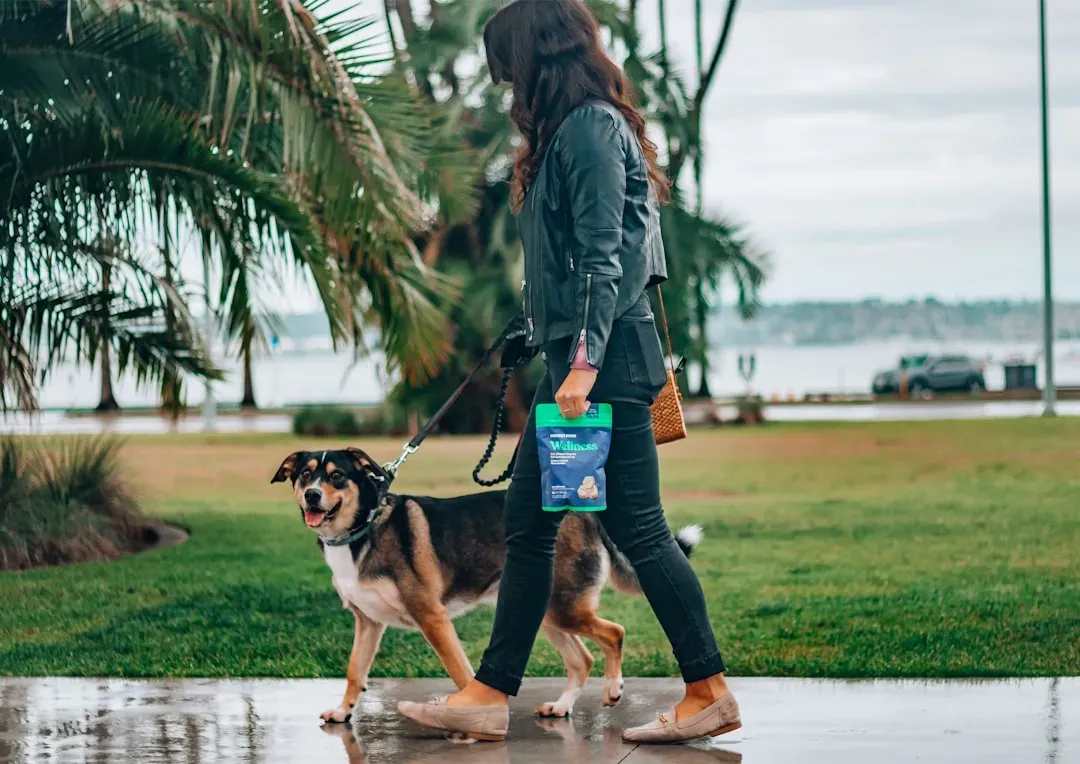
Few things in life compare to a dog’s excitement about going outside. Carson says dogs love hearing this word because it results in exploration, sniffing, and doing their business. For your dog, “walk” means freedom, adventure, and the chance to investigate every fascinating smell in the neighborhood.
The word “outside” will get your dog’s attention and trigger a happy response. You’ve probably noticed how your dog responds to this word even when you’re just talking to someone else. They’ve learned that this particular sound signals the possibility of their favorite activity, so naturally, they’re always listening for it.
The anticipation itself is part of what they love. Dogs are creatures who thrive on routine and positive experiences. When they hear these words, their brain immediately starts releasing dopamine, the feel-good neurotransmitter associated with pleasure and reward. It’s honest excitement in its purest form.
Wanna Play/Get It/Toy
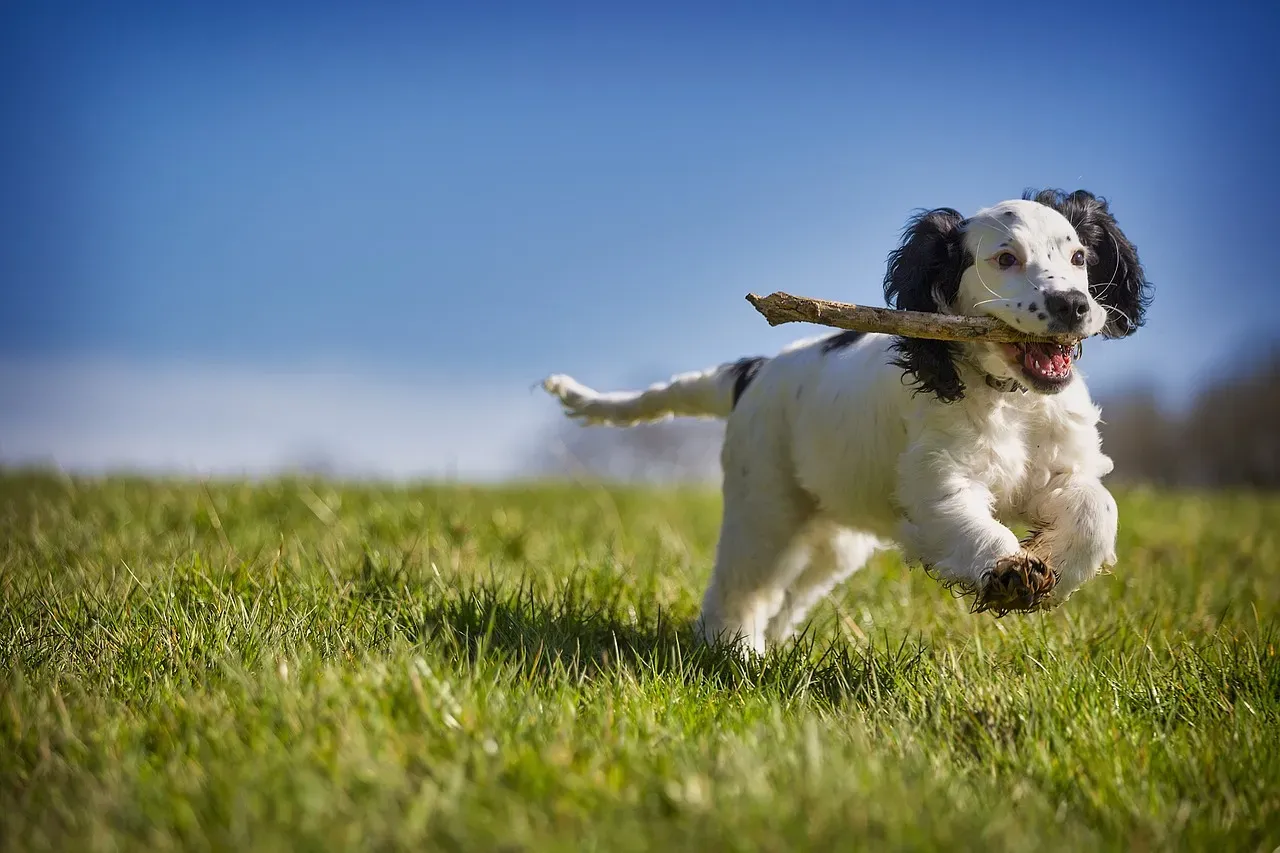
Dogs seem to love playtime almost as much as dinnertime, with words like “get it,” “fetch,” and “toy” all making the top half of the list. These words unlock your dog’s inner puppy, no matter how old or dignified they might usually seem.
Play is deeply wired into canine behavior. It’s how they bond, exercise, and express joy. When you say these phrases with enthusiasm, you’re essentially asking your dog if they want to have fun with you. The answer, if we’re being honest, is almost always yes.
If fetching a ball is fun for the dog, they will also develop an emotional response to the phrase. The beautiful thing about play-related words is that they strengthen your bond while giving your dog mental and physical stimulation. Your tone matters here tremendously. A flat, monotone “wanna play” won’t have nearly the effect of an excited, energetic invitation.
Their Name Spoken Lovingly
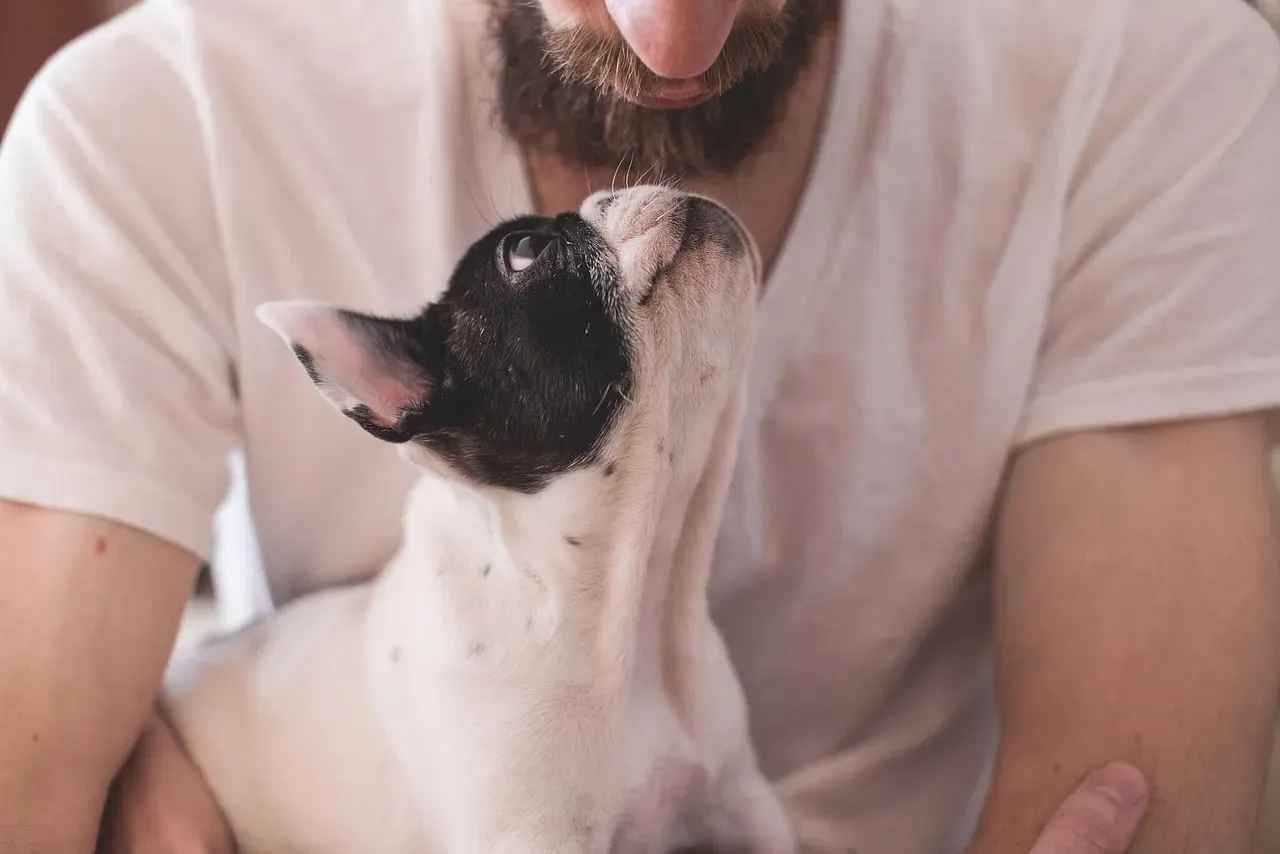
There’s something incredibly special about how a dog responds to their own name. Dogs have a remarkable ability to understand human speech and can identify meaningful content, such as their names, within streams of irrelevant speech. Your dog doesn’t just recognize their name as a label. They understand it as a direct connection to you.
A soothing tone of voice expresses affection and caring and is often used when bonding with your dog. When you say your dog’s name softly and warmly, especially paired with gentle petting or eye contact, you’re communicating pure love in a language they absolutely understand.
Research has shown that dogs have brain regions dedicated to processing human voices in ways remarkably similar to humans. Dogs can understand and react to human emotions. So when you speak their name with genuine affection, they’re picking up on all those emotional undertones. They feel seen, valued, and cherished. It’s a moment of connection that goes beyond words.
I Love You
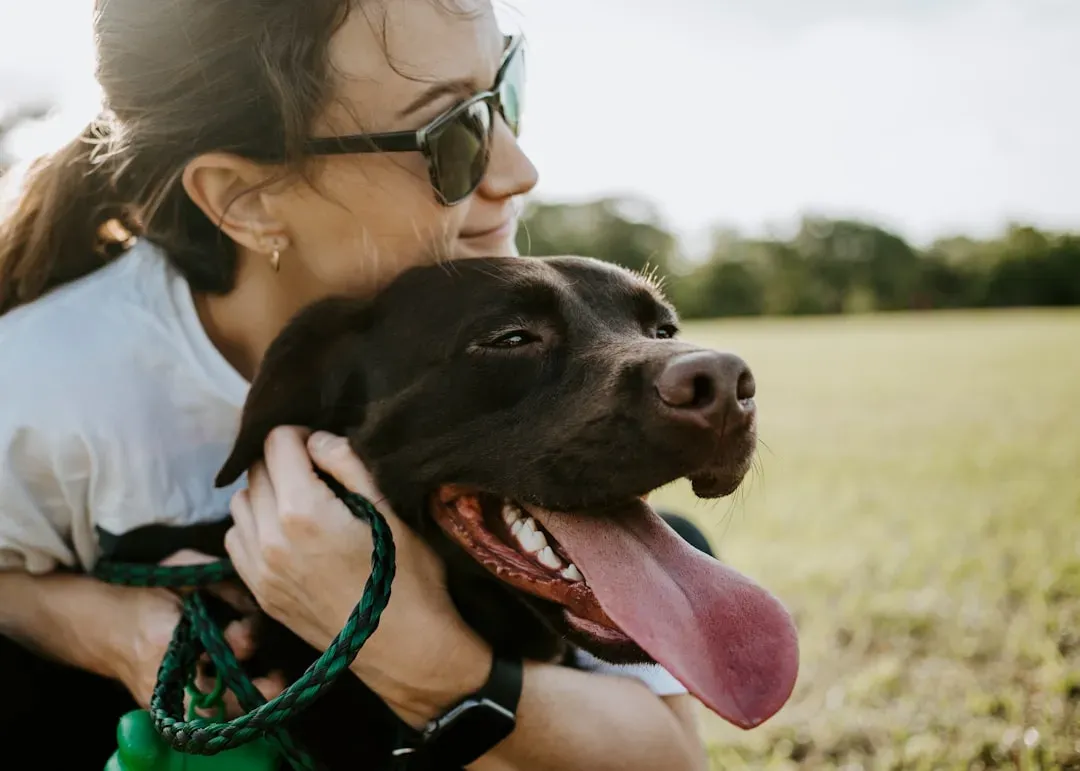
This might surprise you, since dogs can’t understand the abstract concept of love the way we do. Yet something happens when you look into your dog’s eyes and tell them you love them. Our dogs understand our emotions and communicate their understanding without us saying anything, and when they gather this visual information and add it to our tone of voice when we do speak, they can communicate with us.
“Love You” is tied for the next most common words that people have added to their dog’s soundboard. While your dog might not grasp the philosophical meaning of love, they absolutely understand the warmth, the gentleness, the soft tone you use when you say these three words.
Talking nicely with a high-pitched voice caused positive emotional responses in both dogs and wolves, with their tails wagging more, staying closer to their trainer, and seeming more at ease. Your dog feels the emotion behind those words. They sense your calm energy, your focused attention, your affection radiating through every syllable. In their own way, they’re receiving the message exactly as you intended.
Conclusion
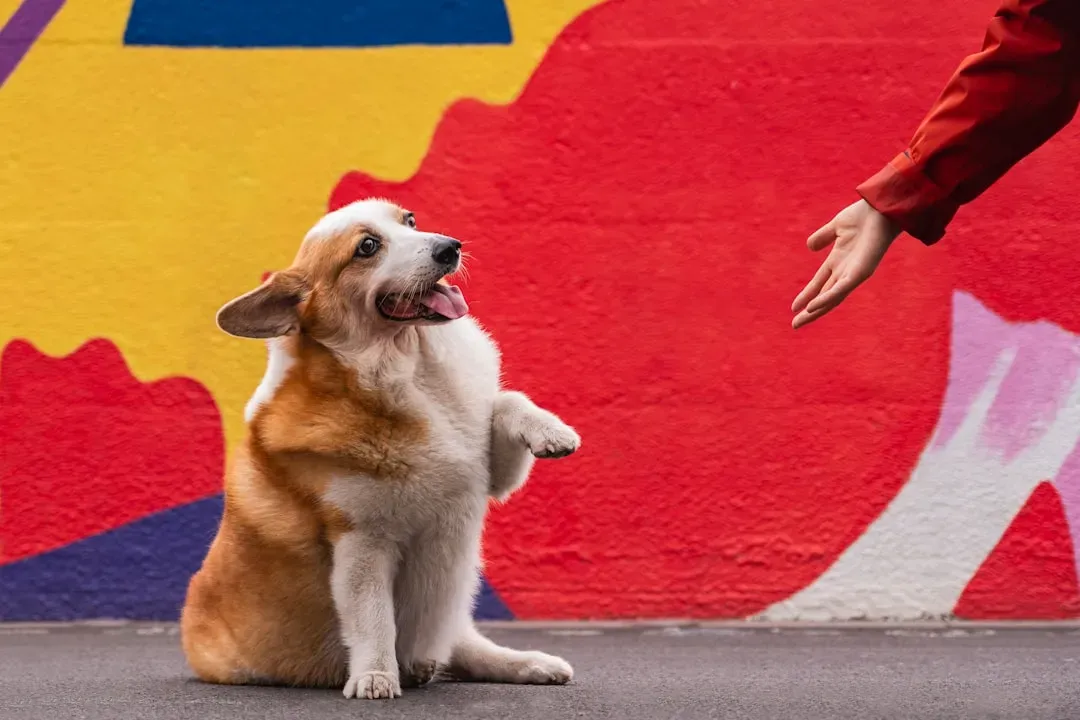
The words we choose for our dogs matter far less than how we say them and the consistency with which we pair them with positive experiences. Being a little more intentional about the words you use and when you use them can go a long way in reinforcing good behavior, shaping your dog’s emotions, and strengthening your bond, with some consistency and the right tone creating a shared language.
Your dog is always listening, always watching, always trying to understand what you’re communicating. They’ve spent their entire lives learning to read you, to anticipate your needs, to respond to your emotions. The least we can do is be mindful of the words and tones we offer them in return.
What words make your dog’s tail wag the hardest? Have you noticed phrases that send them running toward you or activities they’ve learned to recognize instantly? Every dog is unique in how they respond to our voices, creating a personal language between you that no one else quite shares.


