

Picture this: you walk into a room and see a small, fluffy cloud floating gracefully across the floor. Then you realize it’s not a cloud at all but a Maltese dog with their stunning white coat flowing behind them like silk ribbons. These tiny companions have been melting hearts for centuries, from ancient Roman palaces to modern-day living rooms.
Yet beneath that gorgeous exterior lies a dog with very specific care needs. The Maltese dog breed has a lot of perks: The dogs are small, friendly, and generally healthy. Still, their delicate size and luxurious coat mean they need thoughtful, dedicated care to thrive. Whether you’re already sharing your home with one of these precious pups or considering bringing one into your family, understanding their unique requirements is absolutely essential.
So let’s dive into the wonderful world of Maltese care and discover how to keep these little angels happy, healthy, and looking their absolute best.
Master The Daily Grooming Routine
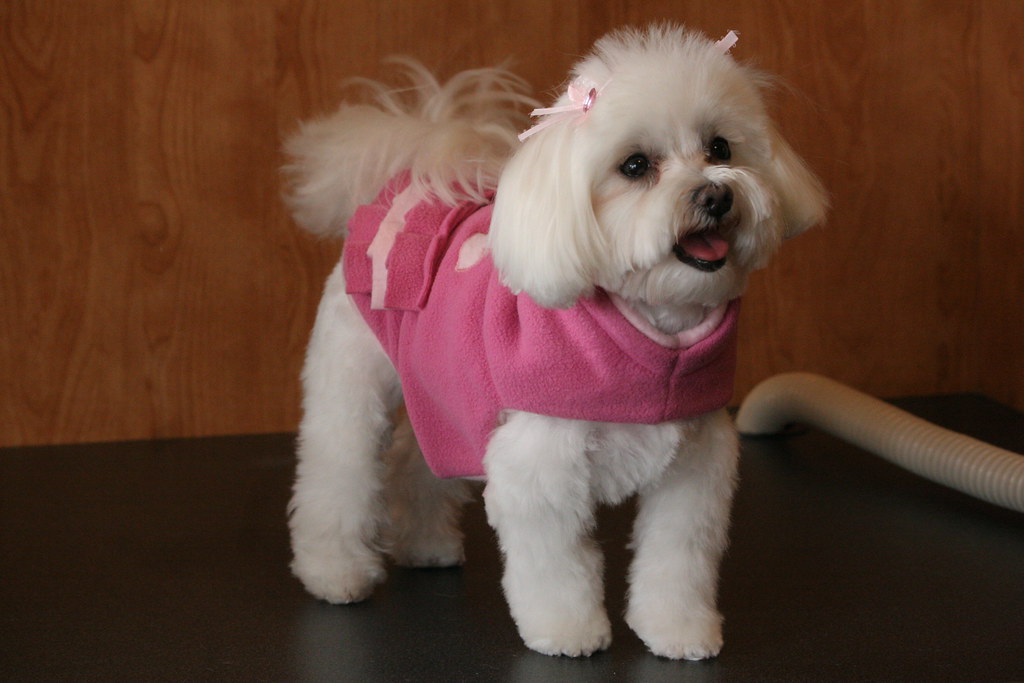
That stunning white coat everyone adores comes with a price tag of dedication. Maltese are known for their long and silky white coat that requires daily care to prevent mats and tangles. Their fur should be brushed or combed every day, and regular bathing will keep their skin and coat healthy and clean.
Spend about 10-15 minutes each day brushing your Maltese to keep their coat smooth and tangle-free. Use a slicker brush for general grooming and follow up with a fine-toothed comb for any stubborn knots. Always spritz a little detangling spray before brushing to reduce breakage and make it easier on your pup. Think of this daily ritual as bonding time rather than a chore.
Bath time should happen every 2-4 weeks using a high-quality whitening shampoo. When bathing a Maltese, it’s important to thoroughly rinse and then dry the hair to prevent skin irritation or infection from the shampoo and moisture. Professional grooming every four to six weeks will keep them looking like the royalty they believe they are.
Pay Special Attention To Tear Stains

Those dark streaks under your Maltese’s eyes aren’t just a cosmetic issue they can signal health concerns. Tear stains are common in Maltese dogs and can be unsightly if not managed properly. These stains are usually caused by excessive tearing, which can be due to various factors, including diet and genetics.
Clean around their eyes daily with a damp cloth or specialized tear stain wipes. Around their eyes can also be wiped with eye wipes or specially-formulated tear stain remover, which is made to get rid of tear stains. Although this discolouration isn’t harmful to dogs, many owners prefer a cleaner look around the eyes. Keep the hair around their eyes trimmed short to prevent irritation.
Sometimes tear staining indicates underlying issues like allergies or blocked tear ducts. If you notice sudden changes in tearing or persistent staining despite good hygiene, schedule a vet visit. Your little one’s comfort is worth more than their appearance, though both matter.
Focus On Dental Health Like Your Life Depends On It

Small dogs, big dental problems that’s the harsh reality with Maltese. Like all other toy breeds, Maltese dogs are at a heightened risk of periodontal disease, or dental disease. This can lead to bad breath, red and inflamed gums, loose teeth, and other symptoms that can be painful for your Maltese. When left untreated, dental disease can even damage a dog’s organs. The best way to keep your dog’s mouth healthy is with daily at-home tooth brushing and routine dental cleanings under anesthesia.
Start brushing their teeth when they’re puppies to get them used to the routine. Maltese are prone to dental issues, so daily brushing is essential, though 2-3 times a week is the minimum. Use a small, soft toothbrush and dog-safe toothpaste. Offer dental chews and toys to help maintain oral hygiene between brushings.
Watch for warning signs like bad breath that doesn’t improve, difficulty eating, or pawing at their face. Dental disease is incredibly painful for dogs and can also lead to a plethora of other health problems, including heart, lung, and kidney disease. It’s also expensive to treat compared to the cost of a toothbrush and some dog toothpaste! Prevention truly is your best friend here.
Get The Exercise Balance Just Right

Don’t let their tiny size fool you into thinking Maltese are couch potatoes. The Maltese dogs generally need 20 to 30 minutes of exercise each day, which is further divided into short sessions to accommodate their size and energy levels. Typically, half an hour to an hour of exercise daily will suffice for the dogs. You can divide them into two or three short sessions to prevent overexerting them.
Aim for two 15-minute walks each day with your Maltese. This helps them burn energy and stay fit. You can also play indoor games like fetch or tug-of-war for added exercise. Their little legs can handle more than you might expect, but they tire quickly.
Mental stimulation matters just as much as physical activity. Maltese are intelligent dogs, so combining physical activity with a mentally stimulating challenge is a great form of enrichment for them. There are a range of toys available that are perfect for this, from treat-filled balls to puzzles with an edible prize at the end, your pooch can be entertained for hours. Just make sure you choose something size and age-appropriate so your pet can get the most out of it! A tired Maltese is a happy, well-behaved Maltese.
Create A Consistent Training And Socialization Plan
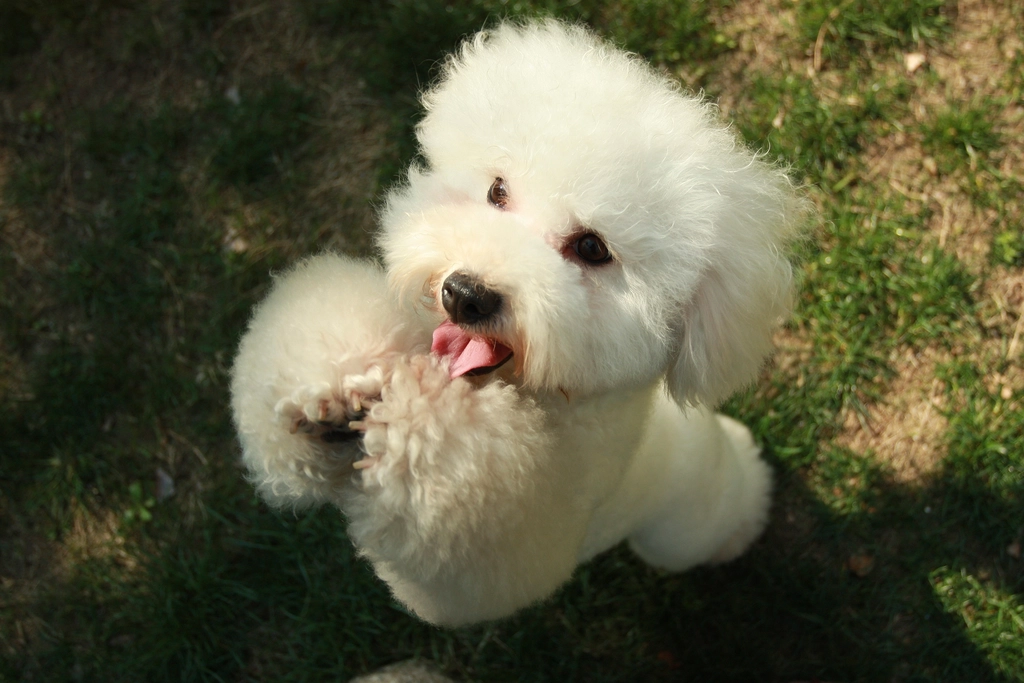
These smart little cookies are surprisingly trainable, but they need the right approach. Yes, with the right approach, Maltese dogs are generally easy to train. They are affectionate, attentive, and naturally interested in engaging with their owners. Maltese enjoy training for treats, and their focus on their family makes the process smoother compared to more independent breeds.
Positive reinforcement is key when training your Maltese. This method rewards good behavior with treats, praise, or playtime. It’s a great way to motivate your small dog and strengthen your bond. When your Maltese does something right, give them a small treat right away. This helps them connect the good action with the reward.
Socialization cannot be overlooked with this breed. Once your Maltese puppy has had their first round of vaccinations, you should ensure you gradually expose them to different people and healthy pets with a known vaccination status. Socializing your Maltese while they are still a puppy helps prevent fearfulness or aggression later in life. It will help them get along with strangers and other pets, and they will be less likely to bark or hide while on the trail or at the park. Start early and stay consistent your future self will thank you.
Stay Vigilant About Health Issues

While generally healthy, Maltese are prone to specific conditions you need to watch for. Maltese dogs are a generally healthy breed with a lifespan of more than 12 years. However, just like most dogs, Maltese can be at risk for various health complications. Knowledge is your best defense against serious problems.
Some Malteses are born with a patella (kneecap) that doesn’t sit properly in its groove on the thigh bone. This causes the patella to slide in and out of place during movement. Common symptoms include a hopping or ‘skipping’ motion during exercise and an increased stiffness in the back legs. Watch how your dog moves and report any limping or unusual gait to your vet immediately.
Heart problems and liver shunts are also concerns in this breed. Maltese puppies should also be screened for congenital liver issues, such as shunts. Liver shunts are abnormal veins that bypass the liver. This bypasses the normal filtration of toxins, wastes, and medications from the blood. Dogs with liver shunts may have stunted growth and neurologic signs such as disorientation or seizures. Liver shunts can be screened with a blood test and are often managed with a diet change and medication, though sometimes surgery is required. Regular vet checkups are absolutely crucial for catching these issues early.
Conclusion

Taking care of a Maltese isn’t just about maintaining their beautiful appearance it’s about understanding and nurturing their unique needs as both a toy breed and an individual companion. These remarkable little dogs have been stealing hearts for thousands of years, and with proper care, yours can live a long, healthy, and joyful life by your side.
Remember that consistency is your secret weapon whether it’s daily grooming, regular exercise, or ongoing training. Your Maltese will reward your dedication with unconditional love, endless entertainment, and the kind of companionship that makes every effort worthwhile. What more could you ask for in a four-legged best friend?


