

Living with multiple dogs brings twice the joy, twice the cuddles, and yes, twice the chaos. When you have several furry family members sharing your space, maintaining peace and order becomes an art form. Each dog brings their own personality, quirks, and sometimes challenging behaviors into the mix. Without proper discipline strategies, what should be a harmonious pack can quickly turn into a free-for-all.
Managing multiple dogs isn’t just about having enough toys or food bowls. It requires thoughtful planning, consistent rules, and understanding each dog’s individual needs while keeping the group dynamic balanced. Whether you’re dealing with meal time madness, training conflicts, or simply trying to establish house rules that everyone follows, these six proven strategies will help transform your multi-dog household from chaos to calm.
Separate Individual Training Sessions
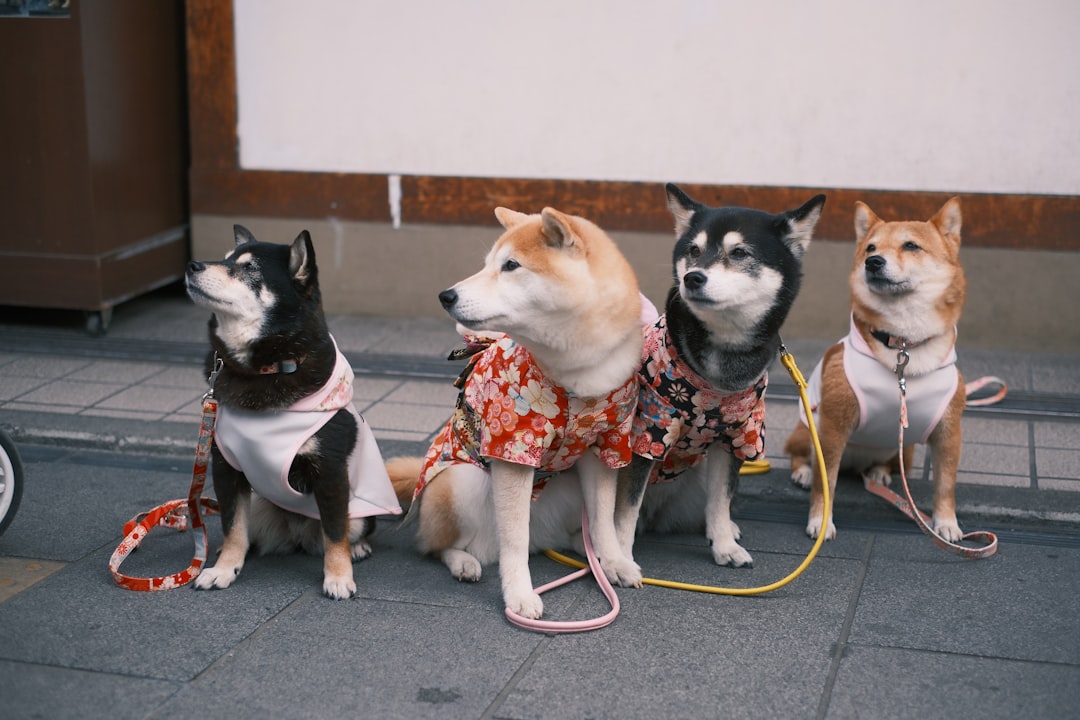
The biggest mistake multi-dog owners make is trying to train all their pets at once. The first challenge when training more than one dog at once is timing – you need to reward correct behavior at the exact moment it occurs. That can be almost impossible when your focus is divided, or when only one dog is performing the requested behavior.
Think of it like trying to teach multiple children different math problems simultaneously while they’re all talking at once. The solution to both these challenges is to separate the dogs, at least when they’re learning the fundamentals like sit, down, or stay. It can also be helpful for teaching any new behavior when your dog isn’t yet ready to practice with any distractions – like their housemates.
Work with only one dog at a time and place the other dog(s) in a different room or in their crates. While you focus on the working dog, give the other dogs something to do, so they don’t fuss or feel resentful. For example, provide a chew like a bully stick or a food-stuffed puzzle toy. Remember, keep your training session short by making it something you can accomplish in less than 10 minutes.
Working with each dog one-on-one also builds each dog’s confidence. It is very common for dogs in multi-dog households to become dependent upon each other. You might discover that one dog has been following the other’s lead rather than truly understanding commands.
Establish Clear Feeding Boundaries and Schedules
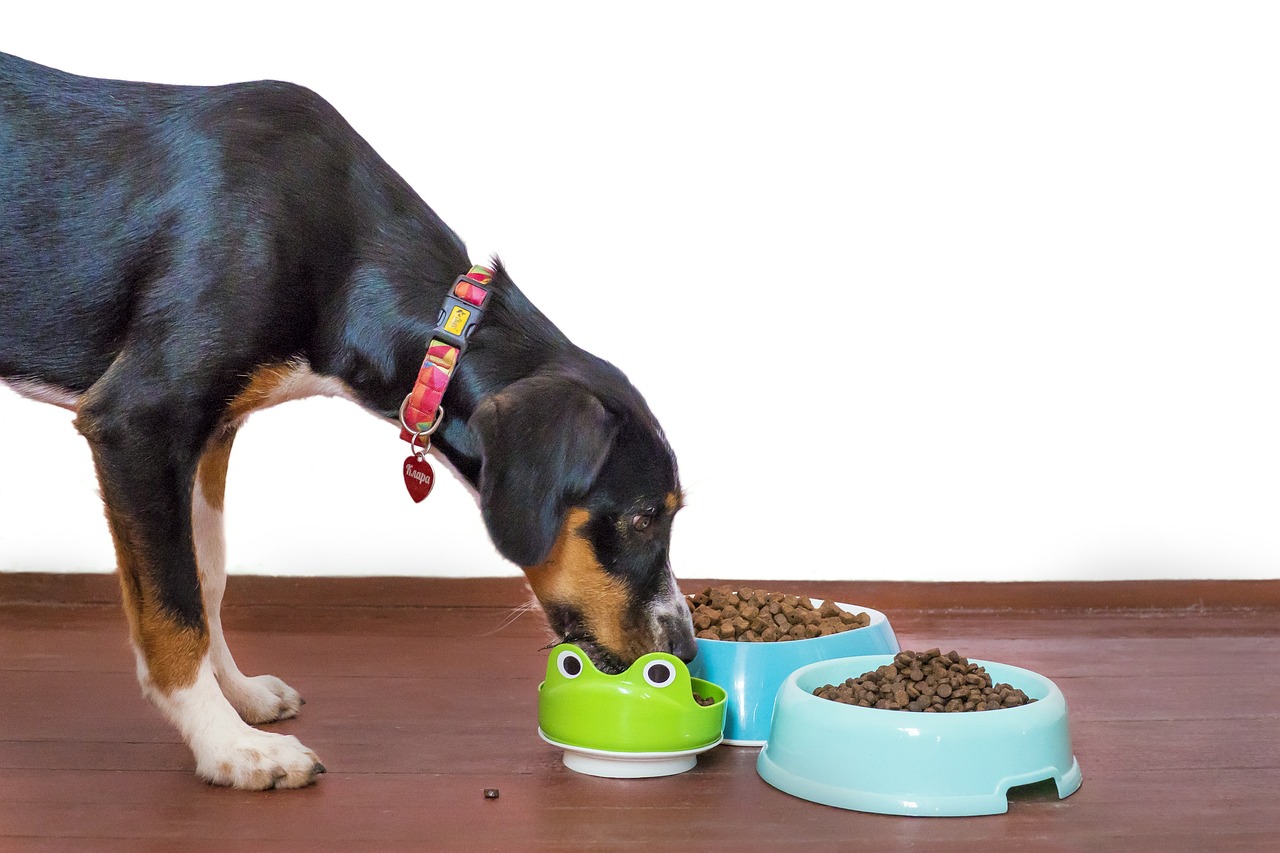
Mealtime chaos is one of the most common issues in multiple dog homes. Feeding your dogs in separate bowls, with the help of either a multiple dog feeding station or separate designated areas of your home, is the easiest way to avoid territorial disputes that can result from a dog guarding food.
To create and maintain healthy habits and relationships between pets, make sure they eat separately. Don’t allow dogs to share bowls at mealtime, and create different locations in your home where you feed each one so that they don’t feel like they need to scarf or protect the food. Some dogs eat like they’re in a race, while others prefer to savor their meals slowly.
Establishing a feeding routine helps regulate their eating habits and prevents conflicts over food. Determine set meal times and stick to them as closely as possible. This consistency helps each dog know what to expect and when.
An easy way to do this is to feed pets in different rooms of your home and close doors while they’re eating. An alternative is to use baby gates or x-pens to divide areas of your home or to feed dogs in their crates. Physical separation removes temptation and competition entirely.
Master the Art of Positive Reinforcement Consistently
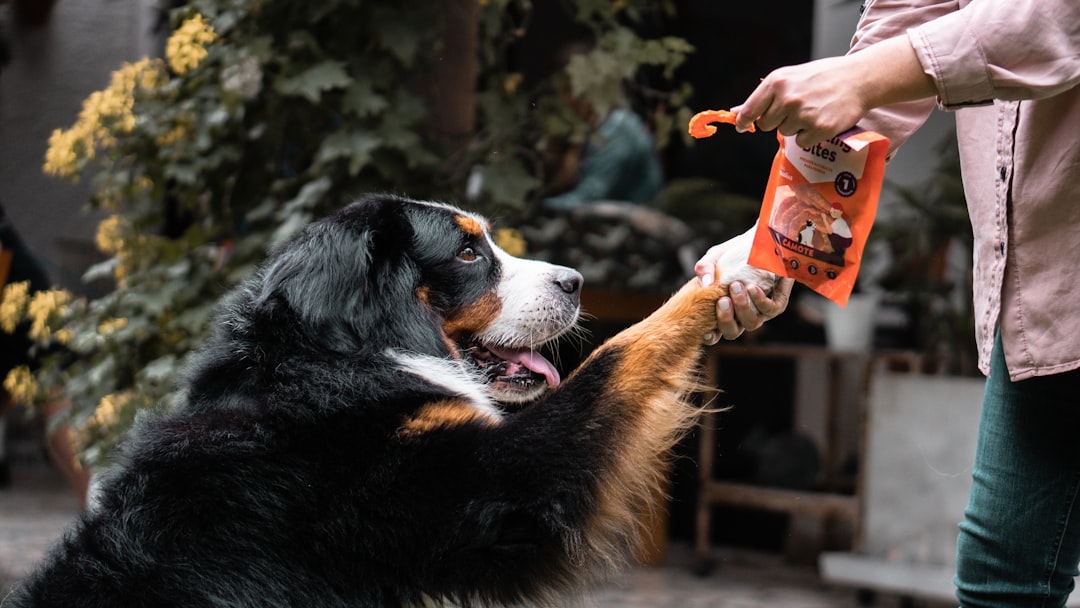
Using positive reinforcements to train your dog, rather than resorting to force, is the best method to discipline your dog. Using positive reinforcements to train your dog, rather than resorting to force, is the best method to discipline your dog. This becomes even more crucial when you have multiple dogs watching and learning from each interaction.
Consistency is a key element in training your dog. If you live in a household with multiple people, it’s important to make sure everyone is on the same page with training cues and methods, otherwise you run the risk of confusing your dog and being unproductive. Imagine how confusing it would be if one family member allowed jumping while another didn’t.
Positive reinforcement is a training method that focuses on rewarding your pet for good behavior, rather than punishing bad behavior. Giving rewards when your pet obeys you or behaves well in specific ways encourages your pet to repeat these actions or behaviors when given the command. Good behavior becomes inextricably linked with a reward.
When working with multiple dogs, timing becomes everything. Reward the specific dog who performed the desired behavior immediately, even if the others are still learning. This prevents confusion about which behaviors earn rewards and helps each dog understand their individual expectations.
Create Individual Spaces and Teach Separation Tolerance
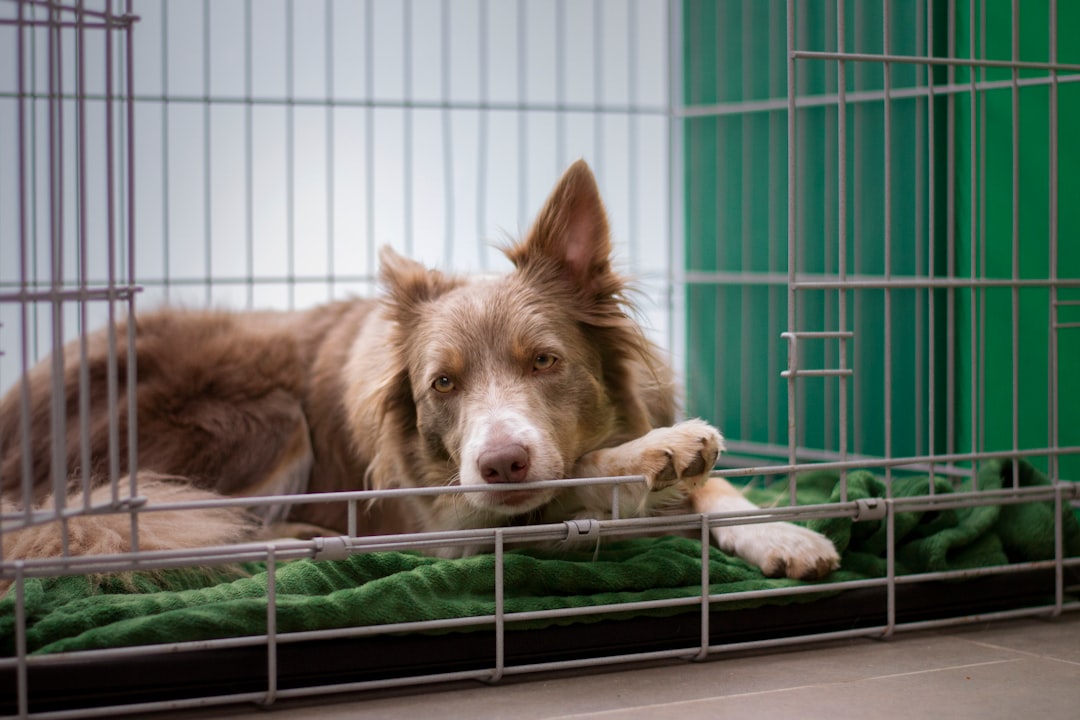
Dogs need to be taught that it’s okay to be separated – they usually don’t figure this out on their own. It’s crucial to teach your dogs how to be comfortable on their own because separation is simply a fact of life. Many multi-dog households struggle with dogs who become anxious or destructive when apart from their packmates.
Start by creating designated spaces for each dog. This might be individual crates, specific rooms, or even just separate corners with comfortable beds. While you are with one pet, make sure the other is happy on their own. Consider placing them in a crate, exercise pen, or gated pet-safe area with a much-loved treat like a food-stuffed chew toy.
It’s inevitable that at some point one dog will have to go to the vet, or will have to stay overnight at the vet for surgery, or they’ll need to be boarded separately for safety reasons, or one will pass away before the other. Teach them now that they’re okay to be apart and it’ll be far less stressful for them when those inevitable moments arise.
Practice short separations daily, gradually increasing the time. Make these separations positive by providing special toys or treats that only come out during alone time. This teaches each dog that separation isn’t punishment but rather an opportunity for individual enrichment.
Minimize Competition and Jealousy Between Dogs
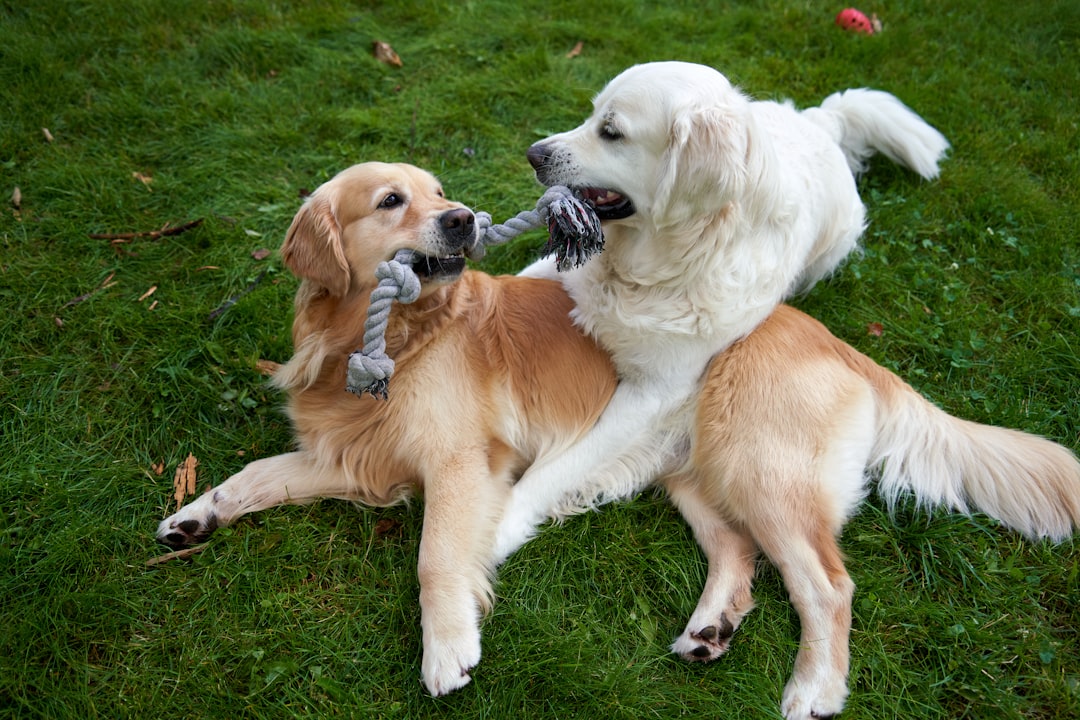
As dogs can get jealous of other pets in the home, it’s important not to encourage rivalry. That means minimizing competitive activities like having two dogs chase after the same ball. You want your pets to see each other as friends not opponents.
Competition creates tension that can escalate into more serious conflicts. Instead of throwing one toy for multiple dogs to chase, give each dog their own toy during play sessions. It also helps if you don’t rile up your pets while they’re around each other. The more excited your dogs become, the more they may lose emotional control. An aroused pet is more likely to forget their manners and act badly.
Training, exercise, grooming, and just plain hanging out are all important, but make sure your schedule includes one-on-one time with each pet for play and bonding too. Consider each pet’s favorite activities and build them into your day. That might be playing fetch for one dog and agility training for another.
Pay attention to resource guarding behaviors early. If one dog consistently tries to hoard toys, claim the best sleeping spots, or push others away from attention, address this immediately through individual training sessions and by ensuring each dog has their own resources.
Establish Consistent Rules and Structure for Everyone
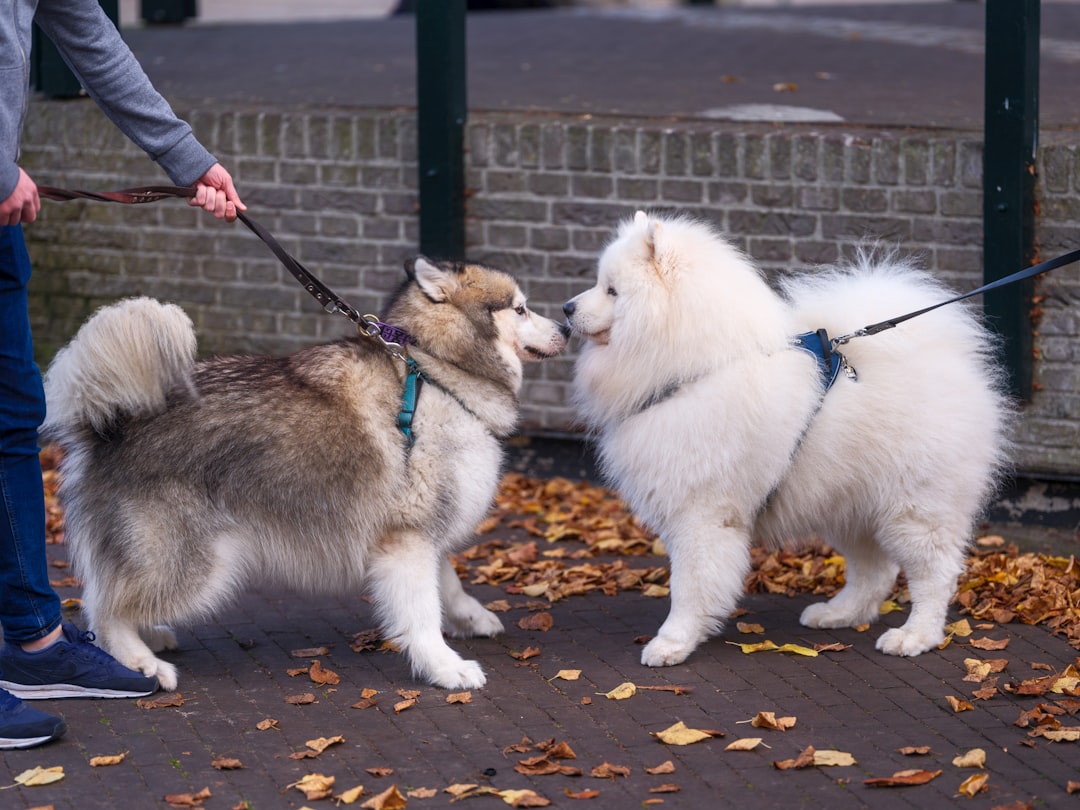
Dogs need structure in their lives, and when you establish discipline in your household, both you and your dog will be much happier for it. In a multi-dog home, this structure becomes the foundation that prevents chaos and maintains harmony.
A dog that has no discipline, rules, or structure will develop many undesired behaviors because he has no one to guide him. This not only annoys you the whole day but it also puts a lot of stress and uncertainty on your dog because he simply doesn’t know what to do. Multiply this by several dogs, and you have a recipe for mayhem.
Establishing clear boundaries and rules is essential for maintaining a peaceful household. Consistency in your expectations and enforcing these boundaries through positive reinforcement can help them understand their roles and reduce potential conflicts. Every dog should know exactly what behaviors are acceptable and which aren’t.
Create house rules that apply to all dogs equally. Whether it’s staying off furniture, not begging at the dinner table, or waiting patiently at doorways, consistency prevents confusion and resentment. When one dog sees another getting away with something they’ve been corrected for, it undermines your authority and creates behavioral inconsistencies.
Remember that clear commands and consistency are key. Set up your dog for success in every possible training session instead of letting your dog fail and then having to correct him. This applies doubly when you have multiple sets of eyes watching your every move.
Conclusion
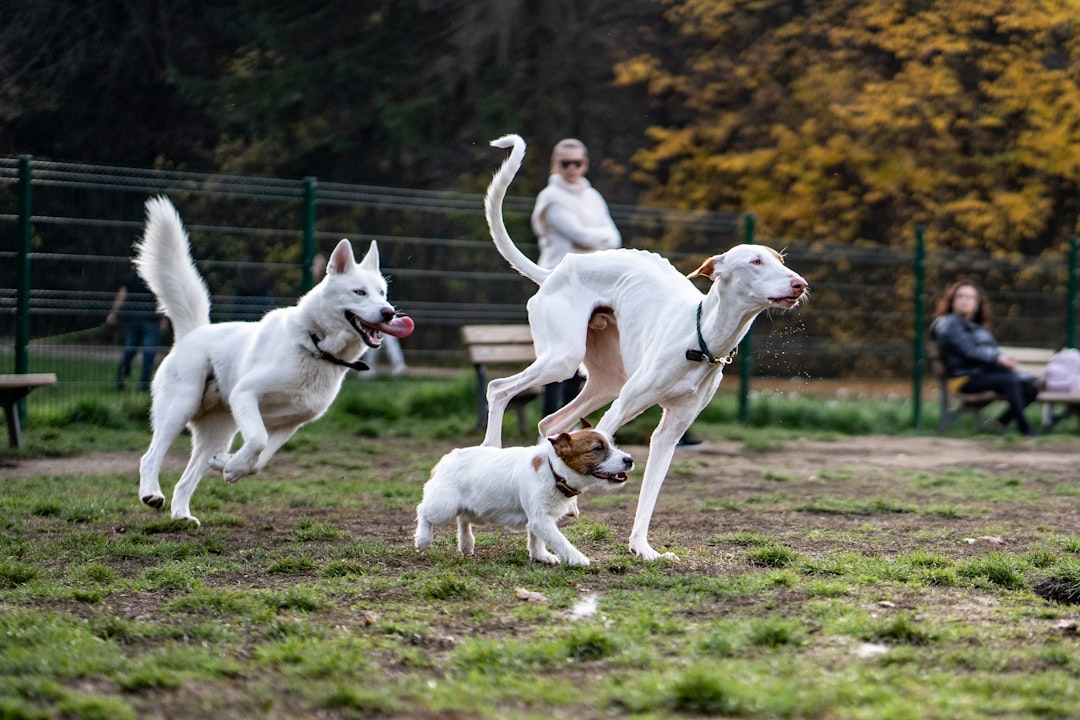
Managing multiple dogs successfully requires patience, consistency, and strategic thinking. The key lies in treating each dog as an individual while maintaining pack harmony through clear rules and positive reinforcement. Remember that every dog in your household is watching and learning from your interactions with their packmates.
Start implementing these strategies gradually. Focus on one area at a time, whether it’s establishing separate feeding routines or beginning individual training sessions. Rome wasn’t built in a day, and a well-disciplined multi-dog household won’t happen overnight either.
The effort you put into creating structure and discipline now will pay dividends in the form of a peaceful, happy home where both you and your dogs can thrive. What do you think will be the biggest game-changer for your pack? Tell us in the comments.


