

If you’ve ever lived with a beagle, you know they’re basically furry four-legged tornadoes wrapped in adorable floppy ears and soulful eyes. These compact hounds possess a rare combination of sweetness and pure, unadulterated mischief that can leave even the most experienced dog owner scratching their head. They’re not trying to be difficult, honestly. Their hunting heritage just means they’re wired to follow every scent, explore every corner, and occasionally make decisions that seem absolutely baffling to us mere humans.
Let’s be real here. Beagles are wonderful companions with hearts of gold. Yet they have this uncanny ability to find trouble in places you didn’t even know existed. Think of them as tiny detectives on a permanent mission, except instead of solving crimes, they’re usually creating adorable chaos. Understanding why they do what they do is half the battle. The other half? Staying just one clever step ahead of them.
1. The Great Escape Artist Phenomenon
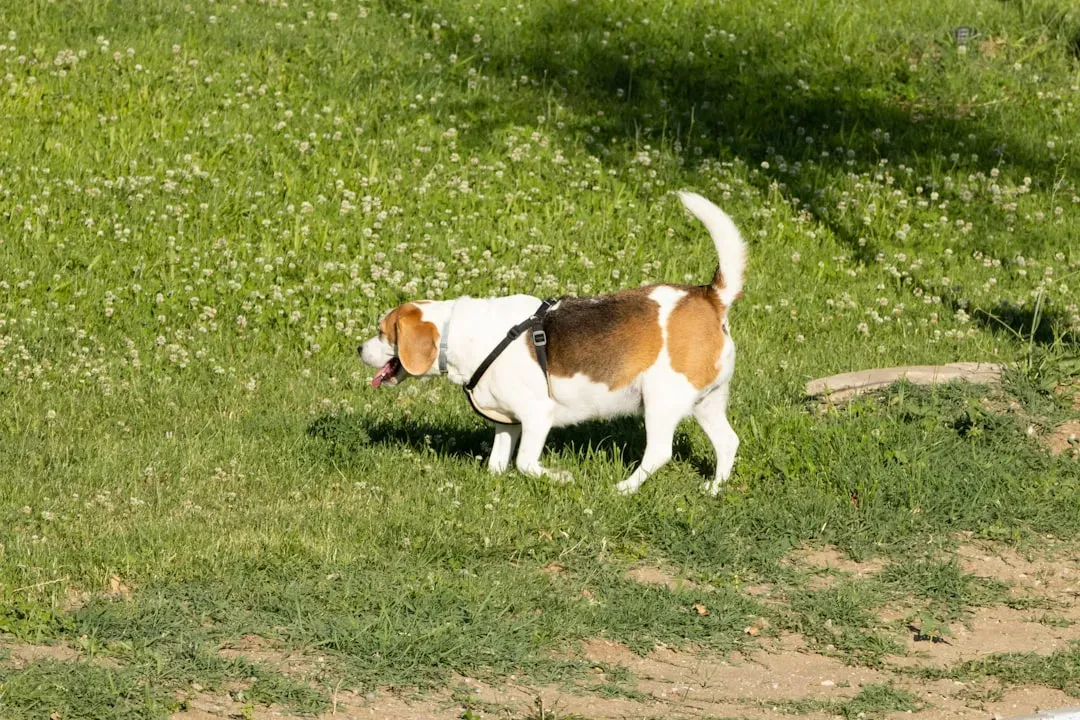
Beagles are more prone to follow their nose, and a stray animal, neighbor’s dog, or an intriguing scent may be all it takes to lure the dog away in pursuit of something alluring and mysterious. These dogs were literally bred to track rabbits across miles of terrain, so your backyard fence is basically just a suggestion to them. Beagles may have as many as two to three million scent receptors compared to humans’ five million, which adds up to a dog who is smart, curious, and a powerful tracker – and it’s not unheard of for a Beagle to wander miles from home in pursuit of a particular scent.
The escape attempts aren’t personal. Your beagle isn’t plotting against you during those quiet moments on the couch. A barrier of concrete, landscape ties, or buried wire along the bottom to prevent digging is a must if your dog will spend any time alone and unsupervised in the yard. Honestly, I’ve heard stories of beagles who learned to climb chain-link fences like tiny mountaineers. The solution involves securing your perimeter like you’re protecting Fort Knox, checking fence lines regularly for weak spots, and never underestimating their determination. Don’t leave them alone in the yard for long, and keeping your dog entertained and exercised will deter bouts of wanderlust.
2. Vocal Performances That Never End
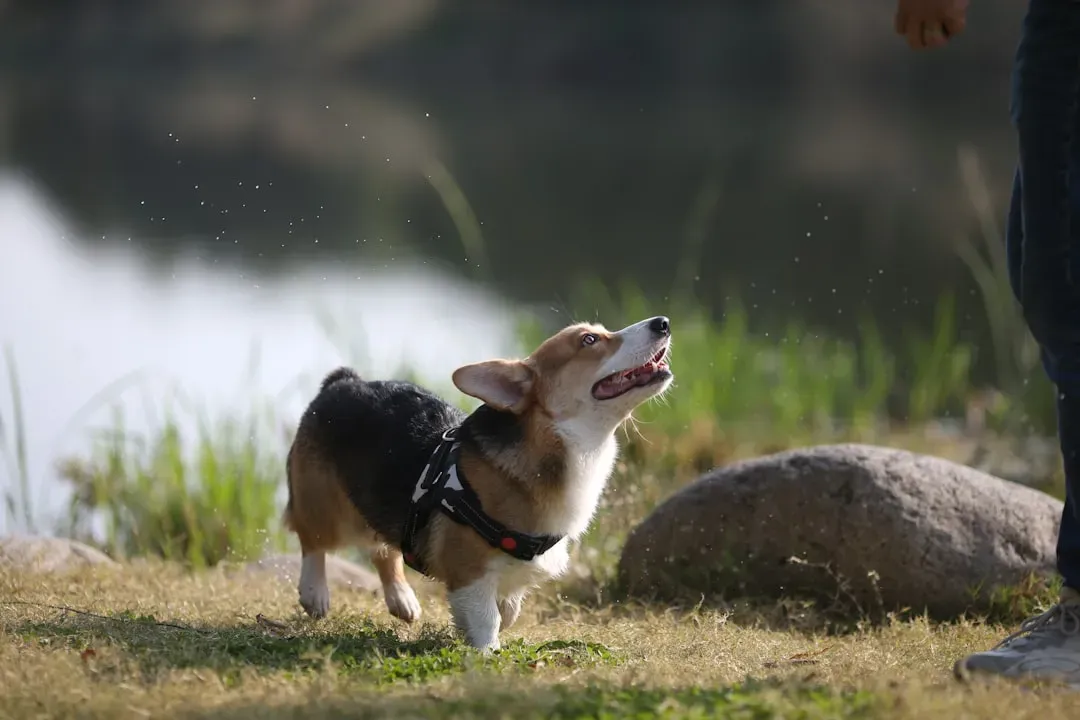
Here’s the thing about beagle barking. When a beagle barks very often, it turns into a howl, and for a relatively small breed, a beagle’s bark can be loud and disconcerting. That beautiful bay they’re famous for? It was designed to alert hunters from distances away. In your apartment or suburban home, it’s significantly less charming, especially at two in the morning.
There are many reasons why your beagle would get into a fit of barking and howling, with the most common being separation anxiety, attention-seeking vocalization, and stress caused by environmental factors like new people, sounds, elevator sounds, doorbells, or anything that your dog develops a phobia against. Teaching a quiet command takes patience. It’s important to first let them finish barking before giving the command so they can learn to associate the word “quiet” with stopping barking. You might feel silly waiting out a howling session, yet this consistency actually works. Pair it with plenty of mental stimulation and physical exercise, because a tired beagle is typically a quieter beagle.
3. The Food Obsession Problem

Led by their powerful nose, Beagles will unzip backpacks to steal lunches and counter-surf for snacks, with their sense of smell keeping their nose to the ground as they follow it to anything that smells curious to them. I know it sounds crazy, but beagles have been known to open refrigerators, chew through plastic containers, and raid garbage cans with the precision of professional thieves. Obesity is very common among Beagles, as most have an insatiable appetite along with a very strong sense of smell, and if allowed, most will overeat and seek out any food within reach.
Managing this requires military-level discipline from you, not just the dog. Secure all food sources, invest in locking trash cans, and measure every meal carefully. Many Beagles are very food oriented, so do not leave food items within reach. Never free-feed a beagle unless you want a round little sausage on legs. Food rewards and playtime are more effective tools for beagle training than verbal praise. Use their food motivation during training sessions, preferably scheduled before mealtimes when they’re most attentive.
4. Digging Their Way to China

Beagles are hunting dogs, and digging is part of their genetic code, with digging up your yard usually a sign that the dog’s mental and physical needs are not being met. Your pristine lawn might look perfect to you, yet to a beagle, it’s basically an archaeological site waiting to be explored. They dig to create cool spots on hot days, to follow underground scents from rodents, or simply because they’re bored out of their minds.
Creating a dig area by loosening up soil in one spot and hiding treats and toys there for him to dig and find can redirect this behavior. It’s hard to say for sure, but designating one sacrificial zone where digging is acceptable seems to satisfy that primal urge. When the temperature rises and the sun is shining bright, many Beagles will instinctively dig into the soil to create a cooler, more comfortable resting spot, particularly when they don’t have access to enough shade. Provide adequate shade, plenty of exercise, and mental enrichment through puzzle toys and scent games to keep those paws busy above ground.
5. Separation Anxiety Meltdowns
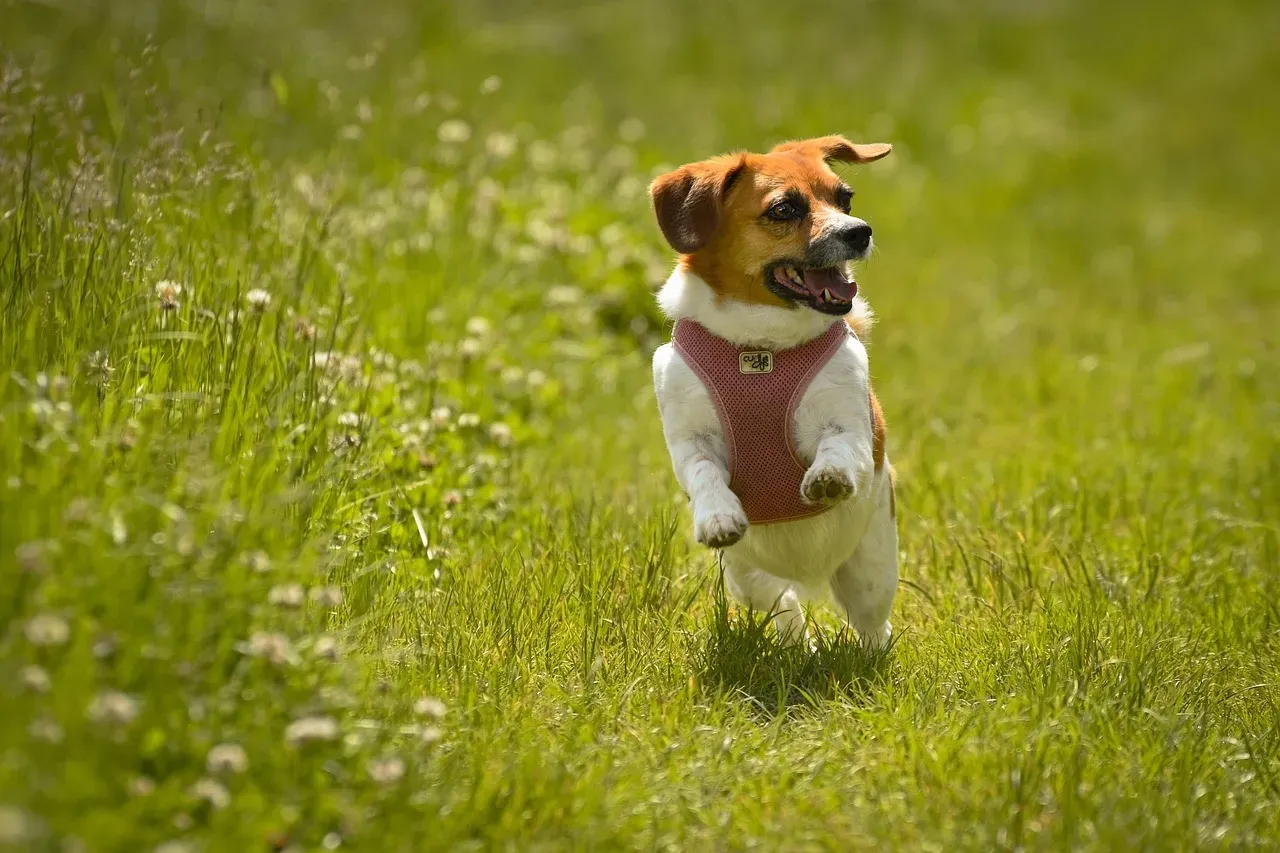
Separation anxiety is fairly common in beagles, causing significant distress when they’re alone or away from family, resulting in symptoms like excessive barking, destructive chewing, inappropriate elimination, and escape attempts. These are pack animals who genuinely believe being alone is the worst possible fate. Rescue beagles are especially susceptible to separation anxiety, making them one of the worst breeds for apartment living since they love running around.
The key involves gradual conditioning. Gradually teach your dog to stay alone by starting with a cage, crate, or pen and then graduating to a room and finally the whole house, with duration starting at just a minute initially when you leave and return to calmly reward him. Start by leaving for thirty seconds, then a minute, building up slowly over weeks. Food for the day can be placed inside Kongs and other treat-release toys as opposed to in a dish, so your Beagle will stay busy when hungry instead of quickly eating. Create a comfortable space with interactive toys, calming music, and maybe a piece of your worn clothing that smells like you.
6. Stubborn Selective Hearing Syndrome

They tend to be stubborn and distractible which can make obedience training or potty training difficult. Your beagle absolutely hears you calling. They’re just conducting a quick cost-benefit analysis in their adorable little brain about whether responding is worth abandoning that fascinating smell three yards away. Spoiler alert: the smell usually wins. Beagles have an independent streak that makes them less interested in seeking out praise or affection, relying on scent rather than their owner to guide them.
Training requires exceptional patience and high-value rewards. Beagles thrive on routine and consistency, so establish a regular training schedule focusing on short, frequent sessions rather than long, infrequent ones – try 5-10 minute sessions, 2-3 times a day. Their keen sense of smell leaves them with short attention spans, as they’re easily distracted by new and interesting scents and may follow one over a considerable distance without heeding their owners. Never train an unexercised beagle. Burn off that energy first, then work on commands in low-distraction environments before gradually increasing difficulty.
Conclusion

Beagles are absolutely worth every ounce of trouble they create. These lovable hounds bring joy, laughter, and occasionally exasperation into our lives with equal enthusiasm. The trick to living harmoniously with a beagle involves understanding their hunting heritage, accepting that their nose will always be their primary decision-maker, and implementing preventative strategies before problems develop.
Prevention beats correction every single time with this breed. Secure your boundaries, provide abundant physical and mental stimulation, establish consistent routines, and never underestimate their problem-solving abilities. With proper management, that mischievous energy transforms into endearing quirks rather than destructive behaviors.
What surprised you most about beagle behavior? Do you have any clever tricks that work with your own stubborn hound? Every beagle owner has war stories worth sharing.


