
Your dog doesn’t just wake up one morning and decide to give you the silent treatment. Unlike us humans, dogs can’t storm off and slam doors when they’re upset. Instead, they’ve developed their own sophisticated communication system that’s been fine-tuned over thousands of years.
The thing is, we often miss these subtle signals completely. We assume a wagging tail always means happiness, or that a quiet dog is simply being well-behaved. But your furry friend is actually having entire conversations with you through their body language, and some of those conversations are definitely not happy ones.
The Stiff, High Tail That Says “Back Off”

Picture this: you walk into the room and notice your dog’s tail standing straight up like a flag pole, barely moving or twitching in sharp, rigid motions. This isn’t the loose, happy wag you’re used to seeing when you come home from work.
When a tail moves from neutral, to taut vertical, to a tight arch over the back, it indicates increased arousal. This tail position is an assertive posture that can progress to an intense aggressive display. If a dog’s tail is in this position, it means they are preparing for an interaction that involves agonistic behaviors. The tighter and faster the tail movement, the more agitated the dog is.
You might see this when your dog is guarding their food bowl, favorite toy, or even their sleeping spot. It’s their way of saying they’re not in the mood for interaction right now.
Meanwhile, a high-but-slower tail wag suggests less active arousal, but it still can be a caution sign. She may just be happy and not as aroused, or it might be that an elevated level of tension has slowed the aggressive dog’s tail.
Whale Eye – When Those Peepers Tell a Different Story
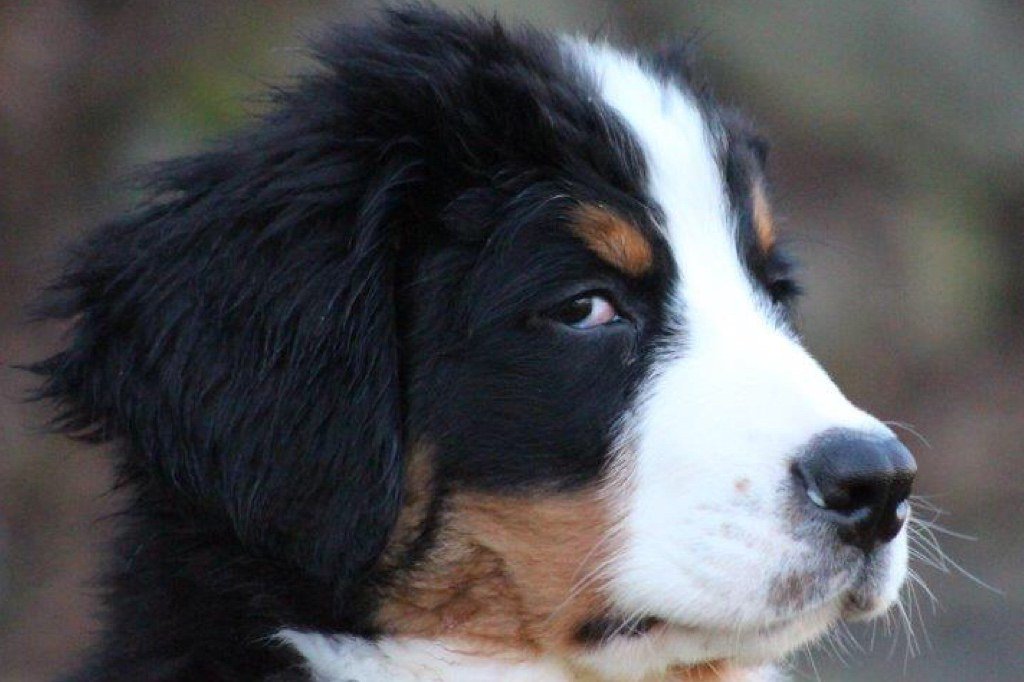
Have you ever caught your dog looking at you sideways, showing way more of the whites of their eyes than usual? Dog trainers call this “whale eye,” and it’s one of the most telling signs that your pup is feeling uncomfortable or stressed.
Side-eye or “whale eye” – Seeing more of the whites of their eyes than usual can indicate stress or unease. The whites of the eyes are another key indicator. Known as “whale eye,” when a dog shows the whites of the eyes, it’s a signal that they are feeling anxious or stressed in a situation.
This often happens when dogs feel cornered or when someone’s doing something they don’t particularly enjoy. Maybe you’re trying to brush their teeth, trim their nails, or move them off the couch. That sideways glance with the white showing is their polite way of saying, “I really don’t like this, but I’m trying to be good about it.”
If you notice your dog licking their lips, yawning excessively, and averting their gaze (sometimes called “whale eye”) it might seem like they’re annoyed. These expressions usually suggest anxiety, however, and dogs may use them in response to a stressful situation.
The Cold Shoulder Treatment
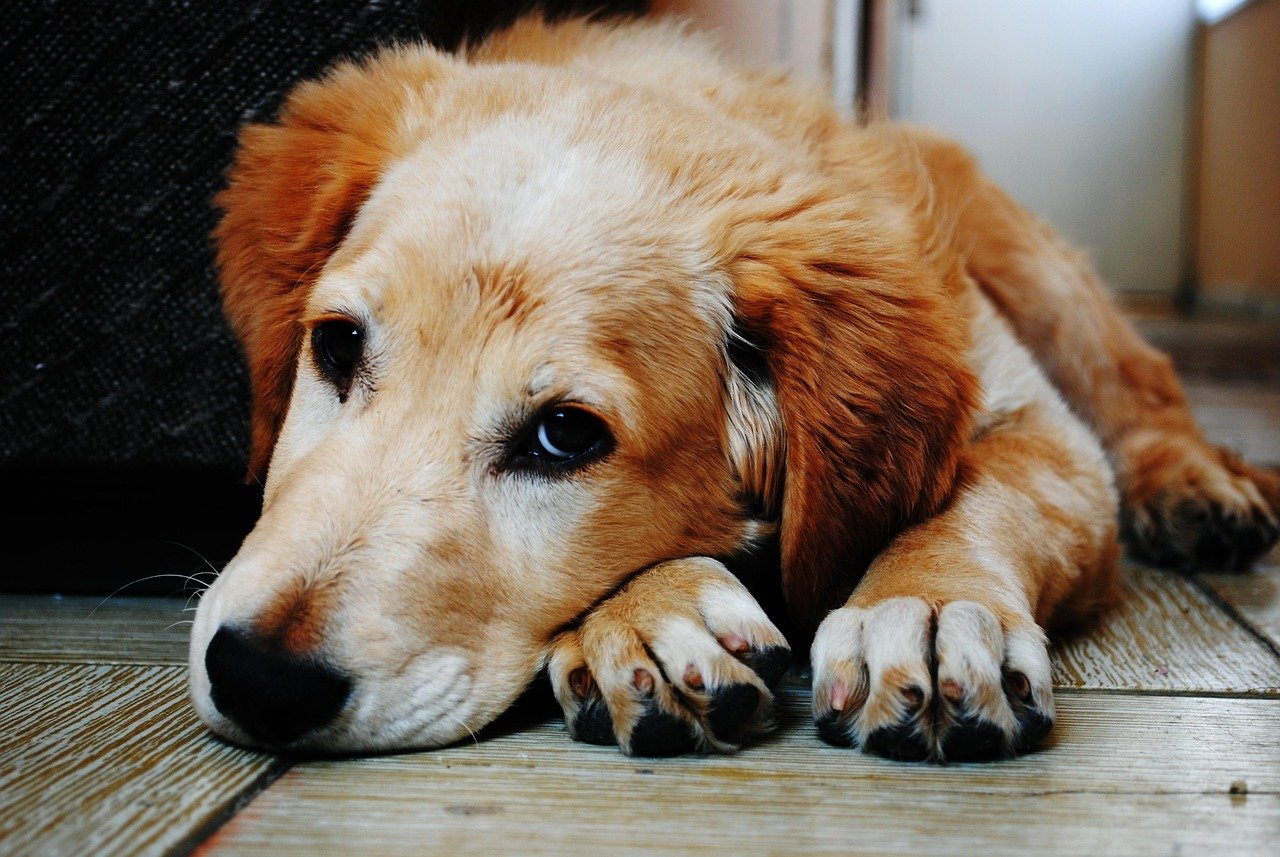
Dogs are masters of the passive-aggressive game, and when they’re upset with you, they might simply turn their backs and walk away. It’s not dramatic like human anger, but it’s definitely intentional.
The cold shoulder – A typically affectionate pup suddenly avoiding eye contact or not greeting you enthusiastically. Ignoring you – Walking away with their favorite toy instead of engaging. This behavior is particularly noticeable in dogs who are usually clingy or attention-seeking.
Instead of barking or growling when mad, some dogs might simply avoid you. You might see pooches turn their heads, sniff the ground or otherwise disengage. Or it might be more obvious: Your dog walks away or right out of the room.
If your normally social butterfly suddenly prefers the company of their squeaky toy over you, they’re probably trying to tell you something. Avoidance – A dog who usually follows you everywhere may suddenly prefer another room.
Stress Signals That Scream “I’m Not Happy”
Sometimes the signs are more subtle than an outright cold shoulder. Dogs have developed a whole repertoire of stress signals that indicate they’re feeling overwhelmed, frustrated, or just plain mad.
Yawning (when not tired) – This subtle stress signal helps dogs self-soothe. You might notice your dog yawning repeatedly when there’s tension in the house or after you’ve had to discipline them. It’s not because they’re sleepy – it’s because they’re trying to cope with their emotions.
Excessive lip licking is another dead giveaway. These can result in physical and behavioral changes such as lip licking, yawning, growling, biting, panting, chewing, hiding, destruction, clinginess, and inappropriate elimination, among others. When your dog starts licking their lips repeatedly and there’s no food in sight, they’re likely feeling stressed about something in their environment.
Pierce notes that the body language of an angry or threatened dog will include flattened ears, bared teeth, and frequent lip licking. She recommends dog parents learn the right way to respond to an angry dog: Be extremely cautious, avoid approaching, and don’t provoke them any more.
The Tense Body That Speaks Volumes
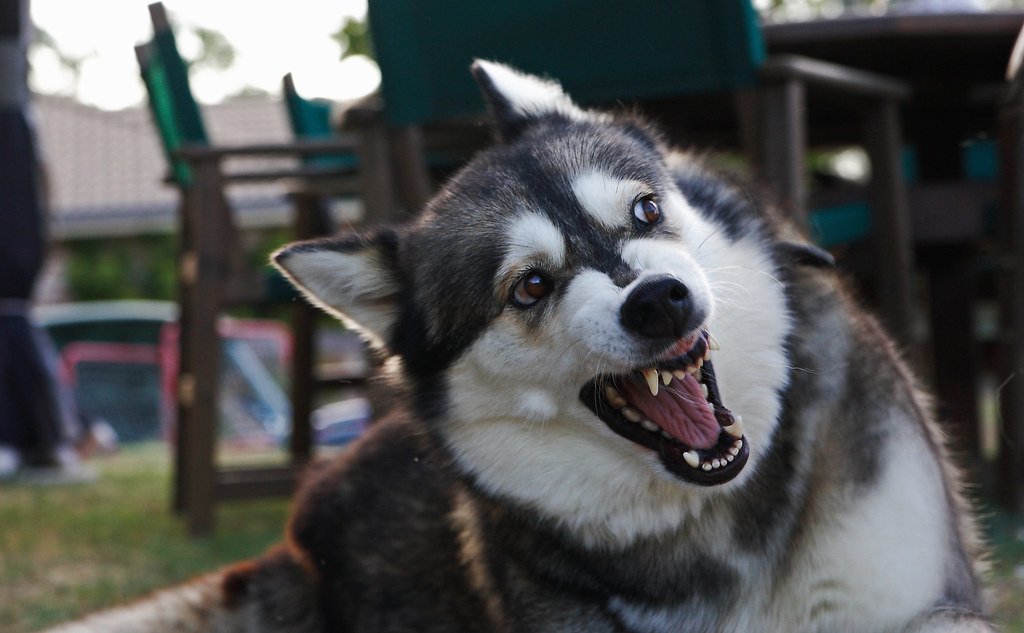
A relaxed, happy dog has a loose, wiggly body that seems to flow like water. An upset dog? Their whole body becomes a rigid statue, ready to spring into action at any moment.
Tense body language or stiffness – A tight mouth, rigid body, or a still tail (whether tucked or upright) may suggest discomfort. You’ll notice their muscles seem coiled, their movements become deliberate rather than playful, and their entire posture shifts.
A squared-off, tense, and very quiet stance. is a clear warning sign that your dog is not in a social mood. They might stand perfectly still, almost like they’re frozen in place, waiting to see what happens next.
The difference between a playful, excited dog and an angry, aroused dog often comes down to this body tension. In contrast, the “I want to eat you!” dog is likely to have a tense body and hard eyes, with all his energy focused forward with no wiggling.
Destructive Behavior as Emotional Expression

Sometimes when dogs can’t express their frustration directly to you, they take it out on your belongings. That chewed-up shoe or shredded pillow might not be random mischief – it could be your dog’s way of saying they’re upset about something.
Sudden destructive behavior – Chewing, shredding, or making a mess out of nowhere can be a sign of frustration or anxiety. According to Baker, changes in routine, feeling sick or even loud noises like cheering at a soccer game can trigger these behaviors.
This is particularly common when dogs experience changes in their routine or environment. Maybe you’ve been working longer hours, or there’s been construction noise in the neighborhood. Dogs don’t have the luxury of venting through words, so they sometimes express their displeasure through their teeth.
It’s important to remember that this isn’t spite or revenge – dogs don’t think that way. Michelle Baker, founder and dog behavior specialist at Furkids Inc, explained to Newsweek that dogs don’t hold grudges or dwell on past events the way humans do. Instead, what we perceive as a dog being “mad” is often just their way of expressing discomfort or frustration in the moment.
Reading the Whole Picture
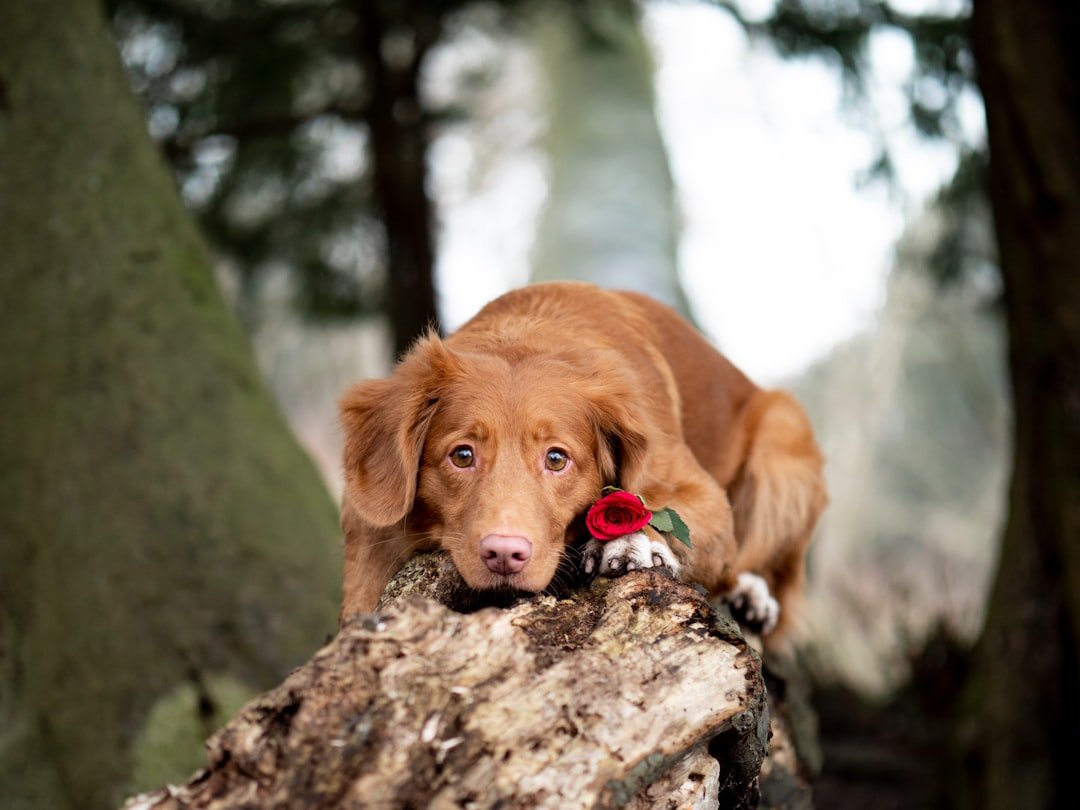
Understanding your dog’s emotional state isn’t about looking at just one signal – it’s about reading their entire body like a book. No dog body language signals act alone. They are all part of a package. So, when you read a dog’s communication, look at every signal the dog is using from the tail height to the eye shape.
The next time you think your dog might be upset with you, take a step back and look at the complete picture. Are their ears pinned back? Is their tail stiff? Are they avoiding eye contact? Are they panting when it’s not hot? All these little pieces come together to tell you exactly how your furry friend is feeling.
Remember, recognizing these signs isn’t just about understanding when your dog is mad – it’s about building better communication and trust with your four-legged family member. Your dog is “talking” to you all the time. If you learn what your dog is saying, you will develop a deeper bond of trust and respect. Plus, your newfound understanding of your dog’s emotional state can help you predict their behavior and prevent problems before they arise.
Once you start paying attention to these subtle cues, you’ll be amazed at how much your dog has been trying to tell you all along. Who knew that those sideways glances and stiff tail wags were actually your pup’s way of having a heart-to-heart conversation with you?


