
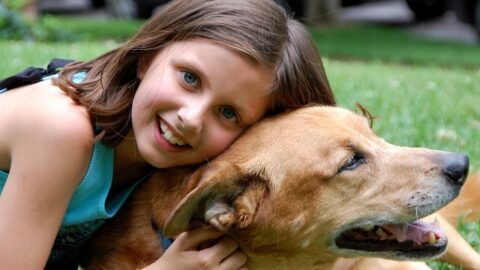
Have you ever watched your dog settle into their crate and wondered what’s really going through their furry mind? Maybe you feel a twinge of guilt every time you close that door, questioning whether they actually enjoy the space or merely tolerate it. Here’s the thing, though. Your dog might be expressing contentment and affection for their crate in ways that are easy to miss if you’re not paying attention to the subtle cues. Let’s be real, dogs can’t exactly tell us how they feel with words, so they communicate through behavior, body language, and daily routines that speak volumes once you learn what to look for.
Dogs are den animals by instinct, seeking out enclosed spaces to protect their perimeter and allow their nervous system to rest. When properly introduced with patience and positive reinforcement, a crate becomes much more than a training tool. It transforms into a personal sanctuary where your pup feels safe, secure, and genuinely at ease. So let’s dive into the signs your dog might be giving you that say, loud and clear, they truly love their little den.
They Choose Their Crate When They Need Alone Time
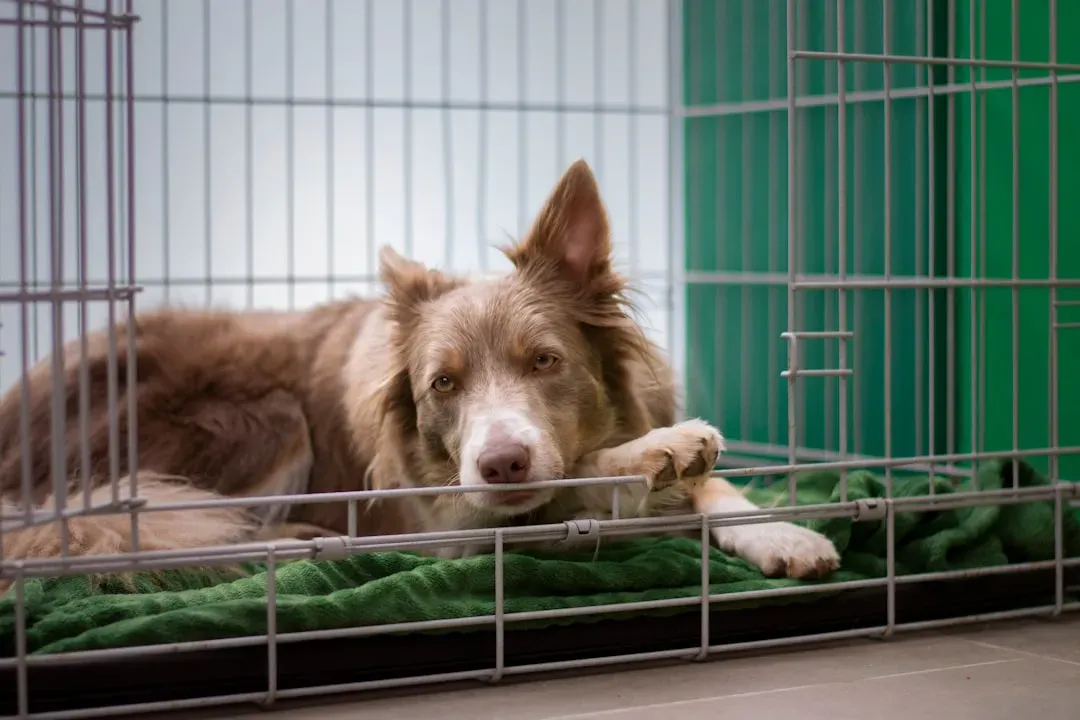
One of the most telling signs your dog loves their crate is when they voluntarily retreat to it without any prompting from you. Maybe you’re hosting friends over and the house gets noisy, or perhaps the kids are playing a bit too enthusiastically. Where does your dog go? If they head straight for their crate, curl up, and settle down, that’s a genuine vote of confidence.
Dogs instinctually like to make a home inside your home in smaller spaces for comfort, safety, and warmth, creating a personal space where they can go when they feel sad, overwhelmed, or need some “me time”. Think of it like your favorite reading nook or that comfy corner of the couch where you escape after a long day. Your dog’s crate serves the same purpose. When they choose it on their own, they’re telling you it’s their safe haven, not a punishment zone.
I know it sounds crazy, but some dogs even prefer their crate to the dog bed in the living room. They’ve learned to associate that space with relaxation and peace, free from the chaos of daily household activity.
Their Body Language Screams Relaxation Inside
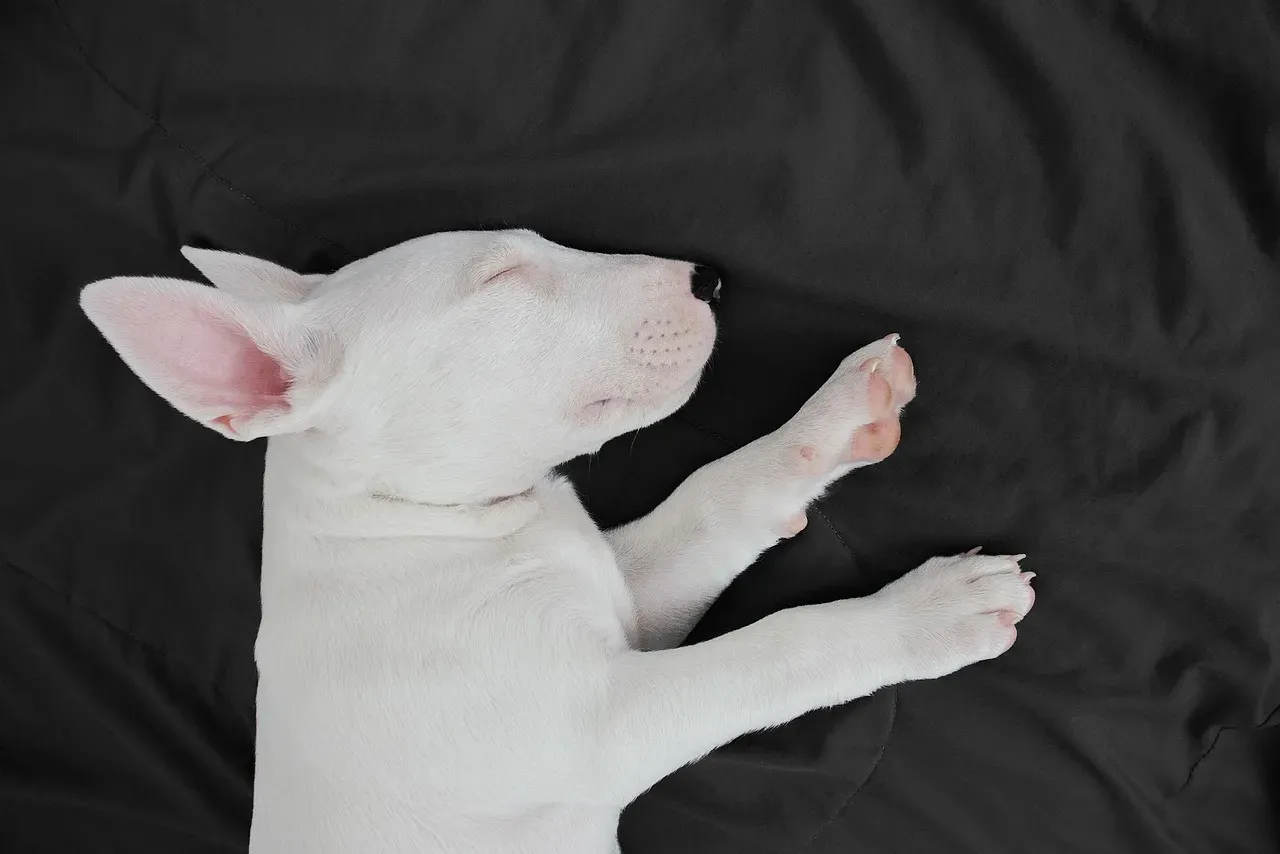
Dogs feel safe in their environment and are in a deep sleep when they sleep on their sides, showing comfort and relaxation. When your dog is inside their crate, pay attention to how they’re lying. Are they stretched out on their side with their legs extended? Are they sprawled on their back with their belly exposed? These are classic signs of total comfort and trust.
When a dog sleeps on its back with legs in the air, it’s generally a sign of complete trust and total relaxation, as this position exposes the belly, considered a vulnerable spot. If your pup is sleeping belly up in their crate, they’re basically saying they feel completely secure. No anxious dog would expose their most vulnerable parts unless they felt utterly safe. It’s hard to say for sure, but this kind of deep, relaxed sleep suggests your dog has fully embraced their crate as a sanctuary.
Honestly, watching a dog sleep peacefully in their crate is one of the most heartwarming sights. Their soft snores, occasional dream twitches, and that blissful expression tell you everything you need to know.
They Bring Their Favorite Toys or Treats Inside
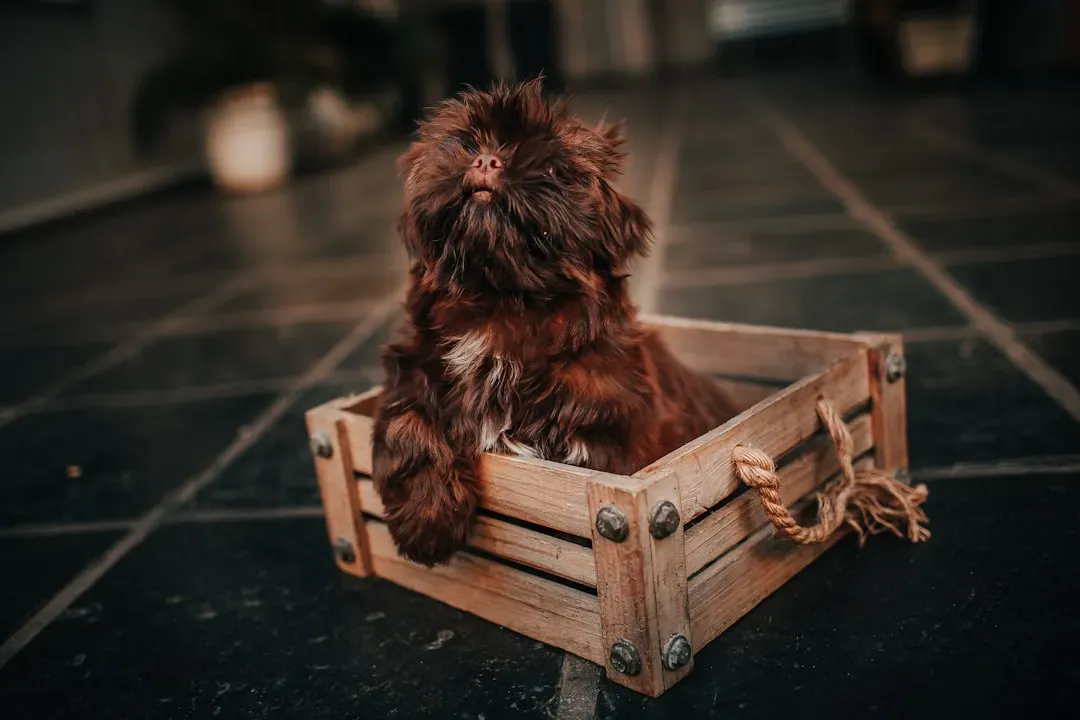
Have you noticed your dog dragging their favorite squeaky toy, chew bone, or even that ratty old tennis ball into their crate? That’s not random behavior. Dogs learn to associate their crates with positive experiences, such as treats, toys, and relaxation. When they voluntarily bring their prized possessions into their personal space, they’re marking it as their territory and showing you it’s a place they value.
Think about it this way: you wouldn’t bring your most cherished belongings to a place you hated, right? Your dog operates on the same principle. If they’re stashing toys, treats, or even stolen socks in their crate, they’re treating it like their private den where they keep the good stuff safe. It’s a sign of ownership and comfort, pure and simple.
They Enter Calmly Without Hesitation
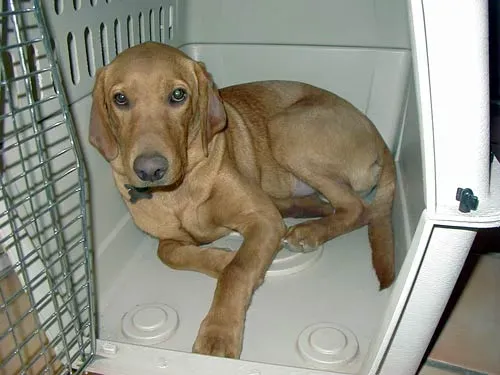
Let’s be real, if your dog bolted away from their crate every time you opened the door, you’d have a clear sign they weren’t fans. But if your pup walks into their crate calmly, without any coaxing, fussing, or resistance, that’s a strong indicator they’re perfectly content with the arrangement. A properly crate-conditioned dog feels secure, reduces anxiety, and avoids destructive behavior when left alone.
Some dogs even anticipate crate time with excitement, especially if they’ve learned to associate it with a special treat or long-lasting chew. Chews turn crate time into something your dog actually looks forward to. Watch for relaxed body language as they enter: a wagging tail, soft eyes, and an easy gait. These are all signs your dog views their crate positively, not as a cage but as a cozy retreat.
They Sleep Soundly Through the Night
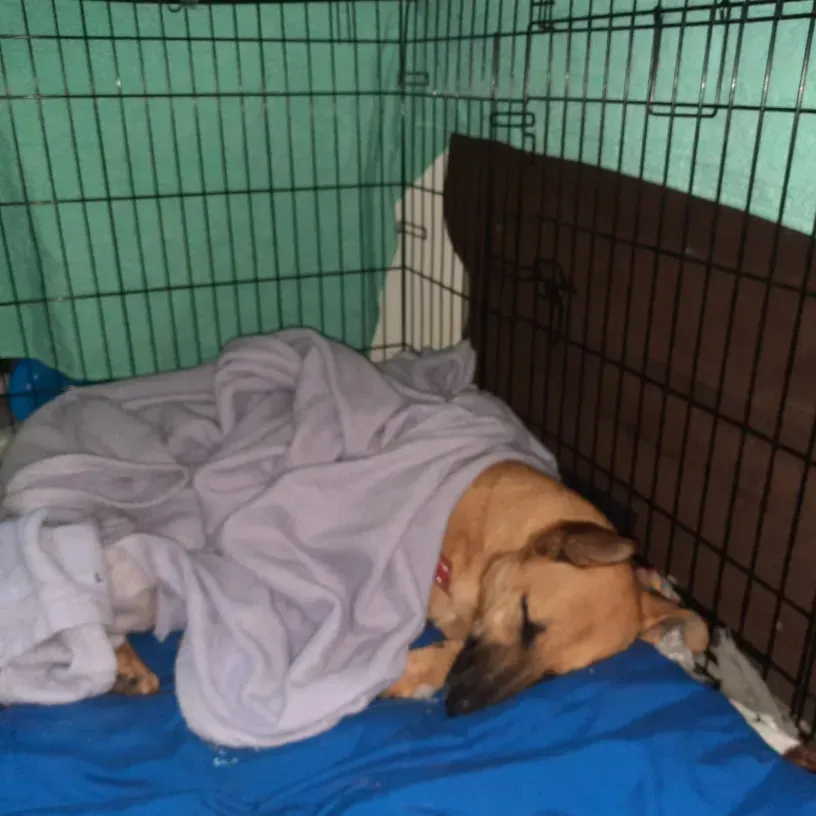
Crate sleeping can contribute to establishing a consistent daily routine for your dog, and having a designated sleeping space can help regulate their sleep patterns, promoting a healthy sleep-wake cycle. If your dog settles in for the night without whining, barking, or fussing, and sleeps peacefully until morning, that’s a major sign they’re comfortable.
Dogs that feel anxious or stressed in their crate typically let you know. They might cry, scratch at the door, or pace restlessly. When your pup curls up, maybe with a soft sigh, and drifts off to dreamland without drama, they’re telling you they trust their space completely. In crates, dogs tend to curl up more as space is limited and it feels den-like.
Roughly speaking, dogs need a lot of rest throughout the day. Dogs naturally need 16-20 hours of rest per day. If your dog is getting quality, uninterrupted sleep in their crate, it’s not just a sign of acceptance, it’s proof they genuinely love their little sanctuary.
They Show Calm, Happy Behavior After Crate Time
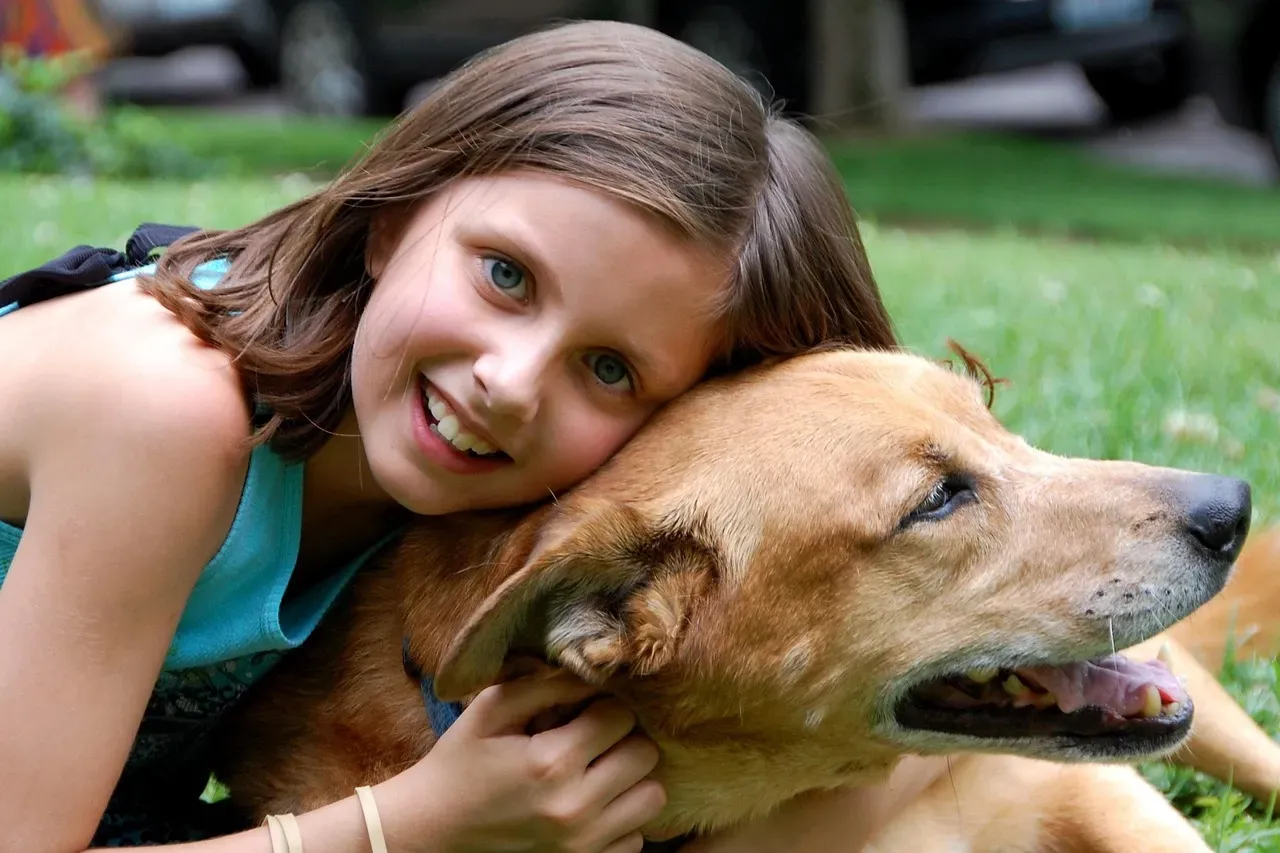
Here’s something you might not have considered: how does your dog act when you let them out of their crate? If they emerge relaxed, refreshed, and ready to engage happily with you, that’s a fantastic sign. Dogs should rest independently using crates, playpens, or designated calm areas, and when they learn they can feel safe on their own as well as with their favorite person, they become more confident, well-adjusted pups.
Dogs that dislike their crate often rush out frantically, seem stressed, or exhibit signs of anxiety like excessive panting or pacing. In contrast, a dog who leisurely stretches, wags their tail, and greets you warmly after crate time is showing you they were genuinely resting, not stressing. It’s like waking up from a good nap in your own bed versus being trapped somewhere uncomfortable. The difference in demeanor is night and day, and your dog’s post-crate behavior speaks volumes about how they truly feel.
Conclusion

Understanding how your dog communicates their feelings about their crate takes a bit of observation and empathy, but the signs are there if you know where to look. From voluntarily seeking out their crate during overwhelming moments to sleeping soundly with their belly exposed, your dog has plenty of ways to show they genuinely love their personal den. The key is recognizing these subtle behaviors and respecting what they’re telling you.
When introduced properly with positive reinforcement, patience, and respect for your dog’s individual needs, a crate becomes far more than a management tool. It transforms into a beloved sanctuary where your pup feels safe, secure, and genuinely content. What do you think about it? Have you noticed these behaviors in your own dog? Tell us in the comments.


