
Picture this: you’ve finally made that leap to farm life. The property is yours, there’s work to be done, and you’re dreaming of a loyal four-legged companion trotting alongside you as you check fences and move livestock. Sounds idyllic, doesn’t it?
But here’s the thing. Not every dog is cut out for that rugged outdoor lifestyle. Some breeds, no matter how much we adore them, simply aren’t built for the demands of farm living. Whether it’s their physical limitations, temperament, or health vulnerabilities, certain dogs will struggle miserably in wide open spaces, extreme weather, and the unpredictable nature of rural work. So let’s talk honestly about the breeds that might break your heart when they can’t keep up with farm life.
1. English Bulldog
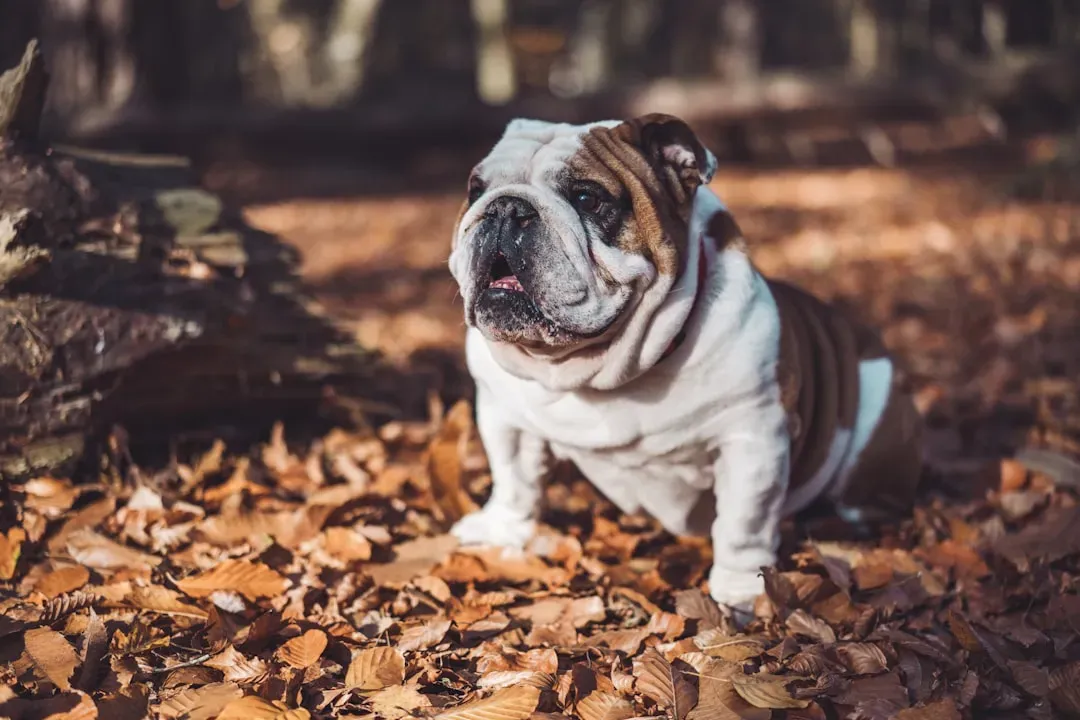
Let’s start with one of the most lovable couch potatoes out there. English Bulldogs have a short muzzle that raises the risk of overheating, making them one of the worst choices for outdoor farm work. Their adorable smooshed faces create serious breathing challenges, especially during physical activity or warm weather.
Their squished faces make breathing difficult even in cool conditions, while their stocky bodies retain heat like little furnaces, and air conditioning isn’t just a luxury but practically a medical necessity during summer. On a farm where you need a dog to patrol, herd, or even just accompany you during long hours outdoors, an English Bulldog will quickly become distressed. They’re prone to heat stroke, struggle with stamina, and honestly, they’d much rather be napping in the shade than helping you round up chickens.
Their brachycephalic anatomy means they’re not really built for swimming due to their hefty chests, short legs and tendency for breathing challenges. If you’ve got ponds or water sources on your property, this becomes a serious safety concern. I think what makes this especially heartbreaking is that Bulldogs have such wonderful temperaments, but their bodies simply can’t handle what farm life demands.
2. Siberian Husky
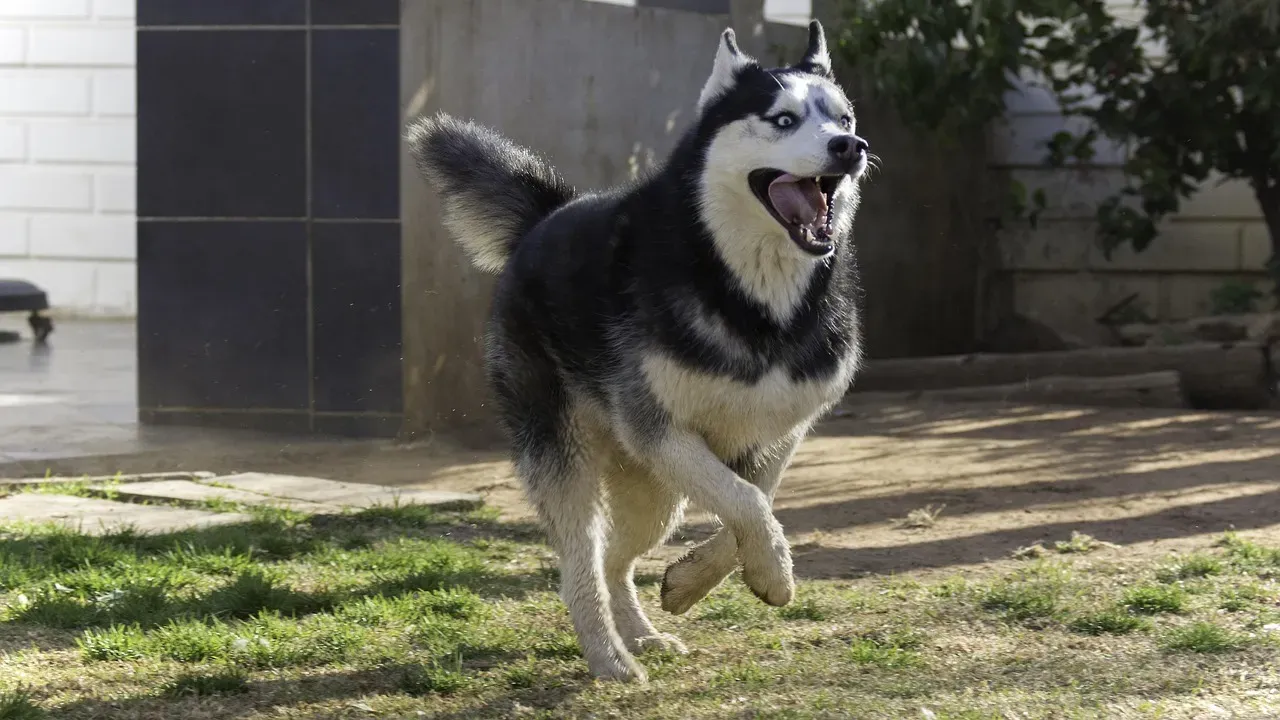
Wait, what? A working dog on the worst list? Hear me out. Huskies are incredible athletes, but they were designed for one specific environment, and a temperate farm isn’t it. These dogs were built for the extreme cold of Siberian winters, and their thick double coat traps heat, making it difficult for them to cool down in hot weather.
Huskies are very active and require plenty of exercise, but strenuous exercise in hot weather can quickly lead to overheating and heatstroke, with serious health risks including dehydration and heat exhaustion. If you’re farming in a region with hot summers, watching your Husky struggle through warm months becomes a constant worry.
Beyond temperature issues, there’s the prey drive problem. Huskies have strong hunting instincts that haven’t been fully redirected into herding like some other working breeds. They might see your chickens, ducks, or small livestock as prey rather than animals to protect. Their independent nature and legendary escape artist abilities mean they’re likely to wander off your property in pursuit of something interesting. Let’s be real, keeping a Husky contained on a farm requires Fort Knox-level fencing, and even then they might outsmart you.
3. Pug
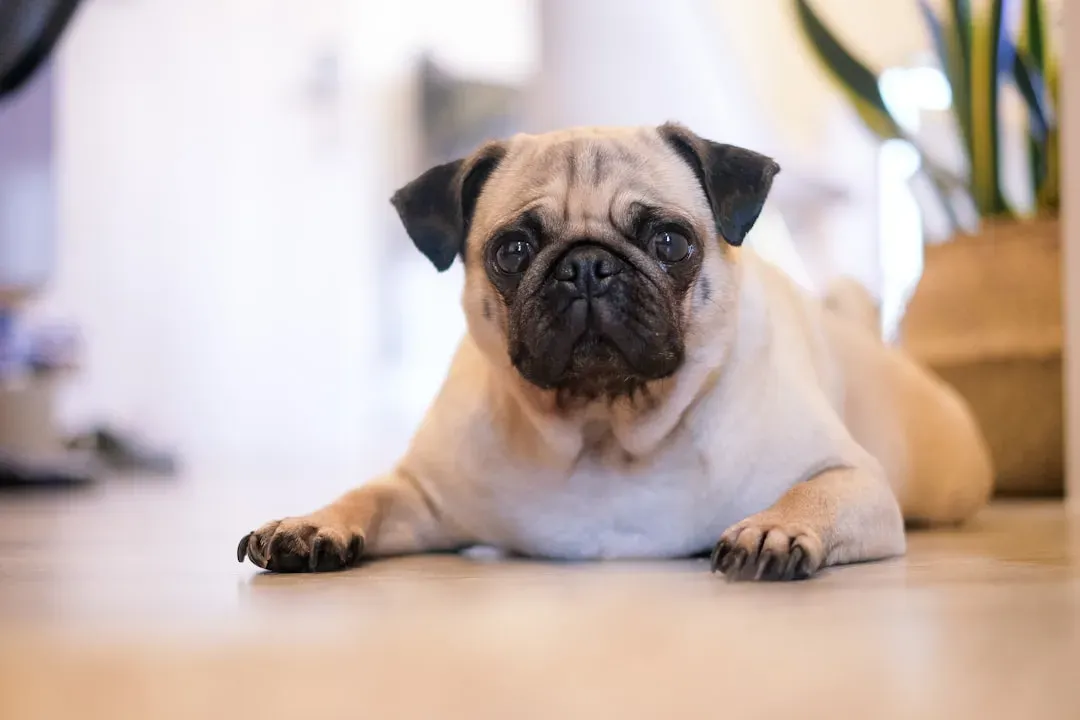
These wrinkly bundles of personality steal hearts everywhere, but farm life would be genuinely dangerous for them. Pugs belong to the brachycephalic family with shortened airways that struggle to cool themselves through panting, and even moderate heat can quickly become dangerous as their tiny nostrils and narrow windpipes limit cooling efficiency.
Brachycephalic dogs may be unable to exercise normally, especially in warmer weather, and in one study, a third of brachycephalic dogs were unable to walk for more than 10 minutes on a 19°C summer day. Just imagine trying to do farm chores with a companion who can barely handle a brief morning walk. It’s heartbreaking, honestly.
Pugs also have bulging eyes that are prone to injury. On a farm with dust, debris, tall grass, and unpredictable livestock movements, those precious eyes are constantly at risk. Most brachycephalic breeds cannot tolerate more than 5 minutes of vigorous exercise, which means your Pug would spend most of their time indoors while you handle the real work outside. They’re wonderful apartment dogs and devoted companions, but the farm environment is simply too demanding for their fragile physiology.
4. Alaskan Malamute
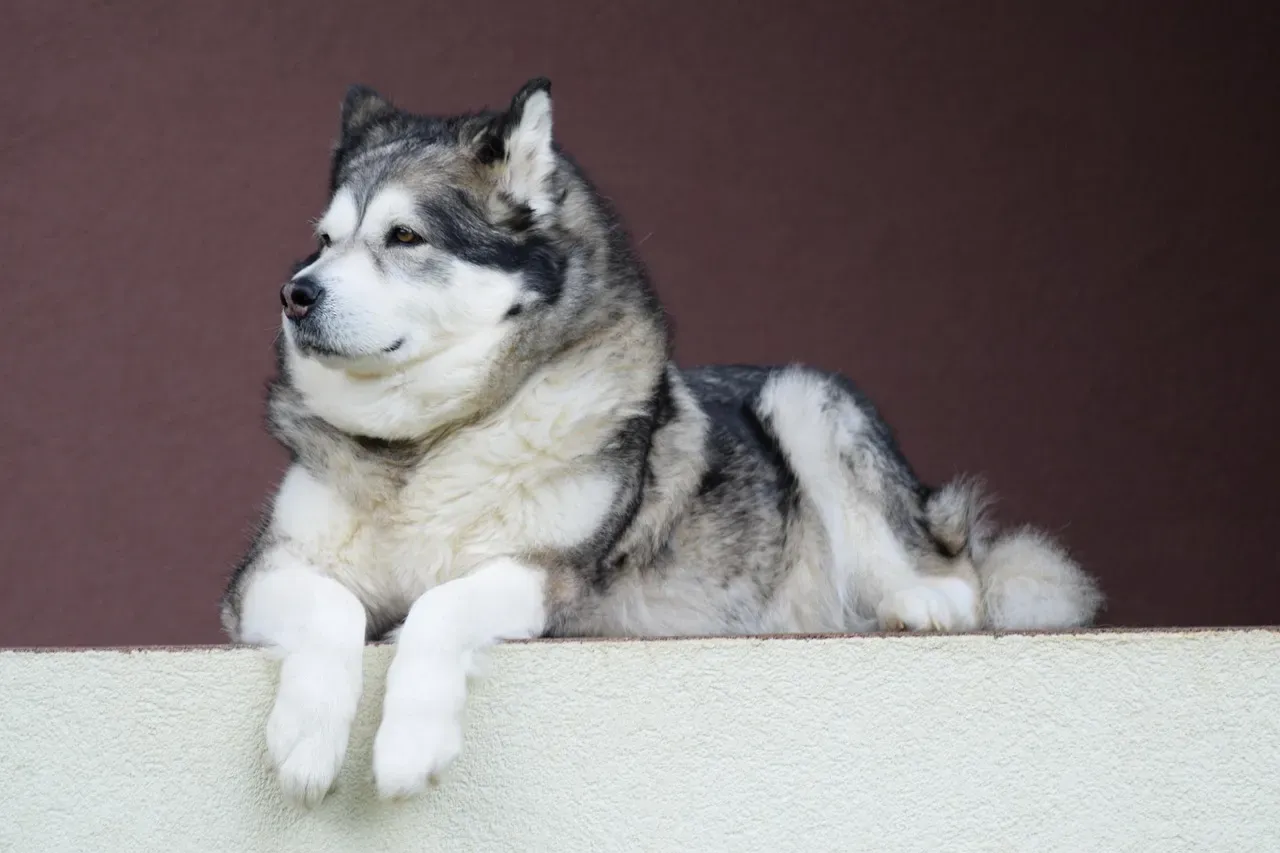
Similar to Huskies but even more imposing, Malamutes face the same overheating challenges. The Alaskan Malamute was bred to pull heavy loads in freezing Alaskan temperatures, making them one of the best dog breeds for cold weather but one of the worst for hot climates. Their massive double coat is like wearing a winter parka year-round.
Alaskan Malamutes were originally bred to pull heavy loads in Alaska, but their dense coat is like a well-insulated parka that traps heat and locks out moisture. During summer farm work, you’d constantly worry about your Malamute overheating while you’re fixing fences or tending crops. They need cooler climates to truly thrive, and most farms don’t offer that luxury consistently.
Beyond temperature regulation, Malamutes are powerful, strong-willed dogs that require experienced handling. They’re not naturally inclined to guard livestock in the gentle way farm dogs should. Their size and strength mean they could accidentally injure smaller animals, and their high energy needs would demand hours of engagement you might not have time for during busy seasons. They’re magnificent dogs, just not for most farming situations.
5. French Bulldog
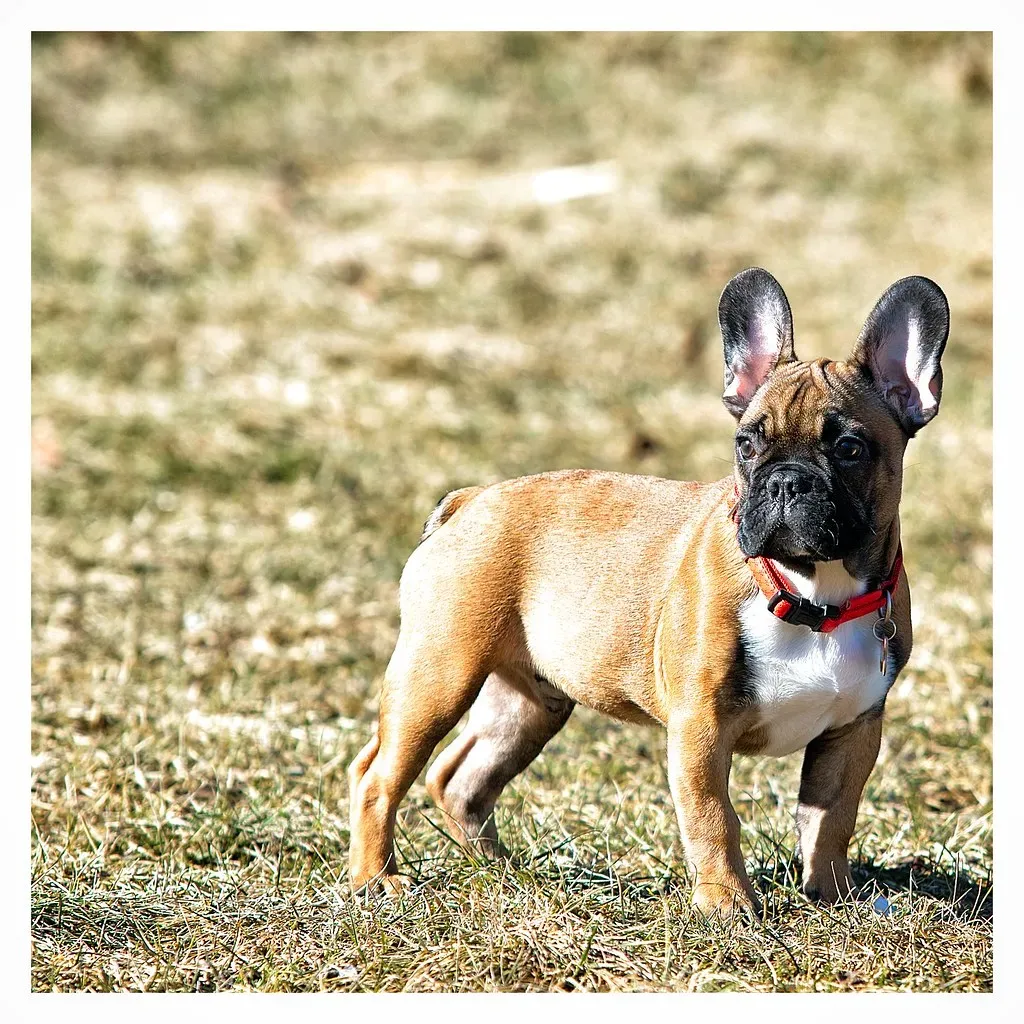
Frenchies have exploded in popularity recently, but they’re another brachycephalic breed completely unsuited for outdoor farm life. French Bulldogs cannot effectively cool down through panting, and because dogs don’t sweat like humans do, this can be dangerous. Their compact airways make every breath a challenge, especially during exertion or heat.
Brachycephalic breeds can start overheating at temperatures as low as 21°C, especially during exercise, and above 25°C, walks should be avoided entirely. Think about your average summer day on the farm, temperatures regularly exceed those thresholds. Your Frenchie would essentially be confined indoors for months at a time.
Additionally, French Bulldogs have notoriously fragile spines and joint issues. The uneven terrain, jumping over obstacles, and general rough-and-tumble nature of farm life puts them at serious injury risk. They’re bred to be companion animals who thrive on human interaction in controlled environments. Asking them to be working farm dogs is setting them up for failure and potentially serious health crises. I’ve seen too many well-meaning farm families struggle with this reality.
6. Chihuahua
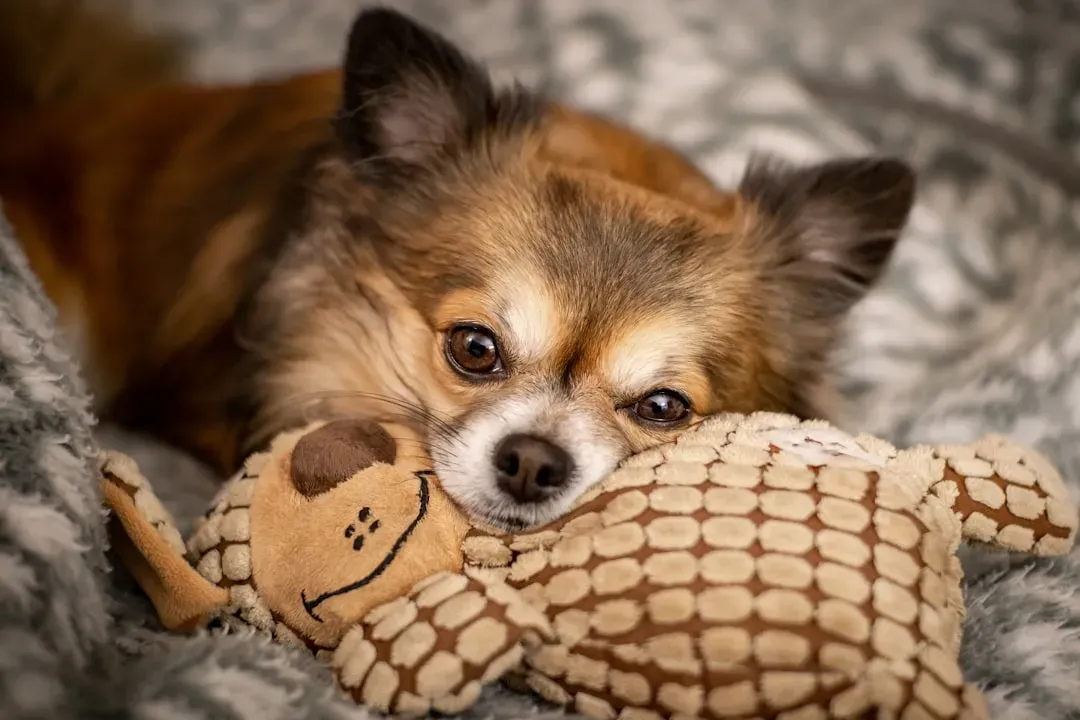
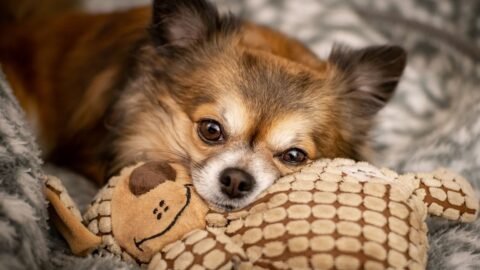
The world’s tiniest dog on a working farm? It’s almost comical to imagine, but some folks genuinely consider it. Chihuahuas are prone to getting cold quickly, maturing to a weight of less than 6 pounds, and can lose body heat rapidly when temperatures plummet. Their minuscule size makes them vulnerable to cold, heat, and physical danger.
On a farm with larger livestock, a Chihuahua is at constant risk of being accidentally stepped on, kicked, or injured. They’re too small to be taken seriously by cattle, horses, or even assertive goats. While they might have the heart of a lion and a surprisingly loud bark, their physical capabilities simply don’t match their confidence.
Chihuahuas are known for their small size and short coat, which makes them particularly vulnerable to colder temperatures because they have a higher surface area-to-volume ratio and tend to lose body heat quickly. Farm life means exposure to the elements throughout the year. Temperature extremes that larger, sturdier dogs handle easily become life-threatening for Chihuahuas. They’re wonderful, spirited little companions for the right environment, but an active outdoor farm isn’t it.
Finding Your Perfect Farm Companion
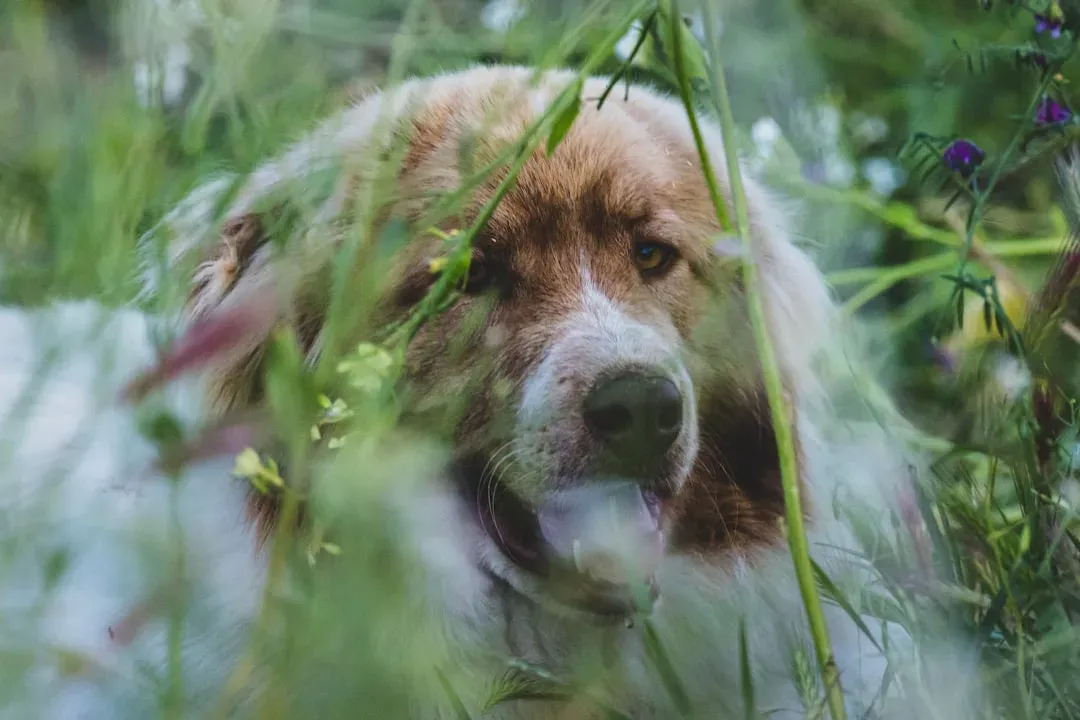
Understanding which breeds struggle with farm life helps you make better choices for both you and your future dog. The breeds we’ve discussed aren’t bad dogs by any stretch. They’re simply mismatched for the specific demands of rural, outdoor work environments.
When you’re ready for that farm dog, look toward breeds genuinely designed for the work: Australian Shepherds, Border Collies, Australian Cattle Dogs, or livestock guardian breeds like Great Pyrenees. These dogs have the physical stamina, temperature tolerance, and instincts that match what you need. Your future canine partner should enhance your farm life, not create constant worry or limitations.
The right dog makes every morning chore feel lighter and every fence check more enjoyable. Choose wisely, and you’ll have a companion who truly thrives alongside you in that beautiful, demanding farm life you’ve built. What characteristics matter most for your specific farm situation? Think about your climate, your livestock, and your daily routine before making that commitment.


