
There’s something about the idea of having a dog that gets most people imagining energetic walks through the park, weekend hikes, and outdoor adventures. You picture yourself with a loyal companion by your side, matching your active lifestyle step for step. Yet here’s the thing: not every breed was built for that kind of life. Some dogs were designed to be cuddled rather than chased, loved instead of labored with.
Choosing the right breed for your lifestyle is crucial to both your happiness and your dog’s wellbeing. If you’re someone who thrives on movement, who craves long runs, bike rides, and hiking trails, then certain breeds simply won’t be able to keep pace. It’s not their fault. They were bred for comfort, companionship, or to look adorable perched on a velvet cushion. These dogs have different needs, different tolerances, and in some cases, serious health limitations that make vigorous exercise difficult or even dangerous.
So let’s dive into the breeds that, while incredibly lovable and wonderful in their own right, won’t be joining you on that marathon training plan anytime soon.
English Bulldog
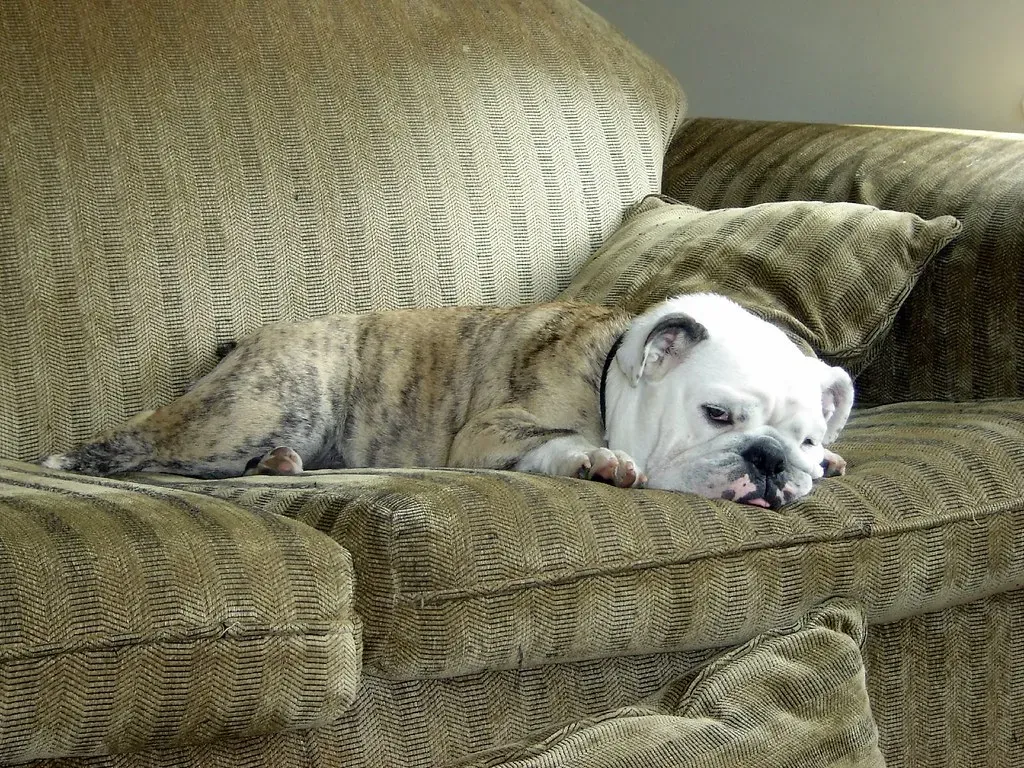
English Bulldogs are classic couch potatoes with their flat faces, stocky build, and small, folded ears. They’re the epitome of a lap dog, despite their muscular frame. These wrinkly wonders are undeniably charming, but active owners need to understand something critical: their physical structure makes sustained exercise extremely difficult.
Because of their breathing difficulties, these dogs tend to have a low tolerance for vigorous exercise and are highly susceptible to heat exhaustion and heat stroke. Most of these breeds cannot tolerate more than 5 minutes of vigorous exercise. Imagine planning a beach run with your dog only to realize they’re struggling to breathe after just a few minutes. These dogs are brachycephalic, meaning their muzzles are short, and they have protruding eyes. This can cause breathing issues and lead to serious health consequences. Bulldogs can also have a number of allergies and heart issues.
If you’re someone who wants a dog to join you on outdoor adventures, the English Bulldog simply isn’t equipped for that lifestyle. They need gentle walks in cool weather and plenty of rest. Their exercise routine should consist of short, slow-paced strolls, not vigorous activity. Let’s be real, this breed is better suited for Netflix marathons than actual marathons.
Pug

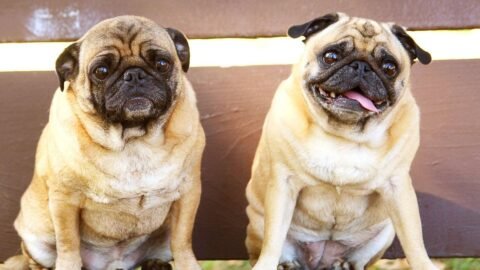
Pugs are one of the most popular dogs in America, likely due to their small size and friendly nature. They are known for being laid back and calm. Many are friendly with just about everyone, making them suitable family companions. Their personality is delightful, full of goofiness and affection. However, that adorable squashed face comes with serious consequences.
Pugs share the same brachycephalic issues as Bulldogs. Brachycephalic breeds (those with flat faces like Bulldogs and Pugs) have restricted airways that make breathing during exercise difficult. For active individuals hoping to bring their dog along for jogs or long hikes, this presents a major problem. Pugs tire quickly, overheat easily, and struggle to get enough oxygen during physical activity.
They are playful and need to be with people for the majority of the day. They do not need much exercise in the least. While they enjoy brief moments of play, their bodies simply aren’t built for sustained activity. If you’re looking for a hiking buddy, a Pug will likely tap out before you even reach the trailhead. They’re much happier lounging beside you on the couch, and honestly, that’s where they belong for their own safety.
French Bulldog
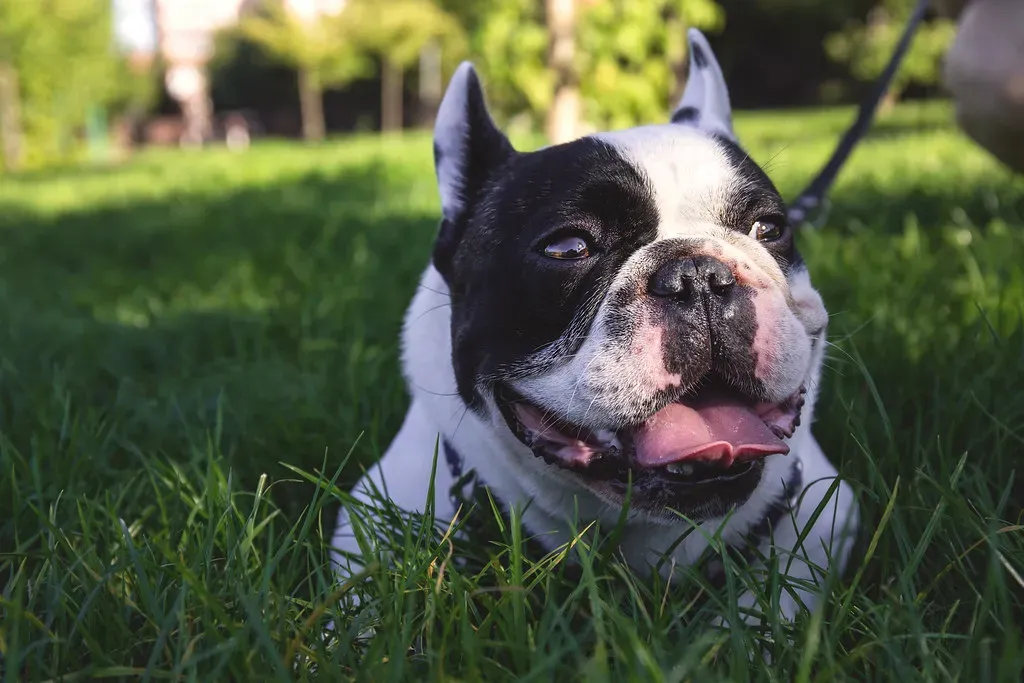
French Bulldogs have skyrocketed in popularity over recent years, and it’s easy to see why. They would be just as happy relaxing with you in the home as they would on a mysterious trip in the car. Frenchies are known to be pretty lazy and relaxed, loving their daily naps. These dogs are also highly affectionate and notoriously good with children and older adults. Their personality is delightful, adaptable, and fun.
Yet the French Bulldog suffers from the same structural challenges that plague other flat-faced breeds. French Bulldogs with brachycephalic dogs with deformed air passages, which means that they struggle to breathe. This isn’t just a minor inconvenience. Because of their breathing difficulties, these dogs tend to have a low tolerance for vigorous exercise and are highly susceptible to heat exhaustion and heat stroke. Most of these breeds cannot tolerate more than 5 minutes of vigorous exercise. Special precautions should be made in hot weather.
Many Frenchies, despite genetic testing, develop a myriad of potential health issues. Plus, due to their complex breeding, they are also costly. For active owners, this breed is simply not compatible. They need short, gentle walks and should never be pushed beyond their limits. If your ideal day involves hours outdoors being active, a Frenchie will struggle to participate safely.
Basset Hound
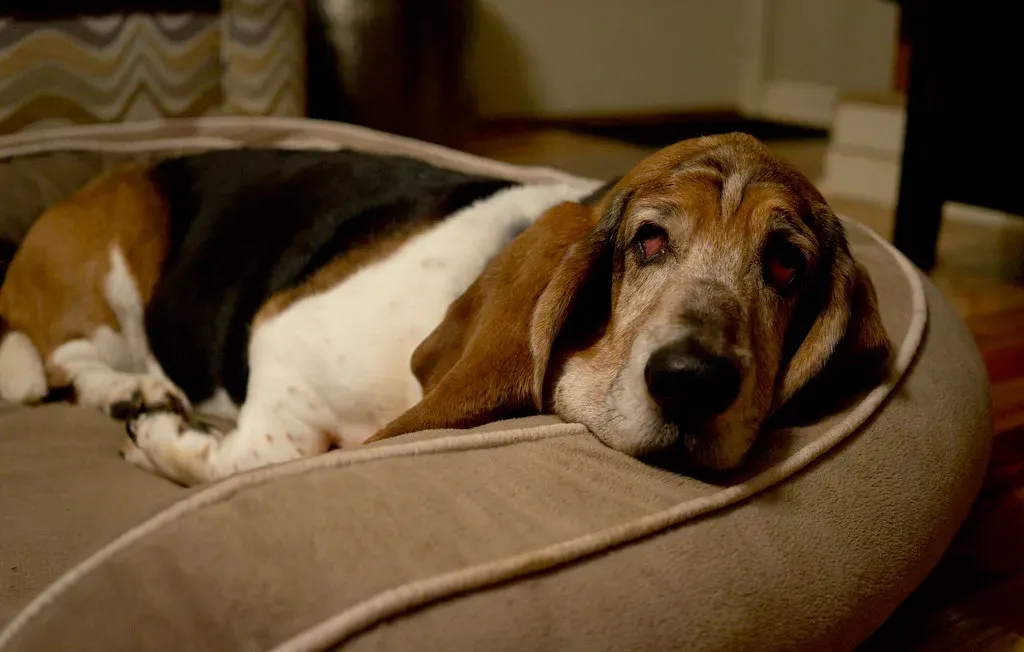
Originally bred for hunting, Basset Hounds are surprisingly lazy dogs. Their short legs and long bodies make them less suited for intense physical activity. These droopy-eared charmers are incredibly sweet and have a laid-back temperament that many families adore. But if you’re hoping for an energetic companion, they won’t deliver.
Bedell describes basset hounds as “chill” dogs with a sweet disposition and a preference for a slower pace. They generally sleep 18 to 20 hours a day. However, their love of lounging can lead to weight gain, making daily exercise essential. That’s right, these dogs sleep away nearly three-quarters of their day. While they do need moderate exercise to stay healthy, they’re not interested in running, hiking, or anything too strenuous.
Brachycephalic breeds (those with flat faces like Bulldogs and Pugs) have restricted airways that make breathing during exercise difficult. Dogs with short legs and long bodies, like Basset Hounds, aren’t built for extended activity. Their body structure makes them prone to joint and back problems, so high-impact exercise is risky. If you want a dog who will happily accompany you on leisurely neighborhood strolls, a Basset Hound fits the bill. Anything more demanding? Not so much.
Chow Chow

The Chinese Chow Chow is a big canine companion that loves to snooze. Seriously. Loves it. These furific fluffy furballs can sleep more than 20 hours a day if you let them. They’re independent, aloof, and incredibly devoted to their chosen person. Their lion-like appearance is striking, but don’t let that regal look fool you into thinking they’re up for adventure.
Chow Chows have a calm, almost cat-like personality. The Chow Chow is a very cat-like dog. They aren’t known for being particularly friendly but instead become extremely devoted to one or two people. They love their families but can be standoffish to other people. They prefer lounging around the house and are not built for high-energy activities.
These dogs require a lot of socialization, as they can become aggressive otherwise. They are not particularly active and do well in an apartment environment despite their smaller size. However, they will still require daily exercise to prevent boredom. While moderate daily walks are necessary, they’re not going to be enthusiastic hiking partners. Their thick double coat also makes them prone to overheating, further limiting their exercise tolerance. For someone wanting an active lifestyle with their dog, the Chow Chow’s preference for rest makes them a poor match.
Cavalier King Charles Spaniel

Cavalier King Charles Spaniels are the perfect example of adaptability. These 13-18 pound dogs adjust their energy to match their owner’s lifestyle, making them suitable for both active and sedentary owners. They need 30-45 minutes of daily exercise but are equally happy with short walks or longer adventures. At first glance, this breed might seem like a decent compromise. However, there’s a significant catch.
Unfortunately, health issues are prevalent in this breed. Heart disease (mitral valve disease) affects the majority of Cavaliers as they age. This serious health concern means that while young Cavaliers may be able to participate in moderate activity, their long-term health often deteriorates. For active owners planning years of outdoor adventures, this breed’s declining stamina and serious cardiac issues make them unsuitable.
Don’t let the royal name fool you; these lapdogs are happy to nap most of the day. Cavalier King Charles Spaniels are affectionate and adaptable, making them one of the top low energy dog breeds for families, older adults, or busy pet parents. While they can adapt to an active lifestyle temporarily, their preference leans heavily toward relaxation. For someone truly committed to an active lifestyle with their canine companion, other breeds would be far better suited for the long haul.
Final Thoughts

Choosing a dog is one of the most important decisions you’ll make. It’s not just about what you find cute or what breed is trending on social media. It’s about compatibility, lifestyle, and ensuring both you and your future companion can thrive together. If you’re someone who genuinely loves being active, who needs movement and outdoor time as part of your daily routine, then these six breeds simply aren’t the right fit.
These dogs are wonderful in their own right. They offer companionship, affection, and loyalty. Yet they were bred for different purposes, with physical characteristics that make vigorous exercise uncomfortable, unsafe, or even life-threatening. Respecting their limitations isn’t just responsible ownership – it’s an act of love.
Before bringing any dog into your life, do your research. Talk to breeders, veterinarians, and current owners. Be honest about your lifestyle and what you truly need from a canine companion. There are countless breeds out there perfectly suited for active lifestyles – Border Collies, Australian Shepherds, Vizslas, and many more. Find the breed that matches your energy, and you’ll both be far happier for it. What kind of lifestyle do you envision with your dog? Be honest with yourself, because your future pup is counting on you to make the right choice.


