

Let’s be honest. When you picture a guard dog, you’re probably imagining something fierce and formidable, right? A dog that would stand between you and danger without a second thought. There’s something undeniably reassuring about a canine companion who can protect your home and family. The reality is that certain breeds were born to guard, defend, and intimidate.
Others were decidedly not. Some dogs are so friendly they would practically hold the door open for an intruder, offer them a beverage, and then happily trot along for a walk. It’s hard to imagine, but these lovable companions come with temperaments that are just too sweet, too trusting, or too laid back to take on any protective role. If you’re hoping for a dog that will keep threats at bay, you need to think carefully before choosing one of these breeds. So let’s dive into the six worst dog breeds for guard dog duties.
The Labrador Retriever: Too Friendly For Their Own Good
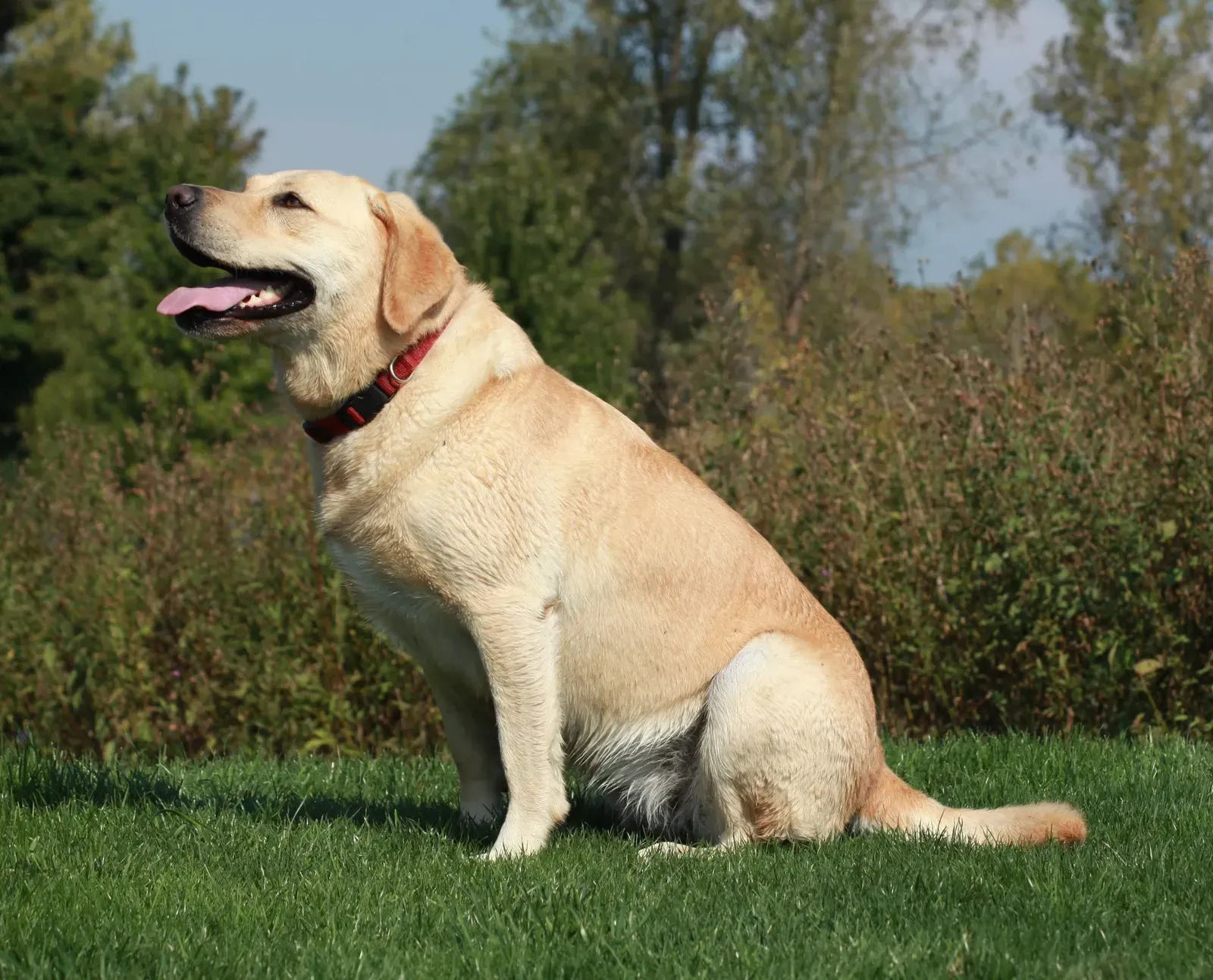
Labrador Retrievers are one of the most popular dog breeds in the world, known for their friendly, outgoing, and gentle nature, and their lack of aggression makes them poor guard dogs. Labrador Retrievers are well-known for their friendliness, making them great family pets, but they might not be the best choice for guard dogs. Labs were bred as retrieving dogs, specifically to work alongside hunters, and their whole personality is geared toward pleasing people and making friends.
They absolutely thrive in social environments and love being around both familiar faces and complete strangers. They enjoy being around people and flourish in social settings, so they’re more inclined to welcome a stranger with a wagging tail rather than a bark. If someone were to break into your home, your Labrador would likely greet them enthusiastically, maybe even bring them a toy. Their trust in people is just too deep to make them effective protectors.
The Golden Retriever: All Heart, Zero Intimidation
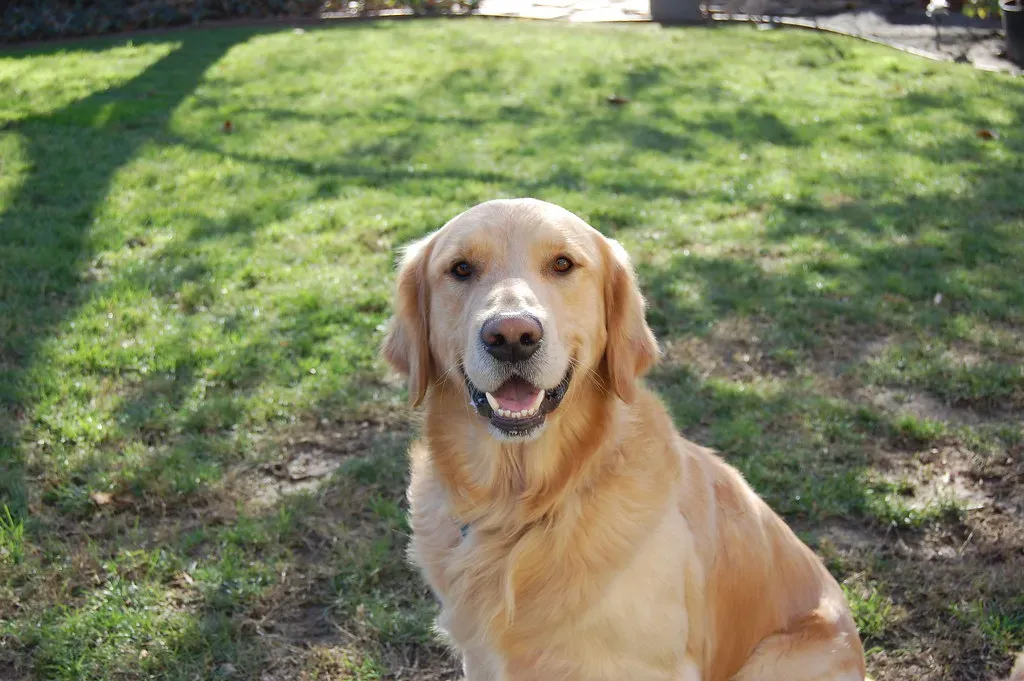
Labrador Retrievers are one of the most popular dog breeds in the world, known for their friendly, outgoing, and gentle nature. Golden Retrievers share this same temperament with their Labrador cousins. Honestly, these dogs are the poster children for unconditional love and friendliness. They were originally bred to retrieve game for hunters, which required a soft mouth and an eagerness to please, not a protective instinct.
Golden Retrievers are adored for their warm and affectionate nature, and their limitless affection extends to strangers, often making them overly friendly, which isn’t ideal for guarding. There’s a running joke among Golden Retriever owners that their dog would probably help a burglar carry out the television. While that’s an exaggeration, it’s not far from the truth. These dogs simply don’t have a suspicious bone in their body.
The Basset Hound: Lazy and Lovable

Basset Hounds are naturally gentle, affectionate, and welcoming, and their laid-back attitude makes them great with children and other pets, but it also means they’re unlikely to react with urgency or aggression when faced with unfamiliar people. These low-slung hounds were bred for tracking game, specifically rabbits, using their incredible sense of smell. Their protective instincts? Practically nonexistent.
Though they may let out a deep, resonant bark if someone approaches the house, they’re far more inclined to observe the situation from a cozy spot on the couch than take action. Basset Hounds are wonderfully loyal and have pleasant dispositions, but they’re far too easygoing to confront anyone. Their idea of protection is probably barking once and then going back to sleep. If you want a dog who will actually deter intruders, look elsewhere.
The English Bulldog: All Bark, No Bite (Not Even Bark, Really)

The English Bulldog’s forebears would have been superb guard dogs, but this is a breed that has long since had their aggression bred out of them, and now they are unlikely to even stir from napping on the couch should something untoward be happening. It’s ironic, really. Bulldogs once had a fierce reputation, used historically in the brutal sport of bull baiting. Today’s English Bulldog, though, is a completely different animal.
English bulldogs are commonly quiet, docile, and extremely friendly, and although the breed was once known as a rather aggressive dog, such traits have been bred out over the years. Modern Bulldogs are couch potatoes who prefer napping to just about anything else. They’re loving and sociable, but they lack the energy and drive to be effective guardians. An intruder could probably walk right past them without waking them up.
The Saint Bernard: Gentle Giants With Zero Guarding Instinct
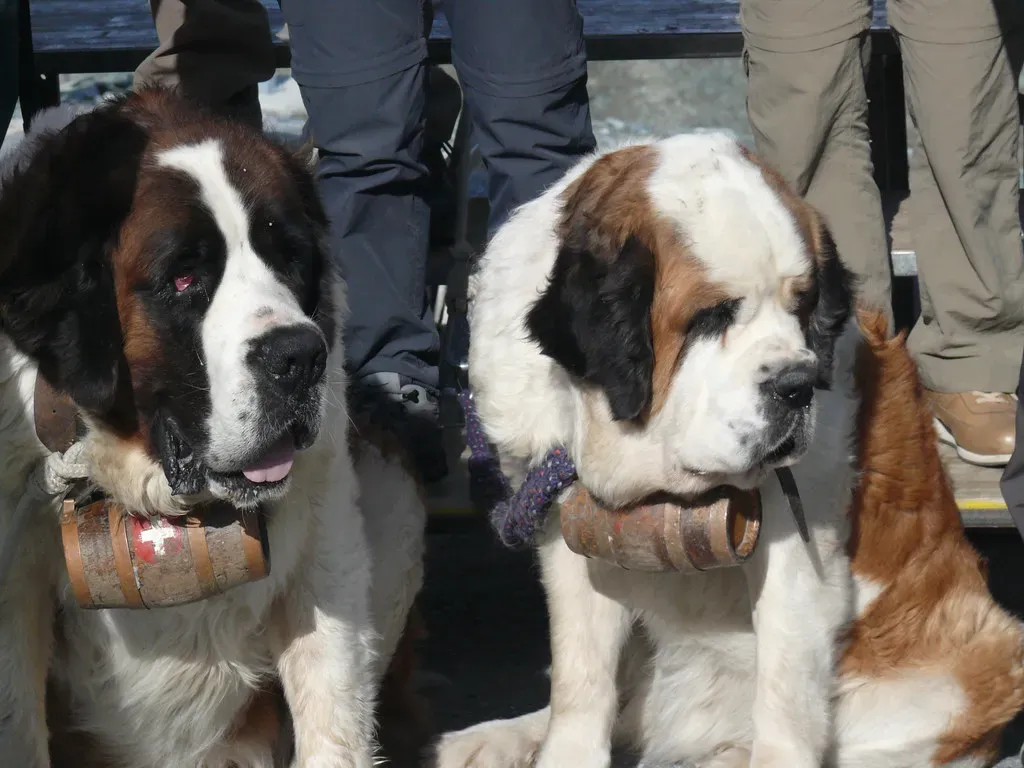
The Saint Bernard is a gentle giant with a reputation for friendliness and shedding fur, and despite their intimidating size and loud bark, they tend to be more playful with strangers than protective, making them poor watchdogs. These massive dogs can weigh well over 150 pounds, which might seem intimidating at first glance. Their sheer size and deep bark could potentially scare someone off, but that’s where their guard dog abilities end.
If a burglar did comes into your house, a standard Saint Bernard dog would rather play with them than attack. Saint Bernards were bred as rescue dogs in the Swiss Alps, tasked with finding lost travelers, not confronting threats. They’re incredibly patient, loving, and tolerant, especially with children. They would much rather befriend an intruder than chase them away, which makes them wonderful family pets but terrible guard dogs.
The Cavalier King Charles Spaniel: Sweet Lap Dog, Not Protector
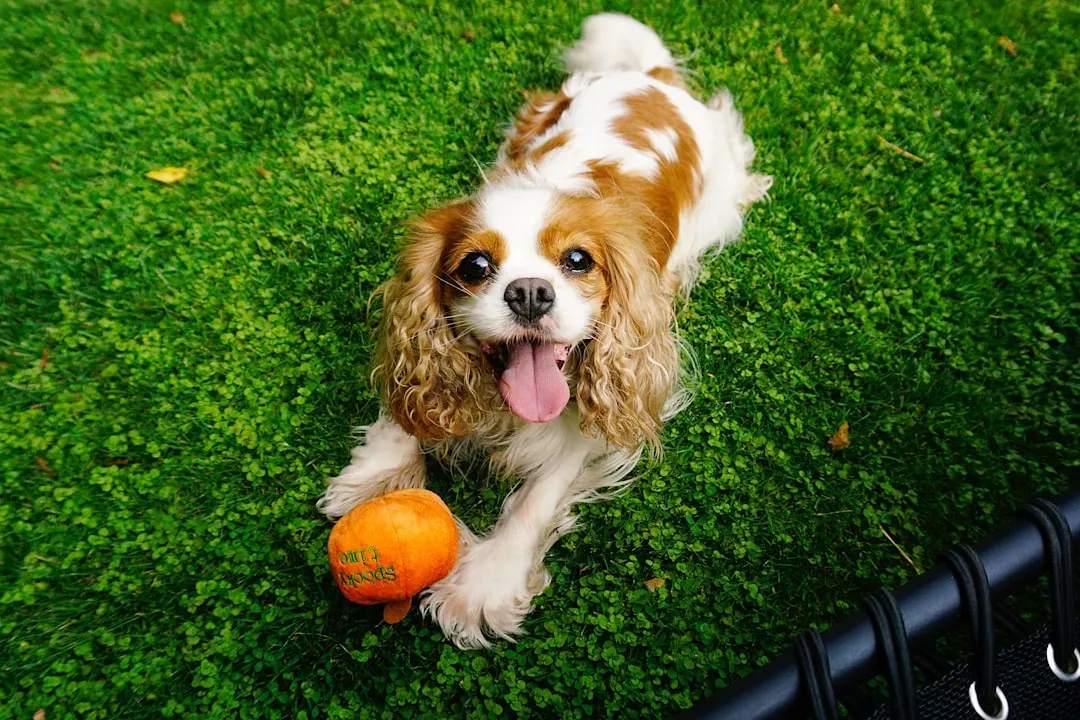
The Cavalier King Charles Spaniel is a small, affectionate breed known for its friendly and gentle nature. These dogs were specifically bred to be companion animals for royalty, meant to warm laps and provide comfort. Their whole existence revolves around being close to their humans and soaking up affection.
Cavalier King Charles Spaniels are small, loving, and incredibly gentle, and Cavaliers rarely bark, so they’re unlikely to sound the alarm in the face of danger. They’re too trusting and too small to take on any protective role. If danger came knocking, a Cavalier would probably just look confused and seek cuddles. Their focus is entirely on giving and receiving love, not on defending territory or people. They make wonderful emotional support animals but fall completely flat when it comes to guarding.
Conclusion
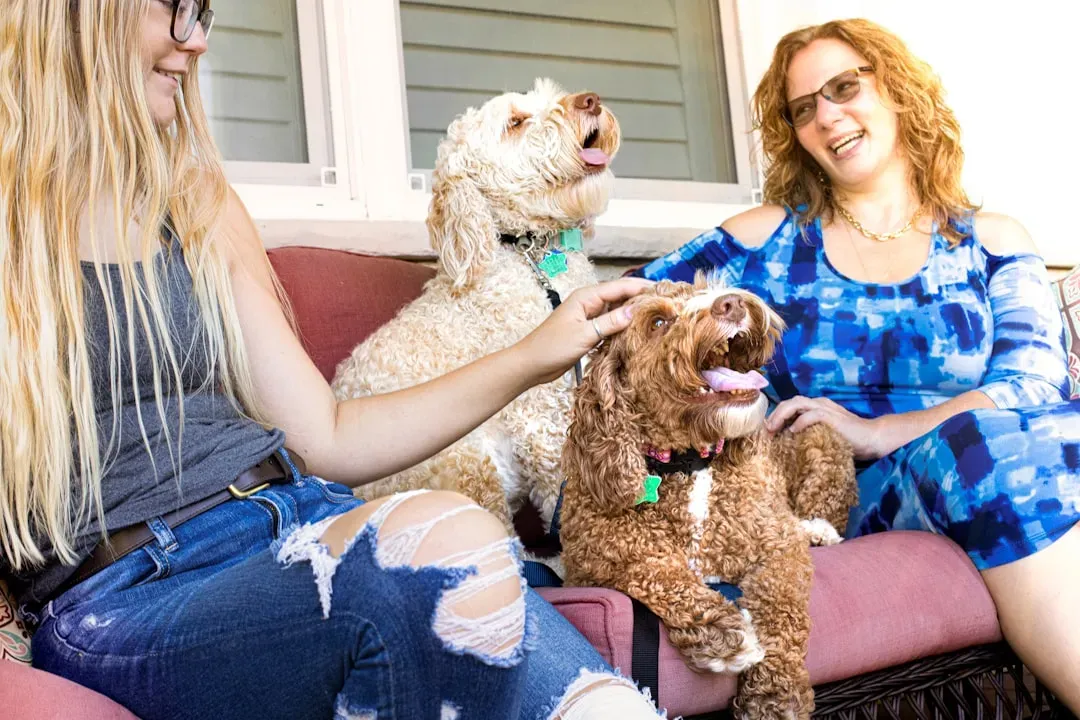
Choosing the right dog for your family means understanding what each breed was designed to do. If you need a guardian, you need a dog with natural protective instincts, courage, and a healthy dose of suspicion toward strangers. The breeds we’ve discussed here are wonderful in so many ways. They’re loyal, loving, and make fantastic companions.
Their hearts are pure gold, and they bring immense joy to their families. They’re just not cut out for guard duty. If security is your priority, consider breeds like German Shepherds, Rottweilers, or Doberman Pinschers instead. What do you think? Would you still bring home one of these friendly breeds, or does your family need a true protector? Let us know your thoughts.


