

There’s something magical about watching a Mustang horse move across open terrain with that unmistakable wild spirit still burning in their eyes. These incredible animals carry centuries of survival instincts in their DNA, yet they can form some of the deepest bonds with humans when cared for properly.
Whether you’ve recently adopted a wild Mustang from the Bureau of Land Management or inherited one from a previous owner, understanding their unique needs can make all the difference in their happiness and wellbeing. These horses aren’t just beautiful; they’re living pieces of American history that deserve our respect and best care.
Understanding Your Mustang’s Wild Heritage
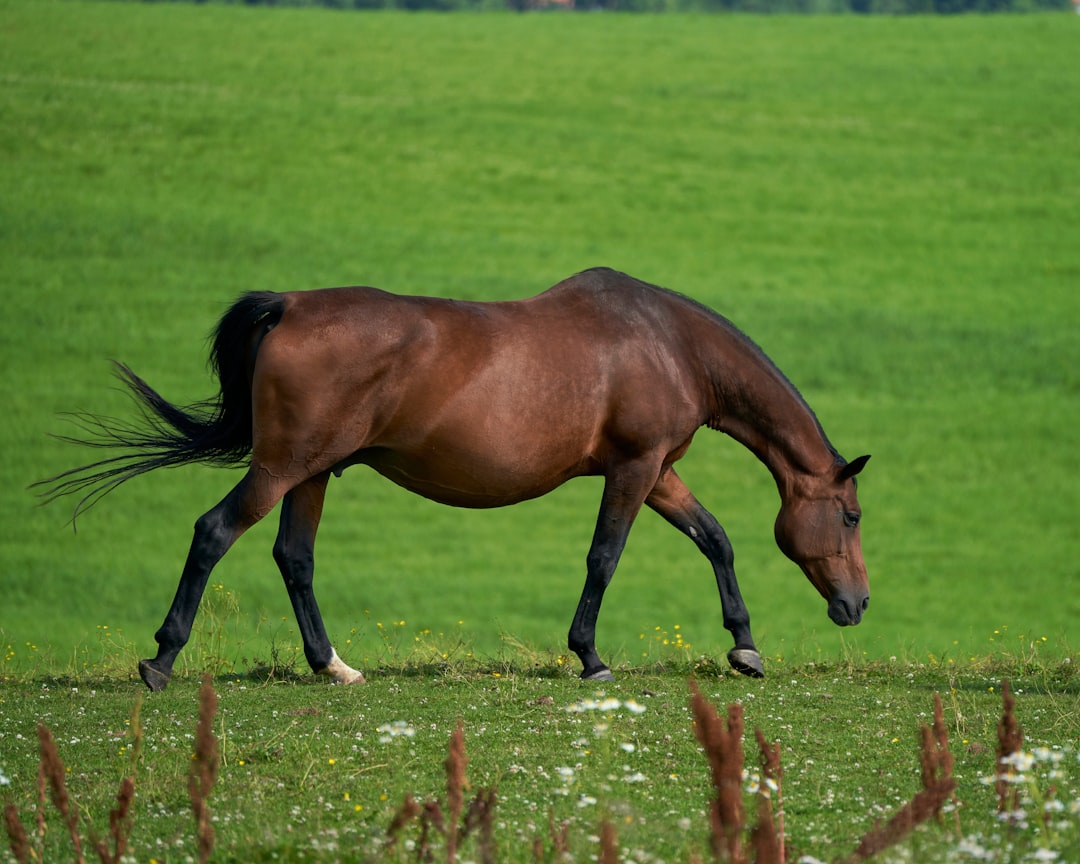
When mustangs come off the range, they are more in sync with how horses evolved to live and eat than any domesticated horse, and keeping this evolutionary history in mind is particularly important for your mustang. Your horse has spent generations adapting to harsh conditions, developing incredible resilience and strong survival instincts that shape every aspect of their behavior.
Wild mustangs have very refined social herd dynamics and a heightened sensitivity to noise and body movement. This awareness can work in your favor during training sessions, though it requires careful attention to your timing and approach. Those that are acquired from the wild will be more challenging to train compared to those born in captivity, due to their natural “flight or fight response” from growing up in the wild.
Think of this heightened awareness as a superpower rather than a challenge. Your Mustang notices things other horses might miss, making them incredibly responsive partners once they learn to trust you.
Creating the Perfect Nutrition Plan
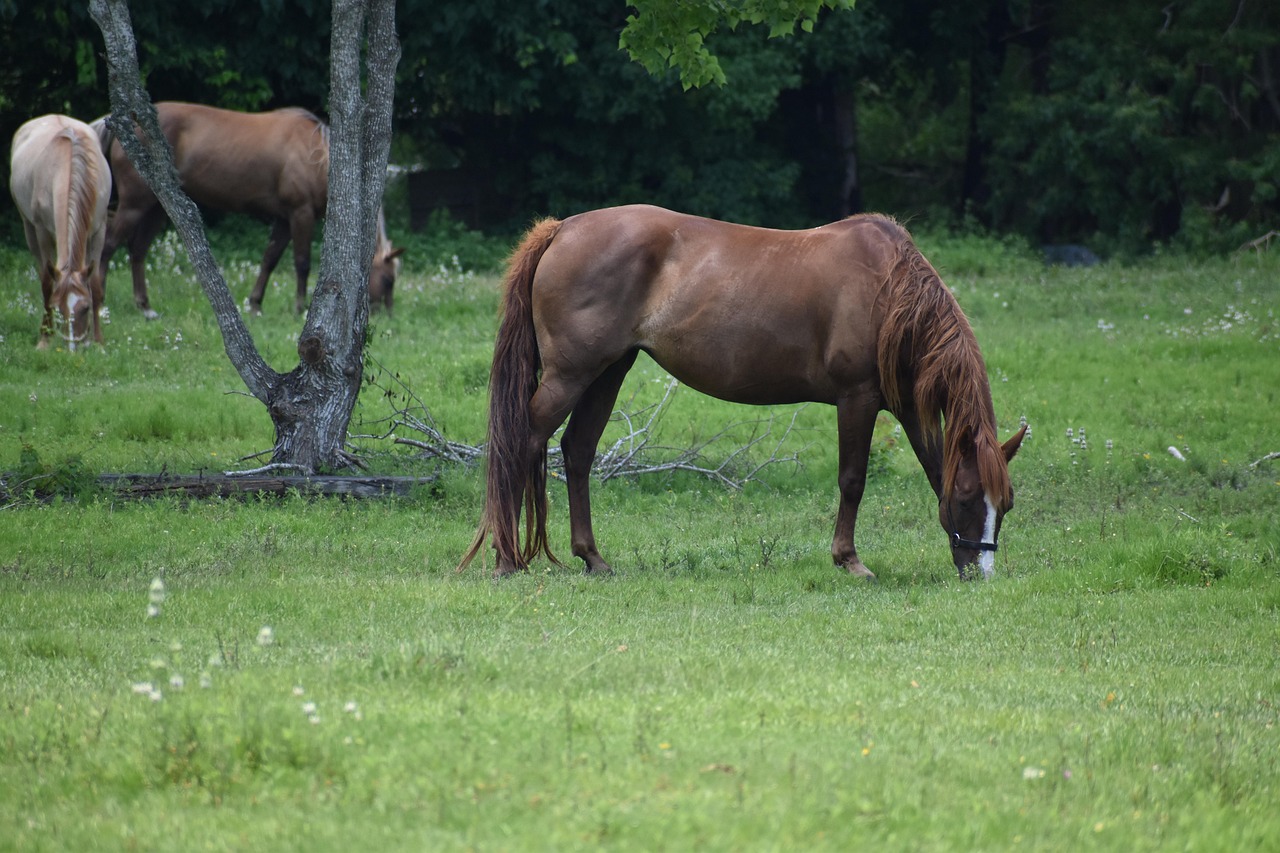
Mustangs have survived and thrived on sparse grazing, and their diet primarily consisted of grass, so mustangs get most of their nutrients from grass hay, a key component in the diet of a domesticated mustang. It’s best to give your Mustang a diet that’s similar to what they would eat in the wild and to transition them slowly to any new foods; Mustangs are considered easy keepers, so they can gain weight easily, so ensure they eat a nutritious diet that isn’t too high in calories.
Generally, you can feed your horse 2% of their body weight in forage per day; for example, a Mustang weighing 820 pounds would need 16.4 pounds of forage daily. Hay is dead grass and no longer contains the vitamins found in their previous diet, so to fill in the nutritional gaps, provide a comprehensive vitamin/mineral supplement along with flaxseed meal for omega 3s.
Remember that wild horses experienced incredible variety in their diet. They have so much variety – grasses, flowers, berries, leaves, seeds, fruits – providing all the nutrients their bodies need. Though you can’t replicate this exact variety, high quality forage and proper supplements can bridge this gap beautifully.
Mastering the Art of Grooming
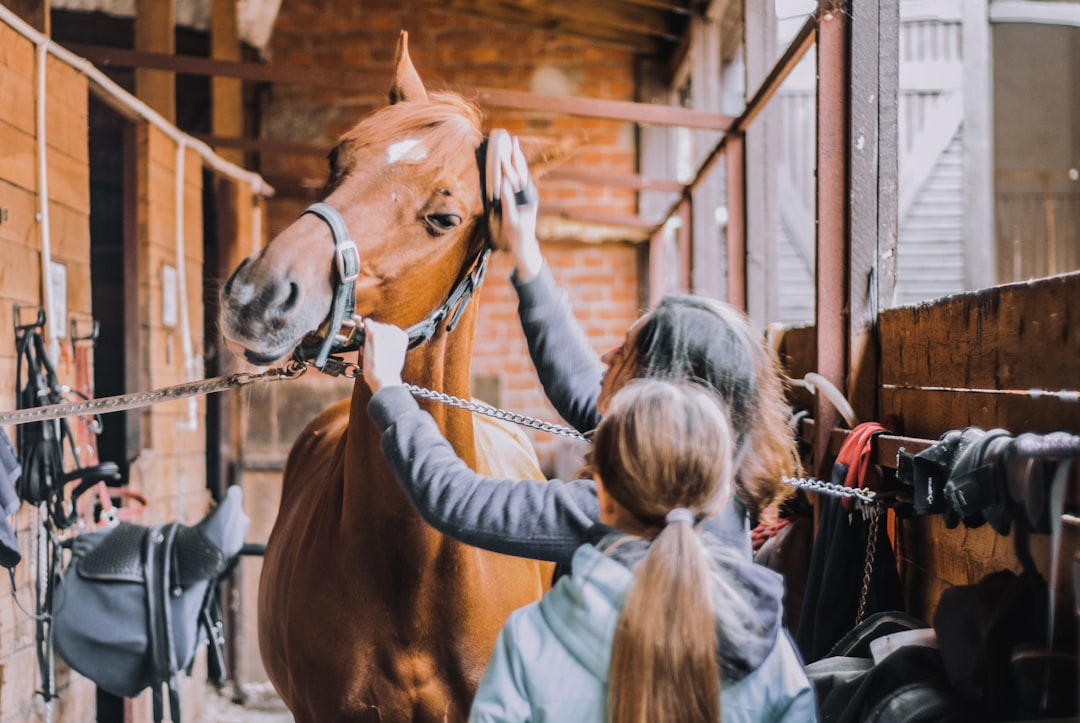
Brushing your Mustang at least a few times a week will keep their coat smooth and shiny, and you can bathe your horse as needed; the right grooming products will make it easy to thoroughly clean their coat, as these items are designed to efficiently remove loose hair, dirt, and debris. Groom them three times a week using a curry comb, stiff brush, body brush, and a washcloth; to groom your horse, follow these steps: Use the curry comb to loosen dirt, use the stiff brush to remove the dirt.
Consistent grooming not only enhances their coat and skin health but also serves as a bonding ritual; brush regularly, check for any injuries or irritations, and use quality grooming products suited for your horse’s coat type. Daily grooming is best since it allows for daily checks of the horse’s entire body and overall health; with daily grooming, you can catch a change in your horse’s health or skin, such as hives, swelling, or cuts, sooner than later and address the issue.
Grooming sessions become precious bonding time where your Mustang learns to associate your touch with comfort and care. Start slow and let them set the pace initially, especially if they’re newly adopted.
Building Trust Through Patient Training
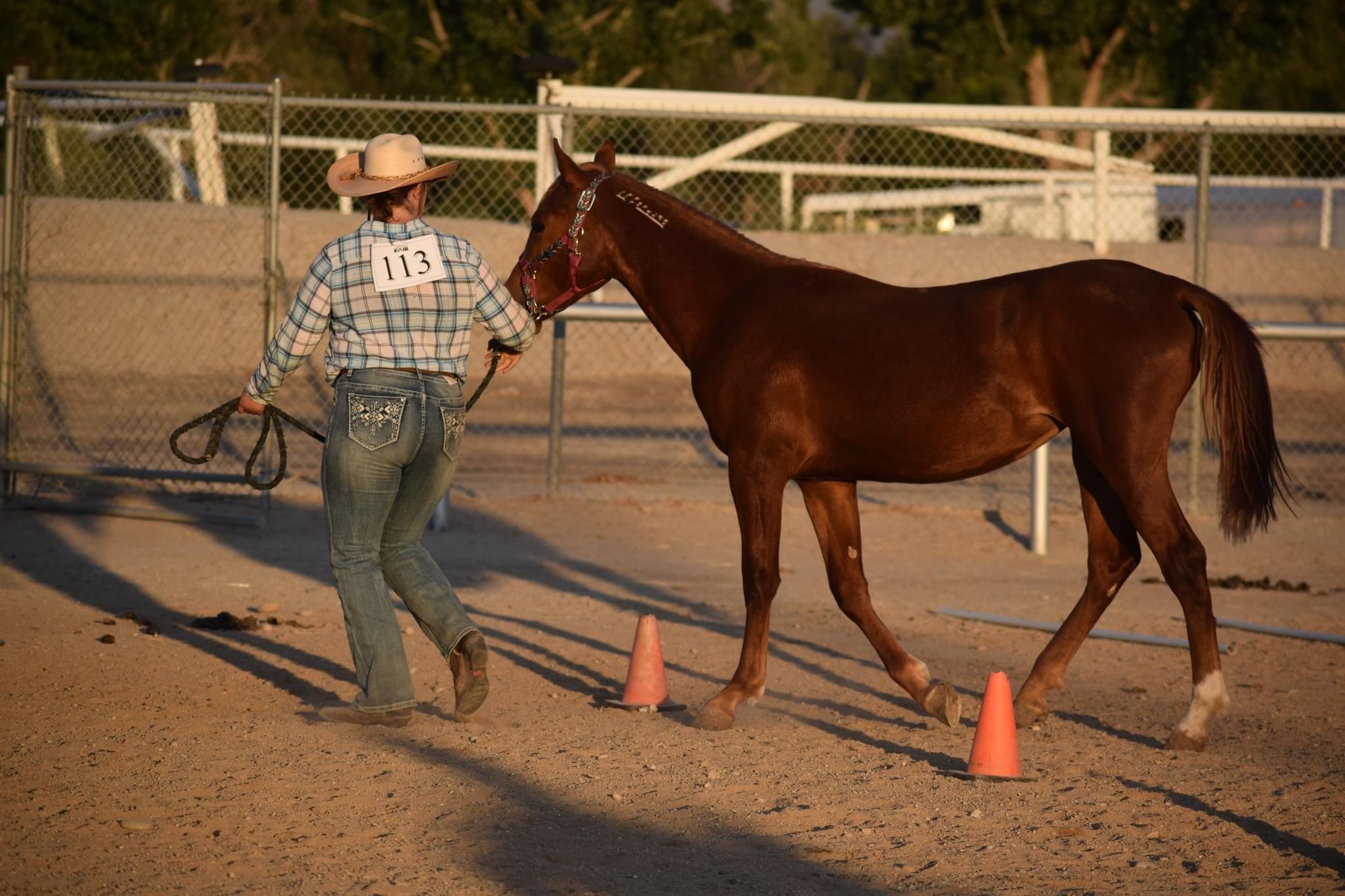
Before you start training, you must establish a relationship based on mutual trust; Mustangs are intelligent animals that learn quickly, but as wild horses, they have a stronger sense of self-preservation, which can prove to be challenging. This kind of training takes a long time, but it’s well worth it; give your horse all the time he needs (sometimes a month or more) to get used to every new concept and new step; ensure that he feels secure in trusting you every step of the way.
A Mustang that’s grown up in a herd environment already has good manners, understands social cues, reads body language, and understands the concept of good leadership; as the trainer, you need to establish yourself as a passive leader – someone who remains calm and composed during times of trouble. Keep the interaction short and be the one that pulls away first; this will cause the mustang to seek interaction with you rather than draw away from over-stimulation.
Remember that these horses can become incredibly loyal companions once trust is established. Horses can live to be well over thirty years old, so if you take your time to build trust, you can count on having a true friend and partner for life in your wild horse or mustang. Your patience today creates a lifetime of partnership.
Providing Essential Exercise and Mental Stimulation
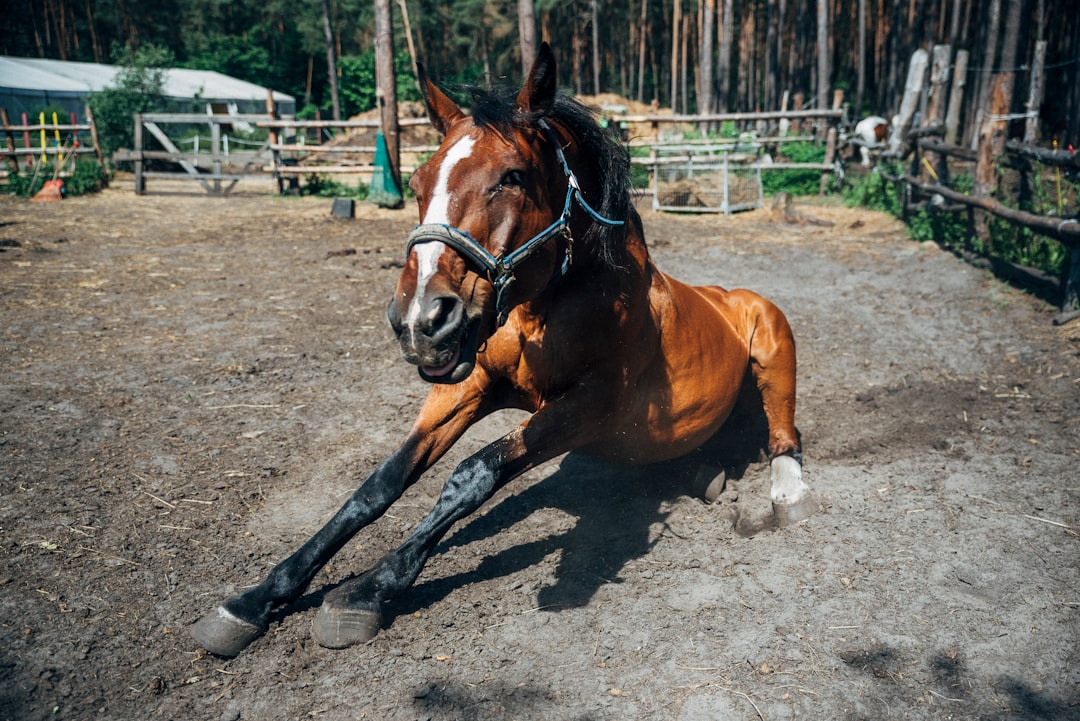
Aim for regular daily exercise tailored to your Mustang’s energy levels and physical needs; a mix of free-ranging time, structured riding, and interactive play keeps them healthy and happy. Respect your horse’s need to roam, along with other horses; naturally curious, they enjoy seeking out feed in various locations, feeding their bodies, but also providing movement to keep the digestive tract muscles in good tone.
These horses evolved to cover many miles daily across varied terrain. While you can’t replicate the vast open ranges, you can provide plenty of turnout time and varied activities to keep their minds engaged. Consider obstacle courses, trail rides, or even liberty work to satisfy their intelligent, curious nature.
Your Mustang’s need for movement goes beyond physical health. It’s deeply connected to their mental wellbeing and natural behaviors that have been ingrained over centuries of wild living.
Managing Health Care Like a Pro
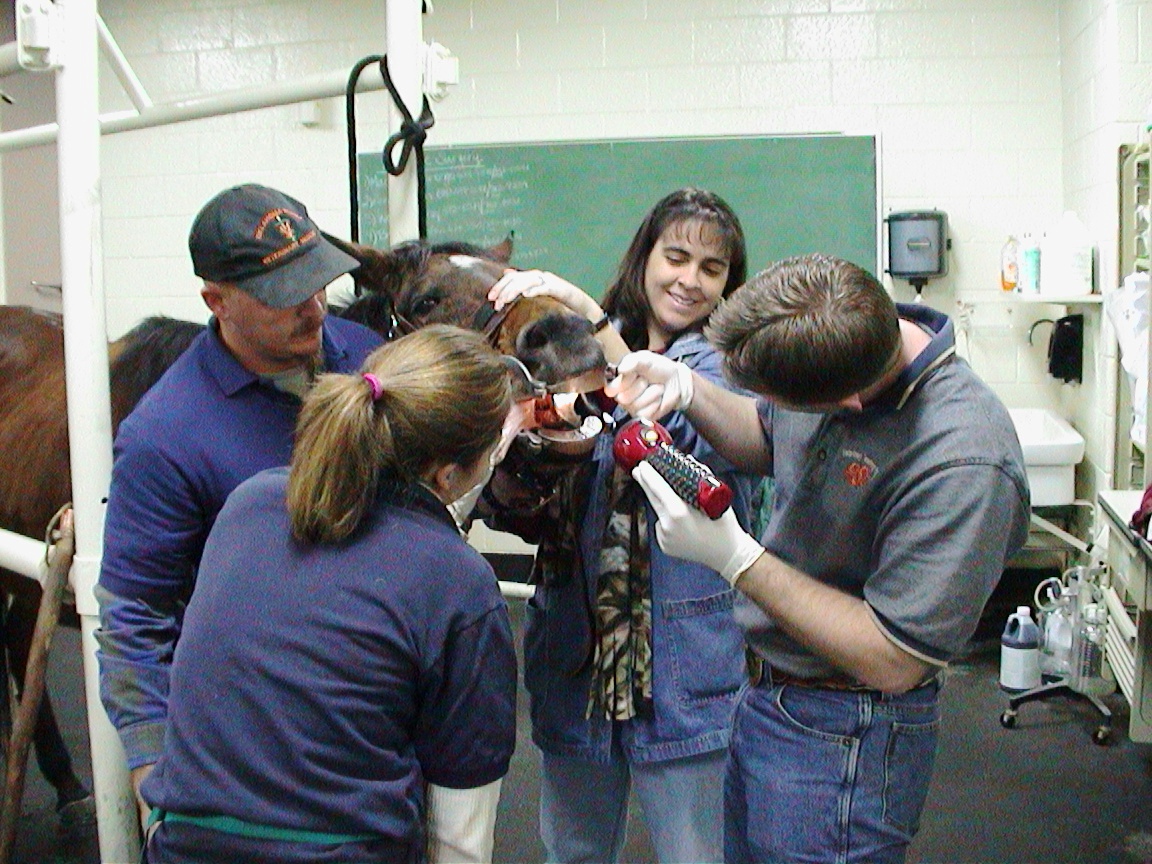
Wild Mustangs may carry internal parasites, though research indicates these are typically in balance with their immune systems like our domesticated horses; also, when they are taken from the range to be domesticated, their odds of contracting bacterial and viral infections like strangles, equine rhinopneumonitis, or equine influenza increase due to lack of vaccinations and high density of horses in one area.
Just like your annual health check, your Mustang deserves a regular vet visit to catch any potential issues early; these check-ups cover vaccinations, dental care, and a full physical examination; a trusted equine veterinarian can help tailor a preventative health plan that suits your Mustang’s age and lifestyle. Regular trimming is crucial, as Mustangs in captivity may not wear down their hooves naturally like they would in the wild; dental care should include annual dental checkups to ensure proper chewing and prevent tooth problems.
Think of preventative care as an investment in your horse’s future happiness. Catching issues early means less stress for both of you and often less expensive treatments down the road.
Understanding Hoof Care Basics
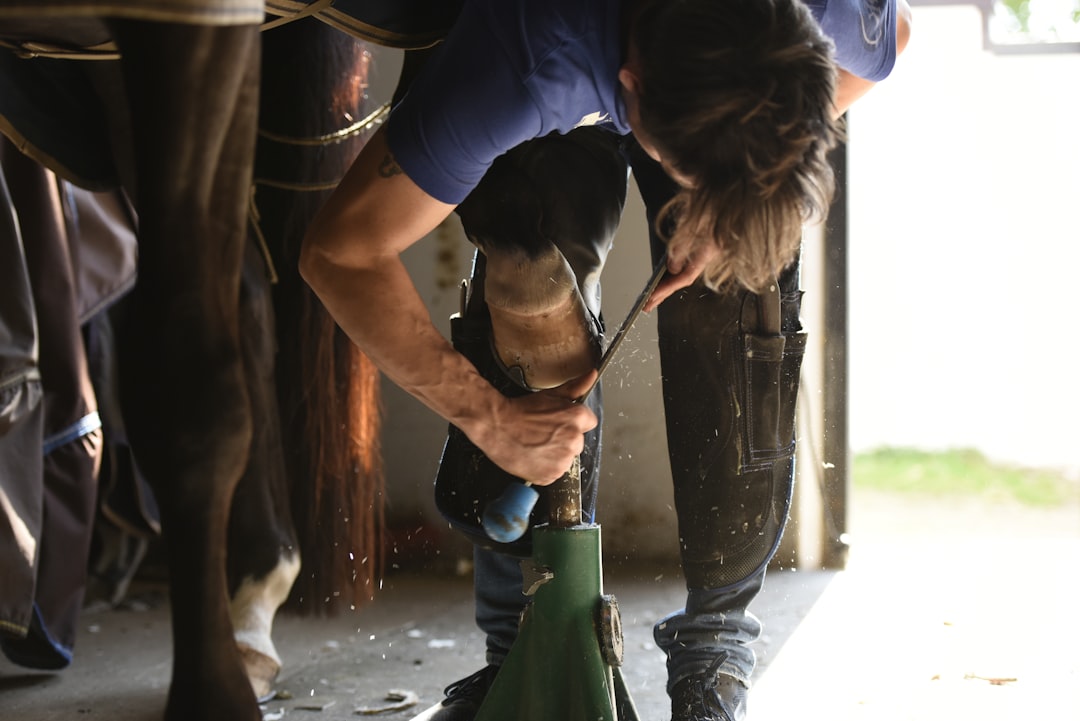
Since they have naturally strong hooves, they require routine hoof care but often need fewer interventions than other breeds. Domestic horses are born in an environment where they interact with people right away, so they’re accustomed to having their hooves handled and cleaned, but wild Mustangs need to be trained to be comfortable with this; once they’re OK with you lifting, examining, and cleaning their hooves, do so daily to look for signs of problems like infections and injuries.
Use a high-quality hoof pick to clean your horse’s hooves of dirt, rocks, and other debris; hire a qualified farrier to trim and shoe your Mustang’s hooves on a regular basis; your veterinarian can also check the hooves to be sure they’re healthy and strong. Cleaning the horse’s hooves with a hoof pick reduces the chances of them developing conditions such as thrush.
The beauty of Mustang hooves is that they’re typically incredibly strong from years of traversing rocky terrain. This natural toughness is one of their greatest assets, but they still need regular attention in domestic settings.
Creating Proper Social Environment
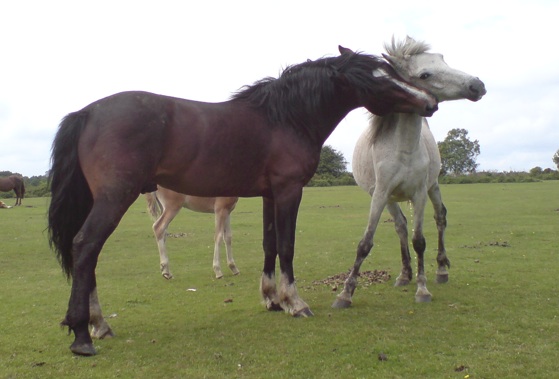
Being prey animals, they depend on the companionship of other horses to protect them against threats, real and imagined. Mustangs are social animals and generally do well in herds; however, proper introductions are important to prevent conflicts. Your Mustang’s mental health depends heavily on appropriate social interaction, whether that’s with other horses or consistent, positive human contact.
Stress and exposure to large groups of horses can increase the risk of illness; owners should monitor horses closely during this time for signs of health problems. When introducing your Mustang to new horses, take it slowly and always supervise initial meetings. Some horses need more time to establish their place in a social hierarchy.
Consider your Mustang’s social needs as seriously as their physical ones. A lonely horse is often an unhappy horse, regardless of how well you meet their other needs. Even having a companion animal like a goat or another horse can make an enormous difference in their overall contentment.
Recognizing Stress Signals and Prevention
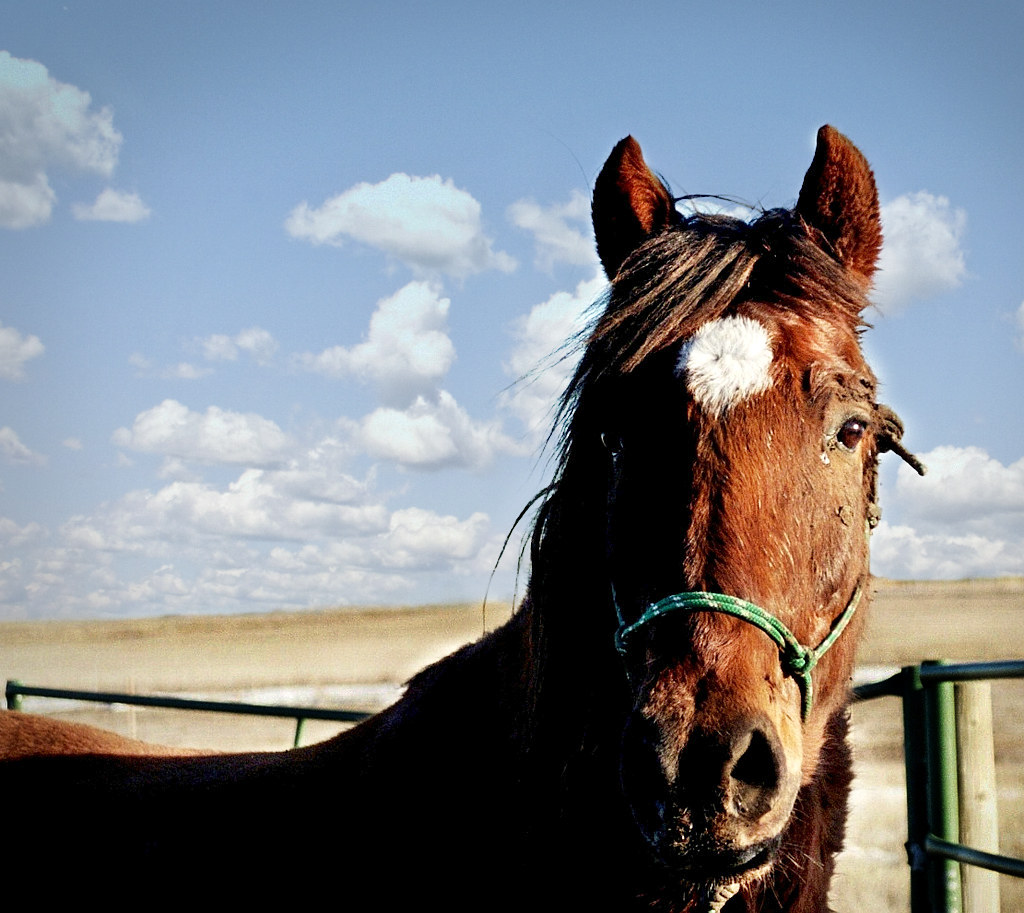
This transition phase can be stressful – new sights, smells, people, and other animals can create a hormonal response that can lead to a variety of health problems, including ulcers, colic, and laminitis; all of these can be avoided by making slow adjustments, filling in nutritional gaps, and doing as much as possible to simulate a natural setting.
Watch for signs like changes in appetite, unusual restlessness, or withdrawal from normal activities. These horses are incredibly expressive once you learn their language. Schedule regular vet checkups, especially during the transition from wild to domestic life; stress and dietary changes can impact their health.
Prevention is always better than treatment when it comes to stress-related issues. Keeping routines consistent, providing adequate turnout, and ensuring they have social contact can prevent many problems before they start. Your observation skills become your most valuable tool in maintaining your Mustang’s happiness.
Establishing Consistent Daily Routines
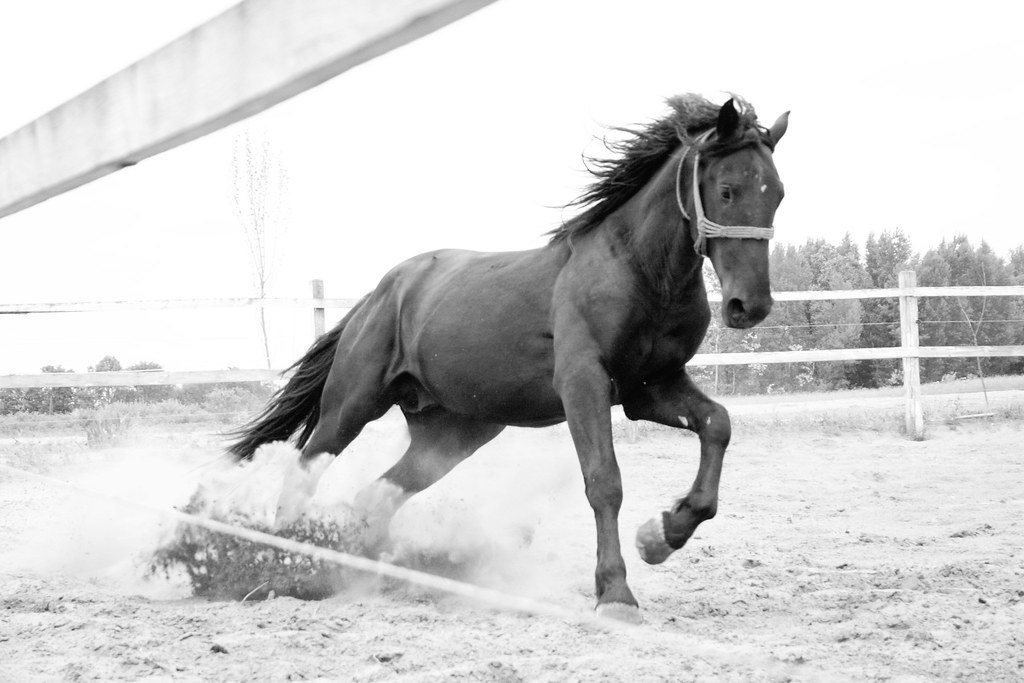
Provide a safe, comfortable, secure paddock and stall (per BLM guidelines) for your new charge and set about establishing a solid, predictable daily feeding and socialization schedule; when your new horse comes to realize that you turn up at the same time every day bearing food and fresh water and offering no threat, he or she will begin trusting you; during feeding time, putter quietly around the paddock and stall cleaning, talking, singing and basically being a non-threatening human being.
Consistency becomes your secret weapon in building trust with any Mustang. They thrive on predictable schedules that help them feel secure in their new environment. Simple things like feeding at the same times, following regular grooming schedules, and maintaining consistent interactions create a foundation of trust.
Think of routine as a language your horse understands. When they can predict what comes next, they relax and become more receptive to learning and bonding. This predictability helps counteract their natural wariness and builds confidence in their domestic life.
Conclusion
Caring for a Mustang horse is both a privilege and a responsibility that connects you to centuries of American heritage. These remarkable animals offer loyalty, intelligence, and spirit that’s unmatched when their unique needs are understood and respected. The journey from wild to willing partner takes patience, but the bond you’ll build is truly extraordinary.
Remember that every Mustang is an individual with their own personality and history. What works beautifully for one horse might need adjustment for another. The key is staying flexible, observant, and always putting your horse’s wellbeing first. What’s your biggest challenge in caring for your Mustang? Share your experiences in the comments below.


