
You know that moment when your dog does something that makes you want to correct them, yet deep down you sense there’s more to the behavior than meets the eye? Here’s the thing. Our dogs communicate in ways that often get lost in translation. What we humans perceive as disobedience or bad manners might actually be your dog telling you something beautiful. They might be showing you just how much they trust you.
Let’s be real. We’ve all been there. Your dog jumps up, leans heavily against your legs, or follows you from room to room, and you think it’s annoying or demanding. The truth is often very different. These behaviors, the ones we’re quick to discourage, can be some of the most profound expressions of trust your canine companion can offer. So before you scold or push away, let’s explore what your dog is really trying to say.
Jumping Up to Greet You
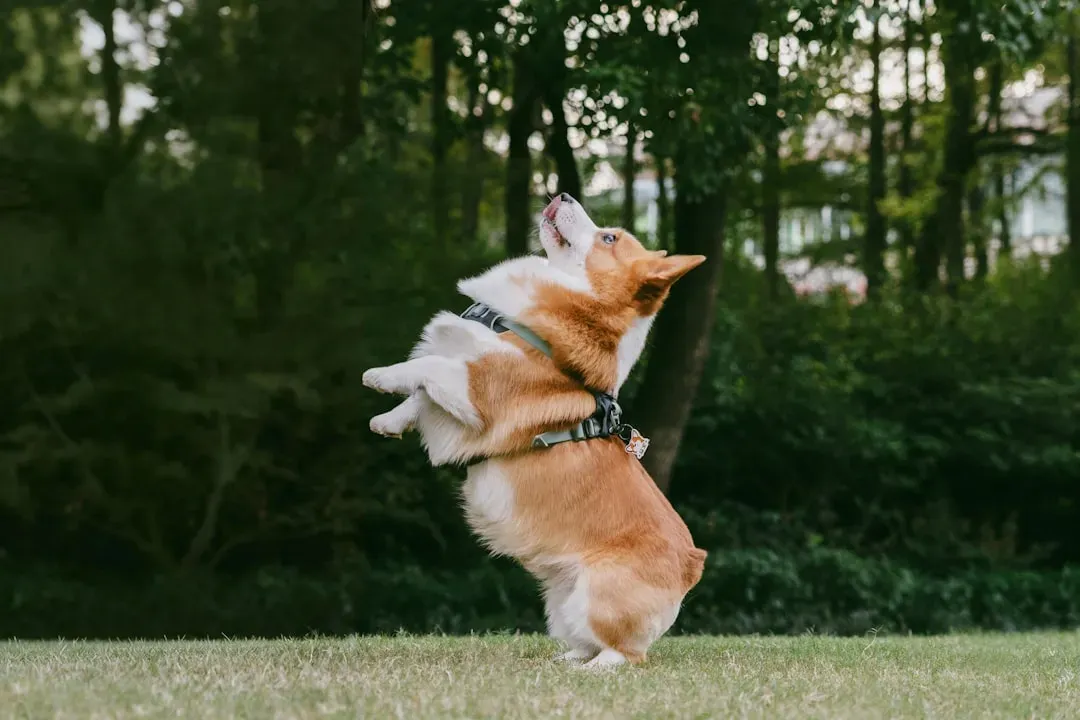
Biologists have found that dogs evolved their jump-on-people greeting as a ritual specifically to interact with humans. When your dog launches themselves at you the moment you walk through the door, they’re not being rude. They’re trying to get closer to your face, just like they would with another dog.
Many dogs like to greet face to face, like they do with their canine counterparts. That enthusiastic leap isn’t about dominance or poor manners. This normal unruly behavior is most likely attention-seeking in nature when it’s not accompanied by aggression. Your dog trusts you enough to show unbridled excitement at your return.
Think about it. They’re literally throwing themselves at you because you’re the center of their world. Sure, we can teach them a calmer greeting, and we probably should for safety reasons. Still, that impulse comes from a place of pure joy and trust that you’ll receive them with love.
Leaning Their Full Weight Against You
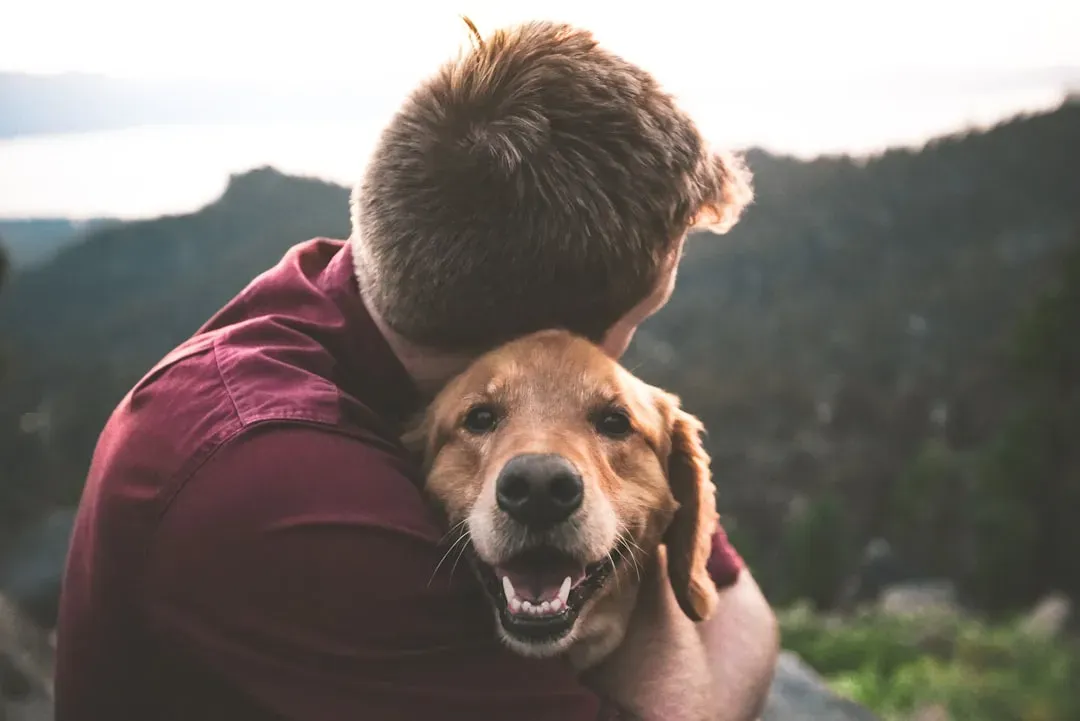
Dogs lean on people for comfort, security, affection, expressing trust, and bonding. When your dog presses their body against your legs or leans into you on the couch, they’re essentially giving you a hug. If a dog leans on you, it means they trust you and have a strong bond with you.
When dogs lean against people, they often show very relaxed or vulnerable body posture and language. This isn’t about dominance, despite what outdated training methods might suggest. Your dog feels safest when they’re in physical contact with you. They’re claiming you as their person, their safe harbor in an unpredictable world.
Some dogs lean when they’re anxious, seeking reassurance from their trusted human. Others do it purely out of affection. Either way, they’re choosing you as their source of comfort and security, which is about as trusting as it gets.
Following You From Room to Room
Does your dog shadow your every move, even following you to the bathroom? Dogs are pack animals, and when your dog follows you around the house, they’re treating you as their leader and showing that they trust your guidance. This behavior shows that they consider you their safe point in the world.
If your dog sticks to you like glue with a cheerful attitude, you can consider it a strong affiliative behavior. I know it sounds crazy, but this constant companionship is a compliment of the highest order. They don’t want to miss a single moment with you.
Yes, excessive following can sometimes indicate separation anxiety, which needs addressing. However, for most dogs, this velcro behavior simply means they’ve chosen you as their favorite person and want to be near you as much as possible. They trust that wherever you’re going is exactly where they need to be.
Exposing Their Belly
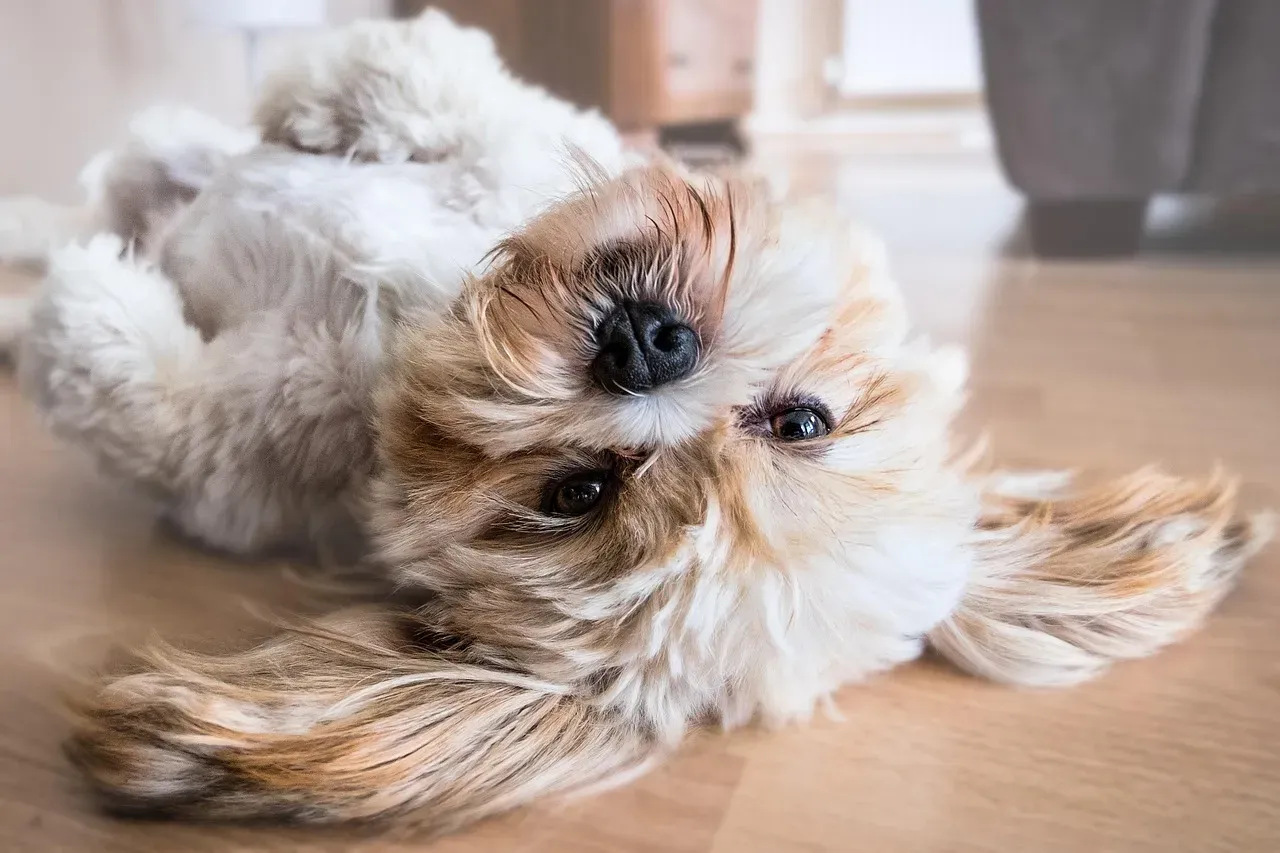
One of the most vulnerable parts of a dog’s body is the belly, so when a dog feels comfortable enough to roll onto their back in your presence, they trust you enough to voluntarily roll into this exposing position. This is trust in its purest form.
An attack on the underbelly can be fatal in the wild. When your dog flips over and shows you their stomach, they’re literally putting their life in your hands. They’re saying they know you would never hurt them in their most defenseless position.
Now, there’s a difference between a relaxed belly exposure asking for rubs and a submissive rollover during tense moments. Turning over and inviting a belly rub shows trust and enjoyment of social contact. The relaxed version, with soft eyes and a wiggly body, is pure trust and affection.
Maintaining Eye Contact With You
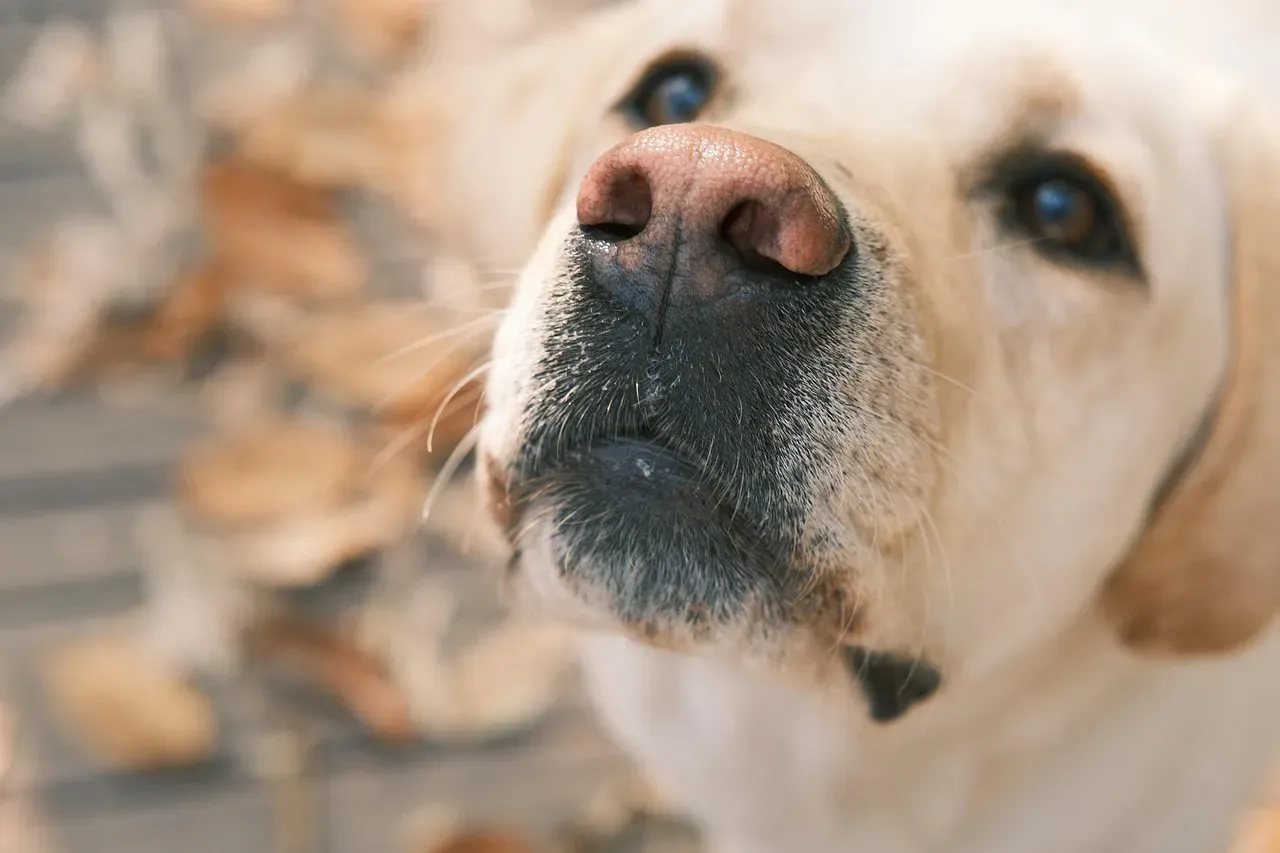
Eye contact in dog language is a powerful sign of trust, as dogs naturally avoid direct eye contact since it can be perceived as threatening among their kind. When your dog gazes into your eyes, they’re breaking their own instinctive rules because they trust you completely.
Research from Japanese scientists has revealed that sustained eye contact between dogs and their trusted humans triggers the release of oxytocin in both parties, the same love hormone that bonds parents and children. That loving gaze creates a biochemical bond between you and your pup.
Here’s the kicker. A dog’s ability to look into a person’s eyes in a non-aggressive way was one of the first steps toward canine domestication. So when your dog looks at you with those soft, adoring eyes, they’re demonstrating thousands of years of evolution built on trust between our two species.
Stealing Your Belongings
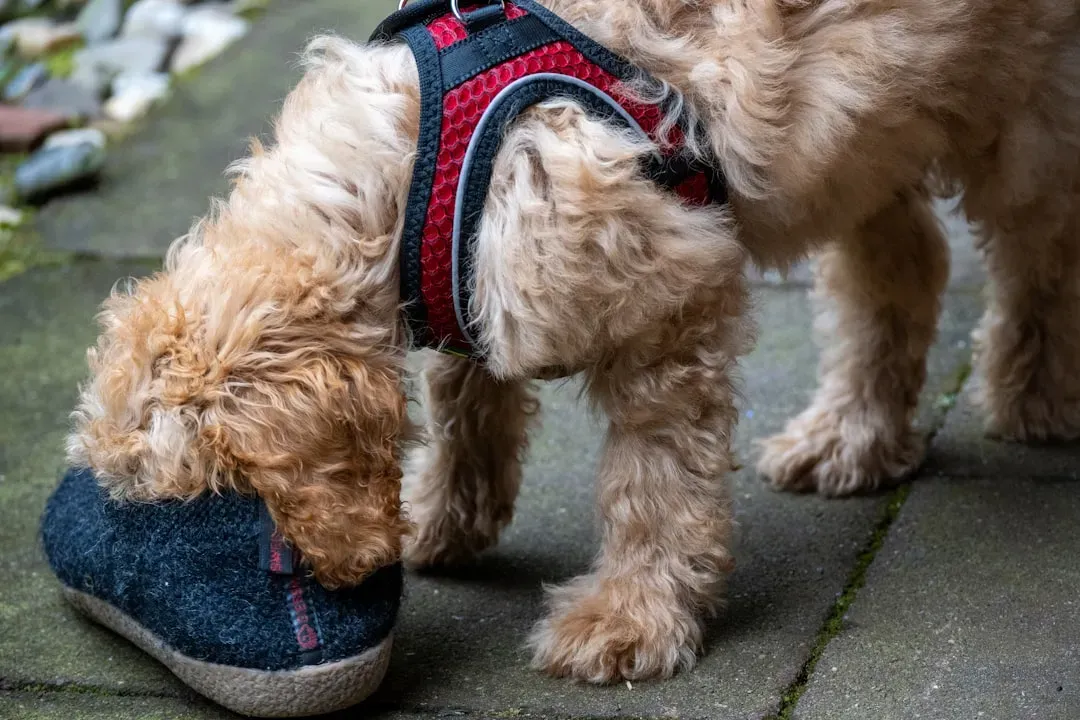
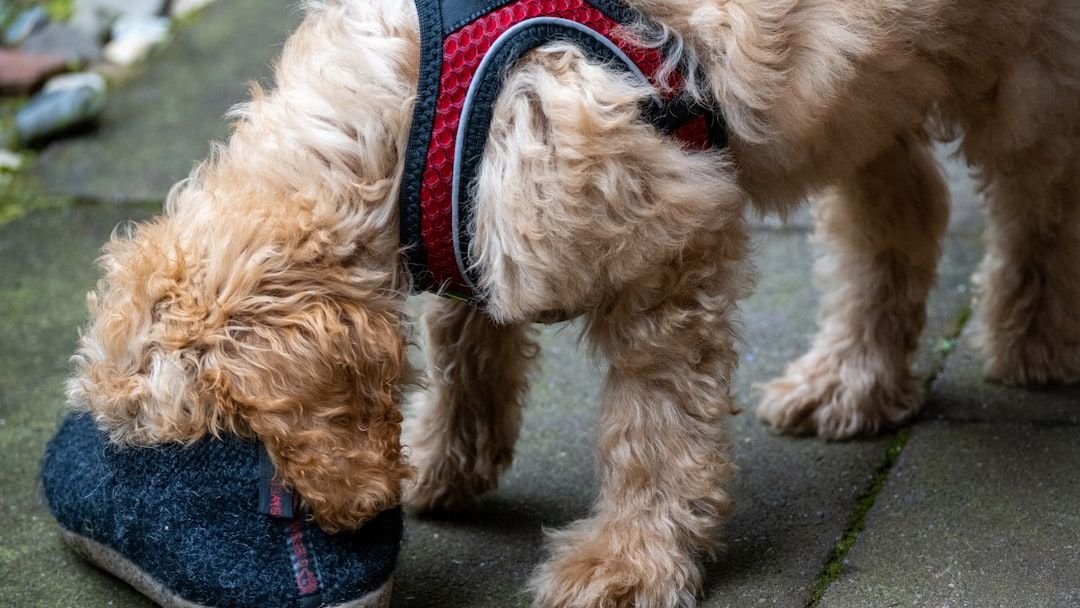
When your pup takes your scarf or favorite pair of shoes, it’s one of the clear signs your dog trusts you, as your pooch could be comforted by having that connection to you, especially while you’re away. What better connection than something that smells just like you?
I know this behavior can be frustrating, especially when it’s your expensive shoes or important documents. The motivation behind it, though, is rather sweet. Your dog finds comfort in your scent and wants to be close to something that reminds them of you.
When your dog brings you their favorite toy and drops it at your feet, they’re showing a tremendous amount of trust by offering you their prized possession. Whether they’re stealing your things or sharing theirs, both behaviors demonstrate how much they value your presence and trust you with what matters to them.
Allowing You to Handle Them During Care
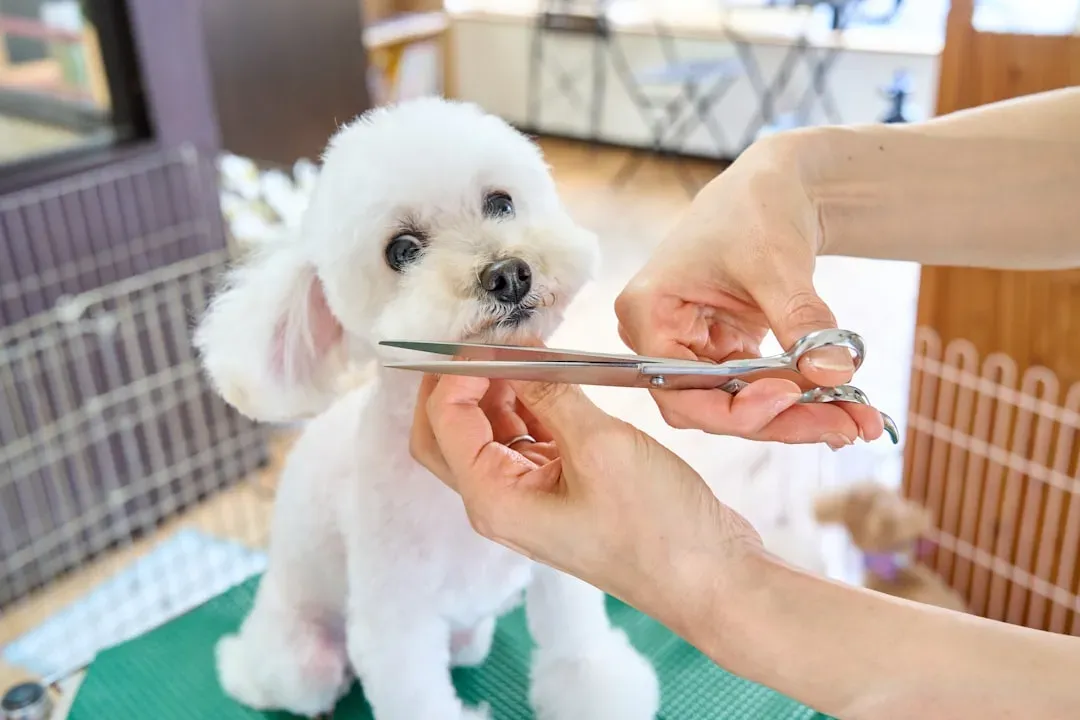
Allowing us to perform grooming and care tasks without a fuss is a clear indicator that your pup trusts you, as most of the handling required for care is awkward if not a little uncomfortable for dogs. Nail trims, ear cleaning, teeth brushing – these aren’t exactly spa treatments from a dog’s perspective.
If your dog allows you to trim their nails or administer ear drops, even though they don’t particularly like it, without losing the plot, this is trust in action. They’re tolerating something uncomfortable because they believe you have their best interests at heart.
Think about how vulnerable a dog is when you’re clipping their nails or checking their teeth. They’re letting you handle sensitive areas, restrict their movement, and do things that feel strange or slightly uncomfortable. That level of cooperation only happens when deep trust exists between you and your dog.
Conclusion
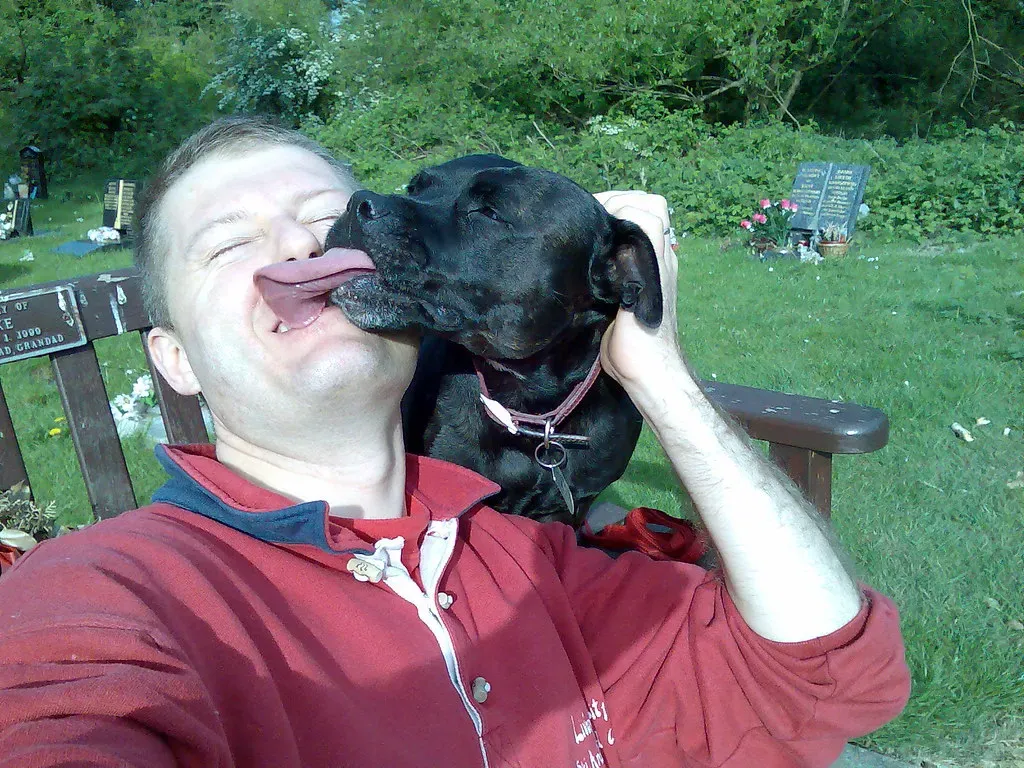
The behaviors we’ve explored aren’t problems to be fixed. They’re precious communications from a creature who can’t use words to express their feelings. When we understand that jumping, leaning, following, belly exposing, eye gazing, item stealing, and tolerating handling are all rooted in trust, we can respond with more patience and appreciation.
Sure, some of these behaviors might need gentle redirection for practical reasons. You can teach your dog to greet people without jumping while still honoring the trust and excitement behind the behavior. The key is recognizing the emotional message underneath the action.
Your dog is telling you every single day how much they trust you. They’re showing you in the only ways they know how. Next time your dog does one of these behaviors, take a moment to appreciate the profound bond you share. What’s your dog’s favorite way of showing you trust? Pay attention, and you might be surprised by what you discover.


