
Your senior dog might move a bit slower these days, with that telltale gray around the muzzle and a preference for cozy naps. Yet their eyes still sparkle when you grab the leash or pull out a treat. Teaching new tricks keeps their mind sharp, fights off cognitive decline, and deepens your bond – research shows mental exercises like these can even ease signs of aging.[1][2]
These low-impact moves suit arthritic joints and shorter attention spans. Short sessions build confidence without overwhelming them. You’ll see your old pal light up, tail wagging like puppy days.
1. Nose Touch
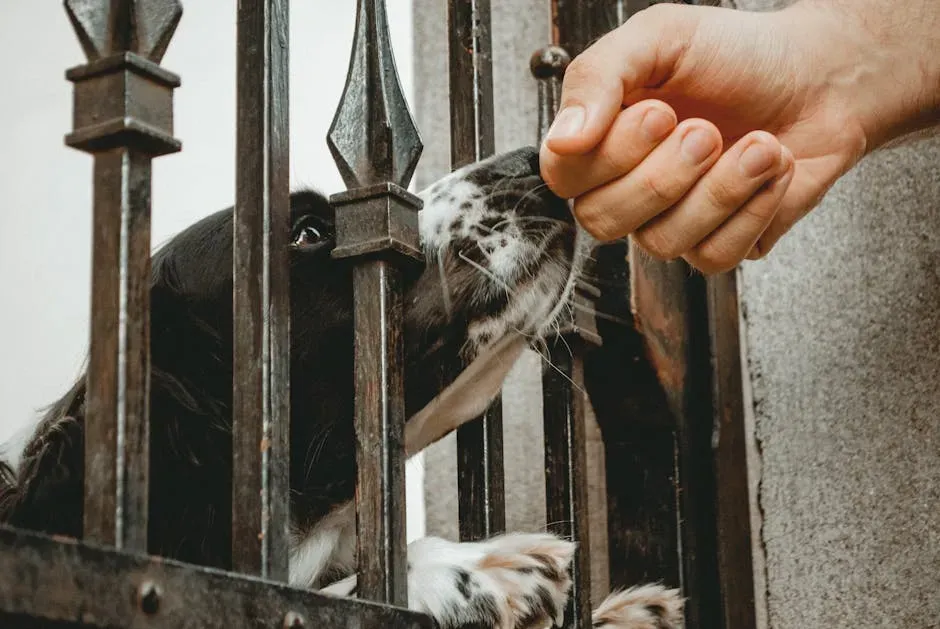
Hold your hand out flat, palm up, a few inches from your dog’s nose. Let them sniff and touch it with their nose – mark the moment with a clicker or cheerful “yes,” then reward with a tiny treat. Repeat in five-minute bursts, gradually moving your hand to different spots. This builds focus gently.
Seniors love it because it sharpens senses without jumping or twisting. Watch for eager sniffing as a green light; hesitation might signal joint stiffness, so ease up and check with your vet. Picture your lab leaning in during quiet evenings, turning downtime into fun connection.[3]
2. Spin in a Circle
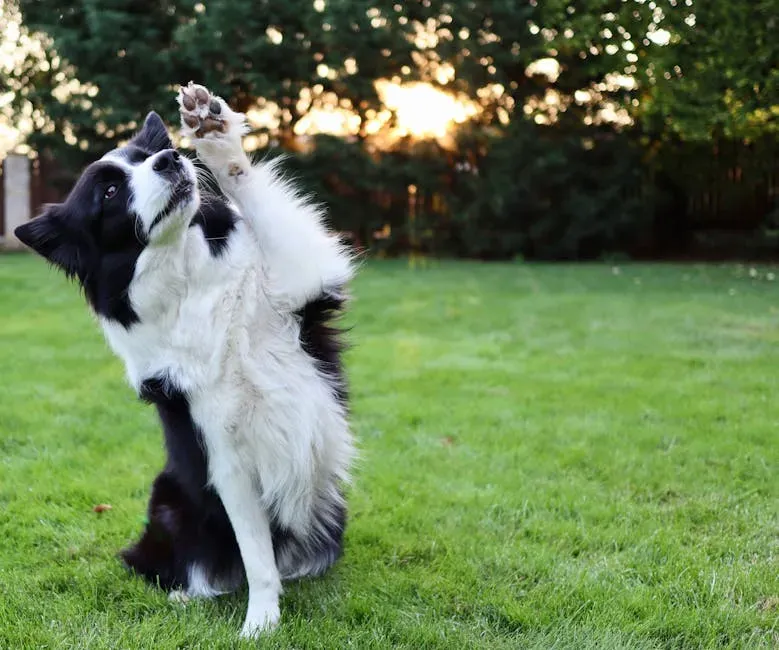
Lure your dog into a turn by holding a treat near their nose and circling your hand over their head. Say “spin” as they follow, praise when they complete the circle, and treat. Practice clockwise first, then counterclockwise once they’re hooked. Keep it slow to avoid dizziness.
This trick boosts coordination and mental acuity, perfect for dogs slowing down physically. If they pause mid-spin, it could hint at balance wobbles from age – add non-slip mats for safety. My neighbor’s shepherd mastered it at 12, strutting like a show dog at family gatherings.
3. Shake a Paw
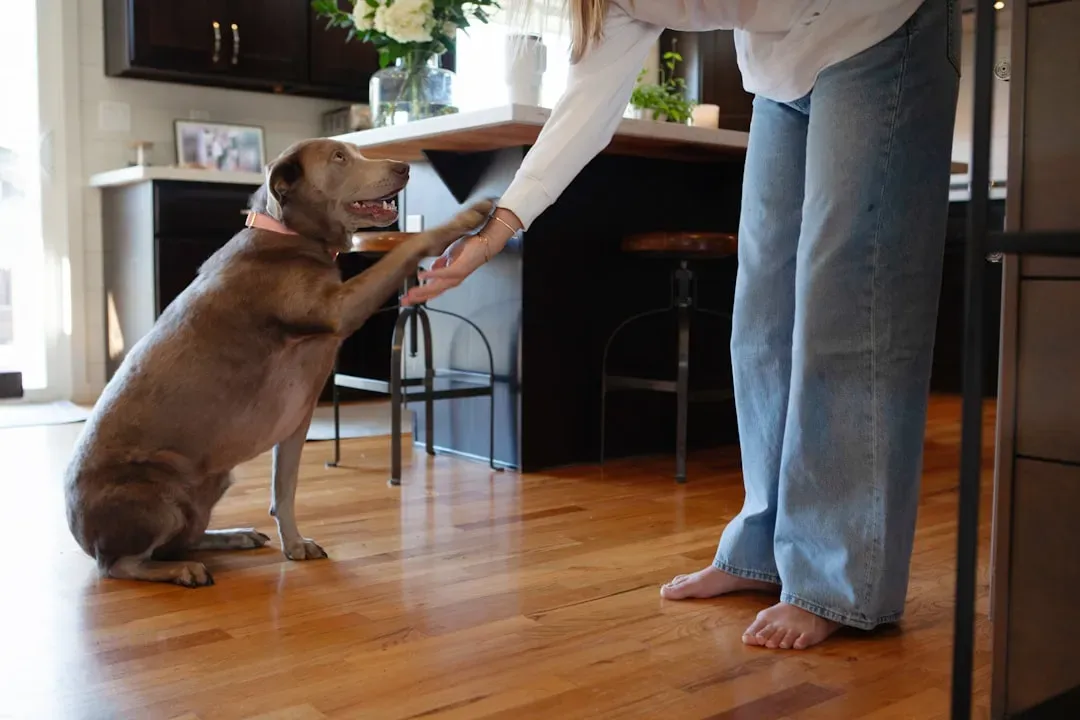
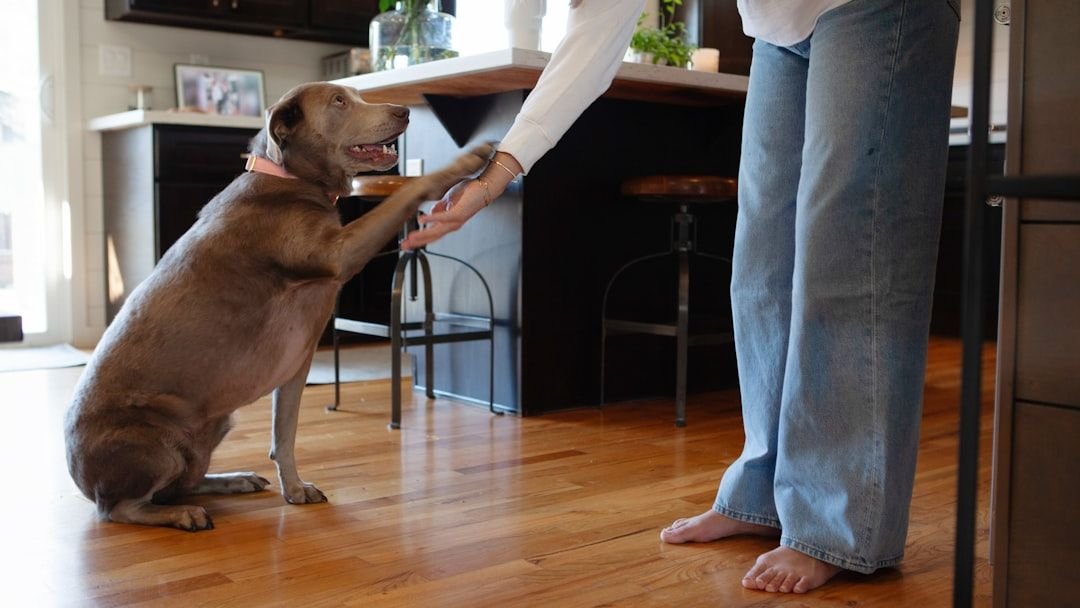
Sit on the floor at their level and gently lift one paw while saying “shake.” Reward immediately if they offer it willingly, or use a touch cue on their leg to prompt. Fade the lift over sessions until they lift on command alone. Alternate paws for balance practice.
Paw shakes build trust and light muscle use without strain. Look for relaxed ears and soft eyes as engagement signs; lip licking means stress, so shorten sessions. It’s heartwarming watching a stiff senior extend that paw, reminding everyone they’re still full of personality.
4. Take a Bow
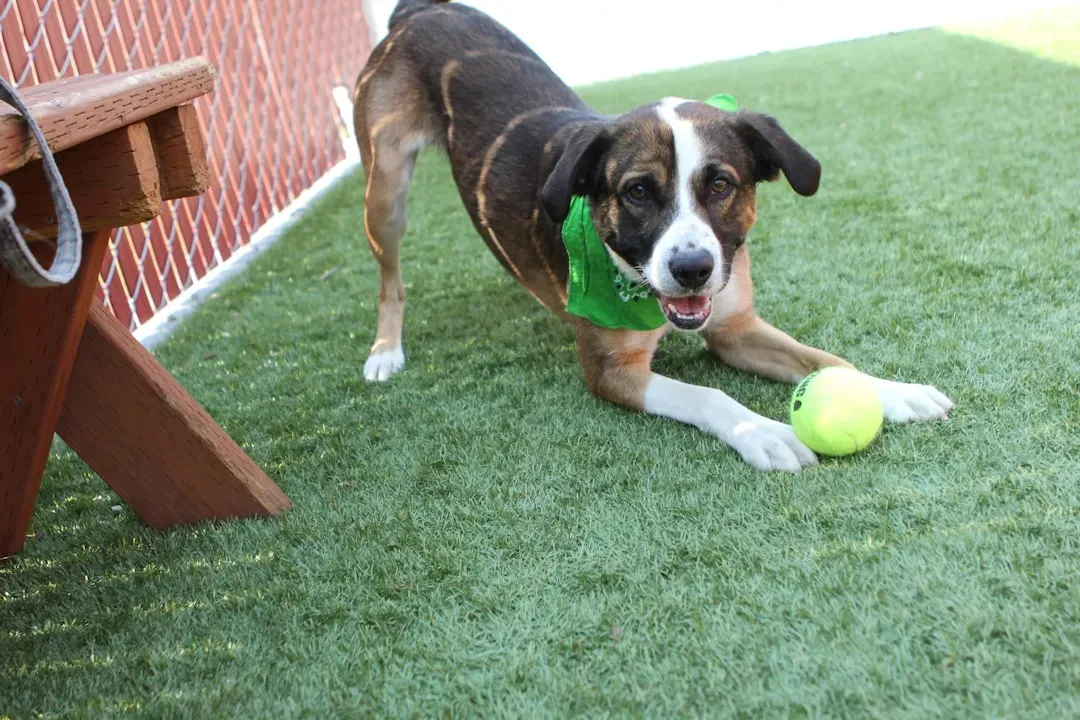
With your dog in a stand or sit, lure their head down between front legs using a treat dragged slowly to the floor. Say “bow” as their rear stays up, praise the stretch, and reward. Support their back end if needed for stability. This yoga-like pose eases tight hips.
Bowing promotes flexibility and endorphin release, combating arthritis stiffness. Prevent slips with carpeted floors; quick recovery from the pose shows good mobility. Relatable for owners whose pups greet guests with dramatic bows, stealing the show effortlessly.[4]
5. Find the Treat
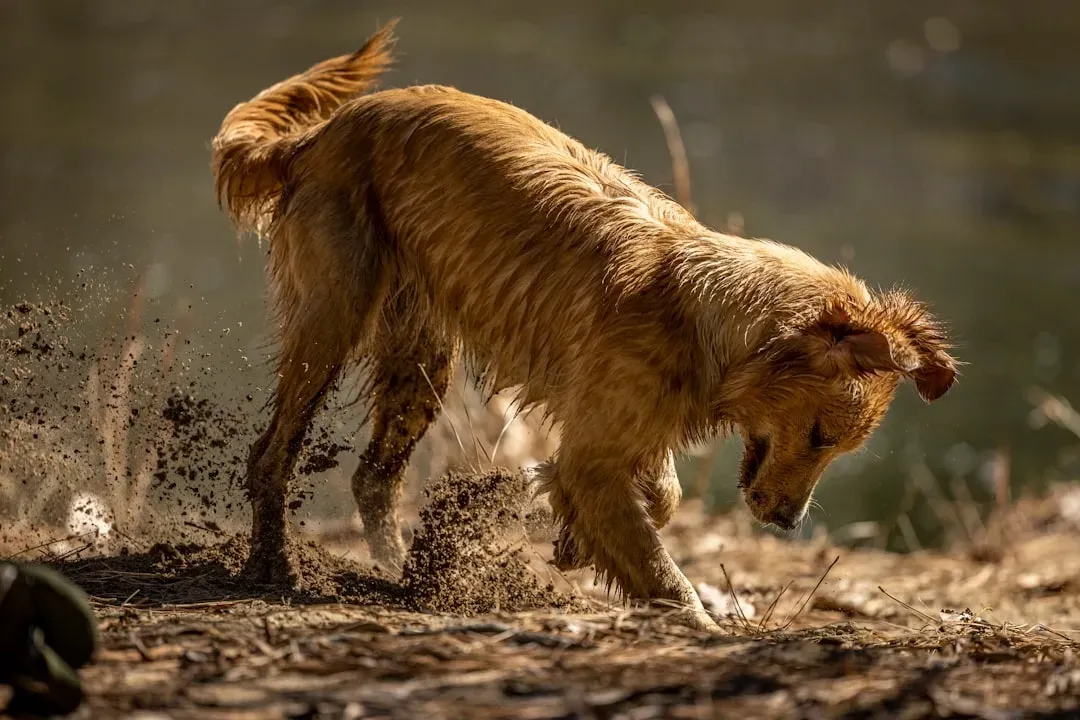
Hide a smelly treat under a cup or towel while your dog watches, then say “find it” and encourage sniffing. Reward when they nose it out. Start visible, then hide in easier spots like behind your back. Scent work tires brains happily.
This mental puzzle slows cognitive decline and suits low-mobility days indoors. Eager pawing signals joy; ignoring it might mean fatigue, so rest then. Imagine rainy afternoons where your couch potato turns detective, tail helicoptering over a simple win.[5]
Progress to multiple hides for extra challenge, always praising effort.
6. Leg Weaves
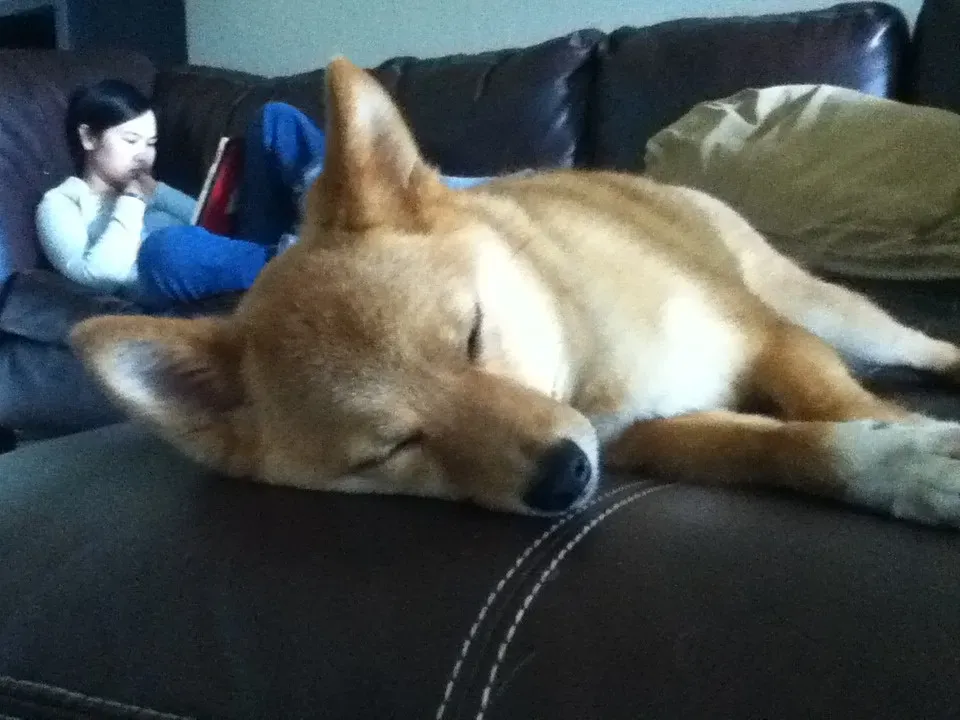
Stand with legs slightly apart, lure your dog through with a treat, saying “weave.” Reward after one pass, then build to full zigzags. Go slow, matching their pace to protect knees. It’s like a gentle dance routine.
Weaving improves proprioception and light cardio without jumps. Watch tail position – high and wagging means fun; tucked suggests discomfort, pause for stretches. Great for herding breeds gone gray, channeling instincts safely at home.[6]
7. Back Up
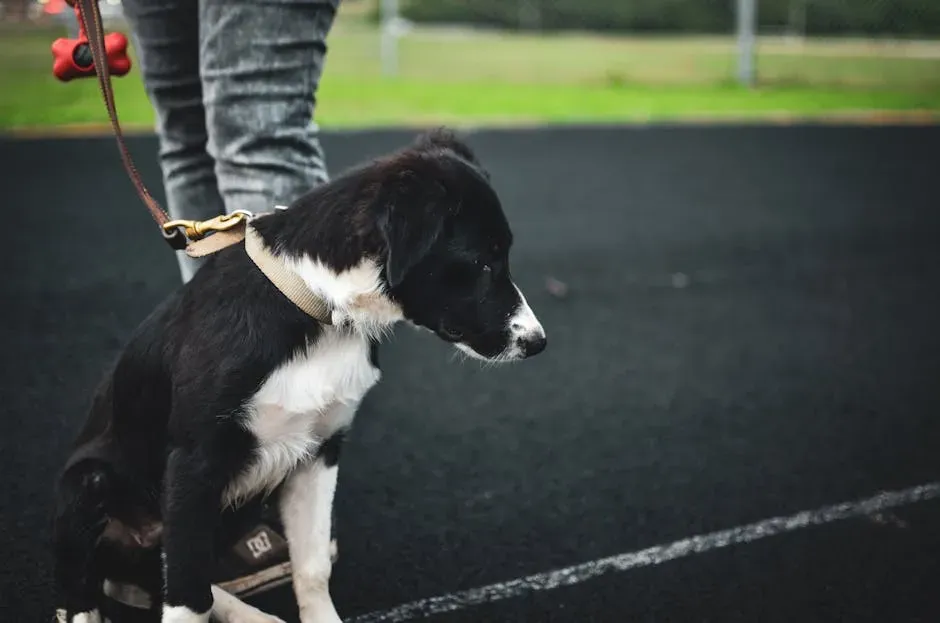
Hold treats behind you and step back, saying “back up” as your dog retreats. Lure further each time, rewarding distance covered. Use in doorways for practical manners too. Minimal joint stress makes it senior-friendly.
This builds spatial awareness and prevents bumping into furniture. Perky posture during practice shows confidence; limping after warrants a vet visit and modifications. Owners rave about polite pups who back off counters, extending independence.[7]
Short daily reps keep it fresh without overload.
Wrapping It Up
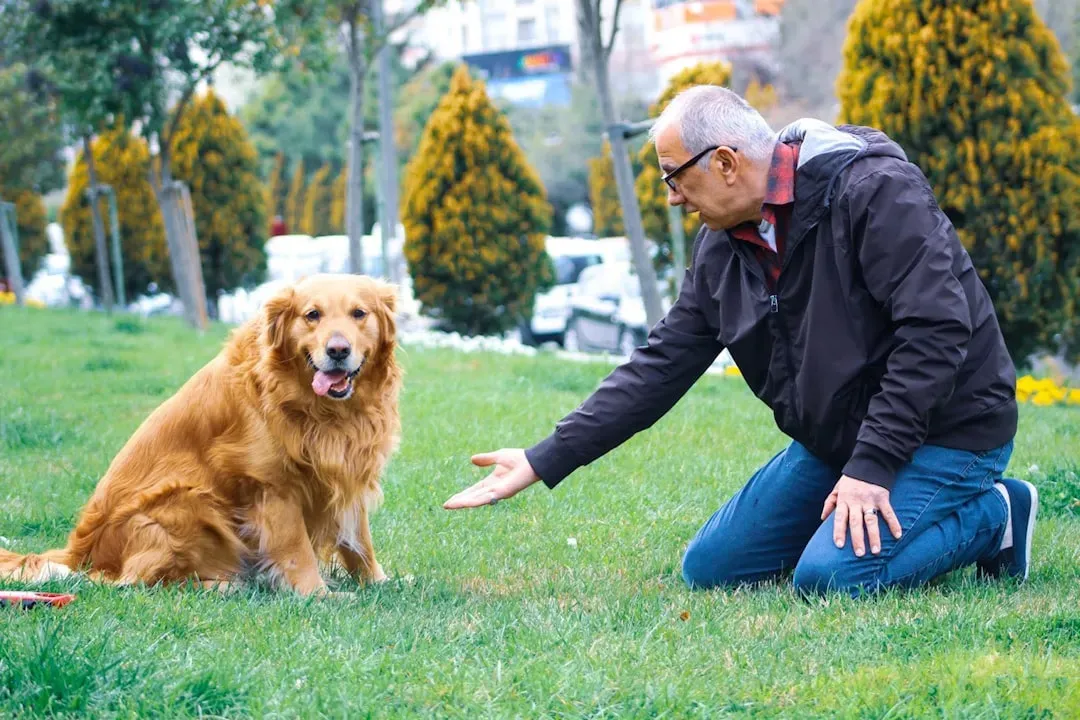
Your older dog has years of wisdom packed in that furry head – new tricks just unlock more joy. Patience and praise turn potential frustration into triumphs, keeping them engaged and you closer. Start small, celebrate big, and watch vitality return.
It’s not about perfection; it’s those shared wags proving age is just a number. Grab some treats today. Your best friend will thank you with every tail thump.


