
Your dog trusts you completely. They look at you with those soft eyes, believing with their whole heart that you’ll keep them safe. Most of us work hard to earn that trust, yet dangers lurk inside our homes that many dog owners don’t even realize are there.
It’s a strange thing, really. We childproof outlets and lock away cleaning supplies from toddlers, yet we often don’t think about our curious canines who explore the world with their mouths. One forgotten piece of sugar-free gum on the coffee table or a seemingly harmless grape dropped on the kitchen floor can turn into a veterinary emergency faster than you’d think. The good news is that protecting your dog from these hidden threats isn’t complicated once you know what to look for.
Let’s walk through seven common household items that pose serious risks to your furry friend and talk about practical ways to keep them safe.
Chocolate: The Sweet Danger Everyone Knows, But Many Underestimate
Chocolate continues to dominate poison lists from the American Society for the Prevention of Cruelty to Animals Animal Poison Control Center, and there’s a good reason for that. It contains theobromine, which their bodies can’t process. While most dog owners know chocolate is bad, many don’t realize the severity varies dramatically by type.
Dark and baking chocolate contain the highest concentrations of theobromine and are the most dangerous, with a small piece of baker’s chocolate potentially causing a severe reaction in a medium-sized dog. Chocolate toxicity can cause vomiting, diarrhea, increased thirst and urination, panting or restlessness, seizures and heart problems. White chocolate has less theobromine but its high fat content can trigger pancreatitis.
To dog-proof your home, keep all chocolate products in high cabinets or locked pantries. Be especially vigilant during holidays when chocolate treats seem to multiply everywhere. Don’t leave Halloween candy bags, Easter baskets, or Valentine’s Day boxes anywhere your dog can reach, and remind houseguests to keep their bags zipped and off the floor.
Xylitol: The Silent Killer Hiding in Your Purse
This one terrifies me more than almost anything else on this list. Xylitol is highly toxic to dogs, even in small amounts. This artificial sweetener shows up in an astonishing array of products, and the list keeps growing.
When a dog eats xylitol, it triggers a rapid release of insulin, leading to a dangerous drop in blood sugar. Xylitol is a potent stimulator of insulin release in dogs, and doses as low as 0.03 g/kg have resulted in hypoglycemia. Symptoms can appear within ten to sixty minutes. Xylitol ingestion has also been associated with liver failure in dogs.
Here’s where it gets tricky: xylitol hides in sugar-free gum, mints, peanut butter, some medications, toothpaste, mouthwash, and even certain vitamins. Check labels obsessively. Keep your purse, gym bag, and diaper bags out of reach. Train everyone in your household to understand that anything containing xylitol must never, ever be left accessible to your dog.
Grapes and Raisins: The Mysterious Toxin No One Expected

Honestly, it’s hard to say for sure why grapes are so dangerous to dogs. Currently, it is not known why these fruits are toxic, though tartaric acid is speculated to be the toxic component, and since dogs are not able to process tartaric acid, exposure can lead to kidney damage.
What makes grapes particularly frightening is the unpredictability. There is no well-established toxic dose and some dogs may have individual sensitivities, causing poisoning to occur with smaller ingestions compared to other dogs, and there is no way to predict which dogs may be more susceptible. One dog might eat a handful and seem fine, while another suffers kidney failure from a single grape.
Never leave fruit bowls on low coffee tables or counters your dog can reach. Be mindful of raisins in trail mix, baked goods, and cereals. Check the floor after snack time with kids. If your dog does eat even one grape or raisin, contact your vet immediately rather than waiting for symptoms.
Human Medications: Everyday Pills That Are Poison to Pups
Ibuprofen is toxic to dogs because their bodies metabolize the drug differently than humans, it has a narrow margin of safety in dogs, and even a small amount can be harmful, especially in smaller dogs. Signs of toxicosis can occur when as little as half a 200 mg pill is given to a 25-pound dog.
Pain relievers aren’t the only culprits. Acetaminophen, found in Tylenol, can be fatal to dogs. Ibuprofen and acetaminophen can cause liver and kidney failure in dogs, and even one pill can be deadly. Prescription medications for depression, blood pressure, and ADHD can be equally dangerous.
Store all medications in closed containers inside cabinets that your dog cannot access, preferably wall-mounted rather than floor-level. Never leave pill bottles on nightstands or bathroom counters. If you drop a pill on the floor, find it immediately. Consider using a pill organizer with a secure latch rather than leaving bottles out as reminders.
Cleaning Products: The Household Heroes That Harm
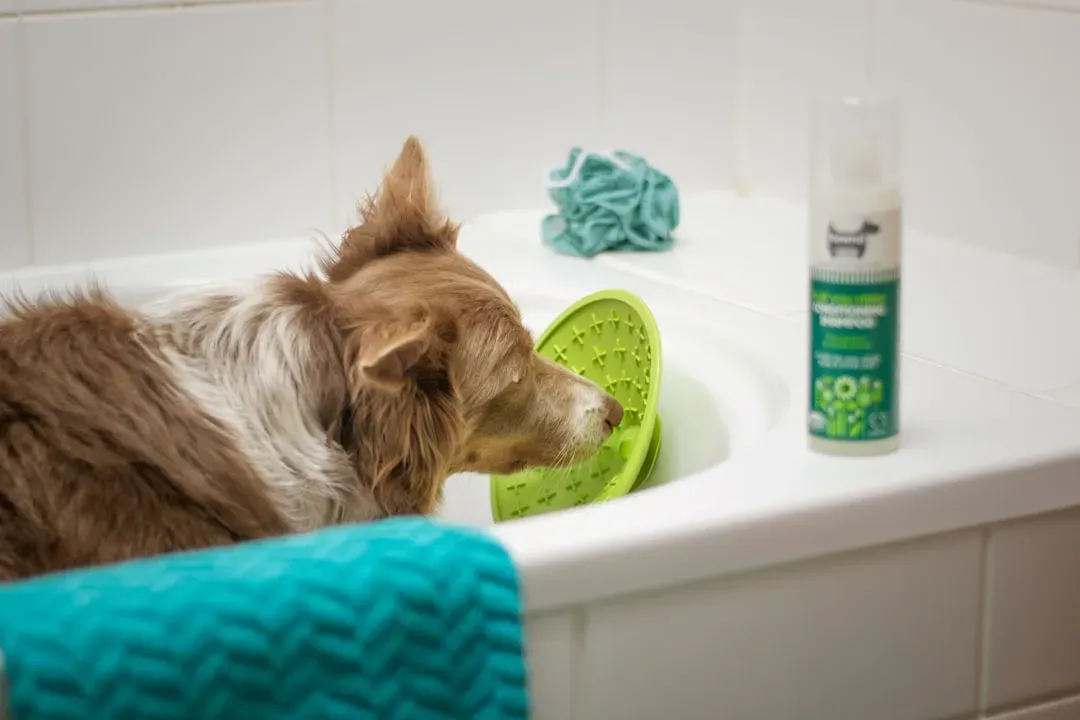
Many household cleaning products contain toxic ingredients, and if your dog is exposed to ingredients like chlorine bleach or formaldehyde, they may become sick. Cleaning products made with chemicals like bleach, chlorine, and phenols can have a corrosive effect on your dog’s skin, eyes, and lungs.
The danger isn’t just from drinking cleaning products directly. Even just ingesting the fumes can pose a danger. Laundry pods deserve special mention as they’re particularly hazardous and visually interesting to dogs.
Keep cleaning supplies locked in upper cabinets or in a utility closet your dog cannot access. When cleaning, ventilate the area well and keep your dog out until surfaces are completely dry. Flush toilet bowl cleaner down the toilet and put the lid down. Consider switching to pet-safe cleaning products for frequently cleaned areas like floors where your dog walks.
Antifreeze: The Sweet-Smelling Killer in Your Garage
Antifreeze contains ethylene glycol, which is highly toxic to animals even in small amounts, and its sweet smell and taste can lure pets into drinking it. Ethylene glycol is extremely toxic to dogs, it has a sweet taste and thus dogs will drink it, and as little as 2 1/2 tablespoons can kill a medium-sized dog in 2–3 days.
Dogs who ingest antifreeze often appear drunk initially. This type of poisoning is often fatal as dog owners do not know their pet has ingested the antifreeze. The damage happens quickly and by the time symptoms appear, kidney failure may already be underway.
Never leave antifreeze containers open or accessible. Check your driveway and garage floor regularly for spills or leaks from vehicles. Clean up any puddles immediately and thoroughly. Store antifreeze containers on high shelves or in locked cabinets. Consider using pet-safer antifreeze alternatives that contain propylene glycol instead of ethylene glycol.
Certain Foods: The Table Scraps That Should Never Be Shared
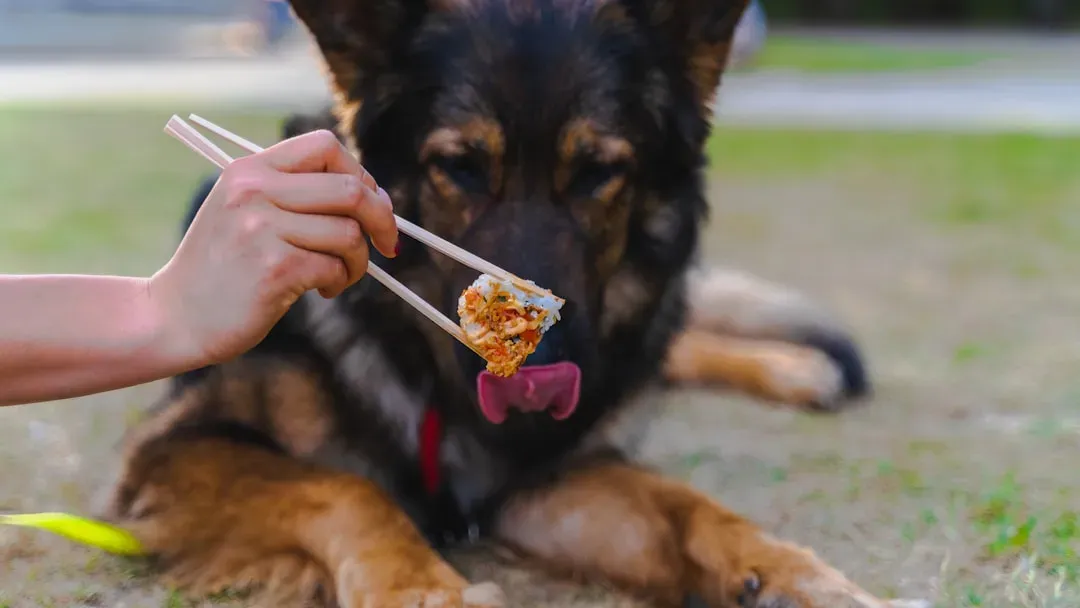
Beyond chocolate and grapes, several other human foods pose serious threats. Onions, garlic, and related vegetables can cause stomach and gut irritation and potentially lead to red blood cell damage and anaemia, with onions being particularly toxic and signs often only occurring a few days after ingestion.
Macadamia nuts can cause weakness, tremors, and vomiting. Avocados contain persin, which causes vomiting and diarrhea in dogs. Raw bread dough is dangerous because the yeast ferments in the stomach, producing alcohol and causing dangerous bloating.
Secure your kitchen garbage with a dog-proof lid or child safety locks. Never leave food unattended on counters if you have a counter surfer. Educate family members and guests about which foods are dangerous. When cooking, sweep floors regularly for dropped ingredients. Be especially careful during parties and holidays when lots of different foods are out and guests may not understand what dogs shouldn’t have.
Conclusion
Keeping your dog safe from household toxins isn’t about living in fear. It’s about awareness and developing habits that become second nature. Check labels, store things properly, and stay vigilant about what your dog can reach.
Your dog depends on you to be their protector in a world full of things that smell interesting but could harm them. A little prevention goes a long way. If you ever suspect your dog has ingested something toxic, don’t wait for symptoms to appear. Contact your veterinarian or the ASPCA Animal Poison Control Center immediately.
What steps have you already taken to dog-proof your home? Share your tips in the comments, we’d love to hear what’s working for you.


