

You’ve been working with your dog for weeks, maybe months. You’re following all the advice from that popular TV show, listening to well-meaning friends at the dog park, and doing everything you think you’re supposed to do. Yet somehow, things aren’t clicking. Your dog still pulls on the leash, jumps on guests, or refuses to come when called.
Here’s the thing: you’re probably not failing at training. You might just be following the wrong advice. The dog training world is stuffed with myths that sound convincing but actually work against you and your pup. These misconceptions don’t just slow down progress – they can damage the trust between you and your dog.
So let’s clear the air and talk about what’s really going on. Ready to discover which “rules” you can toss out the window? Let’s dive in.
Your Dog Is Trying to Dominate You

This one’s everywhere, right? Your dog jumps on the couch, walks through the door first, or pulls you down the street, and someone inevitably says, “He’s trying to be the alpha.” Dominance theory is an outdated and debunked theory of dog behaviour saying that dogs want to gain a higher social status relative to other dogs or people, and that dogs will show aggression to achieve dominance. The problem? This theory is based on studying the behaviour of unrelated wolves living in a very unnatural environment where the wolves were captive with limited resources and didn’t behave as they would in the wild.
It is now widely recognised by animal behavioural specialists that dogs that use aggression towards humans or other dogs are not trying to be ‘dominant’; rather, the aggression is usually the result of social confusion, frustration, fear, anxiety or learning. When your dog pulls on the leash, he’s not plotting a coup. He’s excited or hasn’t learned what you want yet. Most canine behavior problems stem from insecurity or the need for safety and comfort, not from a desire to establish a higher rank; teaching dogs “who’s the boss” by forcing them into “submission” is precisely the opposite of what they actually need.
Positive Training Means No Rules or Boundaries
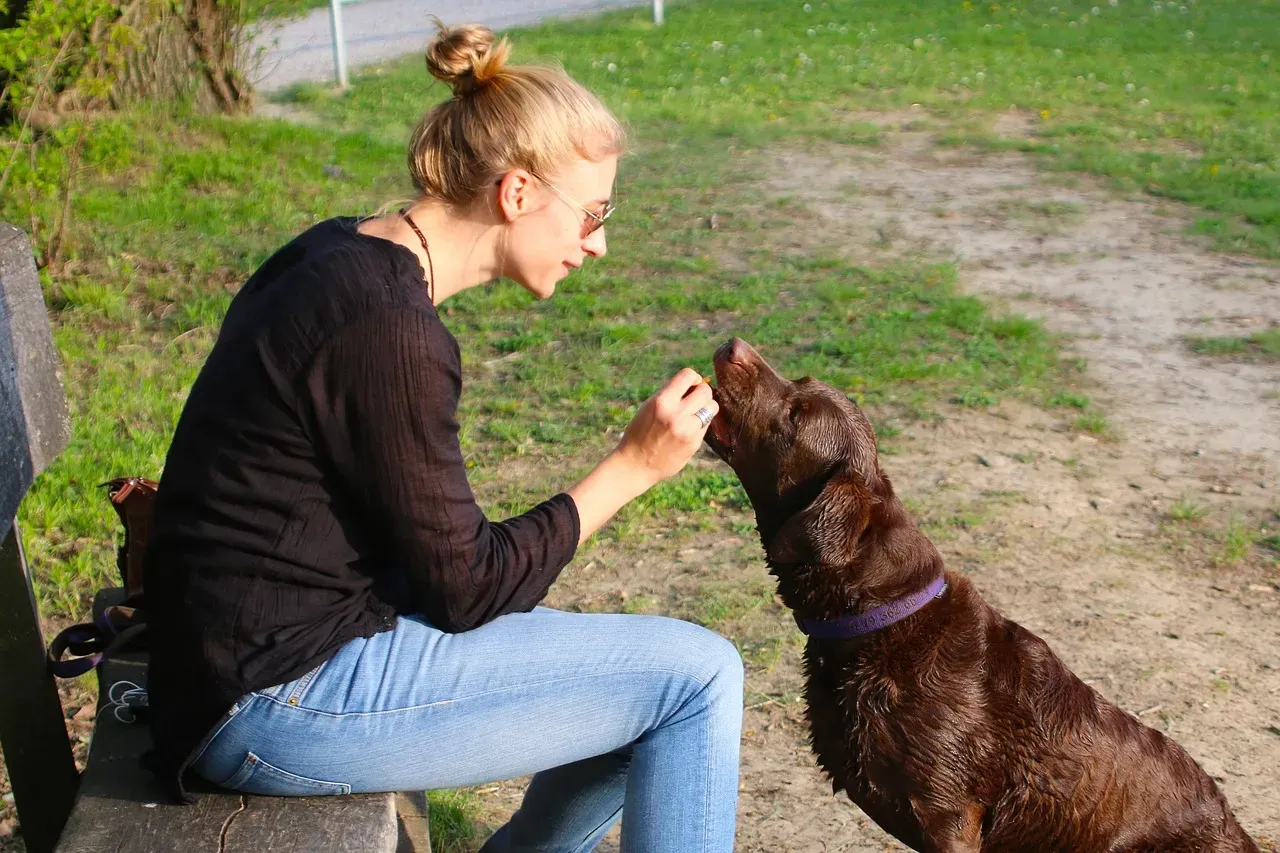
Let’s be real: some people hear “positive reinforcement” and think it means letting your dog do whatever they want. That’s nonsense. Positive training isn’t about being permissive – it’s about being smart. You’re teaching your dog what behaviors earn rewards, and which ones don’t get anything.
Positive reinforcement training involves rewarding the dog for correct choices like sitting, staying, or coming when called, and when the dog makes an undesired choice, the trainer simply withholds the reward. This creates clear expectations without fear or pain. Think about it like this: if your boss praised you for good work, you’d probably do more of it. If your boss yelled and threatened you constantly, you’d feel stressed and confused. Dogs aren’t any different.
Comparative studies show that reward-based training is more effective than aversive or punishment-based training and has fewer, if any, unwanted side effects; with positive training, dogs show fewer stress signals, trust people more, and tend to learn new behaviors more quickly.
Using Treats Is Just Bribery
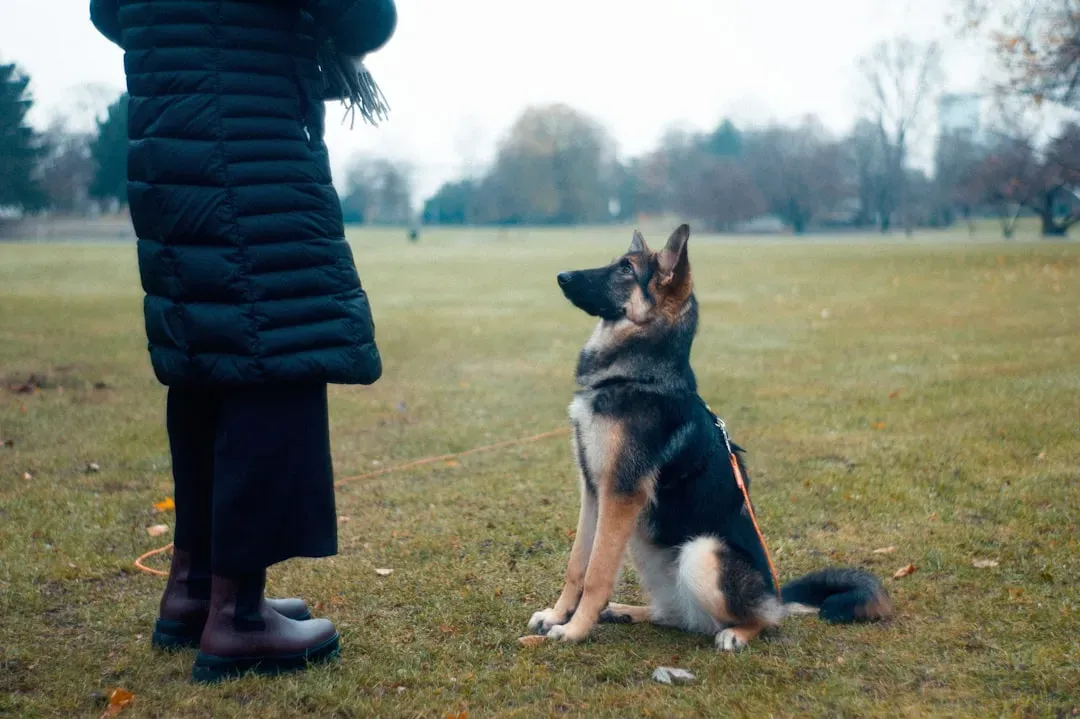
I can’t count how many times I’ve heard someone say, “I don’t want to bribe my dog with treats.” Here’s the truth: using food in training isn’t bribery. Dogs learn through association, so if they learn a certain behaviour results in something pleasant, they will want to repeat it; qualified dog trainers utilise food, toys, praise and play to reward specific behaviours to increase the likelihood of a behaviour being repeated.
Think about it. You go to work because you get paid, don’t you? That’s not bribery, it’s motivation. When dogs receive a treat or praise, their brains release dopamine, a neurotransmitter associated with pleasure, reward, and motivation; over time, the behavior that leads to this pleasurable outcome becomes more ingrained. The key is to eventually fade the treats to intermittent rewards, just like you don’t get a bonus every single day at work.
You Can’t Train an Old Dog
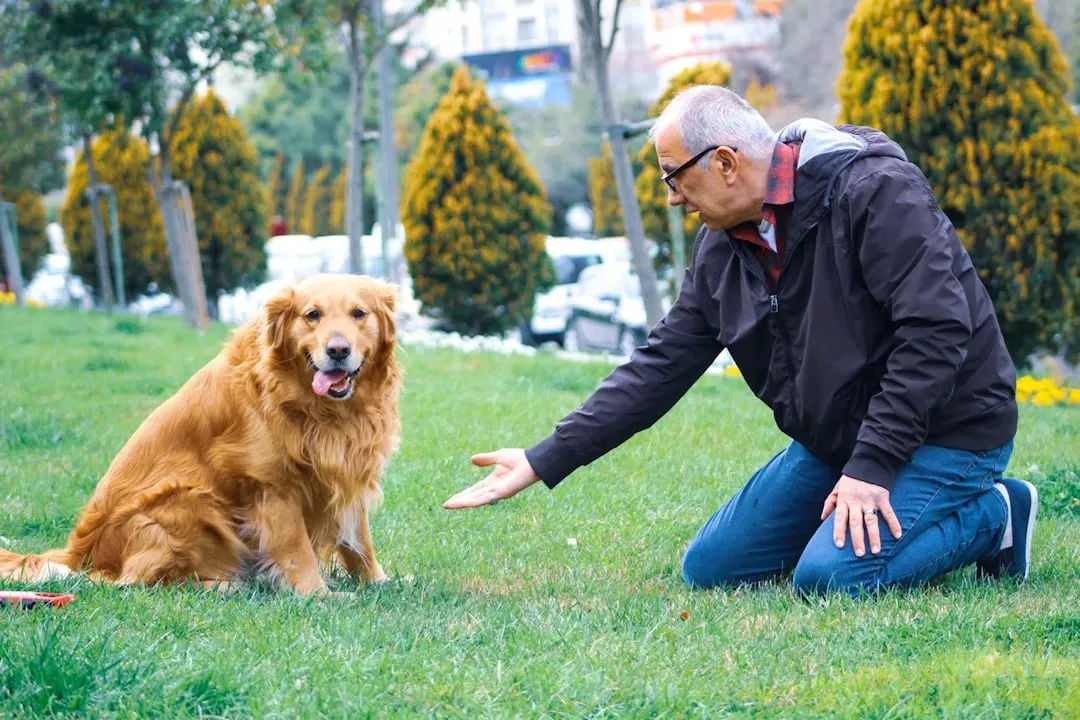
This saying needs to die already. Seriously. All dogs of every age can learn and adapt; while puppies tend to learn new commands more quickly due to their high energy and curiosity levels, older dogs still benefit from patience. I’ve worked with senior dogs who learned new behaviors faster than some puppies because they had better focus and impulse control.
Older dogs might take a bit more time, sure. They might have arthritis that makes sitting uncomfortable, or they might be set in their routines. However, their brains are still perfectly capable of learning. Dogs of any age have the ability to learn new tricks, it just requires patience and consistency. Age is not a barrier. Giving up on training because your dog is older is like saying adults can’t learn new languages or skills – we know that’s not true.
Punishment Works Faster Than Rewards
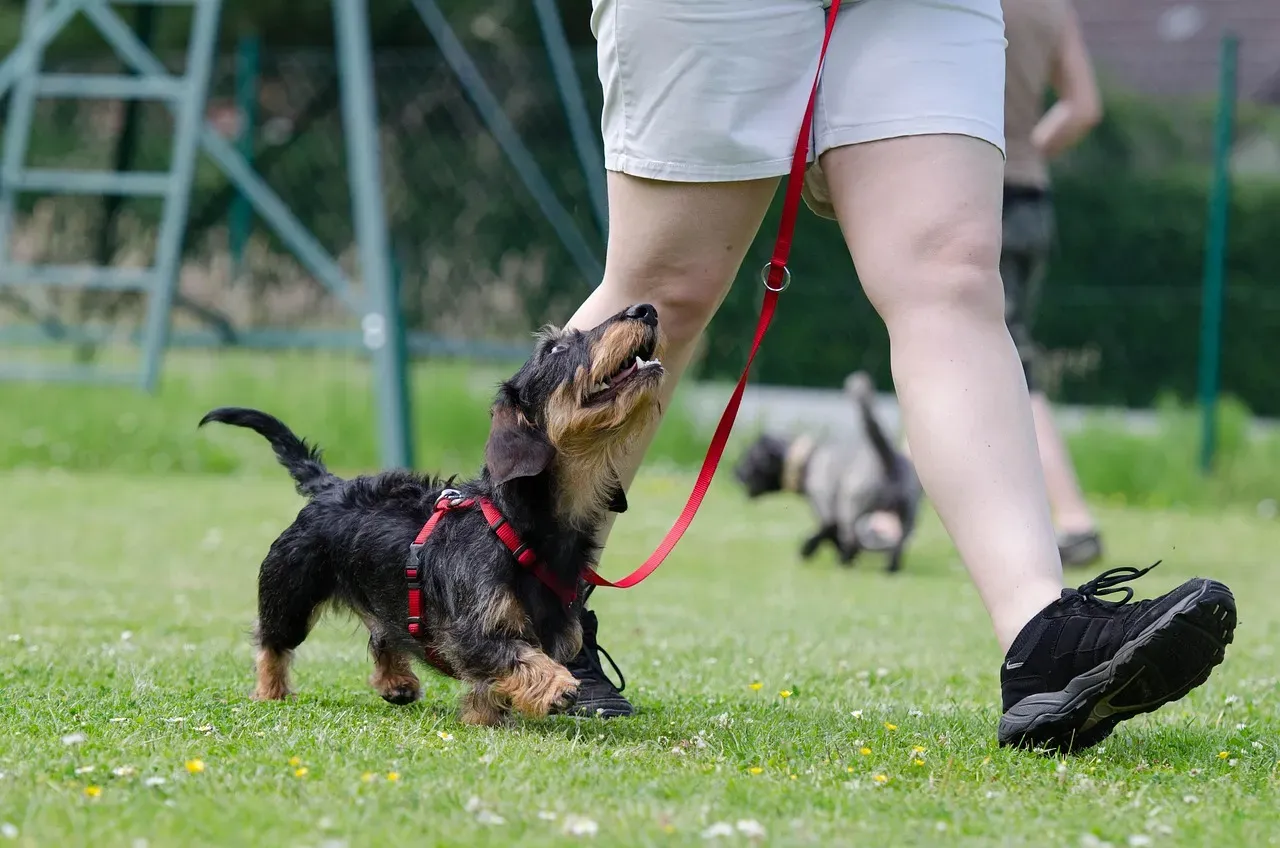
On the surface, this seems logical. You yell at your dog for jumping, and he stops jumping…in that moment. Mission accomplished? Not quite. Aversive or punitive dog training is associated with increased anxiety, stress, and a greater likelihood for the dog to shut down or behave more aggressively; even though intimidation and physical force might stop aggressive behavior in the moment, a dog is more likely to defend himself aggressively in the future because the underlying cause of the behavior has not been addressed.
Punishment might suppress a behavior temporarily, but it doesn’t teach your dog what to do instead. Dogs don’t understand punishment the way humans do; a leash correction or shock doesn’t teach them what to do instead – it only makes them fearful and confused. Plus, the stress from punishment actually interferes with learning. Dogs trained using aversive training methods were 15 times more likely to show symptoms of stress than those who were trained using positive reinforcement; as many as 65% of the dogs in the negative reinforcement class showed at least one stress-related behavior compared to only 8% of those in the positive reinforcement class.
My Dog Knows He Did Something Wrong
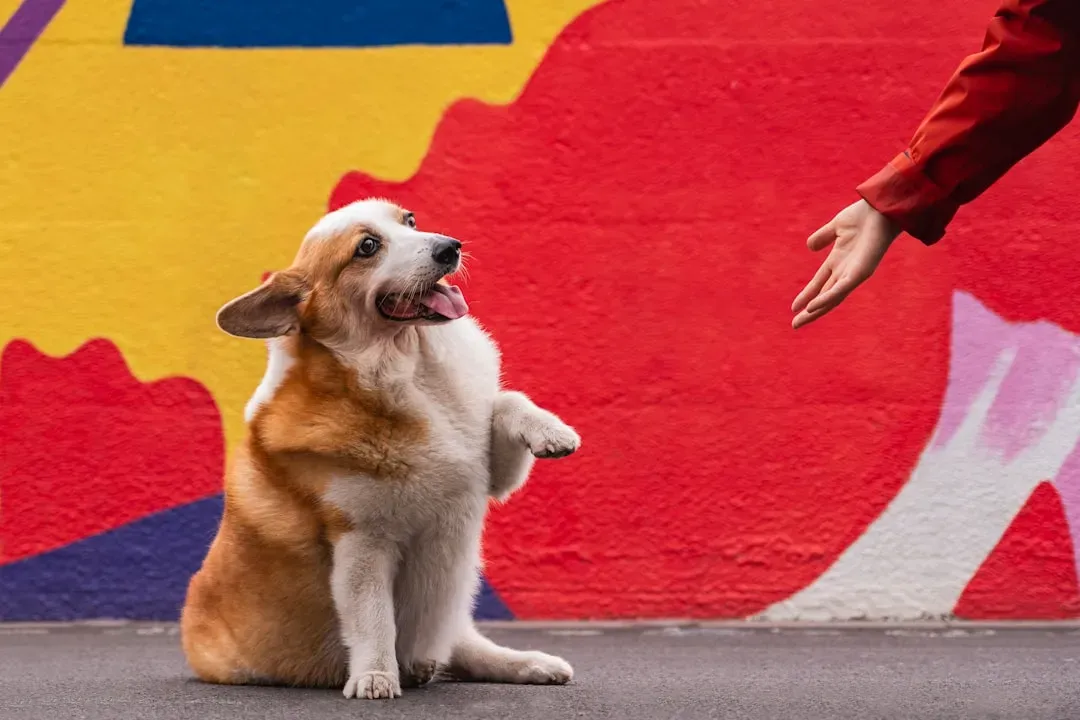
You come home to a chewed-up shoe, and your dog is slinking around with his tail between his legs and ears back. He knows what he did, right? Actually, no. What your dog knows is that you’re upset, and he’s trying to appease you. Dogs don’t have a sense of morality the way humans do – they live in the moment.
That “guilty” look? It’s a response to your body language and tone, not a confession. Your dog has no idea that chewing the shoe three hours ago is why you’re angry now. Modern canine psychology shows that dogs don’t understand human morality and respond best to immediate consequences (within 2 seconds of behavior). If you didn’t catch him in the act, he genuinely has no clue why you’re upset. Punishing him after the fact just teaches him to be afraid of you when you come home, not to stop chewing shoes.
Some Breeds Don’t Need Training
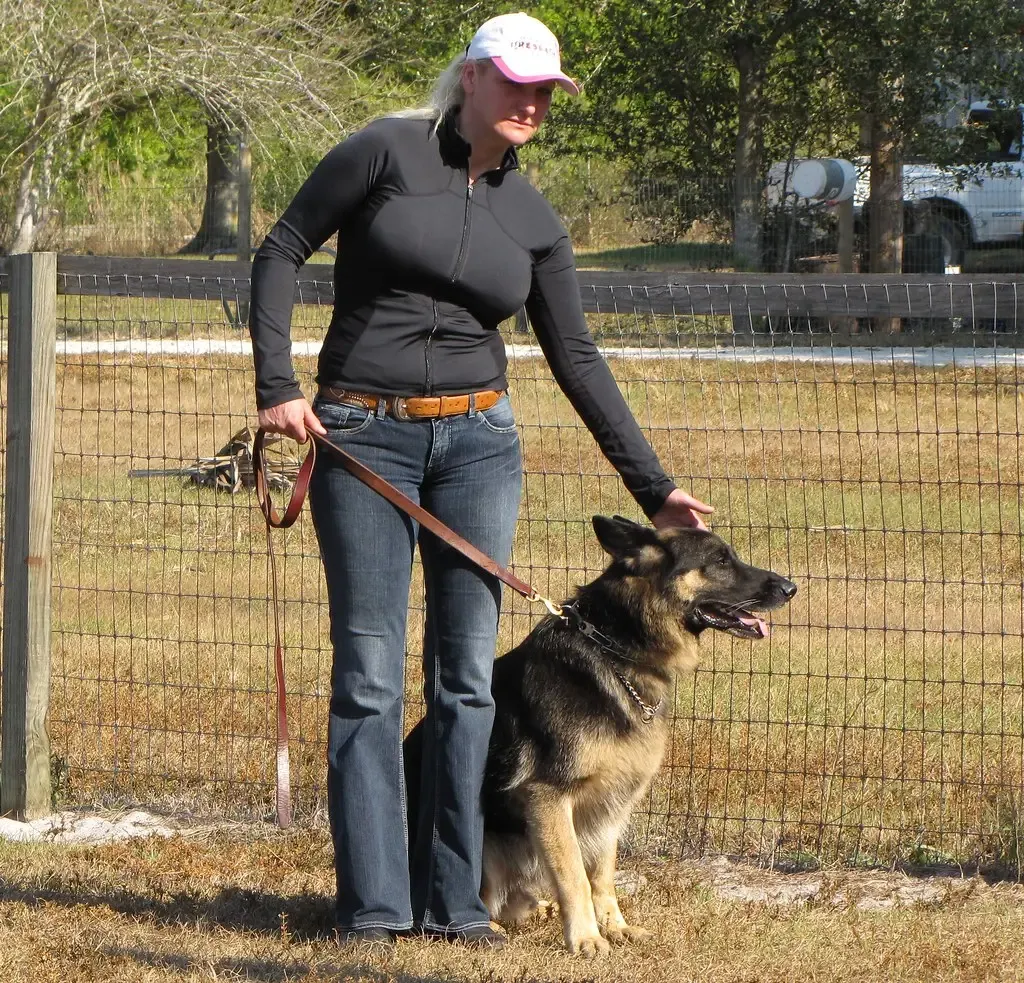
I’ve met people with Golden Retrievers or Labradors who think their dogs are naturally well-behaved so they don’t need training. On the flip side, some small dog owners skip training because “he’s too little to cause trouble.” Both approaches are mistakes. The truth is, all dogs need training – regardless of their breed; of course, some breeds may be easier to train than others, but even the easiest to train breeds will still need some basic obedience training.
Every dog, regardless of size or breed, benefits from learning basic manners. Training isn’t just about obedience – it’s about communication, mental stimulation, and building a stronger bond. While it’s true that dogs exhibiting behavioral challenges benefit greatly from training, all dogs can benefit from learning; training isn’t just for fixing problems – it’s for enhancing the relationship between you and your pet and building better communication. Even the calmest, sweetest dog needs to learn how to navigate the human world safely.
Conclusion
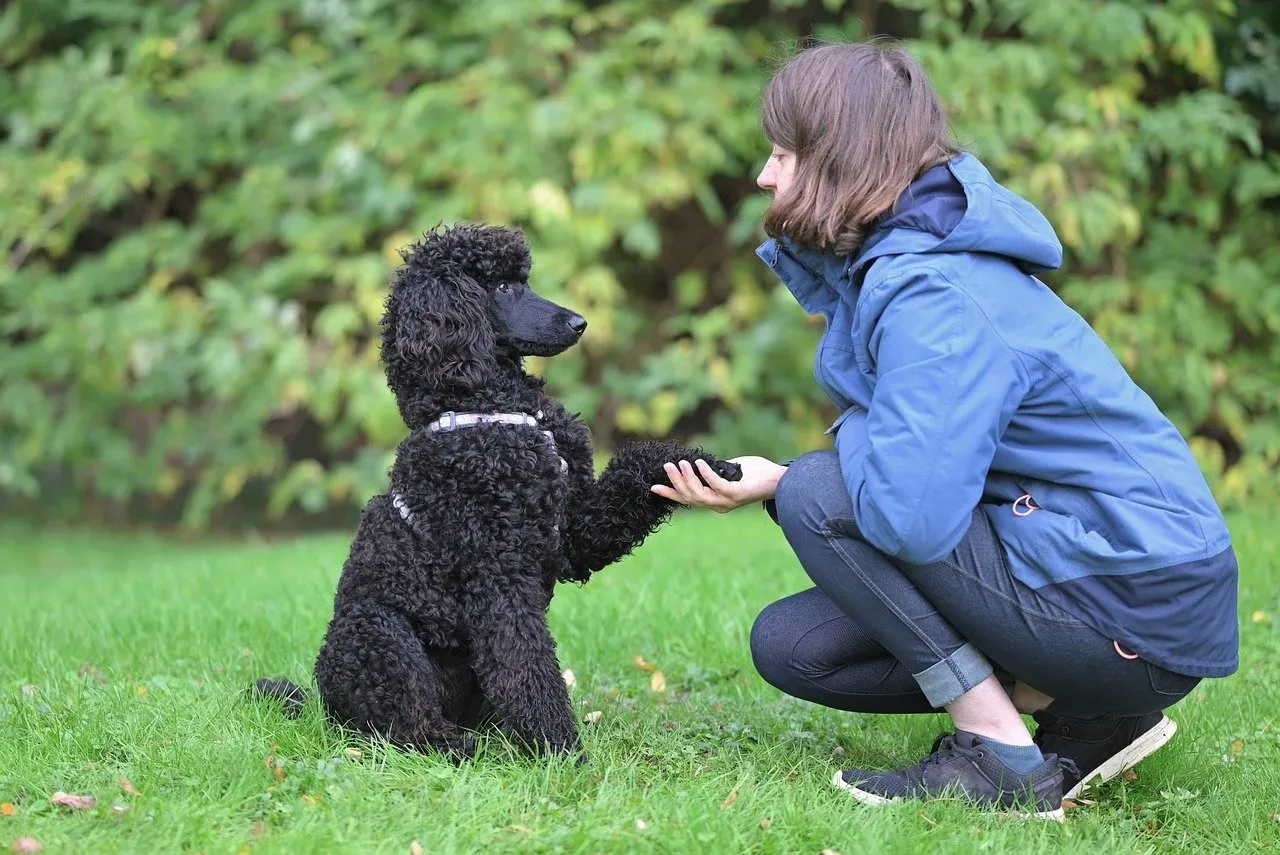
Training your dog doesn’t have to feel like a battle. When you let go of these outdated myths and embrace what actually works – patience, consistency, and positive reinforcement – everything becomes easier. Your dog isn’t trying to outsmart you or dominate you. He’s just trying to figure out what makes you happy so he can do more of it.
The bond you build through kind, effective training will last a lifetime. It’s not about being the boss or asserting dominance. It’s about being a good teacher and a trusted friend. Which of these myths have you been believing? What will you do differently now?


