

Picture this: you walk into your local shelter and lock eyes with a scruffy, tail-wagging dog who looks at you like you hung the moon. Your heart melts. Then, almost immediately, a little voice in your head whispers the familiar doubts. “What if they have behavioral problems?” “Will they bond with me?” “Are they too old to train?” Sound familiar?
Honestly, those doubts are incredibly common. But here is the thing – most of them are rooted in myths that have been passed around for so long they feel like facts. The good news? Experts have been quietly dismantling these misconceptions one by one, and what the research actually shows about rescue dogs might genuinely surprise you.
Whether you are already a proud rescue parent or cautiously considering adoption, let’s walk through seven of the most persistent myths, set the record straight, and maybe, just maybe, inspire you to give one of these incredible dogs the second chance they deserve. Let’s dive in.
Myth #1: All Rescue Dogs Have Behavioral Problems

One of the most pervasive myths is that all rescue dogs have behavioral issues. It is the kind of assumption that sounds logical on the surface – if a dog ended up in a shelter, something must be wrong with them, right? Wrong. Completely, demonstrably wrong.
Dogs end up in shelters and rescue organizations for endless reasons, and most of them are human problems, rather than dog problems. There are unplanned litters from dogs whom someone couldn’t afford to have spayed. There are dogs whose person dies, and no one in the family is in a position to take them in. Some dogs end up not being the right fit personality-wise for their people, who give them up in hopes that they can be placed in a different home. One of the most common reasons people cite for giving up a dog is that they are moving, and their new place doesn’t allow pets.
In fact, many rescue dogs are well-adjusted and simply waiting for a second chance to find a loving family. Think of it less like adopting a “problem dog” and more like welcoming a dog who simply had a run of bad luck with their circumstances. There is a massive difference, and it matters.
Myth #2: Rescue Dogs Are Broken or Untrustworthy

Another harmful myth is that rescue dogs are somehow “broken” or inherently untrustworthy due to their past experiences. This misconception suggests that these dogs are more likely to bite, be aggressive, or be unpredictable. Dogs are incredibly resilient animals. They are not fragile. They are not damaged goods. They are just dogs who need the right environment to thrive.
With the right environment, many rescue dogs can and do recover from difficult pasts to become loving, loyal, and trustworthy companions. Building trust with a rescue dog might take time, especially if they’ve experienced trauma, but with patience and positive reinforcement, they can form strong, affectionate bonds with their new families. Watch for cues like tail wagging, relaxed body language, and soft eye contact as signs your bond is growing. Those small moments mean everything.
Myth #3: You Cannot Train an Older Rescue Dog

Here is a myth that makes me genuinely frustrated every time I hear it. The old “you can’t teach an old dog new tricks” line has caused so many wonderful senior dogs to be overlooked. The saying couldn’t be further from the truth. Older rescue dogs are often eager to learn and can be trained just as successfully as younger dogs. In fact, older dogs might already be house-trained and have some basic obedience skills, making them easier to integrate into a new home.
Dogs are incredibly adaptable. A senior or an adult dog will be eager to please you the same as a puppy would – more, in fact. All they need is some guidance, patience, love and leadership from you. Once they have that, prepare to be amazed at how fast your dog picks up new habits and tricks. Honestly, skipping the puppy chaos stage and going straight to a dog who already understands the concept of “sit” sounds like a pretty good deal to me.
Myth #4: Rescue Dogs Are All Mixed Breeds – You Cannot Find a Purebred

People often walk past rescue centers because they have a specific breed in mind, assuming shelters simply won’t have what they are looking for. Another common misconception is that rescue dogs are all mixed breeds and that finding a specific breed in a shelter is nearly impossible. Purebred dogs may end up in rescue situations due to the same reasons as mixed breeds – owner surrender, abandonment, or even from breeders who could not sell them.
Researchers used the Wisdom Panel Canine DNA Tests to test the breeds of shelter dogs and found that roughly five percent were purebred. While that number might sound low, there are 3.1 million dogs in shelters, which means 155,000 purebred dogs are waiting to be adopted. If you have your heart set on a specific breed, you can start by seeking out a breed-specific rescue organization. Golden Retriever rescue? It exists. Dachshund rescue? Absolutely. You might be closer to your dream dog than you think.
Myth #5: Rescue Dogs Will Always Be Fearful and Won’t Bond With You

Some people worry that a rescue dog will never truly feel at home, always cowering, always nervous, never really “theirs.” It is one of the most emotionally charged fears, and it is worth unpacking. Research has shown that rescue dogs can be significantly more fearful than dogs from other backgrounds, but the groups did not differ in their dog-owner relationship questionnaire scores – suggesting that fear levels do not prevent deep bonding. Isn’t that remarkable?
It’s important to remember that shelter dogs are meeting tons of new people each day, and they might not immediately become attached to you on the first meeting. It might only take a little extra time spent with them in a short fetch session to win their heart. A shy dog might be a little more reserved, but you can discuss with an adoptions counselor what sort of personality you’re looking for. Give them a week, and you’ll likely have a shadow who follows you to every room in the house.
Myth #6: Rescue Dogs Come With Unknown Health Problems and Expensive Vet Bills
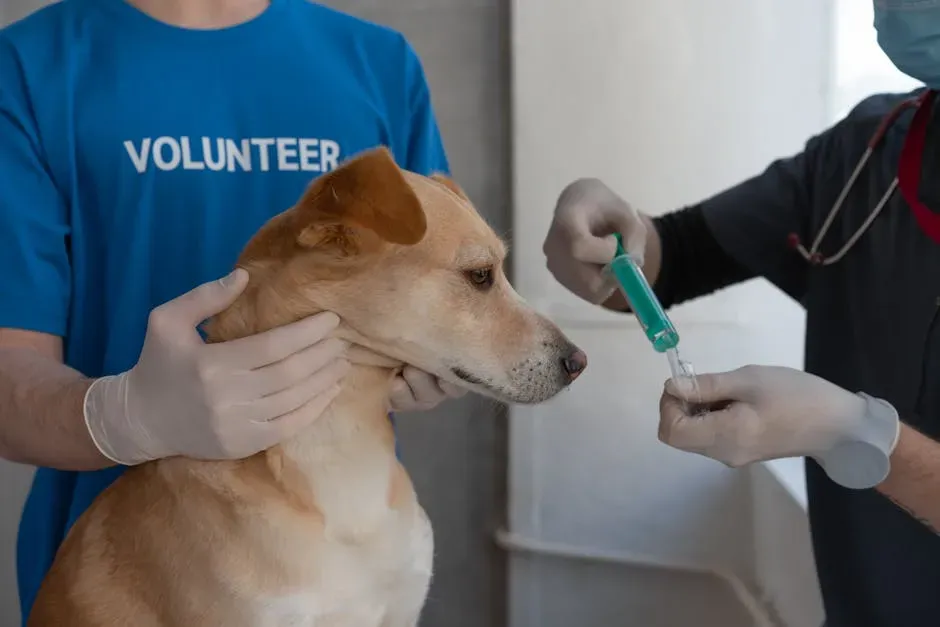
The fear of hidden health issues is real, and I get it. Unexpected vet bills are stressful. But the assumption that rescue dogs are ticking medical time bombs is simply not supported by the facts. Shelters don’t place sick or injured animals up for adoption. Period. Most pets who enter a shelter are healthy and can be placed for adoption very quickly.
Reputable rescue organisations and shelters typically provide veterinary care, including vaccinations, spaying or neutering, and a health assessment, before a dog is made available for adoption. Most rescues and shelters give heartworm tests, flea preventatives, plus Rabies, Bordetella, and Distemper vaccinations. That’s over $500 right there. In many cases, you are actually getting significantly more upfront healthcare than you would from a private sale. Worth thinking about, right?
Myth #7: Rescue Dogs Won’t Be a Good Fit for Families With Children or Other Pets

This one stops so many families in their tracks. The worry that a rescue dog will be unpredictable around kids or hostile toward existing pets feels like too big a risk to take. Most rescue centres encourage socialisation to help dogs thrive. Rescue dogs interact with other dogs, volunteers, and sometimes even the public. Many rescues run socialisation programmes to ensure dogs are comfortable in new environments and able to adapt to various situations.
Dogs are incredibly adaptable and live in the present moment. When welcomed into a secure, loving environment where they feel safe and know their place in their family, they quickly adjust and become balanced, loyal companions. A good shelter will be honest with you about which dogs are best suited to homes with small children or cats. When considering a new dog to fit with your lifestyle, make a decision based on the individual dog to determine whether he or she is the right fit for you. Speak to staff at your local shelter or foster volunteers who can tell you about different dogs’ personalities. That conversation could change your family’s life forever.
The Truth About Rescue Dogs – A Final Thought

Let’s be real: these myths are not just harmless misunderstandings. According to the ASPCA, 920,000 shelter pets are euthanized each year nationwide – and fear built on misinformation plays a role in that number. Every time someone turns away from a shelter because they believe a rescue dog is broken, damaged, or difficult, a dog loses a chance at a loving home.
Rescue dogs often show deep gratitude and loyalty, rewarding adopters richly. Adopting a rescue dog is a positive step not just for the dog but for the community and the wider world of responsible pet ownership. It helps reduce overcrowding in shelters, limits unethical breeding, and offers loving homes to animals that need them the most.
The next time one of these myths crosses your mind, or someone else’s, you now have the truth to offer instead. Every rescue dog is a story waiting to unfold, and the most beautiful chapters are the ones you write together. So, which myth surprised you the most? Share your thoughts or your rescue story in the comments below – we would genuinely love to hear it.


