
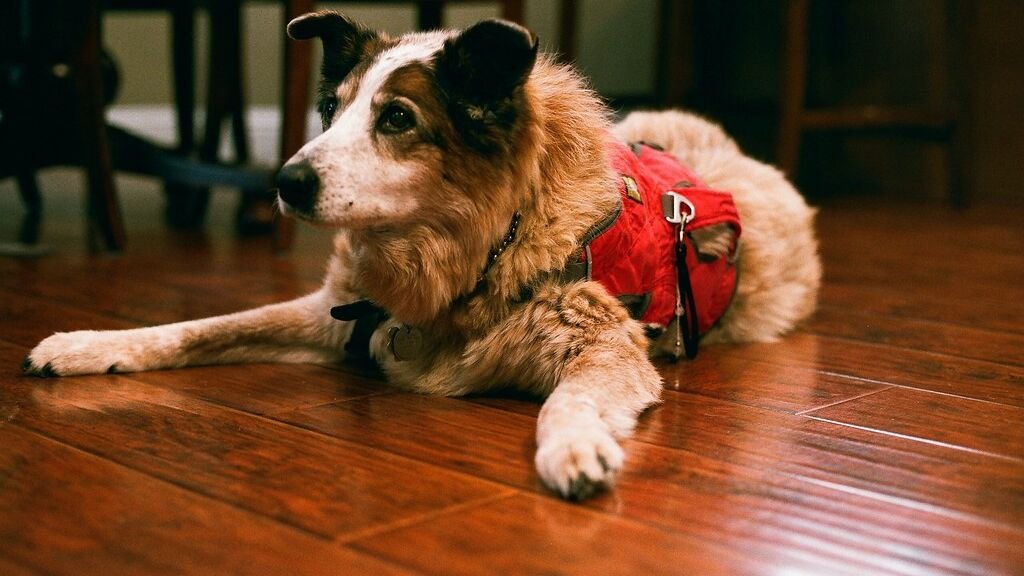
As our faithful companions age, myths and misconceptions about senior dogs run rampant among pet owners. These misguided beliefs can actually harm our older dogs by preventing them from receiving proper care and attention they deserve.
From outdated ideas about exercise limitations to false notions about learning abilities, these myths persist despite scientific evidence proving otherwise. Let’s uncover the truth behind these common misconceptions and discover some surprising facts that will change how you think about caring for your gray-muzzled friend.
Misconception #1: Senior Dogs Can’t Learn New Tricks
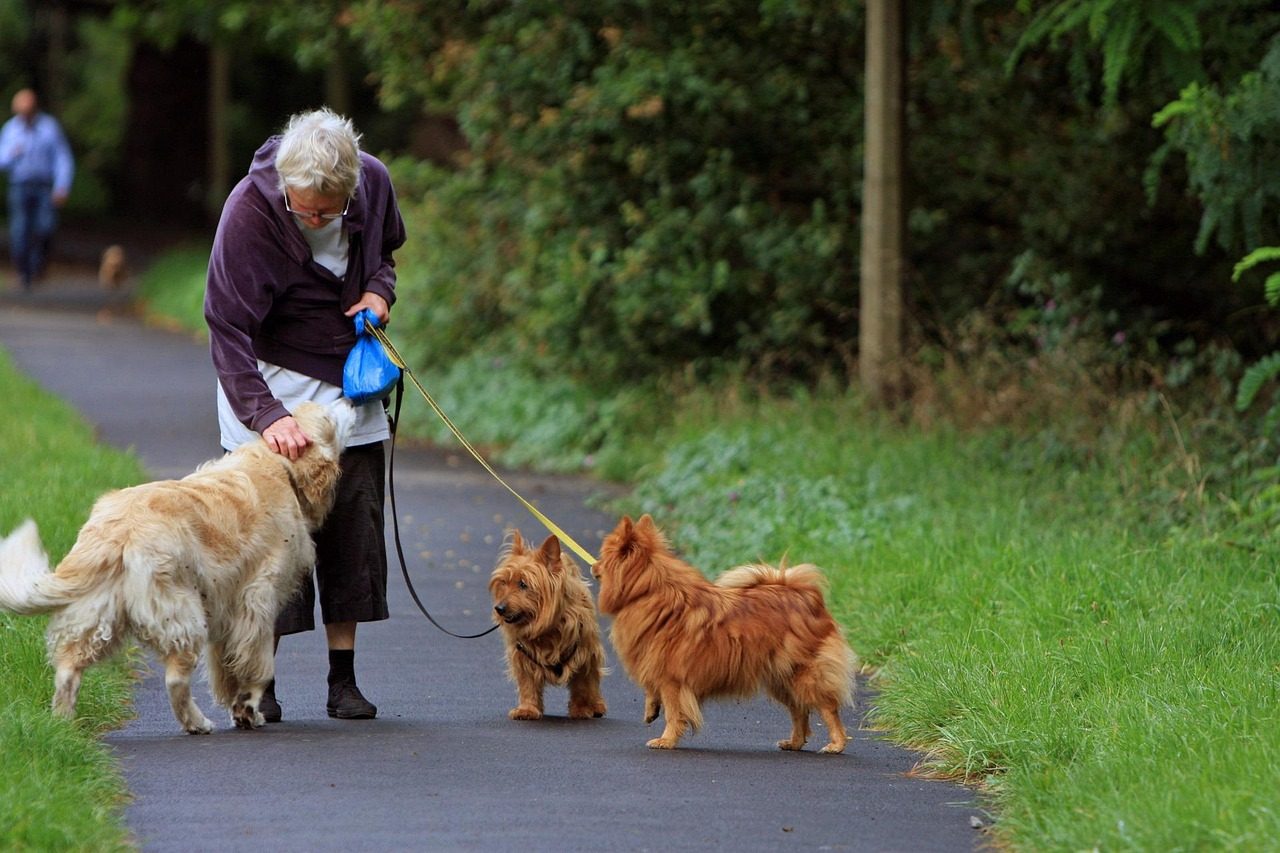
The age-old saying “you can’t teach an old dog new tricks” is simply false – older dogs can absolutely learn new commands and behaviors, they just might approach learning differently than younger dogs. Senior pets may actually be more willing to learn new skills because they have greater patience and focus than their younger counterparts.
While some older dogs may be less enthusiastic about learning due to decreased vision, hearing, or joint issues, with patience and proper techniques, they can master any trick within their physical abilities. Training provides excellent mental stimulation for senior dogs and offers wonderful opportunities for their brains to stay active and engaged.
Truth #1: Senior Dogs Need MORE Protein, Not Less

Many people mistakenly believe senior dogs should eat less protein, but healthy older dogs may benefit from higher quality protein than adult dogs to help maintain their muscle mass. As dogs age, their bodies become less efficient at synthesizing protein naturally, increasing their dietary protein needs to prevent muscle loss.
Loss of muscle mass is a serious problem in aging dogs – some seniors lose so much muscle they can no longer walk without assistance. High-quality protein combined with reduced fat and calories helps maintain optimal body condition and lean muscle mass in senior dogs.
Misconception #2: Senior Dogs Don’t Need Much Exercise
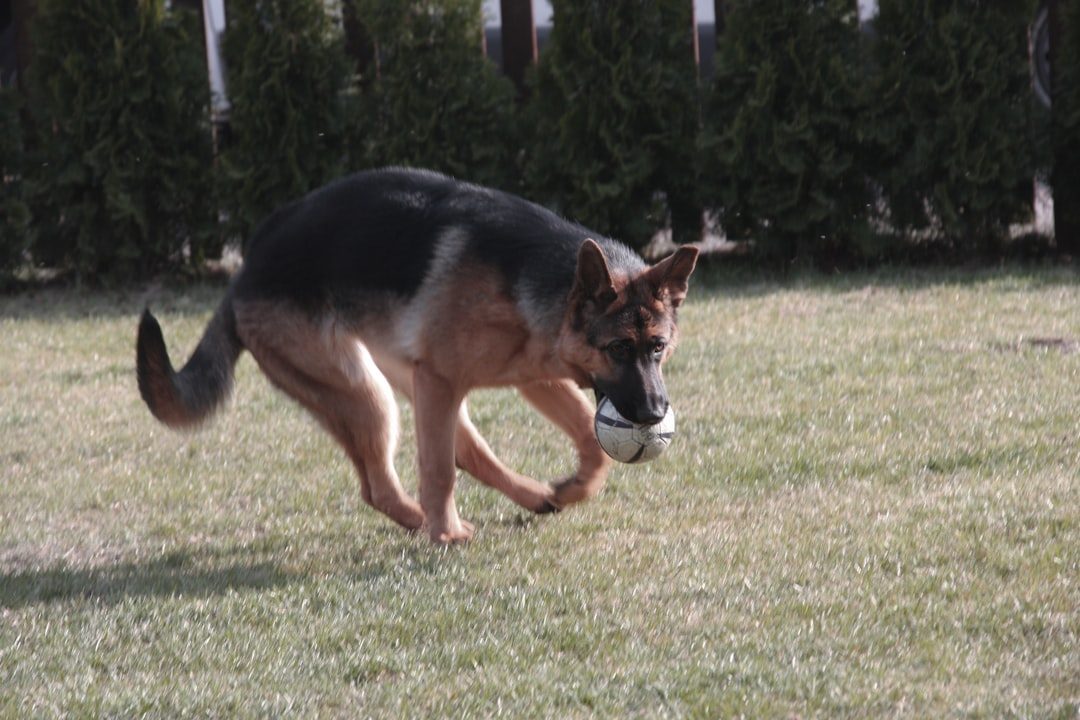
Just because senior dogs experience declining mobility doesn’t mean they don’t require regular exercise – maintaining an active lifestyle actually helps decrease the onset of conditions like arthritis and muscle loss. Age alone isn’t a reason to stop exercising, and daily activity remains just as important for senior dogs as it is for younger adults.
Older dogs face increased risks of weight gain, arthritis, cancer, heart problems, and neurological degeneration, making exercise a crucial element in preventing or slowing these conditions. Most senior dogs benefit from about thirty minutes of low-impact activity each day, though this varies based on breed, health, and individual fitness levels.
Truth #2: Senior Dogs Can Remain Surprisingly Active

When in good health, senior pets can stay active for years to come – it’s up to owners to provide the exercise opportunities and mental engagement they need. Though your older dog might not chase balls as fast or far as before, there are countless ways to engage them in safe physical activities that keep their minds occupied, weight healthy, and bodies strong.
The key is keeping exercise regular and gentle, which helps senior dogs stay active while supporting their muscles and joints. Even dogs with arthritis can do remarkably well for extended periods when they maintain daily low-impact walks, which adds to their happiness and overall quality of life.
Misconception #3: All Senior Dogs Need Special “Senior” Food

According to veterinary nutrition experts, there’s no true reason to feed a senior diet to aging dogs unless specific problems like lean body wasting, arthritis, or obesity are present. No defined nutrient requirements exist for senior dogs, so manufacturers aren’t required to follow standardized nutritional guidelines, making senior foods vary dramatically in their content.
The decision to switch to senior food should be based on individual needs rather than age – if your dog remains healthy and active without age-related health issues, switching may be unnecessary. A healthy, active older dog can continue thriving on smaller portions of regular adult food if they maintain their youthful energy levels.
Truth #3: Weight Management Becomes Critical in Senior Years

Controlling daily calorie intake in senior dogs reduces risks of obesity and diseases like cancer, kidney disease, and osteoarthritis – eating twenty to twenty-five percent fewer calories has been shown to slow age-related changes and increase lifespan. Senior dogs gain weight much more easily due to decreased activity and slower metabolism, making it harder for them to burn calories from food.
Because senior dogs are generally less active, reducing daily calories through smaller portions or lower-calorie foods may be necessary to prevent weight gain that leads to joint problems, heart disease, and diabetes. Helping overweight senior dogs shed extra pounds through dietary adjustments improves their quality of life and can actually extend their lifespan.
Misconception #4: Senior Dogs Are Less Social and Prefer Isolation

Many senior dogs are perfectly content spending quiet time alone, but this preference varies greatly among individual dogs rather than being an age-related universal trait. Senior dogs often still enjoy exploring new places, socializing with other dogs, and engaging in playful activities during moments when they feel energetic.
Some areas now offer senior dog groups and specialized dog parks for older pets, providing socialization opportunities without the worry of injuries from trying to keep up with younger, more boisterous dogs. While they might not keep up with younger dogs or tolerate puppy antics, senior dogs still enjoy hanging out with dogs their own age.
Truth #4: Cognitive Decline Can Be Slowed With Mental Stimulation
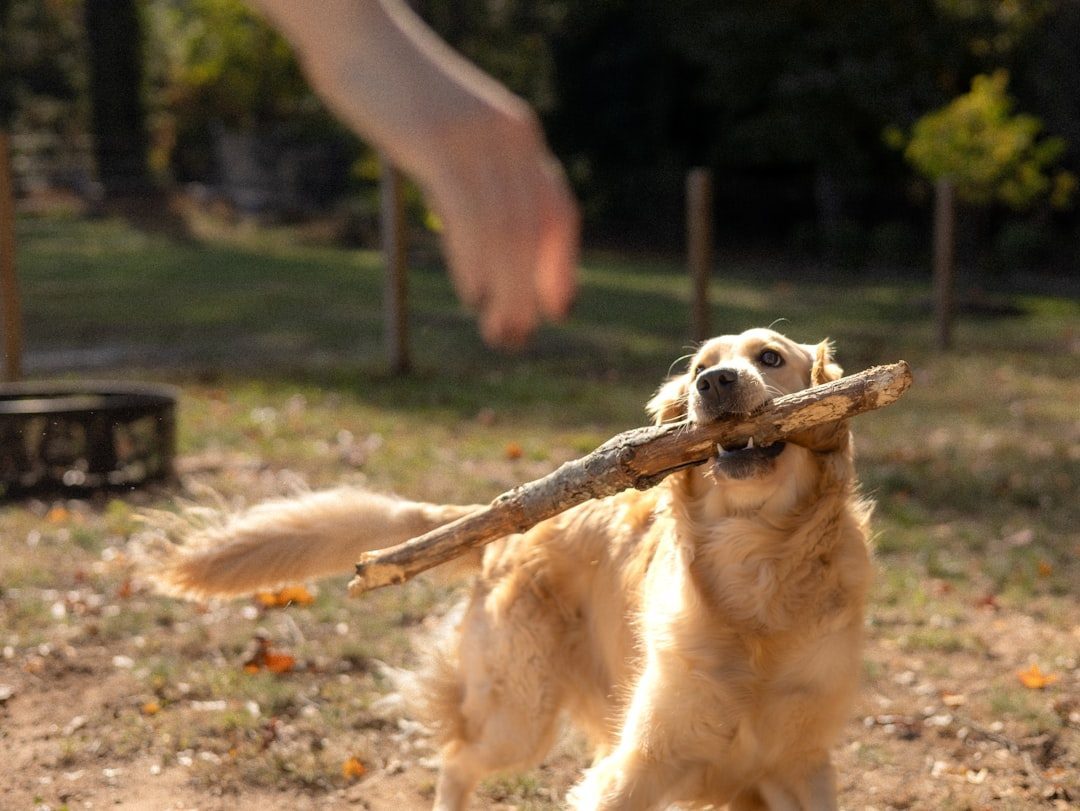
Cognitive health is equally important as physical movement for senior dogs – engaging their brains can slow cognitive dysfunction, reduce anxiety, and help maintain routines while reducing confusion often associated with aging. Keeping minds active with mental exercises and puzzle toys provides enrichment while potentially slowing the onset of canine dementia.
Scent games and puzzle activities provide excellent indoor exercise for senior dogs and serve as outstanding boredom busters – they burn physical energy while keeping minds sharp. Obedience and recall training aren’t just for younger pets – these activities help keep senior dogs moving while stimulating their minds and keeping their senses active.
Misconception #5: Senior Dogs Should Be Pain-Free If They’re Not Limping
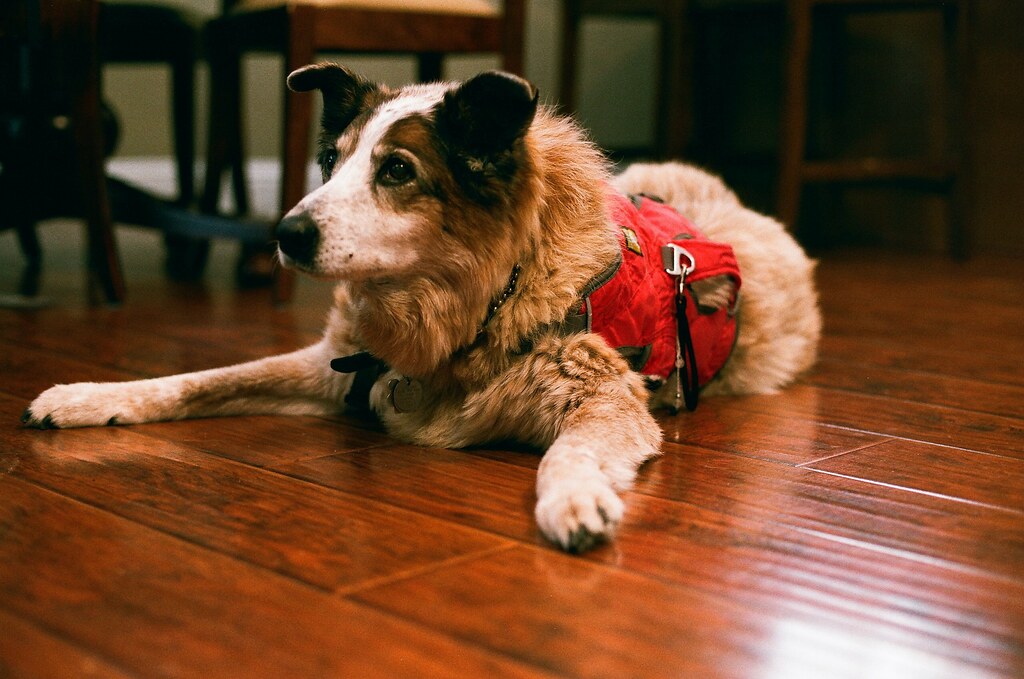
Dogs with arthritis may experience pain even without obvious limping, and high-impact activities can cause discomfort that dogs don’t always show while potentially speeding up the aging process. When dogs show signs of slowing down, limping, or hesitating to move, owners shouldn’t assume it’s simply old age – many mobility issues are manageable with proper veterinary care.
Senior dogs may exhibit restlessness due to pain or discomfort rather than just boredom – frequent pacing or constantly getting up and lying down warrants a veterinary consultation. If a dog appears stiff after exercising, the activity is likely too strenuous and should be modified to prevent further discomfort.
Truth #5: Swimming Is Often the Perfect Senior Dog Exercise

Swimming provides an excellent total-body workout for senior dogs without putting stress on aging joints. This low-impact activity offers full-body exercise while being especially beneficial for dogs with arthritis or hip dysplasia.
For dogs that enjoy water, swimming doesn’t put as much strain on sore joints compared to land-based activities. Access to dog-friendly pools or lakes opens up fantastic exercise opportunities for senior dogs who need joint-friendly activities.
Misconception #6: Dental Problems Are Inevitable and Untreatable in Senior Dogs

While soft foods can help dogs with fewer teeth eat more easily, they’re unnecessary for all seniors – the key is considering each dog’s specific dental needs and preferences. Regular dental check-ups and cleanings remain crucial for maintaining oral health in senior dogs.
Though senior dogs may have dental problems making chewing difficult, solutions exist – smaller kibble sizes, adding water to soften food, or mixing wet and dry foods can help older dogs with dental issues continue eating comfortably. Diets supporting dental health, such as specially designed kibble that reduces plaque, can help maintain oral hygiene throughout the senior years.
Truth #6: Senior Dogs Can Live Much Longer Than Previous Generations
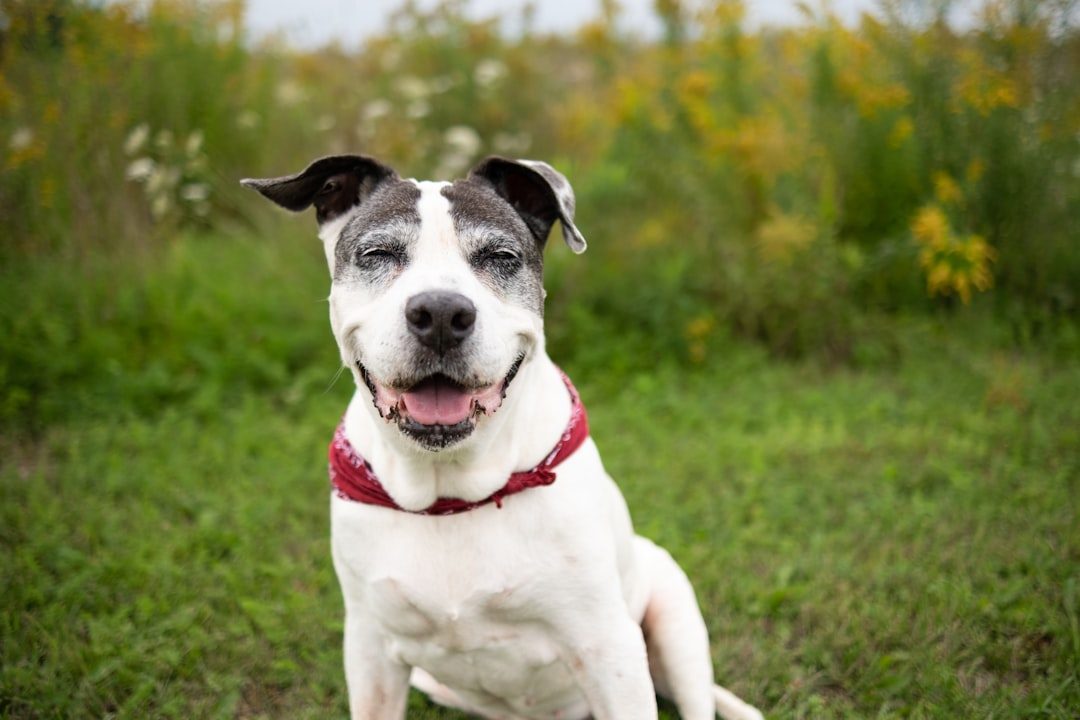
Improved veterinary care, better vaccines, and enhanced nutrition are helping dogs live significantly longer than they did just a few decades ago. The senior dog population is growing thanks to better nutrition, safer lifestyles, and improvements in preventive health care.
Dogs reach senior status when they’re in the final quarter of their expected lifespan – small breeds are considered senior around ten to eleven years old, while large and giant breeds reach senior status between five and eight years. With proper care including regular veterinary visits and preventive measures, the senior years can truly be some of the best years for dogs and their human companions.
Misconception #7: Senior Dogs Are Set in Their Ways and Resistant to Change
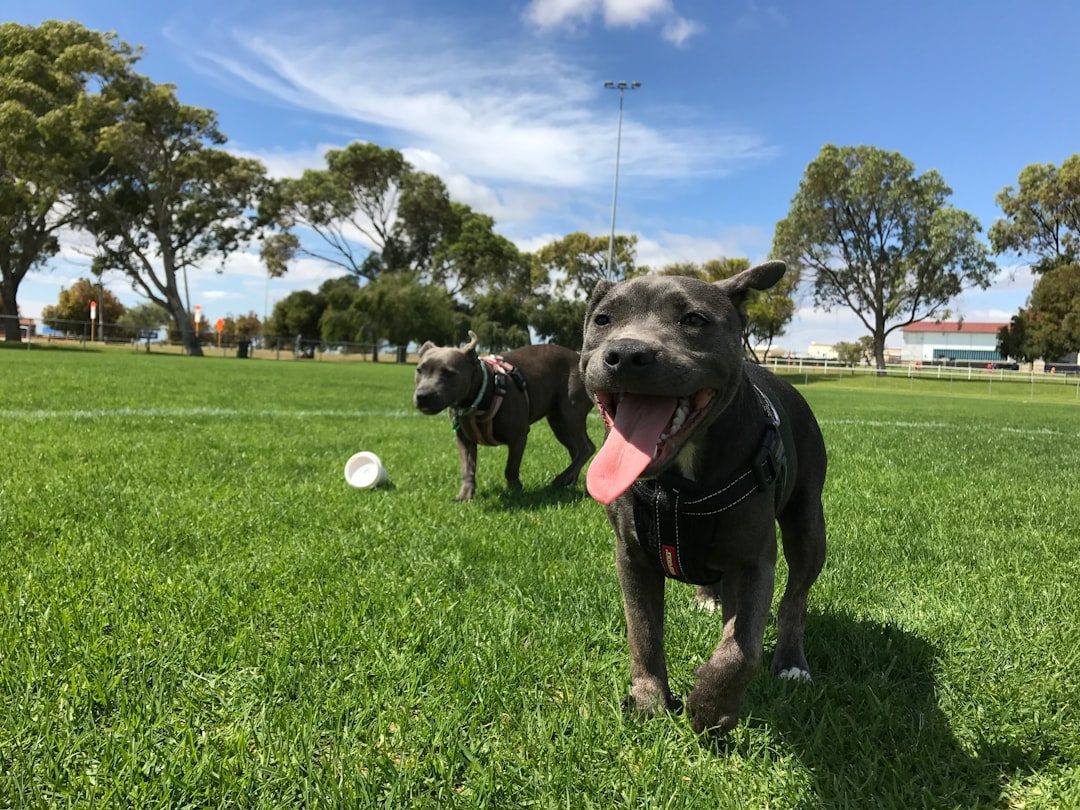
While senior dogs are creatures of habit and find stress and change more challenging than younger dogs, this doesn’t mean they can’t adapt to new situations or routines. Training remains an excellent way to keep aging minds active while providing one-on-one attention that senior dogs crave – you absolutely can teach old dogs new tricks!
Senior pets often show more willingness to learn new behaviors because they possess greater patience, focus, and valuable problem-solving skills gained through life experience. Training provides vital mental stimulation and strengthens the human-dog bond when sessions are kept short, positive, and low-pressure.
Truth #7: Senior Dogs Often Become More Affectionate and Bonded

Senior dogs develop a certain dignity and decorum as they age – they know who they are and how to act around people and other pets, often becoming calmer and more settled companions. Unlike their younger selves, senior dogs typically don’t have accidents in the house or destroy belongings, making them wonderfully well-behaved family members.
Many people in animal welfare know a secret – full-grown dogs are often much easier to bring home and integrate into households than puppies. Many dogs retain their playful nature throughout their lives and continue enjoying games and interaction regardless of their age.
Conclusion
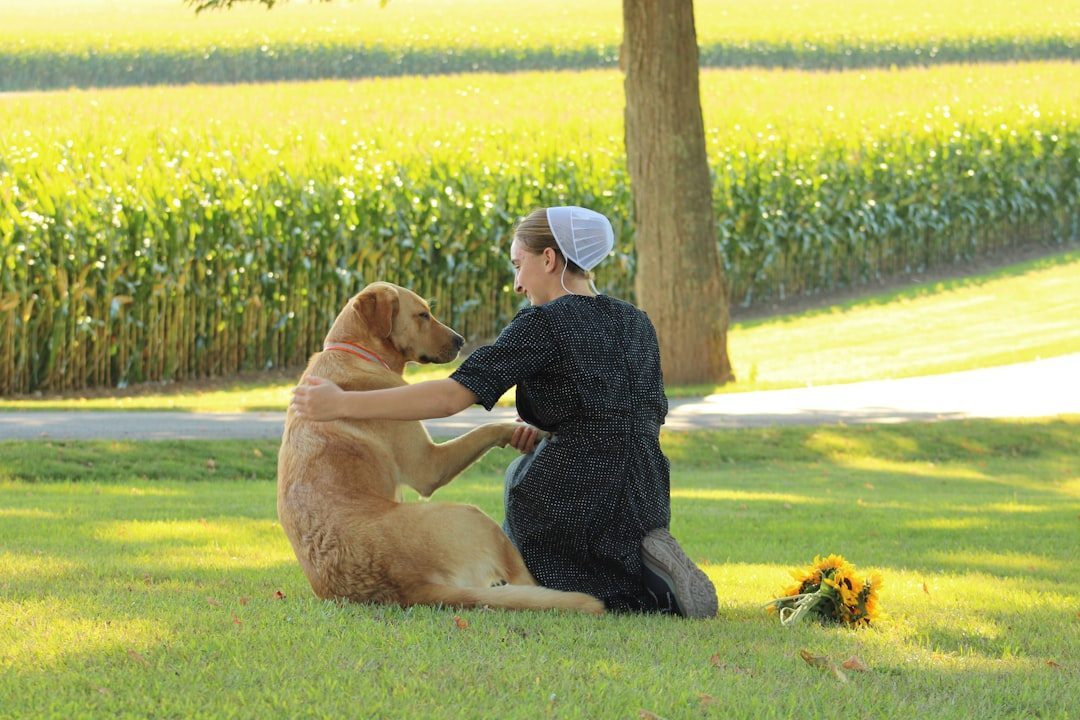
Understanding the truth about senior dogs helps us provide better care and appreciate the unique joys of sharing life with an older companion. These myths often prevent dogs from receiving the exercise, mental stimulation, and proper nutrition they need to thrive in their golden years.
Remember that every senior dog is an individual with unique needs and capabilities. Regular veterinary check-ups, appropriate exercise, proper nutrition, and plenty of love can help your gray-muzzled friend enjoy many more happy, healthy years by your side. What surprised you most about these senior dog truths?


