

You know that moment when your dog looks at you with those deep, soulful eyes and you feel like you could conquer the world together? That connection, that trust, that unshakeable bond is what makes living with a dog so incredibly special. Yet sometimes, without even realizing it, we chip away at that beautiful relationship through well-meaning but misguided training choices.
Training isn’t just about teaching your dog to sit or stay. It’s the language you build together, the foundation of mutual respect and understanding. When we get it wrong, we don’t just fail to teach a command. We risk damaging something far more precious: the very bond that makes our dogs want to work with us, trust us, and love us unconditionally. So let’s dive into the mistakes that might be quietly sabotaging your relationship with your best friend.
Repeating Commands Over and Over

You say “come” once, your dog ignores you, so you repeat it. Then again. Pretty soon, you’re chanting “come, come, come” like a desperate mantra, teaching your dog they don’t actually have to listen the first time.
Before you know it, your dog doesn’t pay attention until you’ve said the word five or six times, because you’ve accidentally taught them that the real cue is “come, come, come.” This pattern, called cue nagging, undermines your communication and makes your dog tune you out. Instead, say the cue once and wait. If your dog doesn’t respond, don’t keep repeating yourself. Get their attention first with their name or find another way to get them to do as you wish, then work on building your dog’s performance around distractions.
Think about it like this: if someone kept repeating instructions to you over and over, wouldn’t you start to feel nagged and tune them out? Dogs feel the same way. When you make yourself clear the first time and follow through consistently, you build respect. Your dog learns that your words matter, and that creates a much stronger working relationship than endless repetition ever could.
Using Anger, Yelling, or Physical Punishment

Let’s be real here. We all have frustrating moments with our dogs. They chew our favorite shoes, have accidents on the carpet, or pull like freight trains on the leash.
Yelling, screaming and throwing a temper tantrum will frighten most dogs, even if that anger isn’t directed at them personally, and if it is directed at them, it’s even more damaging. When you use a firm voice, yelling “NO!” and resorting to tough love, it can actually result in fear, aggression, anxiety, and even depression in your dog, damaging the bond and trust you share.
Dogs don’t realize what a mistake is because they run on instinct, and if the owner shows anger enough times, the dog won’t trust the owner and any bond that has been there previously might be fractured. When your dog is learning new patterns and behaviors, punishing them for not understanding creates confusion and fear. If you correct your dog’s mistakes with words like “No!” or any other aversive, they’ll fear getting it wrong and rather than actively participating in the training process, they’ll disengage and stop trying.
The science is clear on this one. Punishment is stressful for dogs, causing a rise in stress hormones that can cause a dog to become fearful or aggressive, and stress hormones may even interfere with learning. Choose calm, positive methods instead. Your dog will thank you by being more engaged, confident, and eager to learn.
Being Inconsistent With Rules and Commands
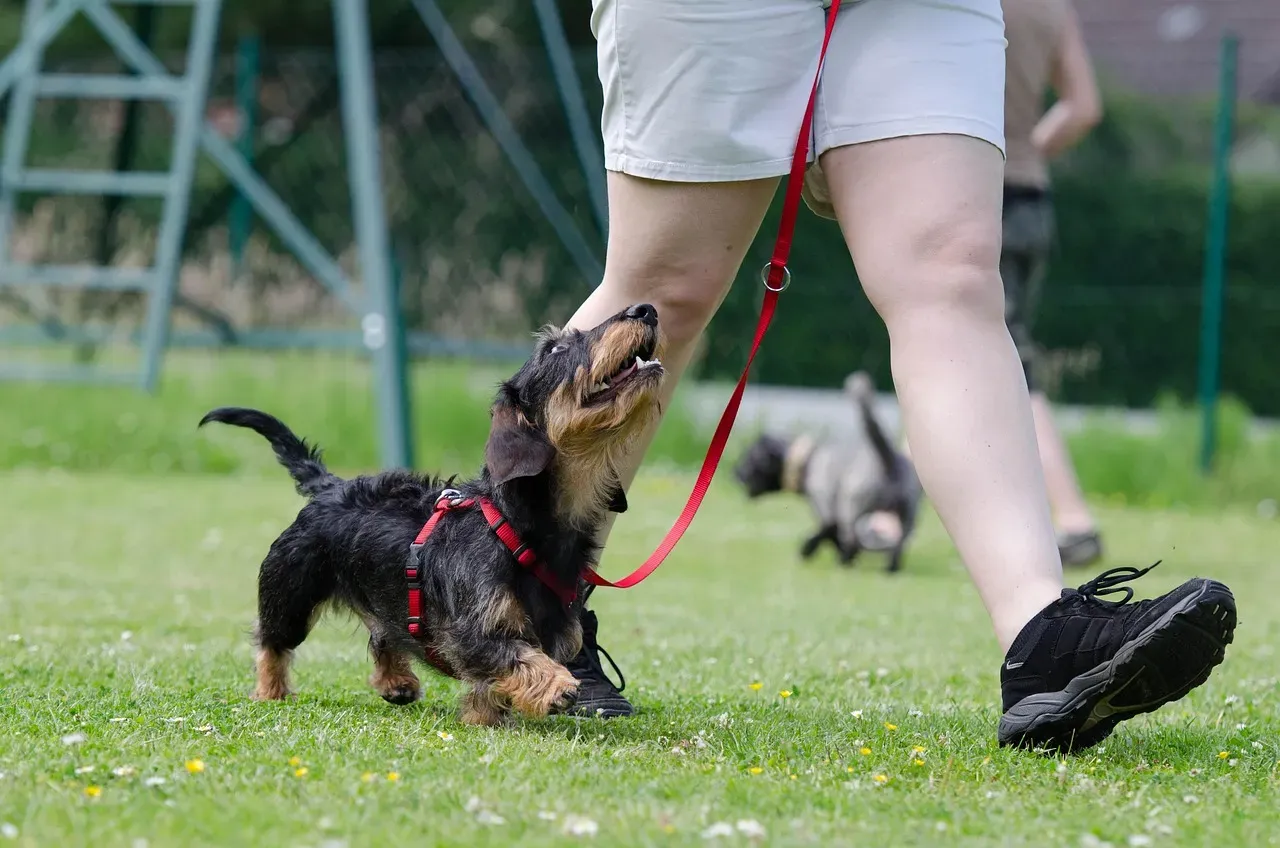
The number one rule of training dogs is always to be consistent, which is key when training vocal commands by always using the same commands each time.
Dogs aren’t mind readers. This one is easy to trip up because of the nuances of our language, as dogs don’t really understand variations in phrasing, so to them, ‘Sit’ and ‘Sit down’ could mean two completely different things. Imagine learning a foreign language where your teacher kept changing the words for the same action. Frustrating, right?
The same goes for household rules. If your dog can sleep on the couch on Monday but gets scolded for it on Wednesday, you’re creating confusion, not clarity. Simply being consistent with cues goes a long way toward alleviating problems that come from misunderstandings. When everyone in the household uses the same cues and enforces the same rules, your dog feels secure. They know what’s expected. That security builds trust, and trust is the foundation of your bond.
Poisoning Your Cues by Pairing Them With Unpleasant Experiences

Cue poisoning happens when you accidentally associate a cue or behavior with something your dog views negatively, so he stops responding, like when you’ve finally taught your dog “come,” but now you use it to summon them for a bath they hate.
You call him, he comes, and you proceed to bathe him, then the next day you ask your dog to come and he hesitates or maybe he doesn’t return at all. Your dog has learned that “come” might lead to something awful, so why would they respond enthusiastically? You’ve just poisoned that cue, possibly forever.
This mistake is surprisingly common. Maybe you call your dog to trim their nails, give them medicine, or end their fun at the park. Each time, you’re teaching them that coming to you might mean something unpleasant. If there’s something your dog really dislikes, avoid using cues in relation to that activity when you first start training, and once that cue has been reinforced, you might be able to get away with it, but not when he’s learning the cues. Go get your dog instead, or use a different word. Keep your recall cue precious by only associating it with wonderful things.
Training Sessions That Are Too Long or Too Infrequent

Dogs don’t have very long attention spans except when it comes to food, as your dog may lose interest in his lesson after about ten minutes, so it’s better to do multiple brief sessions than bore him with long classes.
You’ll want to aim for about five to 15 minutes at a time, and work on training at least a few times a week. Marathon training sessions don’t create better-trained dogs. They create frustrated, checked-out dogs who start to dread training time. Short, frequent sessions keep things fun and fresh. Your dog stays engaged, learns faster, and actually looks forward to working with you.
Failing to practice between training classes is also a big mistake owners make, because practice makes perfect and it definitely applies to dog training. Think of training like learning to play an instrument. You can’t just take a lesson once a week and expect to master it without daily practice. Dogs need regular reinforcement of what they’ve learned, woven naturally into everyday life. That consistency creates habits, and habits create a well-trained, confident dog.
Skipping the Basics and Expecting Too Much Too Soon
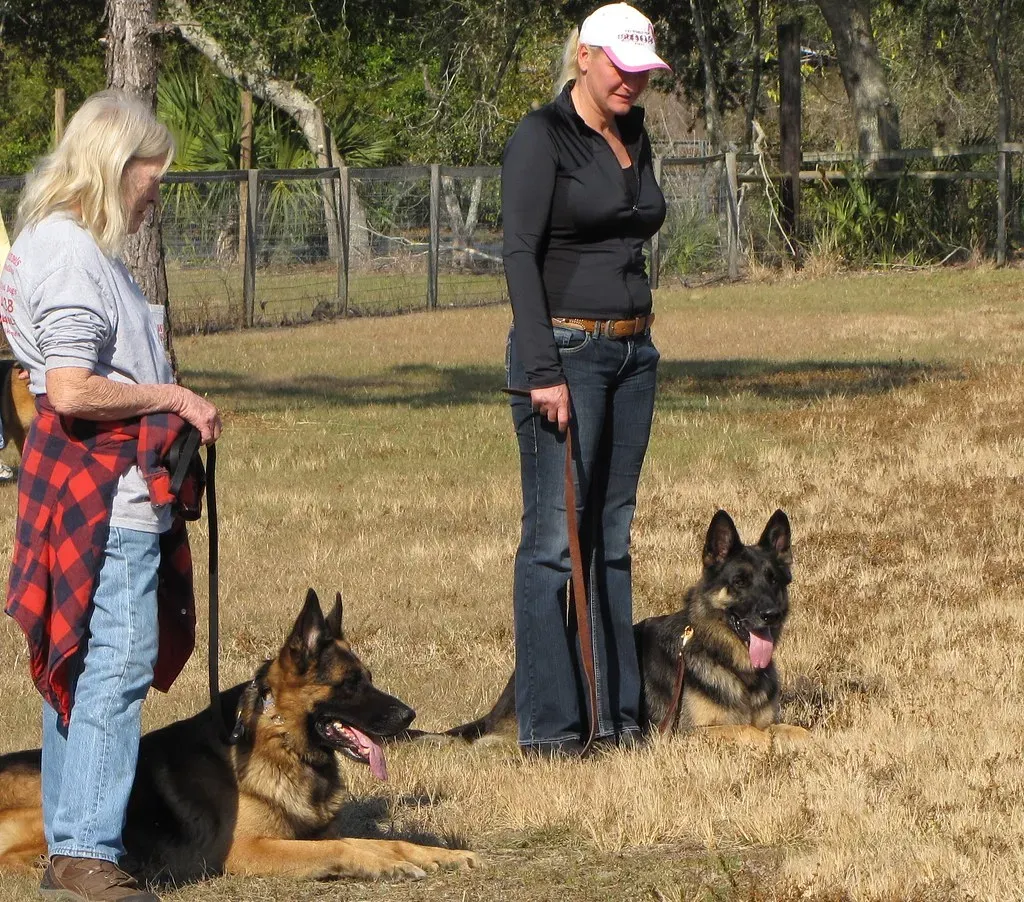
Trying to move to difficult behaviors too quickly is a common mistake, as you need your pup to learn how to lay down before they can, for example, roll over.
Asking for a behavior that’s too hard for a dog at a particular moment is very common, because even though many dogs are taught to do behaviors like sit, down, stay or come, they’re not always taught to do them in a fully fluent, generalized way. This means that even though a dog responds to a cue in a familiar environment, they may not be able to do so in other locations or situations, like a dog who can lie down at home but may not be able to do so while on a walk or when visitors come over.
Dogs don’t generalize well, so if you teach your dog to sit in the kitchen, they’ll think the cue means “sit in the kitchen,” and you need to train your dog in many different environments before they understand that their cues apply no matter where they are. Every time you move to a new location, go back to basics. Build gradually. Celebrate small victories. Your dog isn’t being stubborn or stupid. They’re just learning, and learning takes time, patience, and realistic expectations.
Forgetting to Make Training Rewarding and Fun
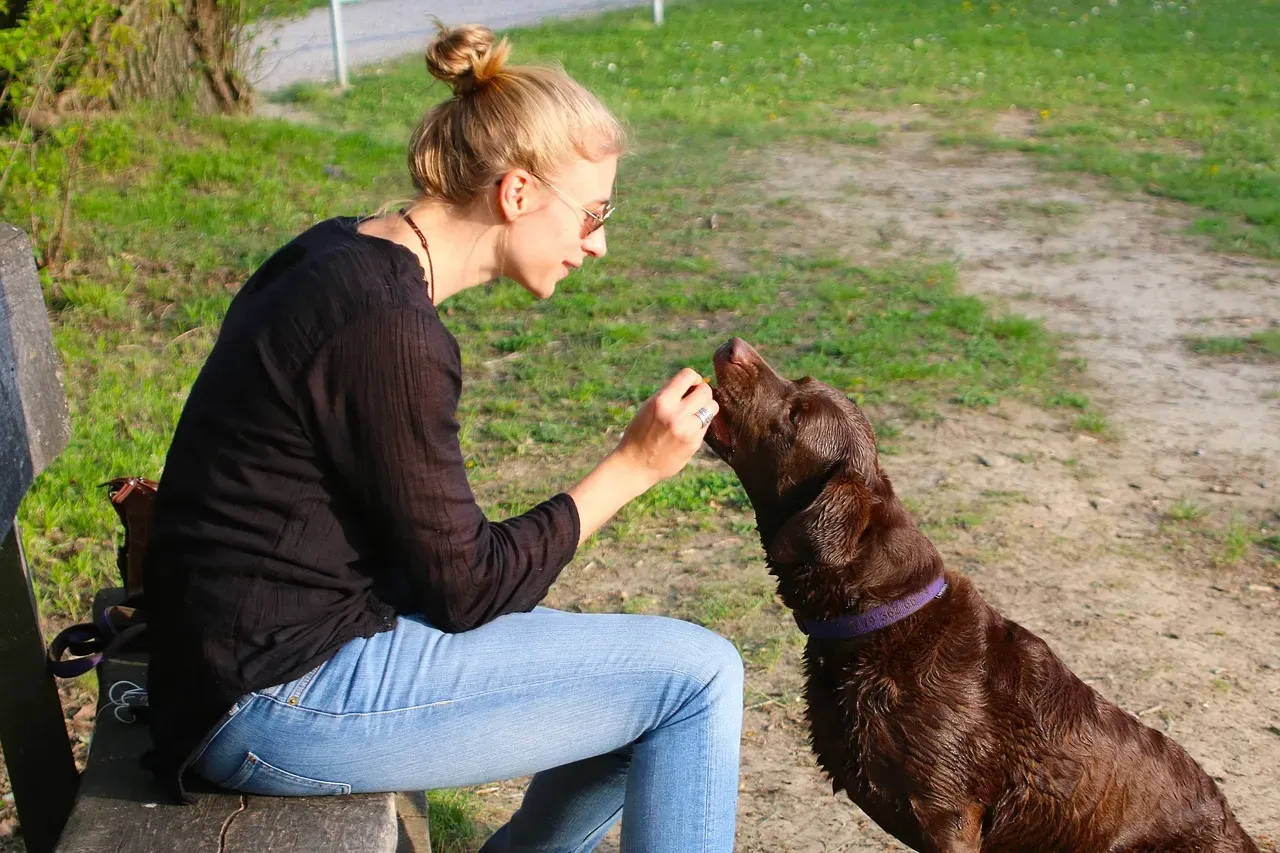
Too many people are stingy with rewards or won’t use anything but praise, but behaviors that are reinforced are repeated, so don’t be tightfisted with the treats, praise, games of fetch, or whatever you use to reward your dog.
That will foster a love of training in your dog and make listening to you worthwhile. Would you go to work if you stopped getting paid? Neither would your dog. Generous, timely rewards tell your dog, “Yes! That’s exactly what I wanted!” Especially in the beginning, you want to quickly praise correct behavior while they are in the act, and as soon as your dog diverts their attention from a treat on the ground while teaching “leave it,” you must reward instantly, as timing your praise helps your dog understand exactly what they’re being rewarded for.
With positive reinforcement, the anticipation of a reward motivates a dog to learn and helps to build a better relationship between dog and owner. Research shows that owners who used only positive reinforcement training had dogs who were the least likely to display problem behaviors like attention-seeking, fear, and aggression, while owners who used punishment were more likely to have dogs who had trouble with both aggression and fearful behavior. Training should be something your dog loves, not dreads. When it’s fun, engaging, and rewarding, your dog becomes an enthusiastic partner rather than a reluctant participant.
Conclusion
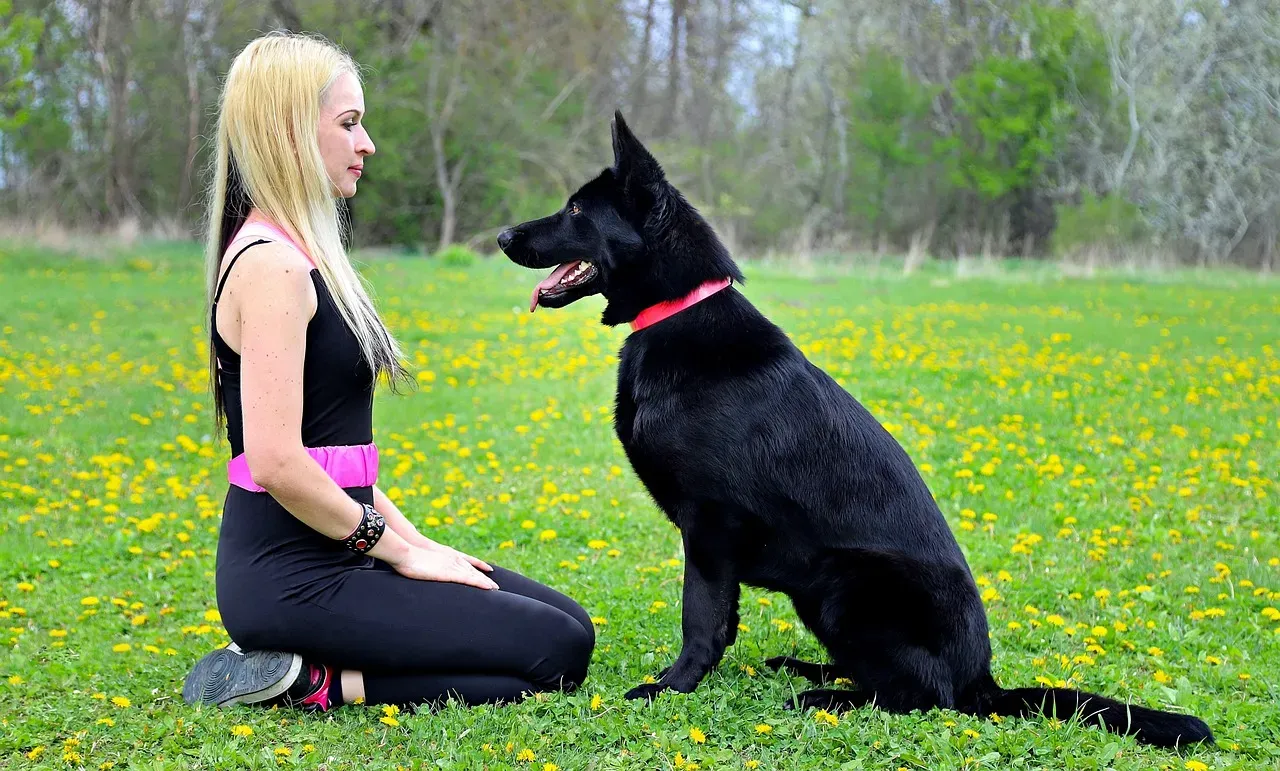
Training your dog shouldn’t feel like a battle. It should be a conversation, a dance, a partnership built on trust and mutual understanding. These seven mistakes might seem small in the moment, but they accumulate over time, eroding the very foundation of your relationship.
The beautiful truth is that every interaction with your dog is an opportunity to strengthen your bond or weaken it. When you avoid these common pitfalls and instead choose patience, consistency, clarity, and kindness, you’re not just training a better-behaved dog. You’re building a relationship that will bring you both joy for years to come. Your dog wants to understand you, wants to please you, wants to be your partner in this life you share together.
So tell us, which of these mistakes surprised you the most? Have you noticed any of these patterns in your own training? Share your experiences in the comments below.


