
So, you’re thinking about expanding your furry family. Maybe you’re picturing your loyal companion getting a playmate, or perhaps you’ve already fallen in love with another set of sweet puppy eyes at the shelter. Whatever your reason, bringing a new pet into a home with an existing dog is both thrilling and delicate work. Here’s the thing: it can go beautifully, or it can unravel faster than you can say “Who ate the couch?”
The difference often lies in those first few critical hours and days. I’ve seen too many well-meaning owners rush this process, thinking love will simply bloom between two animals because, well, dogs are social creatures, right? Sometimes yes. Sometimes absolutely not. The truth is, even the friendliest dogs need time, space, and a thoughtful introduction to feel comfortable sharing their world with a newcomer.
Rushing The First Meeting At Home

Picture this: you bring your new dog through the front door, set them down in the living room, and let both dogs figure it out. It sounds logical enough, yet this is one of the fastest ways to spark tension or outright conflict.
If you bring a new dog into your home before it has been introduced to your current dog(s) there could be territorial behavior that develops into aggression. Your resident dog views your home as their territory. Suddenly having a stranger waltz in can feel like an invasion, not an invitation. To do so, start at a neutral location. Walk home with the dogs together and act as though nothing has changed.
Even a typically calm dog can become defensive when their personal space is breached without warning. Meeting outside first, in a park or quiet street where neither dog feels ownership, helps both animals interact without the pressure of defending turf. Let them sniff the air, walk parallel to each other, and build curiosity instead of confrontation.
Skipping The Neutral Territory Introduction
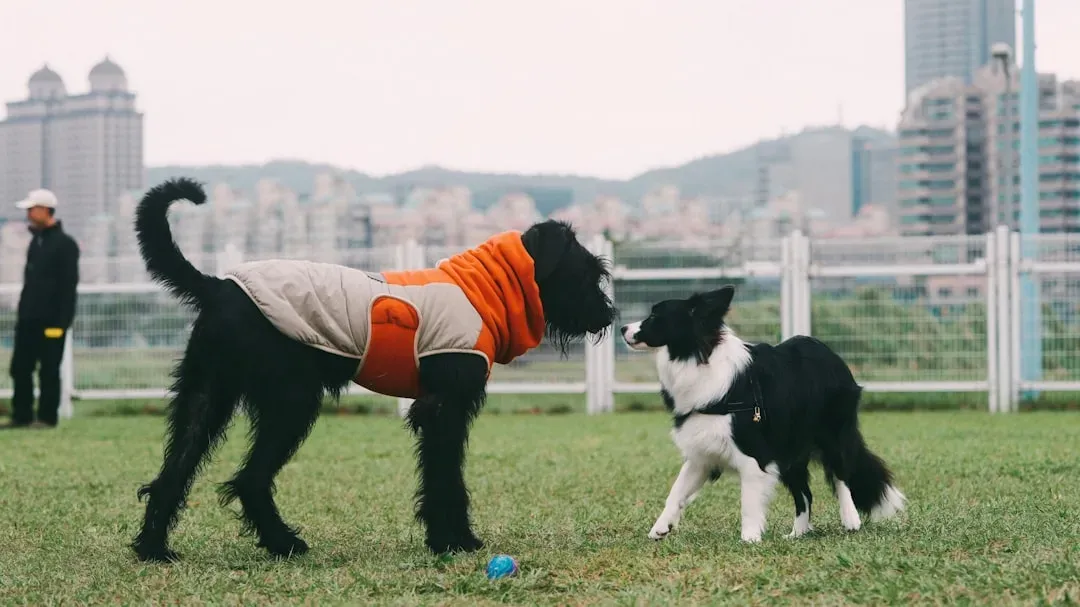
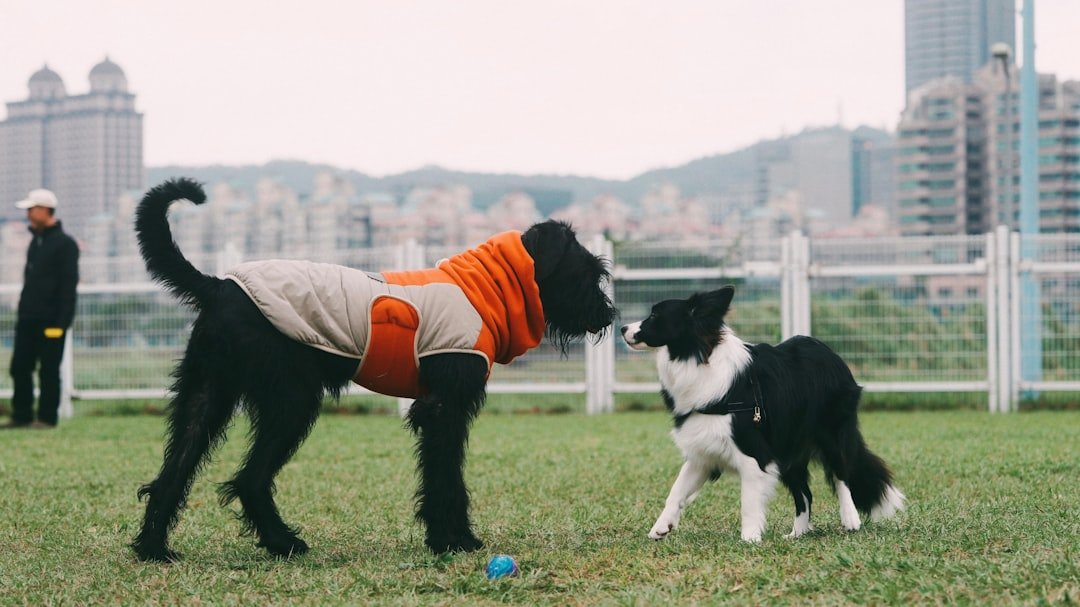
The meeting should be in a neutral environment like a park. It’s best to avoid introducing the dogs in the house – or even in the yard – where the resident dog may become territorial. Honestly, I can’t stress this enough. Your backyard might seem like neutral ground, yet to your dog it’s an extension of their domain.
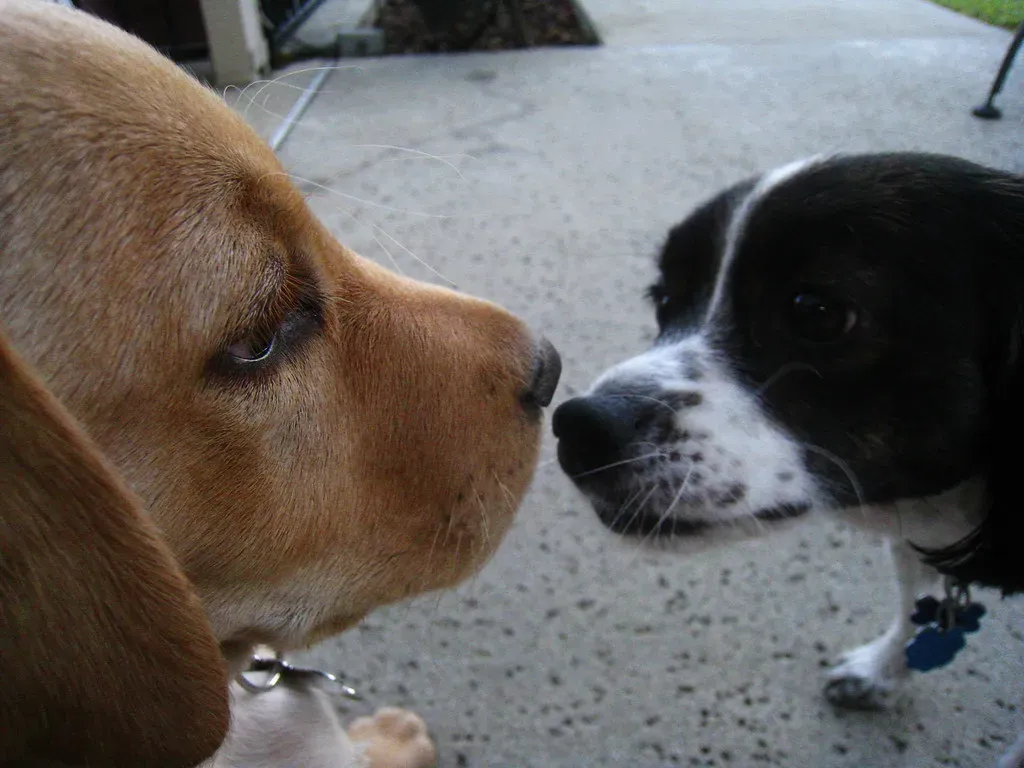
The best first meetings happen on sidewalks, in parks, or even in a friend’s driveway. Both dogs should be leashed but given enough slack to move naturally. Human escorts must keep the leashes slack so the dogs don’t feel as if they’re being held back. Tense leashes create tense dogs. Walk them side by side, let them observe one another from a distance, and gradually allow closer interaction as their body language softens.
Watch for loose, wiggly movement, soft eyes, and relaxed mouths. Those are green lights. Stiff bodies, hard stares, or raised hackles? Time to create more distance and slow things way down.
Leaving Them Alone Together Too Soon

You’ve had a lovely first walk. Both dogs seemed friendly, maybe even playful. So you head to work the next day and leave them loose in the house together. What could go wrong?
Well, plenty. It is best not to leave two newly introduced dogs alone before they have become acquainted and the new dog is at least somewhat comfortable in his new home. Even dogs who seem to get along beautifully in the first moments can have disagreements over toys, food, or simply personal space once the novelty wears off.
Keep the dogs’ interactions closely supervised for the first two weeks, until both dogs are fully accustomed to each other. Avoid leaving the dogs alone together until you’re sure they’re comfortable with each other. Use crates, baby gates, or separate rooms when you can’t watch them directly. It’s not about being overly cautious – it’s about being smart and giving both dogs time to build trust at their own pace.
Forcing Food And Resources To Be Shared
Food is serious business in the canine world. So are favorite toys, cozy beds, and access to you. Expecting two dogs, especially newly acquainted ones, to happily share these high-value items is asking for trouble.
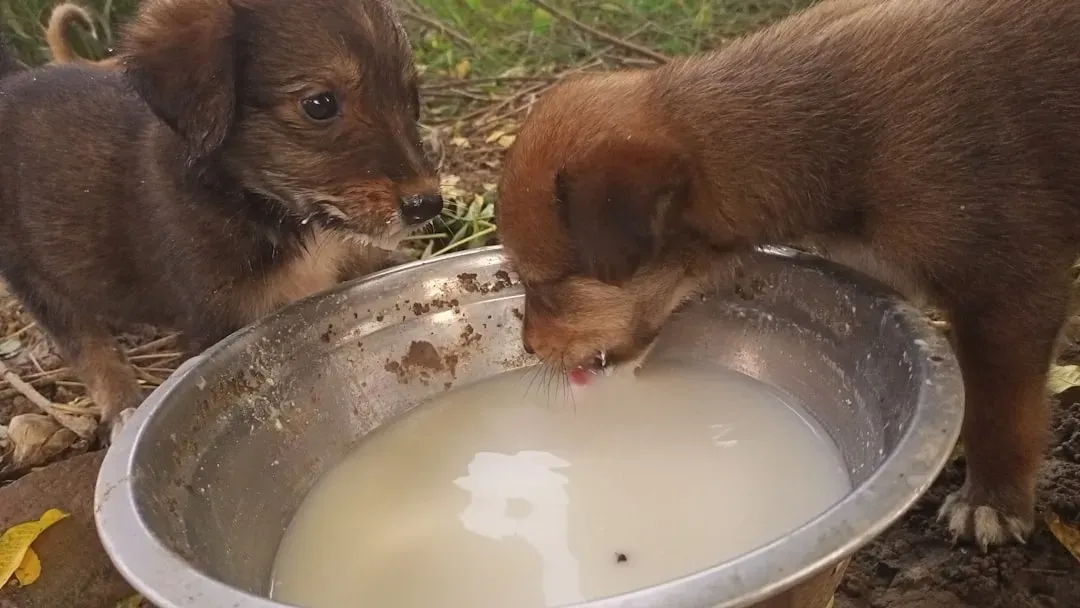
Always plan to feed the dogs in separate rooms, dogs may fight over food and separation allows each dog to eat without anxiety about the other dog. Even if your resident dog has never shown possessive behavior before, the presence of another animal can awaken guarding instincts. The same goes for toys and water bowls.
Set up separate feeding stations in different rooms. Provide multiple water bowls throughout the house. There should be more than one water bowl and more than one comfortable place to lie down. There should be plenty of toys, especially of kinds your dog likes, so that there’s no reason for the dogs to have a conflict over access to them. Creating an environment of plenty removes unnecessary competition and helps both dogs feel secure.
Ignoring Compatibility And Energy Levels
It’s tempting to adopt based on your own preferences – maybe you’ve always dreamed of having a high-energy Border Collie or a tiny, feisty terrier. The problem? Your senior Labrador with arthritis might not share your enthusiasm.
For example, try not to bring a very active young dog into a home with an older dog who already has health problems such as osteoarthritis. Mismatched energy levels can lead to constant stress for both animals. The older dog becomes exhausted and irritated, while the younger one feels frustrated and under-stimulated.
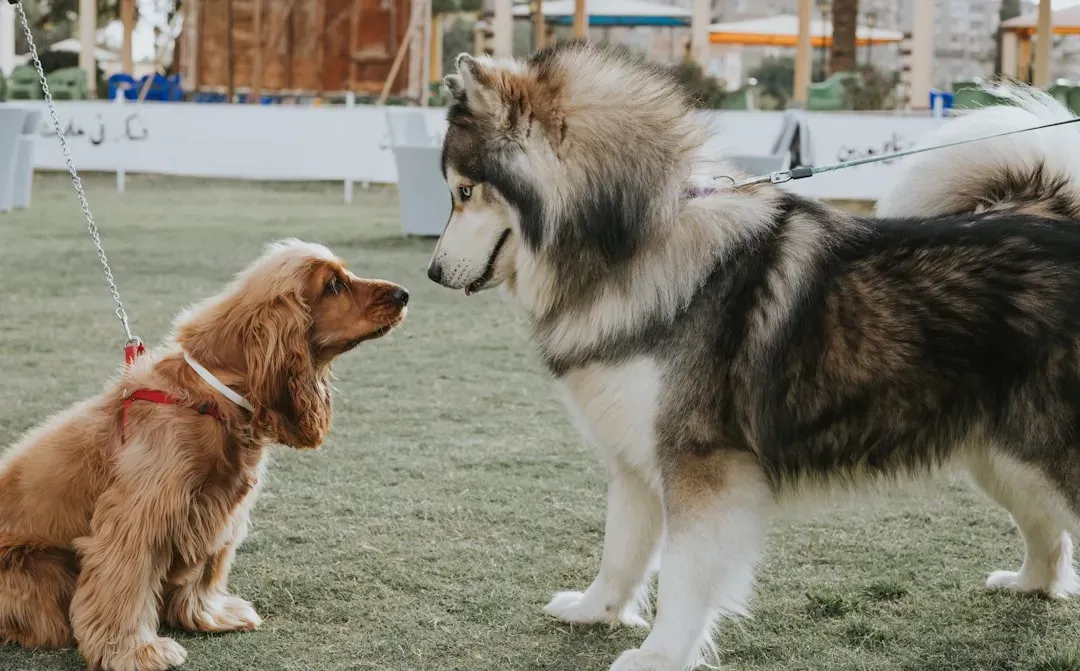
Many folks decide to bring in a second dog as a friend for their first, only to discover that the two don’t get along, if not because of outright aggression then simply because one is more active, plays more roughly, has different standards in terms of personal body space, or other related issues. In fact, I have worked with many families whose first dog would most certainly have preferred to remain the only dog, says one behavior professional. Think carefully about temperament, play styles, and whether your current dog even wants a companion. Not all dogs do.
Neglecting Your Resident Dog’s Emotional Needs

The excitement of a new pet can make it easy to shower all your attention on the adorable newcomer. Meanwhile, your longtime companion watches from the sidelines, feeling replaced and confused. This emotional neglect can breed resentment and behavioral issues faster than you’d expect.
Your resident dog needs reassurance that they still matter, that their place in your heart and home hasn’t been diminished. Continue their normal routines – same feeding times, same walks, same bedtime rituals. Give them one-on-one attention away from the new pet. Let them know they’re still your number one.
Reinforce calm, positive behavior from both dogs with treats and praise. Never punish your resident dog for being uncertain or grumpy about the newcomer. They’re adjusting too, and their feelings are valid. Patience and empathy go a long way in helping everyone settle into the new family dynamic.
Not Recognizing Warning Signs And Body Language
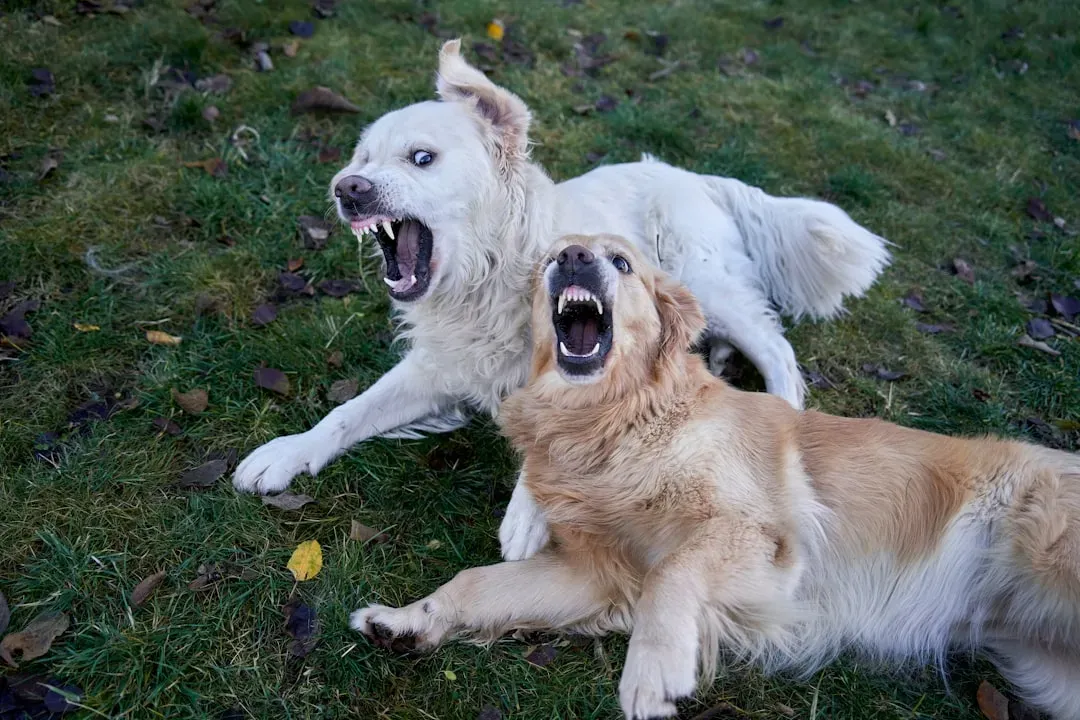
Dogs communicate constantly through their bodies, yet so many of us miss the signals until it’s too late. A stiff posture, whale eye (when you see the whites of their eyes), a tucked tail, or a low growl are all ways dogs say “I’m uncomfortable” long before a snap or bite occurs.
Be on the lookout for signs either dog is anxious or uncomfortable, such as growling, snapping, showing teeth, back-hunching, long stares and raised fur. If your dog displays these signs, be ready to distract or separate the dogs to avoid conflict and continue monitoring their interactions. Learning to read these cues is essential.
On the flip side, positive body language includes loose, wiggly movements, play bows, soft eye contact, and relaxed mouths. When you see tension building – bodies going rigid, direct staring, or sudden stillness – intervene gently. Create distance, redirect attention, and give both dogs a break. Punishment should be avoided. The dog-dog relationship will not be improved if you scold, punish, or hold down a dog as punishment; in fact, you may make it worse by punishing the dog for signaling and communicating its aggressive intentions.
Conclusion: Building A Foundation Of Trust And Respect
Introducing a new pet into your home isn’t a one-day event. It’s a gradual process that requires observation, patience, and genuine respect for both animals’ comfort levels. The mistakes we’ve covered – rushing introductions, ignoring compatibility, sharing resources too soon – can all be avoided with thoughtfulness and preparation.
Remember, your resident dog didn’t ask for a new housemate. They deserve time to adjust, and so does the newcomer. Taking things slow, staying attentive to body language, and maintaining routines can transform what could be a stressful situation into a harmonious multi-dog household. Some dogs will become inseparable best friends. Others will simply coexist peacefully, and that’s perfectly okay too.
The goal isn’t perfection. It’s creating a safe, comfortable environment where every pet feels valued and secure. So what do you think – have you made any of these mistakes, or are you feeling more confident about your upcoming introduction? Either way, trust your instincts and take it one paw step at a time.


