
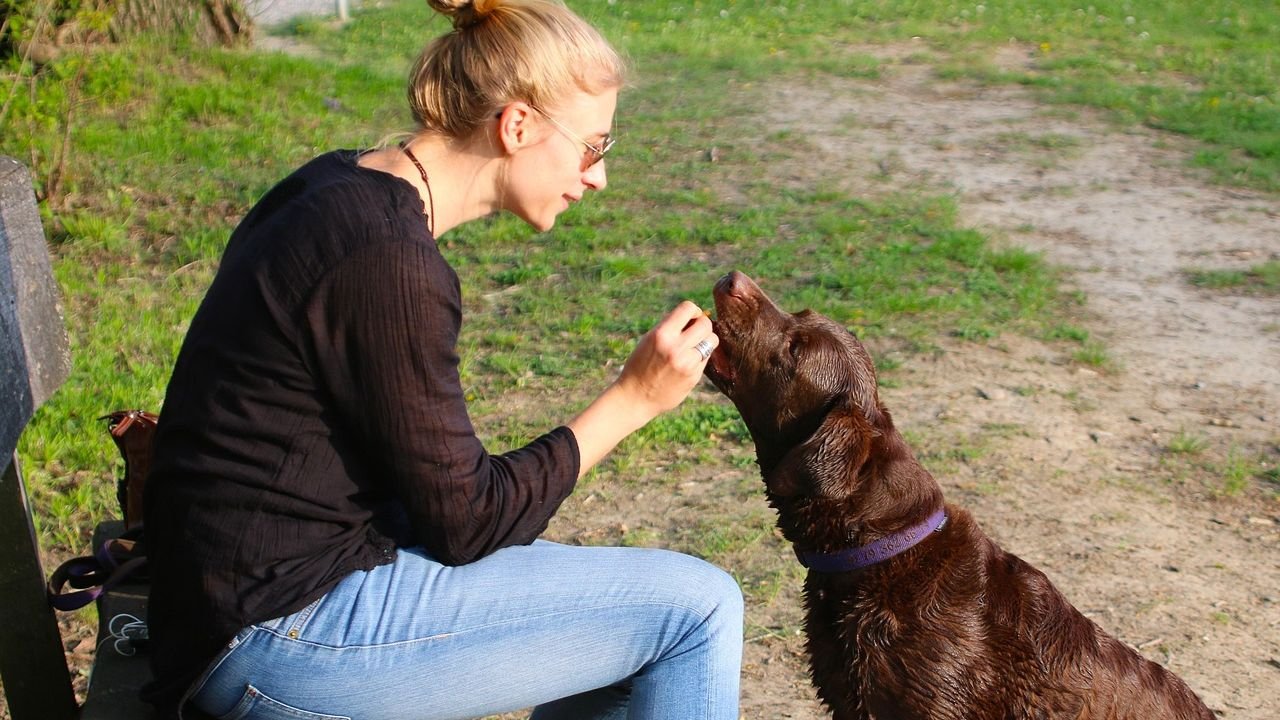
You’ve tried everything. You’ve watched the videos, bought the treats, practiced the commands, and yet your dog looks at you with those big, gorgeous eyes and does absolutely nothing. Sound familiar? Here’s the thing – it’s probably not your dog’s fault. In fact, most dogs labeled as “stubborn” aren’t actually being difficult on purpose.
It’s easy to train a so-called stubborn dog, because most dogs are not actually stubborn – they are either scared, distracted, or confused. The real question is: what are we, as loving dog parents, accidentally doing to create that resistance? The answers might genuinely surprise you. Let’s dive in.
Mistake #1: Repeating Commands Over and Over Again
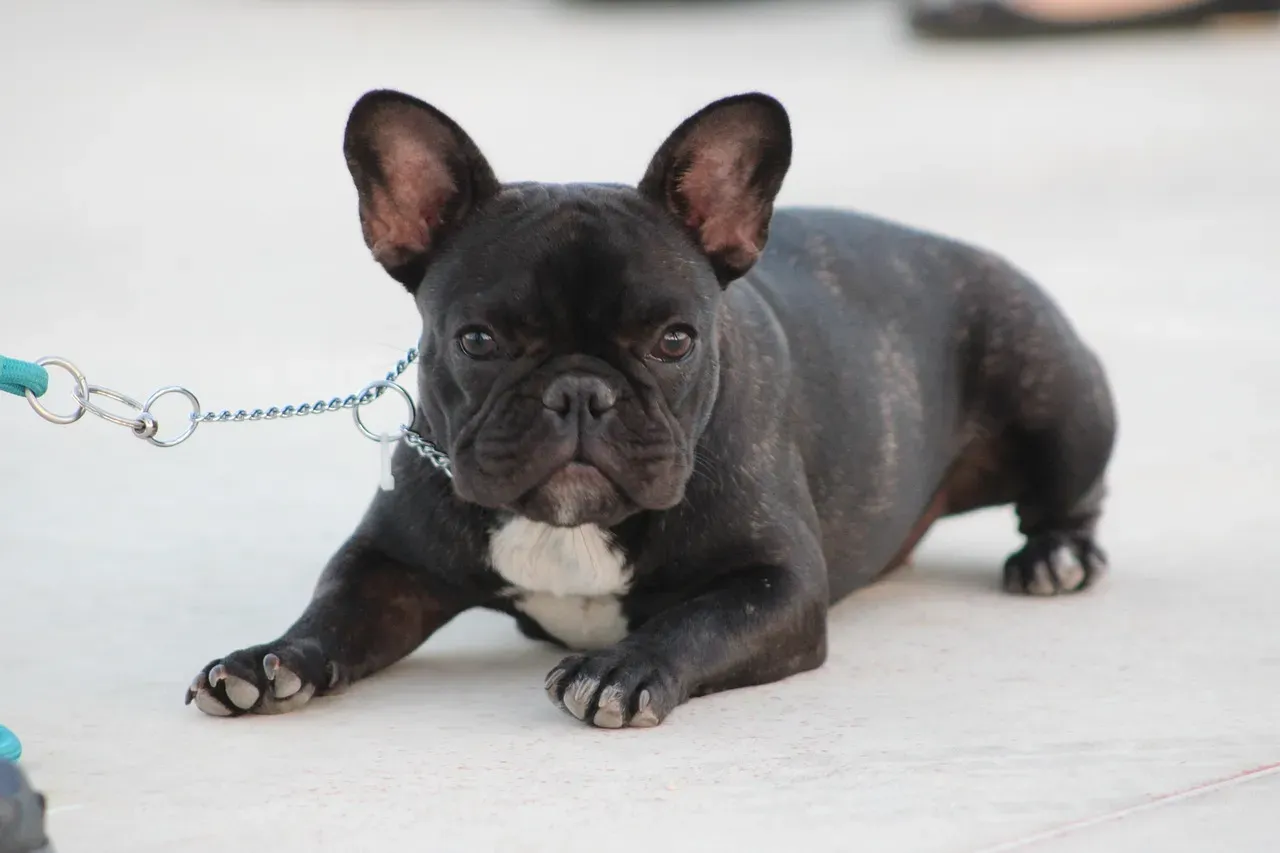
Picture this – you’re at the park, your dog spots a squirrel, and you say “come… come… COME!” with increasing desperation. I’ve been there, and honestly, it’s exhausting for everyone involved. It’s tempting to repeat a cue if your dog doesn’t respond immediately, but this cue nagging only teaches your dog they don’t have to listen the first time. Even worse, they’ll think the cue is actually “come, come, come” and won’t do anything if they hear the word said only once.
The fix is simpler than you think. This is a very common mistake – saying the cue more than once. Instead, just say the cue once and wait to see what the dog does. If they sit, even if they are a bit slow, give them the reward. If they don’t sit, they don’t get it. One clear word. One calm pause. That’s the whole strategy – and it works.
Mistake #2: Training in Only One Location
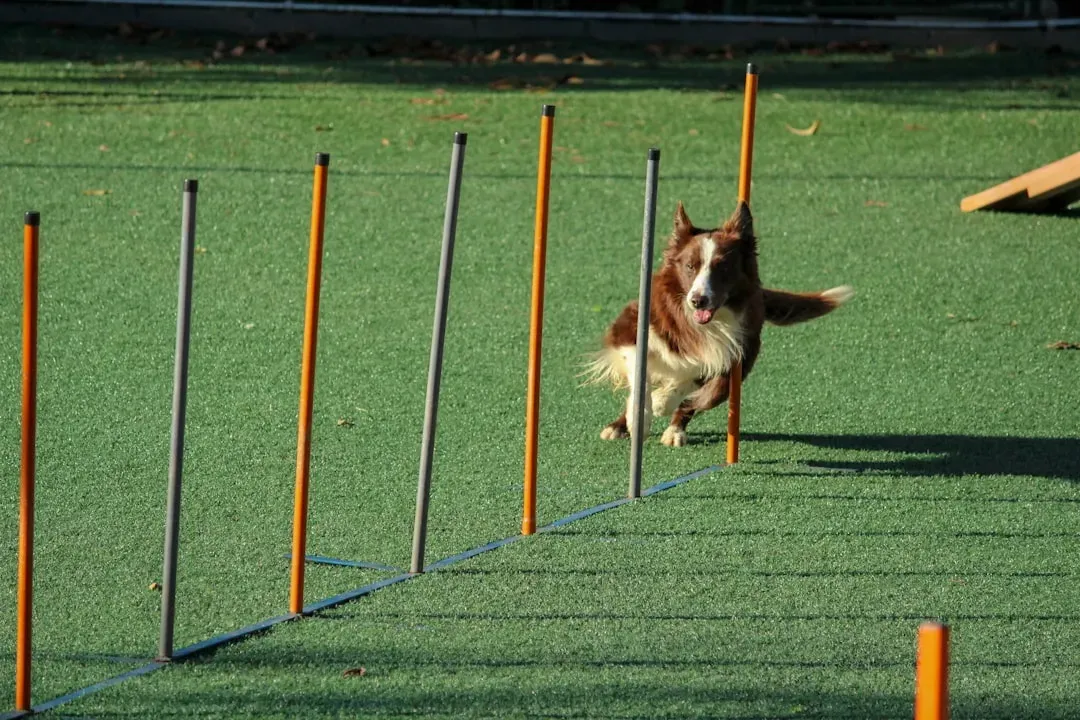
You’ve spent two full weeks teaching your dog to “stay” in your living room. You’re proud, your dog is nailing it – until you get to the front yard and they act like they’ve never heard the word before. Dogs don’t generalize well. That means if you teach your dog to sit in the kitchen, they’ll think the cue means “sit in the kitchen.” You need to train your dog in many different environments before they understand that their cues apply no matter where they are. Every time you move to a new location, go back to basics so your dog doesn’t become confused or frustrated.
Think of it like this – teaching a skill in one room is like studying for an exam only using one color of pen. The knowledge is fragile. Teaching recall to a “stubborn” dog is a common struggle. If your dog doesn’t understand how to come when called in the quiet house, you can’t expect them to do it outside when there are exciting temptations nearby. You need to train your dog to ignore distractions by building from the smallest to the most exciting, one baby step at a time.
Mistake #3: Training When You’re Stressed or Frustrated

Here’s something that took me a while to fully accept – your dog can read you like a book. It’s important to maintain an upbeat attitude because dogs can read human emotions. If your dog thinks you’re angry or stressed, they’ll shut down and stop learning. Although this often looks like your dog being stubborn or ignoring you, they’re simply reacting to your negative mood.
So if you’ve had a brutal day at work and you drag yourself to that training session anyway, your dog already knows something’s off. If you are in a bad mood, feeling really frustrated, or something worrying has happened, your dog will know that something is up. This is not the time to dive into a training session. You run the risk of confusing your dog, losing your temper, and getting it all wrong. Skip the session, have a cuddle instead, and come back tomorrow refreshed.
Mistake #4: Being Stingy With Rewards
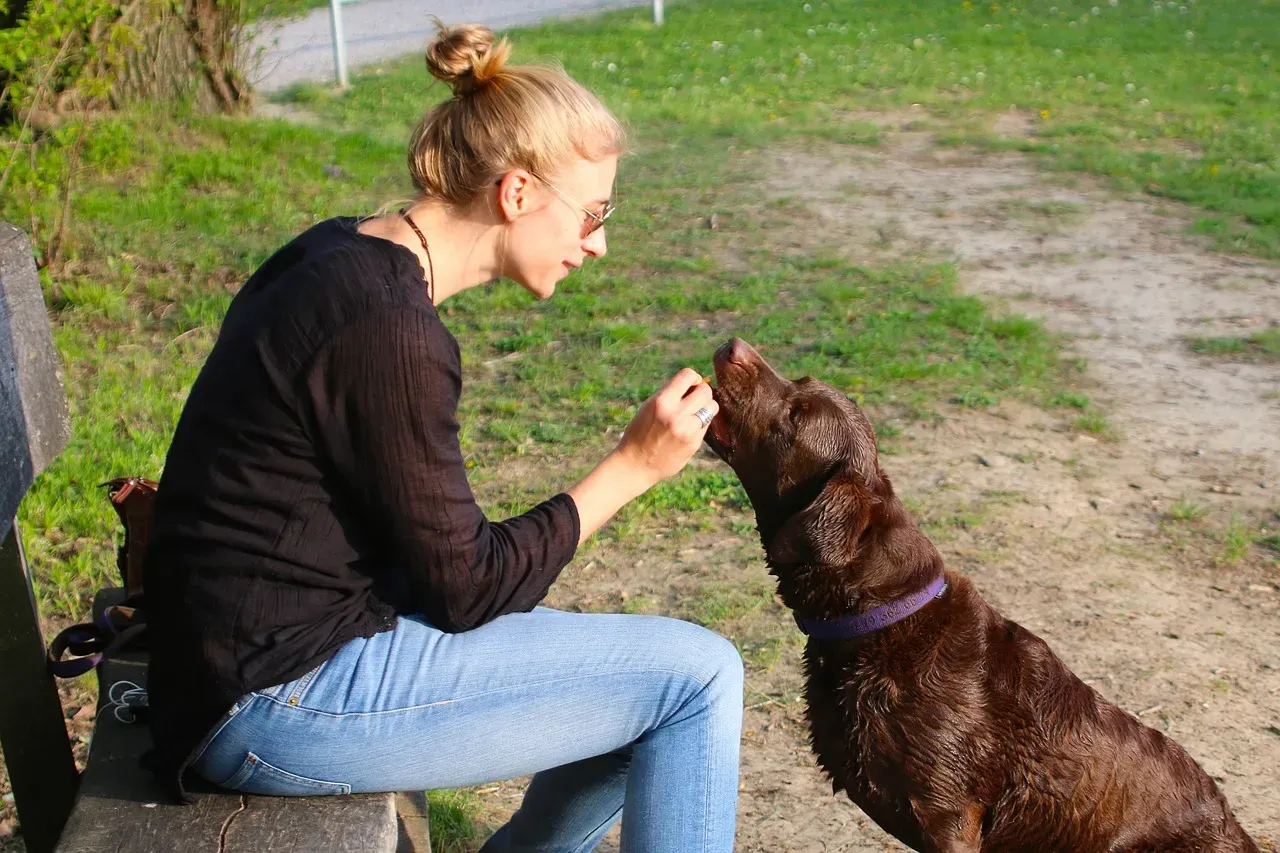
Let’s be real – would you show up to work every single day if your paycheck was just a “Good job!” and a pat on the back? Probably not. Too many people are stingy with rewards or won’t use anything but praise. But behaviors that are reinforced are repeated, so don’t be tightfisted with the treats, praise, games of fetch, or whatever you use to reward your dog.
Timing matters enormously too, and this part trips up even experienced owners. Rewards and corrections need to happen within seconds of the behavior you’re addressing. Praise too late, and your dog won’t connect it to what they just did right. Keep training treats handy and practice your own timing during short, frequent training sessions – a few minutes a day goes a long way.
Mistake #5: Accidentally Poisoning Your Cues
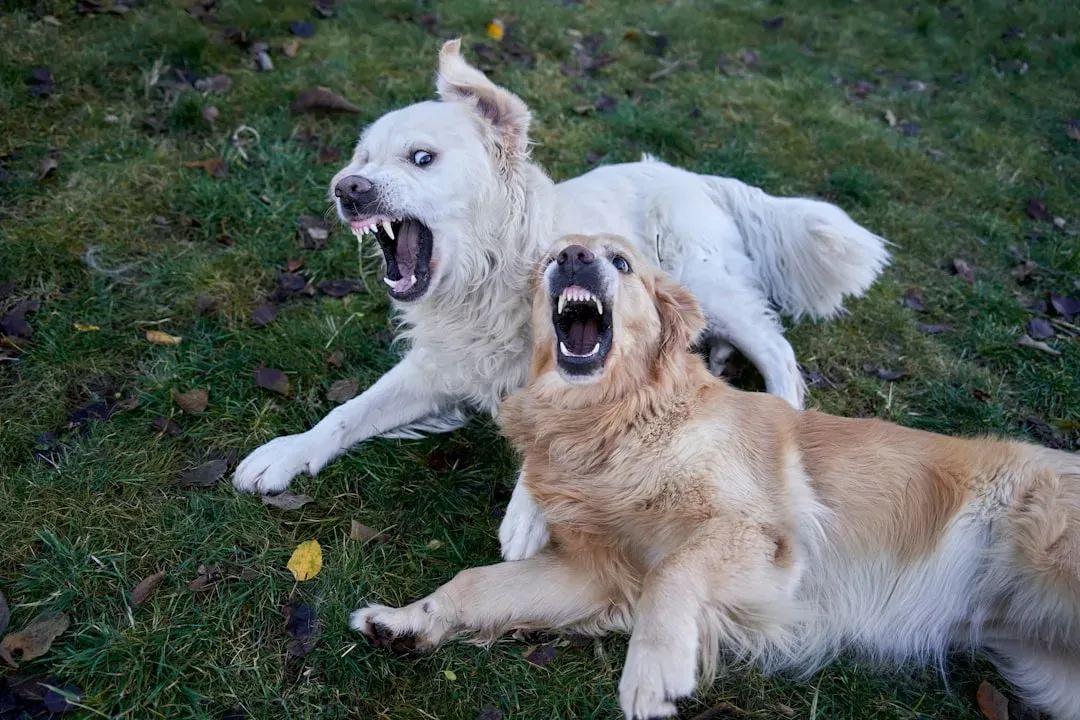
This one is sneaky and catches so many dog parents off guard. You teach your dog to come when called – huge win! Then one afternoon you call them over to give them a bath, which they absolutely despise. Suddenly, “come” is no longer a fun invitation. Poisoning of cues is a trap that many first-time trainers fall into. This is when you accidentally associate a cue or behavior with something your dog views negatively, so he stops responding. For example, you’ve finally taught your dog “come,” but now you use it to summon them for a bath – something he hates. You call him, he comes, and you proceed to bathe him. The next day, you ask your dog to come, and he hesitates – maybe he doesn’t return at all.
Prevention is everything here. Be careful not to poison the cues you are using – this can happen if you accidentally associate a cue with something unpleasant to your dog. For example, if you are calling your dog to come to you and then you plonk him in a bath which he hates, he will think twice about coming the next time you call! Try to think in advance about how your dog will feel and use a different cue or go to him. Small tweak, enormous difference.
Mistake #6: Using Fear or Harsh Corrections
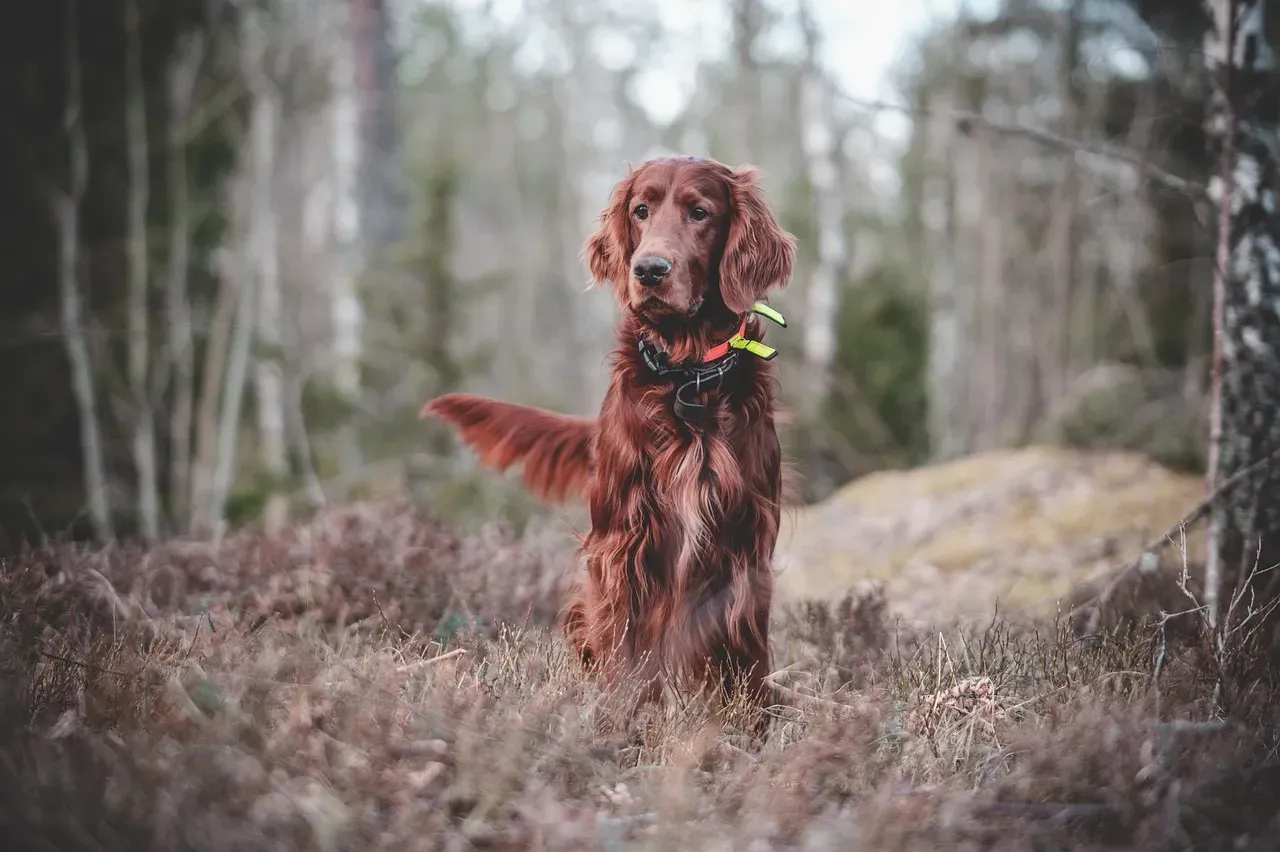
This is probably the hardest truth in this entire article, so please hear it with love. When training gets tough, it can feel instinctive to raise your voice, correct harshly, or reach for punitive tools. It feels like control. It isn’t. The more you use harsh methods or get angry or frustrated, the more your dog shuts down, resists, or disengages, which ultimately makes him look more “stubborn.”
The science here is also pretty clear. Some studies have compared training at dog training schools that use aversive methods to schools that use only positive reinforcement. One study found that dogs trained with rewards only are more optimistic, while another found that if people use aversive methods, their dog is less likely to have a secure attachment to their owner. More optimistic, more attached, more responsive. That’s the dog we all want.
Mistake #7: Ignoring the Possibility of a Health Issue

Sometimes what looks like stubbornness is actually your dog telling you something is very wrong. This is the mistake that breaks my heart the most, because it goes unnoticed for far too long. A dog who is refusing to sit may do so because sitting causes pain in their knees or hips. A dog who stops responding to your recall in noisy environments may be suffering from hearing loss. An older dog who stops responding and appears confused may be experiencing some form of cognitive decline. A dog who appears sluggish and slow to respond may be suffering from low thyroid levels. A dog who lacks motivation and isn’t interested in treats may be suffering from oral or gastrointestinal discomfort.
It’s hard to say for sure without a professional assessment, which is exactly why a vet visit should always be your first stop when behavior suddenly shifts. There are times when you need to make a trip to the vet. In particular, if a previously house-trained dog has started to soil in the house, or if there’s a sudden change in behaviour, you need to see your vet in case there is a medical cause. For a very fearful and anxious dog, or a dog with separation anxiety, a vet visit can also help. Your dog can’t use words – their behavior is their voice.
Conclusion: Your Dog Isn’t Stubborn. They’re Waiting for You to Understand Them.
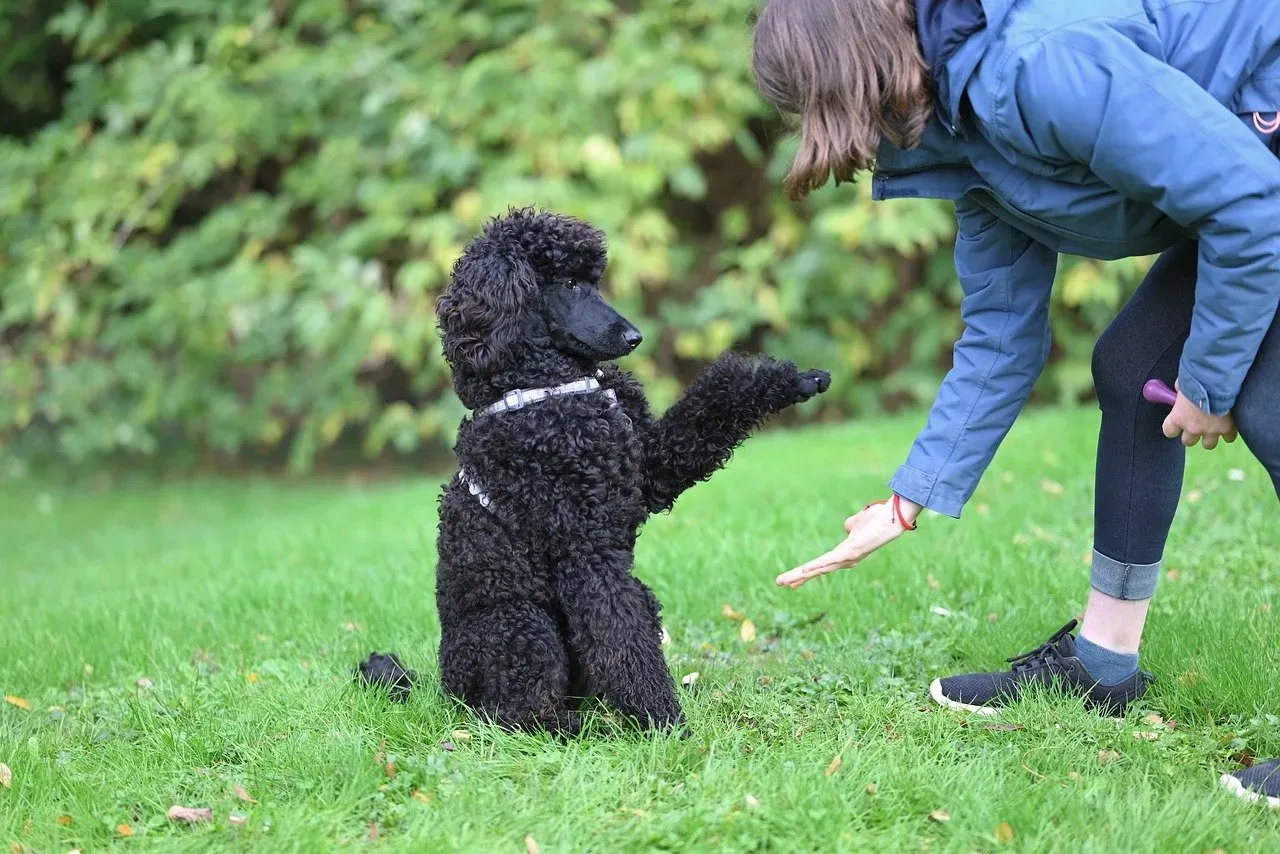
The label “stubborn” is one of the most damaging things we can attach to a dog. What looks to us like a dog refusing to cooperate out of spite may in reality be a dog who is struggling to understand, or a dog who needs a different approach. Once you start seeing resistance as a communication gap rather than a personality flaw, everything shifts.
Training is less about commands and more about connection. Drop the frustration, show up with patience and the right treats, say cues just once, and please, please check in with your vet if something feels off. Your relationship with your dog will be so much happier when you stop characterizing them as stubborn and realize how you can help them be more responsive.
Your dog is not working against you. They’re working with what they’ve got – and honestly, so are you. Every good training session, no matter how small, is a step toward something beautiful. So take a deep breath, grab some high-value treats, and go be the human your dog already believes you are. What training challenge has surprised you the most? Share it in the comments – you’re definitely not alone.


