

Picture this: you’ve spent weeks working on that perfect sit command, only to have your pup stare at you like you’re speaking ancient Greek. Or maybe you’re in the middle of a training session and you can see the exact moment when their eyes glaze over and they mentally check out. Frustrating, right? Here’s the thing, though. Often, it’s not stubbornness or defiance you’re seeing. It’s genuine confusion, stress, or simply the result of training approaches that work against how dogs naturally learn. The good news is that once you understand what’s going wrong, the fixes are surprisingly straightforward. Let’s explore the most common training pitfalls that frustrate your dog and discover the positive, science-backed solutions that’ll transform your sessions from stressful to spectacular.
Repeating Commands Over and Over
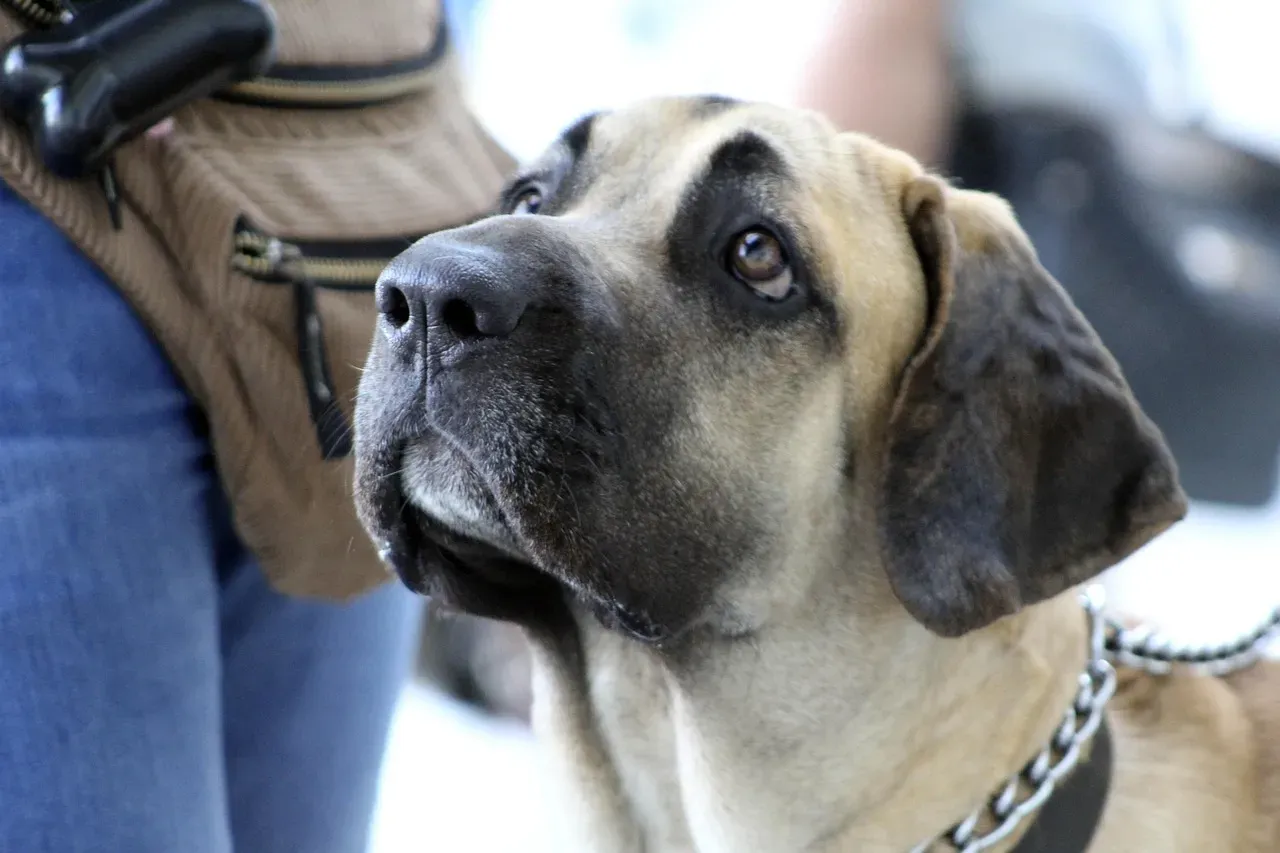
You’ve probably done it. When your dog doesn’t respond to a cue, you keep repeating it. Sit, sit, sit, SIT! Honestly, it feels natural in the moment. You’re trying to help them understand, right?
Wrong. Pretty soon, your dog doesn’t pay attention until you’ve said the word five or six times, and your cue is now “come, come, come.” You’ve accidentally taught them that immediate response is optional. Instead, just say the cue once, and wait to see what the dog does, and if they sit, give them the reward.
Positive Solution: Say It Once and Wait
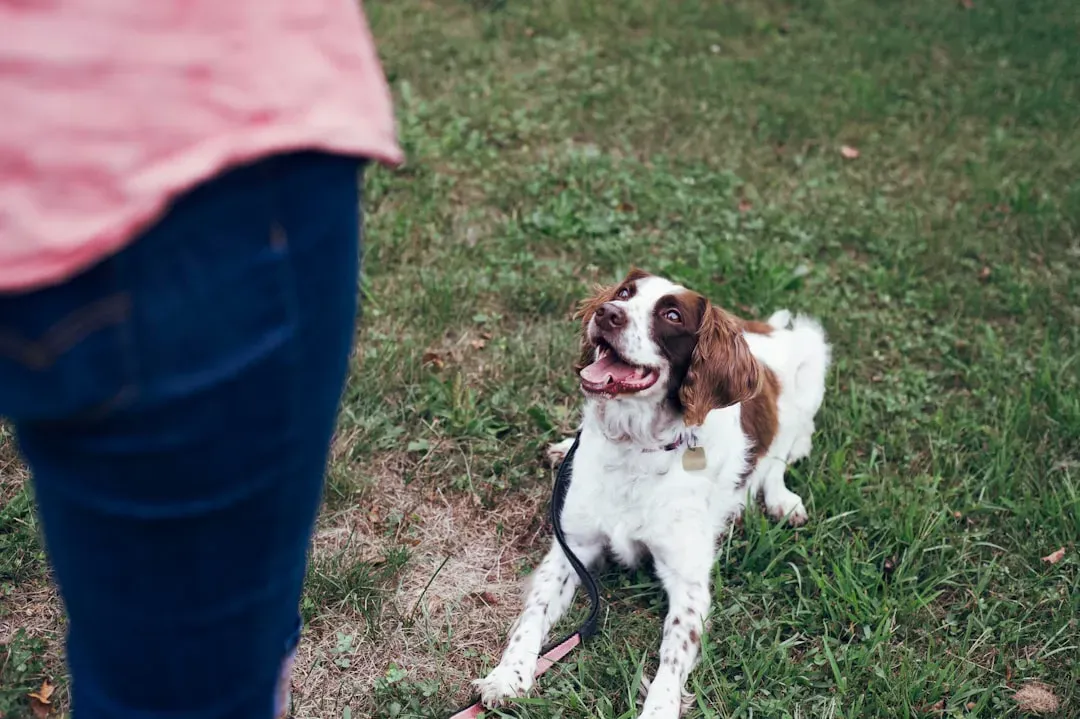
This takes discipline on your part, but it’s worth it. Give the command a single time with clarity and confidence. Then pause. Let your dog process what you’ve asked.
If they don’t sit, they don’t get the reward, and if they don’t do it several times in a row, go back to an easier stage in your training plan. Breaking things down into smaller steps prevents frustration on both ends of the leash. Your dog learns that the first cue matters, and you learn patience.
Training When You’re Already Frustrated or Stressed

It’s important to maintain an upbeat attitude because dogs can read human emotions, and if your dog thinks you’re angry or stressed, they’ll shut down and stop learning. I’ve been there countless times, honestly. You’ve had a rough day at work, your patience is thin, and suddenly training feels like another chore.
Dogs are naturally inclined to be highly attuned to their handler’s emotions, and some dogs may shut down if they think their owners are upset while other pets may respond by getting more distracted than usual. If you see your dog yawning, looking away, sniffing the ground, or other signs of disinterest, take stock of your emotions.
Positive Solution: Check Your Energy Before You Begin

It’s helpful to have a routine, but equally important is to take your mood into account when making a dog training schedule, and try to train your dog when you’re feeling calm and relaxed. Let’s be real, if you can’t muster up genuine enthusiasm, postpone the session. Your dog will thank you for it.
Training while frustrated isn’t productive for you or your dog, so take a break, and even if your dog seems to be acting out, you want to keep your mood positive and encouraging, rather than scolding or punishing your pet. Maybe take a walk together instead or simply cuddle on the couch. Connection matters more than perfection.
Being Stingy With Rewards
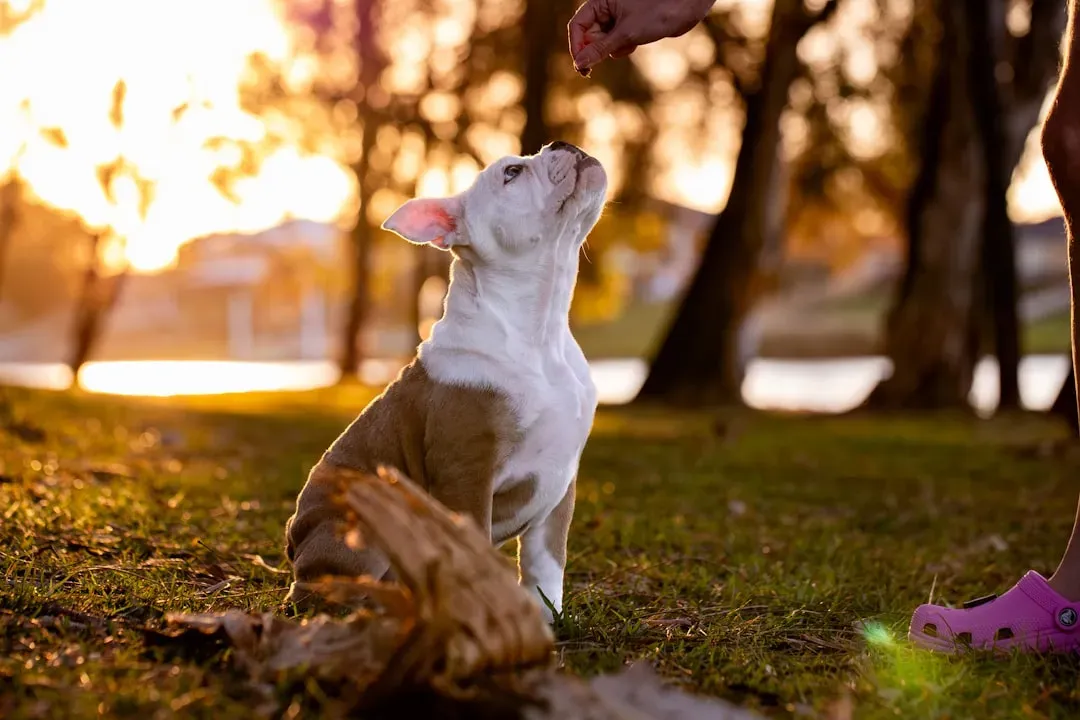
Too many people are stingy with rewards or won’t use anything but praise, but would you go to work if you stopped getting a paycheck? Behaviors that are reinforced are repeated. Think about it from your dog’s perspective. They’re working hard to understand what you want, and then the payoff disappears or becomes inconsistent.
Your dog can become confused about what exactly you’re reinforcing or can lose interest and wander away to find their own rewards. I know it sounds crazy, but your enthusiasm and a handful of kibble aren’t always enough motivation, especially when learning something new or challenging.
Positive Solution: Pay Generously and Strategically
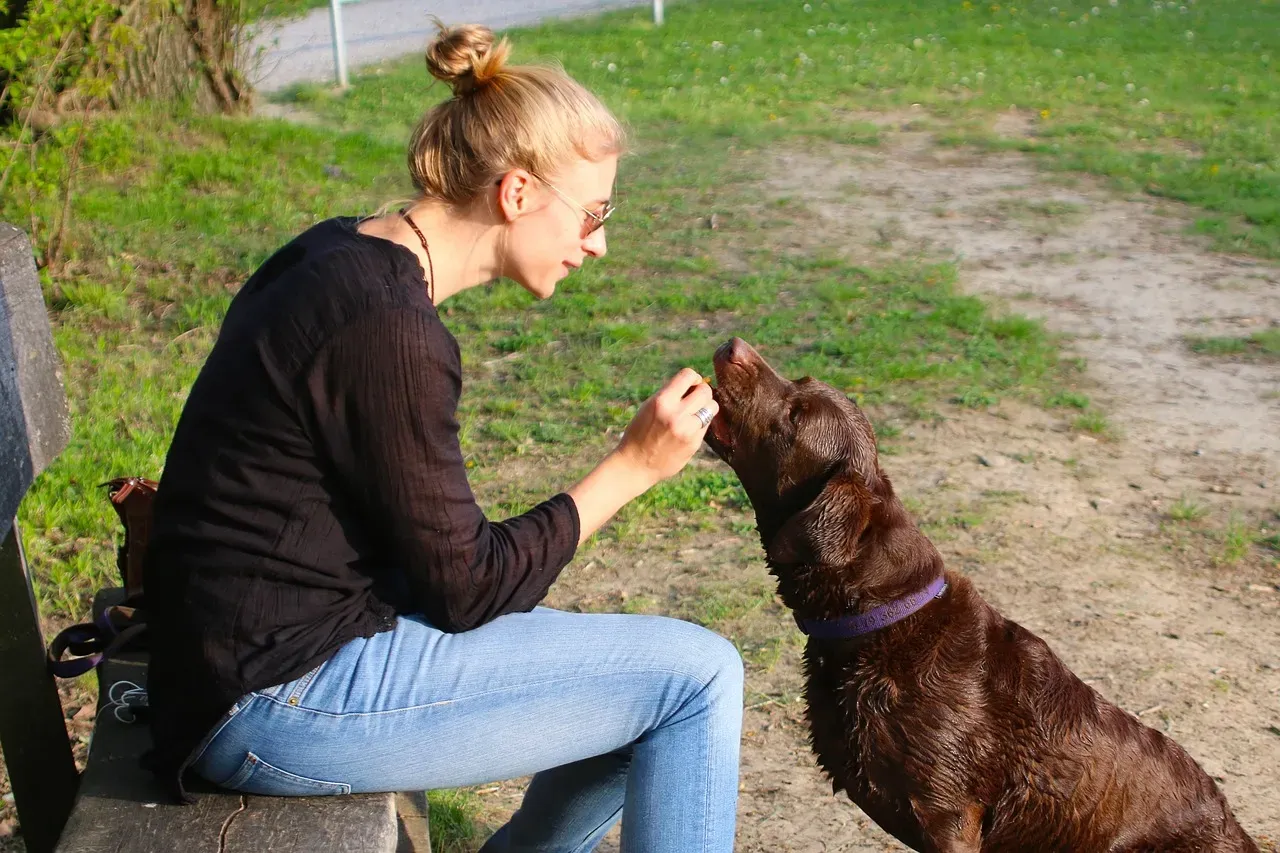
Reward frequently at first, especially during the learning phase. A reward is only reinforcing if it’s good from your dog’s point of view, and your dog might be crazy about cheese, but if you choose to reward with kibble their performance will drop, so know what your dog loves most and build a reward hierarchy.
Correct timing is essential when using positive reinforcement training, and the reward must occur immediately within seconds of the desired behavior. The quicker you deliver that treat or praise, the clearer the message becomes. Use your dog’s absolute favorite things for difficult tasks and save the less exciting rewards for behaviors they’ve already mastered.
Using Fear or Punishment as Motivation

Using a tone that could inspire dread or using fear or pain as motivation will backfire in the long term, possibly making your canine companion fearful of you. Shock collars, harsh corrections, yelling at mistakes. These approaches might get quick compliance, but at what cost?
If you correct your dog’s mistakes with words like ‘No!’ or any other aversive, they’ll fear getting it wrong, and rather than actively participating in the training process, they’ll disengage and stop trying. You end up with a dog who’s afraid to offer behaviors, afraid to try, and that’s heartbreaking.
Positive Solution: Focus on What’s Right, Not What’s Wrong
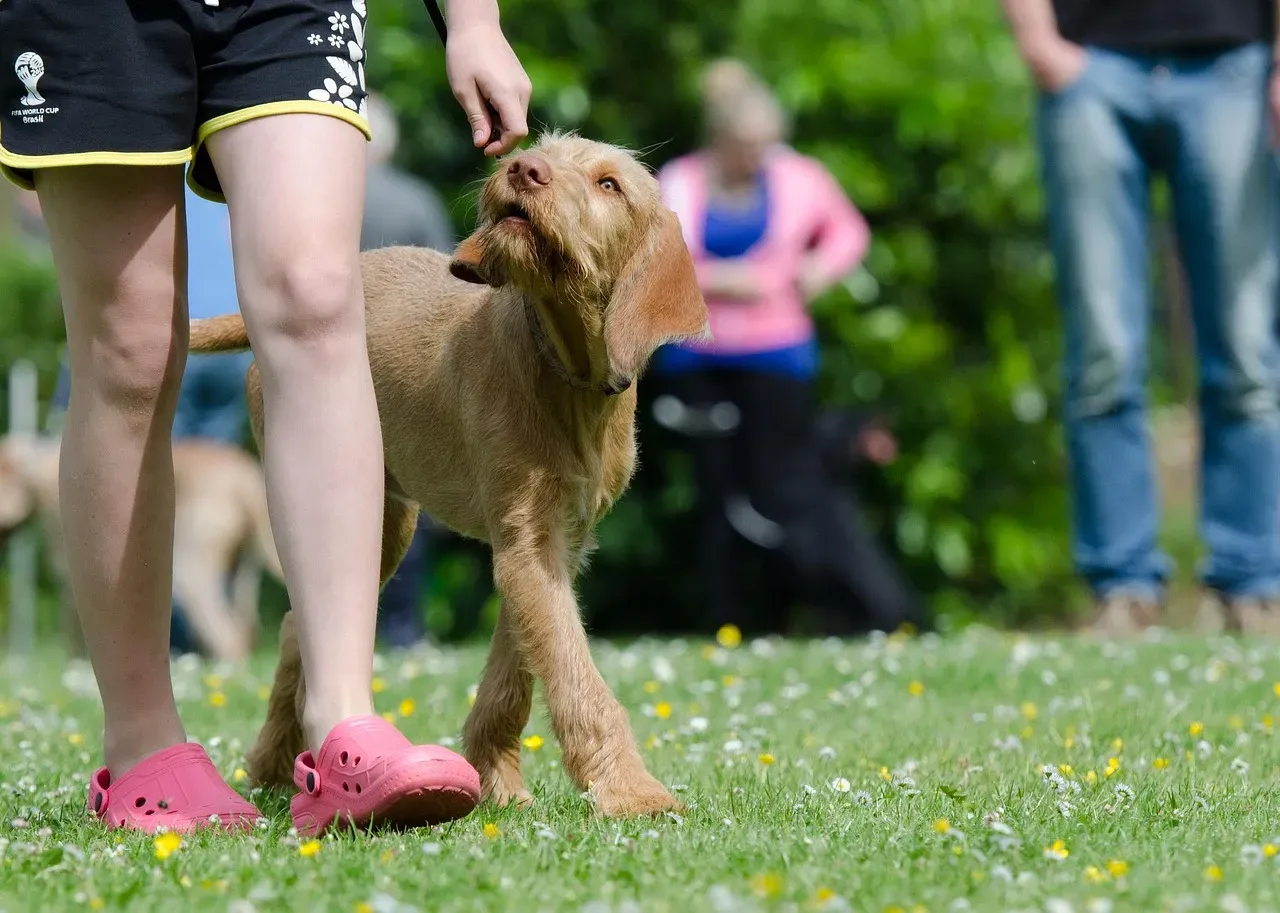
Compared with other methods, positive reinforcement strengthens behavior, builds trusting relationships between pet parents and their animal companions, and protects the behavioral health of pets. Rather than punishing mistakes, set your dog up for success and throw a party when they get it right.
Positive reinforcement training uses rewards to acknowledge and encourage good behavior and is the most humane and effective way of training dogs. When your dog does something you love, mark it immediately with a happy “Yes!” and follow up with something they adore. When you consistently reinforce good behavior, your dog will start to associate you with positive experiences.
Making Training Sessions Too Long

Dogs have short attention spans, and Fido is likely to lose interest in training after around ten or fifteen minutes, with some pups not even making it that long. Yet we push through, determined to get just one more repetition, one more success. Meanwhile, your dog mentally clocked out five minutes ago.
Long, exhausting sessions create frustration and stress for both of you. Your dog stops absorbing information, starts making mistakes, and you both end on a sour note. That’s the opposite of what we want training to be.
Positive Solution: Keep Sessions Short, Sweet, and Frequent
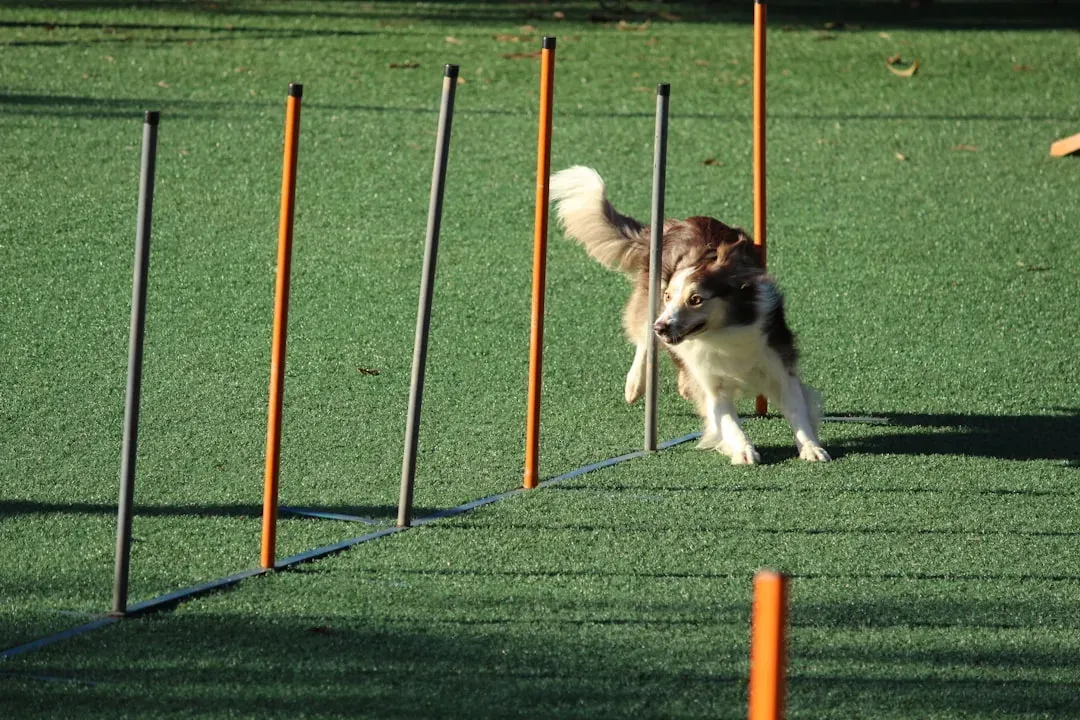
Keep training sessions short, five to ten minutes, but frequent. Several short, engaging sessions throughout the day work better than one long one, and end on a positive note so your dog stays eager to learn. I’ve found this approach transforms training from a chore into something my dogs get excited about.
Think quality over quantity. Five focused minutes where your dog nails three perfect repetitions beats thirty minutes of distracted, sloppy attempts any day. Plus, ending while your dog still wants more keeps their enthusiasm high for next time.
Only Training in One Environment
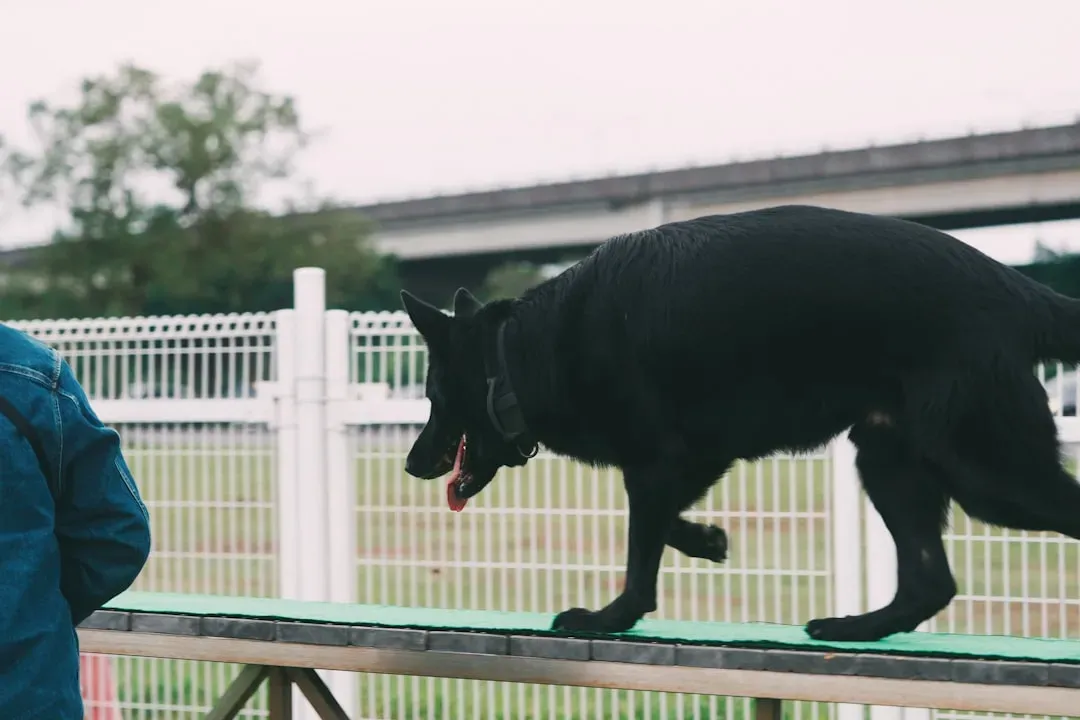
Only training in a quiet room but expecting your dog to listen in a busy park means dogs struggle to generalize skills if they’re not trained in different environments. Your dog sits perfectly in the kitchen but acts like they’ve never heard the word at the dog park? That’s not defiance. That’s lack of practice in varied contexts.
Dogs don’t automatically understand that “sit” in your living room means the same thing as “sit” at the vet’s office or on a busy sidewalk. The sights, sounds, and smells are completely different, and that makes the task exponentially harder.
Positive Solution: Gradually Introduce Distractions
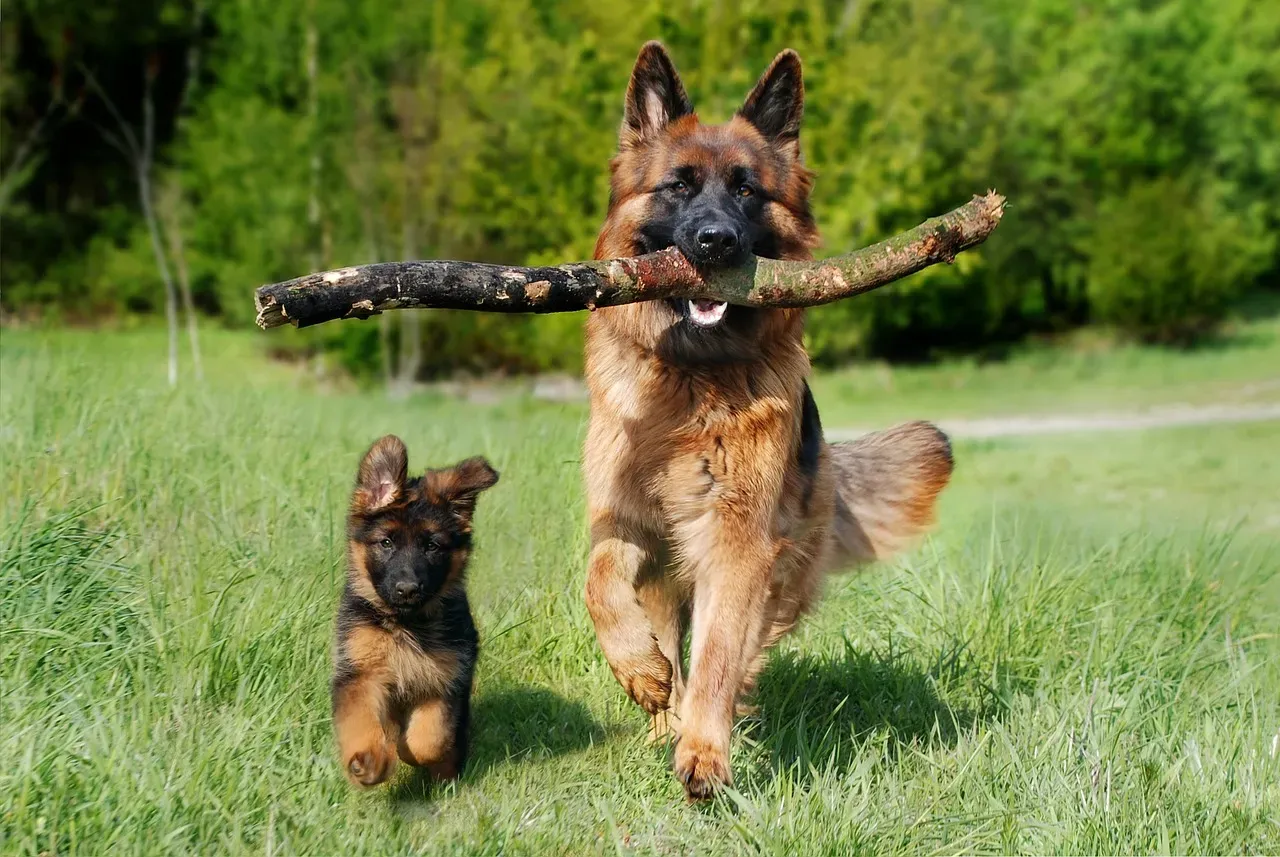
Start training in a calm space, then gradually introduce distractions, for example, practice sit in your home, then in the garden, then in a park with mild distractions. This is called generalization, and it’s absolutely essential for real-world reliability.
Take your time building up difficulty. Start in your quiet hallway, then try the backyard with birds chirping, then the front yard with occasional cars passing, then a quiet street, and eventually that bustling park. Each new environment is a small challenge that builds your dog’s confidence and understanding. Rushing this process only sets everyone up for failure.
Not Recognizing When Your Dog Is Frustrated

The behaviors shown during extinction were turning sideways, laying down, walking around, sniffing, and vocalizing. These aren’t signs your dog is being stubborn. They’re telling you loud and clear that they’re confused, overwhelmed, or stressed. We often miss these signals entirely.
Stress can affect learning, and being able to recognize these behaviours in a dog can help people decide whether to continue with the training procedure, take a break, or try a new approach. Your dog might also offer multiple behaviors rapidly, bark, or simply shut down completely.
Positive Solution: Learn to Read Your Dog and Adjust

When the dog doesn’t get the reward it can potentially become frustrated, and knowing the signs to look for can help a dog owner know when to take a step back and make the situation easier for the dog. The moment you spot frustration signals, pause. Take a breath. Ask yourself if you’re asking too much, too fast.
The best option is to take a break from the current training session and rework the training plan to reinforce the desired behavior without all of the frustration components, and while ending a training session isn’t the easiest thing to do in the moment, it will yield the best results. Go back to something easier that your dog knows well, reward that generously, and call it a day. Tomorrow is another chance to try a different approach.
Inconsistency in Rules and Expectations

Always be consistent with your choices, and don’t allow your canine companion to sleep in your bed one night and then chastise him for it the following one. Mixed messages are confusing and unfair. If jumping on the couch is okay on Saturday but forbidden on Tuesday, how is your dog supposed to understand the rules?
If you say ‘down’ one day and ‘lay down’ the next, your dog might struggle to understand what you want, so pick one word for each command and stick with it, and make sure all family members use the same commands. Inconsistency creates anxiety and frustration because your dog genuinely wants to please you but can’t figure out the constantly changing expectations.
Positive Solution: Establish Clear, Household-Wide Rules
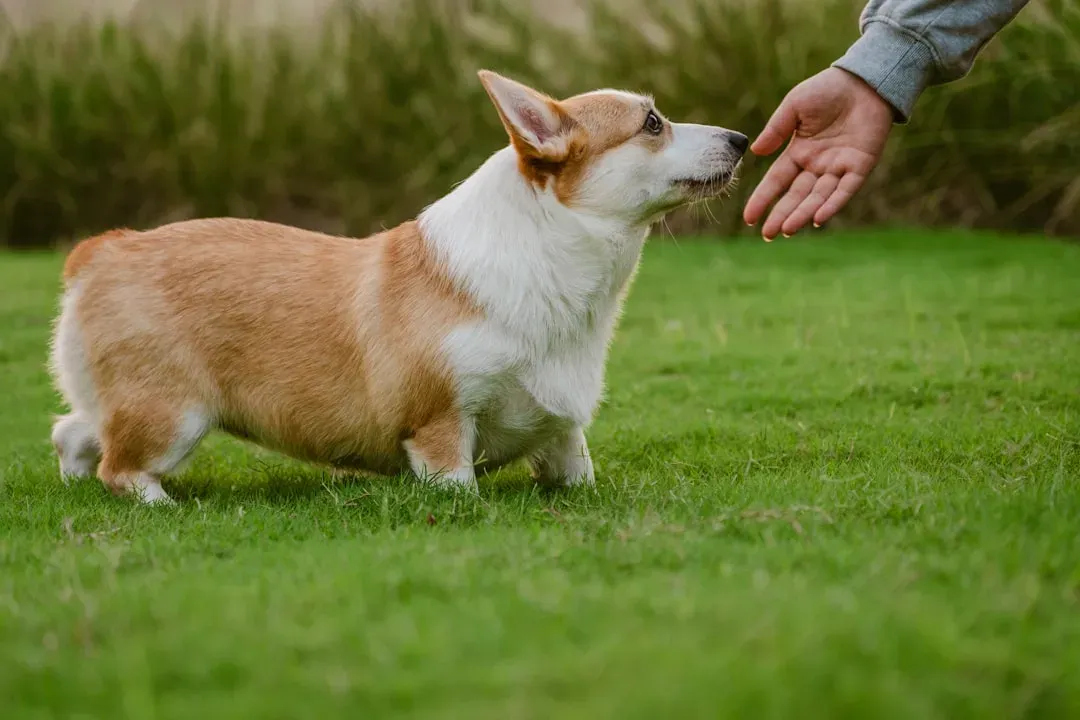
Sit down with everyone in your household and agree on the rules and the exact words you’ll use for commands. Write them down if you need to. Is the dog allowed on furniture? Does everyone use “off” or “down” for that behavior? What about jumping on guests?
Once you’ve agreed, stick to it. Every single time, every single person. Dogs thrive on predictability and clear communication. When the rules are consistent, your dog can relax, knowing exactly what’s expected. That confidence shows up as better behavior and a happier, less stressed pup. Training becomes so much easier when everyone’s on the same page.
A New Chapter in Your Training Journey
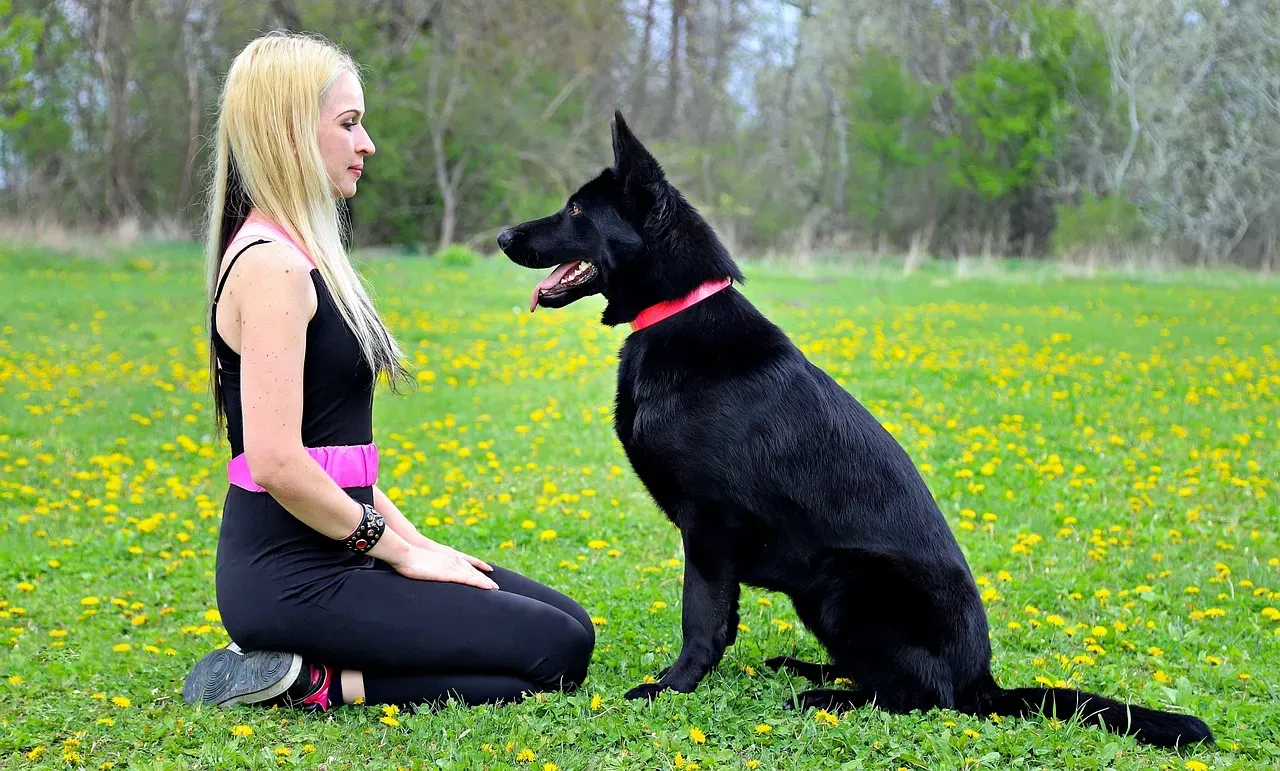
Here’s what I’ve learned over years of working with dogs: training isn’t really about obedience. It’s about communication, trust, and building a relationship where both of you feel heard and understood. When you recognize and fix these common mistakes, something magical happens. Training transforms from a battle of wills into a collaborative dance.
Your dog isn’t trying to frustrate you. They’re doing their very best with the information they have. By speaking their language, rewarding generously, keeping sessions short and positive, and most importantly, paying attention to their emotional state, you create an environment where learning feels safe and fun. And honestly, isn’t that what we all want? A happy dog who’s eager to work with you, not because they have to, but because they genuinely want to. What’s one change you’ll make in your next training session?


