

You know that moment when your dog’s ears suddenly pin back, their whole body tenses, and they look at you like you just announced the end of playtime forever? That split second of dread in their eyes? There’s a good chance you triggered it with a single word. Dogs are incredibly perceptive creatures, tuned into our every syllable and vocal shift. While we might think we’re just chatting away or organizing our day, certain words land on their sensitive ears like a thunderclap.
Dogs are highly sensitive to human language, and certain words or phrases can trigger stress, confusion, or unwanted behaviors. It’s not just what we say, honestly. It’s how we say it, the tension in our voice, the pitch, even the memories those words carry. Think of it this way: your dog has been building a mental dictionary since puppyhood, associating specific sounds with experiences. Some of those experiences? Not so pleasant.
Let’s be real, most of us have accidentally taught our dogs to fear or dislike certain words without even realizing it. We announce bath time with dread in our voice, or we say “vet” while frantically searching for the car keys. “One thing I always tell my clients is to stop announcing everything to their dog,” and dogs can quickly learn to associate those cues with pressure or fear. So let’s dive in and explore the seven words that make most dogs want to hide under the nearest piece of furniture.
Bath

Picture this: you casually mention the word “bath” and your dog bolts for the bedroom. Sound familiar? Dogs pick up on anxiety, and if they sense tension in your voice, they may become even more reluctant or fearful. Some dogs will hide, freeze, or try to run the moment they hear the word. For many dogs, bath time isn’t about getting clean. It’s about losing control in a slippery tub, enduring strange water pressure, and dealing with unfamiliar smells from shampoo.
The problem gets worse when we telegraph our own stress. If you’re dreading the wrestling match that bath time has become, your pup picks up on every bit of that anxiety before you even turn on the faucet. Experts advise using calm, upbeat language, rewarding your dog with treats or praise, and creating a safer, slip-free bathing setup. Over time, this can help reduce bath-related anxiety and make the experience more manageable for you and your pup.
Vet
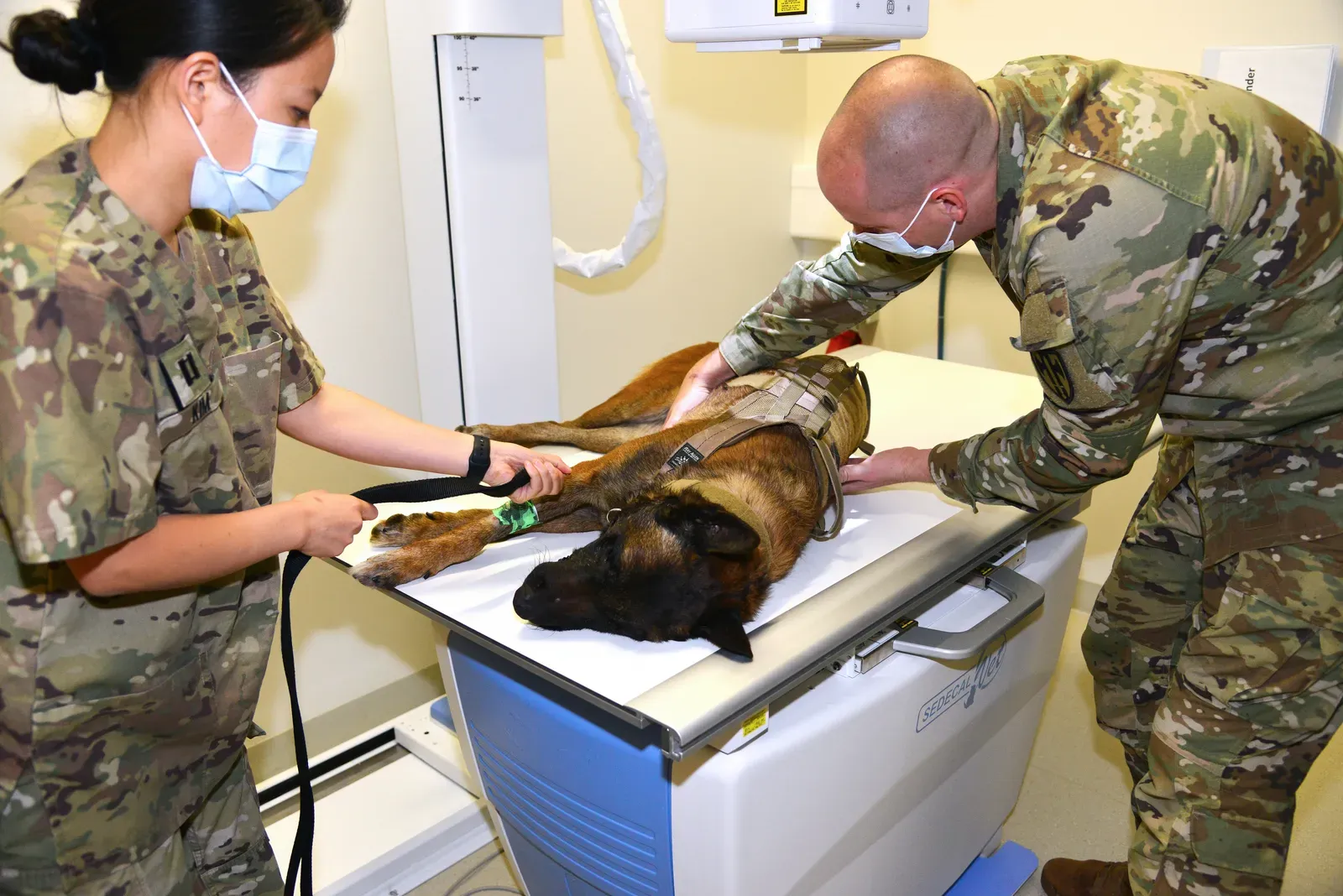
Few words inspire quite as much canine panic as “vet.” Many dogs hate the word “vet,” and dogs quickly learn this word predicts a place where they’re poked, prodded, restrained or given medicine. The whole experience is a sensory assault: sterile smells, anxious animals in the waiting room, cold exam tables, and strangers touching them in uncomfortable ways. No wonder the mere mention sends some dogs into hiding mode.
Some dogs may start pacing, whining, or hiding the moment they hear “vet,” even if you haven’t left the house yet. Others may become overly clingy or alert because they know what’s coming. Honestly, I think we underestimate how much emotional baggage gets packed into those three little letters. The solution isn’t pretending vet visits don’t exist. Experts often recommend using neutral language instead, or better yet, creating positive associations by occasionally visiting the clinic just for treats and cuddles, no examination required.
No
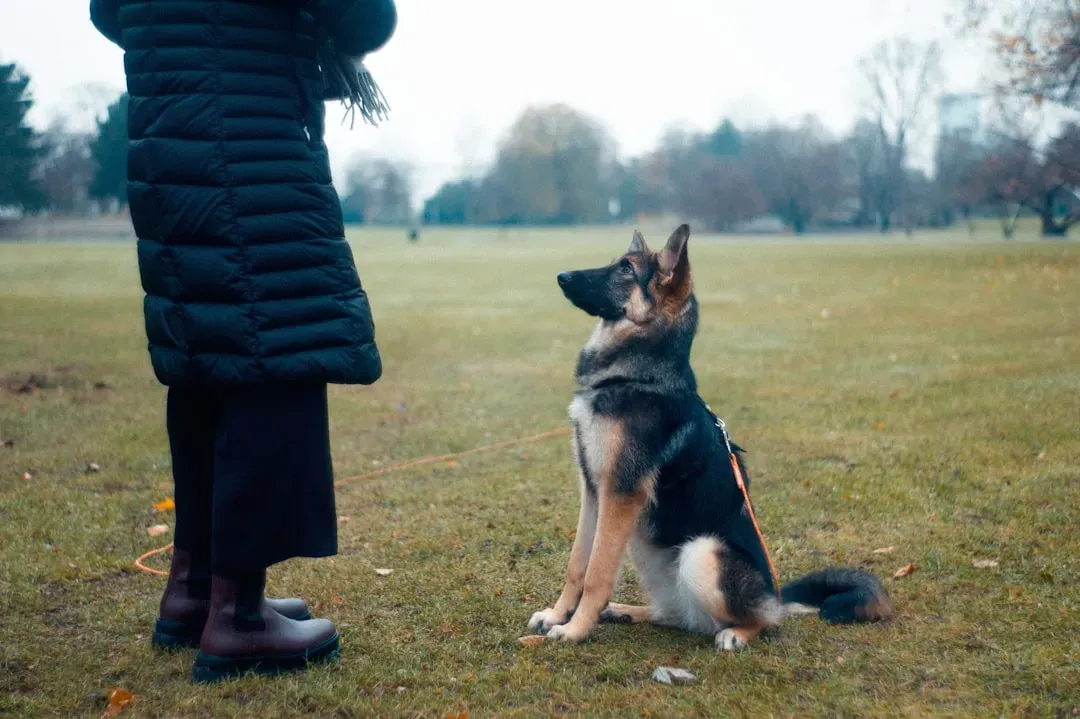
Here’s the thing about “no.” We use it constantly, often with frustration or irritation dripping from every syllable. Dogs aren’t born understanding this word carries disapproval. They learn it through repetition, tone, and the fact that it usually precedes something they don’t enjoy. When overused or delivered harshly, “no” can become a source of confusion rather than clear guidance.
The word itself isn’t the villain here. It’s the emotional charge we attach to it. Experts explain that using clear guidance, like redirecting unwanted behavior or rewarding positive actions, rather than relying on emotionally charged phrases helps maintain trust and supports healthier communication between you and your pup. Instead of repeatedly shouting “no” when your dog jumps on visitors, teaching an alternative behavior like “sit” gives them something productive to do. Dogs thrive on knowing what we want, not just what we don’t.
Come
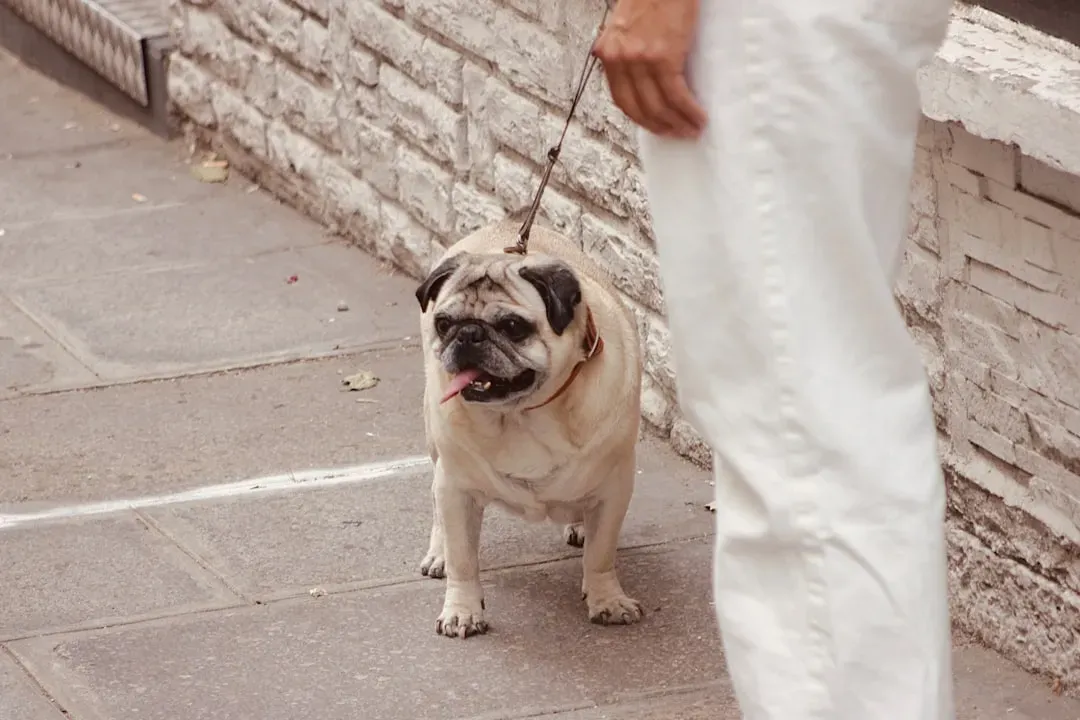
The reaction dogs have to the word “come” often depends entirely on how it’s used. While it’s meant to be a simple recall command, many dogs develop negative associations with it over time. “If a dog hears ‘come!’ only when the guardian is frustrated, they learn the command predicts conflict instead of reward.” Think about the last time you yelled “come!” across the dog park. Were you calm and cheerful, or stressed and annoyed?
When “come” is paired with frustration, yelling, or tension, it can become a dog behavior trigger rather than a helpful cue. Some dogs may hesitate, ignore the command, or even run in the opposite direction to avoid the perceived stress. The solution is surprisingly simple but requires consistency. Make “come” the best word your dog ever hears by pairing it with treats, praise, and genuine enthusiasm every single time, especially during training. Never call your dog to you for something unpleasant, like ending playtime or administering medication.
Leave It
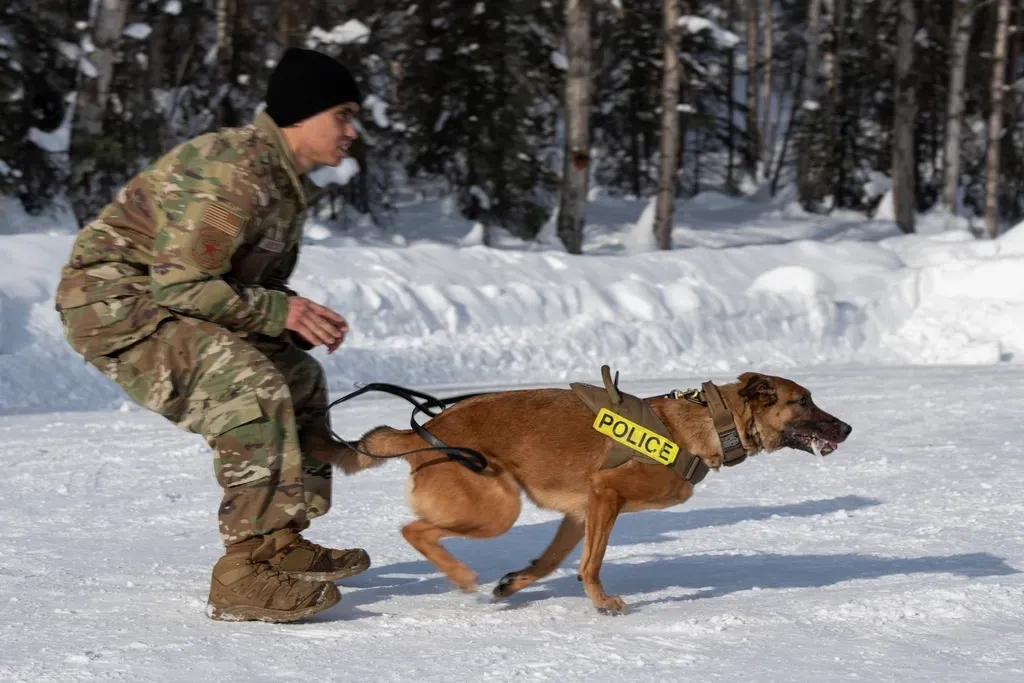
While “leave it” can be an incredibly useful command, it’s another word that often gets delivered with urgency or panic. Maybe your dog just spotted a discarded chicken bone on the sidewalk, or they’re eyeing the cat’s food bowl. Your immediate reaction is to shout “leave it!” with all the alarm bells ringing. That panic? Your dog feels it too.
The challenge here is that “leave it” usually appears during high-tension moments, which means dogs start associating it with stress and deprivation rather than safety and reward. Training this command in calm, controlled settings first, with plenty of positive reinforcement, helps dogs understand it’s not a punishment. It’s guidance. When “leave it” is paired with a reward for compliance, dogs learn to trust the command instead of resenting it.
Kennel or Crate
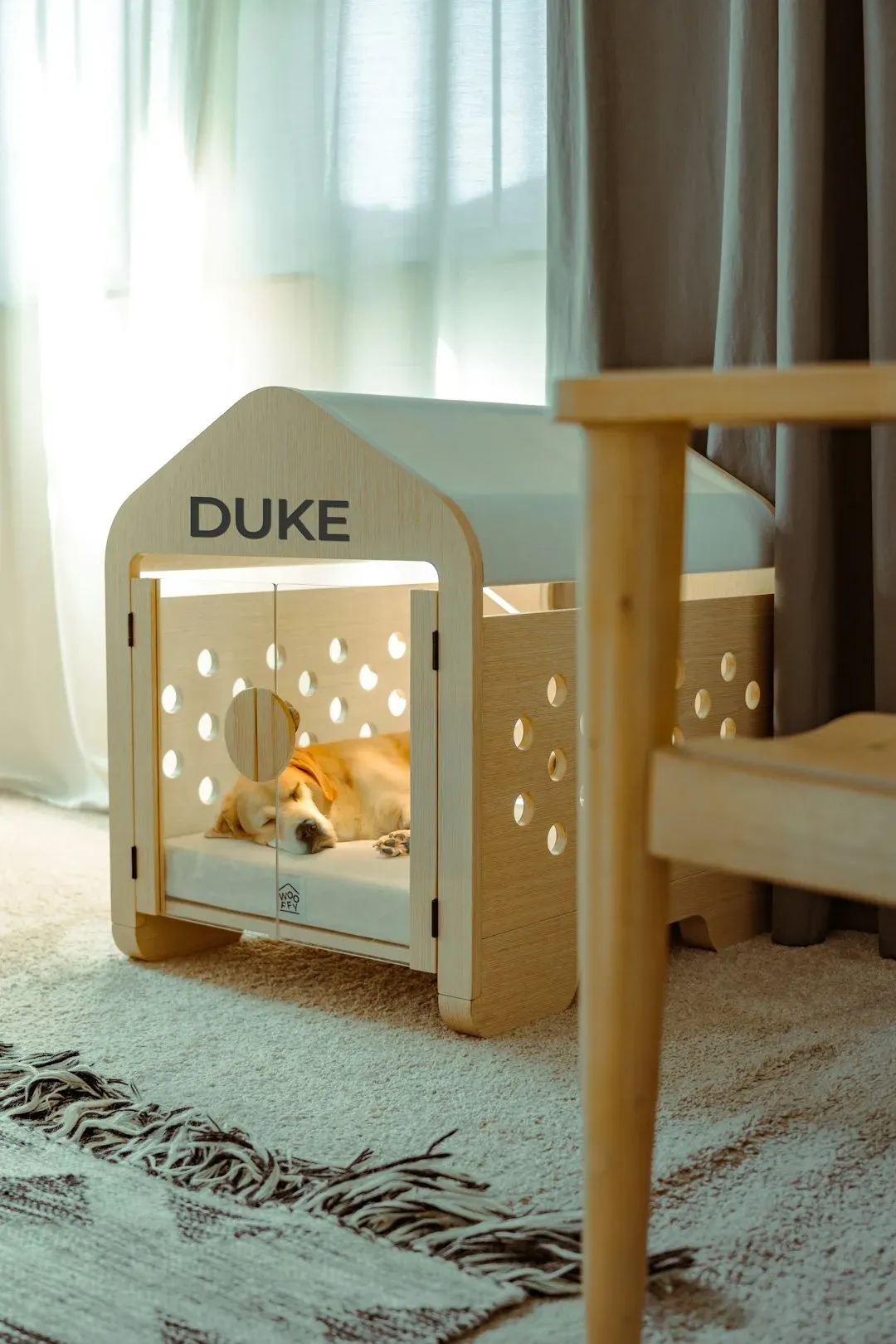
For dogs who haven’t been properly crate-trained, or who’ve had negative experiences with confinement, the word “kennel” or “crate” can trigger immediate anxiety. Maybe it signals you’re leaving for work. Maybe it reminds them of being isolated during thunderstorms or when guests visit. Either way, the word becomes a predictor of loneliness or restriction.
The key to transforming this association is making the crate a genuinely positive space, not just a holding cell. Feed meals inside, toss in special treats randomly throughout the day, and never use it as punishment. When the crate becomes your dog’s safe haven rather than a prison, hearing “kennel” shifts from dread to comfort. It takes time and consistency, but it’s absolutely worth the effort for both your peace of mind and your dog’s emotional wellbeing.
Wait or Stay
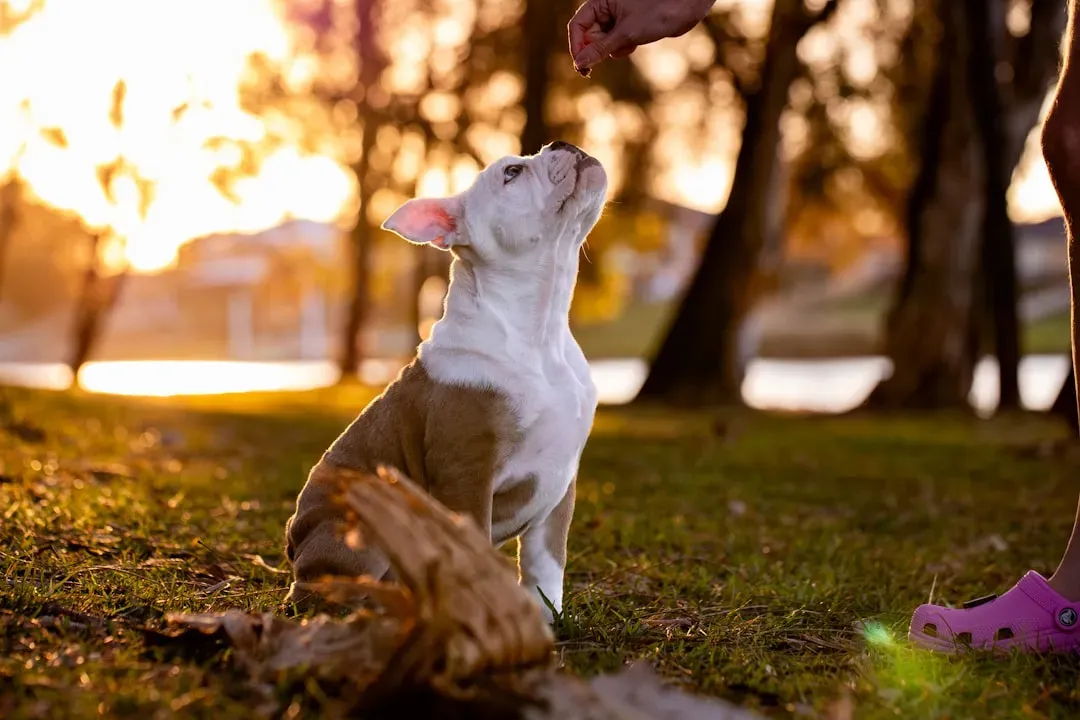
These words often appear right before something your dog desperately wants gets delayed. “Wait” at the door when they’re dying to chase that squirrel. “Stay” when you’re preparing their dinner and they can barely contain themselves. The frustration builds, and over time, these commands can become associated with uncomfortable restraint rather than calm patience.
Here’s what helps: teaching “wait” and “stay” outside of emotionally charged situations first. Practice in low-distraction environments where your dog can succeed easily and get rewarded quickly. The prevalence estimate for noise sensitivity was roughly about two fifths of dogs, with general fearfulness affecting roughly a quarter, and separation anxiety affecting less than a fifth. When dogs understand that “wait” leads to good things and doesn’t last forever, they’re far more willing to comply. Patience is a skill we teach, not something we can demand instantly.
Conclusion
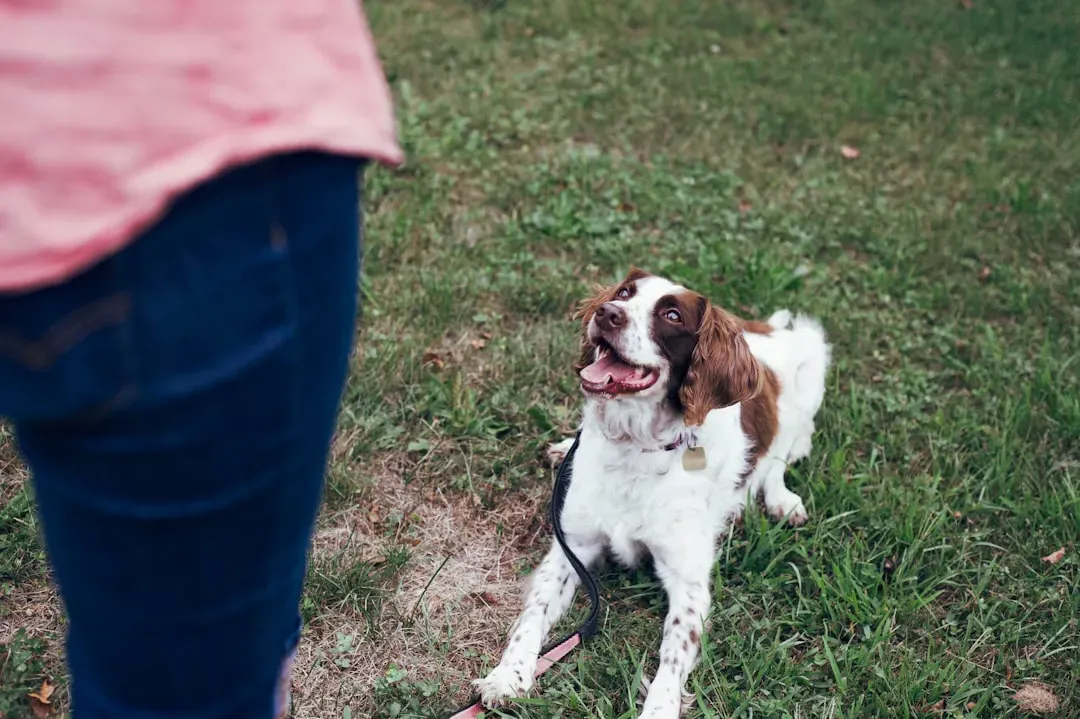
Our dogs are listening, truly listening, to every word we say. They’re reading our tone, our body language, the stress hormones we’re probably releasing without realizing it. The words themselves aren’t inherently scary. It’s the baggage we’ve attached to them through repetition, context, and emotion that makes them triggers.
The beautiful thing? We can change these associations. With patience, consistency, and genuine effort to pair these words with positive experiences instead of stressful ones, we can rewrite our dogs’ emotional dictionaries. It starts with awareness, continues with intentional training, and ends with a deeper, more trusting relationship.
What words does your dog react to most strongly? Have you noticed patterns in how you deliver certain commands? Share your experiences in the comments below.


