

You’re staring out the window at sheets of rain hammering the sidewalk. Your dog’s staring at you with those wide, hopeful eyes. The leash is right there by the door, practically calling your name. Yet the thought of getting drenched is less than appealing. Sound familiar?
Here’s the thing: rainy days don’t have to mean a restless, bored pup who turns your couch cushions into confetti. Indoor exercise can be just as fulfilling for your dog as a romp in the park, if you know what you’re doing. The secret lies in engaging both their body and mind. Let’s explore some creative, practical ways to keep your furry friend happy, tired, and out of trouble when the weather just won’t cooperate.
Transform Your Living Room Into a Puzzle Paradise
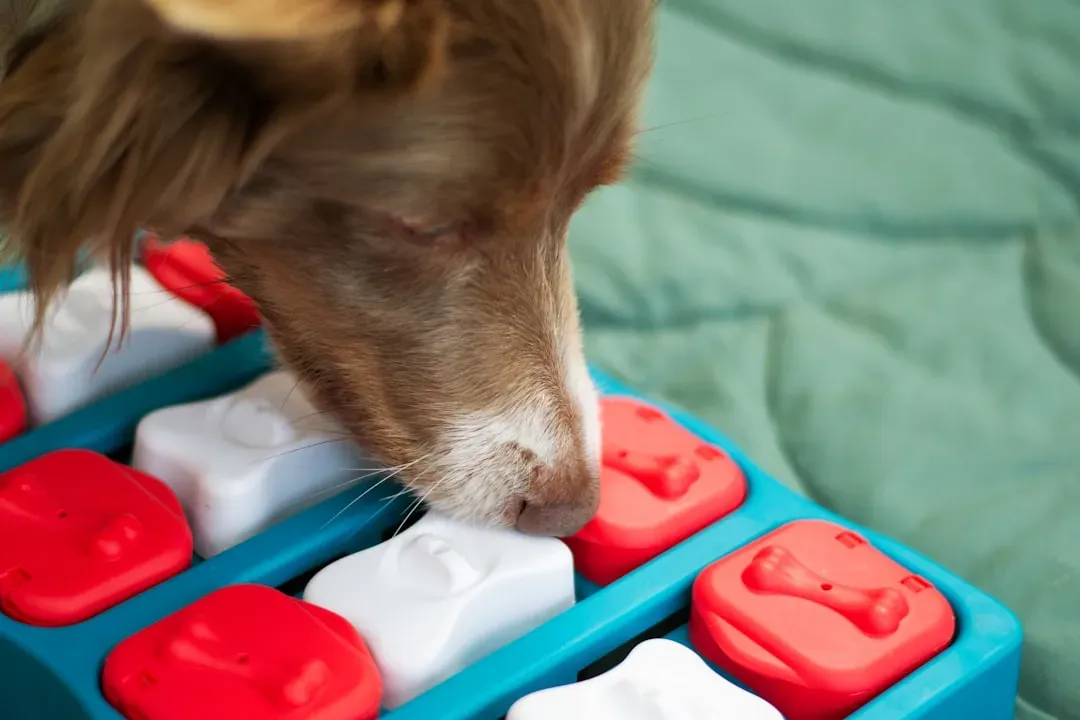
Puzzle toys keep your dog’s mind active and engaged, improving memory while teaching them to focus on specific tasks. Think about it like this: your dog’s brain needs a workout just as much as their legs do. Actually, mental stimulation can sometimes tire them out even more effectively than physical activity.
Puzzle toys are mentally stimulating and keep dogs entertained for longer periods of time. You can start simple with treat-dispensing balls or work your way up to more complex puzzles with sliding compartments and hidden drawers. Watch your dog’s eyes light up as they figure out how to unlock each compartment to reach their reward.
Kong toys can keep a dog busy for hours. Stuff one with peanut butter, freeze it overnight, and you’ve got an activity that’ll keep even the most energetic pup occupied. The beauty is that you’re not just keeping them busy; you’re actually building their problem-solving skills with every challenge they master.
Hide and Seek: Not Just for Kids

This game taps into something primal in your dog. Playing hide-and-seek requires critical thinking skills and a good nose, and in a home setting, having the opportunity to use these skills is lots of fun for dogs. Start easy if your dog’s never played before. Hide behind a door while someone holds them, then call their name.
The excitement in their body language when they finally discover you is pure joy. If your dog knows “stay” or you have a friend who can help keep the dog in one room while you hide, once you’re hidden, call your pup to come find you. As they get better, make your hiding spots trickier.
You can also play the treat version. This game uses your dog’s nose and brain to search for something, providing mental and physical stimulation while strengthening their independence. Hide treats around the house and watch them transform into little detectives, nose to the ground, completely absorbed in the hunt.
Create an Indoor Agility Course
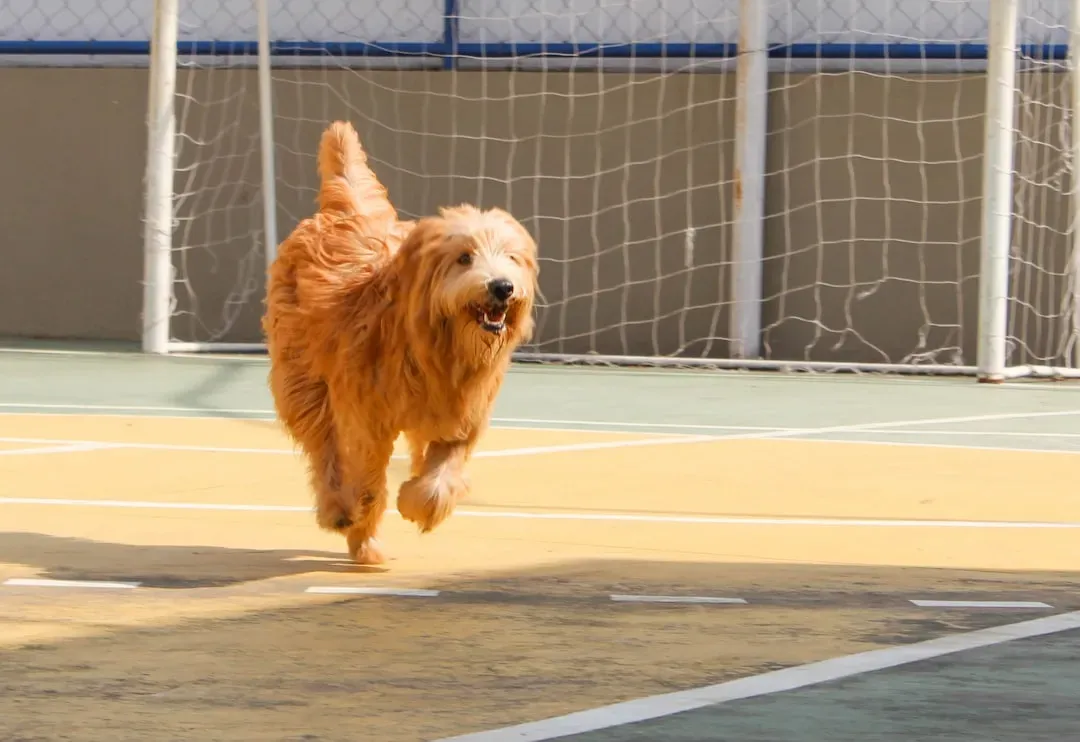
Indoor agility doesn’t need fancy equipment; you can create an obstacle course with household items such as brooms, towels and boxes. Lay a broomstick across two stacks of books for jumps. Use chairs for your dog to weave through. Drape a blanket over a table to create a tunnel.
The first time you set it up, your dog might look at you like you’ve lost your mind. That’s okay. Guide them through slowly with treats and plenty of encouragement. Before long, they’ll be racing through like a pro. Set up dining room chairs and have your dog weave through them, or set up a broom to have them jump over, and your dog will be following your cues but having so much fun they won’t even realize you’re training them.
This isn’t just about burning energy. It’s about building confidence and strengthening the bond between you two as you work together as a team.
The Classic Game of Tug Gets an Upgrade
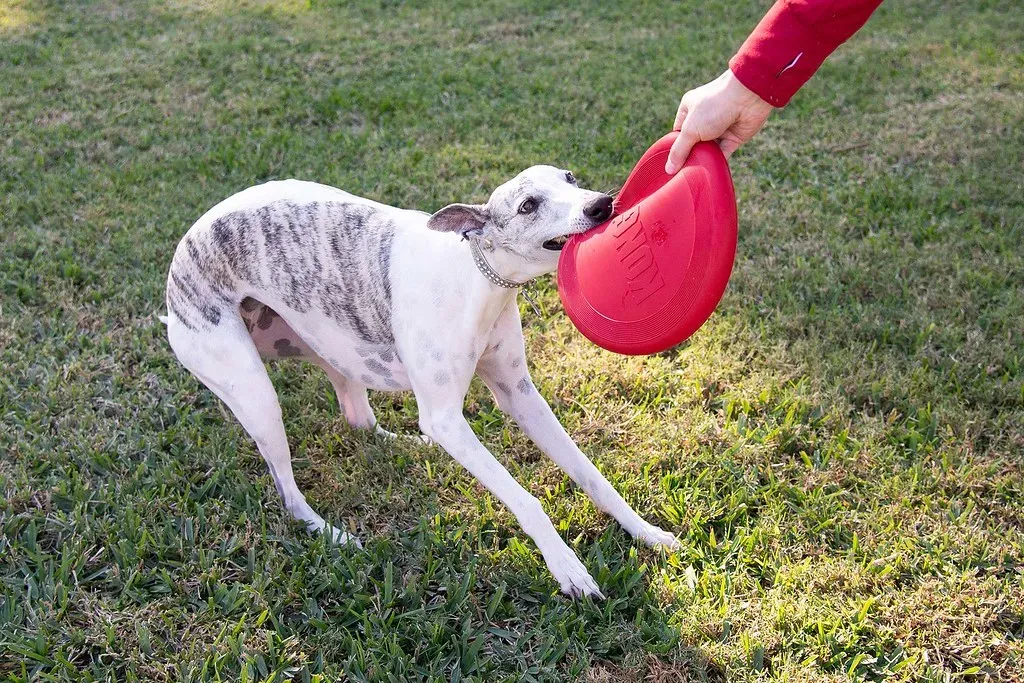
Minute for minute, tug is one of the most physically and mentally challenging games you can play with your dog. People used to think tug made dogs aggressive. That’s been thoroughly debunked. In reality, it’s fantastic exercise and a great way to teach impulse control.
The best part is you don’t need a ton of room to play, so it’s a great way to exercise your dog on rainy days, and the only thing you need is a tug toy and your dog’s attention. If you don’t own one, no problem. You can make your own out of old t-shirts, towels or fleece.
Establish rules, though. The game stops immediately if teeth touch your hand. This teaches your dog to be mindful of their mouth, which is useful in so many situations beyond playtime.
Scent Work: Let Their Nose Do the Walking

Dogs experience the world through their noses in ways we can barely comprehend. Sniffing has been shown to not only decrease a dog’s heart rate and stress, but it also releases dopamine, the “happy” brain chemical. You can harness this natural ability indoors with scent games.
Try placing empty containers like shoeboxes or yogurt tubs in a group on the floor, bait one or a few with smelly treats, then allow your dog to sniff all the containers to search for hidden treasure. Start simple so they understand the game, then gradually increase difficulty.
Slowly increase the difficulty of the hiding spot and soon you’ll use your entire house or apartment for this game. Watching your dog work through a scent puzzle is mesmerizing. Their concentration is absolute, and honestly, it’s one of the most effective ways to tire them out mentally.
Teach New Tricks on a Rainy Afternoon

Rainy days offer the perfect opportunity to expand your dog’s repertoire. Learning new skills has the dual advantage of keeping your dog occupied indoors while also strengthening your relationship. Whether it’s a simple “shake” or something more complex like “play dead,” the process of learning engages their brain intensely.
Fun tricks like “shake,” “roll over,” or “speak/whisper” will keep your dog mentally stimulated, which can tire them out just as effectively as purely physical exercise. Break the trick down into small steps. Reward every tiny bit of progress. Be patient.
The best part? Training sessions don’t need to be long. Ten to fifteen minutes of focused training can leave your dog pleasantly exhausted. Mix in some of their regular kibble as rewards to avoid overfeeding, especially if you’re doing multiple sessions throughout the day.
Stair Sprints for the Athletic Pup
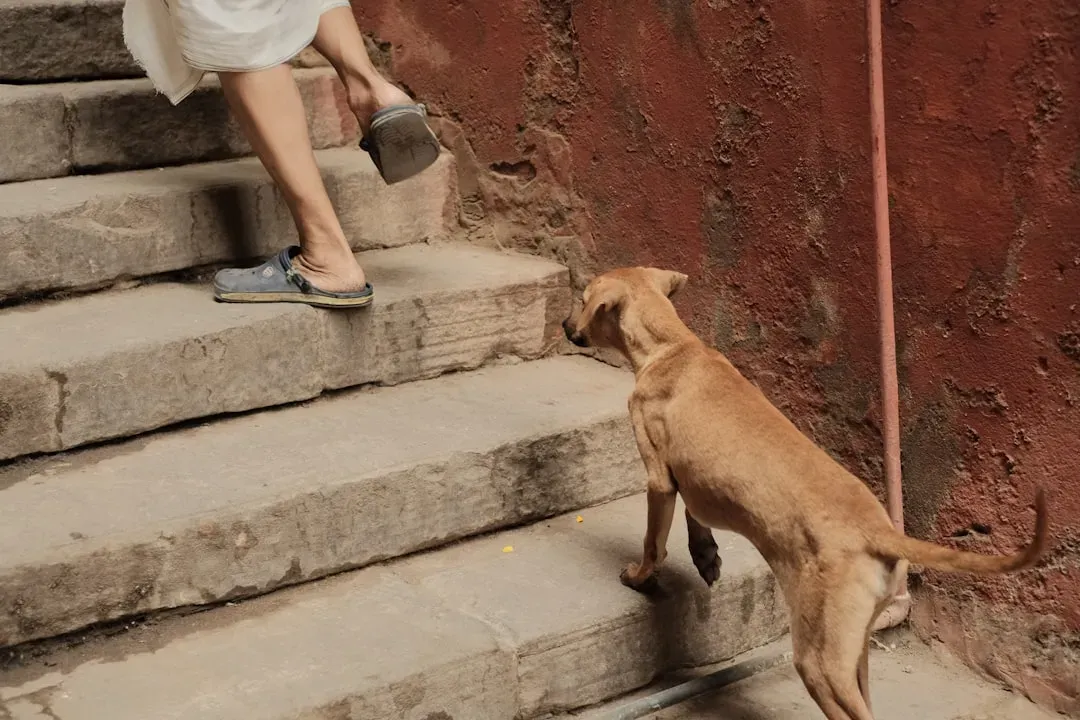
If you have stairs and a healthy dog, you’ve got a built-in exercise machine. If your dog has healthy joints, is confident on stairs, and loves a good game of fetch, you can use this game to exercise them inside by tossing a ball or toy to the top of the stairs, and after a few throws, your pup will be pleasantly worn out.
Important caveat here: Use your best judgment to determine if this activity is suitable for your dog, as if your pup has difficulty with stairs, it might not be a good idea to have them running up and down chasing a ball, and it’s best to only play this game on carpeted stairs. Puppies with developing joints and senior dogs with arthritis should skip this one.
For dogs who can handle it, though, stair work is incredibly efficient. A few rounds will have them panting happily. Just keep sessions short to avoid overexertion.
Conclusion: Rainy Days Are Opportunities in Disguise
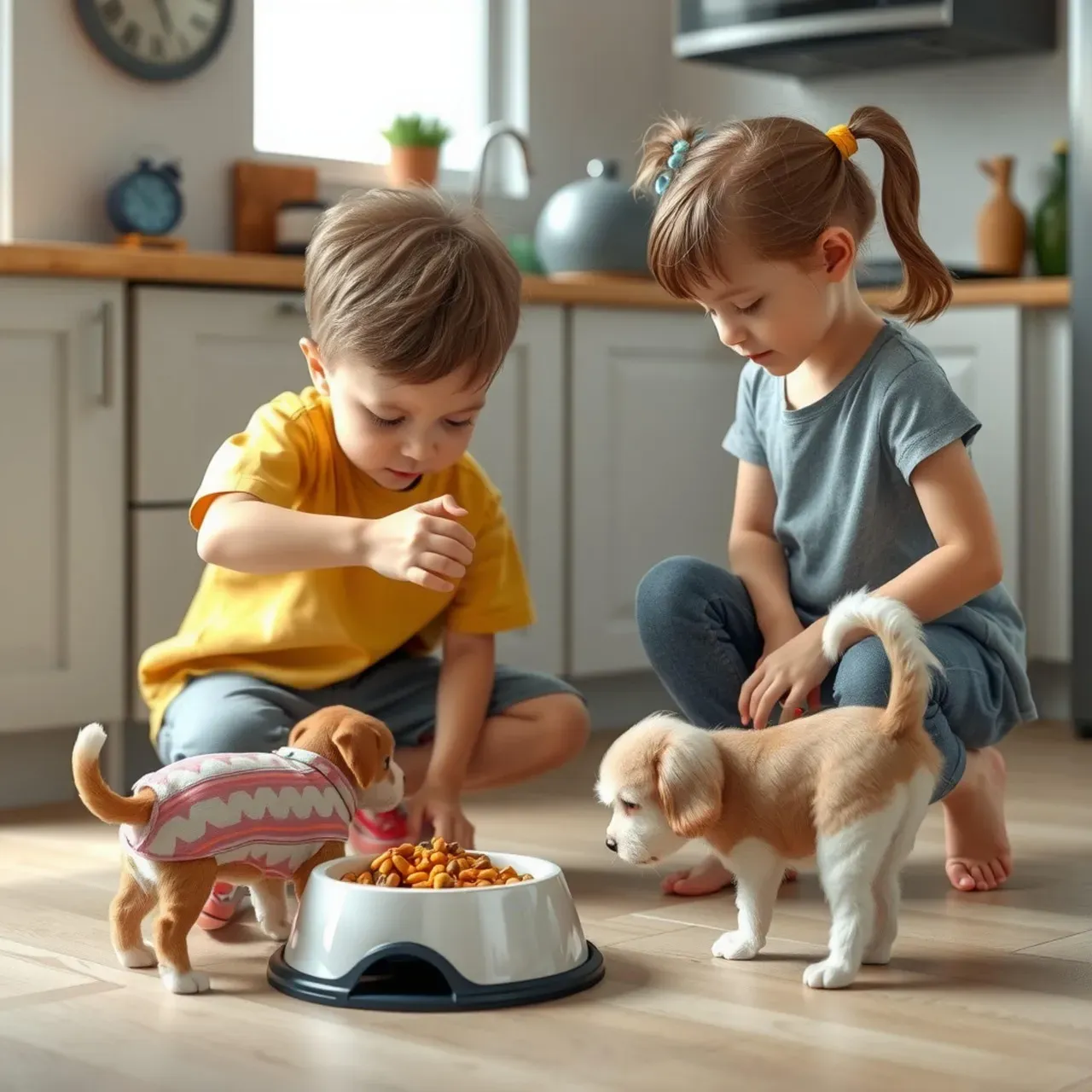
Rainy days used to feel like a burden. All that pent-up energy with nowhere to go. Yet now you’ve got a toolkit of creative solutions that turn dreary weather into quality bonding time. The beauty of indoor exercise is that it often provides more mental stimulation than a standard walk, leaving your dog satisfied in a deeper way.
Mental stimulation is just as, if not more tiring than physical activity, and just 10-15 minutes of mental stimulation will tire dogs out more than a 30-minute walk. Mix and match these activities based on your dog’s personality and energy level. Some days might call for high-energy tug sessions, while others are perfect for slow, thoughtful scent work.
The next time rain clouds roll in, don’t dread it. Embrace it as a chance to try something new with your furry companion. What’s your dog’s favorite indoor activity? Have you discovered any creative games that work wonders on gloomy days? Every dog is unique, and finding what clicks with yours is half the fun.


