


You’ve watched your dog do it a thousand times. That little head tilt when you ask if they want a treat. The frantic kicking after bathroom breaks. The way they press their entire weight against your legs while you’re cooking dinner.
These quirks can feel downright odd, can’t they? Sometimes hilarious, sometimes messy, and sometimes just plain confusing. I think we’ve all stood there with our coffee in one hand wondering what on earth is going through those furry little heads.
Here’s the thing, though. These behaviors aren’t random at all. They’re messages, coded in the language of instinct and affection. Understanding them gives you a window into your dog’s emotional world, and honestly, that connection is what makes the whole relationship feel deeper. So let’s dive in and decode these strange little rituals together.
Circling Before Lying Down: Making Their Perfect Nest
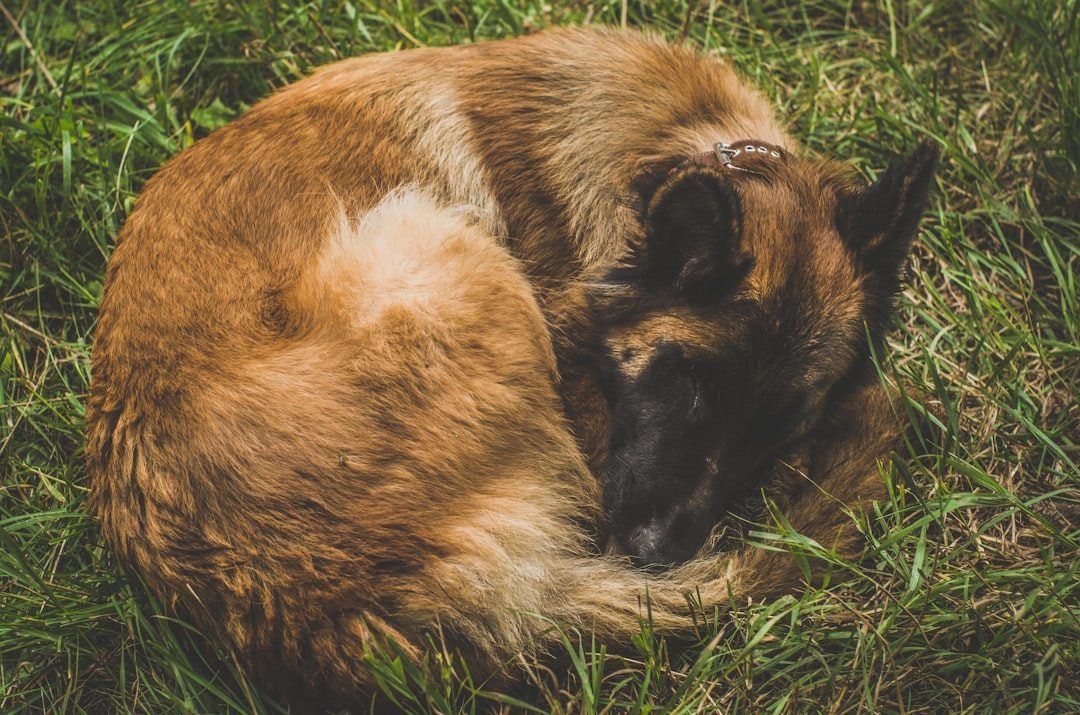
Dog behaviorists believe that a dog’s need to perform the bedtime ritual of turning around in circles before lying down is inherited from canine ancestors, such as wild wolves. Picture wild dogs centuries ago, stomping down tall grass and brush to create a safe, comfortable resting spot. They’d pat down tall grass and move prickly underbrush, and root out rocks and fallen tree branches.
Behaviorists note that dogs often turn in circles more on uneven surfaces, creating a more comfortable temporary nest to nap in. Your living room rug may not have rocks or snakes, but that primal instinct remains. Let’s be real, it’s oddly charming to watch them do their little spin dance even on a perfectly good dog bed.
Circling Keeps Them Safe and Warm
It wasn’t just about comfort in the wild. Some experts suggest circling may help wolves position with noses to the wind to detect scents. Even your pampered pooch still carries that evolutionary safety check.
Wild dogs in colder climates circled to wind themselves into tight balls to conserve personal body heat, with the tighter the tuck, the warmer the dog. Your dog might not be fighting off winter winds on your couch, but that curled-up position after the circle dance? Pure instinct. It’s honestly kind of sweet when you think about it.
Head Tilting: Trying to Hear You Better
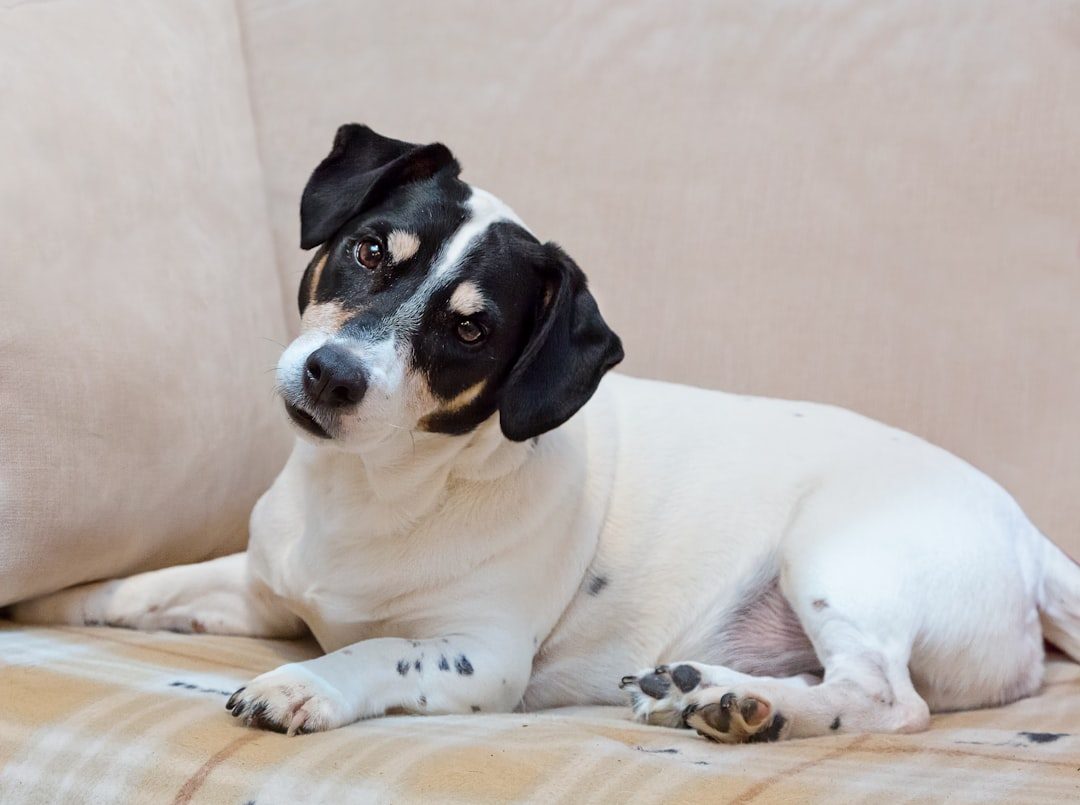
That adorable head tilt when you talk to your dog melts hearts for a reason. Dogs’ movable ear flaps (pinnae) help direct sounds, and tilting may optimize hearing.
Dogs perk up their pinnae and tilt their heads for optimum sound collection to compensate for the interference of ear flaps, and if an interesting sound comes from the front, a dog cocks its head in the direction of the sound. They’re literally adjusting their built-in satellite dishes to catch every word you say. If that’s not devotion, I don’t know what is.
Head Tilts Help Them See Your Face
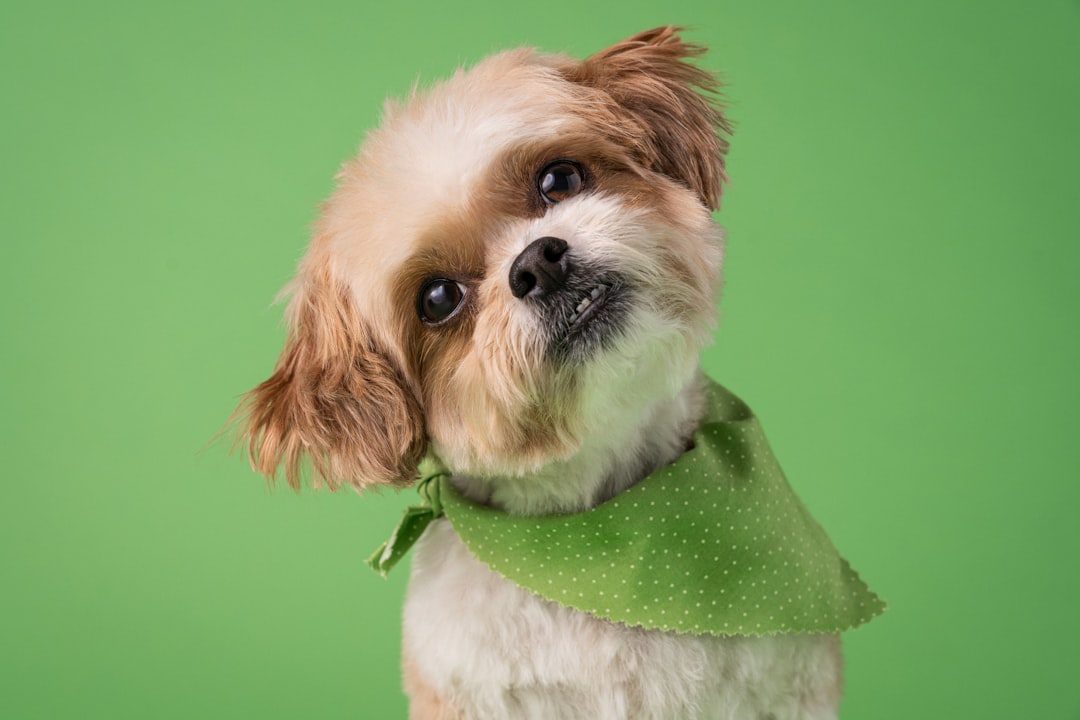
Vision also plays a part. Dogs tilt their heads to work around their interfering muzzles and improve their visual perspective, and that cute head tilt broadens the range of vision and allows a dog to more clearly see a person’s face. Your dog wants to read your facial expressions to understand you better.
Some suggest head tilting may indicate attentiveness or processing information. So when they tilt at you, they’re not just being cute. They’re working hard to decode what you’re trying to communicate.
Kicking After Pooping: Marking Their Territory
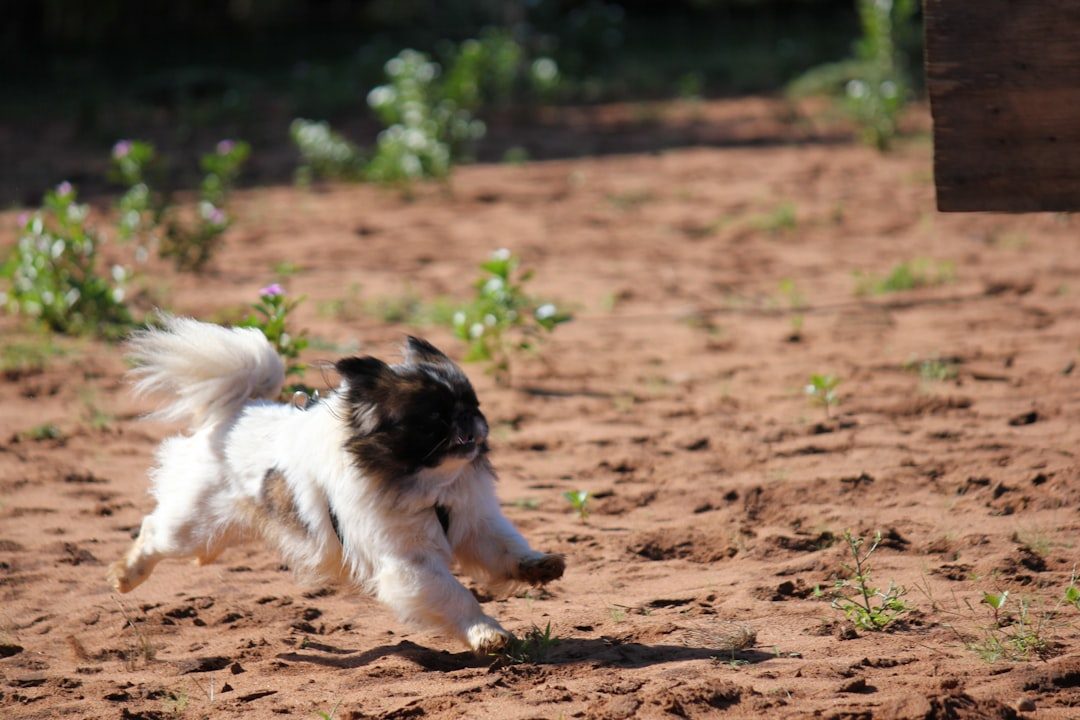
You know that vigorous backward kick your dog does after doing their business? It looks ridiculous, especially when clumps of grass go flying. Kicking the hind legs after elimination is known as ground-scratching, a normal dog behavior seen in dogs and wild canids like wolves and coyotes, and many animal scientists think it’s a form of communication among dogs.
Dogs have glands in their paws that release pheromones that trigger social interaction with other dogs, and these pheromones from dogs’ feet last longer than the scent of urine or feces, making them a more effective communication tool. Your dog is basically leaving their signature. Not just with waste, but with scent markers from their paws that say “I was here.”
Kicking Is a Visual Display Too
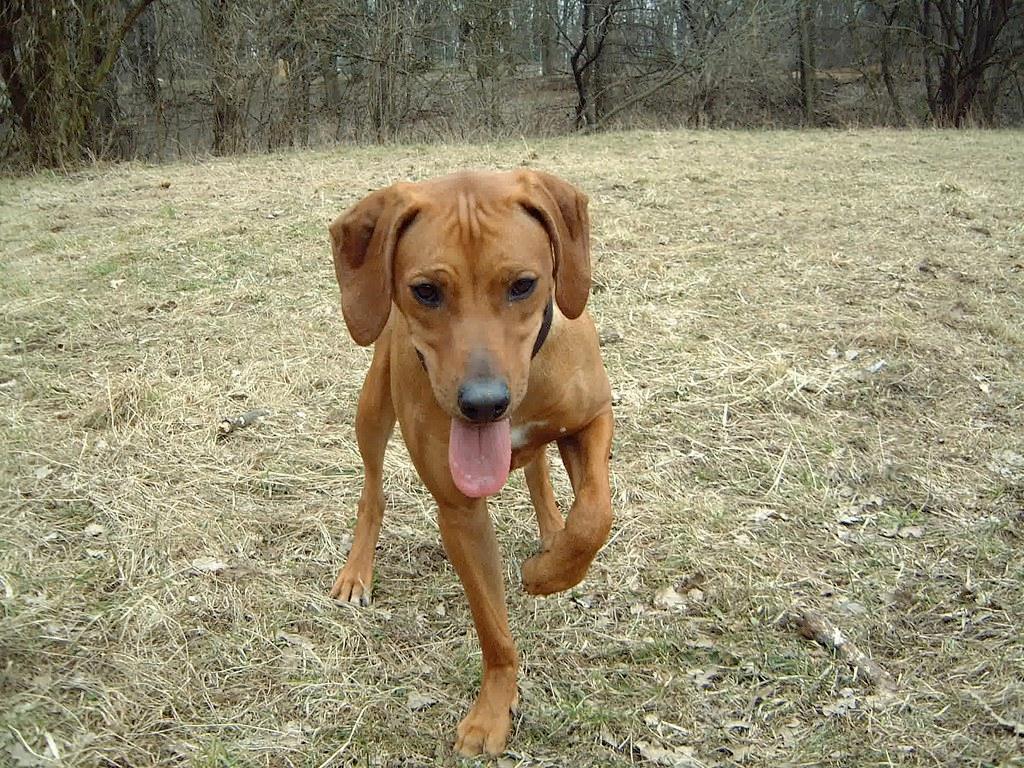
The kicking motion is a visual display for other dogs and may help spread the scent of urine, and since urine odors are short-lasting, the slashes on the ground serve as longer-lasting marks to indicate the dog’s presence in the area. It’s like leaving a calling card for the neighborhood.
Studies suggest ground-scratching occurs more often around other dogs. If there are other pups around, expect an extra enthusiastic performance. Your dog isn’t trying to ruin your lawn. They’re just broadcasting their existence to the world, one dramatic kick at a time.
Leaning Against You: Pure Affection and Trust
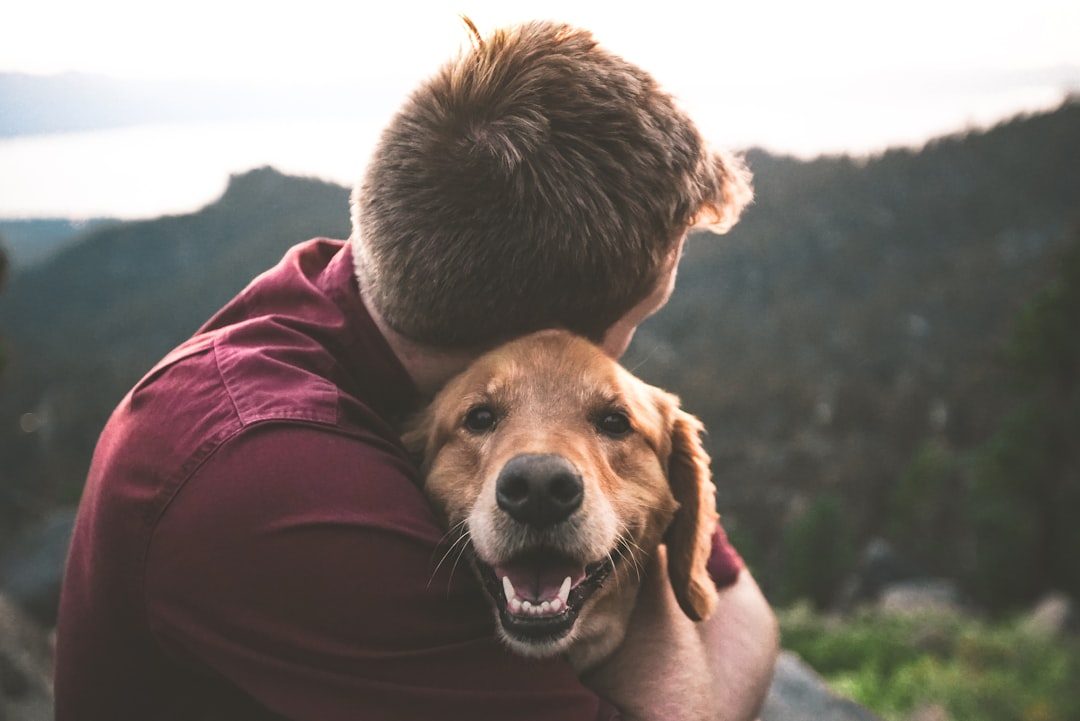
When your dog leans their full weight against your legs, it can feel like they’re trying to knock you over. One of the primary reasons dogs lean against us is to express love and affection, and when your furry friend nudges you with their body weight, they are essentially saying, “I trust you, and I want to be close.”
Dogs only lean on humans that they trust, and this says a lot. Your dog won’t lean on strangers or people they’re unsure about. This is reserved for their favorite humans. It’s their version of a hug, really.
Leaning Can Mean They Need Comfort
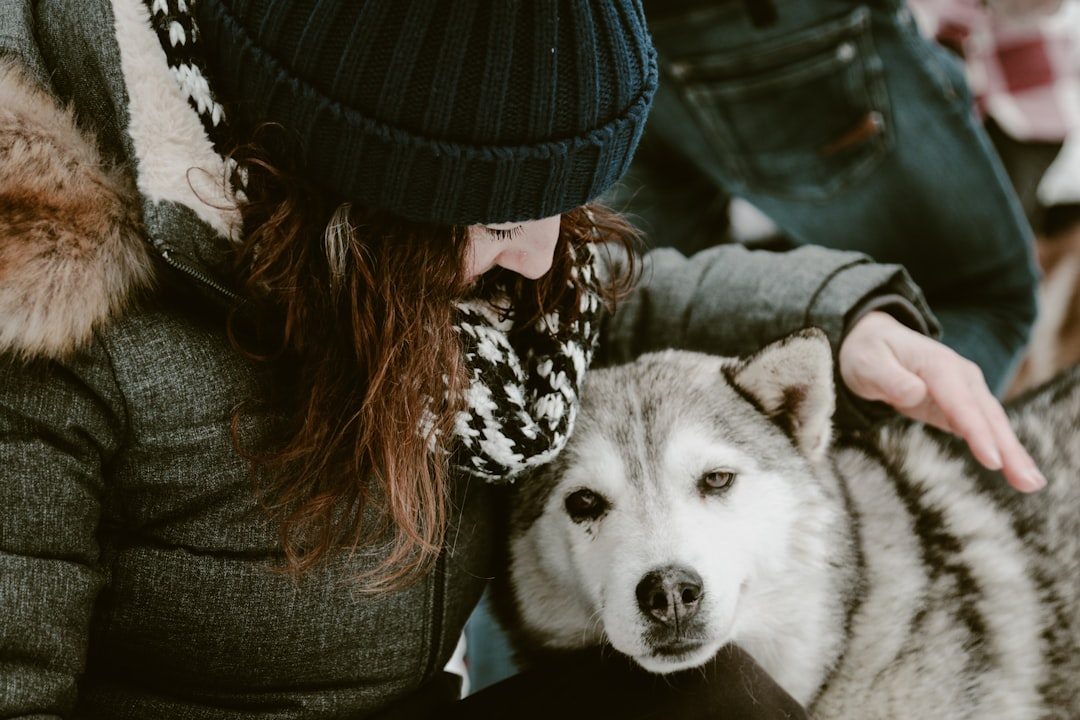
Context matters, though. Dogs may also lean against their owners when they are seeking comfort, which may happen when they are feeling scared or when they are in pain. During thunderstorms, fireworks, or vet visits, that lean becomes a lifeline.
Anxious dogs require support, so they often lean against their owners, especially in cases of separation anxiety where the dog is afraid to be alone, and a dog with separation distress often cannot sleep as it worries the owner may sneak out, so the best way to sleep is to lean against the owner as an alarm system. If your dog seems tense while leaning, they might need extra reassurance from you.
Following You Everywhere: You’re Their Whole World
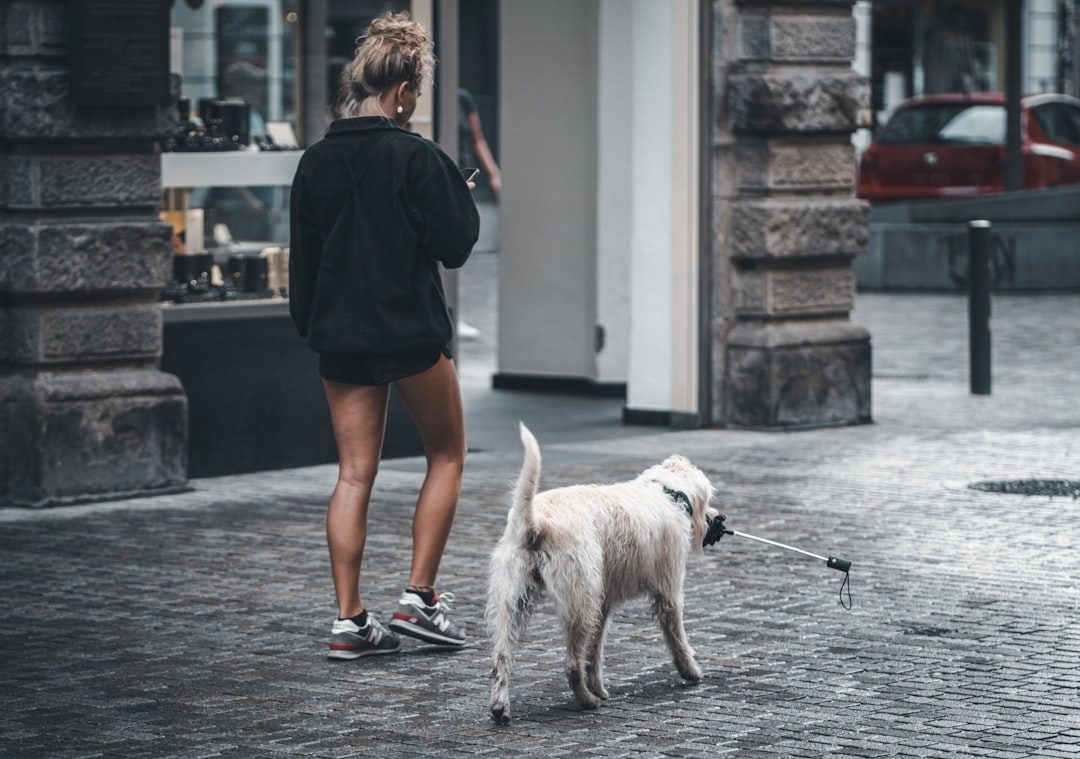
Does your dog follow you from room to room, even to the bathroom? It might feel excessive, but it comes from a place of deep attachment. Dogs are pack animals by nature, and you’re their pack leader and best friend rolled into one.
They don’t want to miss a single moment with you. Whether you’re brushing your teeth or grabbing a snack, they want to be part of it. Some dogs do this more intensely than others, and certain breeds are known for being especially velcro-like. It’s not clinginess in a bad way. It’s devotion.
Following Can Signal Separation Anxiety
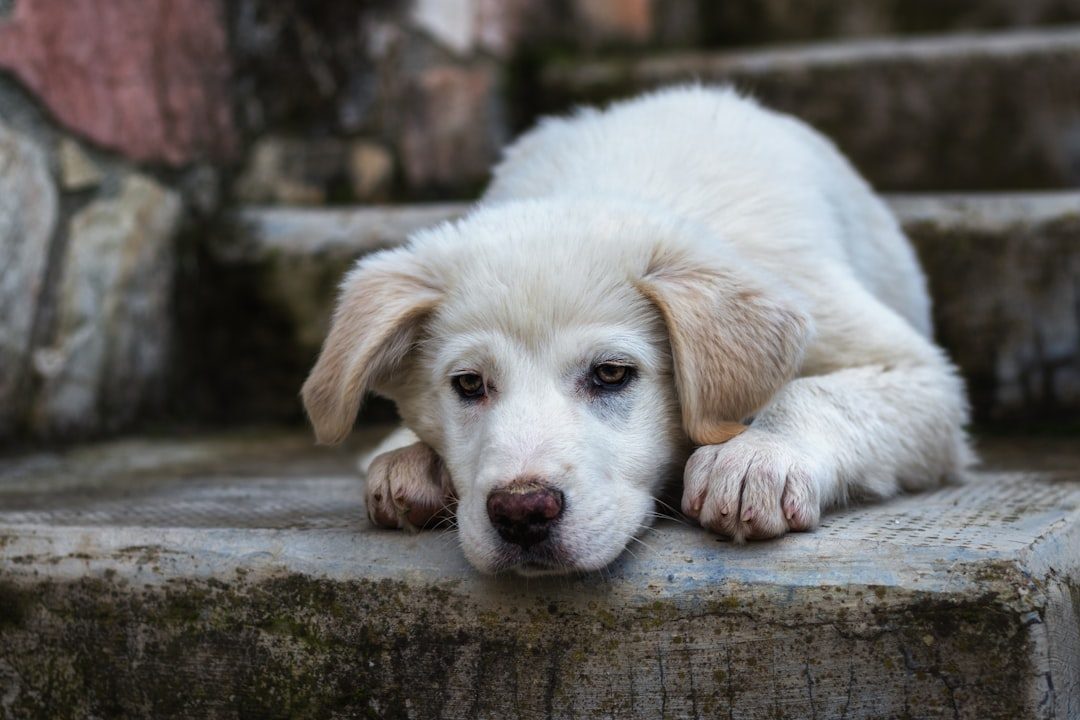
Still, excessive following paired with distress when you leave might point to separation anxiety. If your dog panics when you’re out of sight, paces, or becomes destructive, that’s worth addressing with training or professional help.
The line between affection and anxiety can be thin. Pay attention to their overall demeanor. A relaxed dog who tags along is different from one who seems stressed and unable to settle. Understanding the difference helps you respond appropriately and support their emotional needs.
Bringing You Toys: An Invitation to Play
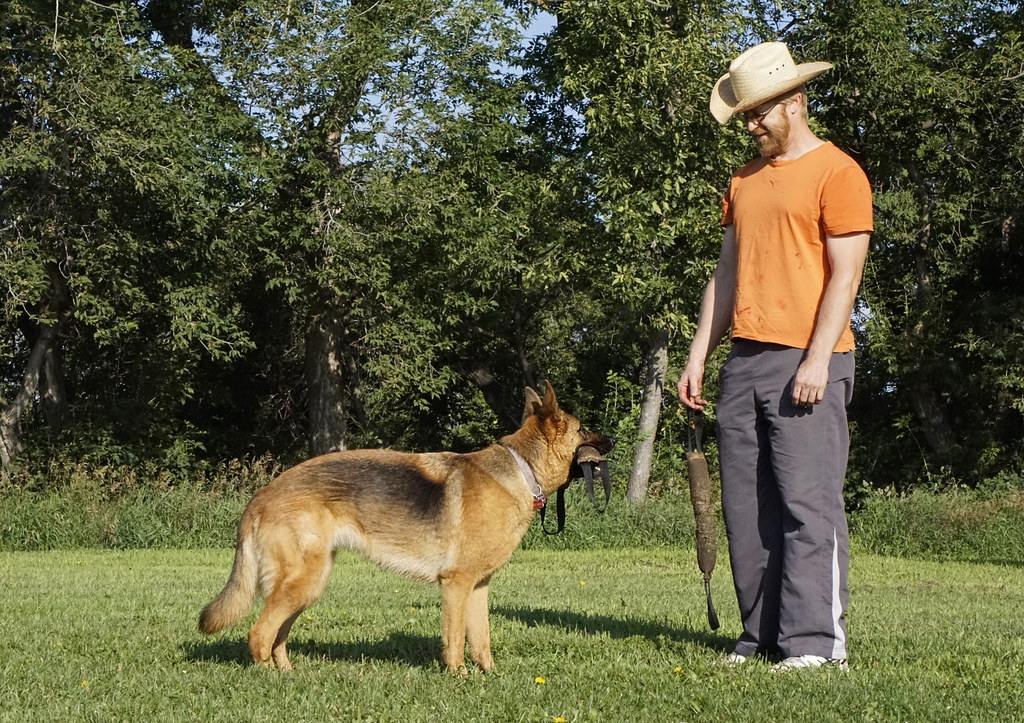
When your dog trots over with a toy in their mouth and drops it at your feet, they’re not just showing off their favorite squeaky ball. They’re inviting you into their world. It’s a social gesture, a way of saying “Let’s bond over this.”
Play is how dogs connect, not just with each other, but with you too. By bringing you a toy, they’re initiating interaction and showing trust that you’ll engage with them. Sometimes they might bring it just to share their joy. Look at this amazing thing I have. Isn’t it great?
Toy Gifts Are Acts of Love
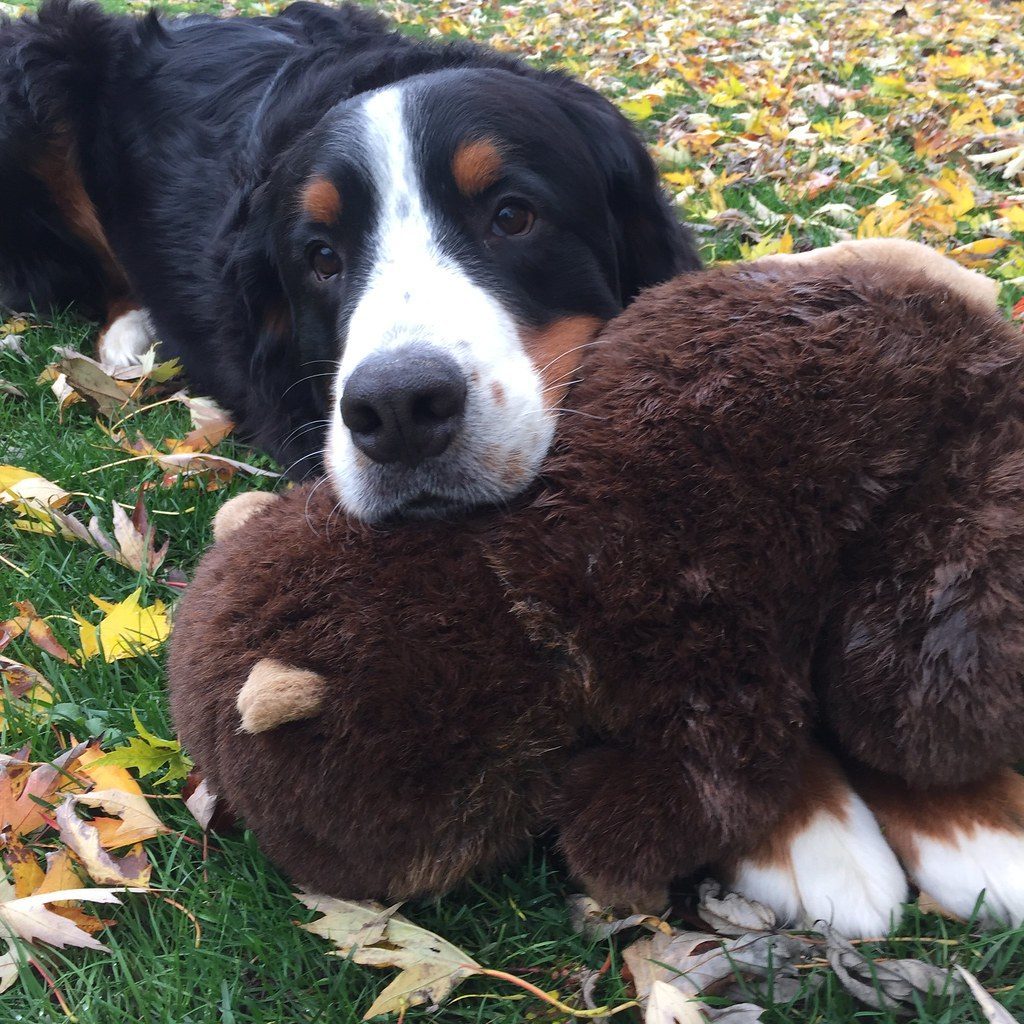
Some experts believe dogs bring you toys as a form of gift-giving. They know these objects are valuable and fun, and they want to share that happiness with you. It’s their way of contributing to the relationship.
Other times, they’re simply seeking attention or trying to tell you they’re bored and need stimulation. Either way, it’s a compliment. Your dog sees you as their playmate and companion, and that’s a role worth celebrating. Even if it means another round of fetch when you’re trying to relax.
Sighing Deeply: Contentment or Frustration
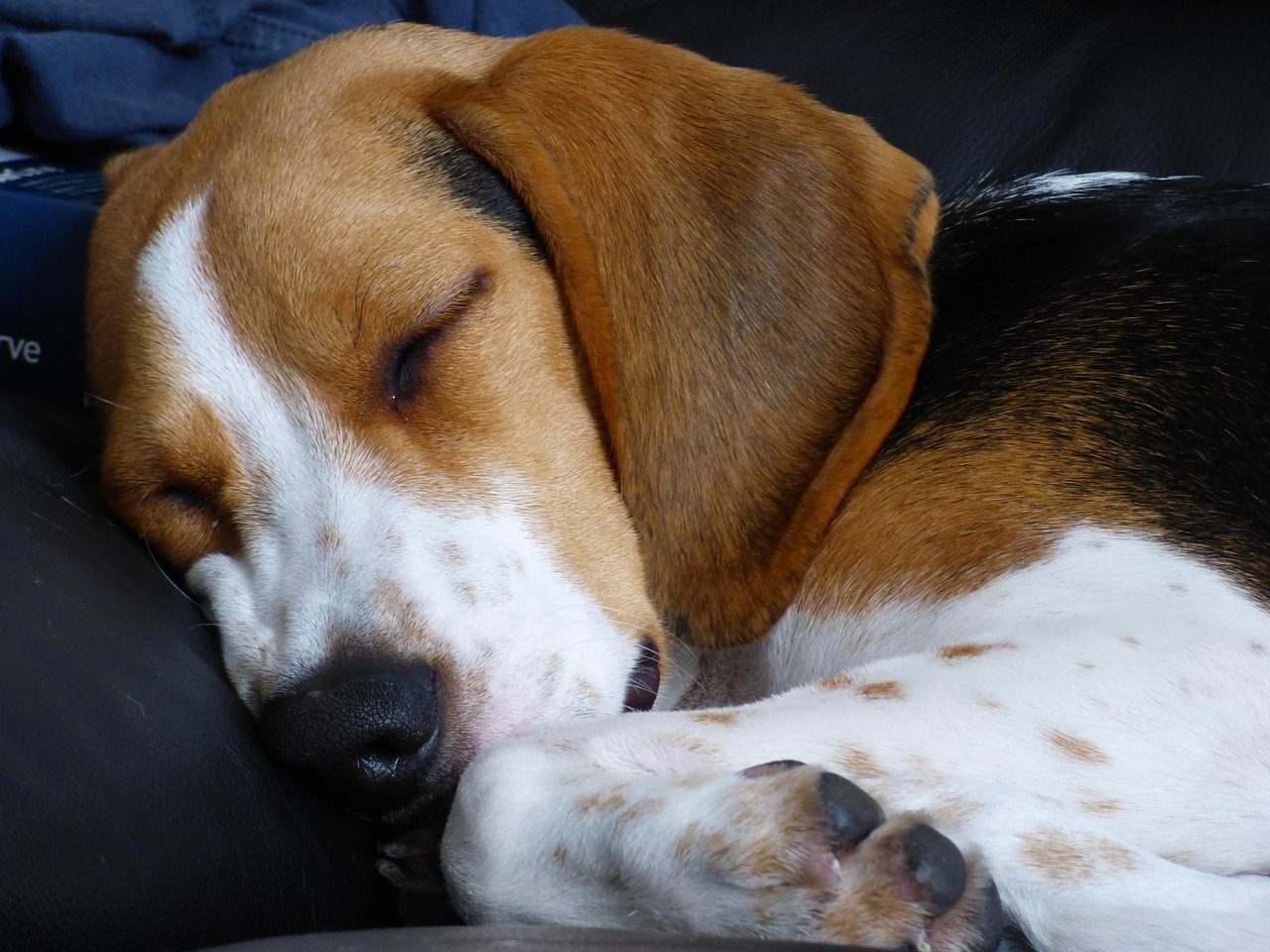
You’ve probably heard it. That long, dramatic sigh your dog lets out when they finally settle down for a nap. It sounds almost human, doesn’t it? Often, it’s a sign of pure relaxation and contentment.
When dogs are comfortable and happy, they sigh as they release tension and sink into rest. It’s similar to how we exhale deeply after a long day. If your dog sighs while sprawled out next to you, consider it a compliment. They feel safe and at peace.
Sighs Can Also Express Disappointment
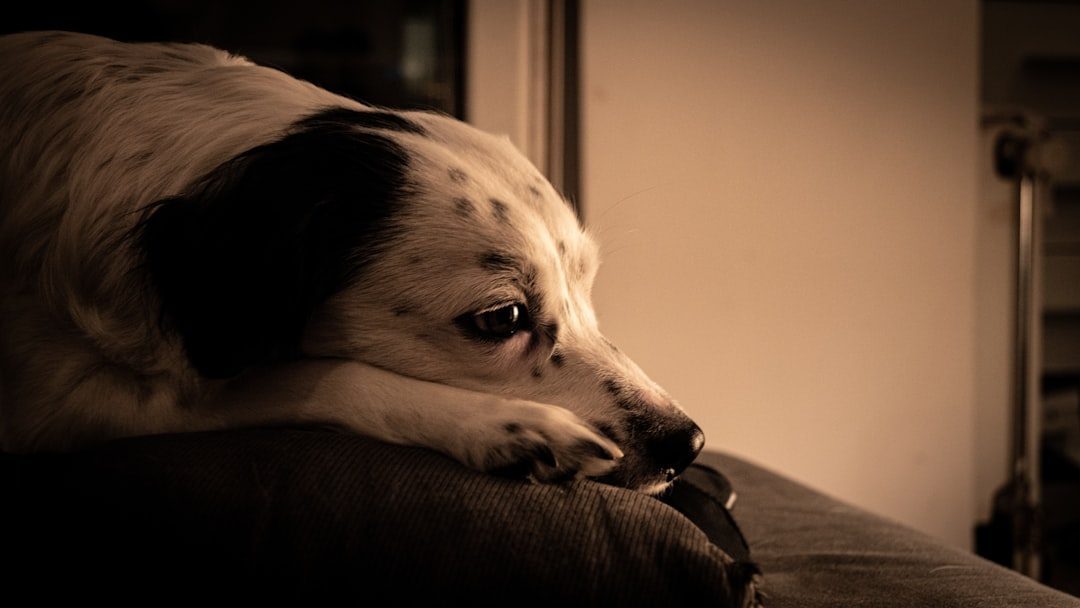
However, dogs can also sigh out of mild frustration or disappointment. Maybe you didn’t throw the ball one more time, or perhaps you told them to get off the couch. That exaggerated sigh? They’re letting you know they’re not thrilled about it.
Dogs are more emotionally expressive than we sometimes give them credit for. A sigh might seem small, but it’s part of their communication toolkit. Learning to read the context around it, like their body language and what just happened, helps you understand what they’re really trying to say.
Staring at You: Connection and Communication
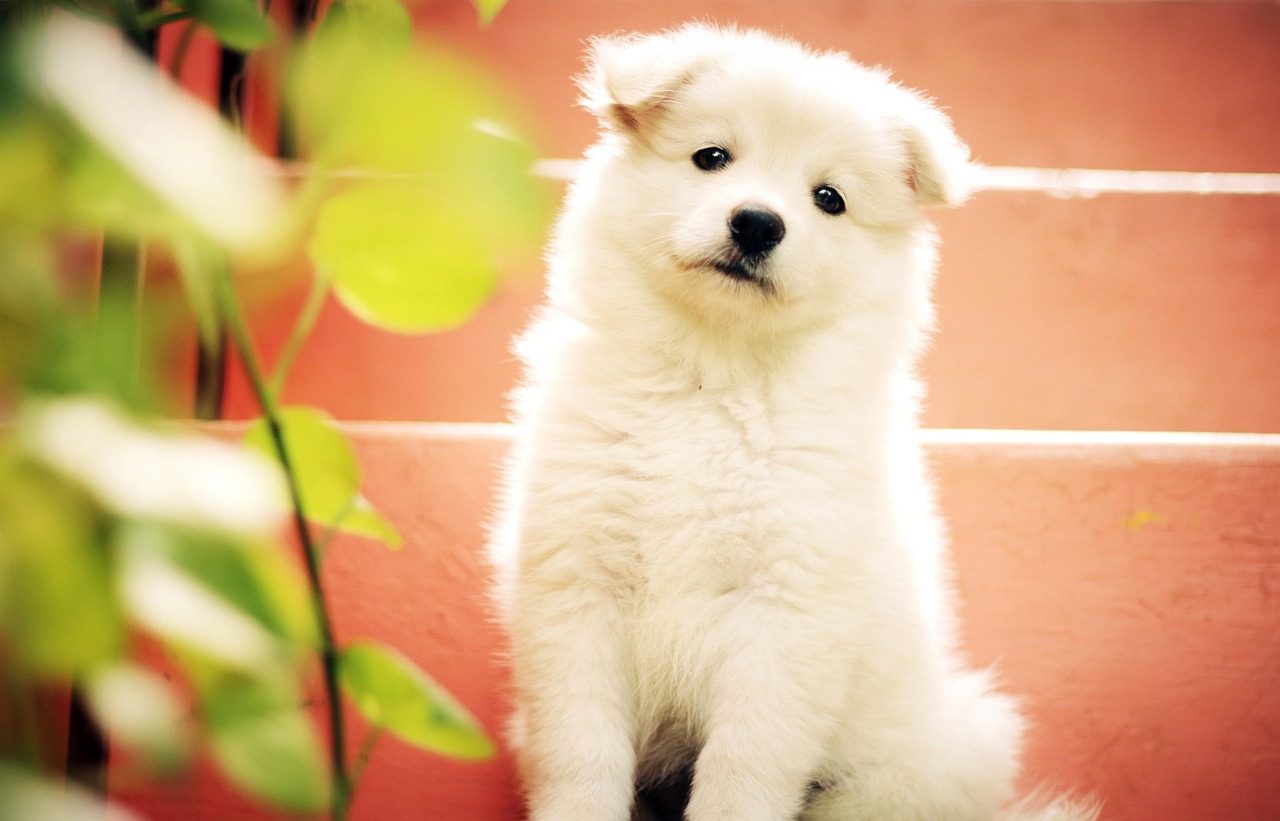
Have you ever caught your dog just staring at you with those big, soulful eyes? It can feel intense, almost like they’re trying to see into your soul. In many cases, they’re simply observing you and waiting for cues.
Dogs are incredibly attuned to human behavior. They watch for signals that might indicate food, walks, playtime, or affection. That stare is their way of staying connected and ready to respond to whatever you do next. It’s honestly kind of flattering when you think about it.
Staring Releases Bonding Hormones
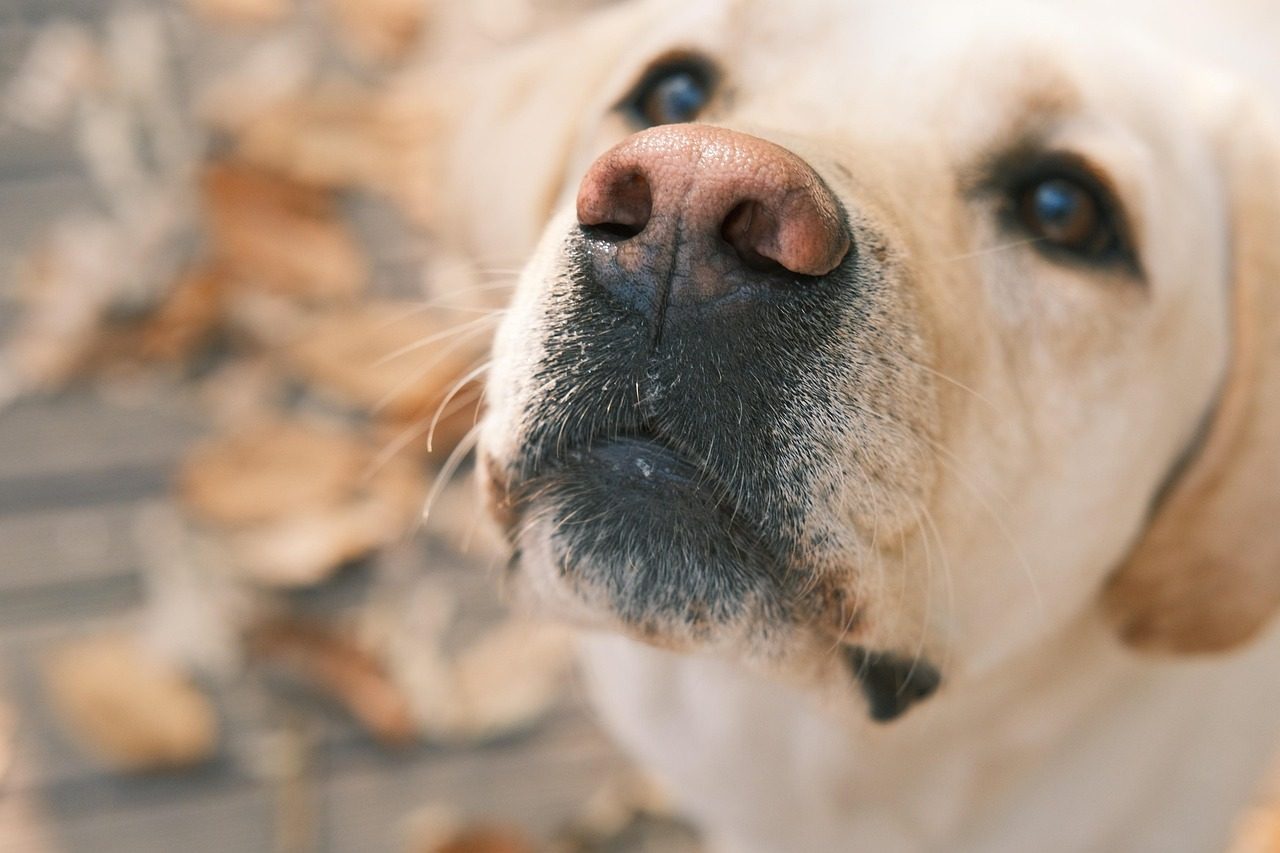
Research has shown that mutual gazing between dogs and their owners triggers the release of oxytocin, the same hormone involved in human bonding and affection. When your dog looks into your eyes, both of you get a chemical boost of love and connection.
This eye contact strengthens your bond and reinforces the emotional attachment you share. So the next time your dog stares at you for no apparent reason, stare back for a moment. You’re not being weird. You’re deepening your relationship in the most primal, beautiful way possible.
Zoomies: Releasing Pent-Up Energy and Joy
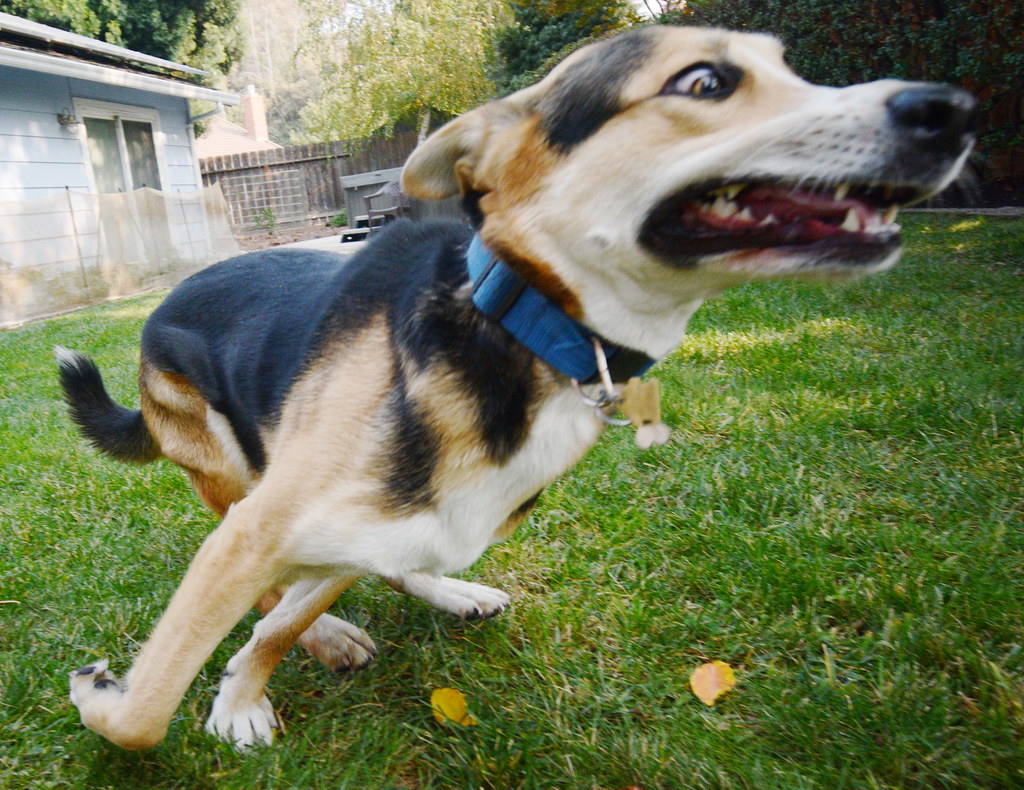
Ah, the zoomies. That sudden burst of chaotic energy where your dog tears around the house or yard like they’ve been possessed by a speed demon. It looks wild, and it kind of is, but it’s also completely normal and healthy.
Zoomies, or Frenetic Random Activity Periods, happen when dogs need to release built-up energy or excitement. It’s most common in puppies and young dogs, but even older dogs have their moments. They might zoom after a bath, a meal, or just because they’re feeling good.
It’s pure, unfiltered joy in motion. Your dog isn’t being naughty or out of control. They’re just expressing happiness and vitality in the most enthusiastic way they know how. Let them have their moment. Just maybe move the breakables first.
Conclusion: Strange Behaviors, Beautiful Meanings
Dogs speak a language all their own, and so much of it is written in these quirky, endearing behaviors. What seems strange on the surface often carries deep meaning rooted in instinct, emotion, and love.
From the bedtime circle dance to the full-body lean, each gesture is a thread in the tapestry of your bond. The more you understand what your dog is telling you, the stronger and richer that connection becomes. It’s a two-way street built on trust, affection, and a whole lot of patience.
So the next time your dog does something that makes you pause and wonder, take a moment to consider the meaning behind it. Chances are, it’s their way of saying “I love you,” “I trust you,” or “You’re my favorite person in the whole world.” What do you think? Does your dog have any behaviors that left you puzzled? Tell us in the comments.
Andrew Alpin from India is the Brand Manager of Doggo digest. Andrew is an experienced content specialist and social media manager with a passion for writing. His forte includes health and wellness, Travel, Animals, and Nature. A nature nomad, Andrew is obsessed with mountains and loves high-altitude trekking. He has been on several Himalayan treks in India including the Everest Base Camp in Nepal.


