
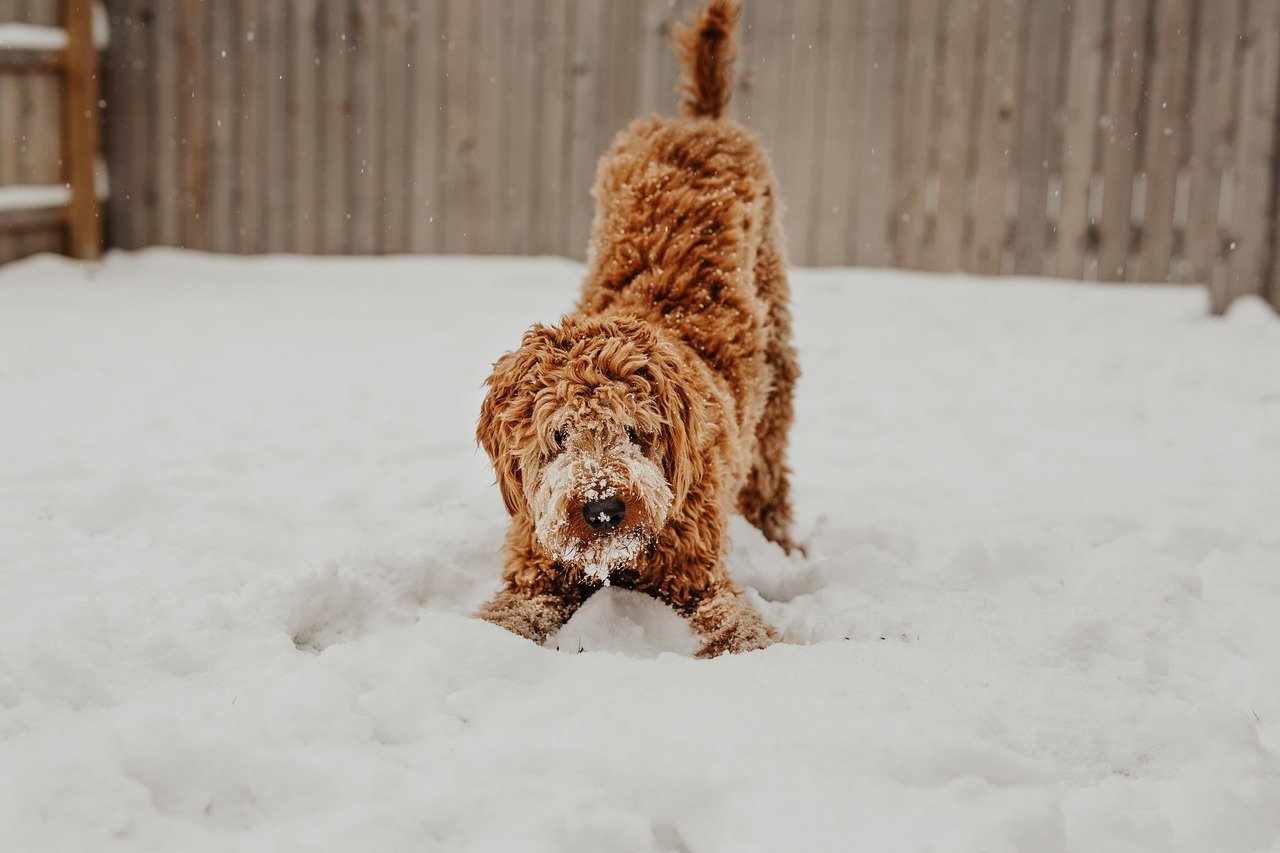
Ever wonder if your dog’s adorable antics are all about love—or if there’s something else going on behind those soulful eyes? Dogs have an amazing way of showing affection, but sometimes their behaviors are more about getting their own way than loving you. It’s surprising, even a bit shocking, to realize that those wiggly tails and wet noses can hide clever little manipulation tactics. If you’ve ever felt like your dog is running the show, you’re not alone! Let’s dig into the seven clear signs of canine love, followed by seven behaviors that are actually your pup trying to call the shots.
Leaning Into You: The Trusty Hug
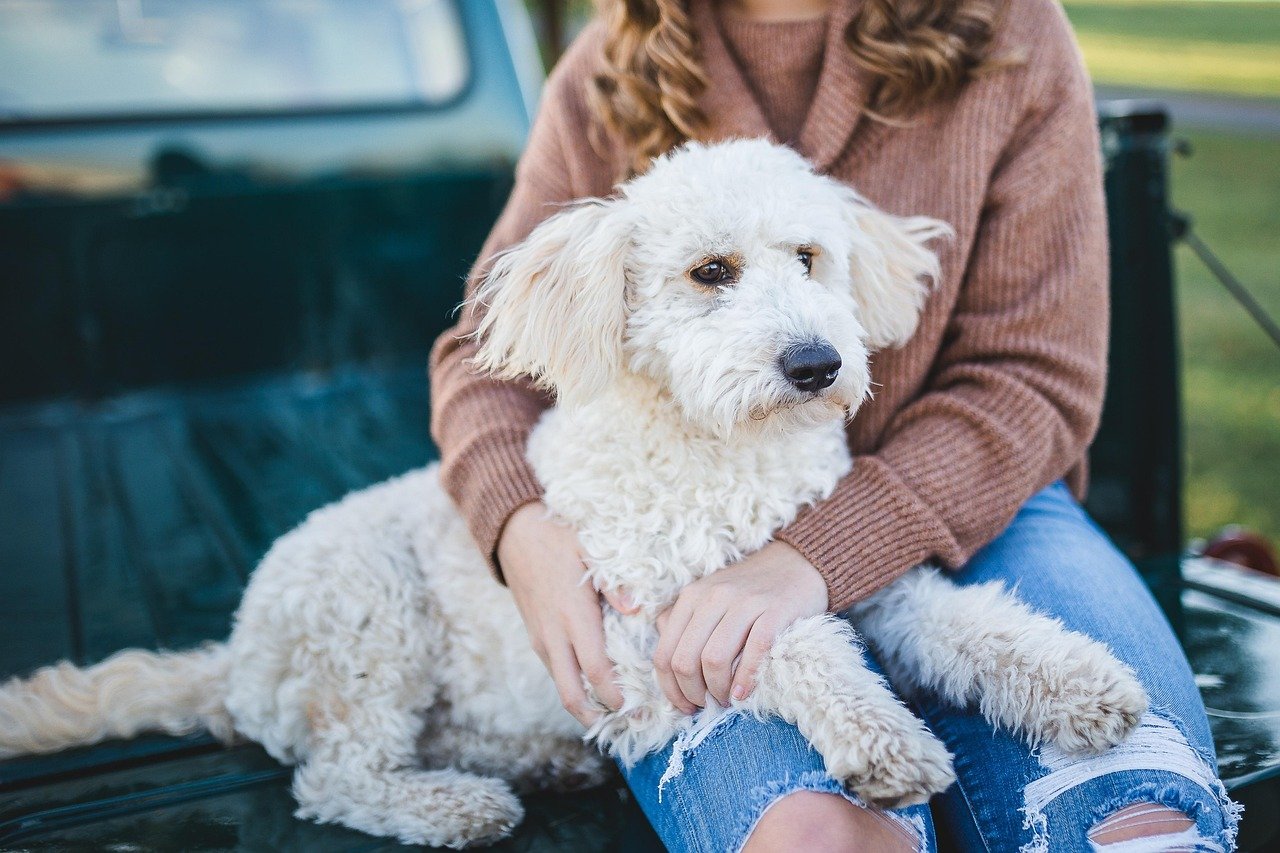
When a dog leans into you, it’s their way of giving a hug. This gesture might seem simple, but it’s packed with meaning. Leaning is your dog’s way of saying, “I trust you.” It’s like when a friend sidles up next to you on the couch—comfortable, close, and safe. Some dogs will press their whole body against your leg, while others might just rest their head gently on your lap.
This behavior is often seen when your dog seeks comfort or reassurance. Maybe there’s a thunderstorm outside, or maybe they’re just feeling extra affectionate. Either way, leaning is a classic sign of canine love. It’s their way of sharing space and showing that you are their safe harbor in a big, confusing world. If your dog does this, consider it a sweet compliment—they’re letting their guard down just for you.
Bringing You Their Favorite Toy: Sharing Is Caring
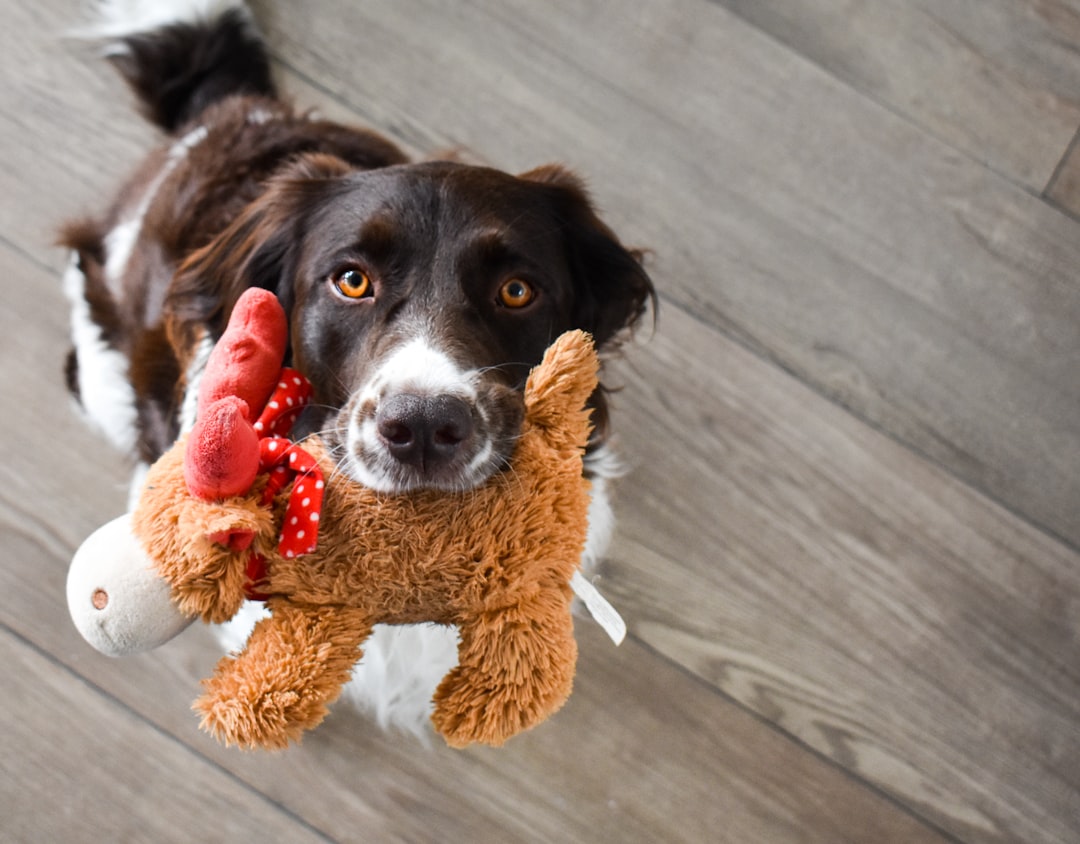
If your dog trots over with their most prized squeaky toy and drops it at your feet, you’re witnessing pure love in action. Dogs are usually pretty protective of their favorite things, so sharing them is a big deal. It’s almost like a child offering you their favorite teddy bear—it means you’re in the inner circle.
This behavior is rooted in pack mentality. Dogs want to include you in their world, and sharing a toy is their way of saying, “Let’s play together!” or “I trust you with this.” Sometimes, they might bring you a toy when you’re feeling down, as if to cheer you up. It’s more than just wanting to play; it’s a genuine, heartfelt gesture of connection and affection.
Wagging Their Tail (The Right Way): The Happiness Meter
A dog’s tail is like an emotional barometer. When it’s wagging loosely and happily, especially with the whole back end wiggling, it’s a sure sign of love. This kind of tail wag is relaxed—sometimes the dog’s whole body gets into it, like they just can’t contain their excitement to see you.
It’s important to note that not all tail wags mean the same thing. A stiff or slow wag can signal uncertainty or even irritation, but that joyful, loose wag? That’s pure happiness. When your dog greets you with a wildly wagging tail, it’s their way of saying, “You’re my favorite person and I’m so glad you’re here!” This is one of the most universal signs of doggy affection.
Licking You: Kisses, Canine Style
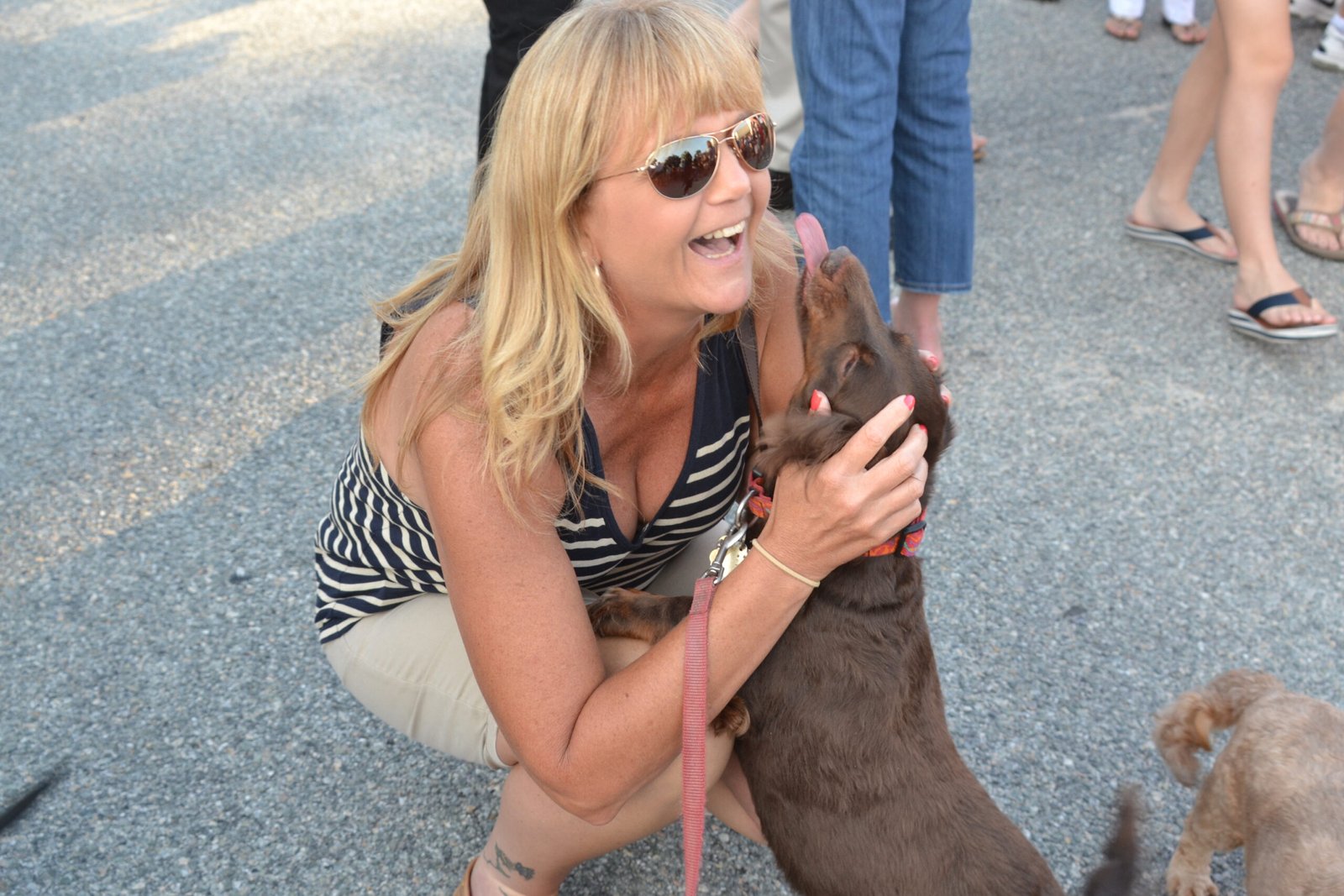
Dog kisses can be sloppy, but they’re almost always heartfelt. Licking is a natural way for dogs to show affection—think of it as their version of giving you a kiss. Puppies lick their mothers for comfort and attention, and that instinct stays with them as they grow up.
When your dog licks your hand, your face, or even your feet, they’re expressing love and attachment. Some dogs use licking to comfort their humans if they sense you’re upset. It’s soothing for them and for you, creating a gentle bond. While a wet face isn’t everyone’s cup of tea, remember—it’s love, straight from the heart (and drool glands).
Following You Everywhere: The Shadow Effect
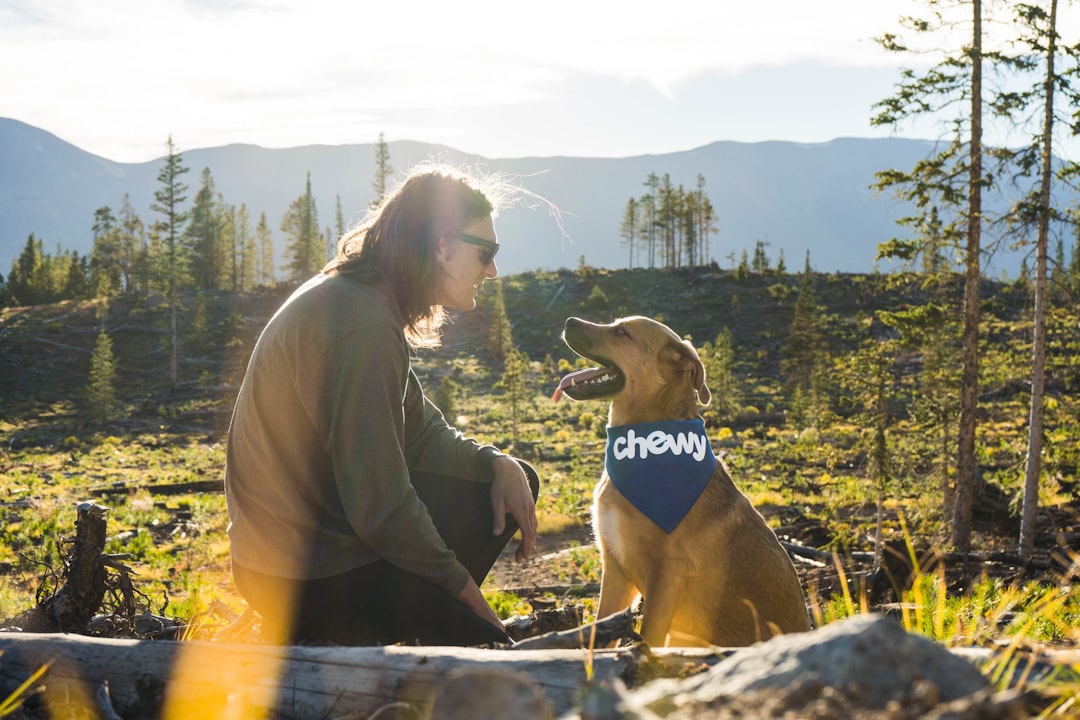
Ever feel like you can’t even go to the bathroom alone? That’s because your dog just wants to be where you are. Following you around is one of the sweetest signs of love and loyalty. It’s their way of saying, “You’re my person, and I don’t want to miss a moment with you.”
This behavior is especially common in breeds known for loyalty, like Labradors or Golden Retrievers, but really, any dog can become your shadow. It’s not just about needing something—it’s about wanting to be close. Dogs are social animals, and being around their favorite human is the ultimate comfort for them. If you trip over your pup every time you turn around, take it as a compliment!
Sleeping Near You: Nighttime Devotion
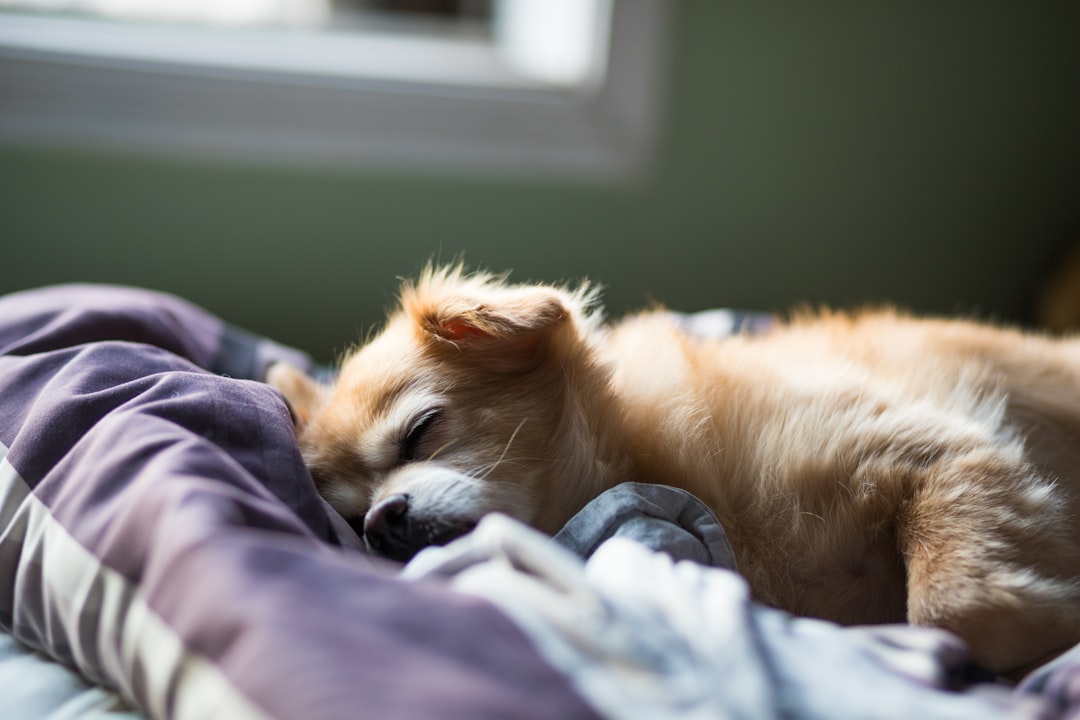
When your dog curls up next to you at night or naps at your feet during the day, it’s a powerful display of trust and love. In the wild, dogs sleep close to the pack for safety and warmth. By choosing to sleep near you, your dog is saying, “You’re family.”
This behavior also shows vulnerability. Dogs are most defenseless when they’re asleep, so if they choose to snooze next to you, that’s a huge sign of faith. Whether they snuggle under the covers or just lie on the rug beside your bed, their presence is a silent, steady message: “I love you, and I know you’ll keep me safe.”
Excited Greetings: The Joy of Reunion

Few things are more heartwarming than coming home to a dog that acts like you’ve been gone a year, even if it’s only been five minutes. Jumping, spinning, barking, or even doing a little “happy dance”—these are all signs that your dog is thrilled to see you. This excitement is pure, unfiltered affection.
Dogs don’t hide their feelings, especially when it comes to reunions. Some will even bring you a “gift,” like a sock or a random shoe, just to celebrate your return. It’s their way of showing how much you matter in their world. These over-the-top greetings are a daily reminder that, to your dog, you are the center of the universe.
Pawing at You: Not Always Cute

While it might seem adorable when your dog paws at you, this behavior isn’t always about love. Sometimes, it’s a way for your dog to get your attention—or even to control your behavior. Think of it as the canine equivalent of tapping someone on the shoulder until they respond.
If your dog paws at you insistently, especially when you’re busy or ignoring them, they’re saying, “Pay attention to me, now!” It’s a learned behavior; if you always respond with pets or treats, your dog figures out that pawing gets results. Over time, this can become a subtle way of running the show, rather than just showing affection.
Barking for Attention: The Demanding Director
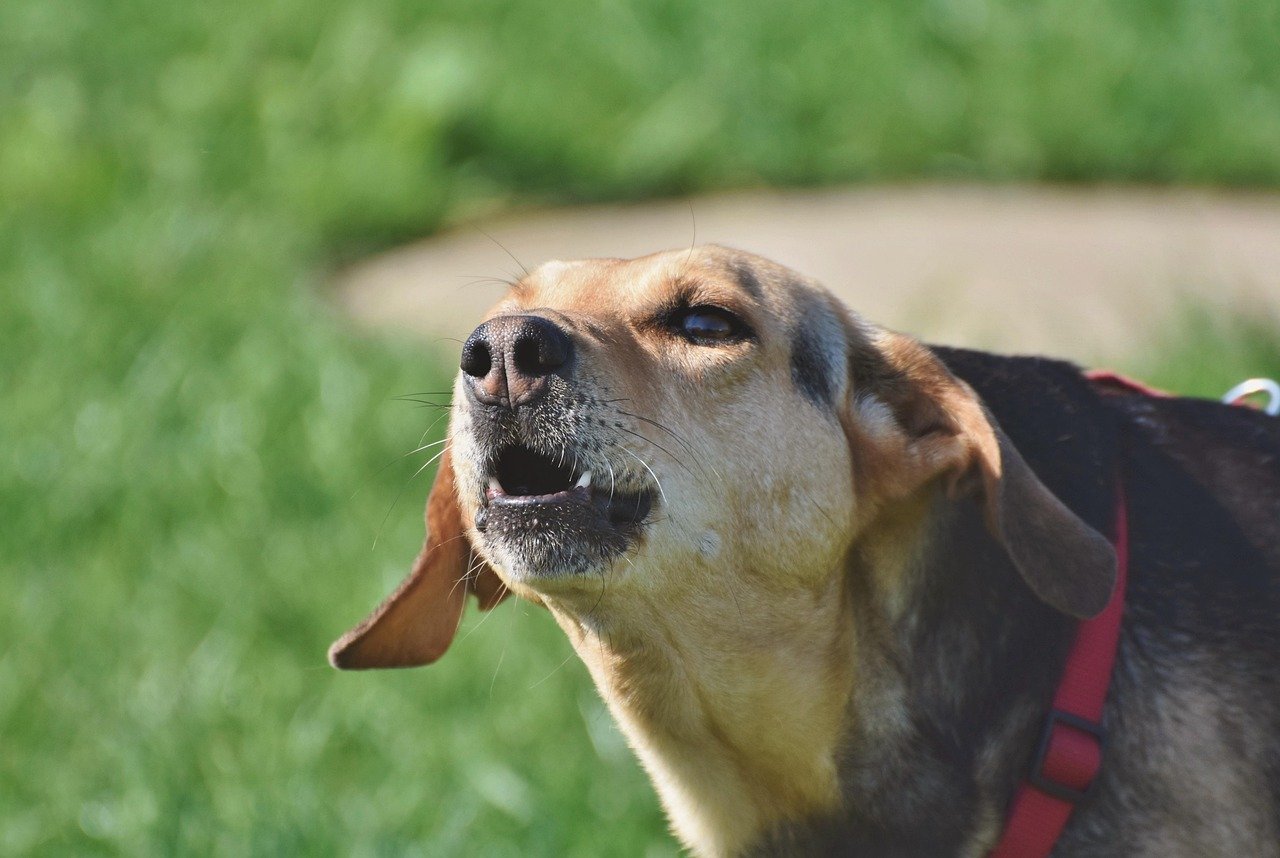
We all know dogs bark, but when it’s constant and directed at you, it might be more about control than conversation. Some dogs quickly learn that barking gets them what they want—food, playtime, or even just a glance in their direction. This is less about communication and more about giving commands.
Barking for attention can be disruptive and stressful. It puts you on edge and makes you scramble to quiet your dog, which is exactly what they want. If you give in every time, your dog learns that being noisy is an effective way to manage your actions. It’s a classic example of canine manipulation, cleverly disguised as communication.
Guarding Toys or Food: The Possessive Partner
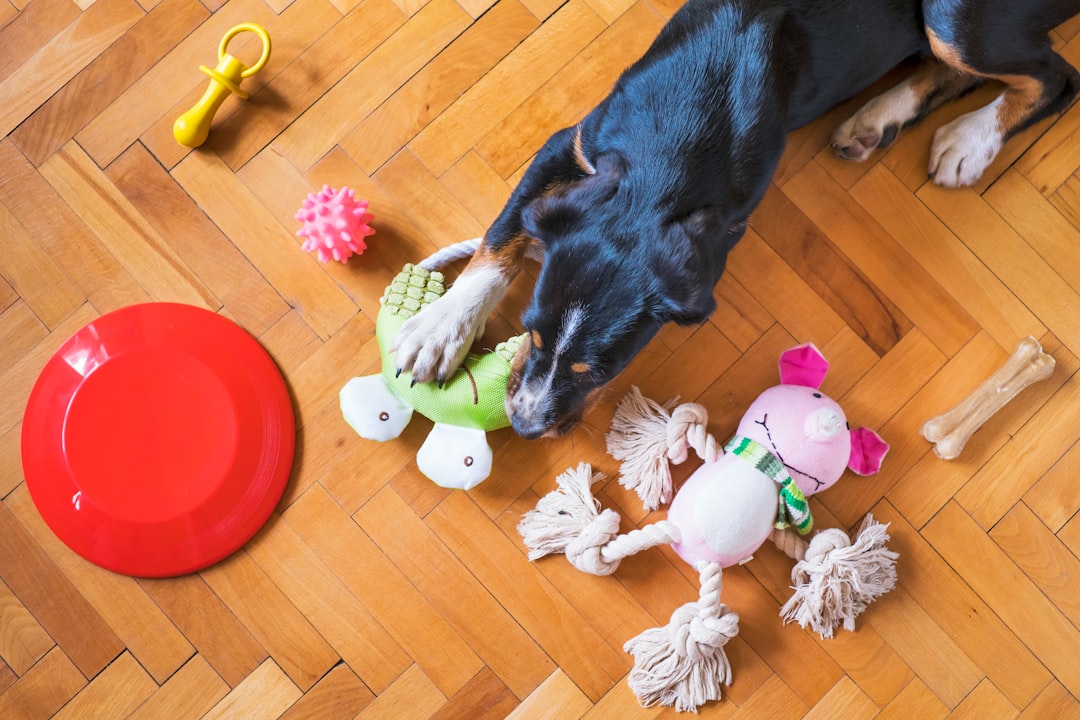
Does your dog get snappy or growly when you approach their toys or food bowl? This isn’t a sign of love—it’s a control tactic. Guarding resources is a way for dogs to establish dominance and set the rules in the house. It’s like a toddler refusing to share their favorite toy, but with sharper teeth.
This behavior can escalate if not addressed. Dogs that guard their things are often trying to control who gets access to what, and when. It can strain the bond between you and your dog, making interactions tense. While some level of resource guarding is natural, excessive possessiveness needs gentle but firm correction for a healthy relationship.
Ignoring Commands: The Selective Listener
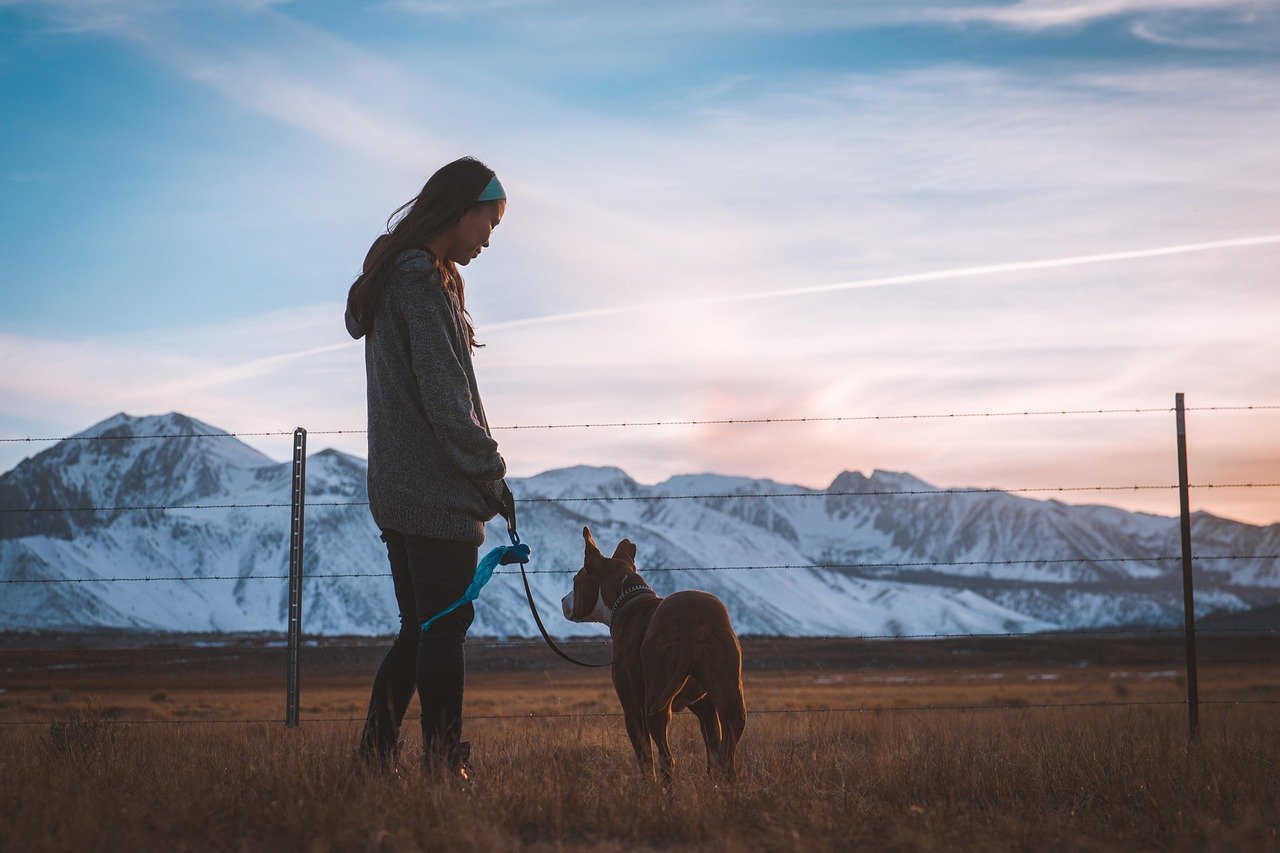
Every dog owner knows the frustration of being ignored. If your dog seems to “forget” basic commands, it might be more than just absentmindedness. Selective listening is a control tactic—your dog is choosing when to obey and when not to, based on what suits them.
This behavior often develops over time. If your dog discovers that not listening leads to more attention, treats, or even just a fun chase around the house, they’ll keep doing it. It’s their way of testing boundaries and seeing who’s really in charge. Consistent training is key to breaking this cycle and reestablishing your role as leader.
Demanding Space on the Bed or Couch: The Entitled Guest
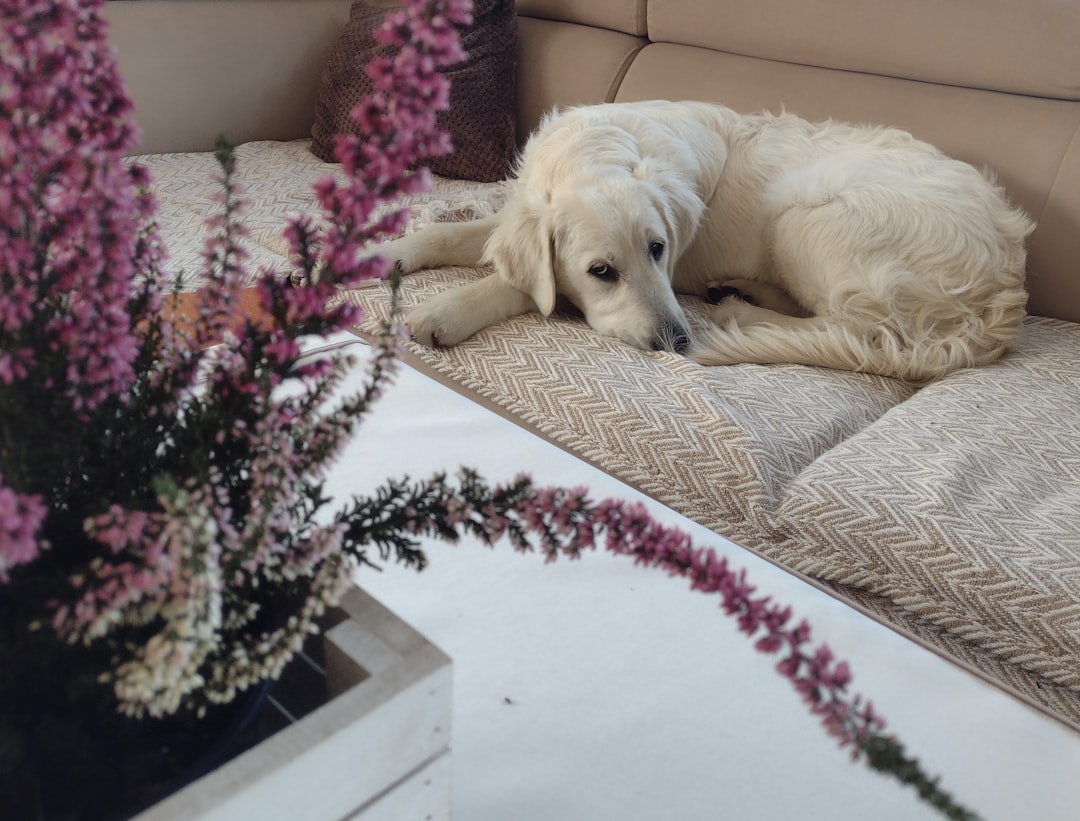
It’s hard to say no to those pleading eyes, but when your dog insists on claiming the comfiest spot on the couch or bed, it can turn into a power struggle. At first, it’s cute, but over time, this behavior can signal entitlement—and a desire to control shared spaces.
Some dogs will nudge you off your own pillow or sprawl out until you’re hanging off the edge. If you always give in, your dog learns that persistence pays off. While sharing space can be a loving gesture, demanding it is a subtle way of taking charge. Setting boundaries helps keep your relationship balanced and fair.
Blocking Your Path: The Roadblock Routine
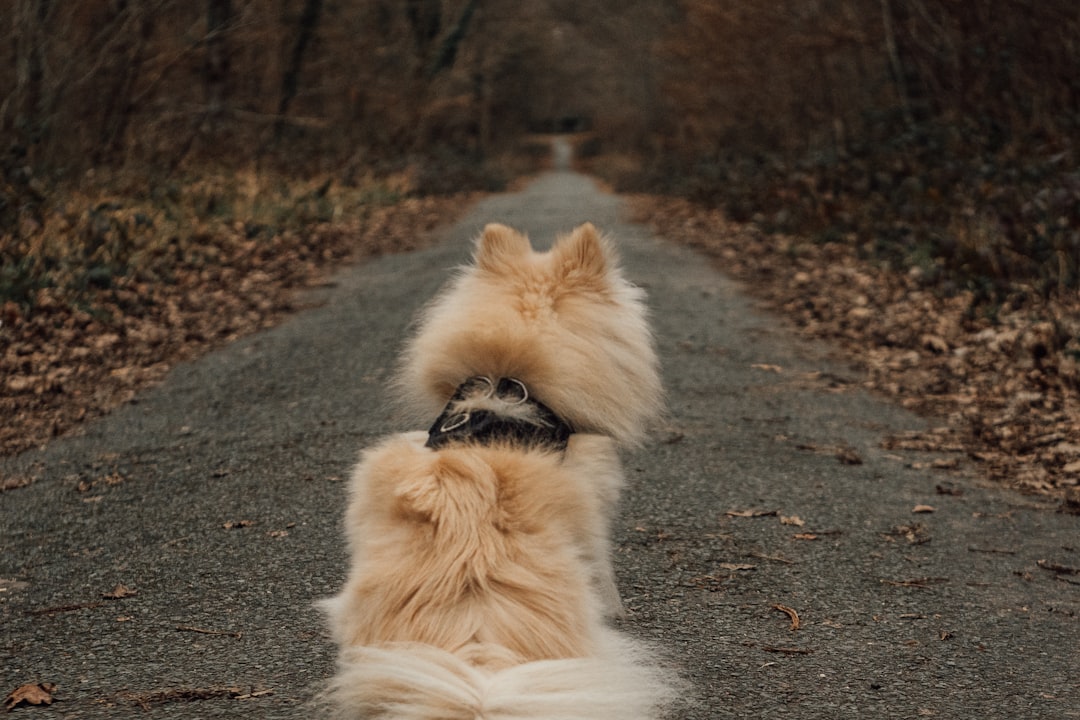
Has your dog ever stood right in front of you, refusing to move unless you acknowledge them? This “roadblock” tactic is a clever way of demanding attention or controlling your movement. It’s like a child standing in a doorway, arms crossed, until you say the magic word.
Dogs are smart—they know that standing in your way forces you to interact with them. Over time, this behavior can escalate, with your dog using their body to steer you toward the kitchen, the door, or the treat jar. It’s a subtle but effective way of dictating your actions, and it’s important to recognize when it crosses from cute to controlling.
Whining or Sulking to Get Their Way: The Emotional Manipulator
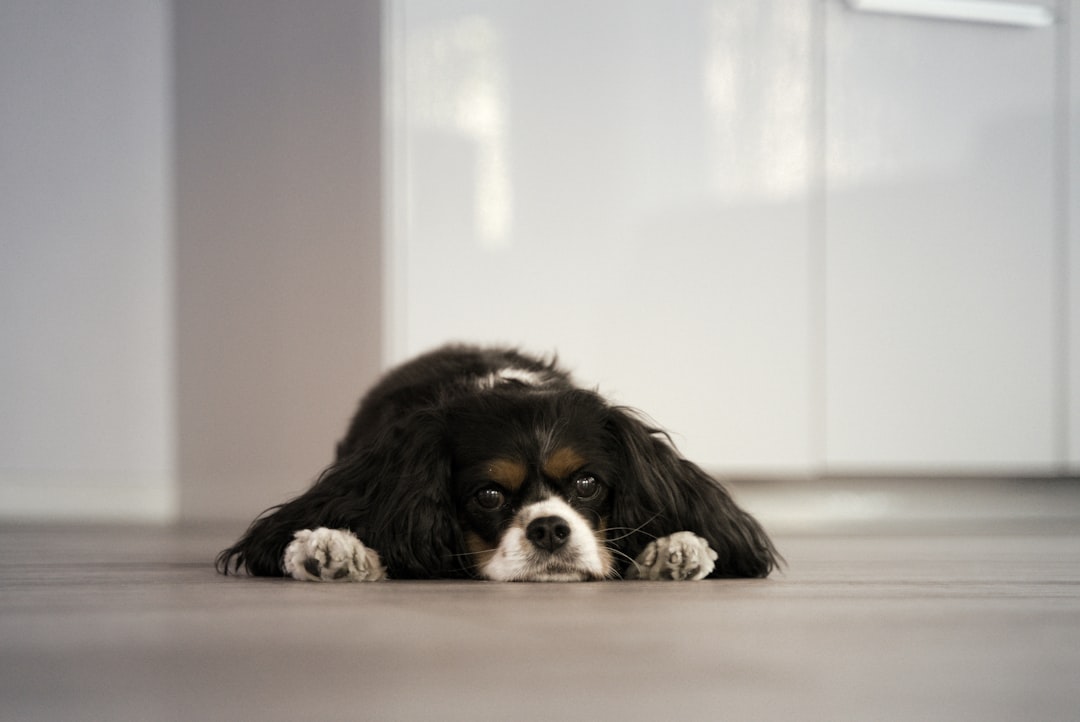
Some dogs have mastered the art of the guilt trip. They’ll whine, pout, or even sulk dramatically when they don’t get what they want. This emotional display is designed to tug at your heartstrings—and get you to cave in. It’s surprisingly effective, especially for soft-hearted owners.
Whining and sulking are learned behaviors. If you respond to these tactics by giving treats or extra attention, your dog will use them more often. It’s important to recognize the difference between genuine distress and manipulation. Setting clear boundaries helps your dog feel secure and lets you both enjoy a more honest, loving relationship.
Understanding the difference between love and control in your dog’s behavior is key to building a healthy, balanced relationship. While tail wags, cuddles, and loyal following often signal genuine affection, other actions—like constant guarding or attention-demanding—may stem from a desire to control rather than connect. By learning to recognize these subtle differences, you can respond with the right mix of affection and boundaries. In doing so, you nurture a bond rooted in mutual respect, where love isn’t just expressed—but also understood.


