
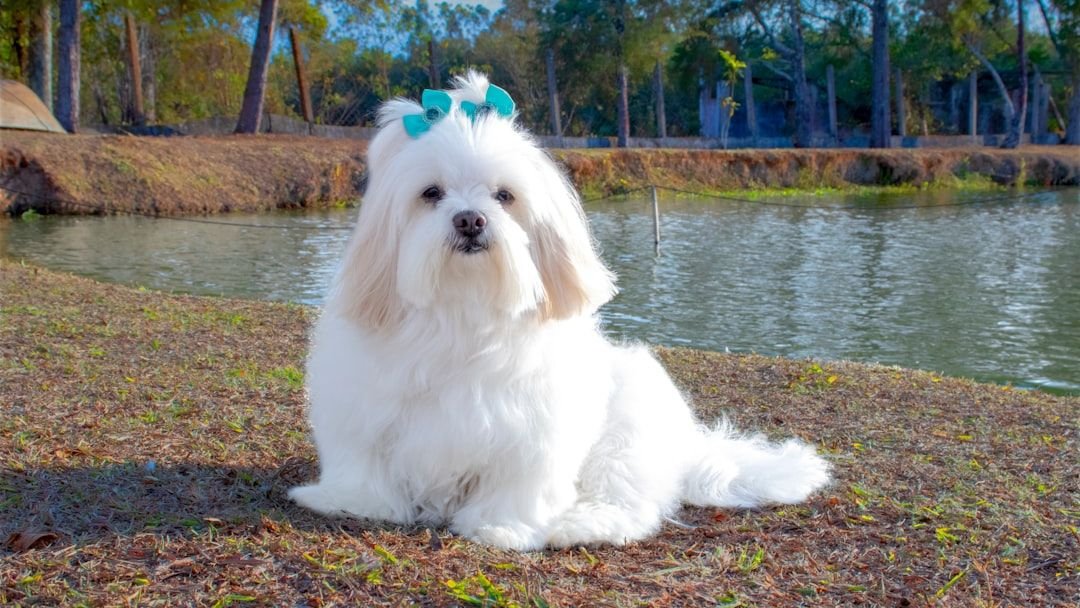
Picture this: you’ve just gotten home after a long day, and your dog is lounging peacefully on the couch, tail doing a slow, contented wag. No shredded cushions. No howling neighbors complaining about. Just a calm, happy dog who genuinely enjoyed some quiet time. Sounds like a dream, right? For some dog owners, that’s simply Tuesday. For others, it’s a distant fantasy because they chose a breed that craves constant company.
Here’s something most people don’t think about before bringing a dog home: not every dog is built the same way socially. Selecting the right dog breed based on your lifestyle and household environment is crucial to ensuring a happy home for both the dog and its owner, and while some dog breeds crave constant companionship and thrive on interaction, others are more independent and can handle being alone for longer periods. That distinction matters more than most people realize.
Whether you’re a single professional who’s out most of the day, or you’re building a joyful, chaotic multi-dog household, this guide has you covered. Let’s dive in.
Why Some Dogs Are Just Wired for Solitude
According to the American Kennel Club, many independent dog breeds were originally bred to work on their own, guarding livestock, pulling sleds, or protecting homes without needing constant human supervision. This explains why some dogs thrive when given a bit of independence. It’s not a personality flaw. It’s history written into their DNA.
Think of it like this: a border patrol officer doesn’t need a cheerleader standing next to them to do their job. They’re trained to operate solo, make decisions independently, and stay composed under pressure. That’s exactly what many of these breeds were doing for centuries before they became our house companions. An independent dog is comfortable and confident without constant interaction from a human companion, and they often do well as a single pet.
Breed #1: The Chow Chow – The Dignified Loner
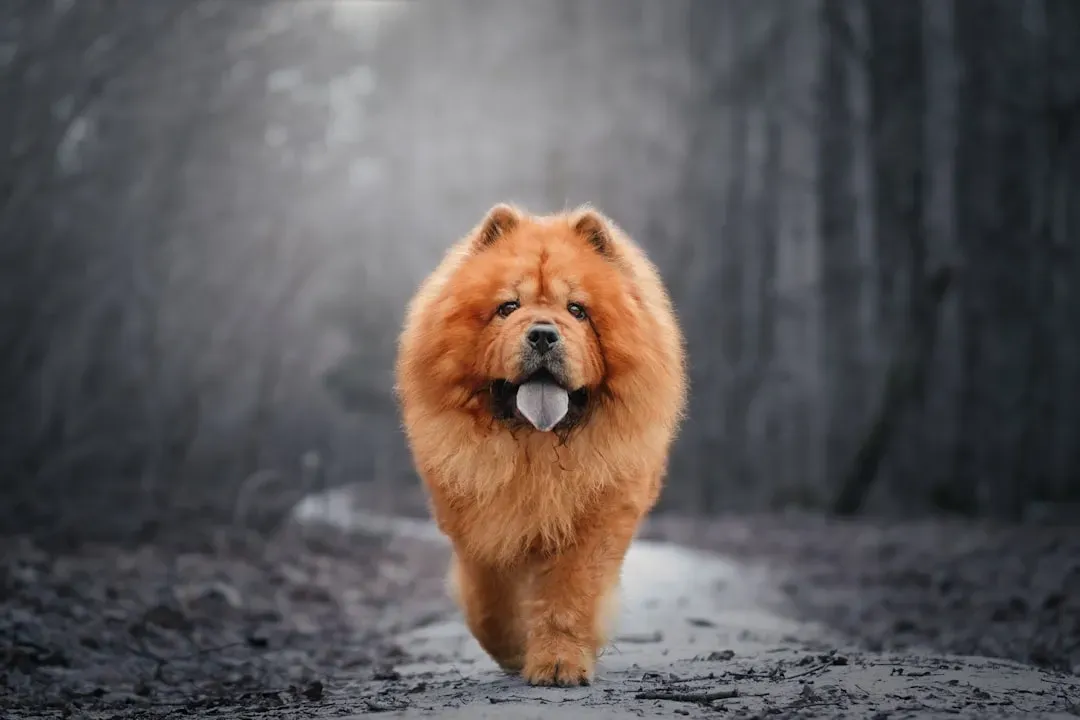
Known for their lion-like mane and serious expression, Chow Chows are among the most independent dogs you can own. They don’t crave constant cuddles or attention; instead, they prefer calm spaces where they can observe quietly. Honestly, if dogs could read, the Chow Chow would spend its alone time in an armchair with a mystery novel.
Originally bred in ancient China for guarding temples and livestock, this breed developed strong instincts for self-reliance and protection. Their steady temperament makes them one of the best dogs for owners who spend parts of the day outside the house, as they remain composed and patient when left alone. Early socialization is still a must, though. They’re polite with family but often reserved with strangers or other dogs, making early training important for social balance.
Breed #2: The Basenji – The Quiet Independent Thinker
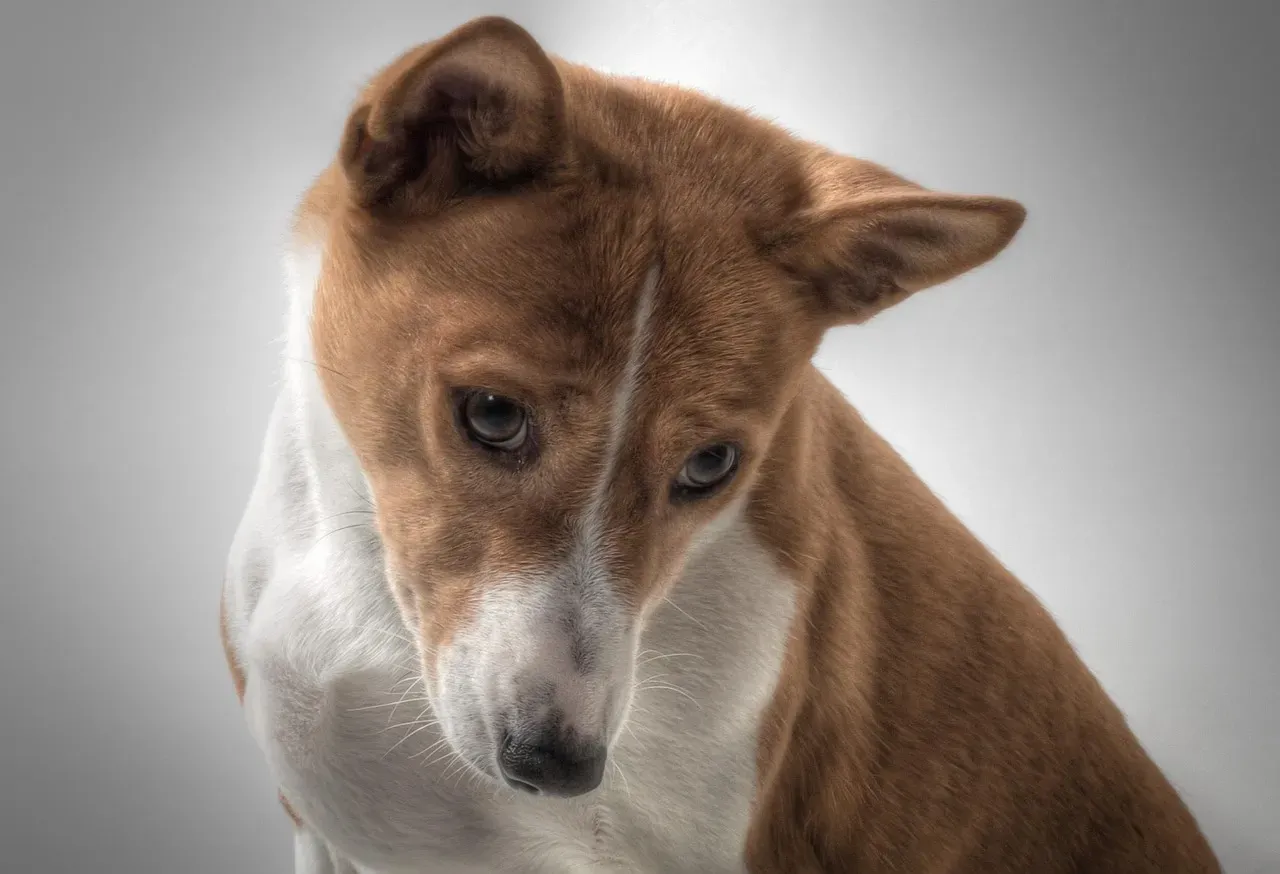
This unique breed hails from Africa, where it was developed as a hunting dog. Known as the “barkless” breed, they are not voiceless – it’s just that their vocalizations are limited to “yodeling” and the occasional whine. So if you live in an apartment and worried about noise complaints, this one might just be your answer.
Because the Basenji is very independent as well as intelligent, it may not even notice when you leave. However, be prepared to be joyfully received upon your return. That combination of self-sufficiency and genuine warmth when you’re home makes the Basenji a uniquely rewarding companion. Puzzle toys left out during the day will keep that clever mind busy and your furniture safe.
Breed #3: The Greyhound – The Couch Potato Sprinter

Despite their reputation as racing dogs, Greyhounds are surprisingly laid-back and low-energy when not on the track. They are known for being “couch potatoes” and can spend large parts of the day sleeping peacefully. This breed is generally not prone to separation anxiety and can handle being alone better than many other breeds.
I know it sounds crazy, but the world’s fastest dog breed is one of the most low-maintenance companions out there. Though built for speed, they’re actually low-maintenance and self-sufficient. These dogs are happiest when they get a short walk and a comfy spot to sleep afterwards, and they enjoy alone time and can stay relaxed for several hours without showing signs of separation anxiety. Just watch their diet: owners should monitor their diet, as retired racers are prone to gaining weight once they settle into a slower pace.
Breed #4: The Shar Pei – The Wise Old Soul

Originally bred as a farm and guard dog in China, the Shar Pei is a reserved and independent breed that often prefers its own company. They are known for being somewhat aloof and can be suspicious of strangers, traits that contribute to their ability to spend time alone without feeling distressed.
Shar Peis are loyal to their families but do not require constant interaction or affection to remain content. Their calm demeanor and self-sufficiency make them suitable for households where they might need to entertain themselves for portions of the day. That wrinkled face might look permanently worried, but trust me, your Shar Pei is completely fine. With some toys to keep them occupied while you’re gone, a Shar Pei should be sufficiently occupied waiting for your return.
Breed #5: The Lhasa Apso – Small Dog, Giant Confidence
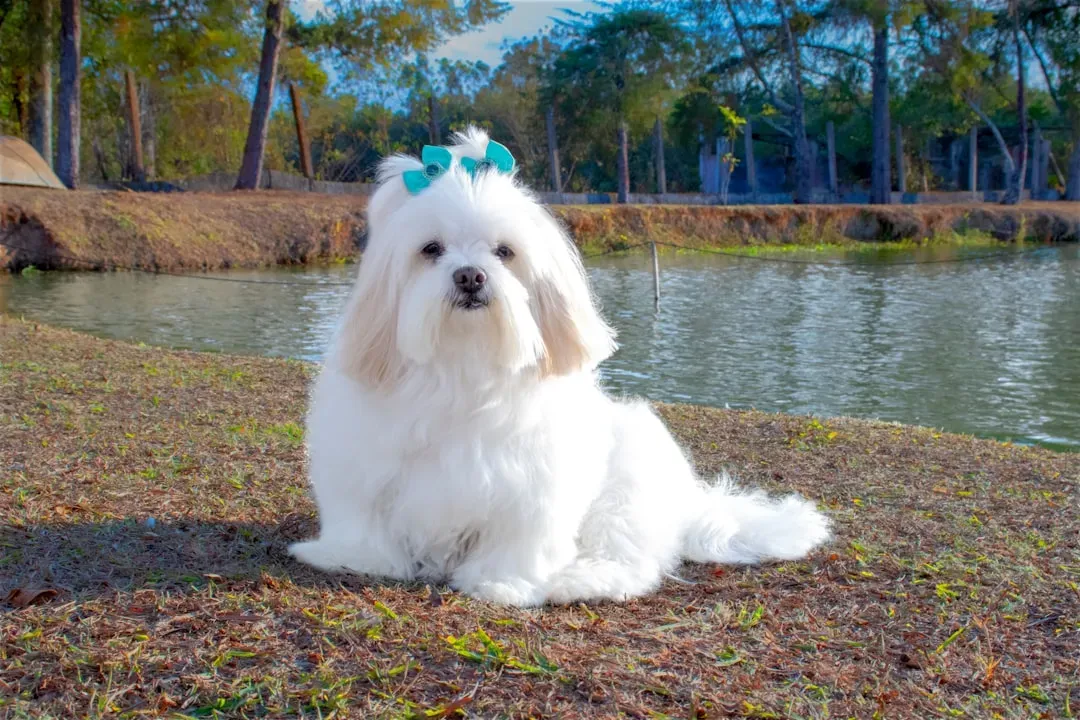
Bred for centuries to be royal watchdogs, Lhasa Apsos don’t seem to realize how small they are and put on their “big dog suit” every time they meet another dog. They are playful and inquisitive, but are independent enough not to mind being left to their own devices. There’s something deeply entertaining about a dog that weighs twelve pounds but carries themselves like they own the place.
When it comes to what breed of dog can be left alone during the day, a Lhasa Apso will probably quietly stand guard until you’re back, instead of getting bored and tearing things apart like other breeds. They do have a stubborn streak, though. That independent spirit means that although they will readily learn all your commands, they’ll only obey when it suits their own purposes. Sound familiar? They’re basically teenagers in dog form.
Breed #6: The Shiba Inu – Japan’s Cool, Collected Companion
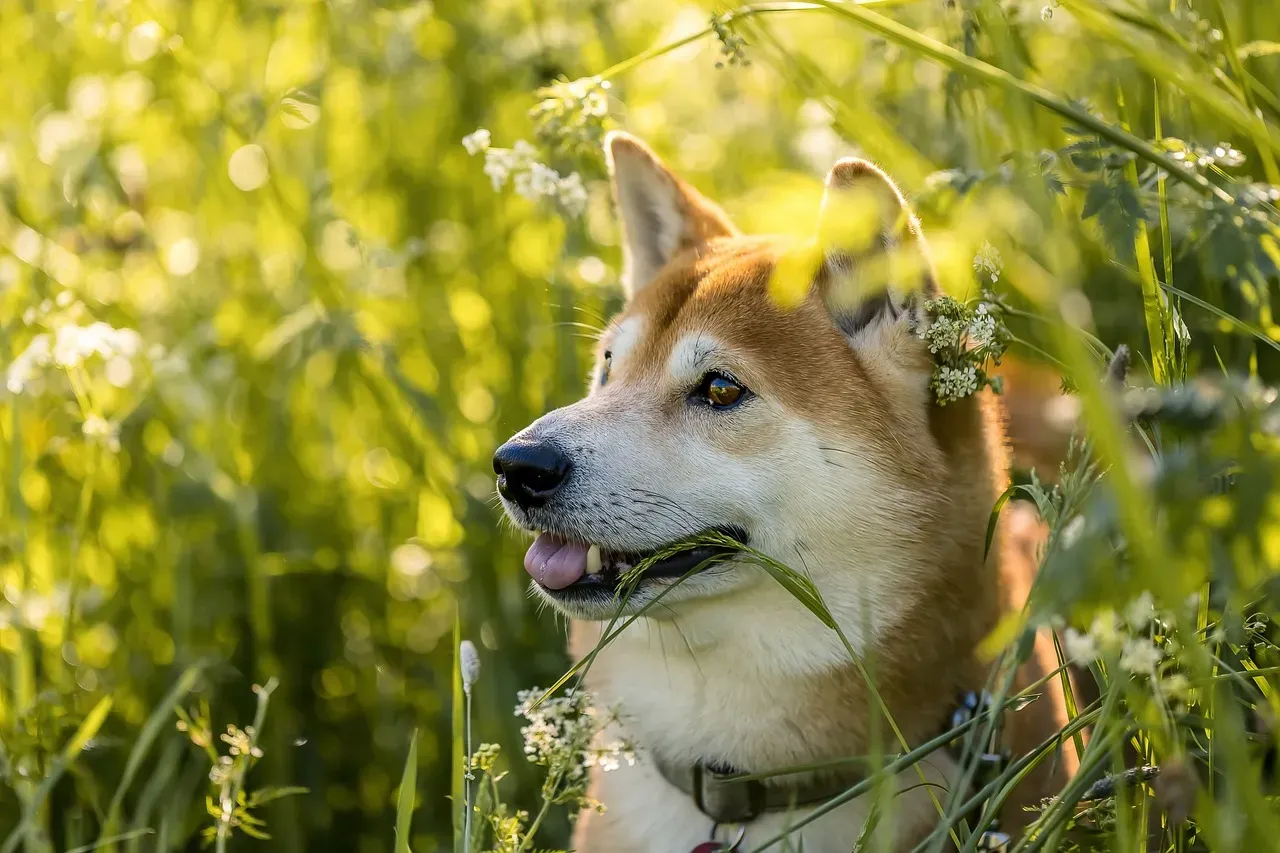
The Shiba Inu is confident, independent, and perfectly capable of managing its own space. Originally bred in Japan for hunting, it retains a self-reliant streak that makes it comfortable spending time alone. These dogs enjoy companionship but also appreciate solitude, showing calm composure even when their owners are away.
They are alert and intelligent, using their downtime productively, whether exploring toys or watching the world from a window. Their curious nature means they don’t require constant engagement to stay happy, though they do appreciate stimulation through regular walks and mental challenges. Think of the Shiba Inu as the introvert at a party who’s perfectly comfortable in the corner, observing everything while you’re off mingling. They’re not lonely. They’re just doing their thing.
Breed #7: The Basset Hound – The Easygoing Philosopher
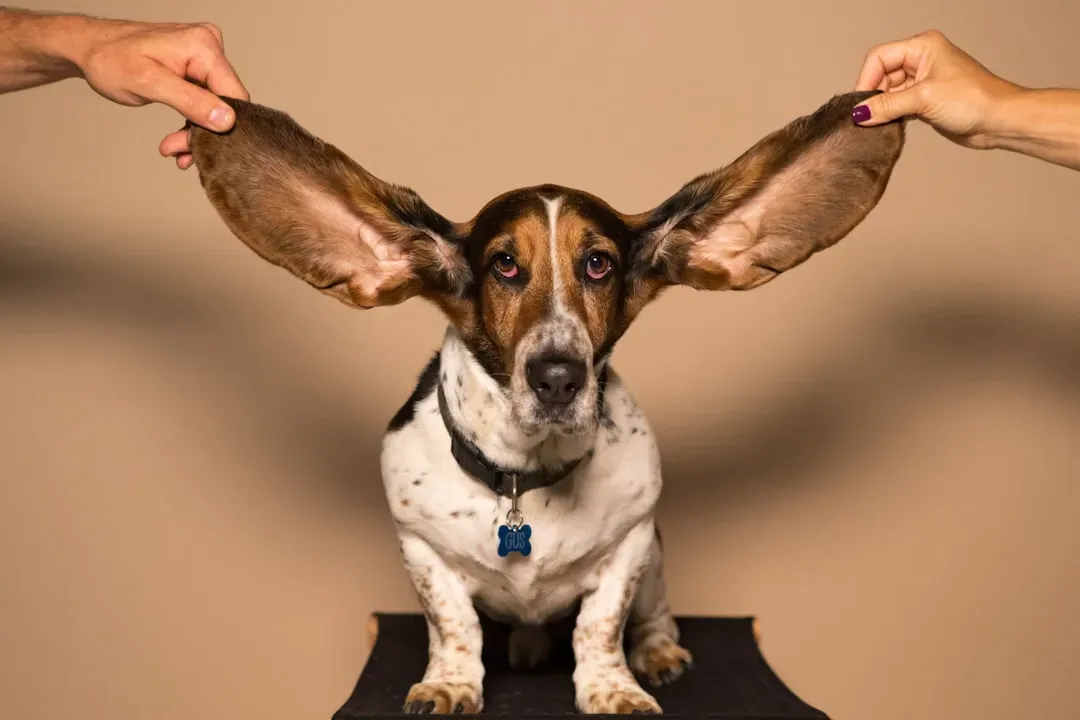
Known for their soulful expression and sweet temperament, Basset Hounds prefer calm interaction over chaos. Their easygoing personality, combined with patience and independence, makes them one of the happiest breeds to relax solo. Picture a wise old philosopher who’s seen it all and has decided napping is the correct response to most situations. That’s your Basset Hound.
Possibly one of the sleepiest dogs around, the Basset Hound is a charming, steadfastly loyal animal – incredibly patient and independent when you’re gone all day, yet charming and devoted the moment you get home. One thing to keep in mind: the Basset Hound’s long ears help sweep scents toward its nose while tracking, giving it one of the most powerful senses of smell among all dog breeds. A sniff-enrichment toy or a scent walk before you leave will keep them genuinely satisfied.
Now for the Pack Dogs: 5 Breeds Built for Company
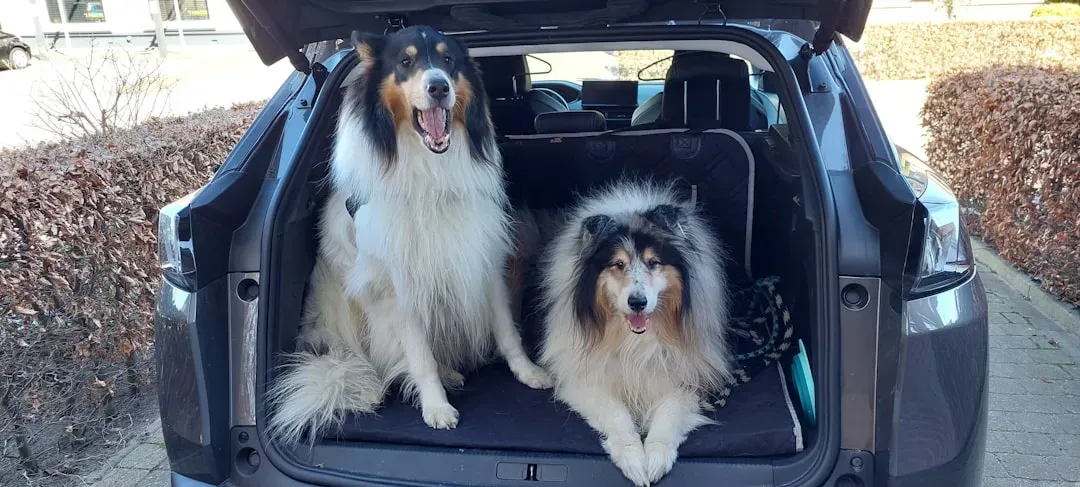
Let’s shift gears completely. When it comes to building a peaceful, playful, and loving home with multiple pets, choosing the right dog breed makes all the difference. Many breeds are naturally friendly, adaptable, and eager to become part of a larger furry family. Whether you’re welcoming a cat, another dog, or even a smaller pet into the mix, these dogs don’t just tolerate other animals – they thrive alongside them. These are the breeds that look at a room full of other dogs and think: “Perfect. My people.”
These dogs don’t just get along with others. They often bring out the best in their housemates too, encouraging play, reducing anxiety, and creating a pack-like sense of comfort.
Pack Breed #1: The Golden Retriever – Everyone’s Favorite Team Player
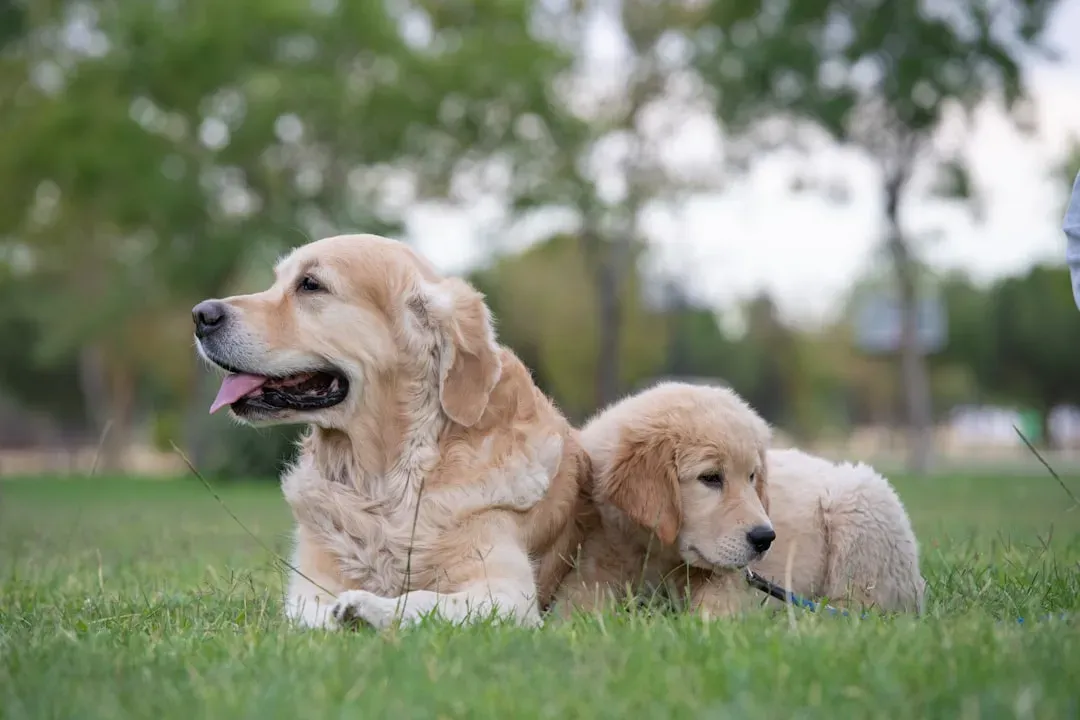
Golden Retrievers are widely loved for their affectionate nature and gentle personality. They are patient, tolerant, and extremely adaptable, making them excellent companions in multi-pet households. Their playful demeanor ensures they get along well with other dogs, while their calm temperament helps them coexist peacefully with cats.
Goldens are more than just cuddly – they’re often used in search and rescue, scent work, and as service dogs. So yes, that warm-eyed, tail-wagging goof running around your yard has the heart of an actual hero. One honest note for Golden owners: they’re enthusiastic eaters, so meal portions and treat intake need a little management to prevent weight gain.
Pack Breed #2: The Beagle – Born to Run With the Pack

When it comes to multi-pet households, Beagles are a natural fit. These cheerful pups have a long history as pack hunters, which means they thrive in homes filled with multiple animals. Their social wiring makes them more likely to get along with both other dogs and smaller animals, or even cats.
Thanks to their lively energy and affectionate nature, Beagles often help ease tension in pet households, especially where a shy or reserved pet needs a nudge into playtime. Their nose is legendary, too. They possess roughly 220 million scent receptors, giving them an elite sense of smell, ideal for scent-based enrichment in multi-pet homes. A Beagle in a single-pet home, however, is a recipe for some very creative howling. They genuinely need company.
Pack Breed #3: The Labrador Retriever – The Social Butterfly of Dogs

Labrador Retrievers are bundles of joy who thrive on companionship. Known for their high energy and friendly disposition, Labs quickly bond with other pets and adjust well to different environments. Their love for play makes them an instant hit with other dogs, and their balanced temperament allows them to live peacefully with cats and even smaller pets when introduced properly.
Labrador Retrievers are extremely sociable and friendly dogs that form deep attachments to their families. They are not well-suited to being alone for long periods, as they can become lonely and bored, leading to destructive behavior. Labs are happiest when they can interact frequently with their humans and participate in activities together. If you leave a Lab alone too long, don’t be shocked to come home to a rearranged living room. They mean well.
Pack Breed #4: The Cavalier King Charles Spaniel – The Gentle Peacekeeper

Cavalier King Charles Spaniels are affectionate lap dogs that thrive on companionship. They rarely show aggression and have an easy-going temperament, making them one of the best breeds for multi-pet households. Their smaller size and gentle demeanor ensure they get along well with cats, other small dogs, and even rabbits or guinea pigs when introduced properly.
Cavalier King Charles Spaniels are widely regarded as one of the gentlest companion breeds and are known for being tolerant and patient, often making excellent family pets. According to breed profiles, Cavaliers are typically friendly, calm, and rarely show aggression. It’s hard to say for sure, but the Cavalier might just be the most emotionally intelligent small dog in the world. They read the room and adapt to it beautifully.
Pack Breed #5: The Border Collie – The Energetic Harmony Maker
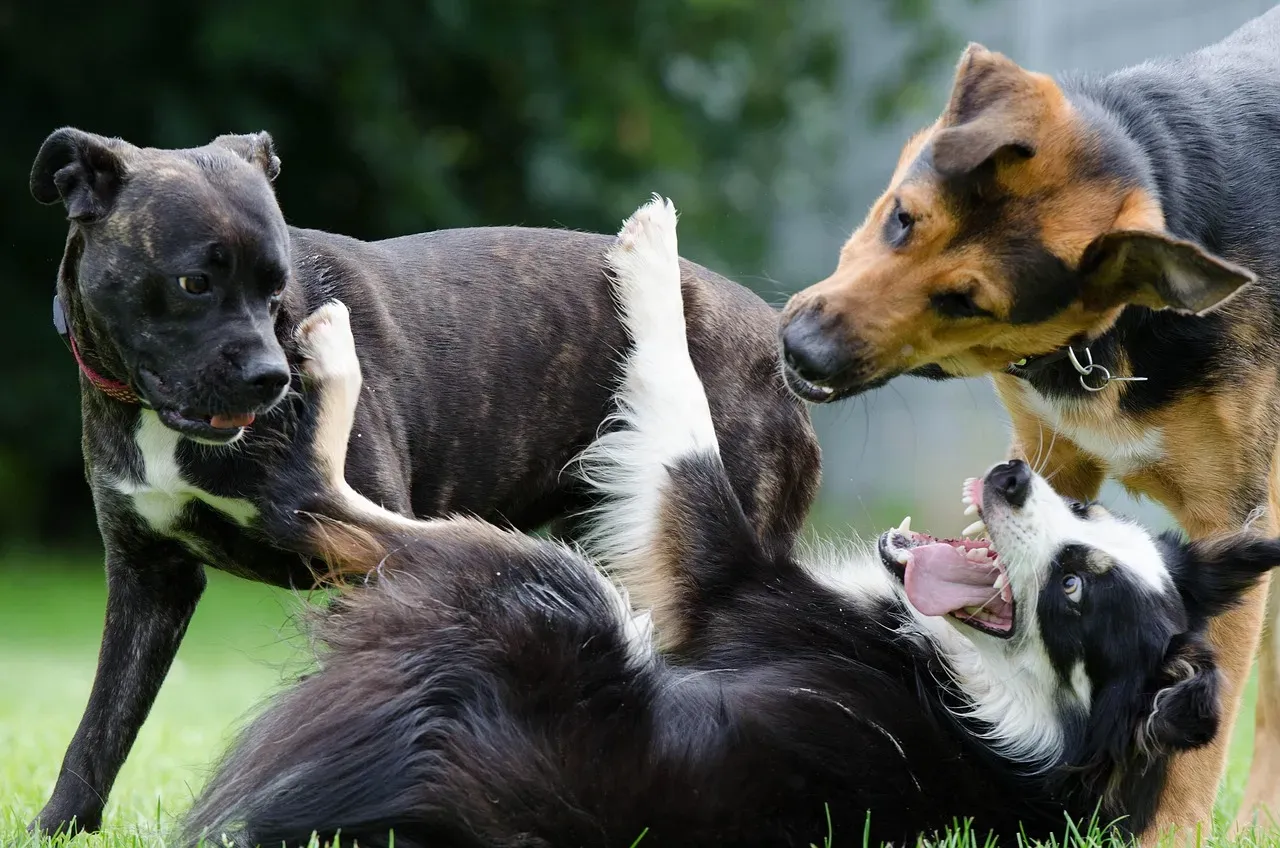
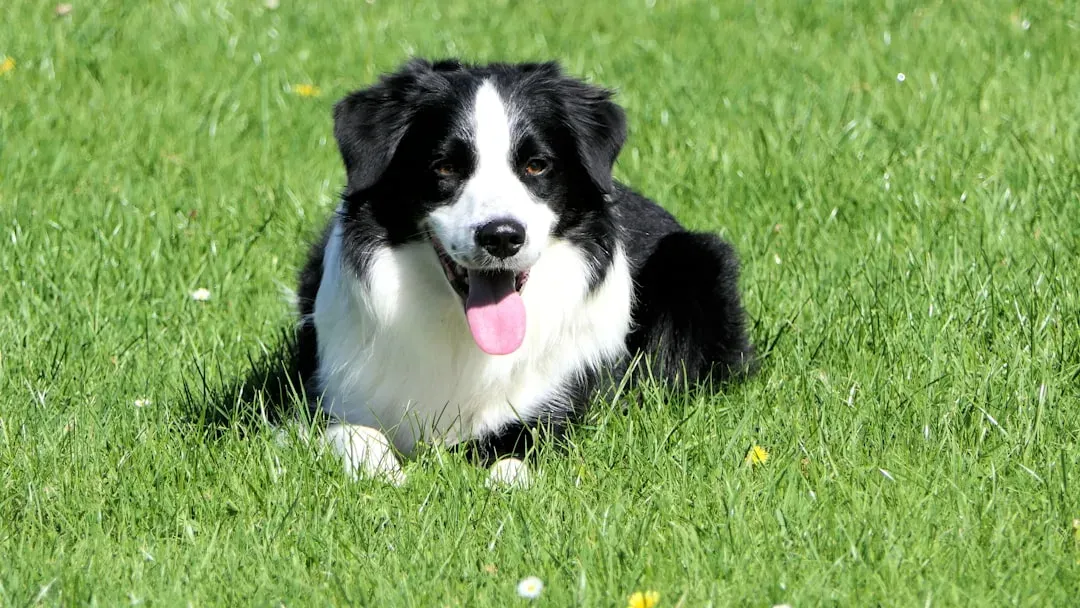
Border Collies are more than just loyal companions – they’re excellent candidates for multi-pet households. They thrive in environments where they have both mental and physical outlets, and that often includes interaction with other animals. With proper socialization and clear boundaries, they can be remarkably respectful of other pets and even help encourage play and activity in more reserved companions.
Border Collies are incredibly intelligent and active dogs that require constant mental and physical stimulation. They are happiest when working or playing and can become distressed if left alone without adequate stimulation. This breed needs a job to do and thrives in environments where interaction is constant and engaging. Fair warning: a bored Border Collie is like a rocket with nowhere to go. Give them other animals to engage with, jobs to complete, and brains to flex, and they’re magical.
A Final Word: There’s No Wrong Choice, Only the Right Match

Independent dog breeds still need daily care, attention, and affection, and they shouldn’t be left alone for long periods. That’s the thing people sometimes misread. A dog that’s fine alone doesn’t mean a dog that wants to be forgotten. They still need you, just differently. Meanwhile, a pack breed won’t suffer from having dog companions, but they genuinely need that social connection to stay emotionally healthy.
Choosing a dog whose personality matches your lifestyle is essential for their well-being. That’s not just good advice, it’s an act of love. The right match means fewer chewed shoes, fewer sleepless nights, and one deeply contented dog who looks at you like you hung the moon. So take the time to ask yourself honestly: what kind of life can you realistically give a dog? The answer to that question will lead you straight to your perfect match.
What kind of home does your dog thrive in? Solo-loving loner or joyful pack member? Share your experience in the comments below – we’d love to hear your story!


