
Picture this: a golden summer afternoon, you’re standing at the edge of a lake, and your dog launches off the bank with total abandon, hits the water clean, and starts paddling like a little Olympic athlete. Pure joy. Now picture this instead: your friend’s Bulldog waddles to the water’s edge, takes one curious sniff, and then just… topples in. Chaos. Panic. Everyone gets soaked in the rescue mission.
Here’s the thing – not all dogs are built the same when it comes to water. Some are born with webbed toes, waterproof coats, and an almost reckless enthusiasm for anything wet. Others are essentially furry bricks. And knowing which category your dog falls into could genuinely save their life. So whether you’re planning a beach holiday with your pup or just wondering if that kiddie pool in the garden is a good idea, this guide is for you. Let’s dive in.
Why Some Dogs Swim and Others Sink: The Science Behind It
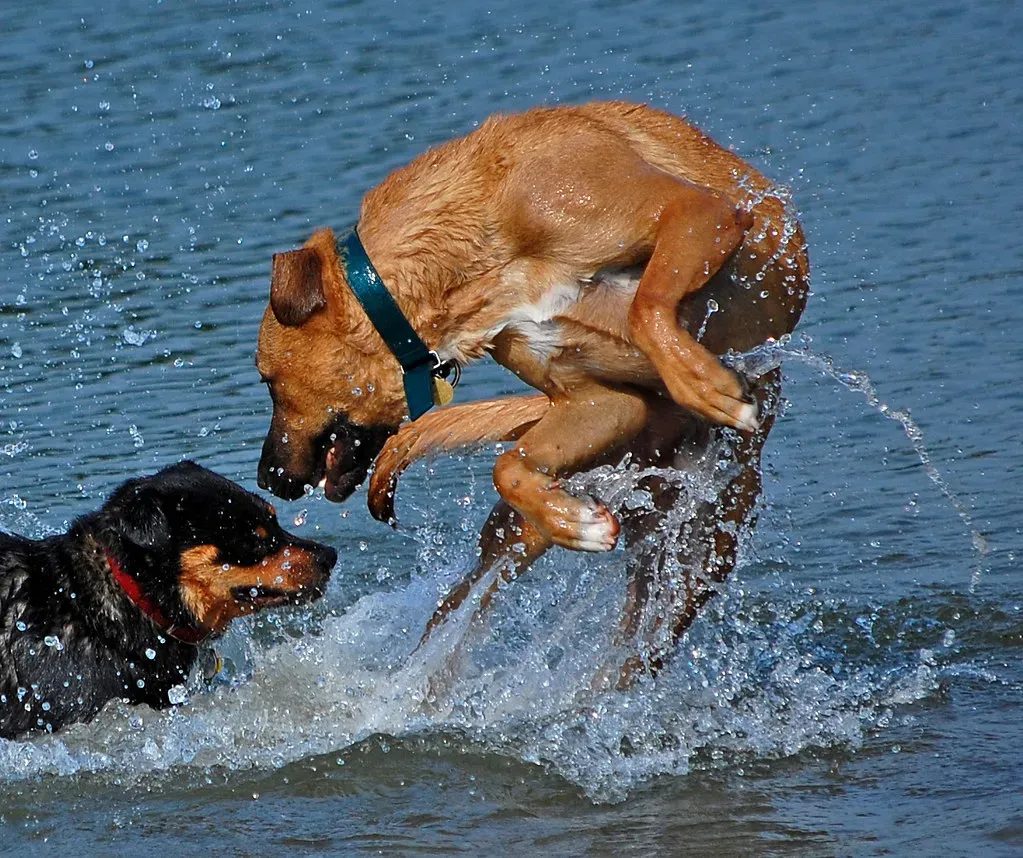
It all comes down to biology and breeding history. Some dog breeds have centuries of swimming history in their DNA, and water dog breeds typically have webbed toes, a water-resistant coat, and lots of energy to expend. Think of it like this: a retriever is basically the human equivalent of someone who grew up near the ocean and joined the swim team at age six.
As a rule, dog breeds that can’t swim tend to have some common characteristics. Brachycephalic breeds, those with flat faces or extremely short snouts, are generally unsuited for swimming because it’s too easy to get water up their noses. Dogs with large, barrel-shaped bodies struggle to stay afloat, as do dogs with long bodies and short legs.
Honestly, it’s not really the dog’s fault. It’s just physics. A dog with a heavy chest, tiny legs, and a squashed nose is fighting a losing battle against buoyancy. Knowing this upfront helps you make smarter, safer decisions every single time you’re near water with your pup.
Labrador Retriever: The Water-Loving Legend
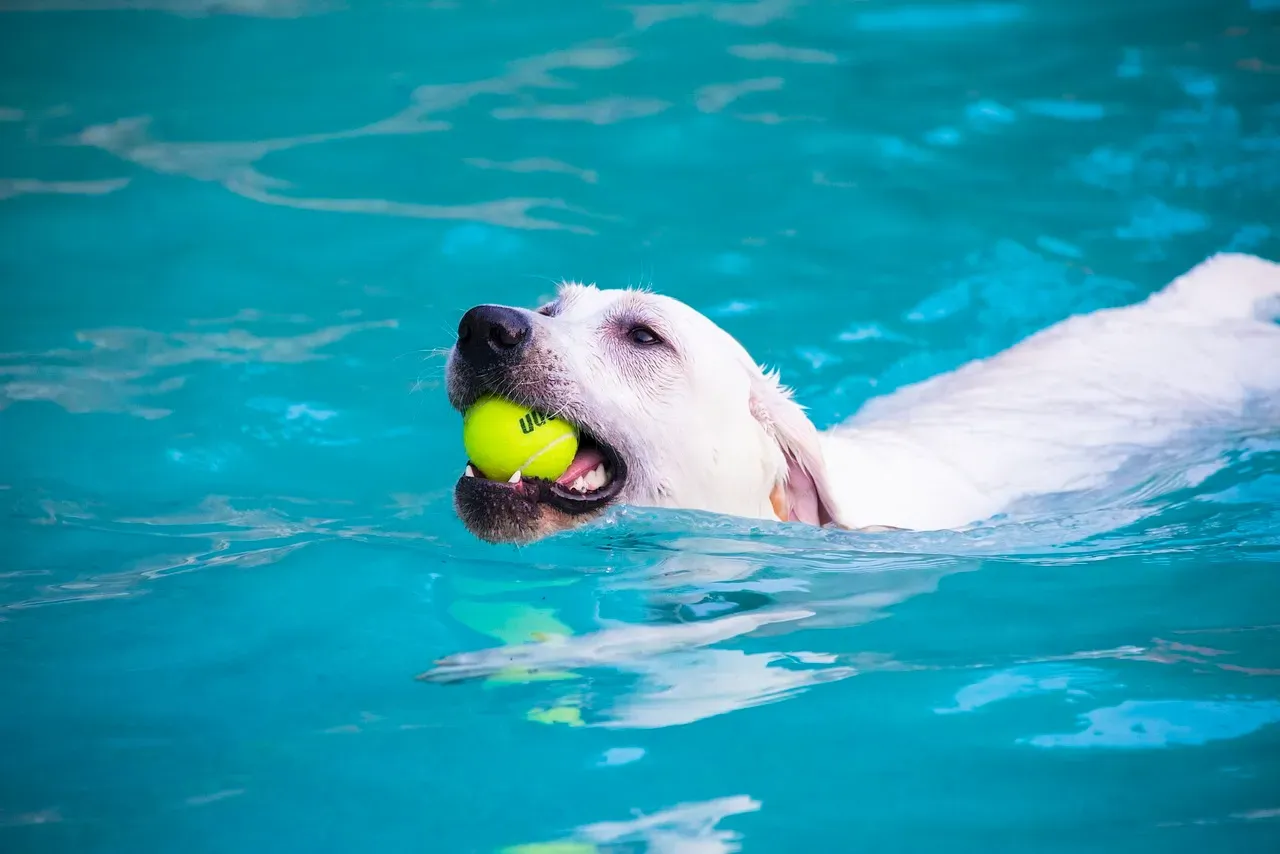
If dogs had a swimming hall of fame, the Labrador Retriever would have a permanent display case. Labradors originated in Newfoundland as water dogs bred to help fishers pull in large nets of fish. With a thick, water-resistant coat, Labradors are great swimmers, and they love retrieving water toys or taking a dip on a hot day.
This water dog breed has large, webbed toes and a weather-resistant coat that makes them natural in the water, and their double coats insulate them from frigid temperatures. One thing to watch, though: Labs are prone to ear infections, as their ears flop over and can pick up bacteria and moisture, which can cause infection, and they can retain moisture from bodies of water. Always dry those floppy ears thoroughly after a swim session.
Golden Retriever: Pure Sunshine, Pure Swimmer
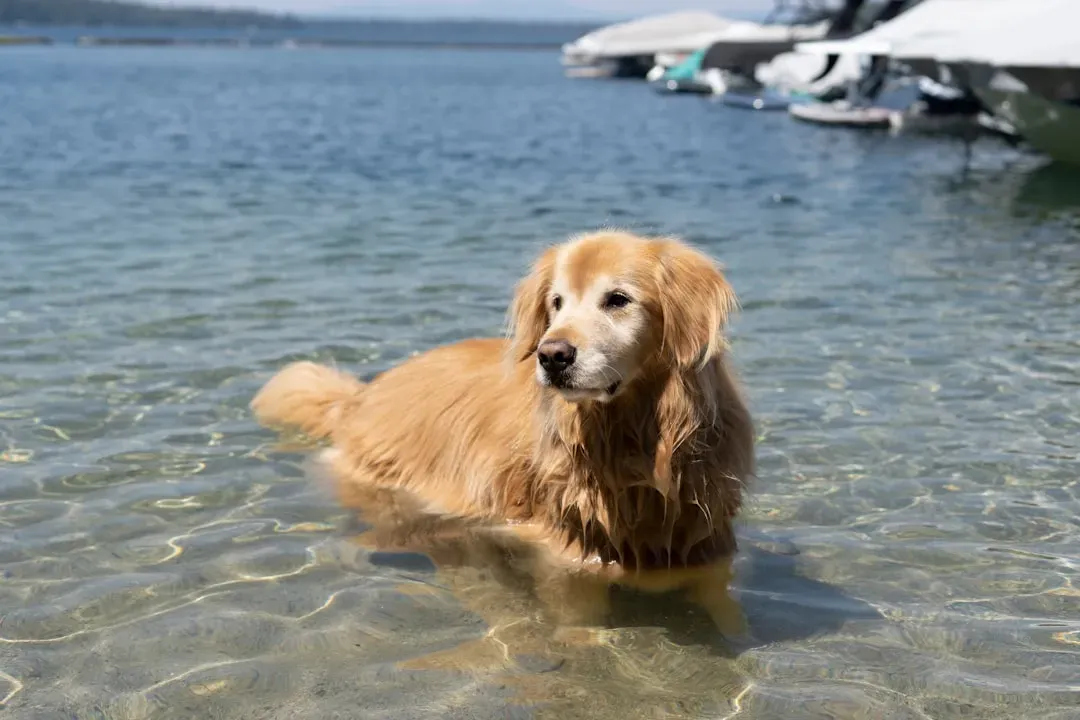
Nobody looks happier in water than a Golden Retriever. It’s almost unfair, honestly. Part of what makes Goldens such happy swimmers is their water-repellent fur. Thick and oily, it protects them from cold water and dries quickly after a good shake.
Like their Labrador cousins, Goldens have water-repellent coats and athletic builds that help them swim with ease. They’re gentle, loyal, and love playing in the water with their families, and their enthusiasm and temperament make them excellent swimming companions for kids. If you have little ones and a water-loving dog is on your wishlist, you really can’t go wrong here.
Newfoundland: The Gentle Giant Lifeguard
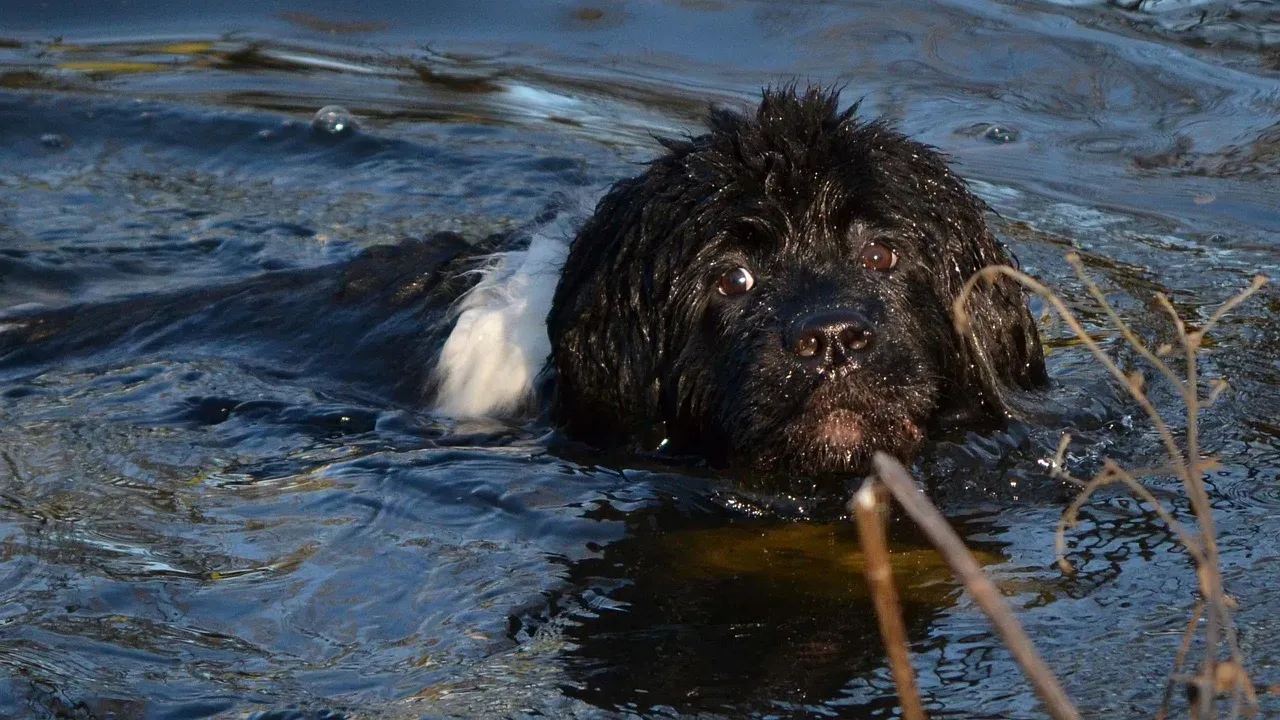
This might be the most impressive swimmer on the entire list. The Newfoundland was developed as a water rescue dog. They have natural lifesaving instincts and, with a large lung capacity, can swim long distances to bring a victim to safety. A dog that can literally rescue a drowning adult human? That’s not a pet, that’s a superhero.
Newfies are powerful swimmers thanks to their broad shoulders, muscular legs and large, webbed feet, and they’ve got thick, quick-drying, water-repellent coats that keep them warm even in chilly water. These gentle giants were bred for water rescue and are strong enough to pull people to shore, and with massive paws, thick double coats, and calm demeanors, they’re the lifeguards of the dog world.
Portuguese Water Dog: The Fisherman’s Right Paw
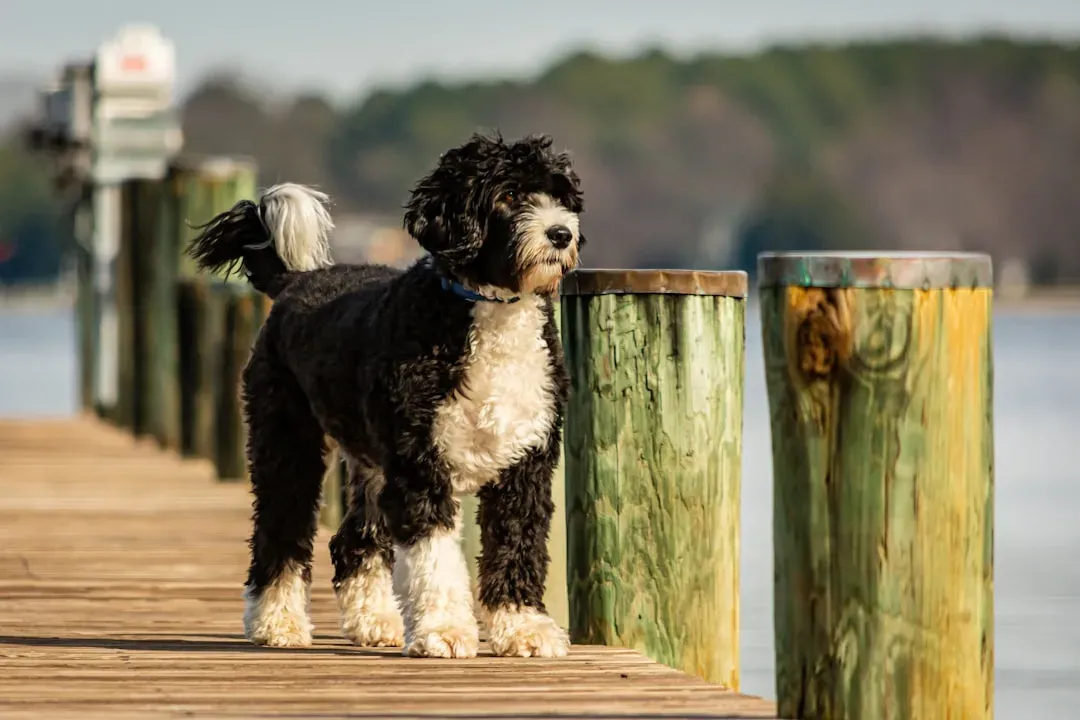
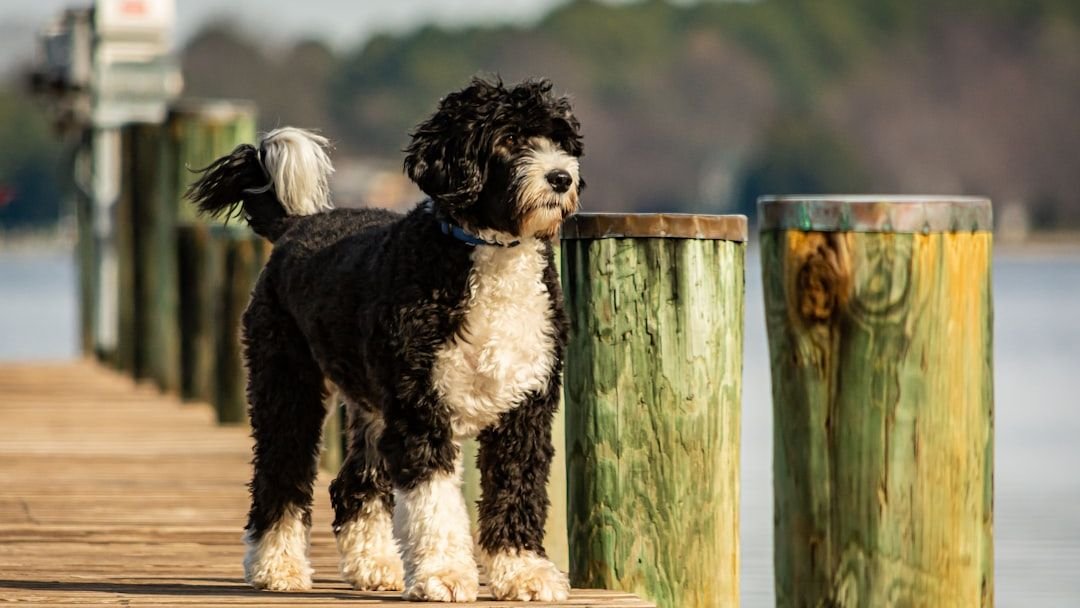
There is something wonderfully ancient about this breed. Since at least 1297, Portuguese Water Dogs have been the right-hand pup for Portuguese fishermen. These water-loving dogs herded fish into nets for their humans, but they almost went extinct when they were replaced with new technology in the early 20th century.
Bred for herding fish into nets in southern Portugal, Portuguese Water Dogs are strong swimmers with swift, balanced strokes. This is aided by a tail that acts as a rudder and a light, single-layer coat that is believed to help with buoyancy. If you want a water buddy who is also wickedly intelligent and deeply loyal, this is your dog. Just be ready to keep them mentally challenged, because they love water, need daily exercise, and require mental stimulation through training, games, and puzzle toys.
Chesapeake Bay Retriever: Built for Cold and Tough Water
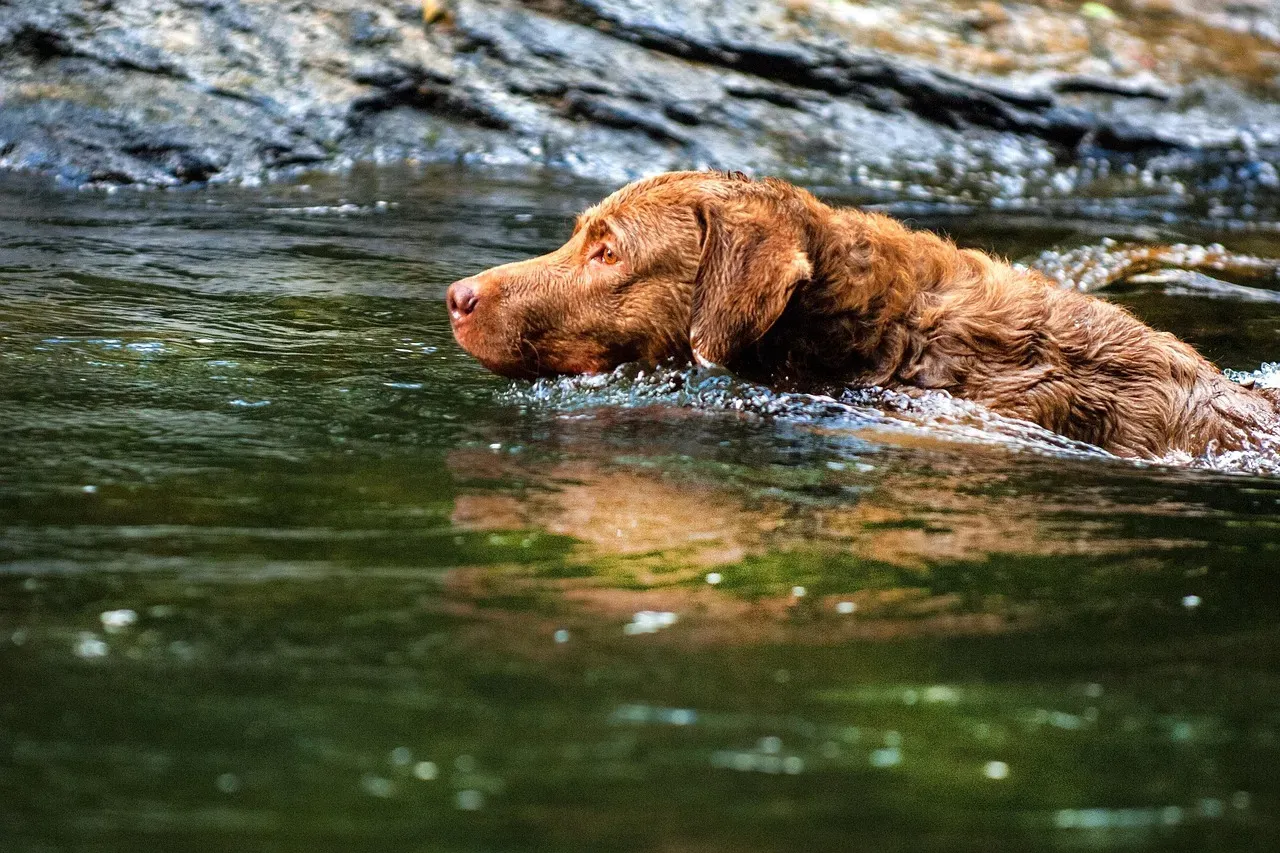
Let’s be real, this breed doesn’t get enough credit. The Chesapeake Bay Retriever deserves its own special mention. As its name suggests, it was bred in the Chesapeake Bay area of the eastern United States as a sort of jack-of-all-trades water dog, pulling fishing nets, rescuing fishermen, and retrieving waterfowl.
Chessies are hardy and well-suited to cold water. They’ve got webbed feet, and short, thick fur with a dense, water-resistant undercoat and a wavy, wind-resistant outer coat. The Chesapeake Bay retriever’s large chest is also believed to help the breed break through thin surface layers of ice. For safety reasons, keep them out of truly icy conditions, but know that if any dog was made for a blustery autumn lake swim, it’s absolutely this one.
Standard Poodle: Don’t Let the Haircut Fool You
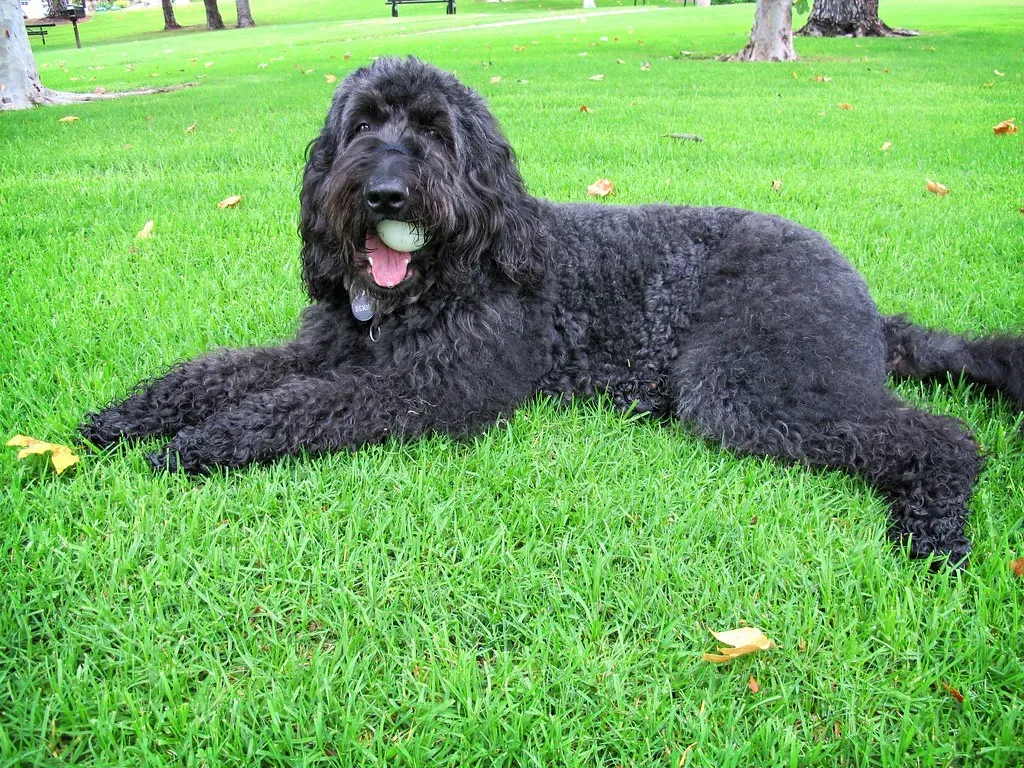
Every time someone underestimates a Poodle, a swim coach cries. Don’t be fooled by the fancy haircut – Poodles were originally bred as water retrievers in Germany. Their curly, water-resistant coats and natural agility make them excellent swimmers.
The name Poodle actually comes from the German word “pudelin,” which means “to splash,” and they originated in France where they were bred to retrieve waterfowl. Poodles come in standard, miniature, and toy sizes, but the standard variety is the strongest swimmer. The classic Poodle cut, with those pom-pom patches of fur, was actually designed to keep their joints warm in cold water while reducing drag. Form and function, all in one fabulous hairdo.
Irish Water Spaniel: The Curly-Coated Clown of the Water
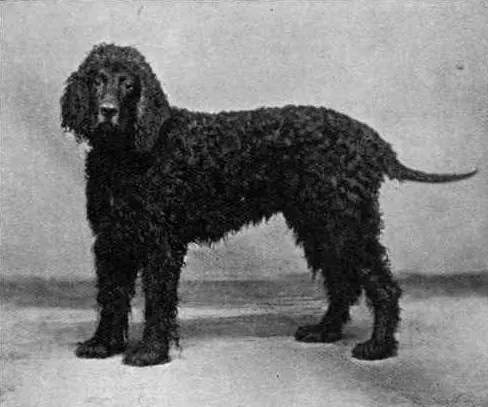
Here is a breed that truly lives up to its name. Originally bred to be a water retriever, this relatively tall version of the Spaniel is a highly intelligent breed. Their distinctive, dense, curly-haired coat is water-repellent, which makes the Irish Water Spaniel perfect for swimming and water fun.
The largest of the spaniel breeds, the Irish Water Spaniel is a gundog with a waterfowl specialty. She is an athletic dog who makes a strong swimmer, and usually splashes right in with no need for prodding. They are also a lovely companion, often called the “clown of the spaniel family.” One word of advice: if your Irish Water Spaniel loves water, make sure her collar and lead are securely hooked if you pass a pond or lake on your daily walks. She will absolutely launch herself in without warning.
The English Bulldog: Water’s Most Famous Nemesis
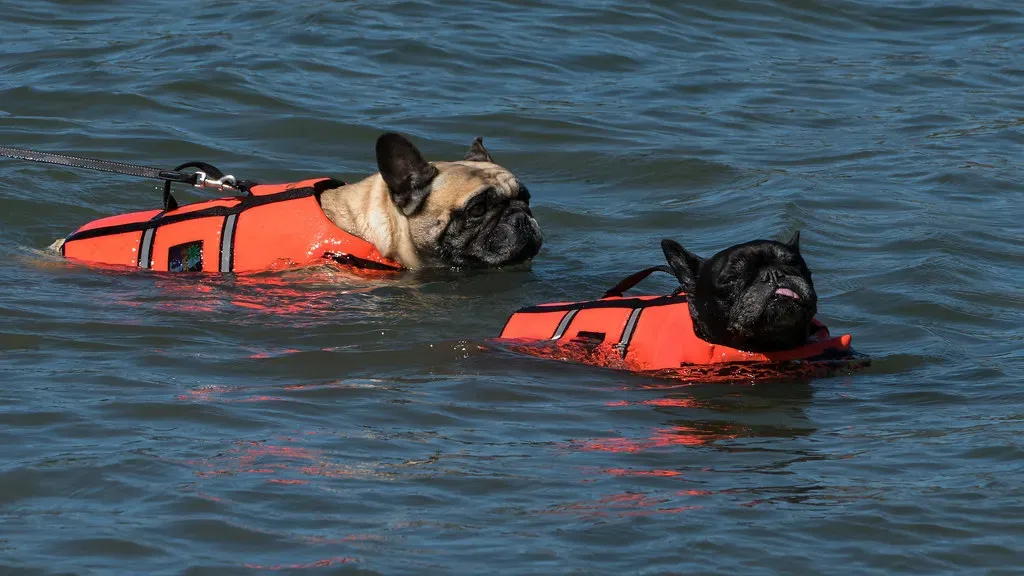
Now for the three breeds that should stay firmly on dry land. The English Bulldog leads this list, and it is not even close. Both English Bulldogs and French Bulldogs possess the triple threat of flat faces, barrel-shaped bodies, and short legs. It’s the trifecta of swimming misfortune, poor things.
These dogs have excellent balance, but their huge heads, deep chests, dense bodies, and short legs make it difficult to stay afloat unaided. In addition, Bulldogs are brachycephalic, and prone to breathing difficulties, especially during exercise. Hot weather, overexertion, and water inhalation can all cause major problems for these short-nosed pups. If your Bulldog is going anywhere near a pool or beach, make sure he wears a life vest and is monitored closely for signs of distress.
The Dachshund: Long on Charm, Short on Swimming Ability
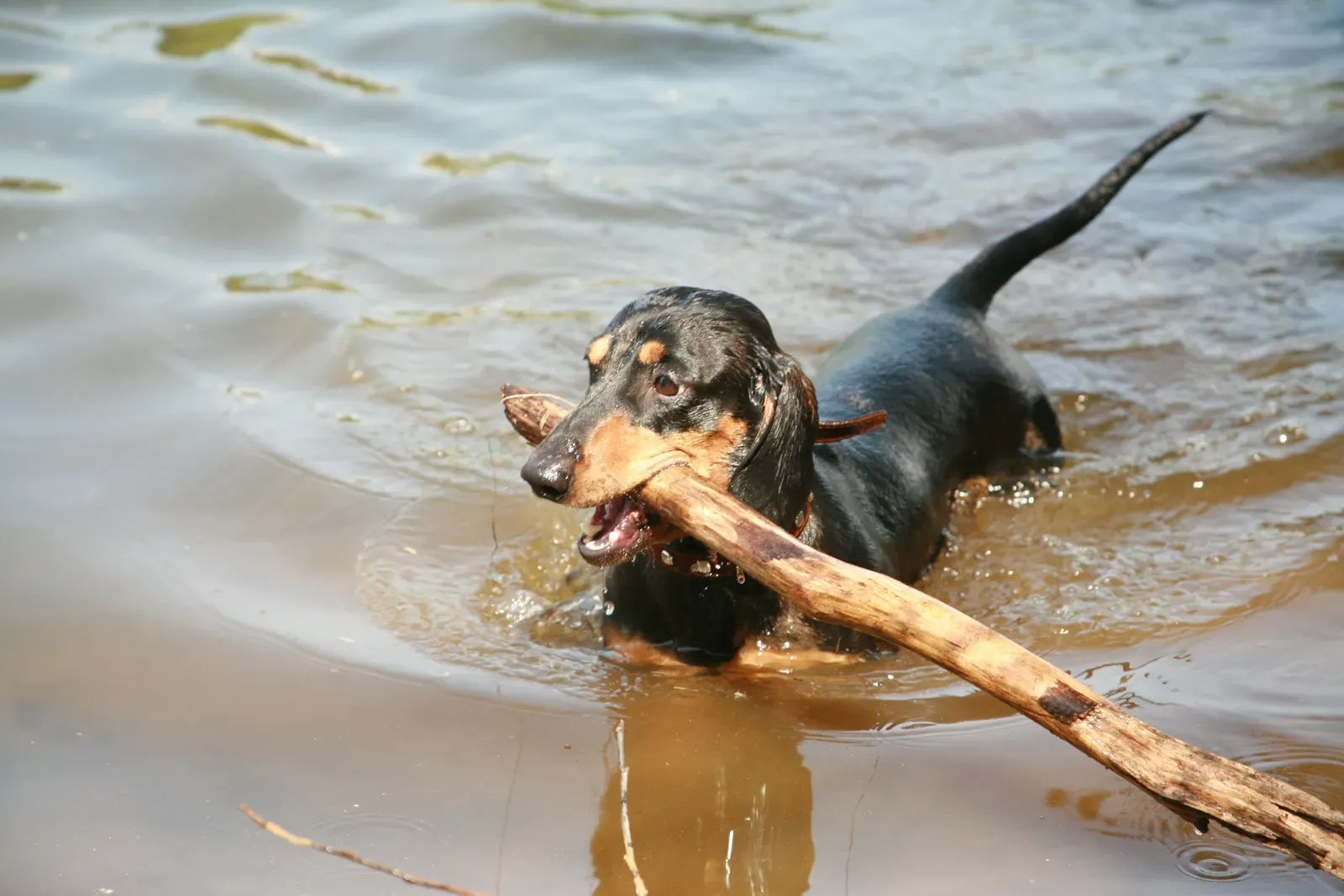
Honestly, Dachshunds look like they were designed by someone who had never seen water before. These sassy little dogs are remarkable athletes on land, but their skills do not transfer to the water. They do not face the respiratory issues that affect brachycephalic breeds, but their long bodies and short legs mean they must work extremely hard and exhaust quite quickly when swimming. This poor endurance, combined with their short stature, makes drowning a very real risk, even in shallow water.
The elongated body and short legs of dachshunds make them poor swimmers. Even swimming in shallow water can tire the dachshund’s little legs out to the point of danger. Keep a close eye on them when they’re around any amount of water. Think shallow paddling pools and careful supervision, not lake adventures.
The Basset Hound: Majestic on Land, Vertical in Water
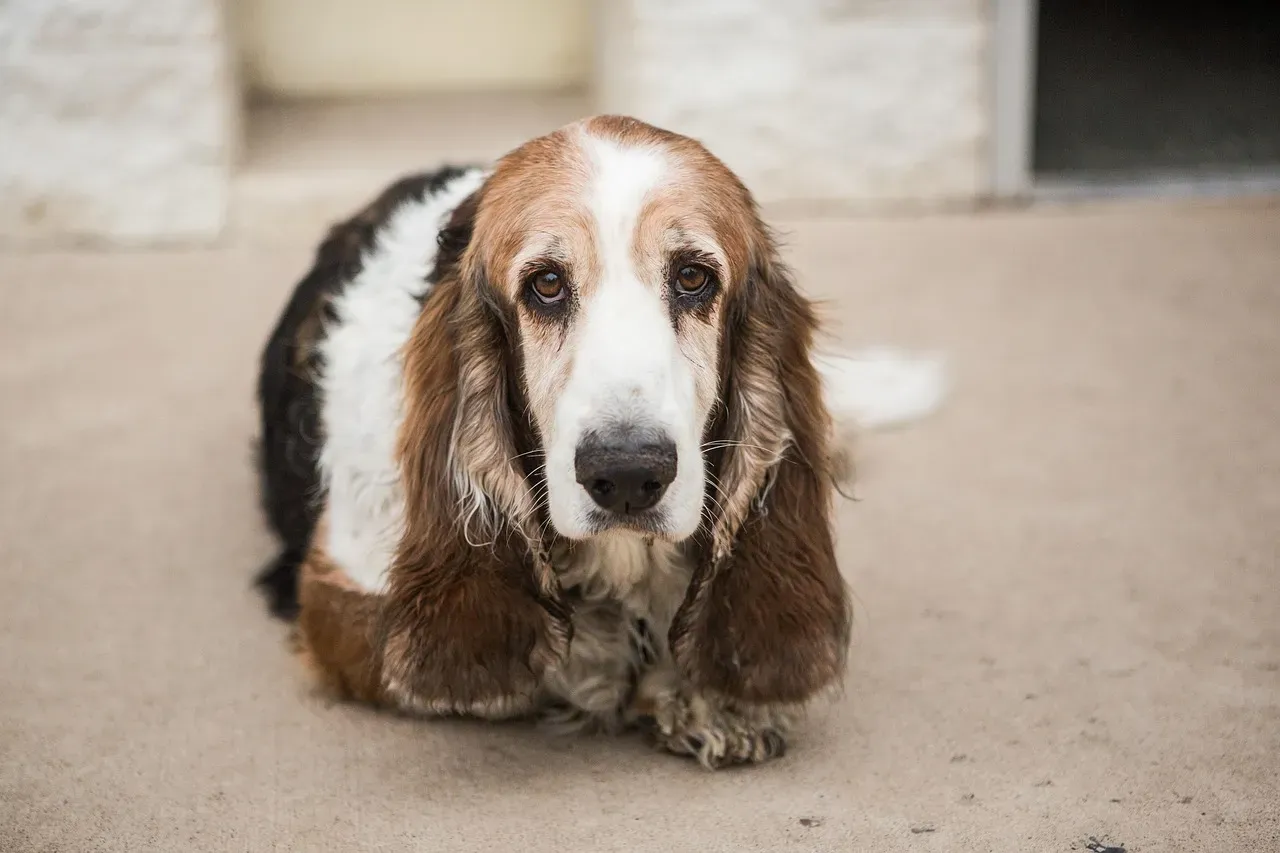
If you have ever seen a Basset Hound try to swim, you already understand why they are on this list. With their long, stocky bodies and short legs, Basset Hounds aren’t streamlined for swimming. Because of their proportions, their back end tends to sink down, and their front end tends to float up, giving them an inefficient, vertical position in the water. Picture a furry, sad-eyed bobber. That’s your Basset in a pool.
Basset Hounds have large heads, dense bone structure, long, thick torsos, and disproportionately short legs, making swimming very difficult. In addition to their non-buoyant bodies, Bassets also have long, floppy ears that trap water and provide the perfect environment for infection-causing yeast and bacteria. Keep them in the shallows, dry their ears immediately after any water contact, and invest in a well-fitted life vest if a beach trip is unavoidable.
Water Safety Tips Every Dog Owner Needs to Know
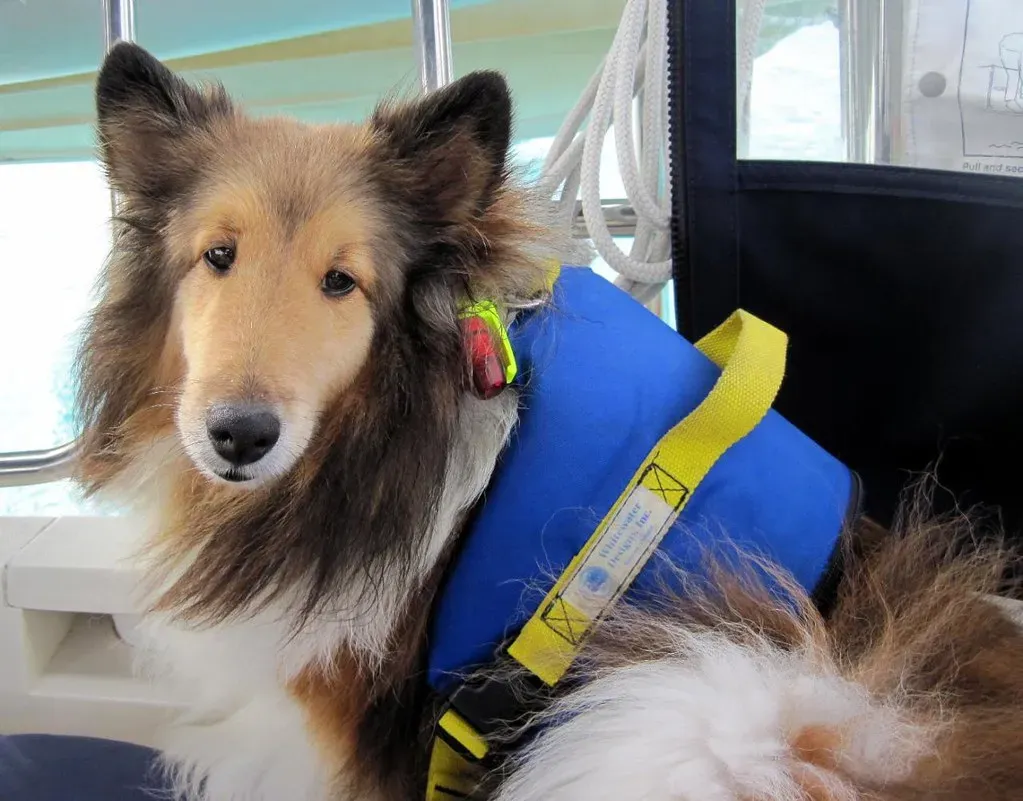
Even if your dog is a natural-born swimmer, safety always comes first. Even dogs who are strong swimmers get tired during long swimming sessions, so if your dog swims often or frequently tags along on the boat for fishing excursions, a dog life vest ensures their safety. Think of it like a seatbelt. You hope you never need it, but you always wear it.
Don’t automatically assume water dogs are avid swimmers. While some dogs may naturally have a greater affinity for the water, it’s important to introduce all dogs to the water gradually and under supervision. Start in shallow areas, use positive reinforcement, and let your dog set the pace. Never force them in. Any dog with a medical condition, including a back injury or pulmonary or cardiac problems, should be cleared by a veterinarian before diving in.
Conclusion: Know Your Dog, Love Your Dog Better
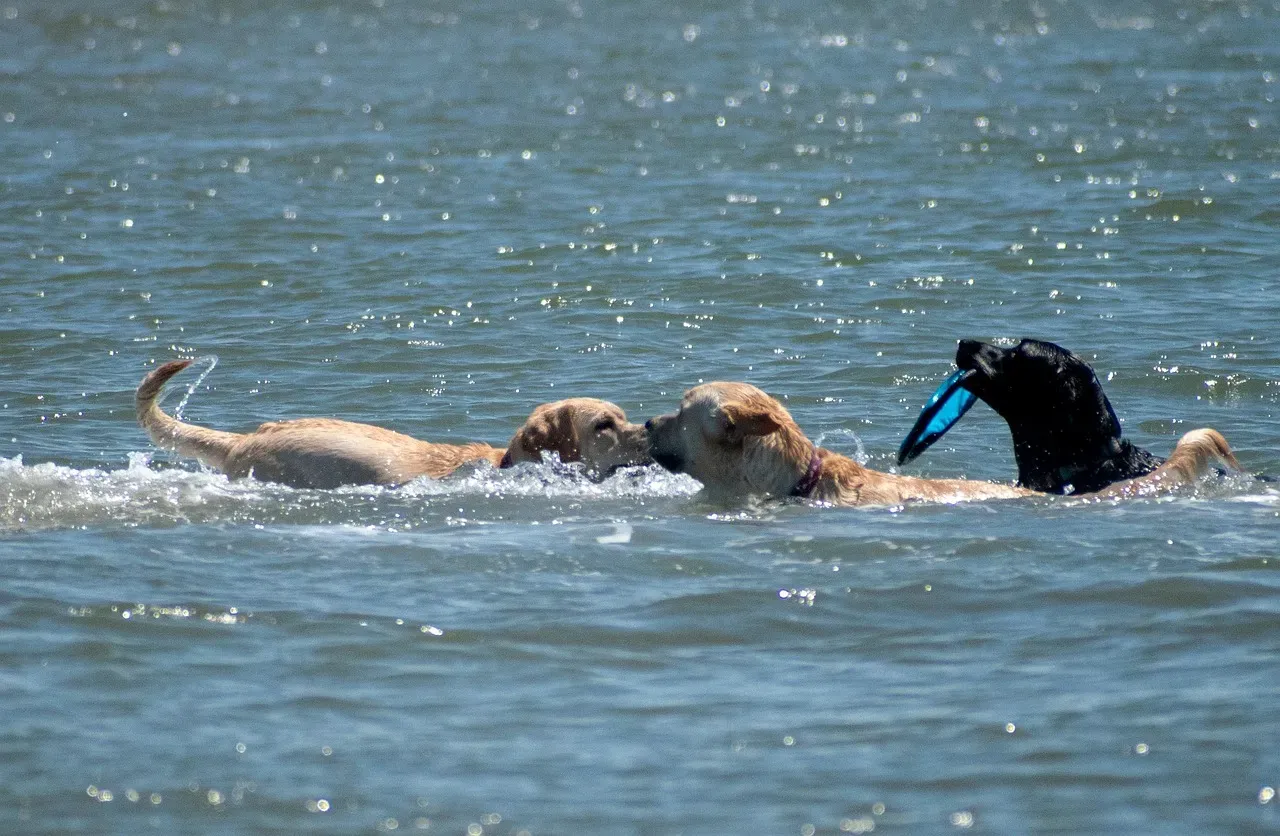
At the end of the day, knowing whether your dog is a natural swimmer or a confirmed landlubber is one of the most practical and loving things you can do as a pet parent. It keeps them safe, it keeps you sane, and it means every water outing ends in tail wags instead of emergency calls.
The seven natural swimmers on this list carry centuries of water-working heritage in their genes. The three that struggle have their own incredible gifts elsewhere. Every dog deserves to be celebrated for exactly who they are, webbed feet or not.
So next time you’re near the water with your four-legged best friend, take a moment to watch how they react. Do they pull toward the lake with that unmistakable “I was born for this” energy? Or do they look at you as if you’ve personally betrayed them by suggesting a paddle? Either way, they are wonderful. Just keep the life vest handy. Does your dog belong to the swimmer or the sinker club? We’d love to know in the comments!


