
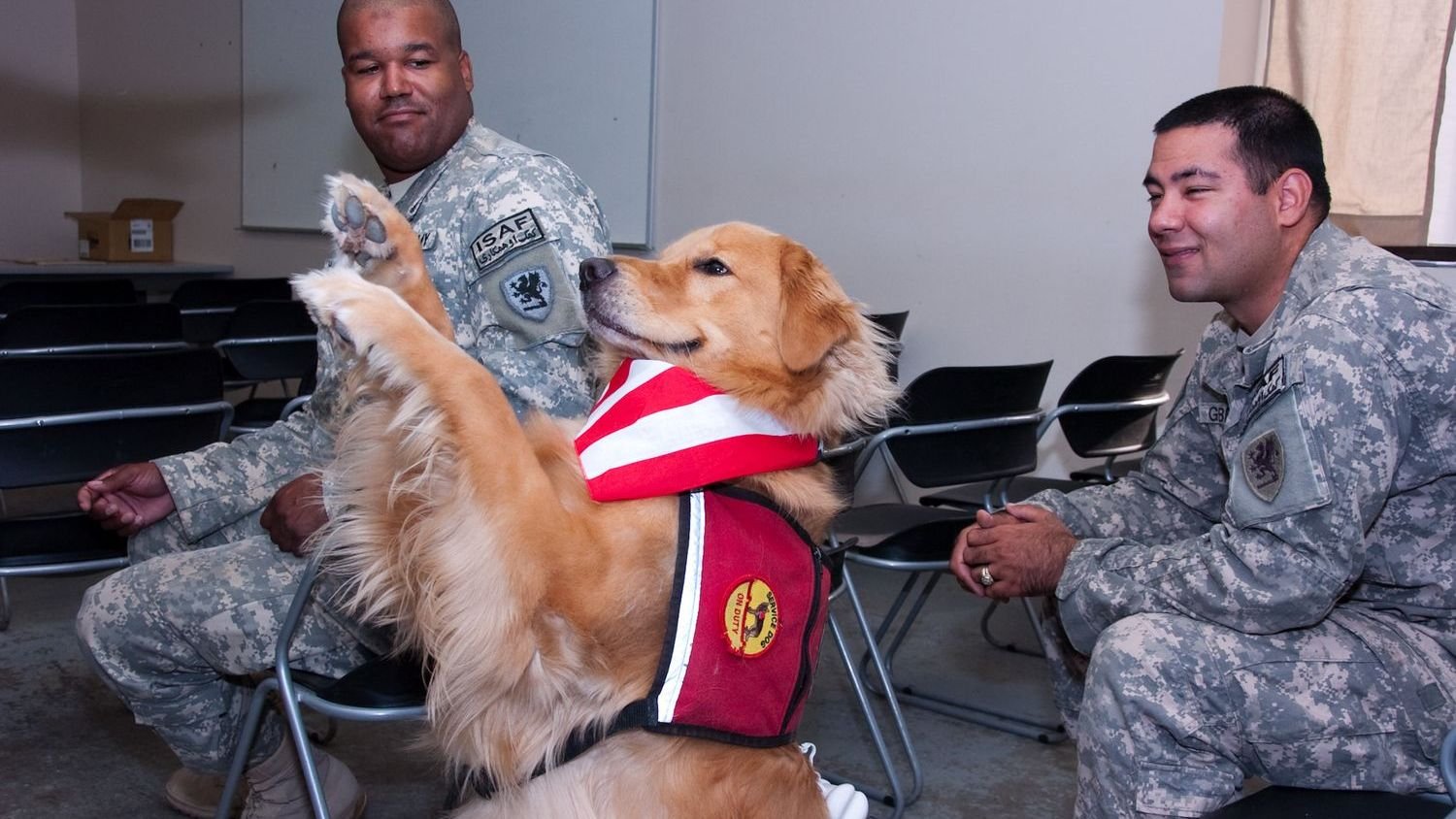
There’s something almost magical about the moment a dog walks into a hospital room, a school counselor’s office, or a grief support session, and the entire energy of that space shifts. People who were tense begin to breathe a little slower. Eyes that were dry or glazed start to soften. It happens fast, and it’s no accident. Some dogs are simply wired for this kind of soul-level comfort, and science is starting to back up what dog lovers have known for years.
Therapy dogs provide more than companionship. They bring comfort, emotional support, and healing to those in need, whether someone is navigating anxiety, PTSD, autism, or depression. Not every dog is built for this emotionally demanding role, though. The ones that truly shine share a rare combination of calm confidence, genuine people-love, and unshakeable gentleness. Let’s meet seven breeds that seem born to do this work.
1. Golden Retriever: The Poster Child of Comfort
Honestly, it’s hard to write about therapy dogs without starting here. Golden Retrievers are widely considered the “poster child” of therapy dogs. Goldens have a gentle and sensitive nature and seem to instinctively know what people need. It’s like they read the room before they even walk through the door.
Known for their gentle temperament, intelligence, and affectionate nature, they excel in providing emotional support. Their eagerness to please and ability to read human emotions make them ideal for therapy work in hospitals, nursing homes, and with children. If you’ve ever watched a Golden lay its head softly in a crying person’s lap without being asked, you already know exactly what I mean.
Golden Retrievers are typically affectionate, playful, and patient. They tend to enjoy interacting with a wide range of people, including children, older adults, and individuals with mobility aids or cognitive differences. That kind of broad, unbiased love is rare, even among dogs.
2. Cavalier King Charles Spaniel: Small Dog, Enormous Heart
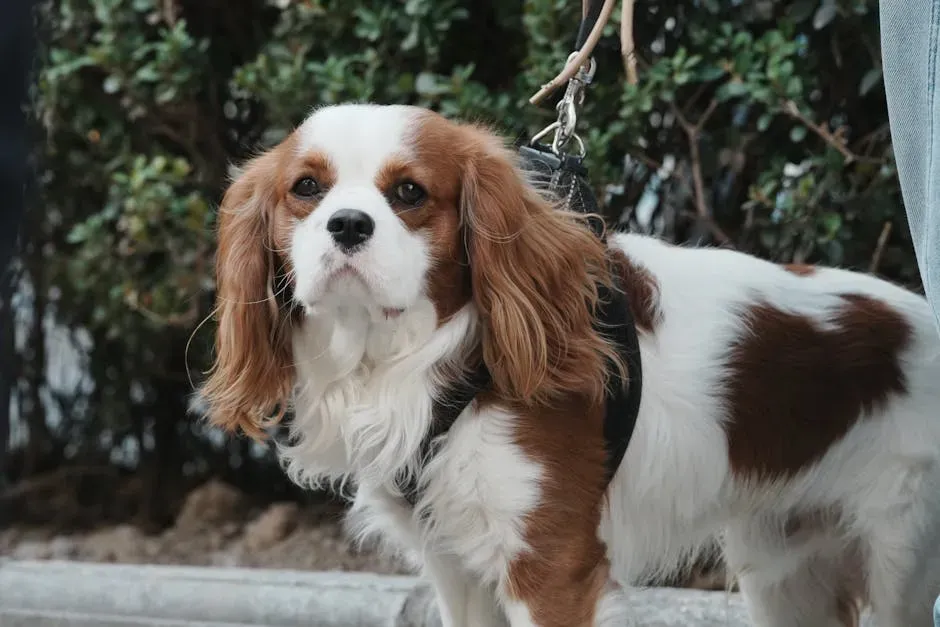
The Cavalier King Charles Spaniel has been a favorite lap dog of British royalty for generations. Their sweet, gentle temperament makes these calm, small dogs great for families with kids and other pets, and they are easy to train. Royalty had good taste, it turns out.
The Cavalier King Charles Spaniel is a small breed with a big heart. Their size makes them perfect for snuggling, while their affectionate and gentle personality is well-suited for therapy work. They are particularly ideal for children with anxiety or autism, and adults seeking a lap-sized companion. Think of them as living, breathing weighted blankets.
Ideal therapy dogs, Cavalier King Charles Spaniels are fond of getting snuggly on a lap, and work well within households that have young children, other animals including cats, and even with the senior population. Their versatility is genuinely impressive for such a small package.
3. Labrador Retriever: The Steady, Reliable Soul
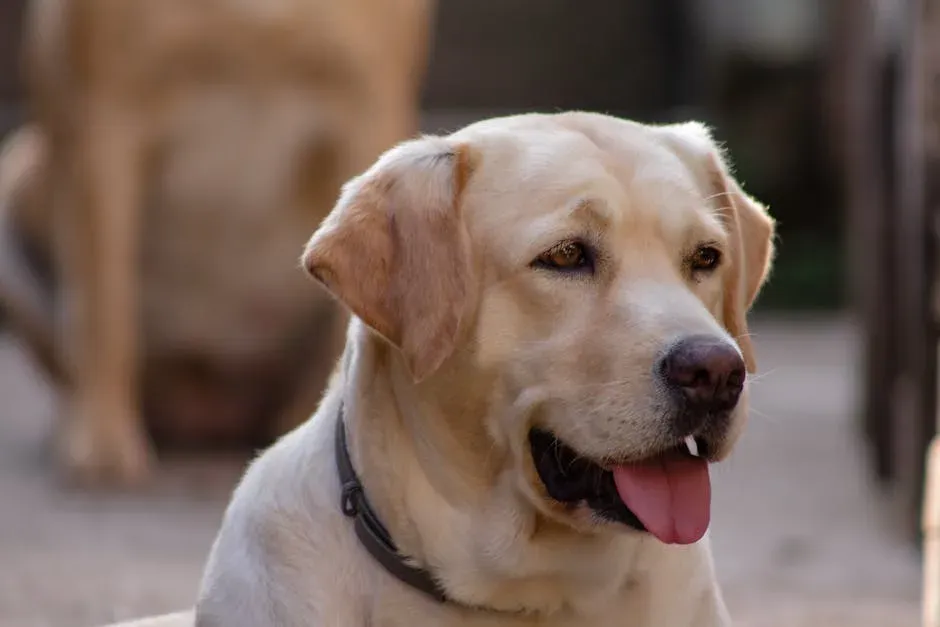
Labrador Retrievers are known for being friendly, companionable, and trustworthy. They’re often bred as service dogs due to their reliably stable temperament. They generally love the activity and human attention of therapy visits. Labs don’t just tolerate being around lots of different people, they thrive on it.
Labradors are known for their intelligence, gentle nature, and patience. Their ability to remain calm and composed makes them exceptional family pets and therapy dogs. Their high trainability makes them a popular choice for first-time dog owners. There’s a reason Labs have topped the popularity charts for decades. They’re just consistently good at being good.
4. Bernese Mountain Dog: A Gentle Giant Who Grounds You

Known for their calm and gentle nature, Bernese Mountain Dogs are often referred to as gentle giants. Their size provides a comforting presence, while their affectionate temperament makes them excellent companions for emotional support. There’s something about resting your hand on a large, warm, steady dog that calms the nervous system in a way that’s hard to explain.
Despite their large size, Bernese Mountain Dogs are calm, gentle giants. They provide comfort with their loving personalities and excel in therapy work, particularly in settings where a larger dog is beneficial. Picture a Berner resting its massive, fluffy head on the knee of a hospital patient. That image alone tells you everything you need to know.
Bernese Mountain Dogs are known for their sweet and calm temperament. They are incredibly loyal and form strong bonds with their families, making them excellent companions. That deep loyalty, once earned, is one of their most powerful therapeutic gifts.
5. Newfoundland: The Walking, Breathing Sense of Peace
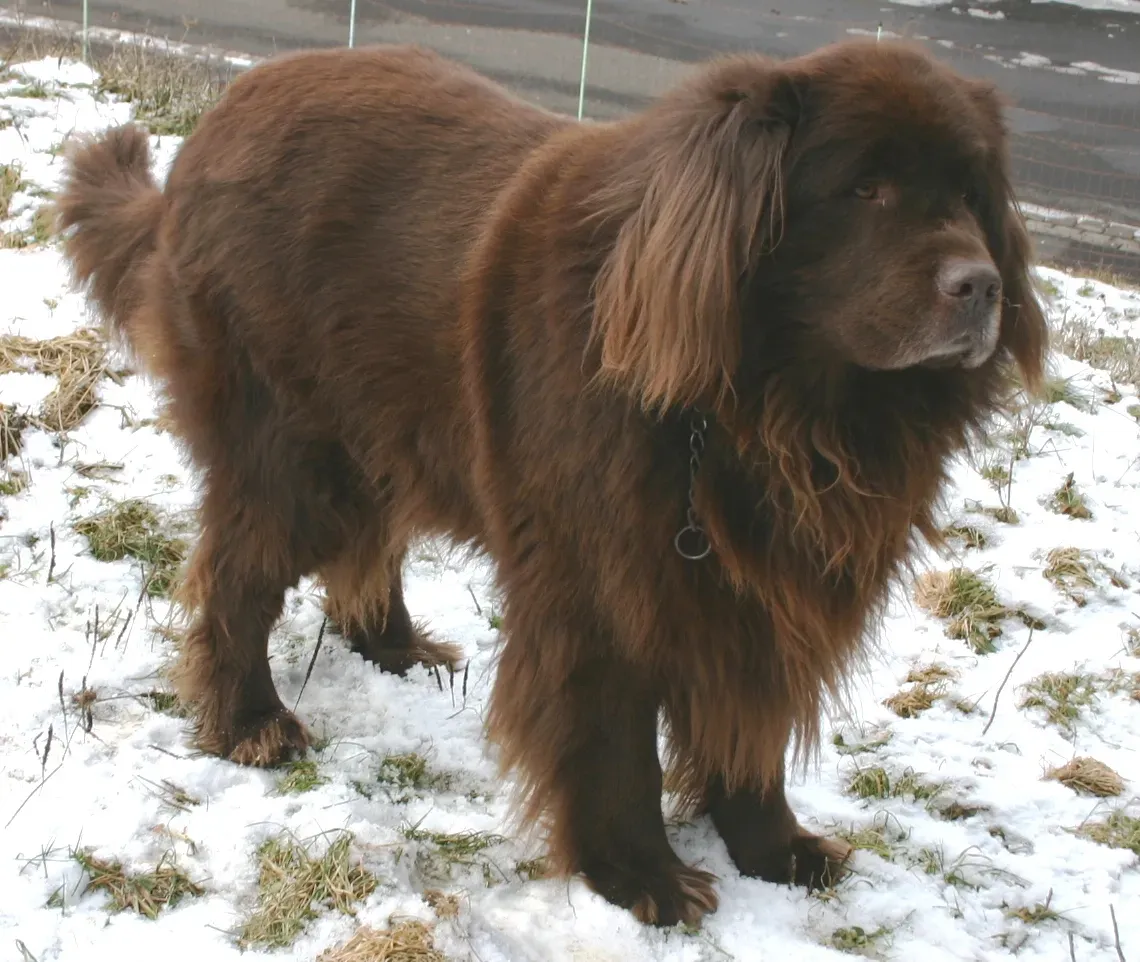
Newfoundlands are well-known for their sweet temperament and gentle demeanor around children. Their social nature makes training fun, which can help ensure your pup is calm and comfortable in new environments. “Newfies,” as they’re lovingly called, carry an almost uncanny calm wherever they go.
Newfoundland dogs move through life at a slow, patient pace that naturally lowers stress. Their nurturing temperament and affectionate nature create a steady sense of calm in the home. It’s like having a deeply wise, furry companion who simply radiates reassurance. No words needed.
An absolute sweetheart, the Newfoundland is another gentle giant ideal for families with kids who need a patient pup. Newfies don’t bark much and are incredibly sweet, though because of their size, training and socialization should start early. That early investment pays off in spades when they walk into a therapy setting with the grace of a seasoned professional.
6. Irish Wolfhound: The Quiet Giant With a Therapeutic Soul
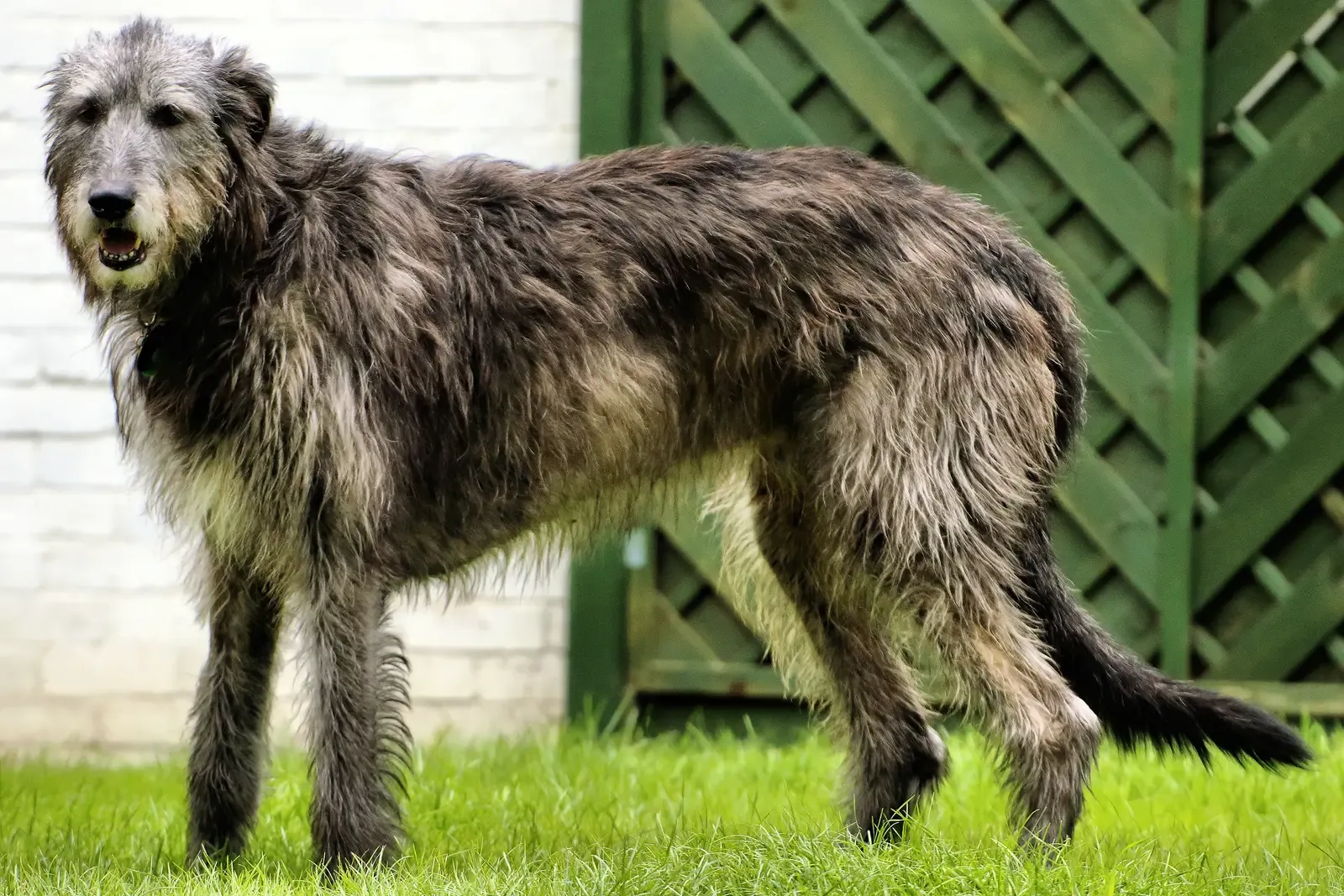
Due to their incredible intelligence, Irish Wolfhounds learn quickly. They are both calm and sensitive to the emotions of humans, making them qualified for a wide range of therapy work. It’s that emotional sensitivity that truly sets them apart from so many other large breeds.
A sensitive nature allows Irish Wolfhounds to excel as therapy dogs. They possess a loving disposition that provides immense emotional support. Such deep comfort helps owners feel grounded and calm. I think of Irish Wolfhounds as the quiet wise ones in the room, the kind of presence that doesn’t need to say a word to make everyone feel better.
These quiet creatures rarely bark, which helps maintain a serene home environment. If you value silence and concentration, an Irish Wolfhound is an ideal choice. In a therapy setting, that silence isn’t emptiness. It’s profound peace.
7. Poodle: The Brilliant, Hypoallergenic Healer
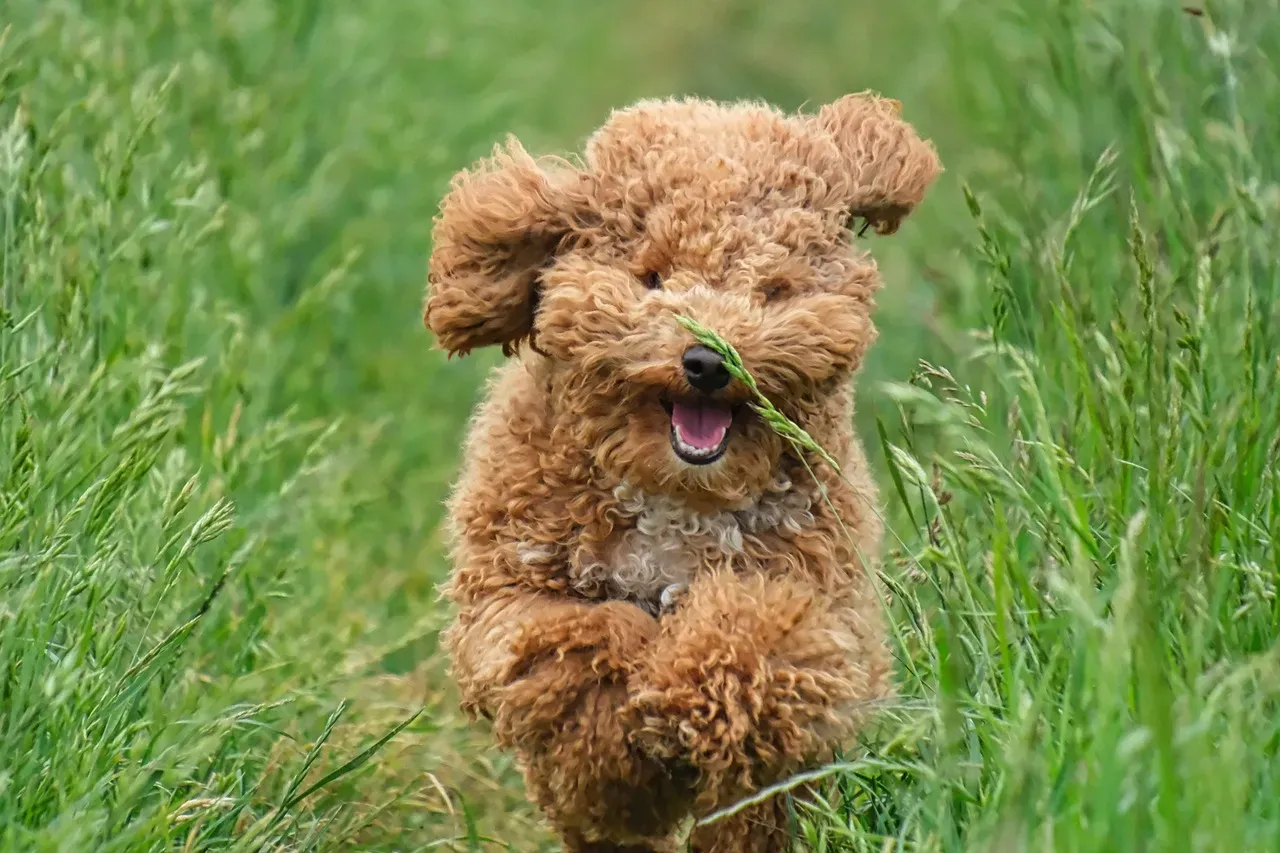
Poodles, especially Standard and Miniature varieties, are intelligent and hypoallergenic, making them a great option for individuals with allergies. Their friendly and adaptable personalities make them excellent therapy companions. This is a breed that works brilliantly in medical environments, where allergies and cleanliness truly matter.
Poodles, both standard and toy, are more hypoallergenic than other breeds, which is a definite plus when visiting medically vulnerable people. It’s a practical detail that makes a real-world difference. Beyond that, their emotional intelligence is remarkable.
Poodles are exceptionally intelligent and receptive to training. Their low-shedding coat also makes them a good option for therapy settings. Poodles somehow manage to be both deeply elegant and wonderfully warm-hearted at the same time. It’s a combination that humans, honestly, could learn from.
What Makes Any Dog a Great Therapy Dog, Regardless of Breed
![What Makes Any Dog a Great Therapy Dog, Regardless of Breed (Therapy goes to the dogs [Image 4 of 4], CC BY 2.0)](https://nvmwebsites-budwg5g9avh3epea.z03.azurefd.net/doggodigest/03b58f483b6d71c0643692973506dc6c.webp)
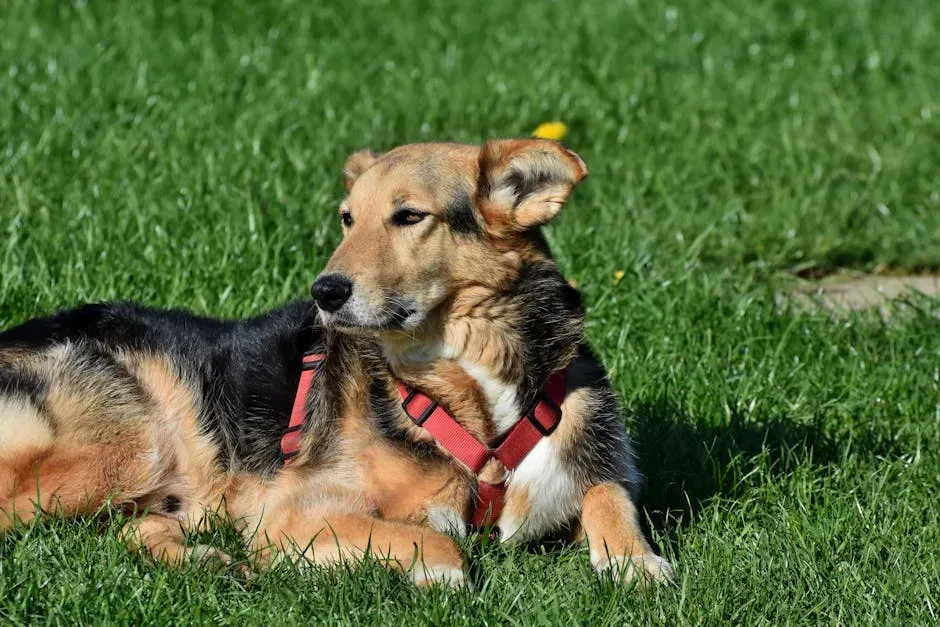
Here’s the thing worth remembering: breed is a starting point, not a guarantee. Therapy dogs are required to have a temperament that allows them to remain calm and gentle, prefer to stay close by people, be adaptable to unfamiliar situations, and never show aggressive behavior. Those traits can emerge in many breeds and even mixed breeds.
Some of the most intuitive, reliable therapy dogs are mixed-breeds with no identifiable lineage. What they share is calm confidence, trusting relationships with their guardian handlers, and an obvious enjoyment of people. That last part is key. A dog has to genuinely love people to do this work sustainably.
Therapy dogs typically need basic obedience training and certifications from organizations like Therapy Dogs International or the AKC Canine Good Citizen program. Handlers should also be trained to work with their dogs in various therapeutic settings. The certification process ensures that both the dog and owner are truly ready for the beautiful, meaningful work ahead.
Conclusion: Finding the Right Dog to Heal Hearts
Studies suggest dog owners tend to have lower blood pressure than non-owners, likely because dogs have a calming effect and encourage regular exercise. Touch may play a role as well, with research showing that blood pressure can drop simply from petting a dog. The science just keeps catching up to what dog people have always felt in their bones.
Whether you’re drawn to the golden warmth of a Retriever, the velvet-eared gentleness of a Cavalier, or the mountain-like steadiness of a Newfoundland, there is a calm, loving dog out there ready to become someone’s anchor on a stormy day. By carefully evaluating your environment and personal lifestyle, you can select a companion that not only meets certification standards but also enhances the emotional well-being of those they serve. A well-matched therapy dog can make a profound difference in someone’s healing journey.
At the end of the day, the best therapy dog isn’t just a breed on a list. It’s the specific dog whose eyes find yours in a quiet moment and somehow make the weight of the world feel just a little lighter. What breed surprised you most on this list? Tell us in the comments below!


