
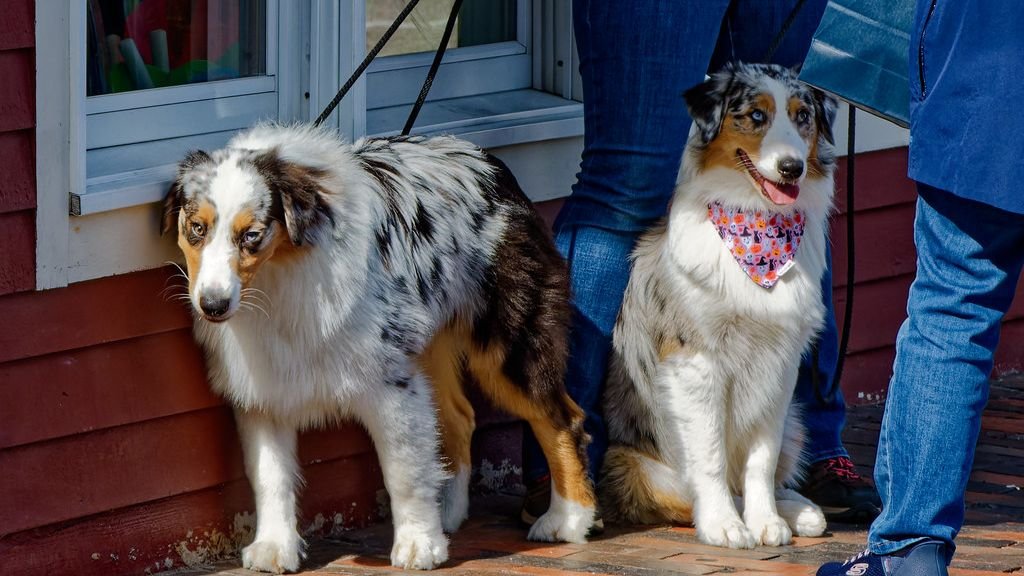
You love your dog unconditionally. You buy them premium food, cancel plans to get home early, and honestly, you’ve caught yourself apologizing to them. But here’s the thing – your dog might know exactly what they’re doing to you.
Experts believe a dog has the thinking age of a toddler who can use fake crying and tantrums to get their parents’ attention. That innocent tilt of the head, that soulful stare, that dramatic sigh when you reach for your car keys – none of it is accidental. Over thousands of years, dogs have become almost as skilled at communicating as humans by tapping into our emotions.
So which breeds have taken this to a whole other level? Buckle up, because some of these might surprise you. Let’s dive in.
1. Border Collie: The Mastermind in a Fur Coat
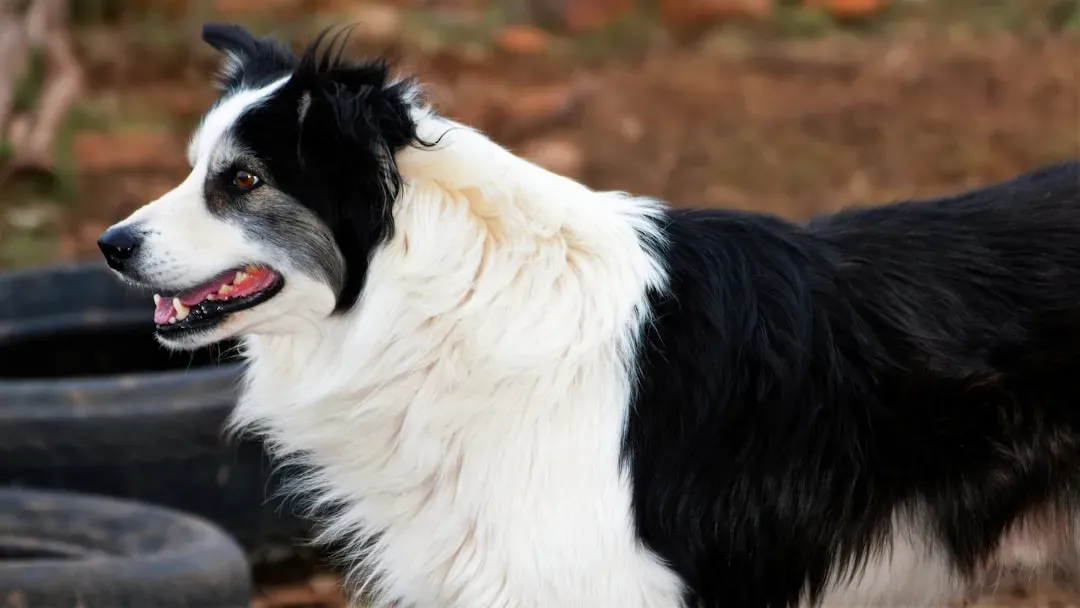
If dogs had a chess tournament, the Border Collie would be grandmaster. Border Collies aren’t just smart – they’re scary smart. These dogs can read your body language, anticipate your next move, and guilt you into another walk with one dramatic sigh. Think that’s cute? Think again.
Dog enthusiasts have given the Border Collie the well-deserved nickname “Canine Einstein.” These pups may even be too smart for their own good, since their intelligence often leads them astray. Border Collies who do not receive the physical, emotional, and intellectual stimulation they require may develop major behavioral issues like aggression, compulsive tendencies, and destructive behaviors.
The prevention tip here is simple: give them a job. Puzzle toys, agility courses, herding games – keep that brain busy. An under-stimulated Border Collie will absolutely invent ways to manipulate you into engaging with them, and honestly, they’ll win every time.
2. Poodle: The Velvet-Gloved Manipulator
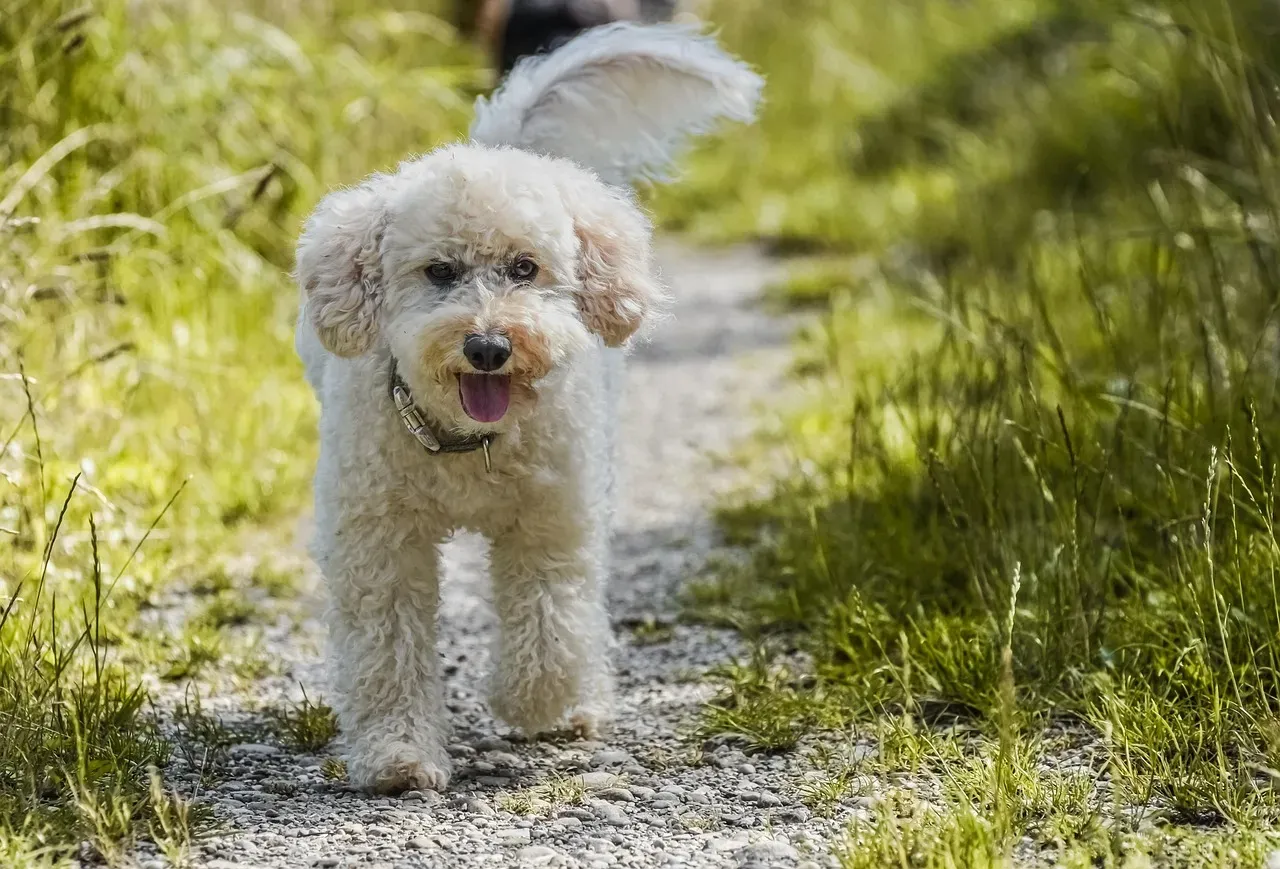
Don’t let the fancy haircut fool you. Poodles are master manipulators wrapped in curls. These are dogs with exceptionally high emotional intelligence, and they use it like a finely tuned instrument. They know when you’re tired, when you’re in a rush, and especially when you’re about to say no.
Behind all that fancy fluff is a dog with a razor-sharp mind. Poodles of all sizes – standard, miniature, and toy – are highly trainable, quick to adapt, and love a challenge. They’re also emotionally intelligent and excel in obedience competitions. Their intelligence includes a high emotional IQ, amazing memory, and strong problem-solving instincts.
Here’s the thing about Poodles: they learn your patterns faster than you notice them. If you’ve ever caved to a Poodle’s long, unblinking gaze and ended up sharing your dinner, you’re not alone. Consistent boundaries and rewarding calm behavior rather than drama will help keep their inner puppet master in check.
3. Siberian Husky: The Vocal Drama Queen
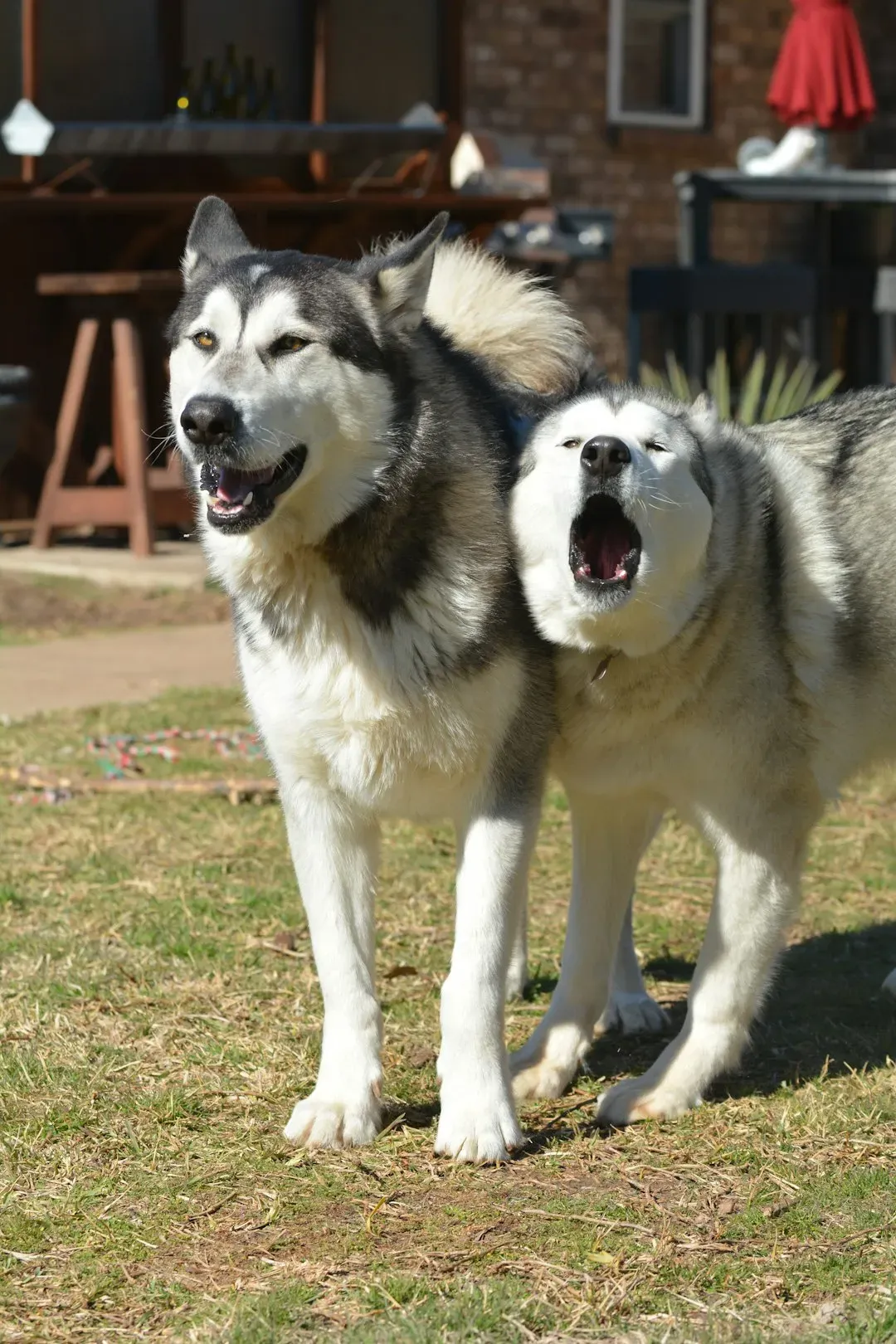
The Siberian Husky has a very short attention span but has boundless energy – this can be a destructive combination. They are strong-willed and like to have their own way, and can be very vocal when they don’t get it. Vocal is actually an understatement. These dogs will have full-blown conversations, complete with howls, moans, and what can only be described as back-talk.
Interestingly, one study noted that all domestic dogs routinely possessed the eyebrow-raising muscle, except for the Siberian Husky specimen, which belongs to more ancient dog breeds, more closely related to wolves. Huskies communicate with vocalization, they almost sound like human infants. So while other breeds manipulate with their eyes, Huskies go straight for your ears and emotions.
The key with a Husky is to never reward the tantrum. When a Husky throws a tantrum to go outside, don’t open the door for them, as this will only teach them that acting out will get them what they want. Instead, ignore them altogether and only reward them for good behavior. Easier said than done, I know.
4. Beagle: The Nose Knows How to Con You
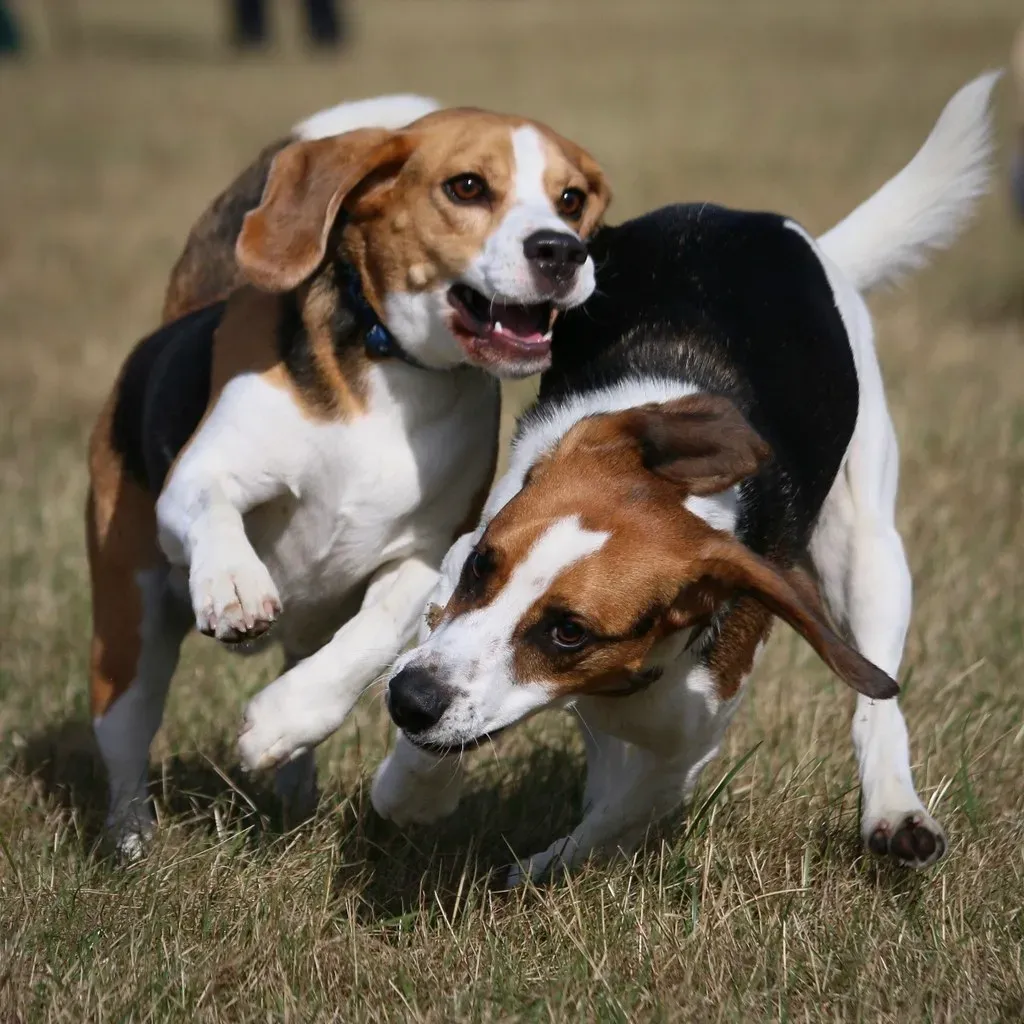
Beagles may look as if butter wouldn’t melt in their mouths, but they require a lot of training. They were originally bred as hunting dogs and have an independent streak. This is not a bad thing when they were out hunting in remote locations, but is not so great when you want them to be a family pet. That independent streak is precisely what makes them so slippery to manage.
Beagles are world-class at using their big brown eyes, floppy ears, and whimpering to make you feel like the world’s worst dog parent. They’ll sniff out your weaknesses just as efficiently as they sniff out a squirrel. Beagles need a lot of physical and mental stimulation and careful training to make sure that they respect their human companions.
Honestly, the Beagle is proof that manipulation doesn’t require high IQ – it requires high charm. A nose-work activity or scent game gives them an appropriate outlet, and a Beagle who is well-exercised is far less likely to resort to emotional theatrics for attention.
5. Basset Hound: The Sad Eyes Champion
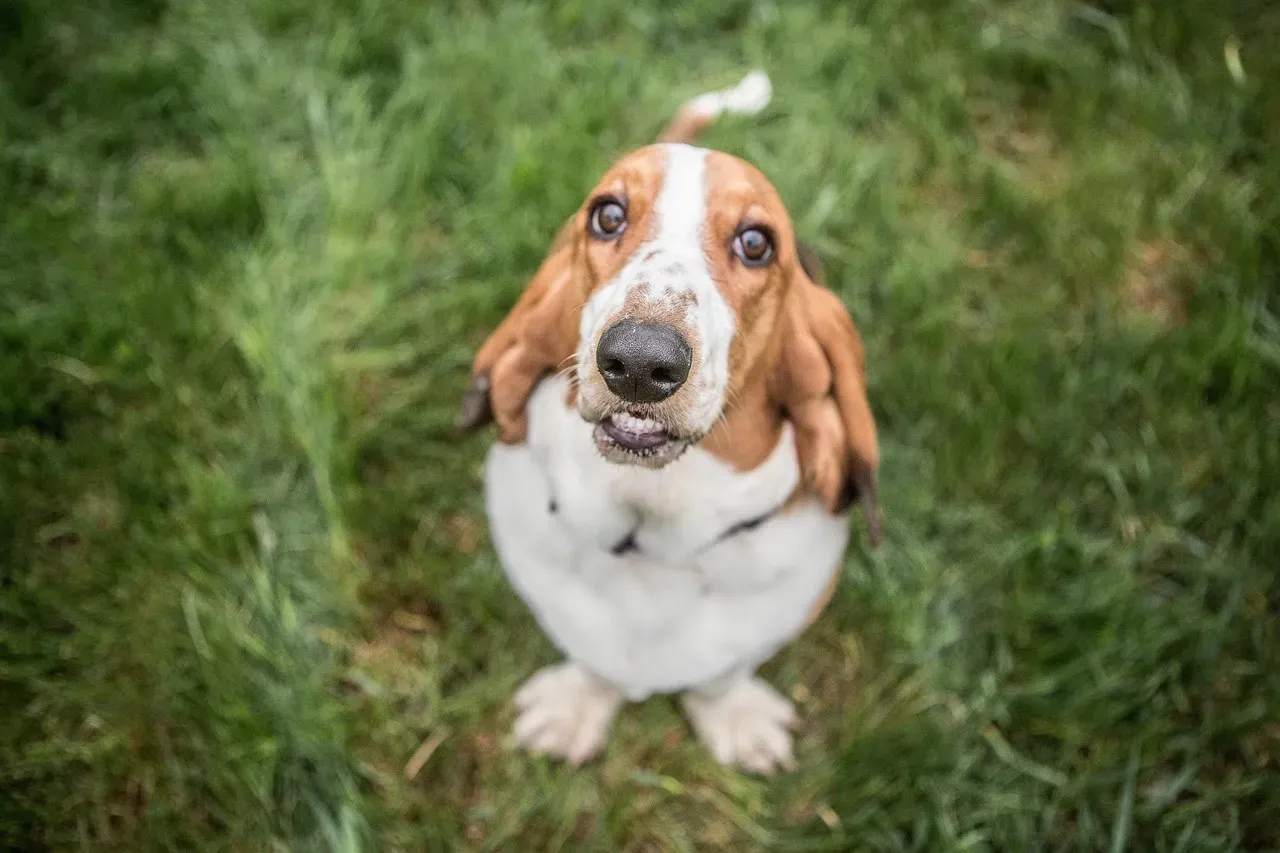
Nobody, and I mean nobody, does guilt-tripping quite like a Basset Hound. They are insanely manipulative, using a soulful expression and a mournful howl to twist your arm. Bassets are extreme whiners, but there’s usually a simple explanation behind this behavior, such as hunger, thirst, sleepiness, or attention seeking. The rare occasions when these hounds are not whining is when they’re occupied with treats, chewy toys, or a bone.
The droopy face, the long ears, those eyes that look like they’ve witnessed unspeakable tragedy – it’s all working against you. Basset Hounds are low on energy, fond of naps, and sweet-tempered. These pups are easy-going, friendly, perfect for the family, and get along well with children and other pets. They’re not malicious. They’re just profoundly, brilliantly needy.
The good news? Their manipulation is relatively low-stakes. Keep meal times consistent, offer enrichment toys, and resist the howl-at-the-dinner-table performance. Your Basset will survive not getting your pot roast, despite what their expression suggests.
6. Yorkshire Terrier: Big Boss Energy in a Tiny Body
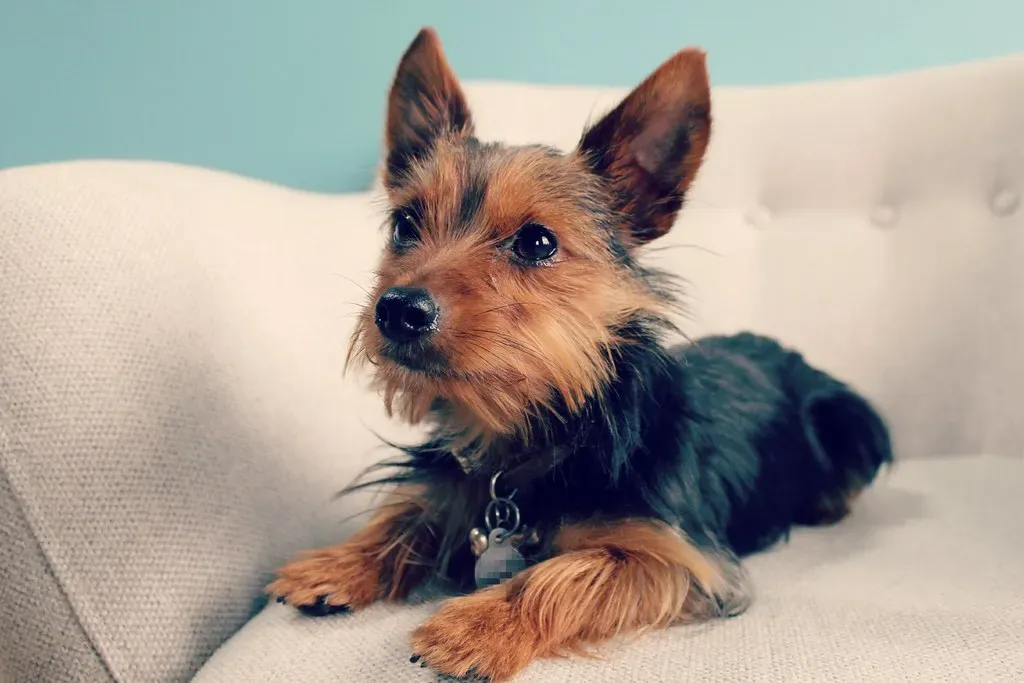
Don’t let the size fool you for even a second. Yorkies are small in stature but enormous in personality, ambition, and yes, manipulation. Without behavioral training, Yorkies often develop “Small Dog Syndrome,” meaning they become possessive and protective of their people. Aside from their larger-than-life personalities, Yorkshire Terriers require frequent grooming appointments and home care to keep their silky coats shiny and mat-free.
A Yorkie will use every tool in the toolbox: trembling to seem fragile, barking relentlessly to get their way, or sitting on your lap and staring at you with those luminous eyes until you rethink every boundary you ever set. While intelligent dogs can be highly trainable, they also come with a knack for pushing limits and finding loopholes. For first-time owners, this level of cleverness can quickly turn into a challenge, requiring constant engagement and firm training.
The secret to living harmoniously with a Yorkie is to establish rules early and stick to them. They thrive on consistency. The moment they sense a gap in your resolve, they’ll move in and claim that territory as their own. Adorably, irreversibly their own.
7. Australian Shepherd: The Emotional Chess Player
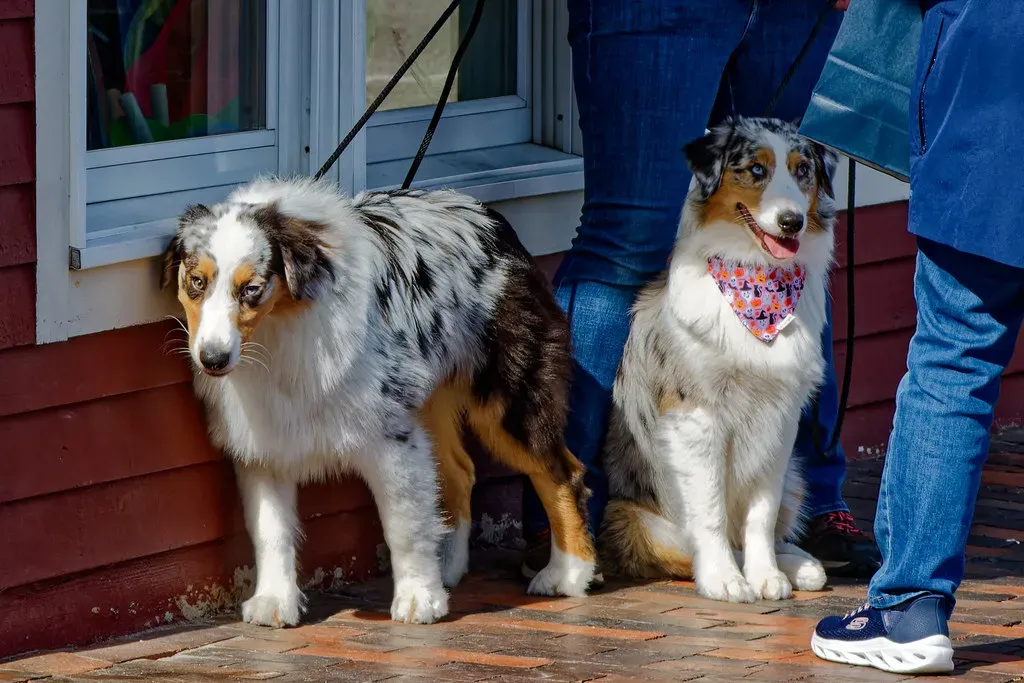
This breed is a brainy workhorse with a side hustle in emotional blackmail. Aussies are great at getting what they want through a mix of charm, intensity, and nonstop nudging. They’ll pretend to “check on you” but are really just keeping tabs on when the snack drawer opens. If you’ve ever had an Aussie stare at you with those striking eyes until you stood up and did exactly what they wanted, you already understand.
Australian Shepherds were bred to herd livestock, and when there’s no flock around, they redirect that energy toward managing their humans. They’re not being naughty. They genuinely believe it’s their job. While intelligent dogs can be highly trainable, they also come with a knack for pushing limits and finding loopholes. These breeds are sharp, curious, and need more than a few basic commands to stay content.
The best thing you can do for an Aussie is to channel their brilliance into structured activities. Dog sports like agility or flyball are made for them. A bored Aussie is a manipulative Aussie – and an unstoppable one at that.
The Love Behind the Manipulation: What Science Tells Us
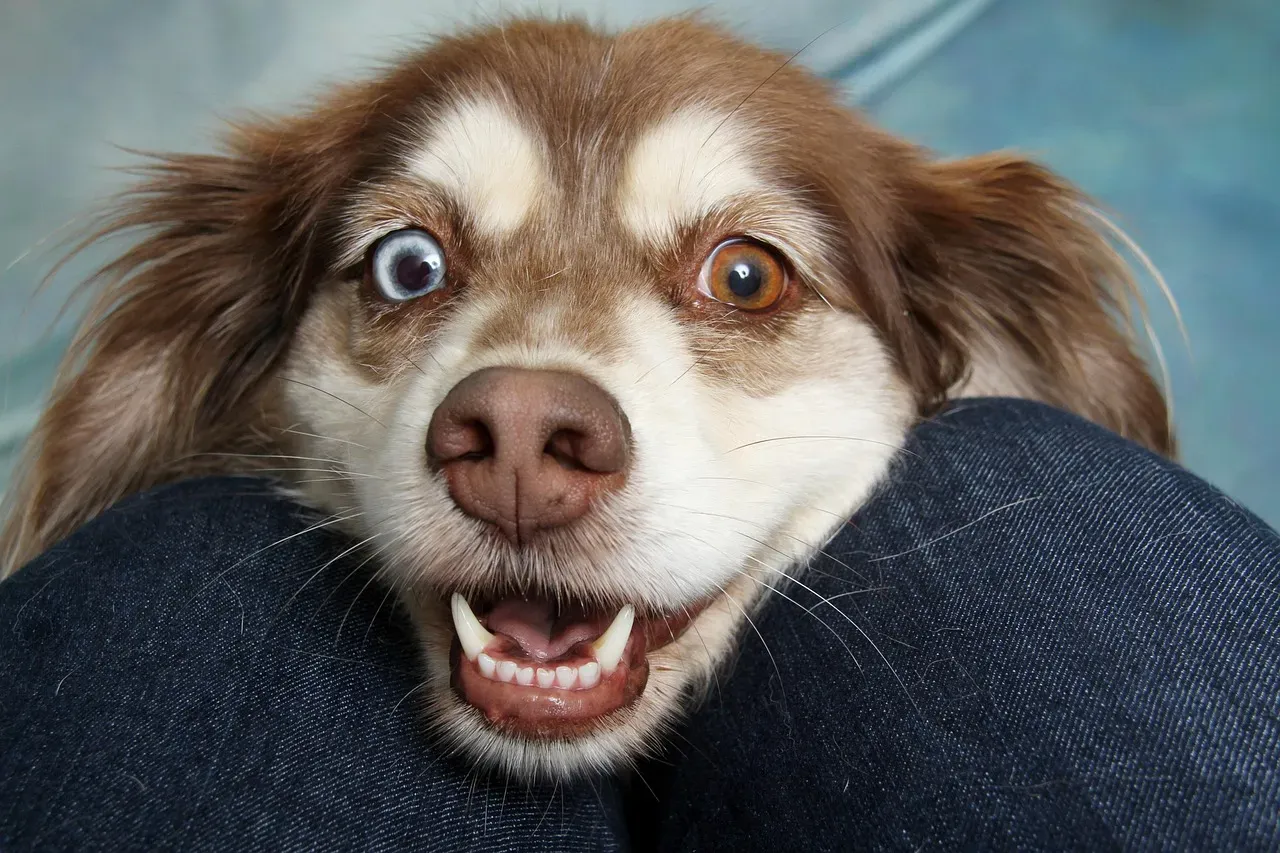
Here’s the beautiful, slightly humbling truth: your dog’s manipulation isn’t malicious. According to 2019 research published in the Proceedings of the National Academy of Sciences, domestication transformed dogs’ facial muscles to specifically communicate with us. The study found that a muscle responsible for raising the inner eyebrows intensely is something dogs have, but wolves don’t have. Interestingly, such action resembles a human sad expression – and when done by dogs, it triggers a nurturing response from humans.
The single most important factor dictating how likely dogs are to show facial expressions was attention. Almost all human-dog interactions elicited a facial expression in response from the animals, and they would drop them when a human was no longer directly watching. They perform for you. Because they know you’re watching. Because you matter to them.
Dogs do not understand evil intention so, therefore, do not manipulate to cause fear or pain in a human. Their human characteristics are learned from us, but thankfully, cannot go deep enough to evoke emotional hurt. So the next time your Beagle gives you the face, or your Husky launches into a full vocal protest, remember: this is their love language. Strange, theatrical, occasionally exhausting – but love all the same.
Conclusion: You’re Not Being Played, You’re Being Loved

Every dramatic sigh, every paw on the knee, every exaggerated shiver in a perfectly warm room – these are your dog’s ways of saying “I need you.” The breeds on this list aren’t trying to outsmart you out of spite. Dogs have truly evolved to communicate more efficiently with humans to fit different situations, needs, and wants. That’s remarkable when you think about it.
Understanding the behavior behind the manipulation actually makes you a better dog parent. It helps you set kinder boundaries, read real needs versus theatrical performances, and deepen the bond you share with your dog. Even though some dogs can be extra, they’re likely just trying to get your attention or convey how they feel as best as they possibly can. With enough training, patience, and love, all of these dog breeds have the potential to be fantastic home pets and companions.
So yes, your dog might be running the household. But honestly, look at that face. Would you have it any other way? Drop a comment and let us know – which breed do you think is the sneakiest manipulator of them all?


