

Have you ever had one of those days where everything goes wrong, you slump onto the couch without saying a single word, and your dog is already right there beside you? No announcement. No explanation needed. They just knew. It’s one of those quietly magical moments that every dog owner understands but can rarely explain.
The truth is, some dogs don’t just love you. They read you. They pick up on the tremor in your voice, the slump in your shoulders, and the look in your eyes with a precision that honestly feels a little supernatural. Recent advances in neuroscience have confirmed that this isn’t just wishful thinking. Brain studies demonstrate that some dog breeds have highly developed neural networks uniquely evolved to read human emotional states.
So which breeds have this extraordinary gift? You might be surprised by a few on this list. Let’s dive in.
1. Golden Retriever: The Empath With a Wagging Tail

There’s a reason Golden Retrievers show up in hospitals, schools, and therapy centers across the world. Golden Retrievers inherit a specific genetic mutation that essentially changes their oxytocin production, developing what researchers define as a “biological predisposition for empathy.” This genetic mutation leads to higher baseline oxytocin levels, boosting their natural capacity to bond with people on a deep, emotional level.
What makes them truly special is how nuanced their responses are. The emotional intelligence of the breed goes beyond mere mood recognition to sophisticated behavioral responses based on emotional context. These dogs can differentiate between various modes of distress, providing soft body contact for sadness but keeping a distance during anger.
These dogs feel a lot. If left alone too long, they may get sad or even develop mild separation anxiety. They truly thrive in company. Think of the Golden as an emotional sponge, absorbing the energy in the room and responding exactly as needed. That’s not a coincidence. That’s biology.
2. Labrador Retriever: Your Loyal Emotional Anchor

Labs are consistently one of the most popular dog breeds in the world, and honestly, their emotional intelligence is a huge part of why. Labrador Retrievers are among the most empathetic breeds. Known for their gentle disposition and friendly nature, Labs have an innate ability to sense and respond to human emotions. Their expressive eyes and attentive behavior make them excellent companions for individuals seeking emotional support.
If a Lab senses that you are feeling downcast, they are likely to offer comfort through physical proximity. They will often rest their head on your lap or nudge your hand for a stroke. Their touch can bring peace to the heart and offer comfort in the darkest of times.
Labradors are incredibly patient, making them ideal for families with children, the elderly, or those with special needs. Their intelligence and trainability have also made them popular choices for therapy and assistance dog roles. If you want a dog that will show up for you emotionally, every single day, a Lab is genuinely hard to beat.
3. Border Collie: The Emotional Mind-Reader
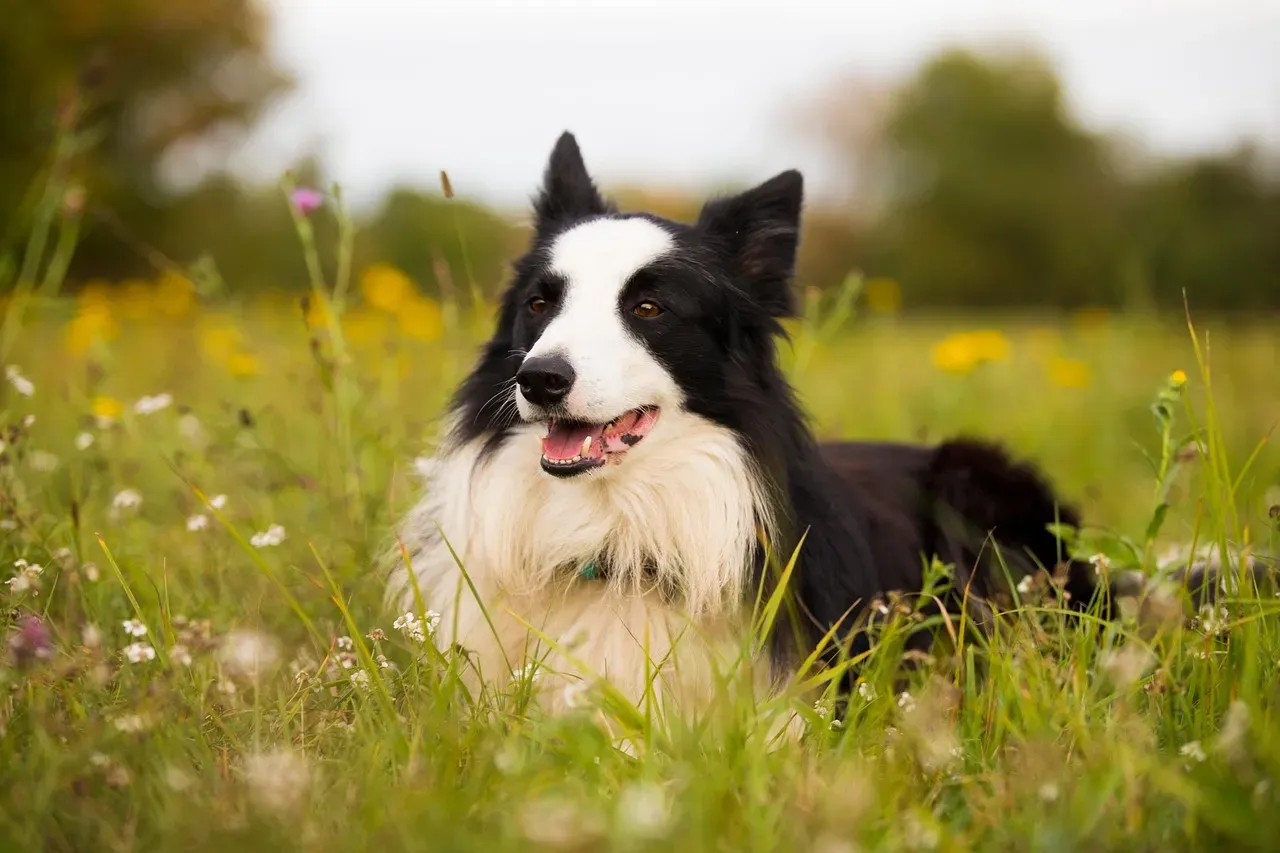
Border Collies are famous for their intelligence, but here’s something that often gets overlooked. Border Collies are well-known for their intelligence and work ethic, but their emotional intelligence is equally remarkable. These dogs are highly perceptive, often sensing their owners’ feelings without any verbal cues.
This breed is hyper-aware of its environment and reacts to human emotions with fitting behaviors. If you are very high-energy and happy, they will mirror that excitement; if you are very tense, they may become more watchful and attentive. Their intelligence ensures they are always one step ahead of your emotional needs.
It’s worth noting one important thing, though. This sensitivity means they can become overwhelmed by chaos or tension in their surroundings. Training is best approached with positivity and patience. Border Collies react strongly to their owner’s voice and body language, making consistency key. In other words, your emotional state directly shapes their wellbeing. It’s a two-way street, and a beautiful one at that.
4. Cavalier King Charles Spaniel: Born to Comfort

Few breeds in the world were literally bred for the purpose of emotional connection, but the Cavalier King Charles Spaniel is one of them. The Cavalier King Charles Spaniel perhaps best exemplifies the most sophisticated display of canine emotional intelligence. This breed has been intentionally developed over the centuries as a companion animal for royalty.
Their neurological setup enables them to perceive subtle human stress hormone fluctuations, breathing behaviors, and microexpressions that trained professionals may overlook. This increased sensitivity is expressed in how they sit close to their owners, offering physical comfort in the form of gentle pressure and closeness.
Their best uses are in hospitals, nursing homes, and educational therapies, where their quiet presence can aid in the healing process and also help with emotional regulation. I think what makes Cavaliers so special is how utterly unselfconscious their comfort is. They don’t wait to be invited. They simply arrive. Small dog, enormous heart.
5. German Shepherd: The Protector Who Feels Everything

Most people think of German Shepherds as powerful working dogs, protectors, police partners, military allies. That’s all true. Here’s the thing, though. Loyal to the core, German Shepherds are natural protectors who take emotional connection seriously. These dogs are incredibly sensitive to their environment and will often step up their attention and support if they sense you’re upset or uneasy. They’re commonly used as service animals for PTSD, anxiety, and depression because of their reliability and empathy.
Many German Shepherds use vocal sounds like groans, whines, and grumbles to express feelings. It’s almost like they have their own language for telling you they notice what you’re going through. That’s not just loyalty. That’s emotional attunement.
They need structure. Without proper training, they can get pushy or overprotective. A confident owner makes a well-balanced German Shepherd. Give them clear guidance, love, and consistency, and in return, you get a companion who will stand by you through absolutely anything.
6. Poodle: Don’t Let the Curls Fool You

Let’s be real. Poodles have a bit of an image problem. People see the fluffy coat and the elegant posture and assume “fancy show dog.” The reality? Poodles, irrespective of their size, are highly intelligent and intuitive dogs, known for their keen sense of human emotions. Their empathetic nature is complemented by their eagerness to please, making them responsive to the needs and feelings of their owners. Poodles are excellent at reading body language and can often sense distress or sadness, responding with affectionate gestures and a comforting presence.
They read your emotions fast. They’ll sit with you when you’re quiet. They’ll wag their tail when you smile. That’s why they’re such great therapy dogs. There’s a reason Poodles have served in therapy settings for decades.
Their hypoallergenic coats also make them suitable companions for those with allergies, allowing them to provide comfort without causing sneezes. Poodles’ adaptability and sensitivity make them outstanding pets for individuals seeking an empathetic and intelligent companion. Elegant on the outside, deeply warm and perceptive on the inside. The full package, honestly.
7. Shetland Sheepdog (Sheltie): The Quiet Observer With a Huge Heart

Shelties don’t always grab the spotlight the way Goldens or Labs do, but in many ways, their emotional intelligence is just as impressive. The Shetland Sheepdog is a master of observing facial expressions. It is a mostly reserved breed, which is why they tend to watch their owners closely to understand the rules of the current emotional environment. They are sensitive to mood changes and will react calmly to stress or tension.
Shelties are incredibly quick learners with strong problem-solving skills. They respond well to human direction and excel in obedience. Their sharp awareness and ability to read people’s emotions make them sensitive and empathetic companions.
Their quiet, empathetic nature makes them ideal for individuals who prefer subtle support. Their presence may be quiet, but it is strong, powerful, and unfailing. Think of the Sheltie as the friend who sits beside you without needing to fill the silence. Sometimes that’s exactly what you need most.
The Science Behind Why Some Breeds Read You Better
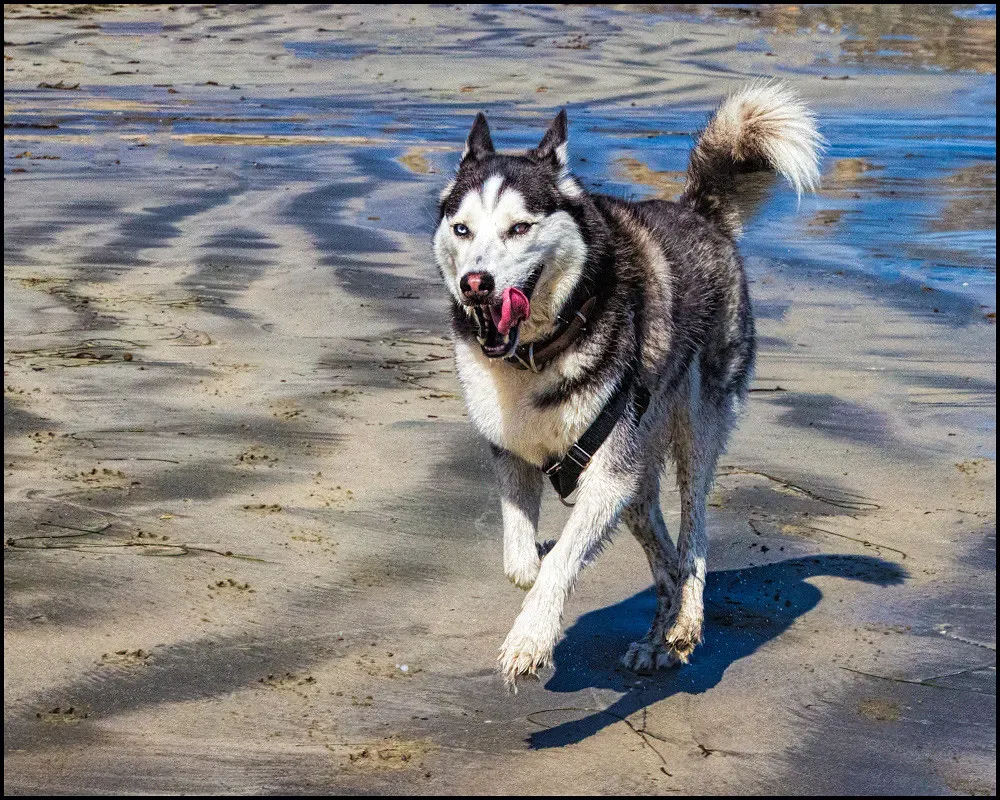
You might be wondering: why these breeds specifically? Is it random, or is there something deeper going on? Dog breeds that are bred to work closely with humans were carefully chosen for emotionally intelligent traits. For example, Border Collies were bred to herd livestock, so they needed to be closely tuned into what their owners wanted. Dogs bred for companionship were chosen because they were able to comfort humans by understanding when they needed it most.
Studies have shown that when dogs look at human faces, they exhibit a “left-gaze bias.” The right side of the human face expresses emotion more accurately. Dogs have literally evolved to look where the most emotional information is stored. That’s not a cute quirk. That’s thousands of years of co-evolution at work.
A study conducted by the Department of Veterinary Medicine at the University of Bari Aldo Moro in Italy looked at how dogs interpret emotional sounds like laughing or crying. The study played dogs recordings of six basic human emotions and measured brain activity and behavior. Dogs used the right brain more for negative sounds like fear and sadness, and the left brain more for positive sounds like happiness. It’s hard not to feel a little awe at that.
Conclusion: Your Dog Sees You More Clearly Than You Think

Every single breed on this list shares one remarkable quality: they show up for the humans they love, even when no words are spoken. Whether it’s a Golden pressing gently against your leg after a hard day, or a Sheltie sitting quietly at your feet while you cry, these dogs are not just reacting. They are genuinely, deeply attuned to you.
You can strengthen this bond in simple, everyday ways. Spend quality time together through daily walks, cuddles, and playtime. Talk to your dog, because dogs may not understand words, but they definitely understand tone. Use positive reinforcement and reward affectionate or supportive behavior with praise or treats.
The relationship you build with an emotionally intelligent dog is unlike anything else. It’s not ownership. It’s a partnership built on trust, presence, and an unspoken understanding that goes both ways. So next time your dog looks up at you with those knowing eyes, know that they’re not just looking. They’re listening with every part of themselves. What would you do differently if you truly believed your dog understood how you were feeling right now?


