
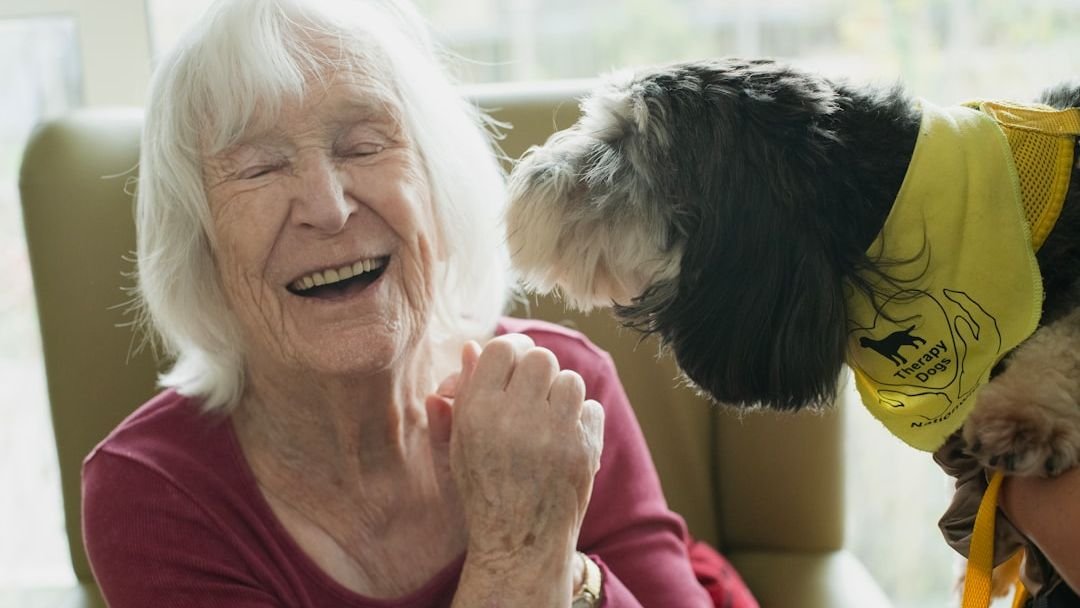
There’s something special about watching a senior citizen move through life with a four-legged partner at their side. I’ve seen it in grocery stores, at doctor’s appointments, and during morning walks. The confidence these dogs bring to their handlers is honestly remarkable.
Service dogs aren’t just companions for seniors. They’re safety nets, medical alert systems, and sources of independence all rolled into one furry package. Finding the right breed matters more than you might think, because not every dog can handle the demands of service work while also matching the pace and needs of an older handler. Let’s explore seven breeds that truly shine in this role, each bringing unique gifts to the table.
Labrador Retriever: The Gold Standard for Senior Support
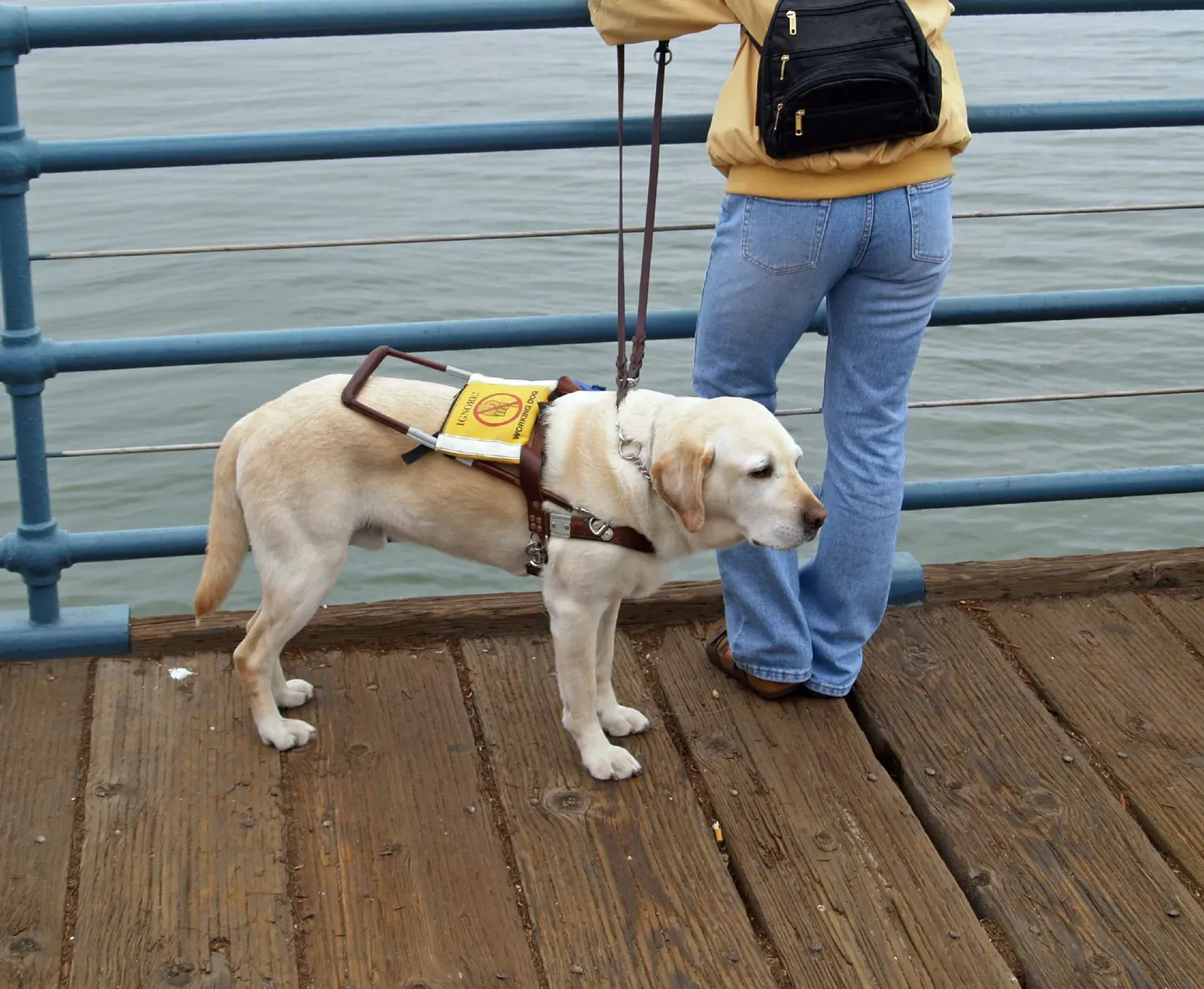
Labrador Retrievers have been ranked one of the most popular dog breeds in the United States for decades thanks to their affectionate, friendly, and loving temperament. These dogs seem to have a sixth sense about what their handlers need before they even ask.
Labs have incredible noses and can detect seizures, heart problems, and changes in blood sugar levels minutes before they occur, bringing medication, pushing emergency buttons, or running to get neighbors. Their medium to large build gives them the perfect balance of strength and manageability. One thing to keep in mind, though, is their energy level. Labs need daily exercise, and if your arthritis makes walking painful or you get winded easily, this breed might exhaust you.
Picture a Lab learning your routine so well they bring your medication at the exact same time each morning without being told. That’s the kind of intelligence we’re talking about here.
Golden Retriever: The Gentle Giant with a Heart of Gold

If Labs are the gold standard, Golden Retrievers are the platinum edition. Golden Retrievers are even-tempered, intelligent and affectionate, playful yet gentle with children, and they tend to get along well with other pets and strangers.
Golden Retrievers have the perfect temperament for balance work, strong enough to support you but gentle enough not to knock you over, learning to match your walking speed exactly and not pulling ahead when you need to rest. They can help you stand up from chairs or catch you if you start to fall. The catch? They shed quite a bit. If you’re already feeling overwhelmed by housework, be honest with yourself about whether you can handle the extra cleaning.
Goldens are the dogs that seem to smile at you when you’re having a rough day, and somehow that makes everything feel a little more manageable.
Standard Poodle: The Brainy Companion for Allergy-Prone Seniors
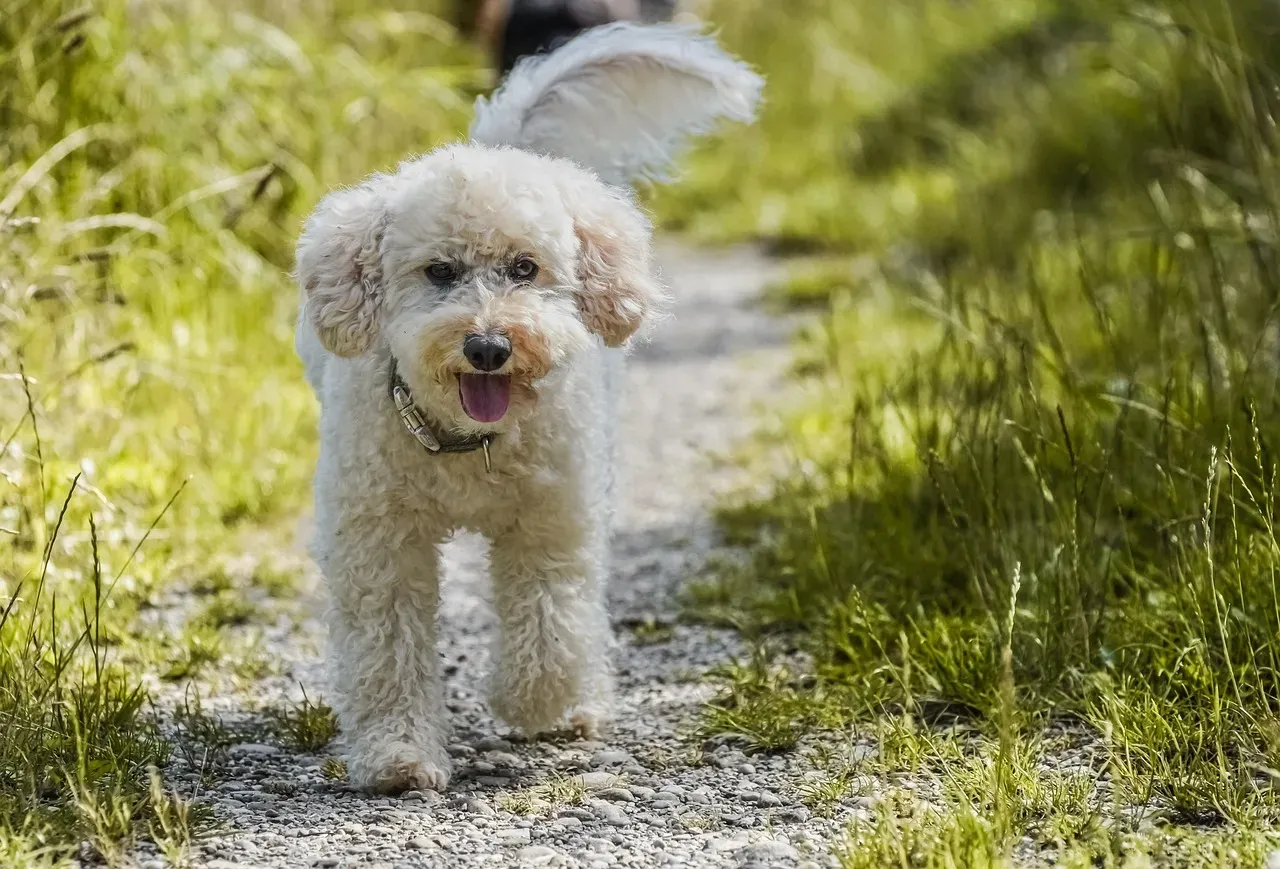
Don’t let those fancy haircuts fool you. Standard Poodles don’t shed much, which helps some seniors with breathing problems, as their curly coats trap allergens instead of spreading them around your home.
These dogs are incredibly smart, learning to operate light switches, retrieve specific items from different rooms, or even sort medications, with some learning complex routines like bringing different pills at the right times each day. The downside is grooming. Poodles need professional grooming every six to eight weeks, which can cost seventy-five to one hundred dollars per visit.
Still, for seniors dealing with COPD or severe allergies, a Poodle might be the only option that doesn’t compromise breathing. That trade-off can be worth every penny.
German Shepherd: The Loyal Protector with Multiple Skills
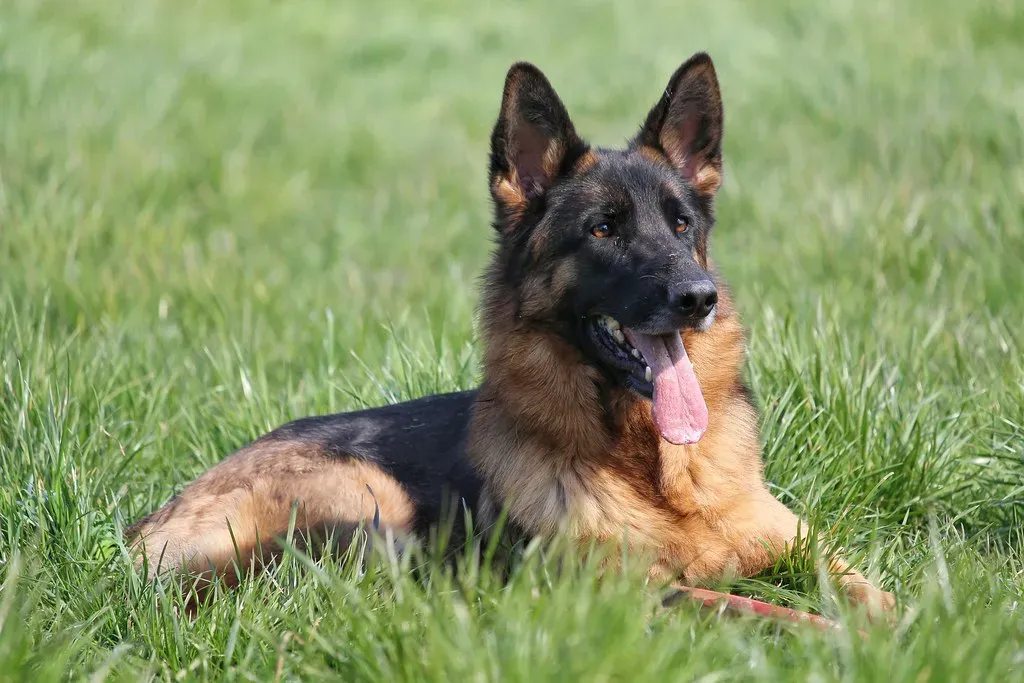
German Shepherds naturally protect their families and can tell the difference between a delivery person and someone who shouldn’t be there. For seniors living alone, that peace of mind is priceless.
These dogs excel at various tasks beyond protection. German Shepherds are particularly talented with blood sugar monitoring because of their powerful sense of smell, and their large size is also great for mobility assistance, either serving as guide dogs or balance assistance dogs. Here’s the thing: German Shepherds need strong leadership, and if you’ve never trained a large dog before or if your grip strength has weakened, this might not be your first choice.
They’re the breed that makes you feel safe walking to your mailbox at dusk, which matters more than some people realize.
Bernese Mountain Dog: Strength Meets Sweetness
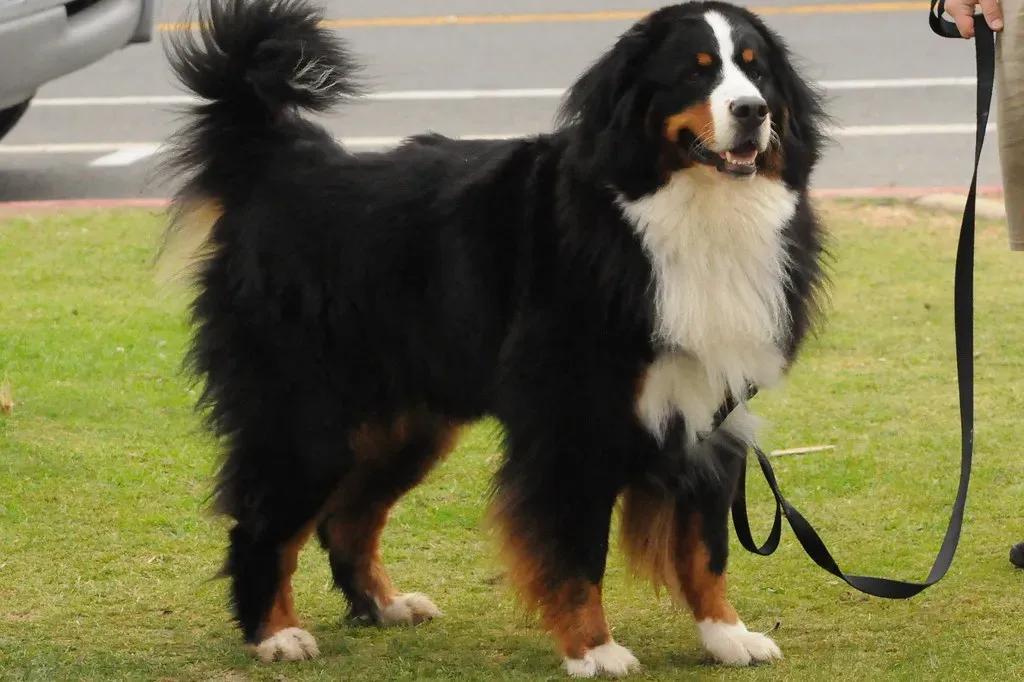
Bernese Mountain Dogs exhibit many of the most important traits to look for in a service dog, including a friendly disposition, impressive intelligence, and a strong work ethic, being big and strong enough to perform some physical tasks and smart enough to learn how to perform complex jobs.
They’re calm, patient, and strong enough to help seniors with significant mobility challenges, helping with wheelchair transfers, supporting someone who’s fallen, or providing stability for seniors using walkers. These gentle giants weigh enough to truly support your weight when needed. Keep in mind they do shed considerably and prefer cooler climates. If you live in Arizona, a Bernese might struggle with the heat.
Think of them as the friend who never complains about helping you carry groceries, no matter how many trips it takes.
Cavalier King Charles Spaniel: Small Dog, Big Impact
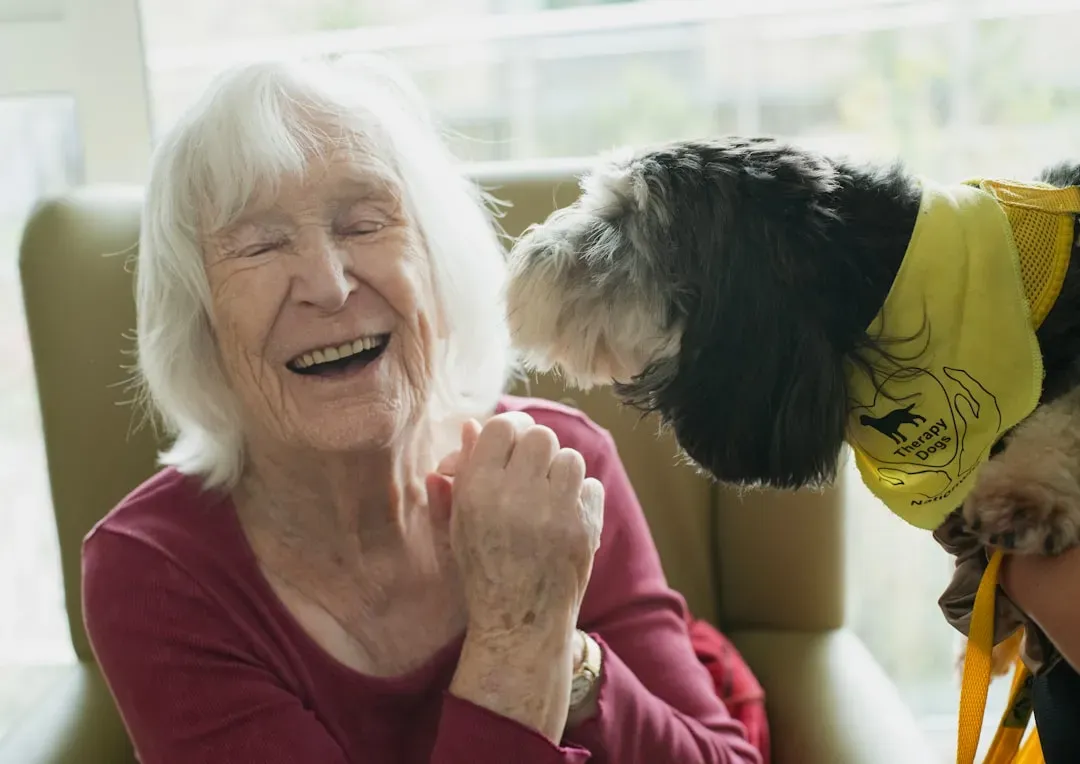
Cavaliers are great for service work in small spaces, naturally tuned into human emotions and able to sense anxiety or depression before it gets overwhelming, providing comfort during panic attacks, interrupting repetitive behaviors, or reminding seniors to take psychiatric medications.
Their size makes them ideal for seniors in apartments or assisted living facilities, as they won’t accidentally trip you in tight hallways, and other residents find them friendly instead of intimidating. Weighing only around thirteen to eighteen pounds, they’re manageable for seniors with limited mobility. Regular grooming is necessary to maintain their silky coats, though not as intensive as a Poodle’s needs.
These little dogs prove that you don’t need a giant breed to have a giant impact on someone’s quality of life.
Pomeranian: The Petite Powerhouse for Emotional Support
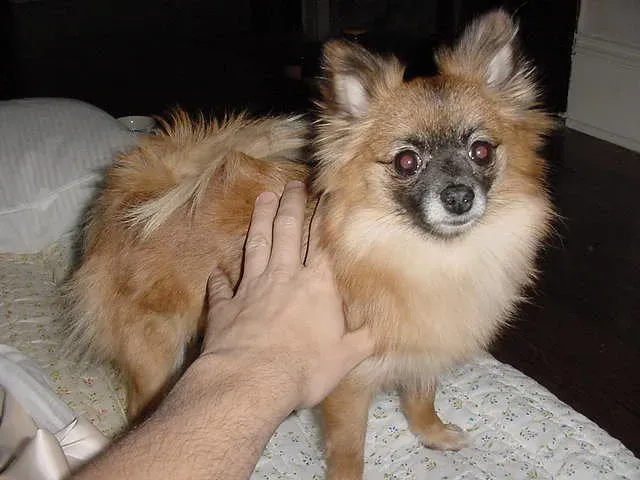
Most service dogs are on the large side, but the Pomeranian is a small breed that is often quite capable of helping in service-related capacities. Don’t underestimate what these tiny dogs can accomplish.
Most Pomeranians are very attentive to the needs of their owners, they are loving, and they can retrieve small items such as medication and cell phones, which makes them a perfect choice for those with certain psychiatric conditions. Pomeranians may be the right dog breed for the deaf and people with mental health challenges, and because of their small figure, they are easy to move around and bring into areas where larger breeds wouldn’t fit.
Their size makes them incredibly portable, fitting easily into carriers for medical appointments or travel. Some seniors find a smaller dog less intimidating to handle, especially if physical strength has declined.
Finding Your Perfect Four-Legged Partner
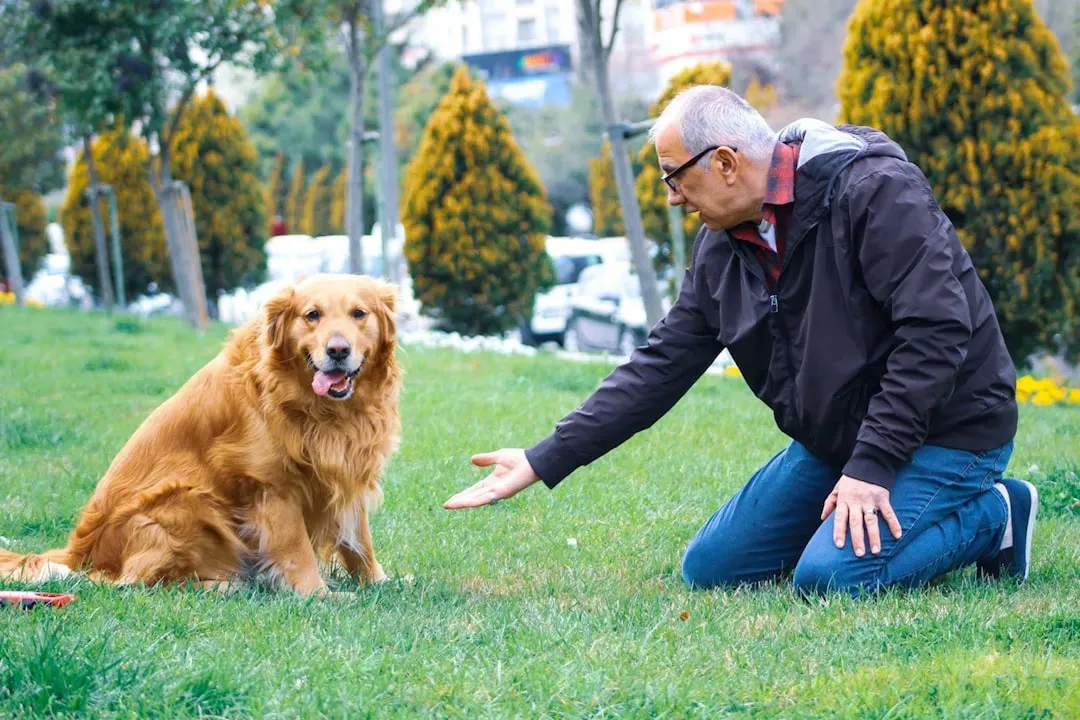
Choosing a service dog isn’t just about picking the cutest breed or the one your neighbor recommends. It’s about honest self-assessment. Can you handle daily walks, or do you need a lower-energy companion? Do allergies limit your options? Is your living space suited for a large dog, or would a smaller breed make more sense?
The older adult must have a disability or medical condition that significantly impacts their daily life and can be assisted by a service dog specifically trained to match their needs, with the specific tasks that the service dog will be trained to perform determined and related to the older person’s disability with the aim of improving that person’s independence and quality of life.
The right service dog can add years of independence to your life, helping you stay in your own home longer and maintain the dignity of doing things for yourself. These seven breeds have proven track records, but remember that individual temperament matters just as much as breed characteristics. Work with reputable organizations or trainers who understand both service dog work and the unique needs of senior handlers.
What would it mean to you to have a loyal partner who never judges, always shows up, and genuinely wants nothing more than to help you live your best life? That’s what these remarkable dogs offer every single day. Have you thought about which breed might be the right fit for your lifestyle?


