
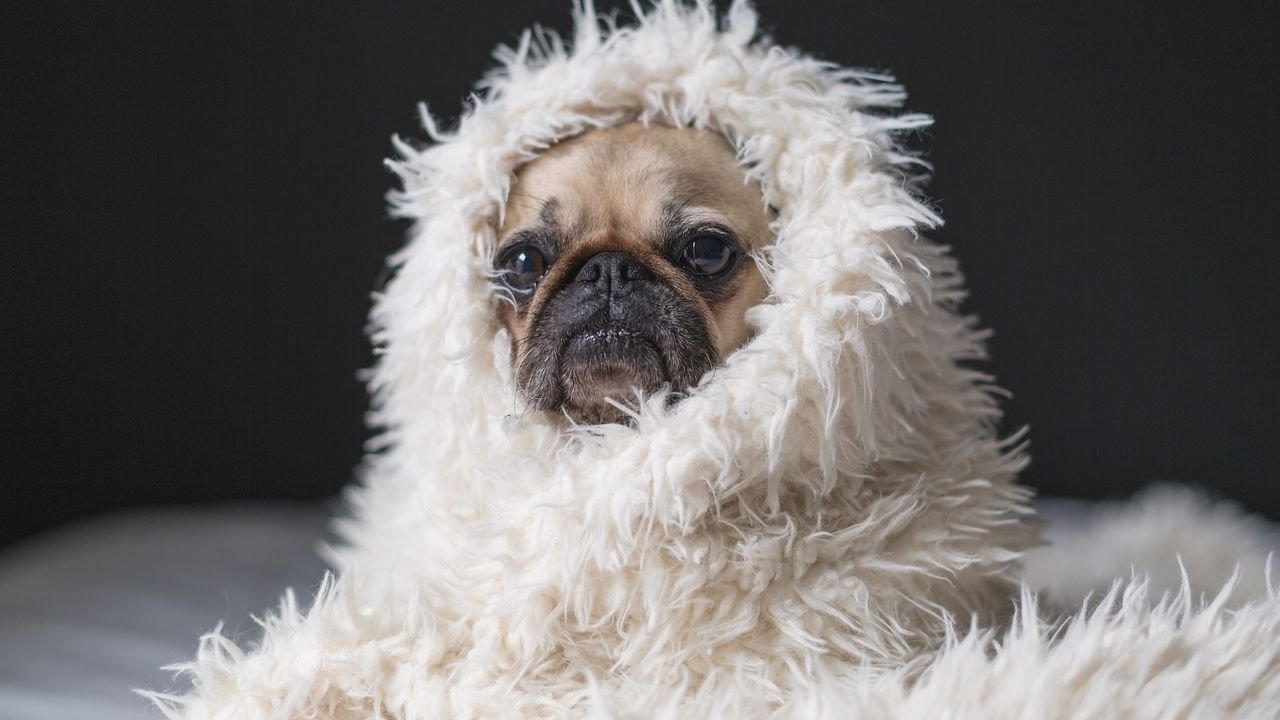
Picture this: You’re bundled up on a crisp winter morning, ready to take your dog out for some snowy fun. Your pup either bounds eagerly into the drifts, eyes gleaming with joy, or pulls back toward the door, already shivering and looking at you like you’ve lost your mind. The truth is, not all dogs experience seasons the same way. Some breeds are practically born with ice in their veins, while others would much rather curl up under a blanket when temperatures drop.
Understanding your dog’s comfort level with weather isn’t just about keeping them happy. It’s about keeping them safe and healthy year-round. Let me walk you through which breeds thrive in the cold and which ones absolutely need that extra warmth and coddling when winter arrives.
The Siberian Husky: Born for Blizzards
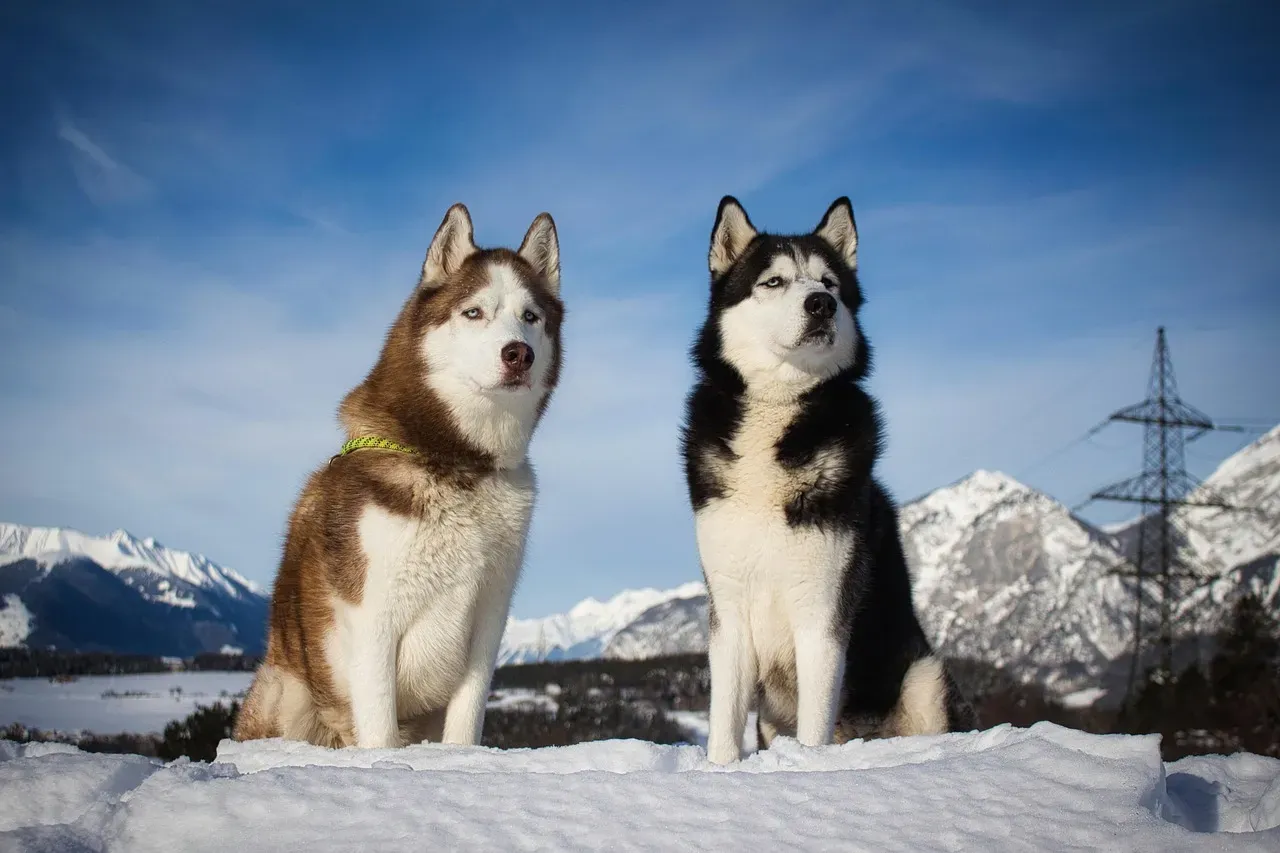
Siberian Huskies were developed by the Chukchi people in Siberia to pull sleds across frozen terrain, and honestly, they haven’t forgotten their roots. These dogs don’t just tolerate winter – they come alive in it. With their thick double coat and boundless energy, a snowy day is like Christmas morning for a Husky.
What makes them so winter-ready? Their double coats provide natural insulation, reducing heat loss significantly compared to single-coated breeds. You’ll notice your Husky prancing through snowdrifts with pure delight, barely noticing temperatures that would send other breeds scurrying indoors.
Here’s the thing though: these escape artists need serious exercise and mental stimulation. They need serious daily activity, or they’ll find their own entertainment, and you probably won’t like their choices. Think winter hikes, sled pulling if you’re adventurous, or just long runs in the snow.
Alaskan Malamute: The Gentle Giant of the Arctic
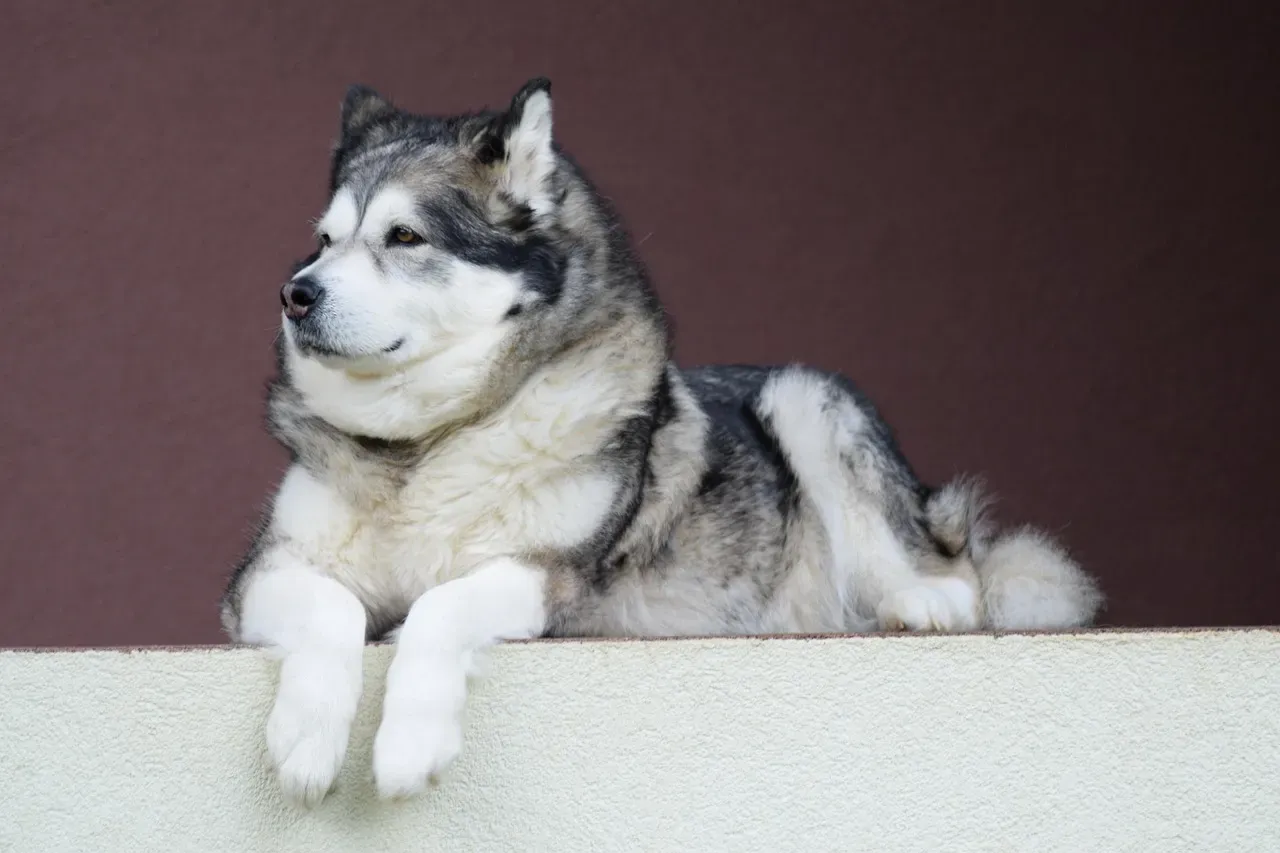
The Alaskan Malamute is the oldest and largest of the Arctic sled dogs, bred for freighting in the Arctic. Think of them as the Husky’s bigger, stronger cousin. While Huskies were built for speed, Malamutes were designed for power and endurance.
Males can weigh up to 85 pounds, while females typically weigh around 75 pounds, making them substantially heftier than their Siberian cousins. Their thick, coarse coat keeps them comfortable even when temperatures plummet, and they genuinely seem happiest when snow is falling.
These dogs are pack animals at heart, deeply loyal to their families. They need owners who can handle their size and strength, plus provide plenty of winter activities like snowshoeing or pulling sleds. Let’s be real – a bored Malamute in your backyard is a recipe for some serious digging projects.
Saint Bernard: Mountain Rescue Legend
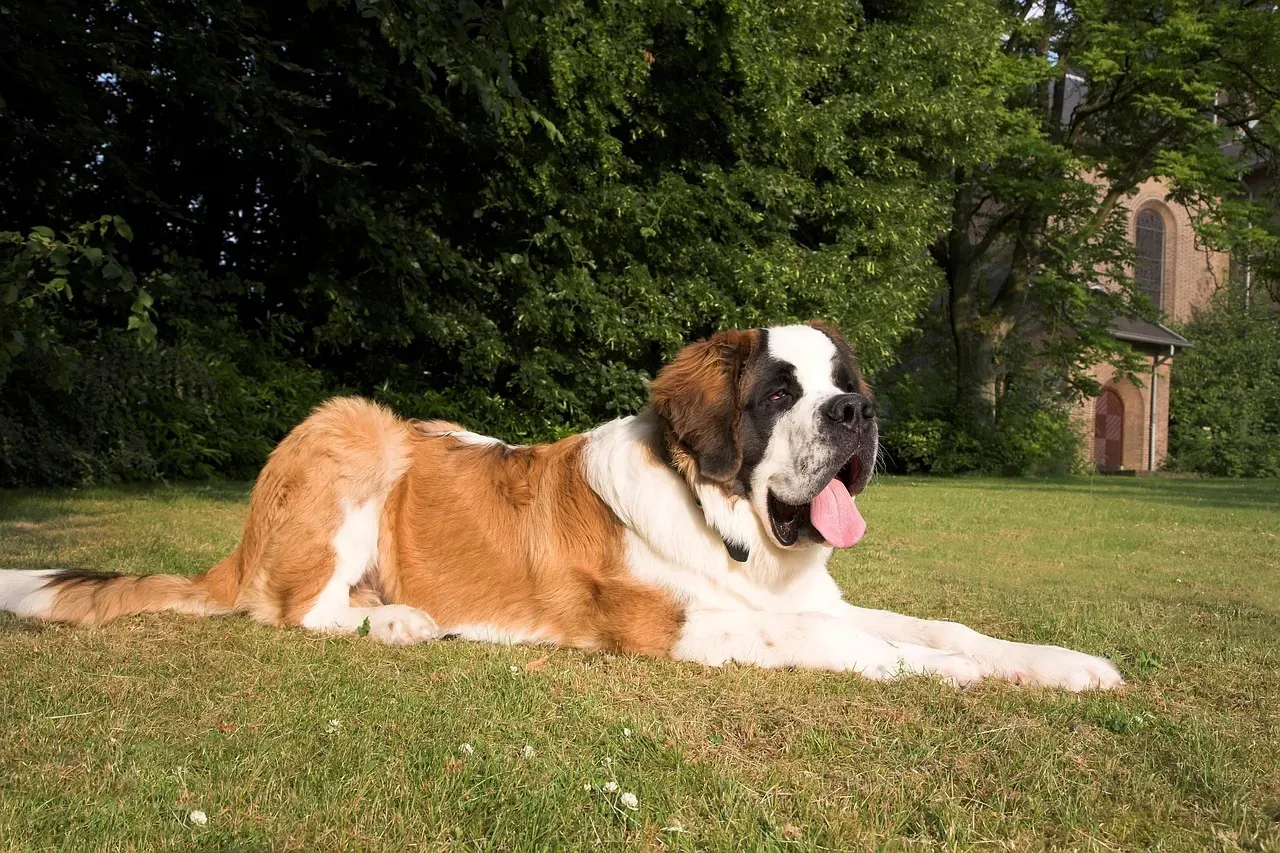
Saint Bernards have been used as search and rescue dogs to find people buried under snow for centuries. These gentle giants originated in the Swiss Alps, where they served monks and saved countless travelers trapped in snowstorms.
Their massive size – often exceeding 100 pounds – and thick coat make them perfect for cold weather work. Saint Bernards originated as monastery dogs in the mountains of Switzerland, and their keen sense of smell and remarkable strength made them legendary snow search and rescue dogs.
Despite their imposing appearance, they’re incredibly gentle and affectionate family dogs. They love winter weather but don’t require quite as much intense exercise as Huskies or Malamutes. A good romp in the snow and some sniffing games will keep them content. Just be prepared for the drool – it comes with the territory.
Bernese Mountain Dog: The Swiss Workhorse
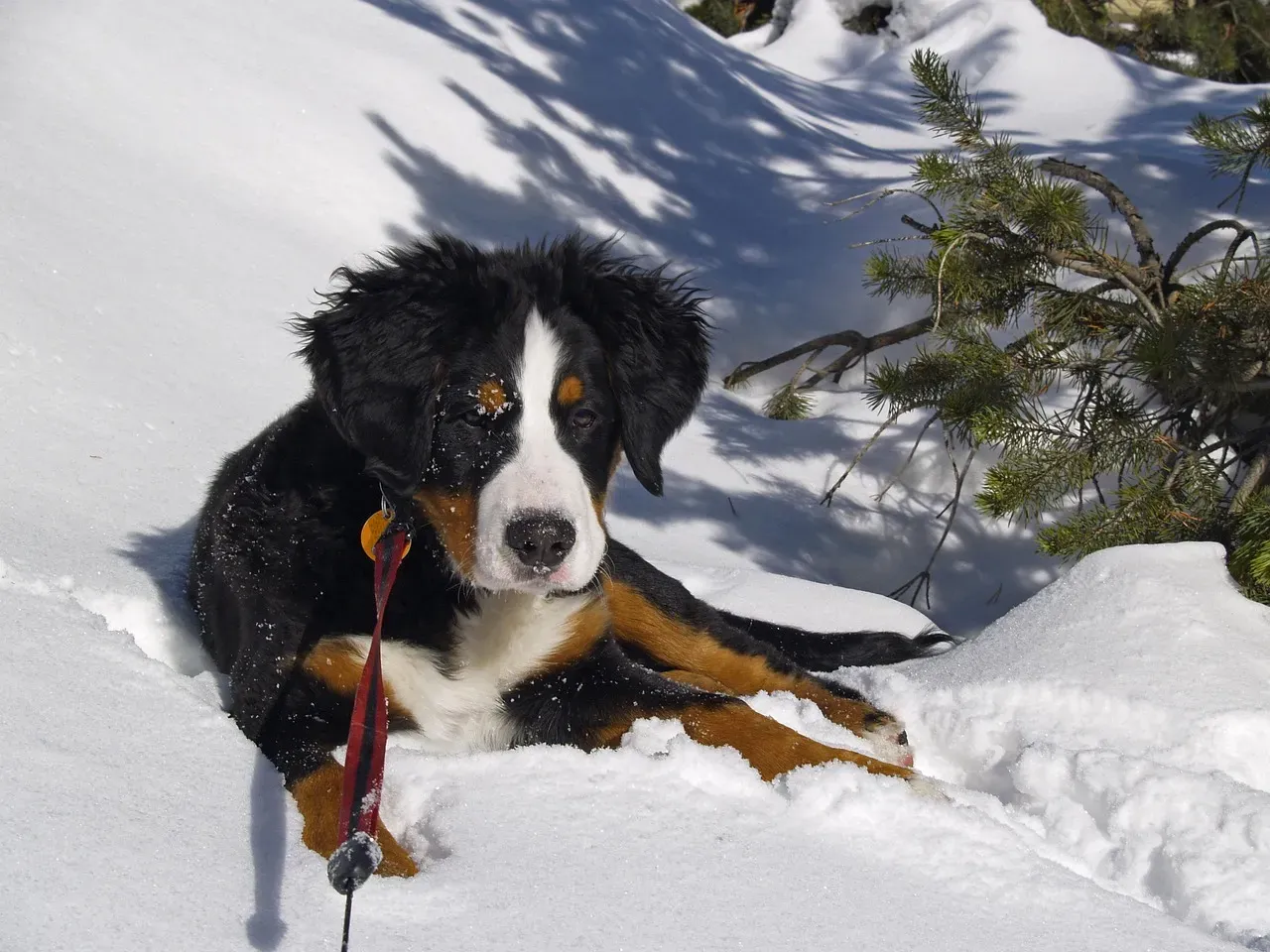
Originating in the Swiss Alps, Bernese Mountain Dogs worked alongside farmers to herd cattle and haul dairy products through rugged, snowy terrain. Their stunning tricolor coat isn’t just for show – it’s functional insulation against bitter cold.
These dogs are incredibly versatile. They’re strong enough to carry their own gear on hiking trips, yet gentle and patient enough to be wonderful family companions. Their thick coat provides excellent protection from snow and wind, making them genuinely comfortable in winter conditions.
What I love about Berners is their balanced temperament. They enjoy outdoor winter adventures but are equally happy to settle down for cozy indoor time with their people. They strike that perfect middle ground between working dog and devoted family pet.
Newfoundland: Water-Loving Cold Weather Champion
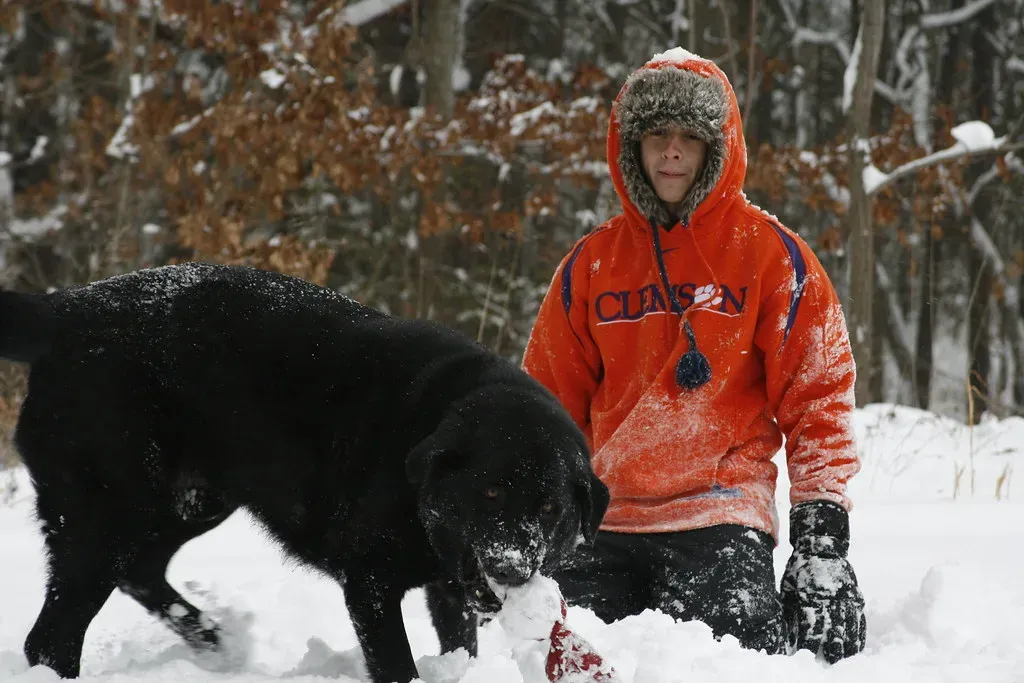
Newfoundlands come from Newfoundland, Canada, and are well-suited to winter. These large, powerful dogs were bred to work, helping sailors on ships. Their water-repellent double coat keeps them warm even when swimming in icy waters.
These dogs are natural-born swimmers with webbed feet, and they’ve been used in water rescues for generations. Their calm, patient demeanor makes them exceptional family dogs, especially with children. Weighing up to 150 pounds, they’re true gentle giants.
Newfies love winter activities, especially if water is involved. They’ll happily splash through icy streams or play in the snow for hours. Their thick coat requires regular grooming, particularly during shedding season, but it’s a small price to pay for such a devoted companion.
Akita: The Snow Country Dog
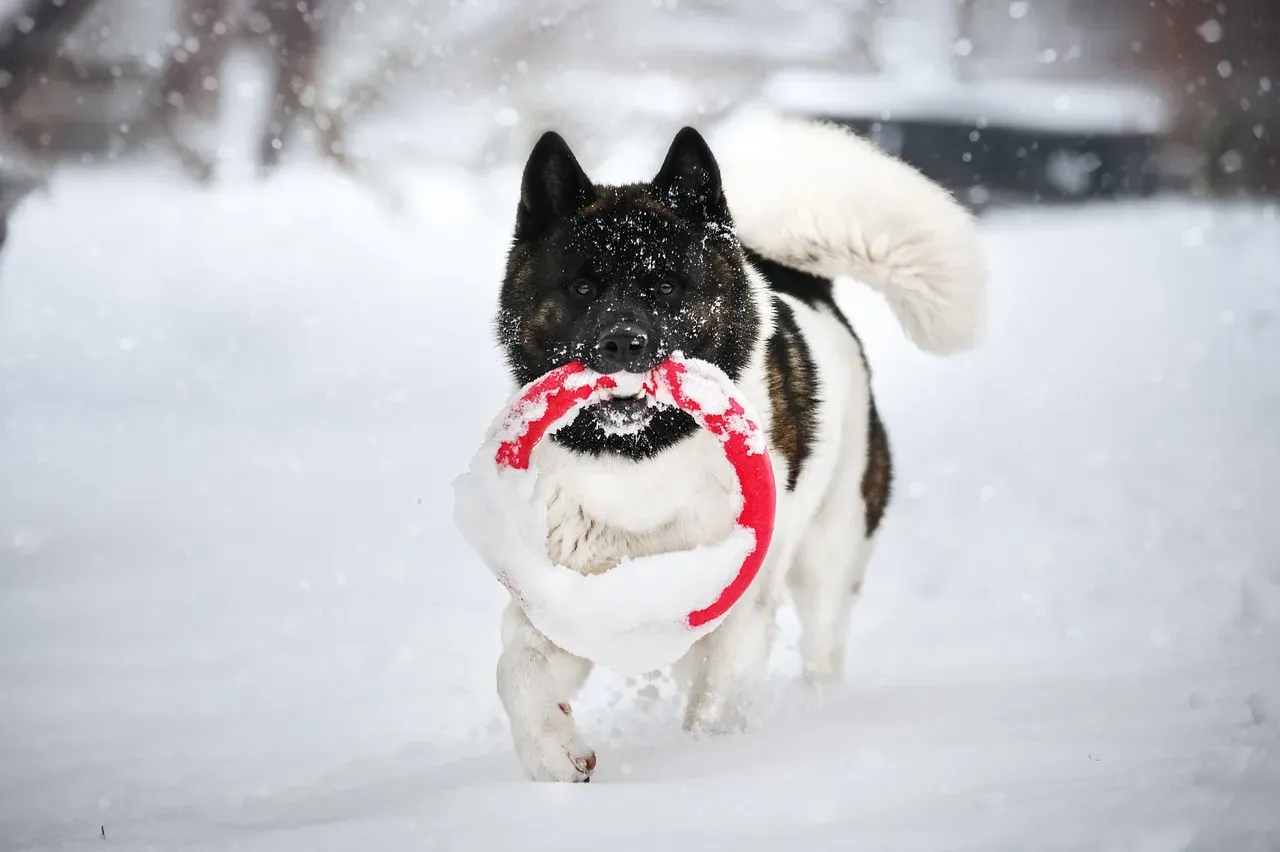
Akitas are one of the world’s oldest dog breeds, originating thousands of years ago in the snowy mountains of northern Japan, where they were bred to hunt large game like bears. Their dense, medium-length coat provides excellent insulation against harsh winter conditions.
These dogs have a dignified, almost regal bearing. They’re incredibly loyal to their families but can be reserved with strangers. Muscular and powerfully built, Akitas especially enjoy enrichment activities that challenge both their mind and body.
Akitas need experienced owners who understand their independent nature. They’re not as outgoing as Huskies, but they’re equally capable in cold weather. Winter hikes and advanced obedience training keep them mentally and physically satisfied.
Norwegian Elkhound: Ancient Nordic Hunter
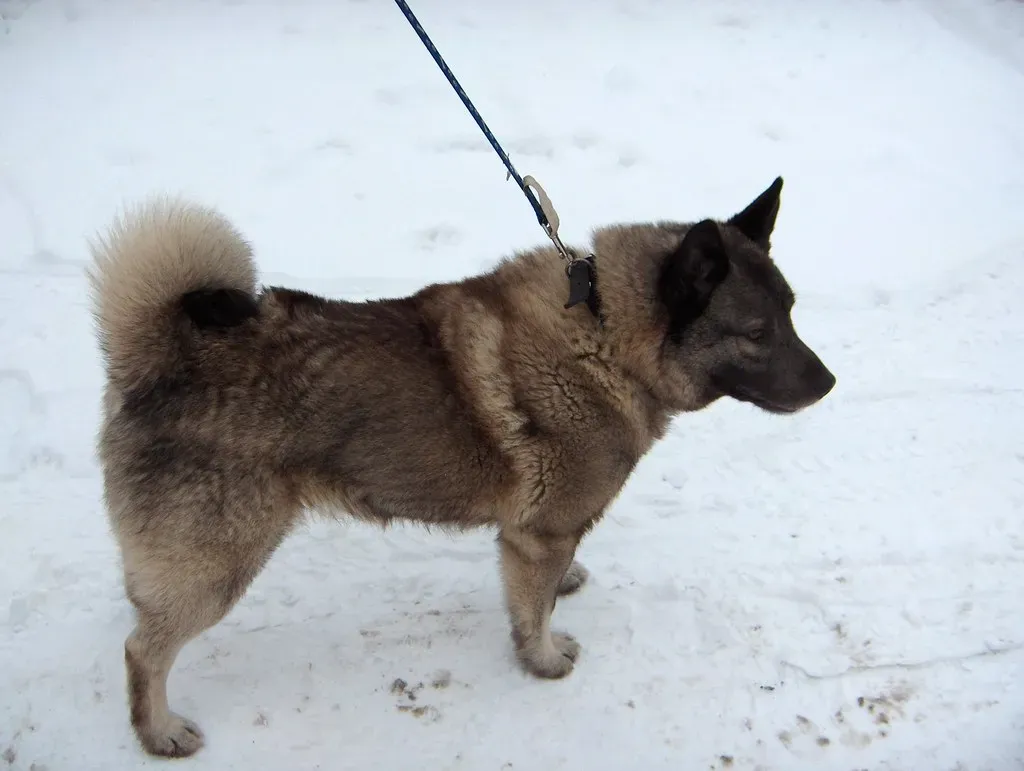
Norwegian Elkhounds are cold weather dogs dating back to the Vikings and are now the national dog of Norway. These medium-sized dogs were originally used as hunting dogs, tracking elk through freezing Scandinavian forests.
Their dense, weather-resistant gray coat and sturdy build protect them from snow and wind. They’re spirited, energetic dogs who bond closely with their families. They need plenty of exercise and do best with owners who enjoy outdoor activities year-round.
What makes Elkhounds special is their versatility. They’re hardy enough for serious winter expeditions but adaptable enough for family life. They do have a lingering prey drive though, so supervision around smaller animals is important.
French Bulldog: The Indoor Snuggle Champion

Now let’s shift gears completely. Flat-faced dogs such as French bulldogs suffer from brachycephalic airway syndrome, making them more sensitive to heat – but they’re equally challenged by extreme cold. Their short coats and compact bodies just aren’t built for winter weather.
Frenchies are playful, affectionate little companions who would much rather be on your lap than anywhere near a snowbank. Their shortened airways mean they struggle to regulate body temperature efficiently, whether hot or cold.
These dogs need short outdoor bathroom breaks in winter, complete with a warm sweater or coat. The rest of their time should be spent in climate-controlled comfort. They’re perfect for apartment living and for owners who prefer indoor activities.
Pug: The Ultimate Couch Companion
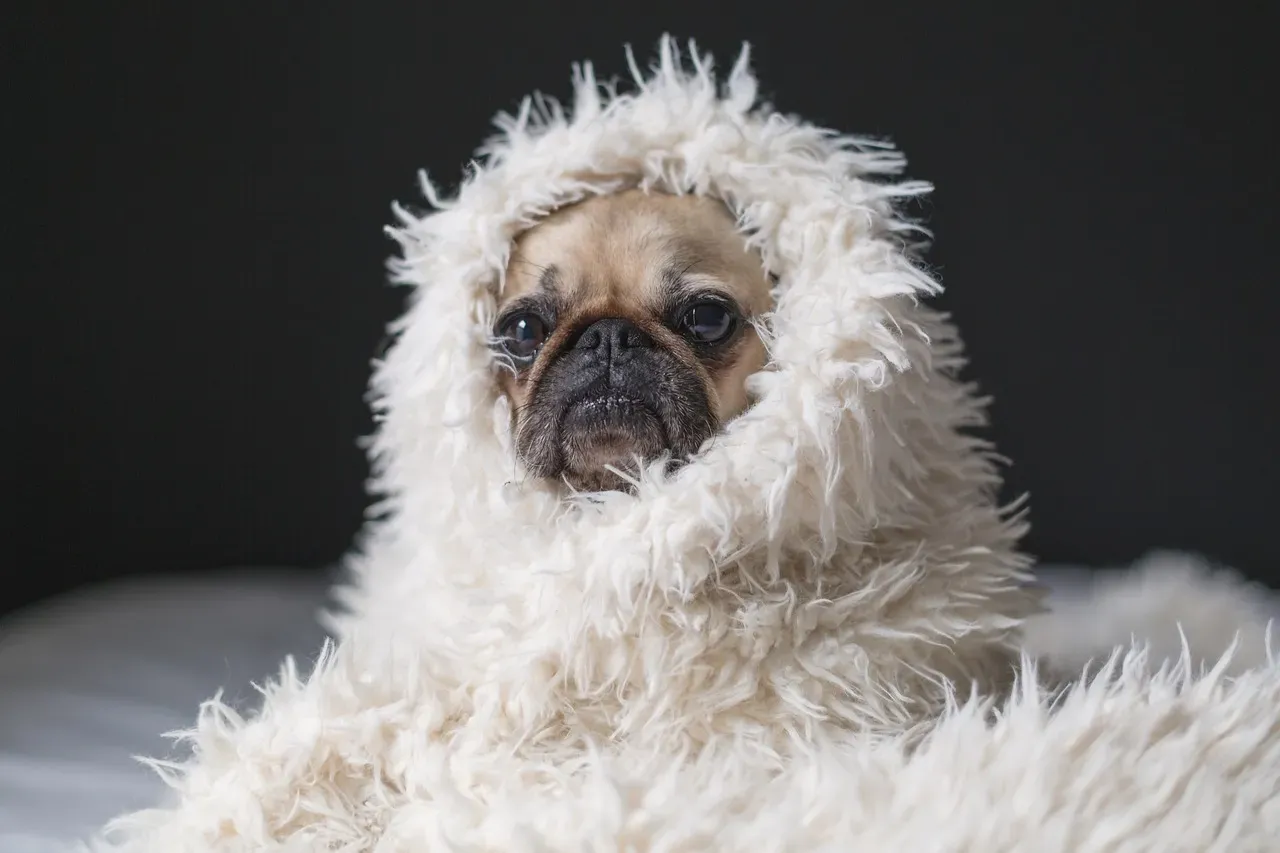
With their flat faces and lovable snorts, Pugs are iconic, but that smooshed nose makes it extremely difficult for them to cool themselves through panting. The same anatomical features that make them heat-sensitive also make them struggle in cold weather.
Pugs are charming, comical little dogs with huge personalities packed into small bodies. They love people, they love attention, and they absolutely love being warm and cozy. A Pug in a snowstorm is a miserable Pug.
Keep outdoor time brief in winter, and invest in quality dog clothing. If you have a flat-faced dog such as a pug, it’s crucial to take precautions to keep them safe and comfortable in any extreme weather. These dogs are happiest curled up next to you on the sofa.
Chihuahua: Tiny Dog, Big Need for Warmth
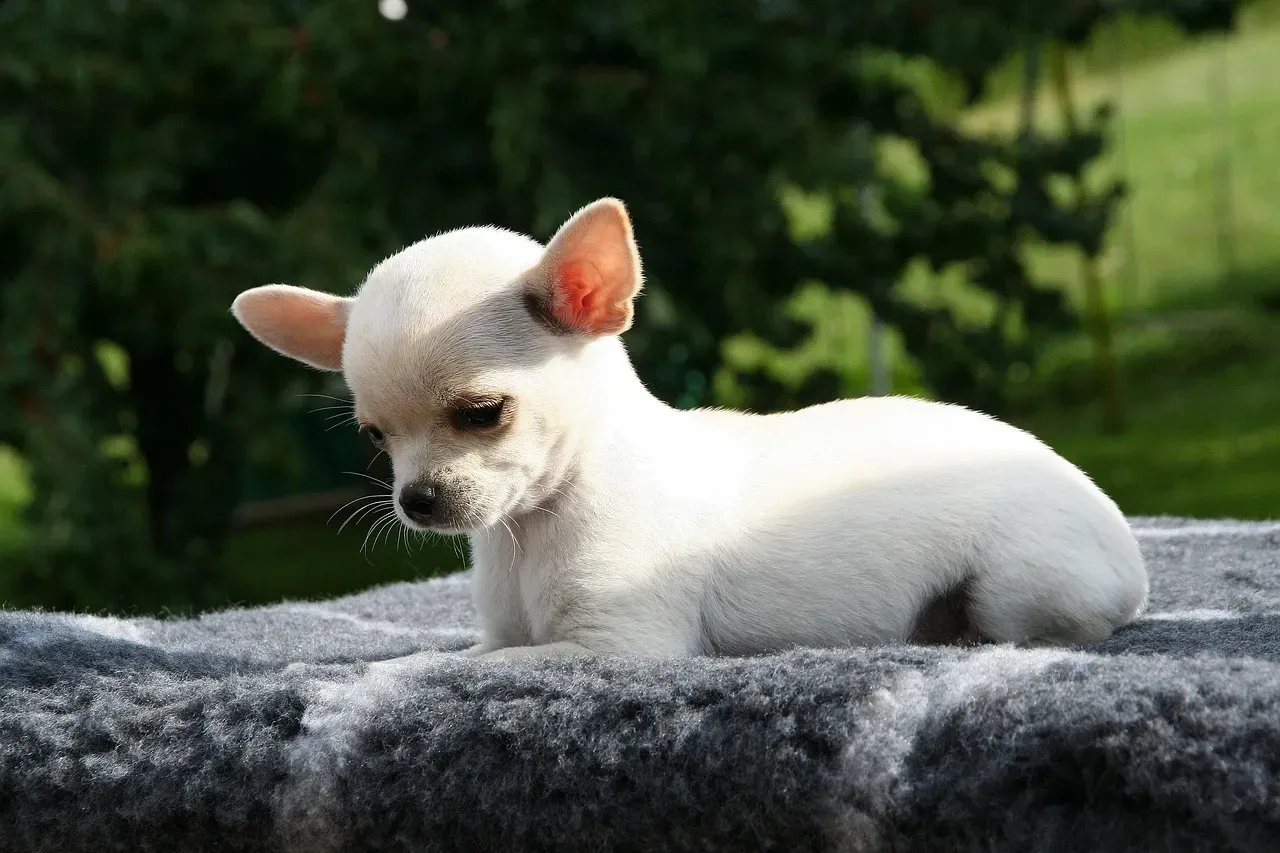
Originating in the Mexican desert, the Chihuahua has a lineage dating back to ancient kingdoms and needs a sweater and a warm lap when the temperature drops. These tiny dogs have minimal body fat and thin coats, making them extremely vulnerable to cold.
Chihuahuas are feisty, loyal, and surprisingly bold for their size. They form incredibly strong bonds with their owners and often pick one favorite person. Despite their small stature, they have huge personalities.
Winter care for Chihuahuas means keeping them bundled up during potty breaks and limiting outdoor exposure. They genuinely suffer in cold weather, and you’ll notice them seeking out warm spots constantly – sunbeams, heating vents, or preferably, your lap.
Cavalier King Charles Spaniel: Warmth-Seeking Royalty
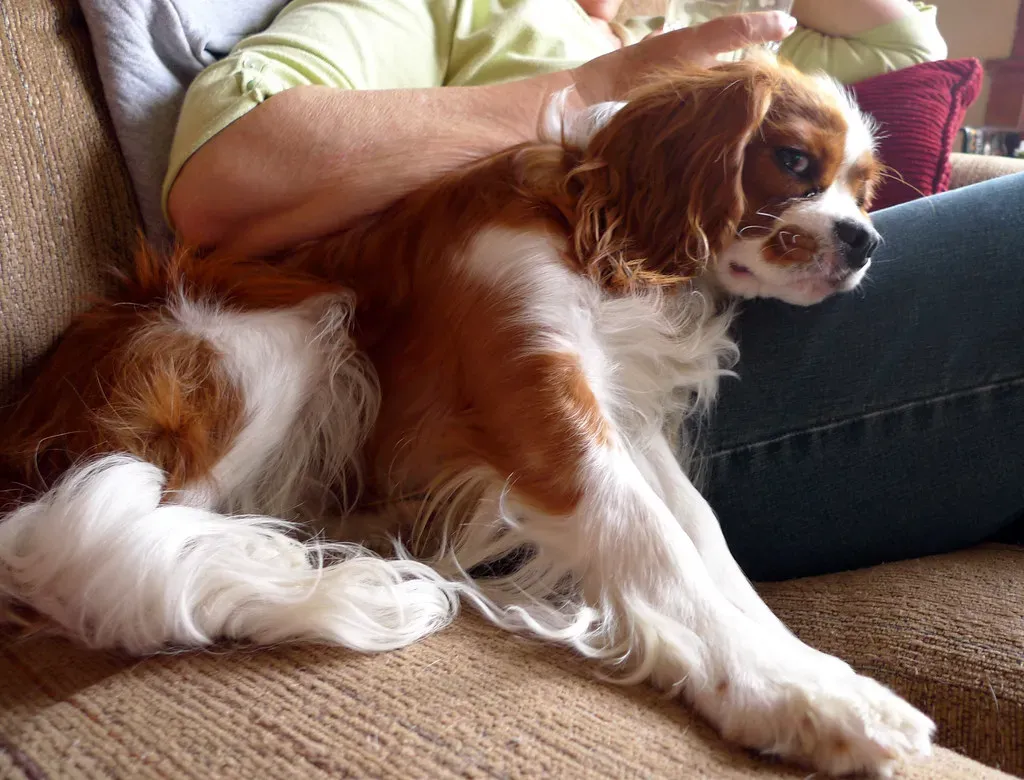
Cavalier King Charles Spaniels are at increased risk compared to Labrador retrievers when it comes to heat stroke, which indicates their overall sensitivity to temperature extremes. These gentle, affectionate dogs prefer moderate climates and cozy indoor environments.
Cavaliers are the quintessential lap dogs. They’re incredibly people-oriented, thriving on companionship and affection. Their silky coats provide some protection, but they’re not designed for extended cold weather exposure.
These dogs do best with short winter walks followed by plenty of indoor playtime and cuddles. They’re adaptable and easygoing, making them wonderful companions for less active owners or those living in apartments. Just keep the thermostat comfortable and they’re happy.
Pekingese: Ancient Lap Dog Extraordinaire
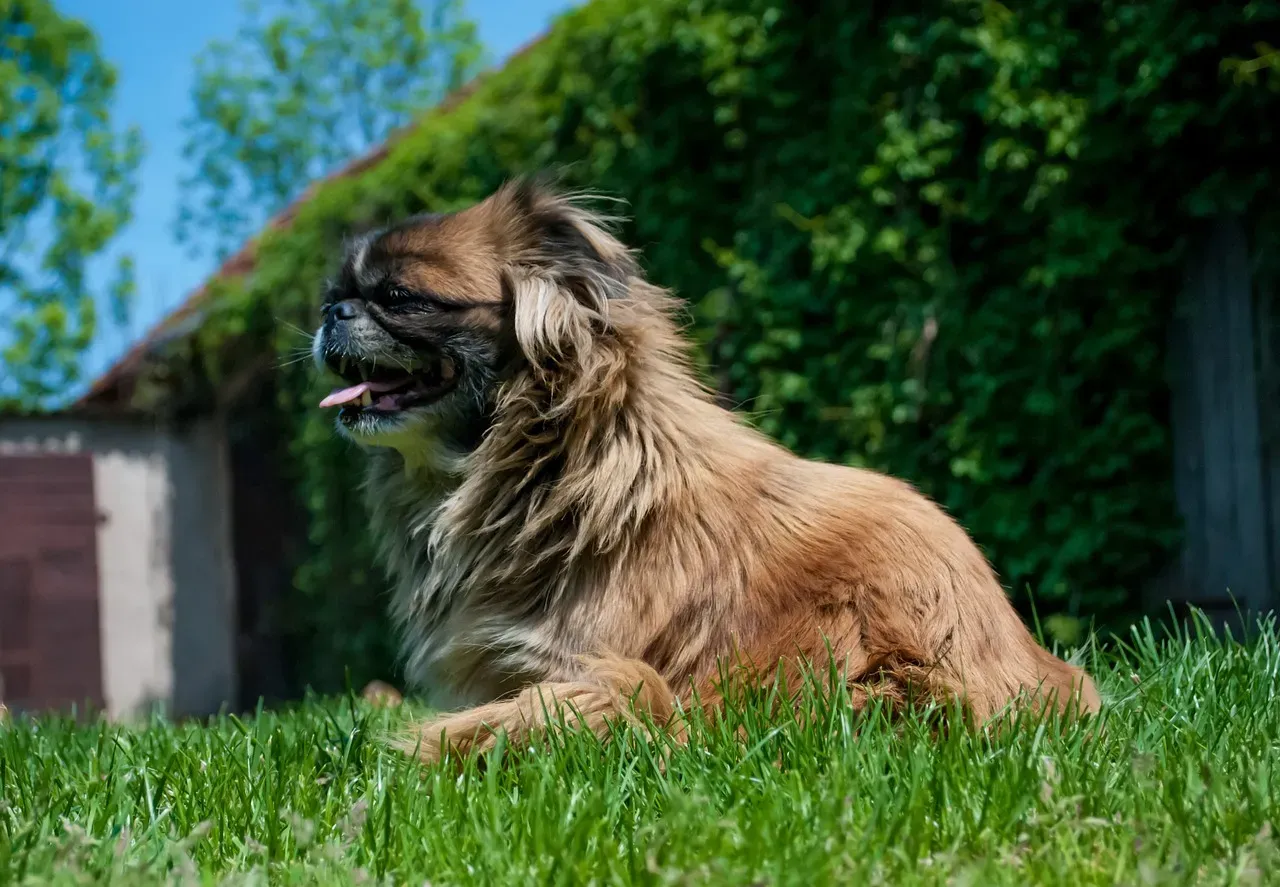
The most recognizable attributes of the Pekingese are the breed’s round, flat face and long, dense coat, but those features mean that these pint-sized pups can’t handle extreme weather. Despite their fluffy appearance, their brachycephalic structure makes temperature regulation difficult.
These dogs have a fascinating history as companions to Chinese royalty. They’re dignified, independent, and surprisingly stubborn for such small dogs. They form strong bonds with their families but can be aloof with strangers.
Pekingese need minimal exercise, which is actually ideal for their physical limitations. Short, gentle walks in moderate weather are sufficient. They’re perfectly content spending most of their time indoors, preferably somewhere soft and warm where they can observe their domain.
Understanding Your Dog’s Individual Needs
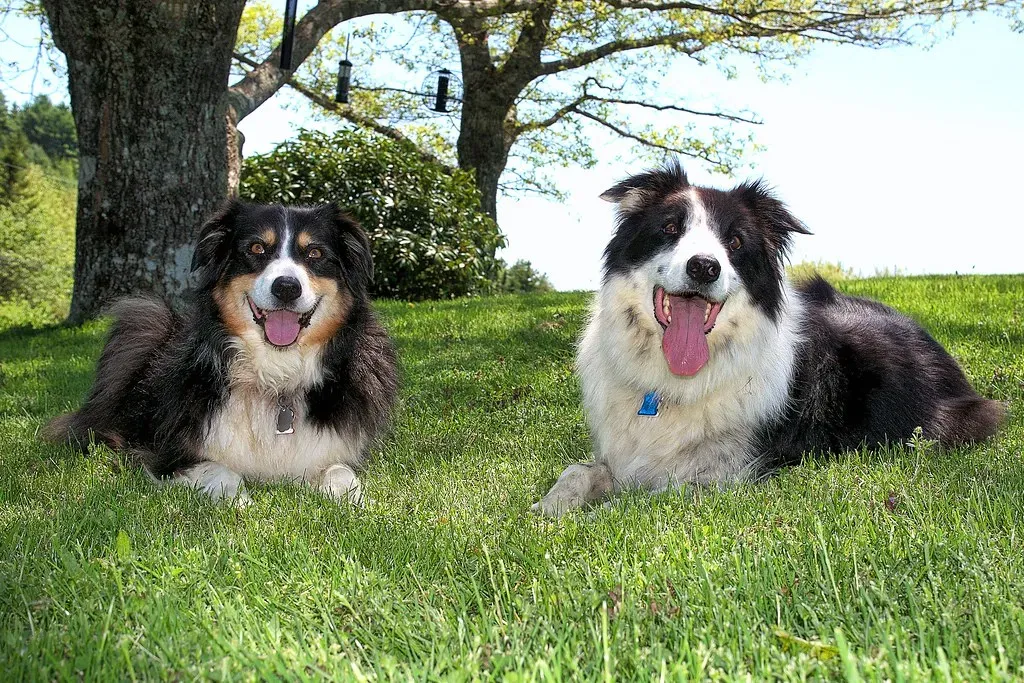
Here’s what every dog owner needs to remember: breed tendencies are guidelines, not absolutes. Even within cold-weather breeds, individual dogs vary in their tolerance. Age, health status, body condition, and conditioning all play roles in how well your dog handles different temperatures.
Watch for behavioral cues. A dog who’s truly comfortable in the cold will be active and engaged. Signs of discomfort include shivering, reluctance to move, lifting paws off the ground, or seeking shelter. Pet parents should never leave their dog outside when it’s too cold, as even the fluffiest snow dog can be exposed to frostbite or hypothermia.
For heat-sensitive breeds, the risks are equally serious. Brachycephalic dogs have narrow airways that result in inefficient breathing, and heat stress is a life-threatening condition. Knowing the warning signs – excessive panting, drooling, disorientation, or collapse – can save your dog’s life.
Your dog’s comfort and safety should always come first. Provide appropriate shelter, clothing when needed, and adjust activity levels based on weather conditions. Pay attention to what your individual dog is telling you, because they know their limits better than any breed description ever could.
What matters most is that you understand your furry friend’s needs and plan accordingly. Whether your dog is bounding through snowdrifts or burrowed under blankets, keeping them comfortable and safe is what being a responsible dog parent is all about. Which type of dog do you have, and how do they handle the seasons? I’d love to hear your experiences.


