There’s something magical about watching a dog absolutely lose themselves in joy during the first snowfall. While some pups dash back inside at the first sight of frost, others practically vibrate with excitement when temperatures plummet. It’s not just about preferences, though. Some dogs are literally built for blizzards.
Their ancestors worked through frozen tundras, scaled icy mountains, and pulled sleds in conditions that would send most of us running for the nearest fireplace. These dogs don’t just tolerate winter. They thrive in it. On the flip side, certain breeds shiver their way through December, no matter how many sweaters you pile on them. Understanding who loves the snow and who needs serious cold weather protection isn’t just about comfort. It’s about keeping your best friend healthy and happy all season long.
Siberian Husky: Born to Run Through Blizzards
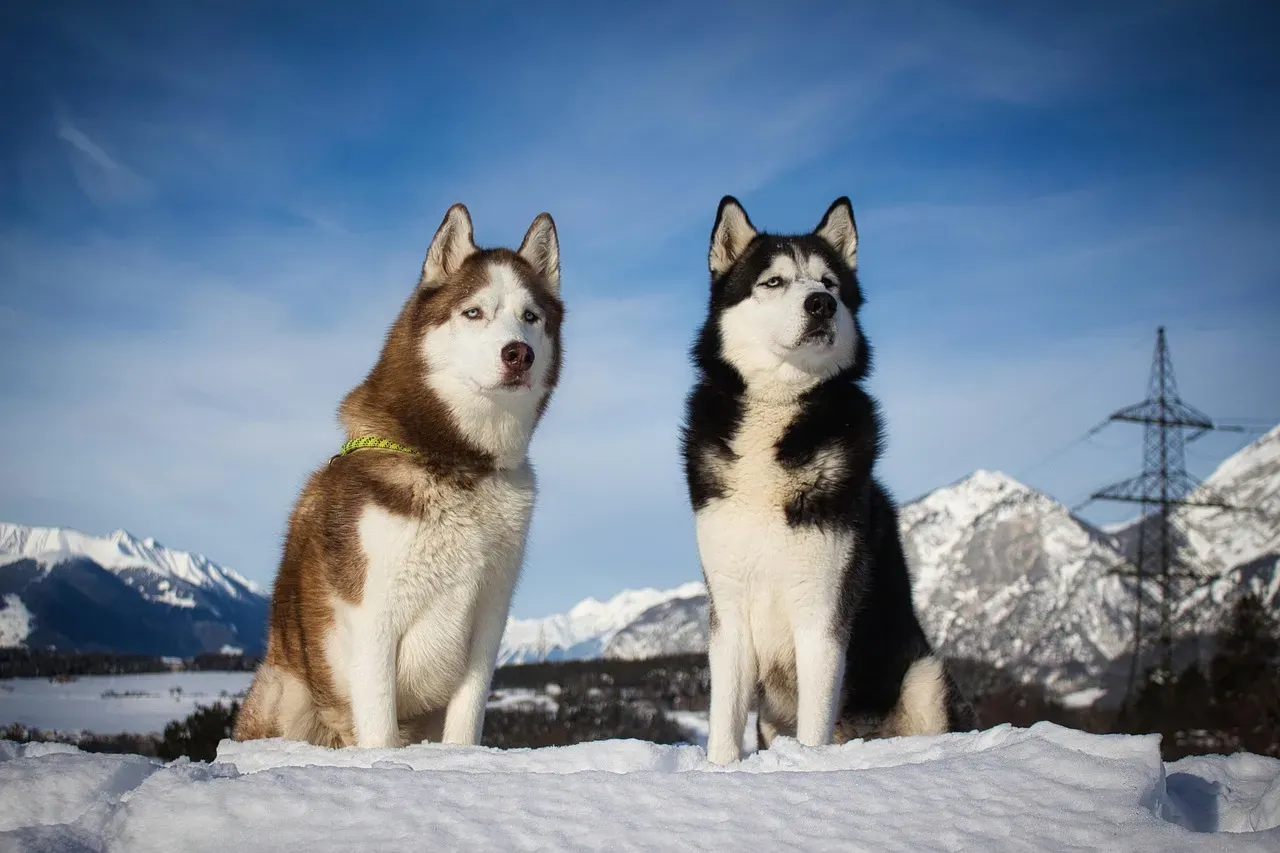
Originally bred by the Chukchi people of Siberia to pull sleds across frozen tundra, these athletic, pack mentality dogs thrive in snowy conditions and love outdoor adventures. Their thick double coats aren’t just for show. They have a thicker coat than most other dog breeds, made up of a dense cashmere-like undercoat and a longer, coarse top coat.
Honestly, if you’ve ever tried to keep a Husky indoors during a snowstorm, you know the struggle is real. With their thick double coat, boundless energy, and striking blue eyes, Siberian huskies were quite literally made for winter; their playful, intelligent spirit and endurance make them happiest when they’re on the move. These dogs will look at you like you’ve lost your mind if you suggest staying inside when there’s fresh powder on the ground. Let’s be real, they were bred for this.
Alaskan Malamute: The Arctic Powerhouse
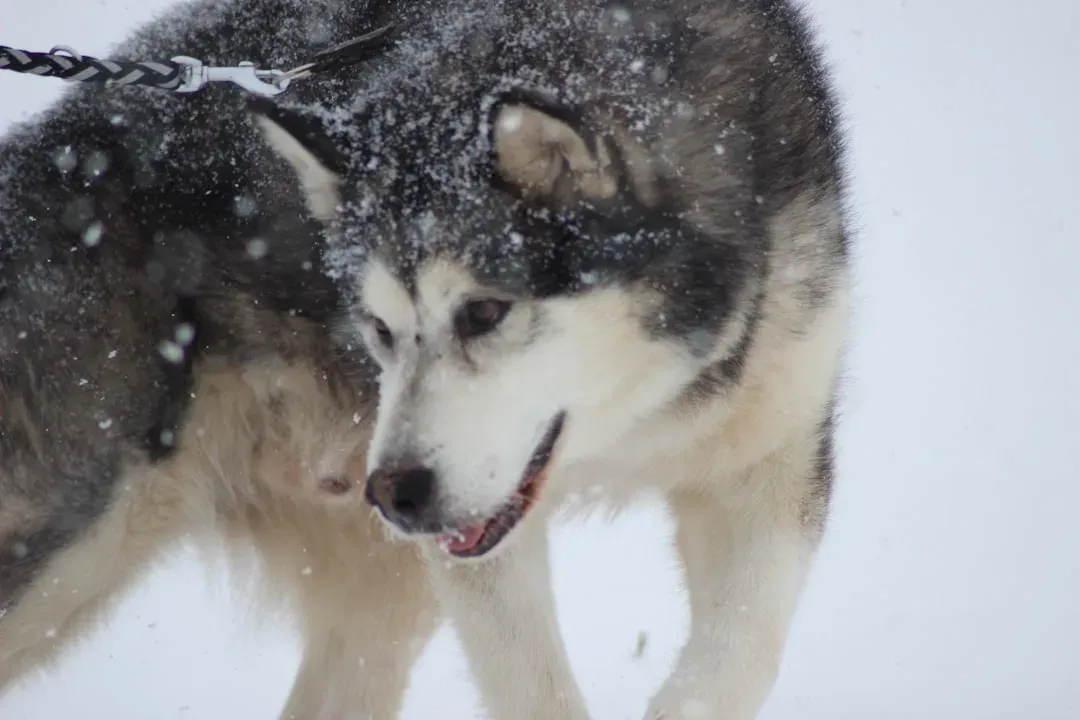
The Alaskan malamute is a true icon of the Arctic, originally bred by the Inuit to pull heavy sleds across frozen terrain, this powerful breed was built for endurance in extreme cold. Think of them as the weightlifters of the dog world, while Huskies are marathon runners. These dogs have serious muscle and even more serious fur.
Their thick double coat, strong muscles, and snowshoe-like paws make them perfectly suited for winter weather. Picture massive paws that work like natural snowshoes, distributing their weight so they don’t sink into deep drifts. Beneath their rugged exterior, malamutes are affectionate, loyal companions who love spending time with their families – especially if it involves outdoor adventures in the snow.
Saint Bernard: The Gentle Alpine Giant
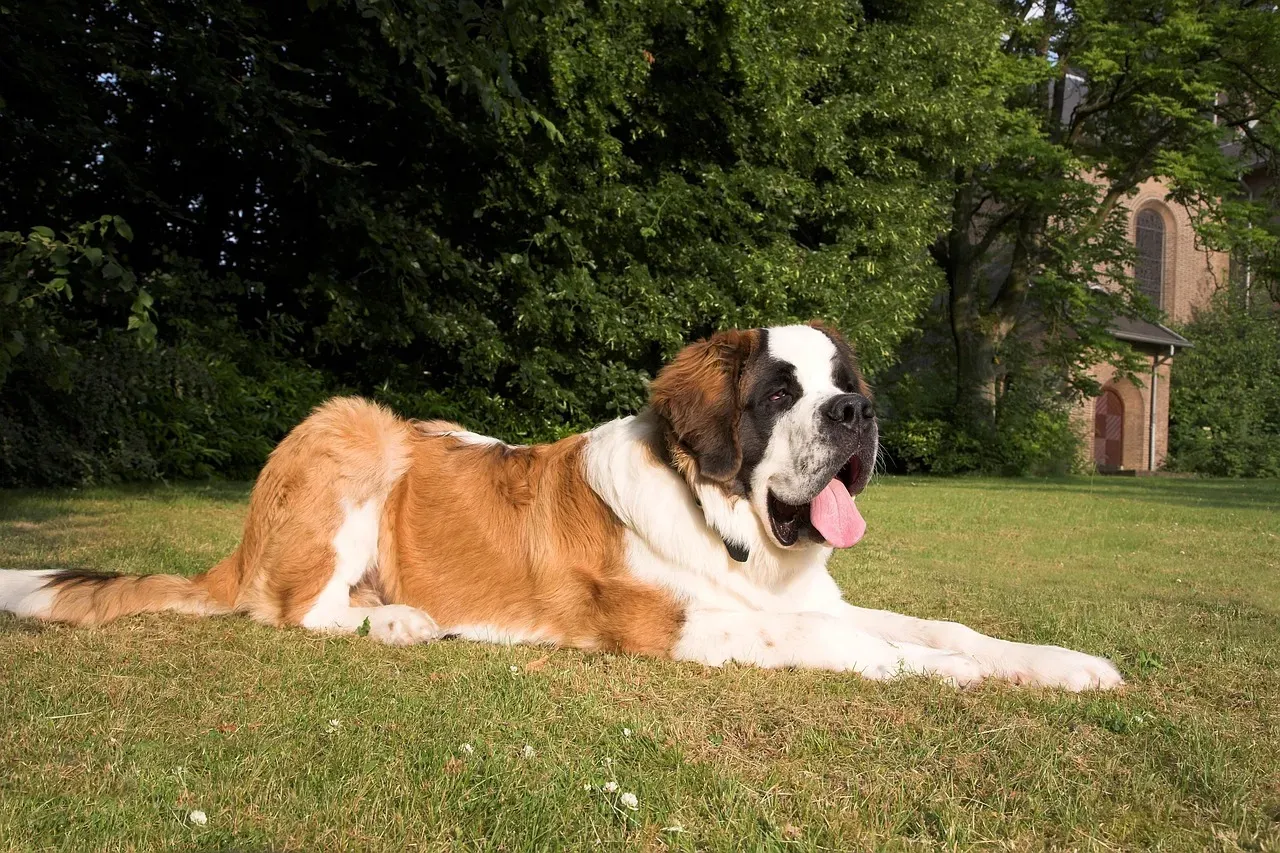
There’s a reason these dogs became legendary rescue animals in the Swiss Alps. The Saint Bernard comes from the Swiss Alps and was originally used to locate freezing and helpless travelers during snowstorms, so this breed is used to being in cold and snowy regions. Their size alone provides natural insulation, coupled with their incredibly thick coats.
Gentle giants of the snow, Saint Bernards were bred to rescue travelers in the icy Alps – and their thick coats and calm nature make them perfectly suited for cold climates. These dogs are surprisingly gentle despite their imposing size. Though they’re large, they’re gentle giants that love to cuddle up in winter. Picture a living, breathing heated blanket that also happens to be incredibly loyal and protective.
Bernese Mountain Dog: Switzerland’s Working Beauty
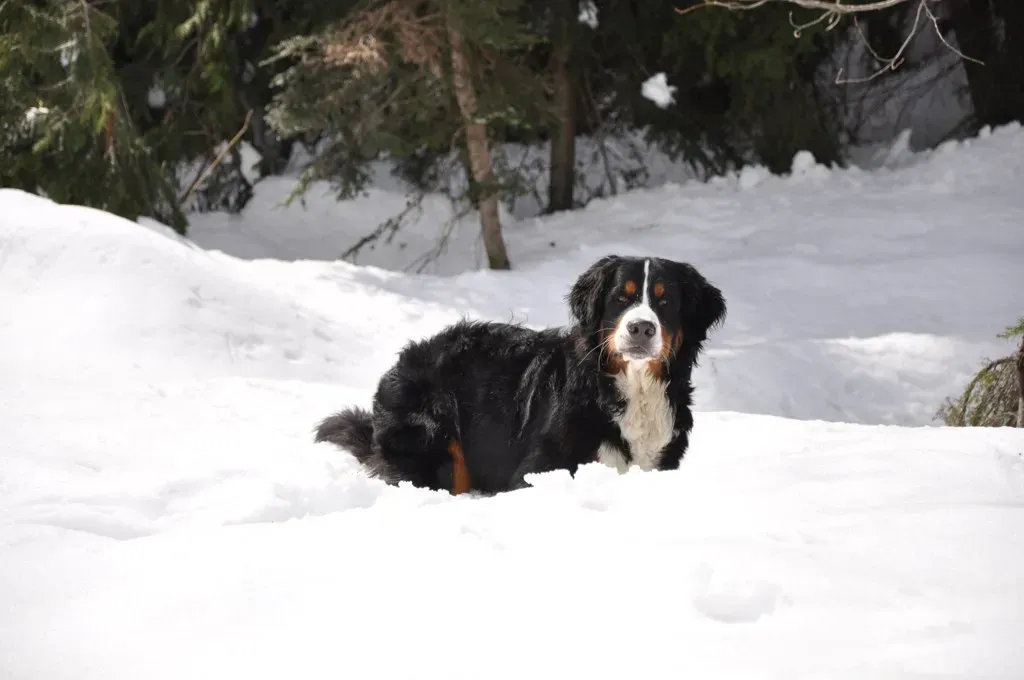
An affectionate cold-weather dog breed, the Bernese Mountain Dog is a gentle soul that loves to play; these pups were bred to be farm dogs in Switzerland and enjoy being outside. Their stunning tri-colored coats aren’t just beautiful. They’re functional winter gear. Their thick double coat protects their skin from moisture and low temperatures.
These dogs genuinely enjoy cold weather activities. Whether it’s a winter hike or just romping through the backyard snowdrifts, Berners are in their element when temperatures drop. They have this wonderful combination of playfulness and calm that makes them excellent family dogs who actually want to participate in winter activities rather than hide under blankets.
Samoyed: The Smiling Snow Dog
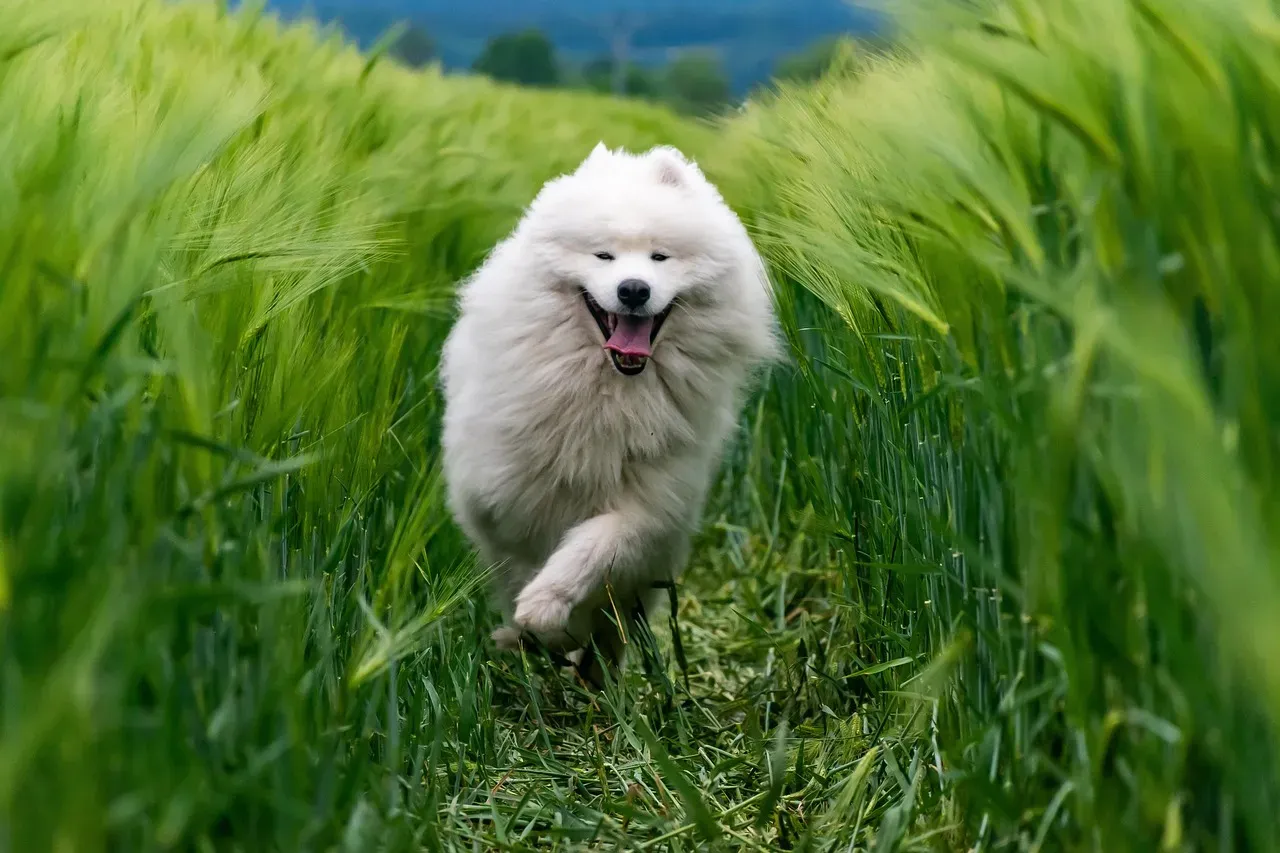
The Samoyed is an Arctic dog breed with an elegant white coat; these dogs were companions to the Samoyed people in Siberia for generations before coming to the U.S. in the early 20th century. That famous Sammy smile isn’t accidental. Samoyeds are beloved for their friendly personality and face that’s shaped into a permanent smile.
Their white fluffy coats are deceptively practical. These dogs were bred to herd reindeer and pull sleds in some of the coldest places on Earth. I think what makes Samoyeds special is their combination of serious cold tolerance with an incredibly friendly, almost goofy personality. They’re not aloof working dogs. They’re social butterflies who happen to be perfectly equipped for Arctic conditions.
Newfoundland: The Gentle Water Bear
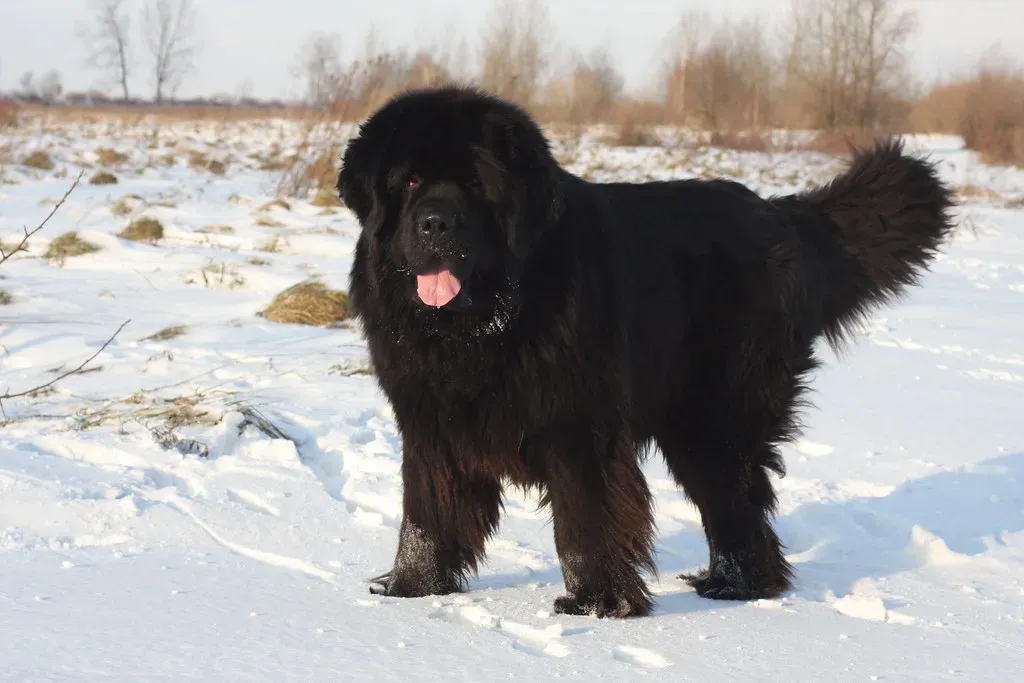
Here’s something interesting: The Newfoundland has a heavy coat that protected it from the icy waters it was originally bred to work in, making it ideal for colder weather. These Canadian dogs are massive, calm, and surprisingly good swimmers even in freezing conditions. These Canadian dogs are still used in water rescues today, but don’t be fooled by their swimming skills – a double coat and a strong body make it ideal for mountains, too.
Newfies are patient and protective, making them excellent family companions. Their webbed feet and water-resistant coats mean they can handle snow, slush, and icy conditions without batting an eye. They’re the kind of dog that will happily accompany you on winter camping trips and then curl up in the tent like a furry furnace.
Norwegian Elkhound: The Viking’s Companion
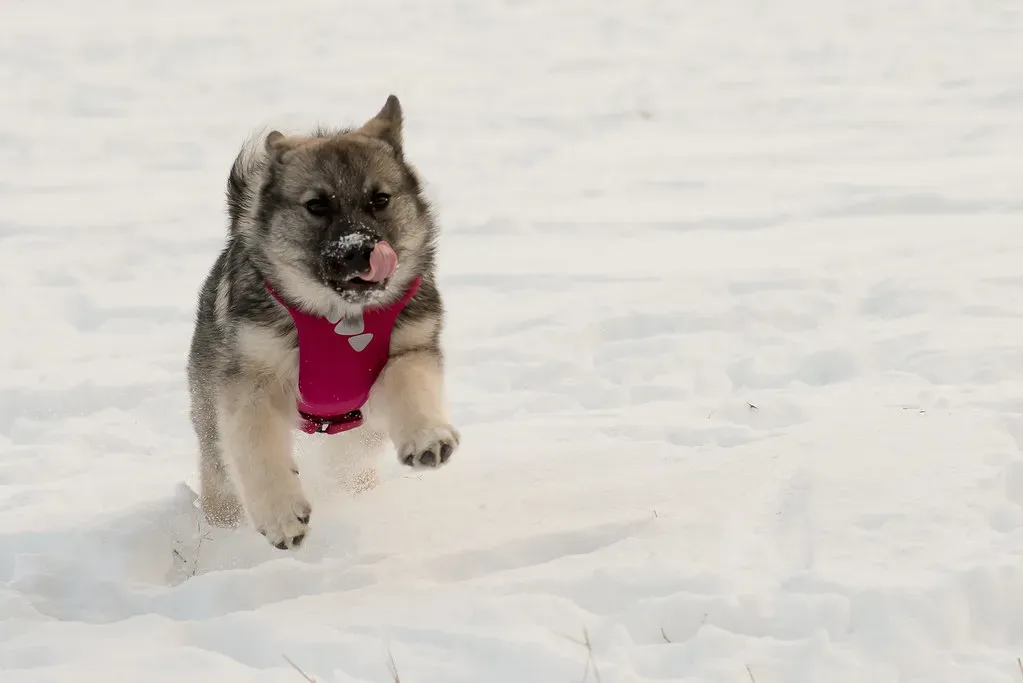
An ancient breed from Scandinavia with Nordic traits, the Norwegian Elkhound is used to hunting in the cold climate it came from; these traits have stayed with the breed and it makes a great cold-weather companion. These medium-sized dogs pack serious winter credentials in a slightly smaller package than some of the other cold-weather giants.
Their thick coat is designed for Scandinavian winters, which anyone who’s been to Norway in January knows are no joke. These dogs are energetic and always ready for adventure, particularly when there’s snow involved. They have a strong prey drive from their hunting background, so winter walks in the woods are basically their idea of paradise.
Chihuahua: The Tiny Freezer
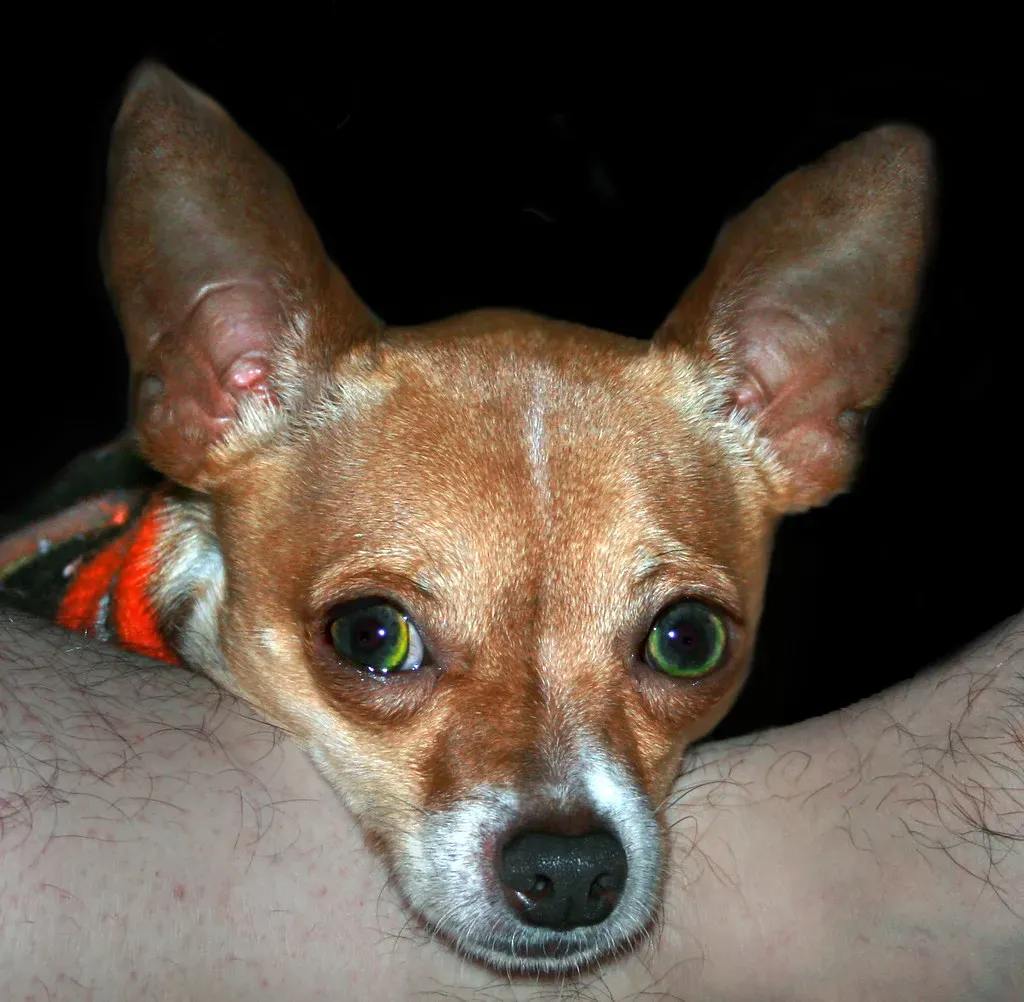
Now we shift gears completely. Due to their small size, Chihuahuas are prone to getting cold quickly; maturing to a weight of less than 6 pounds, these pups are well suited for the warm climate of their Mexican homeland. These little dogs are the polar opposite of cold-weather breeds. Chihuahuas can lose body heat rapidly when the temperature plummets, so it’s important to minimize cold weather exposure.
Temperatures below 60°F (15°C) can be uncomfortable for Chihuahuas, while anything below 40°F (4°C) can be dangerous. That’s not even proper winter in most places. These dogs need sweaters, coats, and basically a full winter wardrobe. During Christmas, when everyone’s excited about winter activities, Chihuahua owners need to be extra vigilant about keeping outdoor time short and ensuring their tiny companions stay warm indoors.
Italian Greyhound: The Elegant Icicle
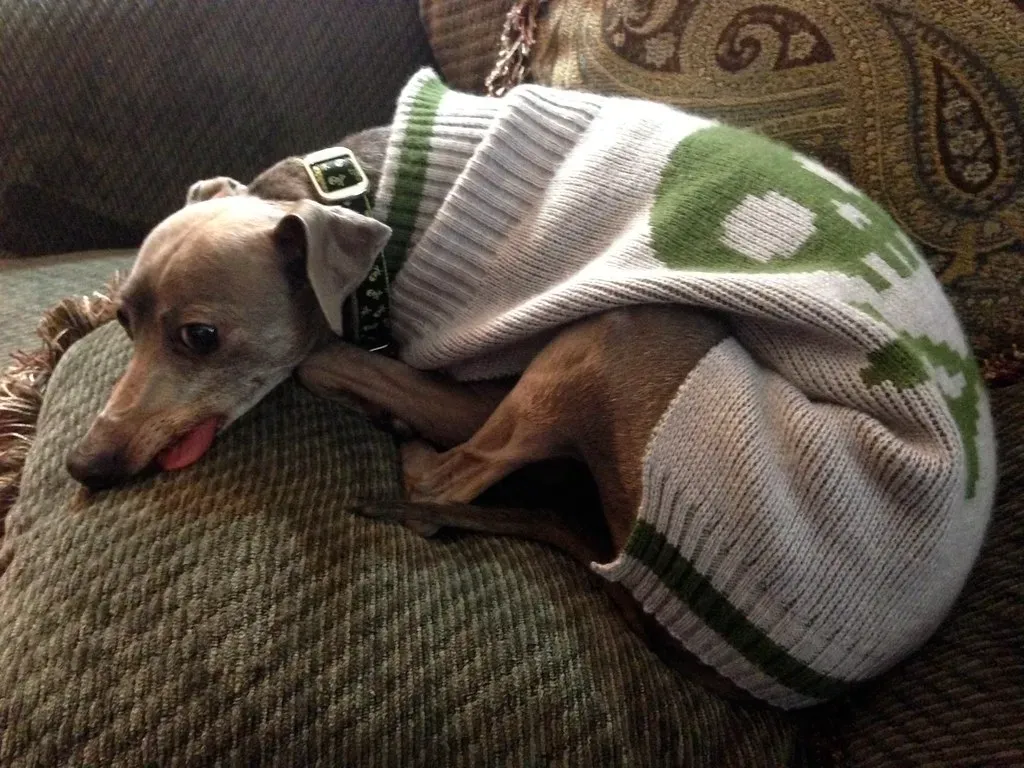
Based on those factors, this toy breed doesn’t fare well in cold weather and must be protected from freezing temperatures outside and drafty conditions inside; Italian Greyhounds are known to be affectionate lap dogs, so don’t be surprised if they snuggle up to you even more when the weather turns chilly. These sleek, delicate dogs have practically zero body fat and paper-thin skin.
Italian Greyhounds have thin fur and low body fat, making them prone to chills, especially in colder climates. Christmas time can be particularly challenging for Italian Greyhound owners because these dogs need clothing even indoors if your house is drafty. Italian Greyhounds need to wear clothes because they get cold easily, but not only do they get cold, they can get a cold too! Their shivering isn’t always dramatic. Sometimes they genuinely cannot maintain body temperature.
Whippet: The Shivering Sprinter
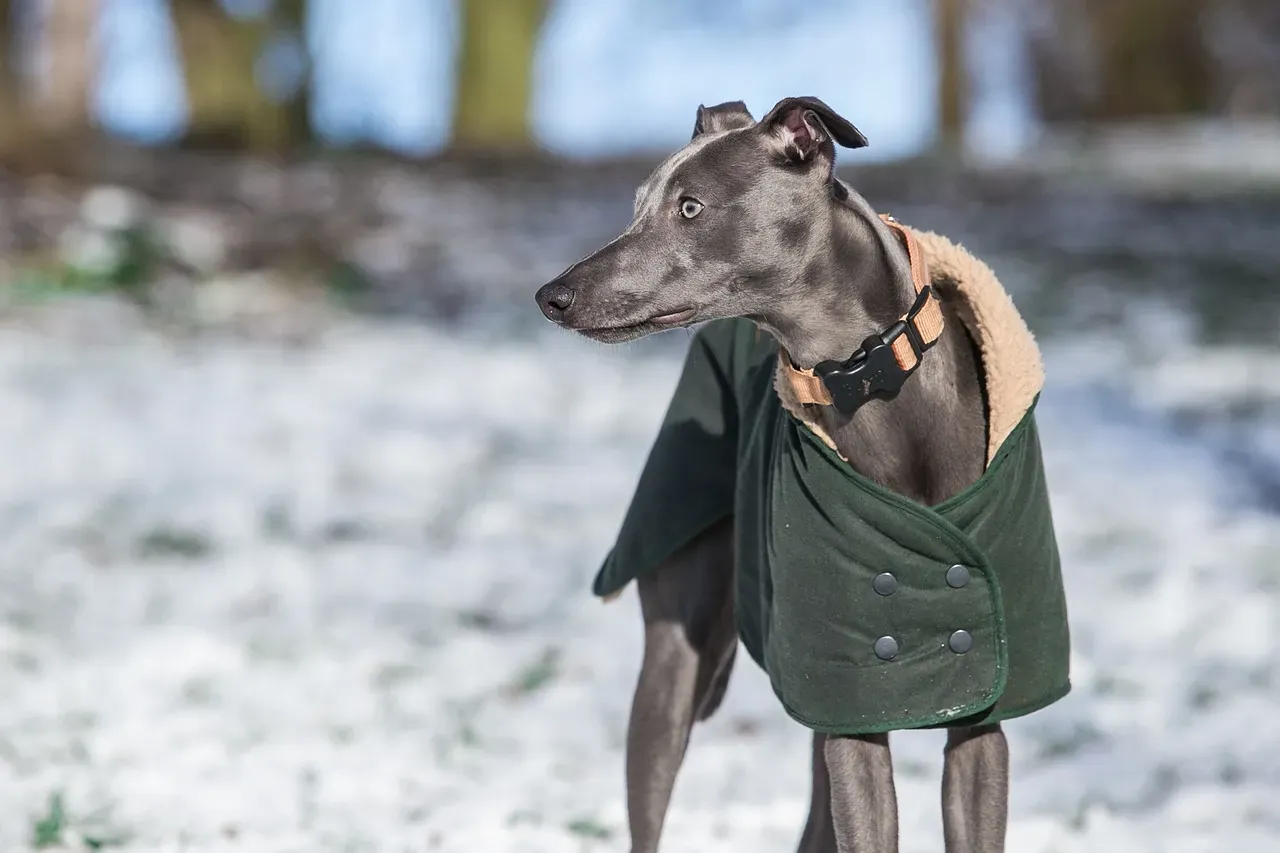
The lanky Whippet is built for speed and is closely related to the Greyhound; the breed has a short coat, thin skin, and very little body fat, so there’s not much to insulate against cold weather. These dogs are basically athletes with zero winter protection. When the weather takes a turn, Whippets need protection from the elements, including warm clothing and perhaps even dog boots to protect their paw pads from ice.
During the Christmas season, when families gather and doors open frequently, Whippets feel every draft. They need dog coats for outdoor bathroom breaks, warm beds away from windows, and honestly, they’d probably prefer to skip winter altogether. Their speed and agility don’t translate to cold tolerance whatsoever.
Keeping Everyone Safe This Christmas
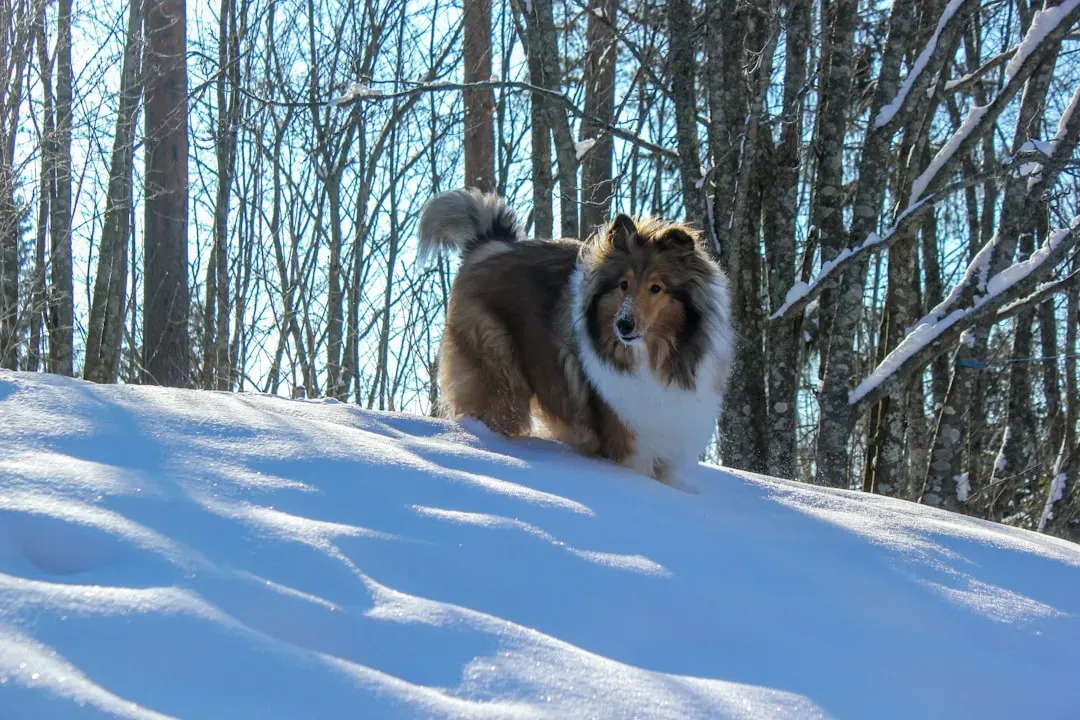
Winter care isn’t one-size-fits-all. While your Husky is begging to stay outside longer, your friend’s Italian Greyhound is wearing three layers indoors. Temperatures below 20 degrees require owners of all dog breeds (no matter their coat type) to take care to ensure they are protected from hypothermia and frostbite; even for some of the best dogs for cold weather climates, like Siberian Huskies, who are conditioned to work in these extreme temperatures, it’s still important to monitor for signs of cold exposure and frostbite.
As soon as your dog begins to tremble, they are already too cold; when your dog starts to freeze or become too cold, they may tremble. Watch for signs like lifting paws, hunching, or seeking warm spots. For cold-sensitive breeds, invest in quality winter gear. For winter-loving breeds, still provide warm indoor shelter and monitor their time outside. Christmas festivities shouldn’t compromise any dog’s wellbeing, regardless of their coat type or ancestry.
The beauty of dogs is their incredible diversity. Some were shaped by centuries of Arctic survival, while others evolved in much warmer climates. Neither is better. They’re just different. Understanding your specific dog’s needs means everyone can enjoy the magic of winter safely. What’s your dog’s relationship with snow? Are they bounding through drifts or buried under blankets? Let us know in the comments.