
When it comes to our furry friends, the prospect of letting them roam free can be both exhilarating and nerve-wracking. While some dogs relish the opportunity to explore without restraint, others might not be as reliable when given such freedom. For the safety and well-being of both the dog and those around them, it’s crucial to understand which breeds might not be the best candidates for off-leash adventures. Here, we dive into seven dog breeds that are best kept on a leash, ensuring that their unique characteristics are respected and understood.
Beagles: The Nose Knows

Beagles have a reputation for being affectionate and friendly, making them a beloved choice for families. However, their strong sense of smell can lead them astray. Originating as hunting dogs, Beagles possess an innate ability to track scents over long distances. This instinct can sometimes override their training, as they become engrossed in following a trail. Imagine a Beagle catching the scent of a rabbit; suddenly, your call to return becomes a distant memory to them. Their determination and focus on scent make them prone to wandering, so keeping them on a leash is often the safest choice.
Siberian Huskies: Born to Run
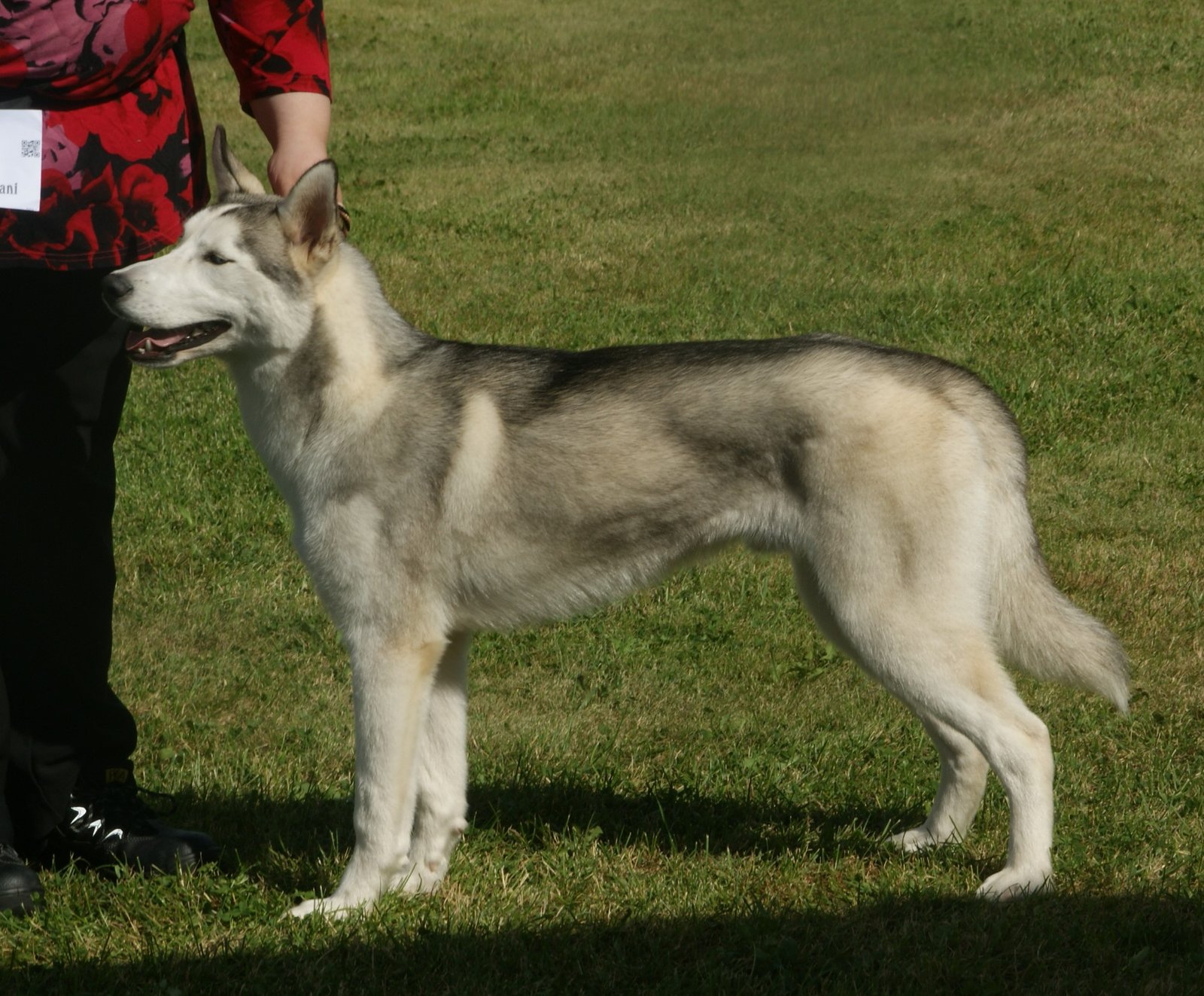
Siberian Huskies are known for their striking appearance and energetic nature. These dogs were bred to pull sleds across vast frozen landscapes, which endowed them with incredible stamina and a love for running. When off-leash, a Husky might see the open world as a personal racetrack. Their curiosity and independent spirit can lead them to venture far from home, often oblivious to your calls. For a Husky, the thrill of the chase can be too tempting, making a secure leash a necessity for their safety.
Basenjis: The Escape Artists

Basenjis are often referred to as the “barkless dog,” but their quiet demeanor can be deceptive. These dogs have a mischievous side and are known for their cunning ability to escape from seemingly secure yards. As a breed that was used for hunting in African forests, Basenjis have a high prey drive and a keen sense of adventure. If they spot something interesting, they might bolt, ignoring any commands. Their agile nature and quick thinking make them a challenge to manage off-leash, so it’s best to keep them on a tight rein.
Jack Russell Terriers: Little Dogs, Big Attitude
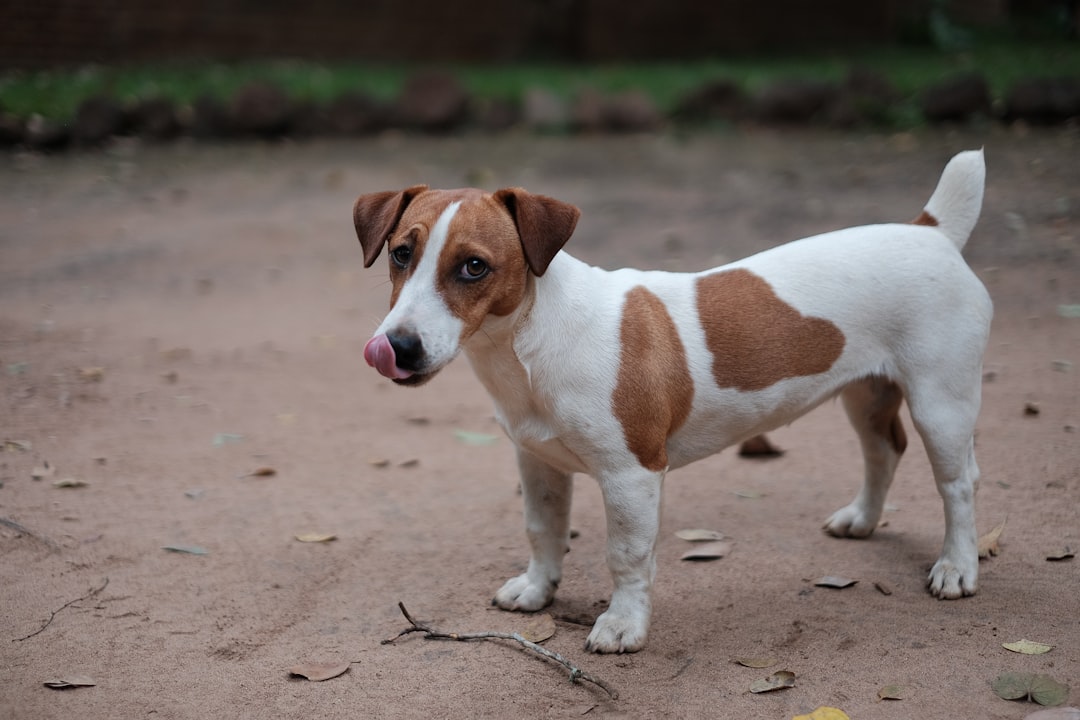
Don’t let their small size fool you; Jack Russell Terriers are packed with energy and determination. Originally bred for hunting foxes, these dogs have a strong prey instinct and can be relentless in their pursuits. Their intelligence and spirited nature make them a joy to watch, but when off-leash, they might become too focused on their quarry. A Jack Russell might dart after a squirrel or bird without a second thought, making it difficult to regain their attention. A leash ensures they stay safe while enjoying the great outdoors.
Afghan Hounds: Elegance Meets Independence
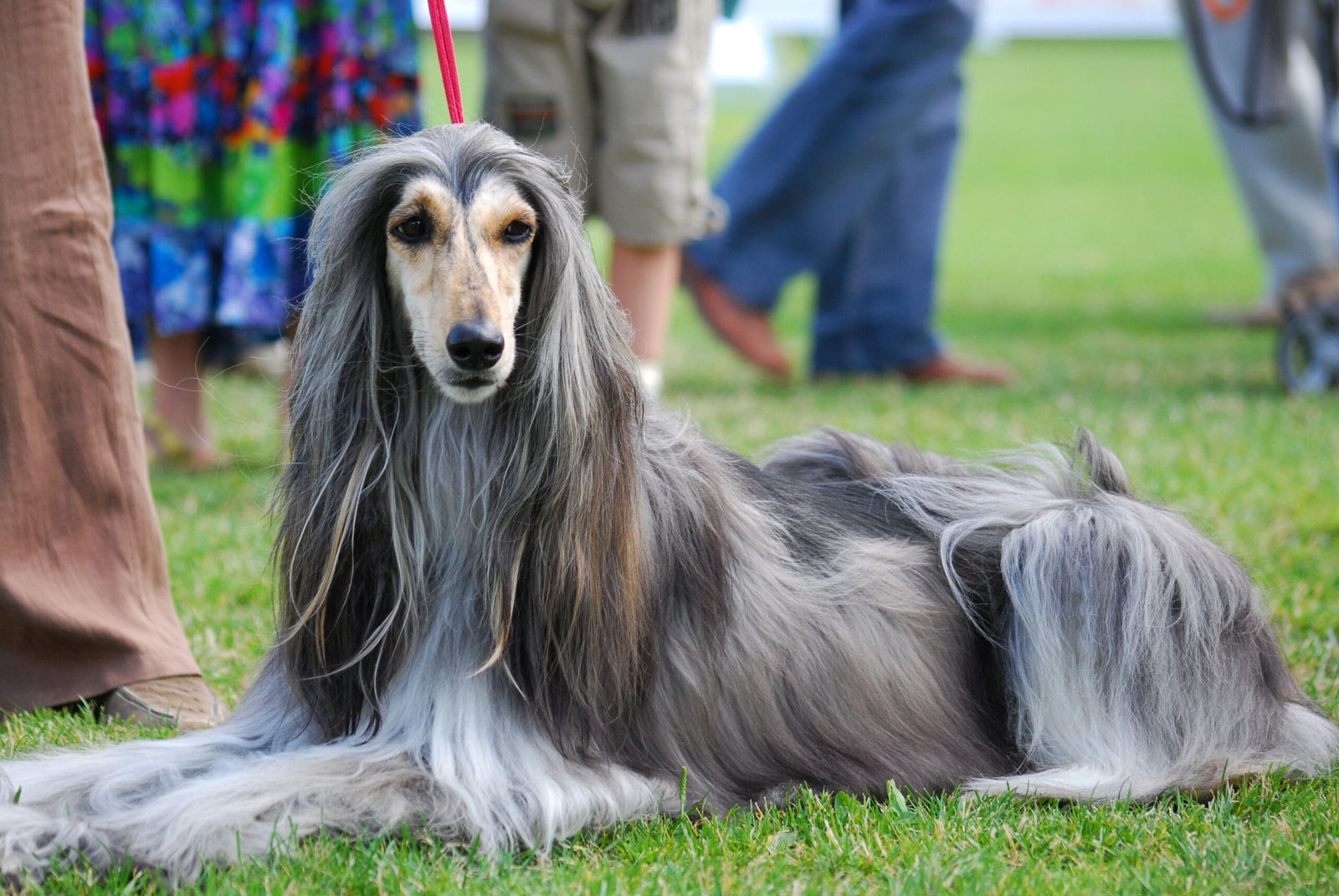
Afghan Hounds are the epitome of grace and beauty, with their flowing coats and dignified demeanor. However, beneath their regal appearance lies a fiercely independent spirit. These dogs were bred for hunting in harsh terrains, which has made them both agile and self-reliant. When off-leash, an Afghan Hound might decide to explore on their own terms, often ignoring calls to return. Their speed and agility can take them far in a short amount of time, so a leash is essential to keep them close by.
Alaskan Malamutes: Powerhouses of Strength
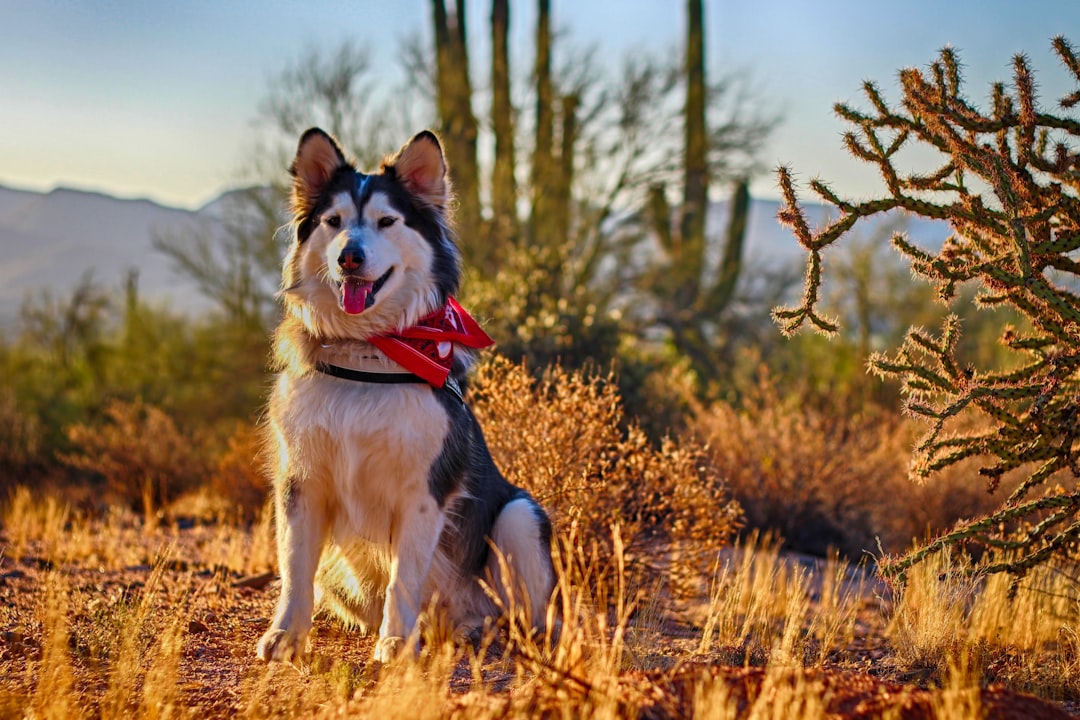
Like their Husky cousins, Alaskan Malamutes are built for endurance and strength. These dogs are known for their loyalty and affectionate nature, but they also have a strong independent streak. When given the chance to run free, a Malamute might become engrossed in their surroundings, especially if they detect an interesting scent or sound. Their formidable strength and size can make them difficult to manage if they decide to chase after something. Keeping them on a leash ensures they stay safe and secure.
Weimaraners: The Versatile Hunters
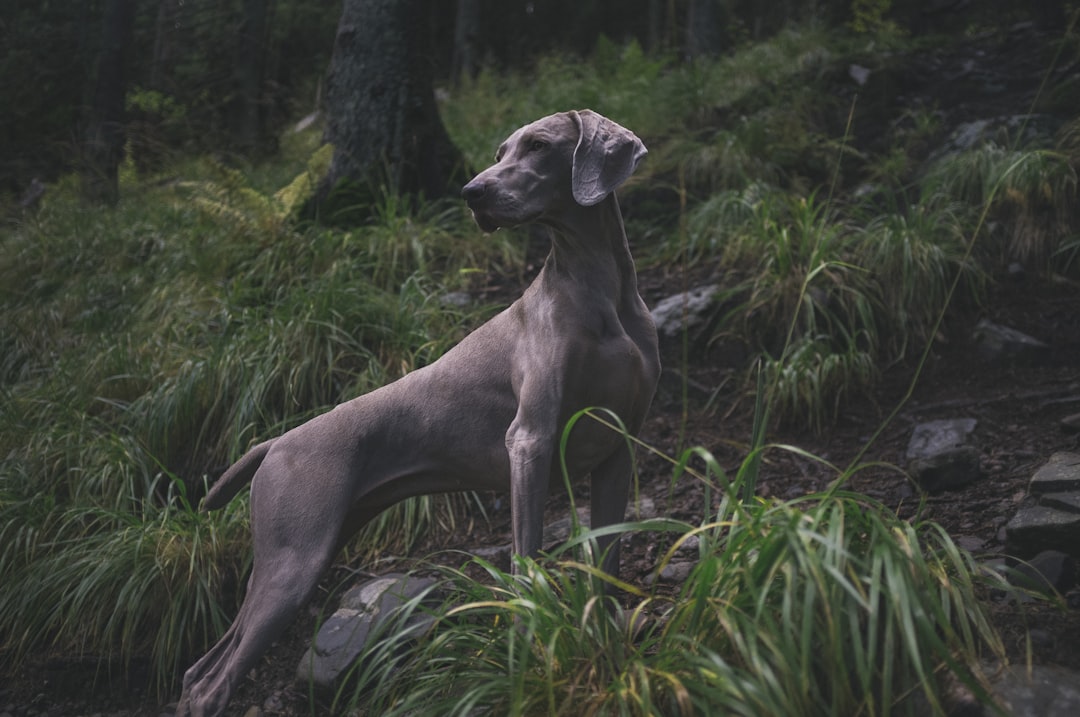
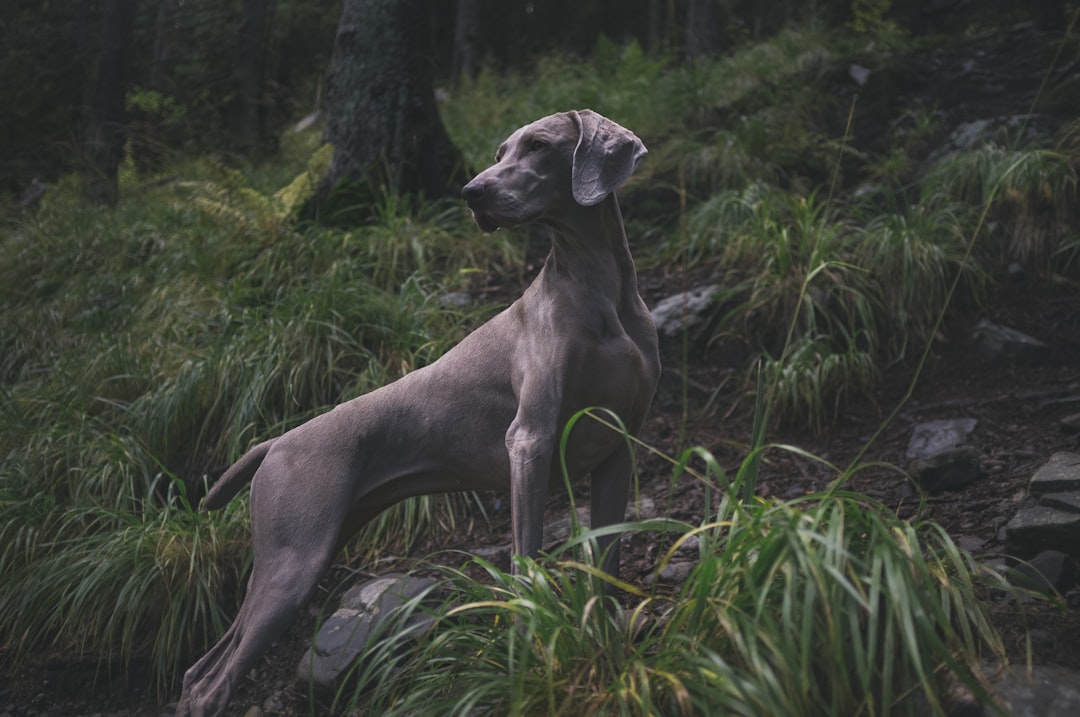
Weimaraners are sleek, athletic dogs with a rich history as hunting companions. Their intelligence and energy make them excellent partners in many activities, but they also have a strong prey drive. When off-leash, a Weimaraner might become fixated on tracking a scent or pursuing wildlife, often losing focus on their owner’s commands. Their speed and determination can lead them into potentially dangerous situations, so it’s wise to keep them leashed during outdoor adventures.
Understanding the unique characteristics of these breeds can help ensure their safety and enjoyment of the outdoors. While it’s tempting to let dogs roam free, knowing when to keep them on a leash is an essential part of responsible pet ownership.


