

You’ve heard it before. That relentless, high-pitched yapping that echoes through the apartment building at three in the morning, or the deep booming bark that rattles your windows every time a leaf blows by. Let’s be honest, sometimes we love our dogs to pieces but wish they’d just hush for five minutes. Barking is natural, sure, but some breeds take it to a whole new level.
Here’s the thing though. Not all dogs are created equally vocal. Some are genetically wired to alert you to everything from the mailman to a squirrel two blocks away, while others prefer a quieter existence, saving their voice for when it truly matters. If you’re thinking about bringing home a furry friend or maybe you’re already living with one who won’t quit the noise, this guide will help you understand what’s going on. So let’s get started and explore the breeds that might test your patience, and those that offer a little more peace.
Beagles: The Howling Hound
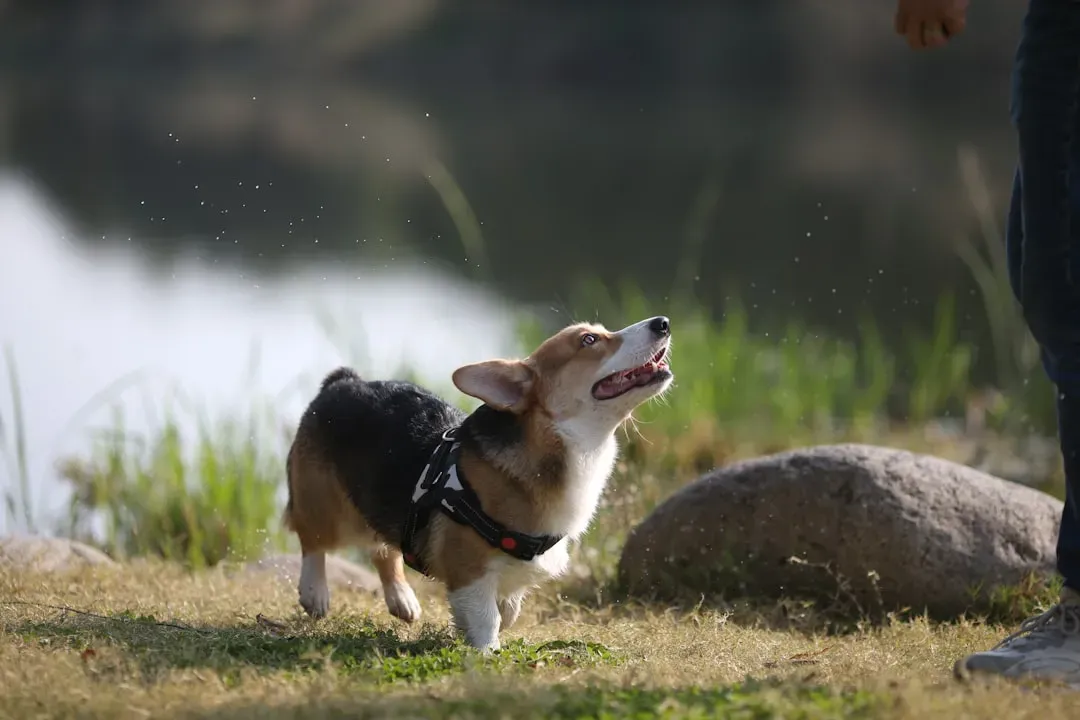
Beagles were bred to howl during hunts to alert hunters of their location and prey, and honestly, they haven’t forgotten that job. Their distinctive howl or bark possesses a wide variety of vocalizations, often described as musical. The problem? They use that voice constantly.
These dogs bark constantly when they catch a scent or are left alone, which can become a real headache if you’re not prepared. They are high-energy dogs that need a lot of physical activity, and boredom only makes the barking worse. If you’re considering a Beagle, think long walks, puzzle toys, and a lot of patience for that signature bay.
Chihuahuas: Big Attitude, Small Package
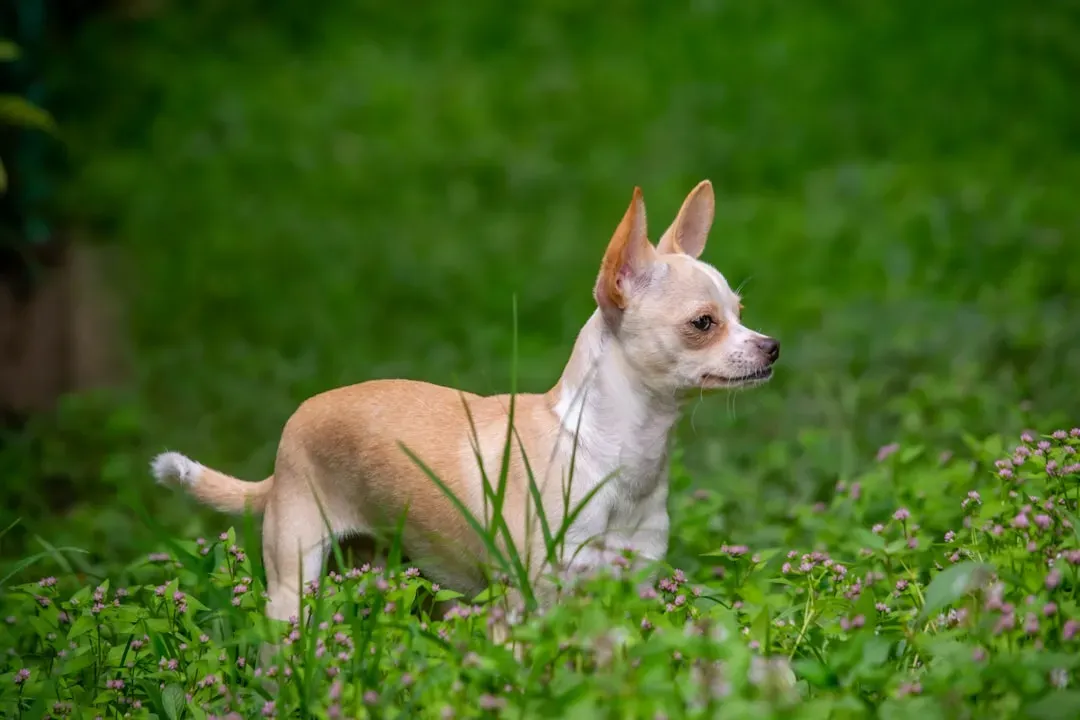
Don’t let the tiny size fool you. Chihuahuas may be small in size, but they are very territorial, and when they perceive something or someone as a threat, the incessant barking will begin. Given their size, nearly everything can feel like a threat to them.
The Chihuahua packs a lot of personality into her small size, and her tendency toward yapping is a personality trait that can be an issue if she’s not taught to moderate her barking. They can be defensive and standoffish with strangers. While they’re fiercely loyal and loving with their families, managing their vocal tendencies requires consistent training and socialization from day one. I think their bark is their way of making themselves seem bigger than they are.
Yorkshire Terriers: Tiny Terrors With Loud Voices
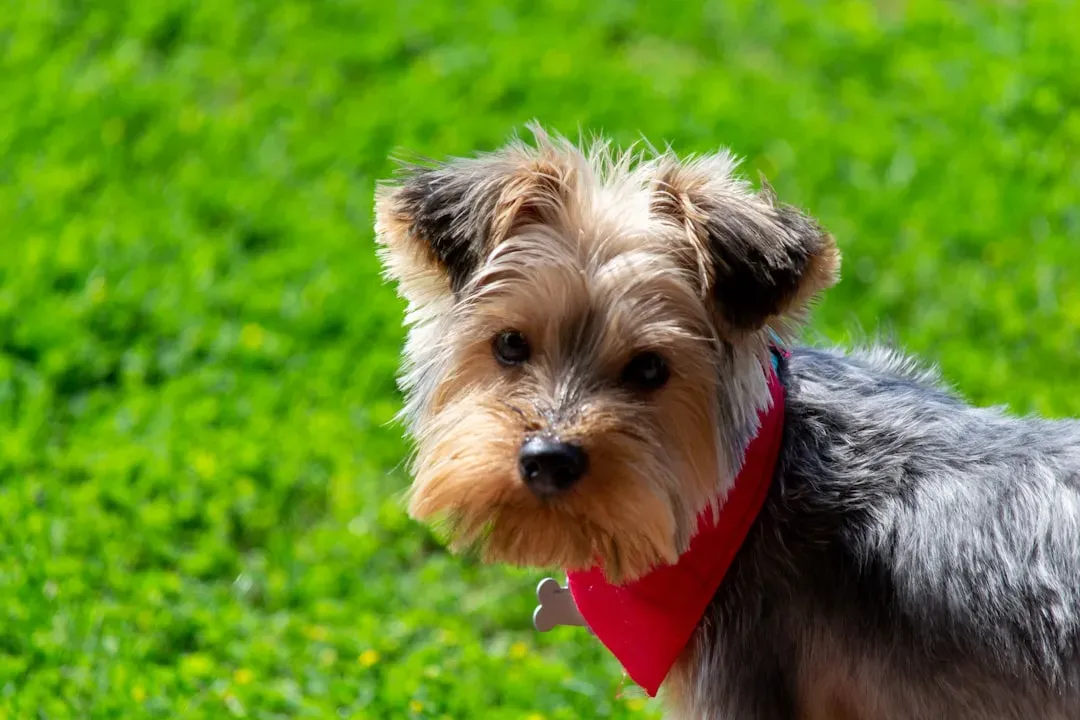
The Yorkie has a reputation for being a boisterous little pup, and in many cases, it’s well deserved. He tends to be a natural yapper and, even with proper training and plenty of distractions, he won’t be silenced. These dogs have serious confidence that far exceeds their body weight.
Terriers in general are often considered to be noisy dogs, and the Yorkshire Terrier is no exception. These tiny dogs are affectionate and loving, but many of them are not afraid to stand up to dogs much larger than themselves. Their alertness and territorial nature mean they’ll announce every visitor, delivery, and passing dog without fail.
Miniature Schnauzers: The Watchdog That Never Sleeps
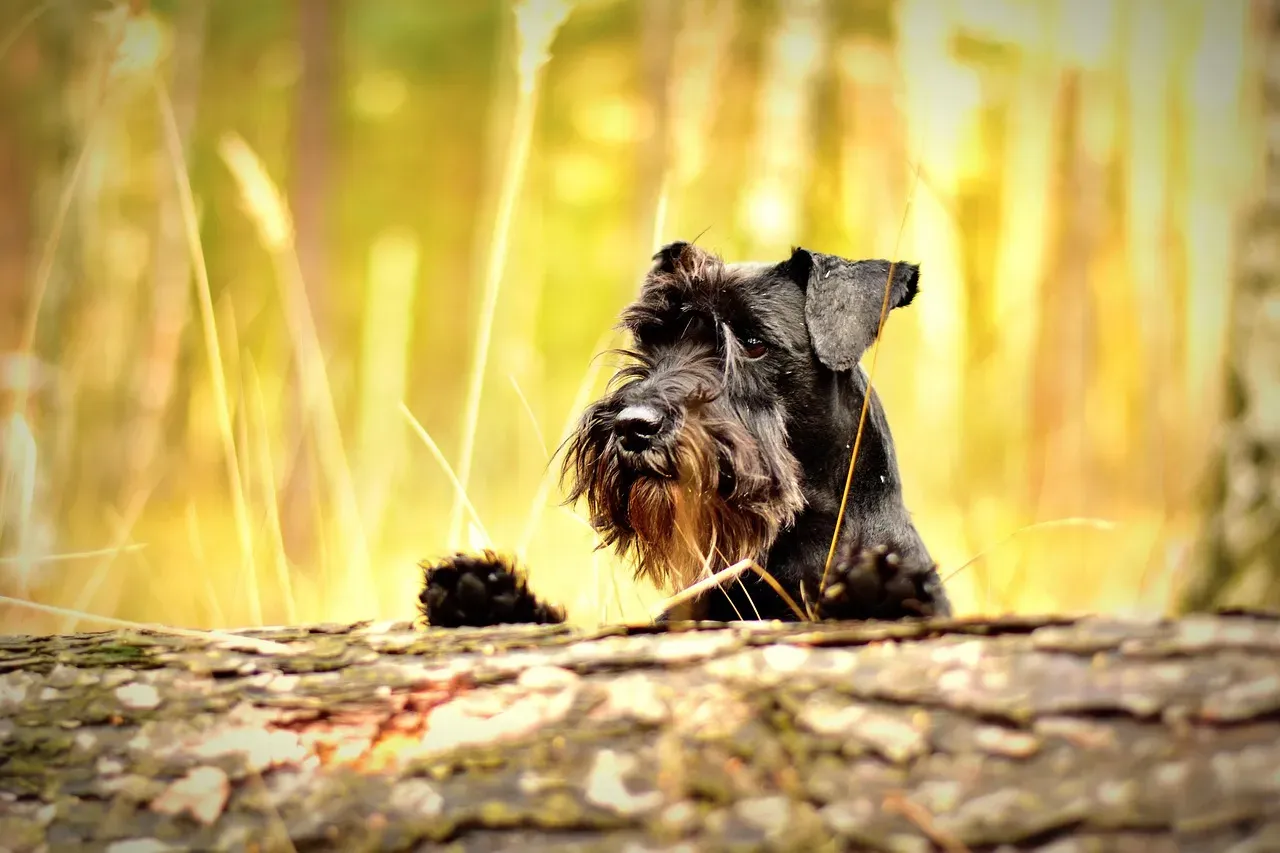
Historically, miniature schnauzers have been bred to be farm watchdogs. They’re vocal dogs, so they can bark if they want to catch your attention or if they want to alert you of something. Let’s be real, that “something” can be absolutely anything.
The Miniature Schnauzer tends to be lively and active, wanting to participate in everything you’re doing and alert you to everything else with a sharp bark. It is possible to train her not to lose her mind every time the doorbell rings, but it’s important to realize that her natural inclination is to bark. They’re smart and trainable, which helps, but you’ll need to invest time early on to manage this behavior.
Dachshunds: Loud Little Hunters
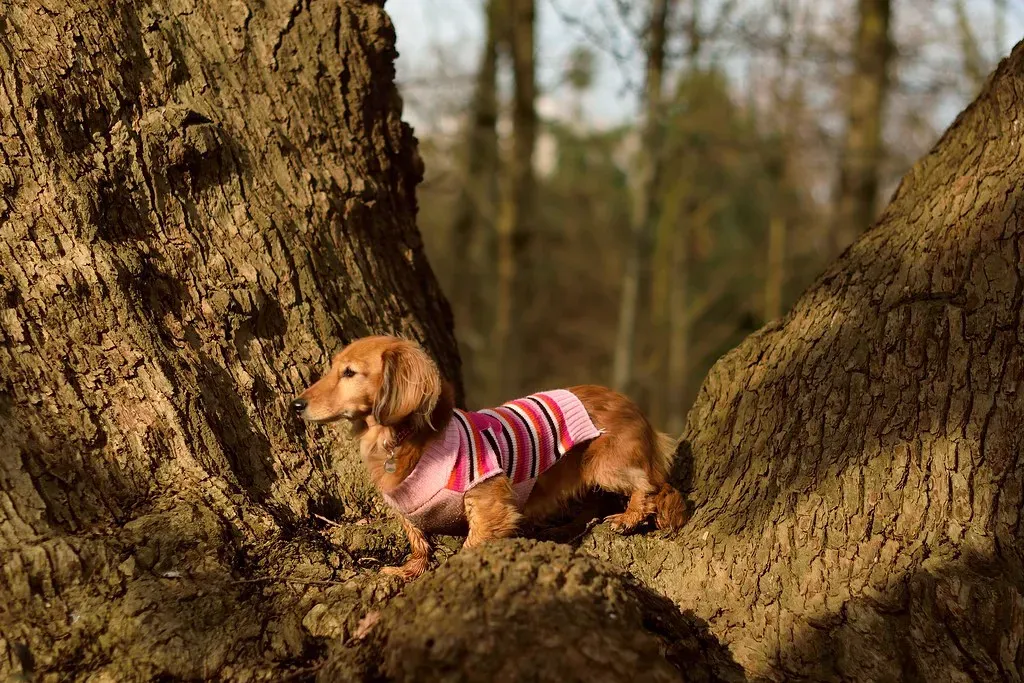
The dachshund has a unique bark, which is somehow both high-pitched and exceptionally loud, and they are notorious for using it all the time. Due to being a hunting dog, they can be more vocal than your average pet dog, and their instinct to dig and bark remains strong even without badgers to hunt.
They are big barkers, often barking about anything and everything that excites or stresses them. The bark of the Dachshund is often considered that of a much bigger dog, which can make them great watchdogs. Their bold personality combined with that surprisingly deep bark can be overwhelming in small living spaces. These little guys need consistent boundaries and plenty of exercise to keep their vocal cords from working overtime.
Siberian Huskies: The Talkers
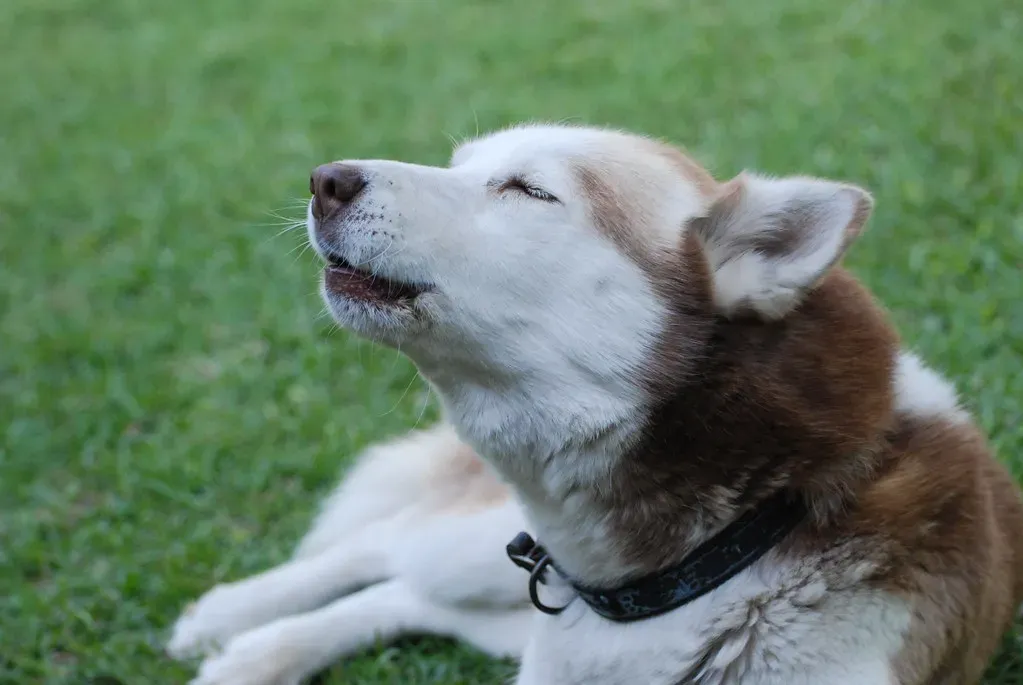
Siberian Huskies don’t necessarily bark a lot, but they’re described as a talkative breed. They will whine, howl, groan and ‘talk’ for hours. If you’ve ever seen a Husky video online, you know exactly what I mean.
Huskies were bred to pull sleds across frozen terrain, and their vocalizations are a way to communicate with their pack. While they are generally not constant barkers, they do love to howl and can be quite noisy, especially if they’re left alone or feeling restless. Their dramatic nature means they’ll express every emotion loudly. It’s almost like living with a very opinionated roommate who never stops talking.
Jack Russell Terriers: Energetic and Endlessly Vocal
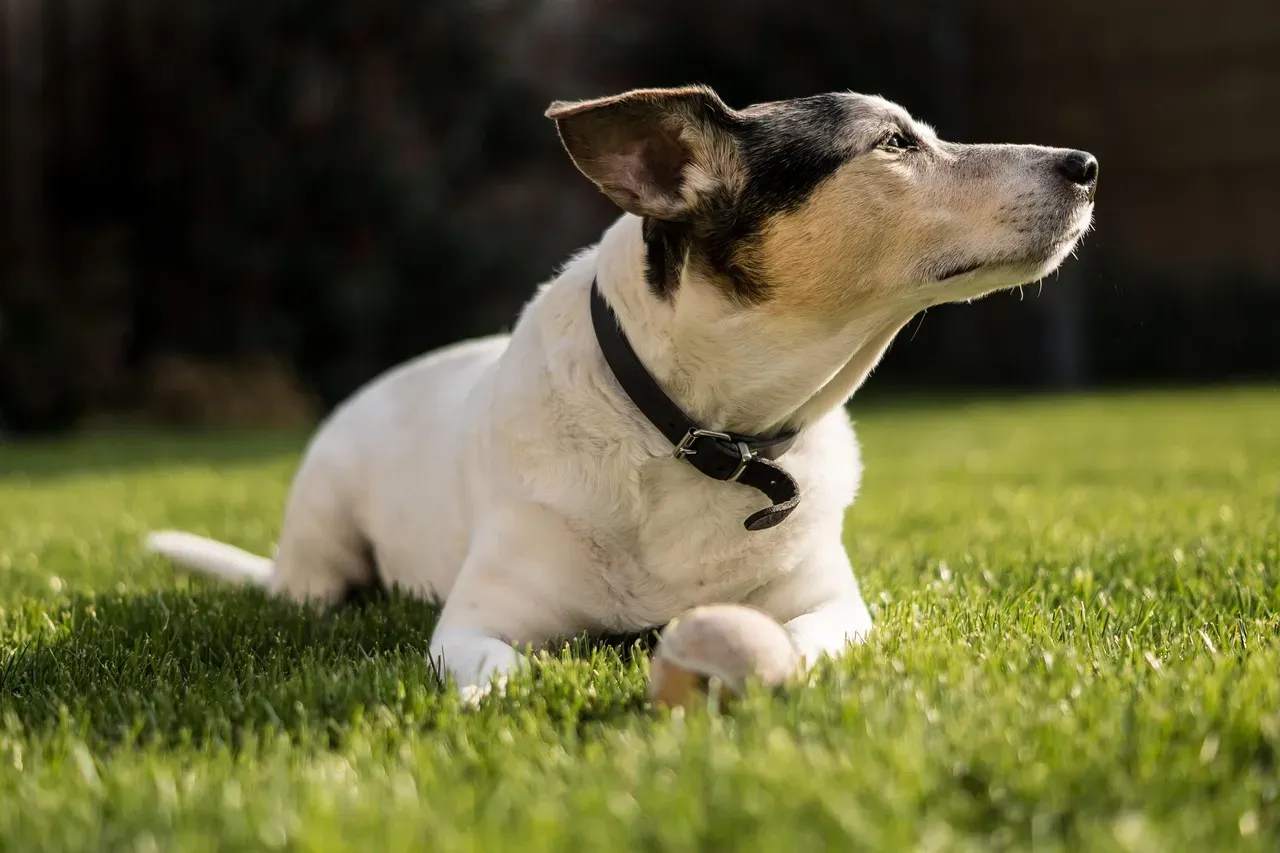
Digging and barking are two of the Jack Russell Terrier’s greatest loves. The tenacious little Terrier requires a great deal of patience and training, but with an active and dedicated owner, she can also be a lot of fun. These are working dogs through and through.
The Jack Russell Terrier is a breed for hunting and protecting. The small breed was meant to flush out foxes through excessive barking while on a hunt. Without proper outlets for that energy, they’ll redirect it into barking at everything. They’re intelligent and highly trainable, but they need jobs to do, whether that’s agility training or long runs. Without stimulation, expect noise.
Basenjis: The Barkless Wonder
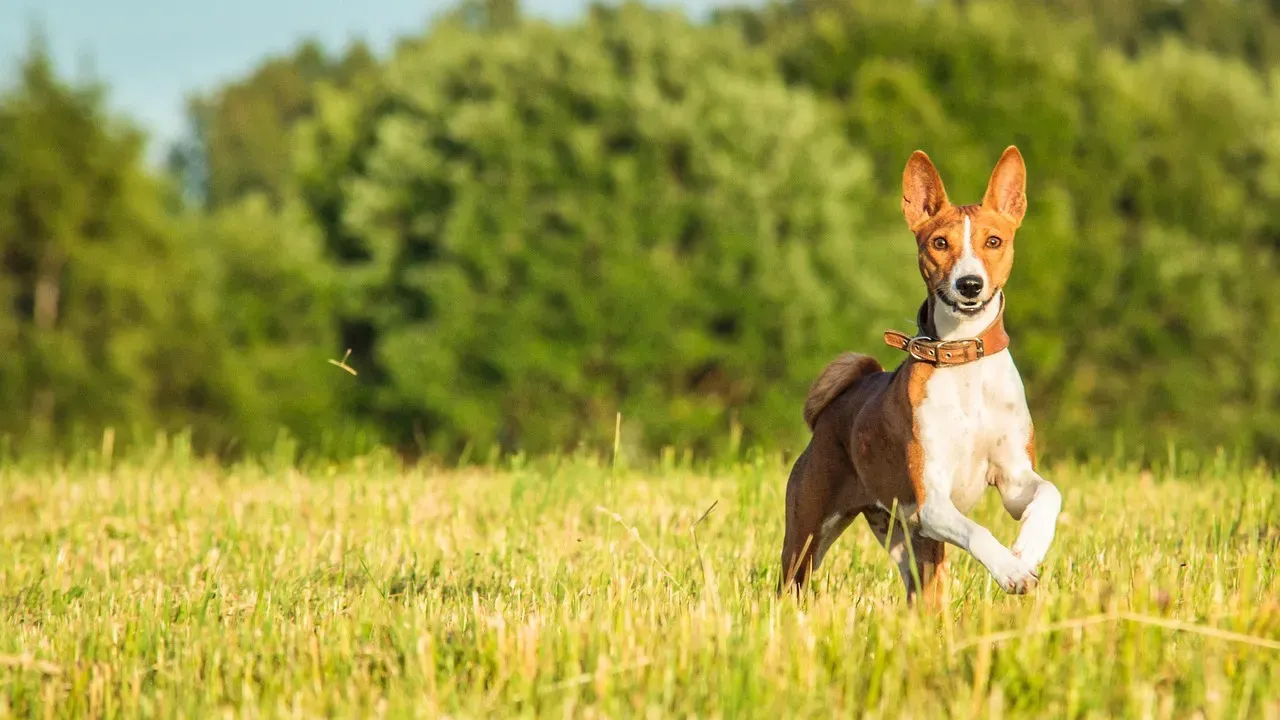
Let’s shift gears now. The Basenji is actually known as the “barkless dog,” according to the American Kennel Club. This is due to the unusual shape of their larynx, which may make it virtually impossible to bark.
Instead, the Basenji will make a high-pitched noise or yodel when they decide to be vocal. It’s a fascinating sound, somewhere between a chortle and a yodel, and it’s far less jarring than traditional barking. These intelligent, independent dogs from Central Africa make ideal companions for anyone who values a quieter home. Their unique vocal style is endearing rather than disruptive.
French Bulldogs: Snorters, Not Barkers

A study of French Bulldog owners revealed that 85 percent said their dogs didn’t bark much. They are known to love their naps and time spent on the sofa, and they tend to be less of a barking breed. If you’re after a couch companion, Frenchies deliver.
They may not bark much, but they often snore, wheeze and snort. Frenchies also tend to make a lot of soft chortles and other noises. Their shortened faces mean they’re prone to respiratory sounds that might be noisy in a different way, but it’s nothing like the sharpness of constant barking. These playful, affectionate dogs are perfect for apartment living.
Cavalier King Charles Spaniels: Gentle Companions

Cavalier King Charles Spaniels are small, affectionate dogs known for their friendly and easygoing nature. They are great for apartment living due to their calm demeanor and low barking tendencies. Honestly, these dogs just want to be near you without making a fuss.
Their calm and gentle demeanor means they are a relatively quiet breed, only yapping when they are bored or stressed or want to get your attention when someone is at the door. They may also bark when left alone for long periods. Overall, they form strong bonds with their owners and prefer companionship to noise. Their sweet temperament makes them wonderful family dogs.
Greyhounds: Couch Potatoes In Disguise

Despite their racing background, Greyhounds are quiet and calm indoors. They are gentle and affectionate, often preferring to lounge around the house. Greyhounds need regular exercise but are not known for being vocal. Once they’ve had their sprint, they’re perfectly content to nap for hours.
You’ll rarely hear a greyhound bark unless it’s necessary. They are generally quiet dogs that only bark when they need attention, feel bored, have anxiety, or separation issues. Their laid-back nature combined with their elegant appearance makes them surprisingly low-maintenance companions. These gentle giants are ideal for owners who want athleticism without the drama.
Bernese Mountain Dogs: Quiet Giants
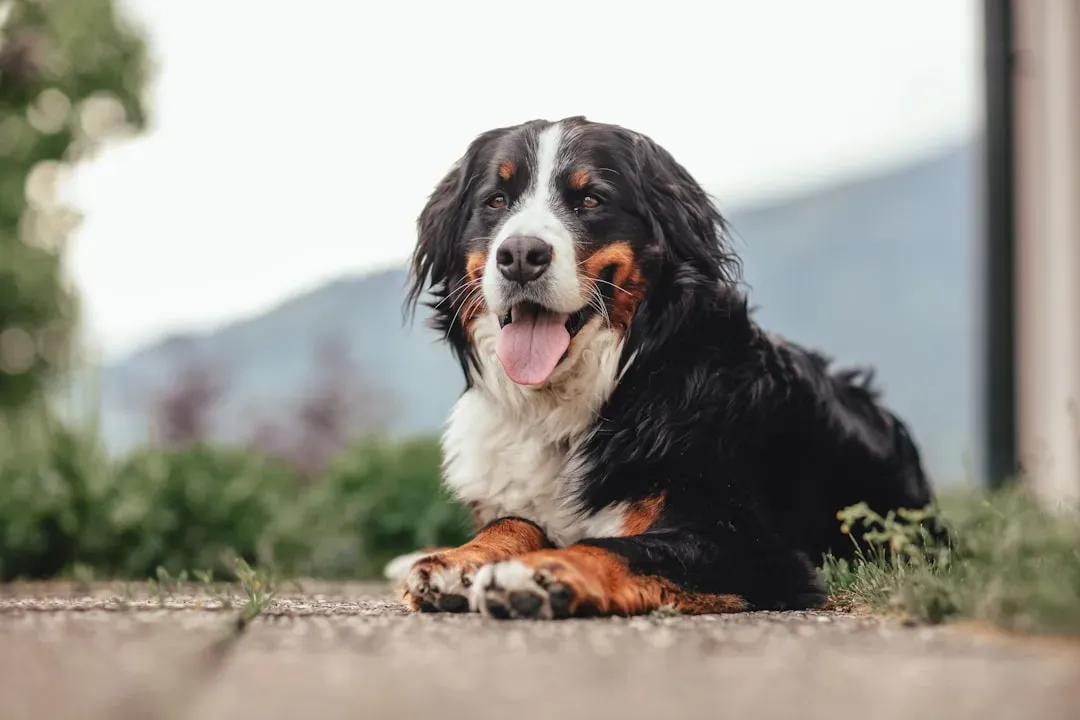
These gentle giants aren’t just friendly, they’re quiet, too. They were originally bred to be a working dog on Swiss farms, helping herd and protect livestock and even pulling heavy carts. Despite their size and strength, they don’t feel the need to announce themselves constantly.
Despite their large size, Bernese Mountain Dogs are known for their calm and serene nature. They do not typically bark without cause, making them suitable for families and individuals who prefer a quieter dog. Their loyalty and affectionate behavior mean they’re devoted without being demanding. The thick coat requires regular grooming, but their peaceful presence makes the effort worthwhile.
Conclusion: Finding Your Perfect Match

Barking is natural, and every dog has their own voice. Some breeds, however, are undeniably louder than others. If you’re living in an apartment, have close neighbors, or simply value your peace and quiet, understanding these breed tendencies is crucial before bringing home a new pup.
Breeds like Beagles, Chihuahuas, and Jack Russell Terriers come with a genetic predisposition to vocalize frequently. It’s not that they’re poorly behaved; they’re just doing what they were bred to do. Meanwhile, breeds like Basenjis, French Bulldogs, and Greyhounds offer companionship without the constant noise. Training, socialization, and exercise play enormous roles in managing barking, but starting with a breed that matches your lifestyle makes everything easier. What’s your experience with barky breeds? Have you found ways to manage the noise, or do you prefer the quieter companions? Tell us in the comments.


