
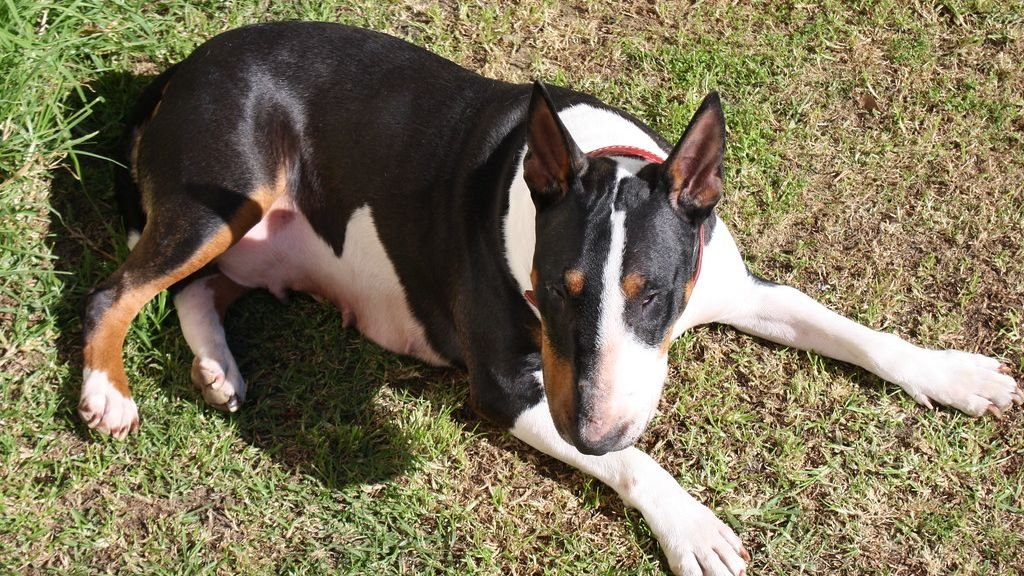
Picture this: you’re sitting on the couch after a long day, your dog trots over, curls up beside you, and their coat is dull, tangled, and a little itchy-looking. Sound familiar? You’re not alone. So many dog parents love their pups fiercely but aren’t quite sure where to start when it comes to coat care.
Here’s the thing – a healthy, shiny coat is more than just an aesthetic feature for your dog; it is an indicator of their overall health and well-being. That means the state of your dog’s fur is literally telling you a story about what’s going on inside. And honestly, once you understand the basics, keeping that coat looking gorgeous isn’t nearly as complicated as it seems. Let’s dive in.
Brush Regularly – It’s the Single Best Thing You Can Do
I know, it sounds almost too simple. But never underestimate a good brushing session. Regular grooming with a brush or comb will help keep your pet’s hair in good condition by removing dirt, spreading natural oils throughout their coat, preventing tangles and keeping their skin clean and irritant-free.
At the very least, you should frequently brush their coat. This helps remove dead skin, dander, and hair while stimulating skin and hair follicles. The process helps increase the natural production of skin oils, further adding to the luster and preventing a dull coat. Think of it like a mini spa massage for your dog – only way more affordable.
Before diving into grooming tools, it’s essential to understand the type of coat your dog has. There are various coat types, ranging from short and smooth to long and curly. Each type requires specific care to maintain its health. Knowing your dog’s coat type will help you select the right grooming tools and techniques. A Labrador and a Maltese have very different needs, so treat them accordingly.
Get Your Bath Routine Right – Not Too Much, Not Too Little
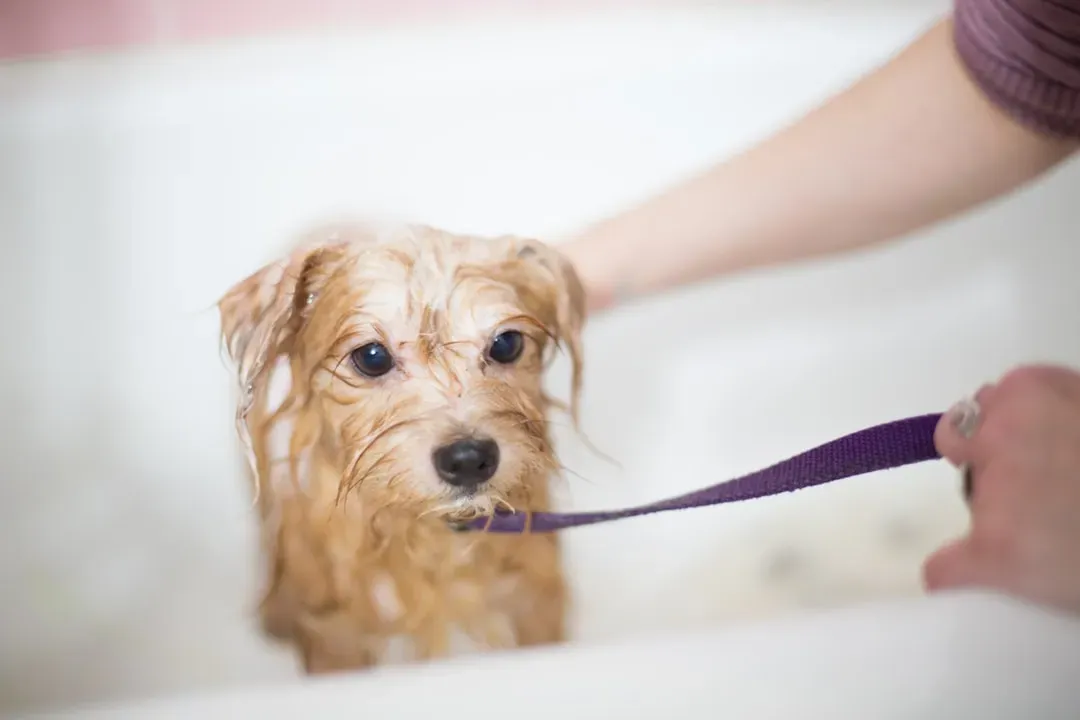
Bathing your dog feels like the most obvious grooming step, right? Maybe. But here’s where a lot of well-meaning dog parents go wrong. Bathing is an essential part of dog grooming, but it should be done in moderation. Overbathing can strip the coat of its natural oils, leading to dryness and irritation. Finding the right balance is crucial to maintaining a healthy coat and skin.
Too much bathing can dry out your dog’s skin by stripping away natural oils. Most dogs do best with a bath every 4 to 8 weeks, depending on their coat and lifestyle. Active outdoor dogs who roll in every mud puddle they find? They might need more frequent baths. Lap dogs? Less so.
Use a mild, dog-specific shampoo to avoid skin irritation. Avoid using human shampoos, which can disrupt the pH balance of a dog’s skin. It’s a small swap that makes a massive difference. Always rinse thoroughly too – leftover shampoo will leave a dull residue on your pup’s fur.
Feed for a Glowing Coat – Nutrition Is Everything
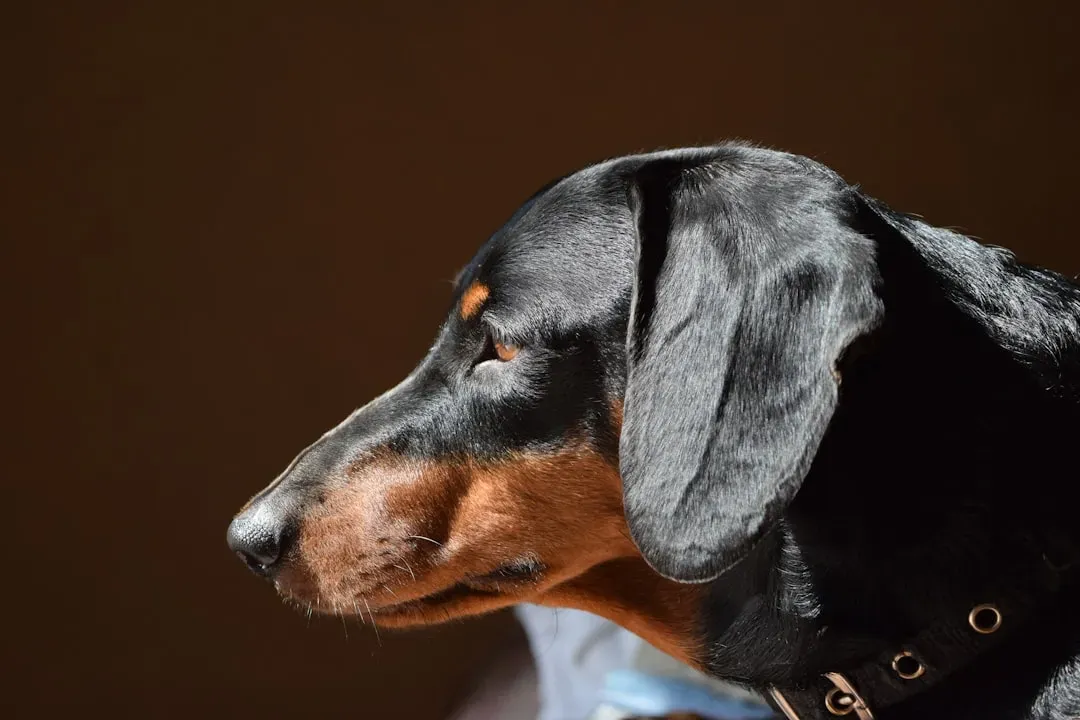
You can brush your dog every single day and still end up with a lackluster coat if their diet isn’t right. Honestly, this is the most underrated tip on this entire list. When their diet is deficient, their hair suffers. So, if you’re looking for the best dog food for a healthy coat, protein should be the first ingredient listed, rather than a grain or animal byproduct. The best dog food for healthy, shiny coats will contain a combination of proteins and amino acids.
Omega fatty acids such as Omega-3 and Omega-6 are good for your dog’s fur. While Omega-3 can help ease arthritis pain and help improve your dog’s mood, Omega-6 can help fight infections. It’s like a two-for-one deal – you’re supporting that gorgeous coat while also boosting their overall health.
We also caution against going overboard with Omega acid supplements, as they could cause stomach upset. If you are considering adding any supplements or other aspects to your dog’s diet, we recommend consulting your vet first. More is not always better – moderation and professional guidance are key here.
Tackle Mats Before They Become a Problem
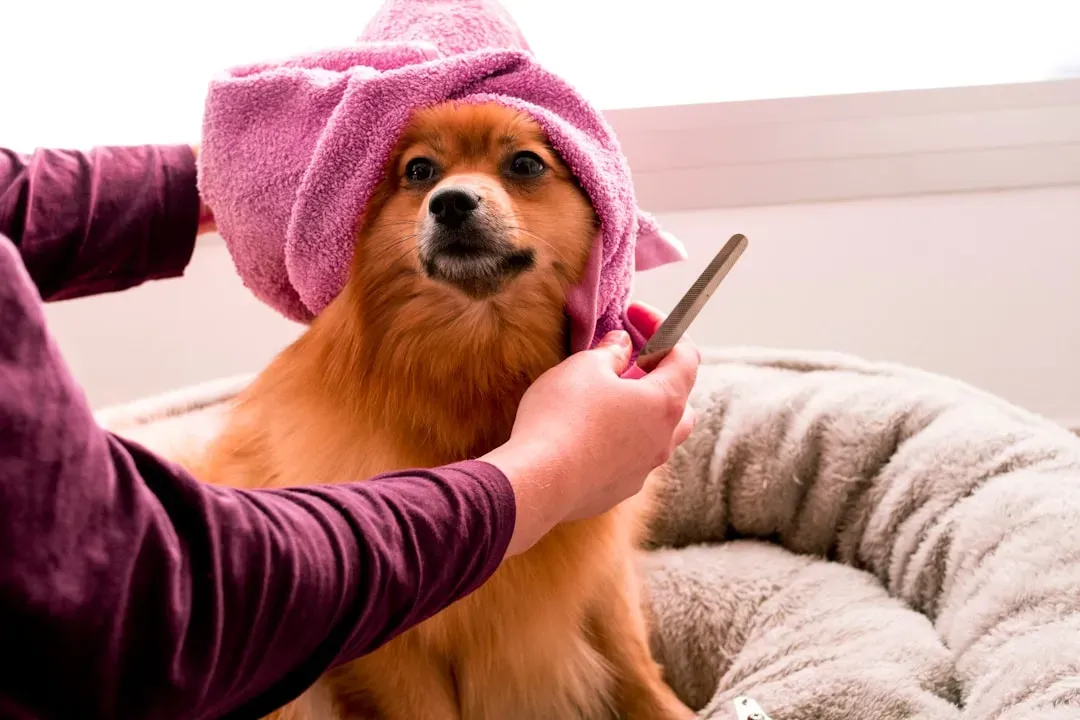
Matting is one of those things that sneaks up on you. One week the coat looks fine, the next week there’s a tight tangle behind the ear that your dog flinches at when you touch. Mats in your dog’s fur can be incredibly irritating and pull on their skin, leading to sensitivity and pain. Regular brushing and grooming can help prevent matting, which occurs as a result of friction and dead skin mixing with fur. Mats are most common in high friction areas like under your dog’s armpit areas, where their collar rubs against their neck or behind their ears.
They are a breeding ground for parasites as they can trap moisture and prevent airflow from reaching your dog’s skin. Wet hair mats easier and water can worsen current mats, so avoid bathing your dog when it’s matted. It’s essential to remove the mats first, before bathing them.
Regular grooming helps prevent mats, keeping your dog comfortable and happy. If you’re brushing your dog regularly and using a natural conditioning spray, you should be able to avoid severe matting. Prevention is always easier than the cure – this is definitely one of those cases.
Keep Parasites in Check – Fleas and Ticks Wreak Havoc on Coats
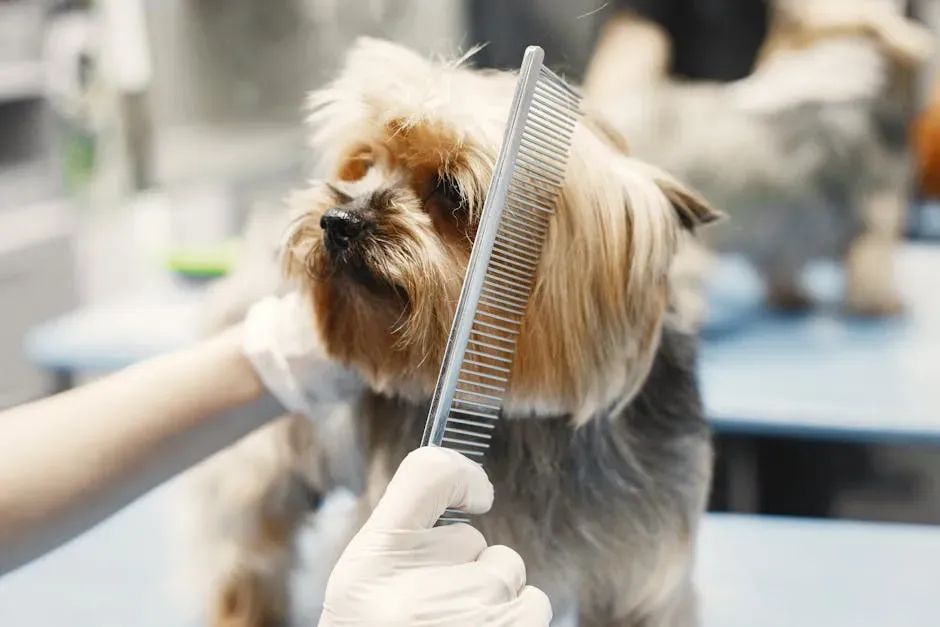
Let’s be real – nobody likes talking about parasites. But ignoring them is far worse. Skin mites, ticks, and fleas can all affect your dog’s coat, and their presence can have widespread health consequences for your pet. These can range from topical irritation to a potentially life-threatening tick-borne disease, depending on the type of vector.
Regular grooming of your dog also provides an excellent opportunity to spot fleas and ticks. The longer fleas and ticks take up residence on your dog, the more prone they are to severe problems. Identifying fleas early can prevent an out-of-control infestation and finding ticks right away can prevent serious infections like Lyme disease.
You can also preventatively manage the risk of parasites in your pup by taking them to regular checkups and by keeping your dog on year-round heartworm and flea/tick prevention. Think of it as your dog’s invisible suit of armor – simple preventatives doing big protective work every single day.
Try Natural Coat Boosters Like Oatmeal Baths and Omega Supplements
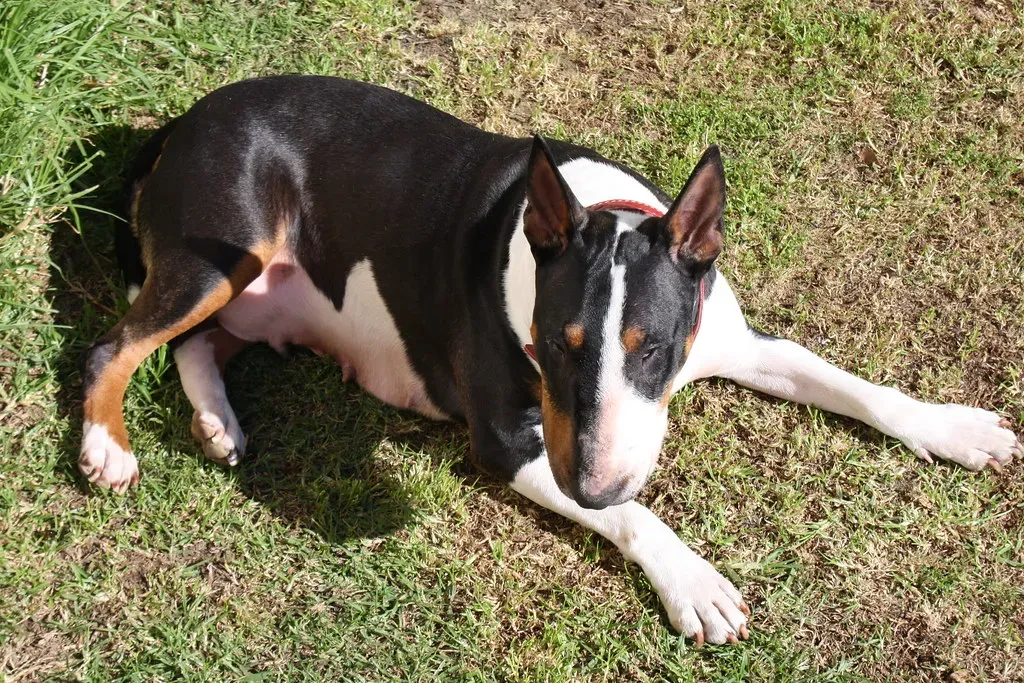
Sometimes your dog just needs a little extra love, and that’s perfectly okay. If your pup has been itchy, dull-coated, or their skin seems dry and flaky, a few natural additions to their routine can make a noticeable difference. Oatmeal baths are an affordable way to give your dog a relaxing and itch soothing treatment. For dogs with allergies especially, this is a useful way to help them feel better and dull the aching in their skin. Oatmeal baths are excellent for maintaining a beautiful sheen to your dog’s coat.
Omega-3s in the form of fish oil or sardines in water can give calmer skin and more sheen. Always dose with your vet’s guidance. It’s not about overloading your dog with supplements – it’s about the right ones, in the right amounts, at the right time.
The effect of these fatty acids won’t take place immediately – it should take around 6 weeks for your dog’s skin and coat to be healthier. Make sure to give your dog Omega-3 fatty acid supplements in moderation because too much could give them an upset stomach. Patience is part of the process here. Give it time before expecting miracles.
Know When to Call in a Professional Groomer
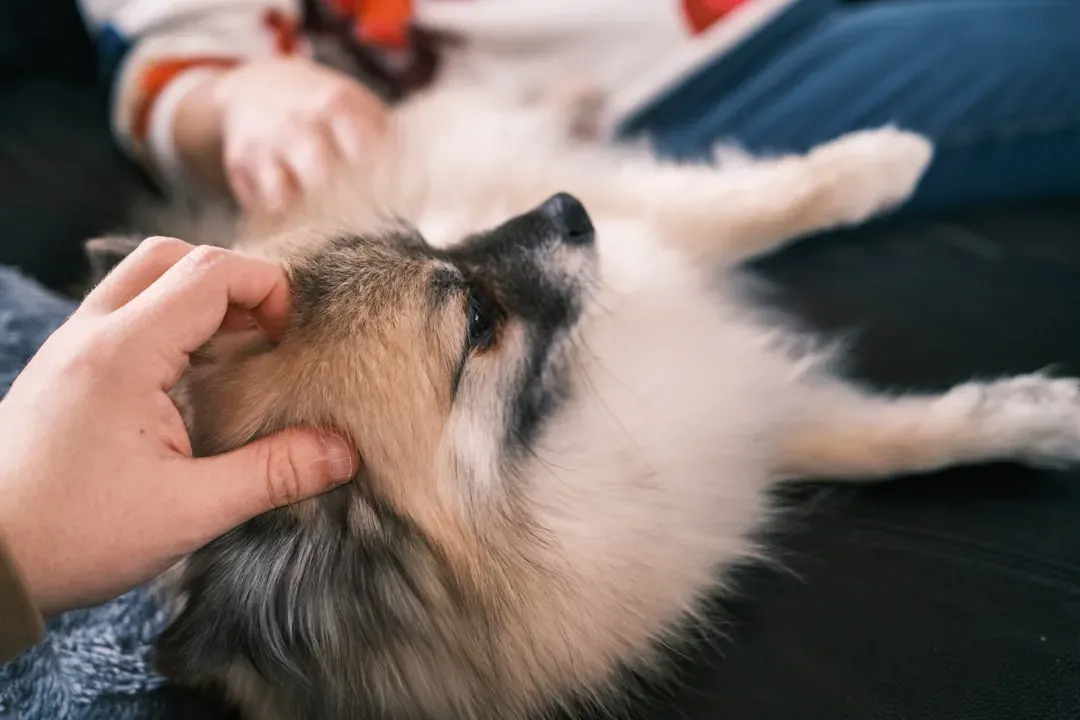
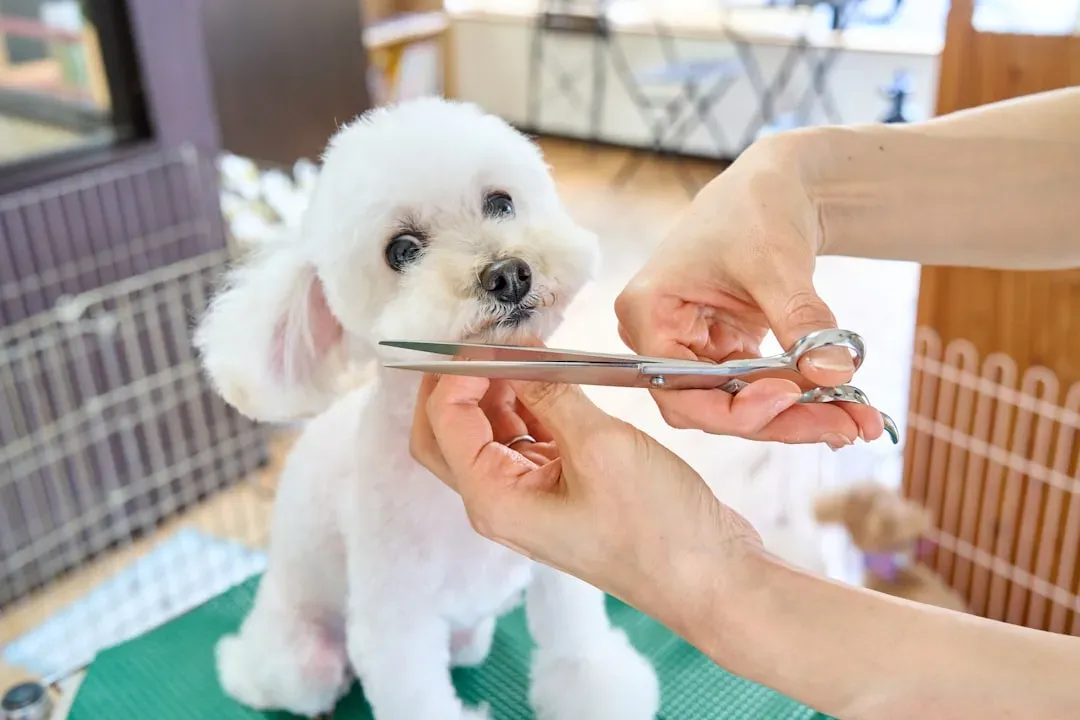
There’s no shame in asking for help. I think a lot of dog parents feel like they should be able to handle everything at home, but the truth is, professional groomers bring skills and tools that simply can’t be replicated with a brush and a kitchen sink. If your dog has a thick or curly coat, sensitive skin, or behavioral issues around grooming, a professional groomer can be a safer and more effective choice. They’re trained to manage stress in dogs and spot subtle signs of health problems during the grooming process.
The ideal grooming routine includes both at-home maintenance and regular visits to a professional. Brushing your dog at home and supplementing with professional dog grooming every 4 to 8 weeks keeps their coat and skin in excellent condition. It’s a team effort – you hold down the regular maintenance, and the pros handle the deep work.
The general condition of your dog’s skin and coat are good indicators of their health. Although health and nutrition influence the luster and texture of your pet’s coat from the inside, regular grooming and skin care on the outside will help keep your dog’s coat clean and free of tangles, no matter what type of hair coat they have. A professional pair of eyes on your dog’s coat every few weeks can catch things you might easily miss at home.
Conclusion: A Shiny Coat Is a Happy Dog in Disguise
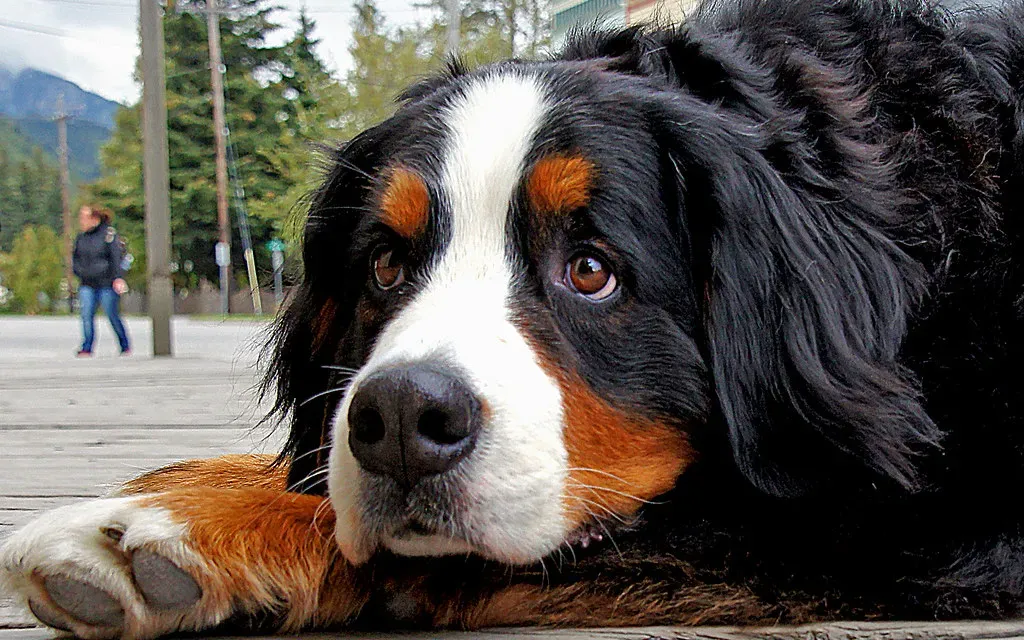
Here’s the beautiful truth – caring for your dog’s coat isn’t just about making them look Instagram-worthy. It’s about genuinely understanding what their fur is telling you. A glossy, smooth, healthy coat means your dog is well-nourished, comfortable, and thriving. A dull, itchy, matted coat is a signal that something needs attention.
Contact your veterinarian if you notice ongoing dullness, redness or odor, increased shedding, hair loss, itching, ear or skin irritation, or changes in weight or energy. These signs may indicate an underlying issue such as allergies, parasites, thyroid problems, or infection. Never brush off the warning signs – your dog can’t tell you something’s wrong in words, but their coat absolutely can.
Start with one or two of these tips today. Build a rhythm. Make grooming a positive, bonding experience between you and your pup. Because at the end of the day, just as humans feel better after a good shower or haircut, dogs also benefit emotionally from grooming. Dogs thrive on routine, and grooming can be a calming, predictable experience if introduced gently and consistently. The act of grooming also strengthens the bond between pet and owner, giving dogs a sense of security and trust. That’s something no product on the shelf can replace. So, which tip are you trying first with your pup?


