
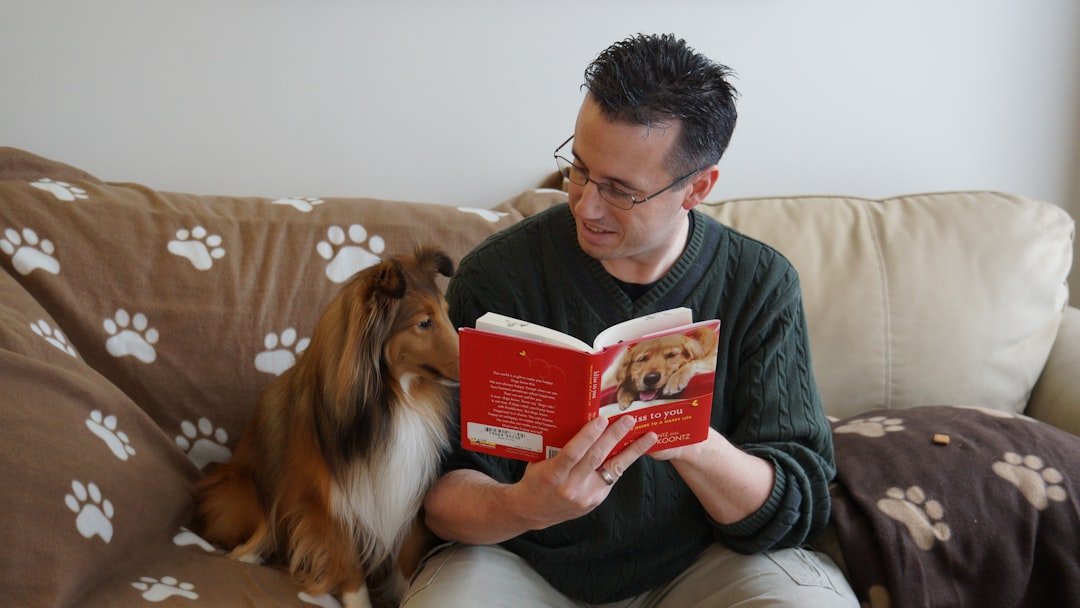
There’s a moment every dog owner knows. You’re sitting quietly, maybe reading or sipping coffee, and your dog wanders over, lays their head in your lap, and lets out the softest sigh. That moment isn’t accidental. It’s earned. It’s the result of dozens of small, consistent actions that whisper to your dog, day after day: “You are safe with me.”
Trust between a human and a dog is one of the most remarkable bonds in the natural world. Research shows that dog-human relationships combine the qualities of a best friendship and a parent-child bond, making them more supportive and positive than most human-to-human relationships. Honestly, that’s both beautiful and a little humbling. It means your dog is investing something deeply emotional in you. So what are you giving back?
The good news is, you don’t need expensive classes or hours of training drills. The trust is built right there in the everyday moments. Let’s dive in.
1. Stick to a Routine That Your Dog Can Count On
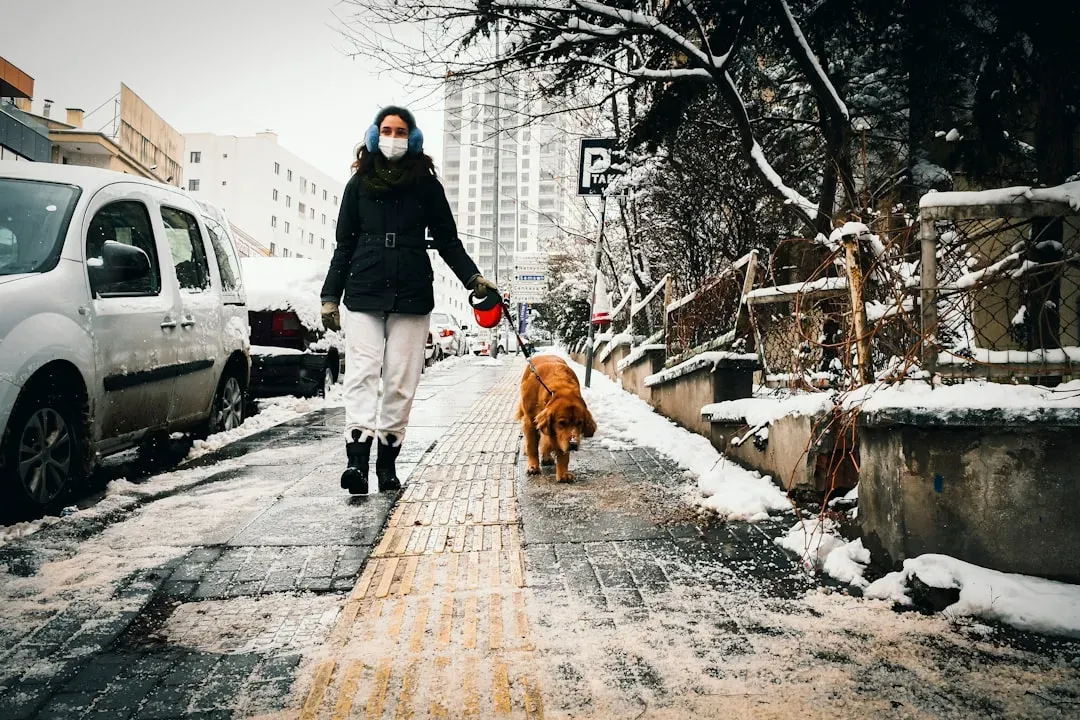
Think about how reassuring it feels to know exactly what’s coming next. Dogs feel that too, maybe even more intensely. Dogs thrive on routine, and predictable mealtimes, walks, play, and rest help them feel safe and secure, especially when they’re new to a home. When your dog can predict your behavior, they stop spending mental energy on anxiety and start spending it on joy.
You can establish a routine by doing everyday activities at a similar time each day, including feeding, grooming, walking, exercising, and playing within the same time frame. One practical tip though: avoid being too rigid, as your dog may become anxious if the schedule is off by even five or ten minutes. Aim for predictable, not robotic.
When your pup feels they can count on you to follow through with their routine, it becomes easier for them to trust you, and a consistent schedule also reduces anxiety and can make training simpler. It’s like being that reliable friend who always shows up when they say they will. Your dog notices. Every single time.
2. Learn to Read What Your Dog Is Actually Saying
Here’s something that might surprise you. Dogs communicate through a complex system of physical signals that most owners misinterpret daily, and studies suggest that the vast majority of dog owners incorrectly read their pet’s emotional state, which leads to unnecessary stress and behavioral problems. That’s a lot of miscommunication going on in homes that are otherwise full of love.
You can bridge this gap by understanding your dog’s body language, vocalizations, and reactions to different situations, since dogs are quite expressive and understanding what they display when comfortable, stressed, anxious, or excited helps you master canine communication. For example, a wagging tail doesn’t always mean happiness, as the position and speed of the wag can indicate different emotions, with a high, stiff wag possibly signaling alertness or agitation, while a relaxed, low wag typically shows contentment.
Research has evidenced that dogs learn to use emotional cues from humans to guide their own behavior, and these intelligent animals look to their companions to learn more about the world around them. When you learn their language in return, you’re telling them something powerful: “I see you.” That is trust, right there.
3. Use Positive Reinforcement Every Single Day
This tag does not indicate the copyright status of the attached work. A normal copyright tag is still required. See Commons:Licensing.
العربية ∙ বাংলা ∙
Bahaso Jambi ∙
Deutsch ∙ Deutsch (Sie-Form) ∙ English ∙ español ∙ euskara ∙ فارسی ∙ français ∙ italiano ∙ 日本語 ∙ 한국어 ∙ македонски ∙ മലയാളം ∙ Plattdüütsch ∙ Nederlands ∙ polski ∙ پښتو ∙ português ∙ русский ∙ slovenščina ∙ svenska ∙ Türkçe ∙ українська ∙ 简体中文 ∙ 繁體中文 ∙ +/−, Public domain)
Let’s be real. So many of us were raised around the idea that you correct a dog when they do something wrong. Scold the behavior, problem solved. But the science tells a very different story. Training using positive reinforcement is not only effective but it’s a relationship builder, because rewarding good behavior with treats, praise, or playtime reinforces your bond and creates a safe space for learning, while punishment-based methods can damage trust and create confusion or fear.
Research points to what’s known as the 5:1 ratio as essential for strong relationships, meaning dogs need roughly five positive interactions for every correction to maintain trust and enthusiasm. Think about what that looks like in practice. Five moments of warmth, encouragement, and reward for every one redirection. That’s not permissiveness. That’s smart communication.
One thing many owners forget is to reward their dog for just naturally behaving properly. Did your dog stay calm when the neighbor’s cat walked past the window? Reward that. Did they settle quietly while you were on a work call? Reward that too. Dogs trained this way exhibit lower stress levels, better long-term retention of behaviors, and stronger, more trusting bonds with their owners, and they approach training sessions eagerly, viewing them as opportunities rather than threats.
4. Give Them a Safe Space That Is Truly Theirs
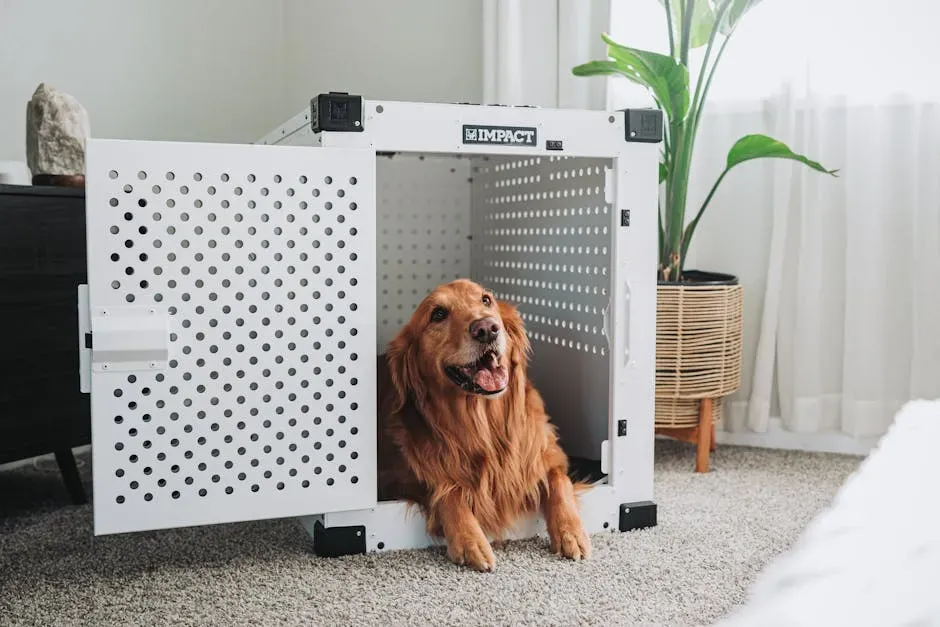
Every dog needs somewhere they can go and simply exhale. Not a corner you wave them toward when guests arrive, but a genuine refuge they associate with peace and comfort. Providing your dog with a safe space such as a crate, pen, or quiet corner where they can chill out and not be disturbed is important, and this space should feel like their bedroom: cozy and quiet. It sounds simple. It changes everything.
Think of it this way. If you had a stressful day and came home to a house with no quiet room, no soft light, nowhere to just be, how would that feel? Dogs carry emotional weight too. Whilst encouraging your hesitant dog with treats and affection can help build trust, forcing them to stay in a situation they are struggling to get away from will have a significant negative impact on their trust.
Watch the body language cues when your dog retreats to their safe space: a lowered head, tucked tail, or wide eyes all signal that they need decompression time. Respecting that boundary, without calling them back or following them, tells your dog that their feelings are valid. That respect is a foundation stone of real trust.
5. Be a Steady, Calm Presence (Especially During Stress)
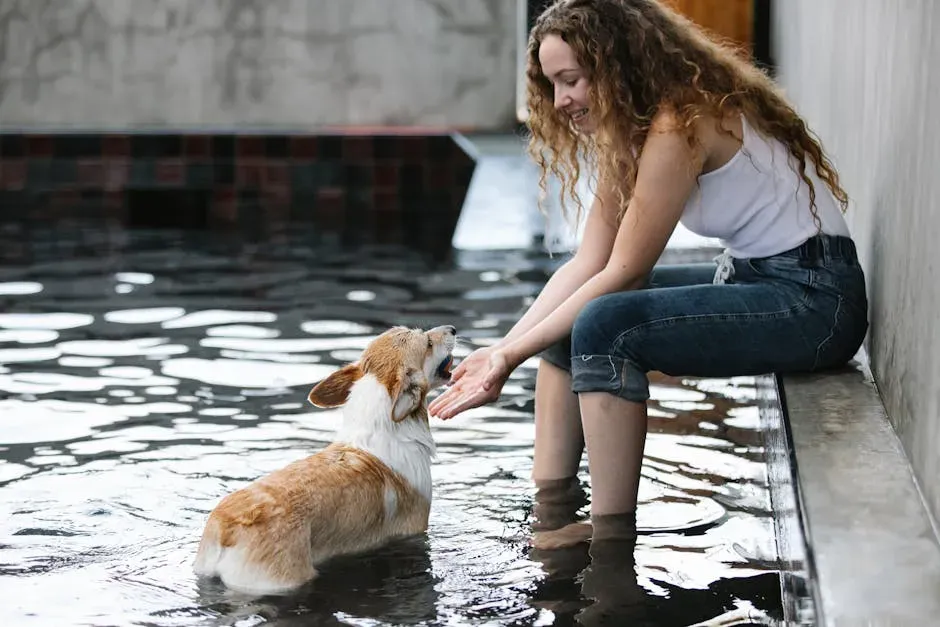
When a dog finds itself in an unfamiliar situation, it will often look to its owner for comfort and trust them to provide moral support, which is particularly evident in new environments where dogs look to humans to learn about their surroundings. You are, quite literally, your dog’s emotional compass. The way you respond to the scary vacuum cleaner, the loud thunderstorm, or the unfamiliar visitor shapes how your dog learns to cope with the world.
According to animal behavior specialists, repetition, calmness, and patience are the key ingredients to getting a dog to trust you. A calm voice during a thunderstorm, a relaxed posture when another dog approaches on the leash, a gentle hand when they’re at the vet. These aren’t small things. To your dog, they are enormous.
It’s your job to protect your dog and keep them safe, and your dog will trust you more if you don’t place them in stressful situations where they feel threatened, such as placing yourself between an approaching dog and your pup to help them feel protected. Being their steady anchor in the storm isn’t just sweet. It’s exactly what unconditional trust looks like in action.
6. Touch With Intention and Respect Their Boundaries
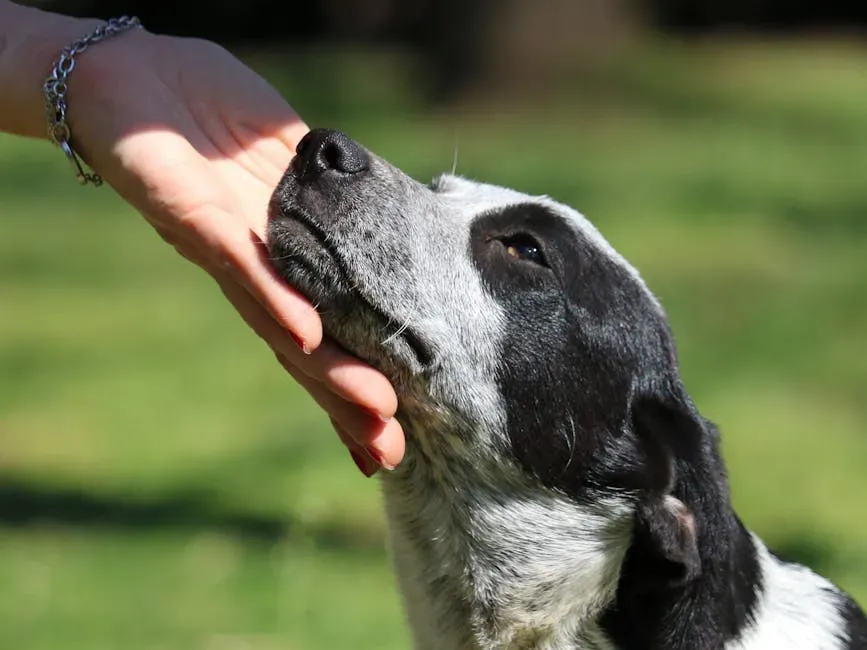
Touch is one of the most direct trust-building tools you have. Regular brushing, gentle petting, or massage not only keeps your dog healthy but reinforces your bond, and touch builds trust and comfort, especially when paired with positive experiences, so take time to learn how your dog likes to be handled, since some love belly rubs while others prefer ear scratches or just being near you.
One of the most vulnerable parts of a dog’s body is the belly, so when a dog feels comfortable enough to roll onto their back in your presence, it’s a strong sign that they trust you enough to voluntarily take that exposing position. Notice these invitations and honor them with gentle, unhurried attention. That’s your dog extending a hand in friendship.
Practicing cooperative care and touching your dog from a young age sets you up for success in the future, including vet appointments, grooming, or emergencies. It’s worth spending five minutes a day running your hands gently along your dog’s paws, ears, and mouth, making it a calm and treat-paired experience. When the vet needs to examine those same areas, your dog won’t panic. They’ll look at you and trust that it’s going to be okay.
7. Spend Quality Time Together, Not Just Time
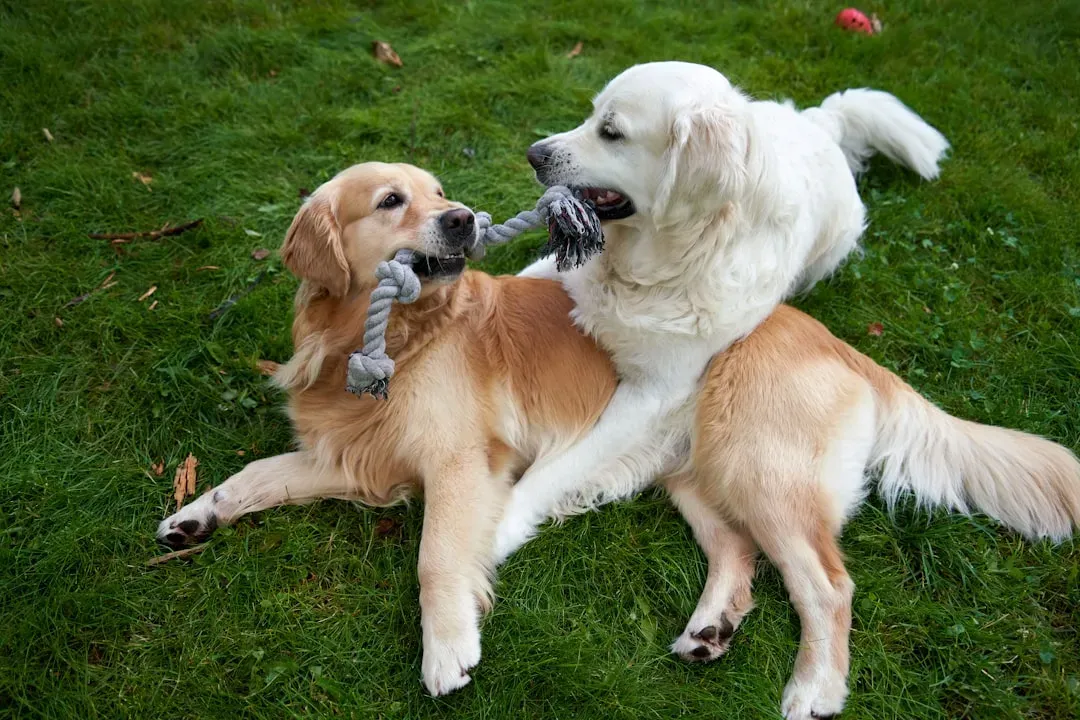
There’s a difference between being in the same room as your dog and actually being present with them. The more time you spend with your dog, the more opportunities you have to build trust and develop a mutual understanding, and spending time exercising, playing games, training, and just hanging out and relaxing deepens the bond meaningfully. Think of it like any important relationship: passive coexistence doesn’t build closeness. Shared experience does.
The so-called 90-10 rule suggests that roughly ninety percent of your connection with your dog comes from unofficial interactions, like how you act during playtime, strolls, feeding time, and rest, with only about ten percent coming from formal training time. That framing genuinely shifted things for me. Every morning walk, every snuggle on the couch, every silly game of hide and seek in the backyard. It all counts. It’s all building something.
Training provides a unique opportunity to create a shared language that helps you connect with your dog on a deeper level, and research shows that domesticated dogs look to humans for guidance and problem-solving in ways their wild counterparts do not. That’s a responsibility, sure. However, it’s also an extraordinary privilege. Your dog chose you as their world. Showing up for them fully is the most natural response.
The Bond You Build Is the Life They Live
Uploaded by palnatoke, CC BY-SA 2.0)
Every one of these seven actions is achingly ordinary. A consistent walk time. A calm voice. A well-placed treat. A safe corner. Yet together, they build something extraordinary. Building and maintaining your dog’s trust is one of the most fulfilling aspects of dog ownership, and every wagging tail, gentle nuzzle, and trusting gaze confirms that your pup has placed their faith in you through recognizing subtle signs and practicing quality time, positive reinforcement, and understanding their unique communication style.
Despite being incredibly faithful animals, a dog’s trust is never guaranteed forever, and while dogs are capable of demonstrating unconditional love and loyalty, this relationship is based on mutual respect between dogs and their human companions. That feels important to say. Trust isn’t a status you earn once. It’s something you choose to nurture, again and again, in the small quiet moments of every single day.
Your dog is watching you right now, perhaps more carefully than you realize. Not to judge you. But to learn if you’re someone worth trusting completely. The beautiful thing? With a little intention and a lot of love, the answer will always be yes. So, which of these seven actions are you going to start practicing today? We’d love to hear in the comments.


