

You know that moment when your dog gives you that look? The one where they seem just a little bit… off? Maybe they turn their head away, or their tail drops low, or they suddenly find the floor incredibly interesting. We brush it off, thinking they’re just being quirky. Honestly, though, your dog might be trying to tell you something important.
Here’s the thing. Dogs are masters of patience. They put up with so much of our human nonsense without ever saying a word. Yet every day, without even realizing it, we might be doing things that genuinely get under their fur. These aren’t dramatic moments or obvious mistakes. They’re small, everyday habits that slowly chip away at our dogs’ comfort and trust.
Let me walk you through seven of these sneaky annoyances. Some might surprise you. Others might make you cringe a little when you realize you’ve been doing them all along. The good news? Once you know what they are, they’re incredibly easy to fix. So let’s dive in.
1. Hugging Them Too Tight
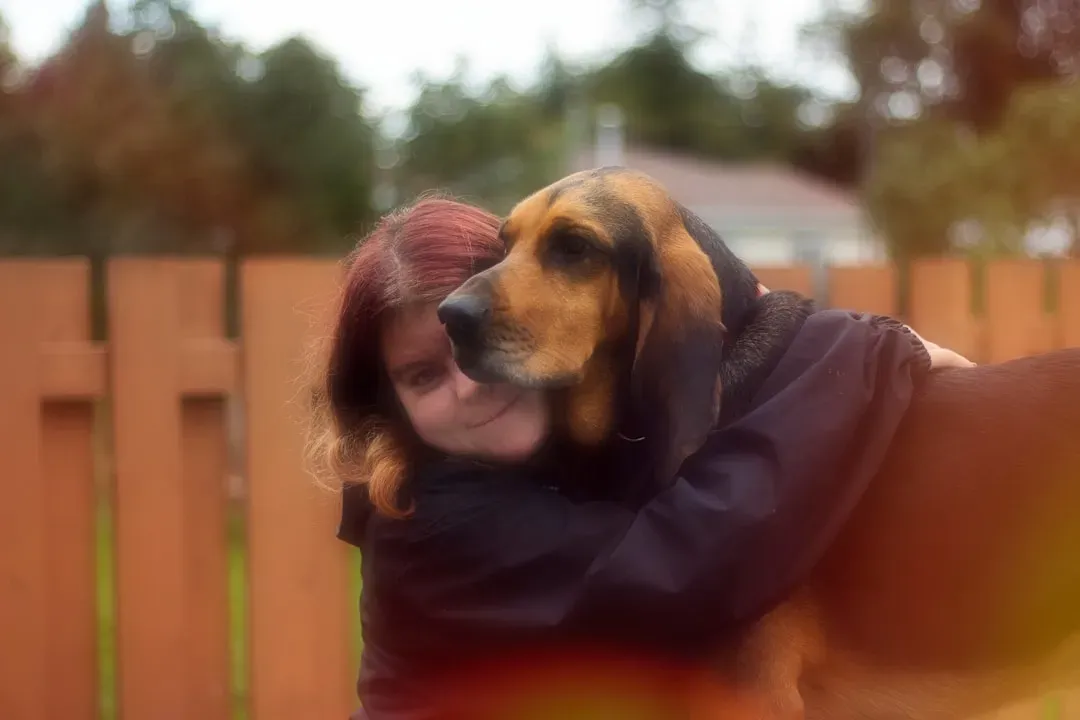
Many dogs get annoyed at tight hugging, especially from strangers or children, because canines have no history of grasping each other to show affection. Think about it from their perspective. When one dog places weight on another, it’s usually about dominance or control, not love.
Many dogs dislike a tight embrace because hugs are a form of restraint, preventing them from running away or escaping. Your arms wrapped around them can feel threatening, especially if they’re already feeling a bit anxious. Watch for subtle signs like ears pinned back, a stiff body, or their head turning away when you lean in for that squeeze.
The solution is simpler than you might think. Try gentle petting instead, particularly on their chest or the side of their body. Let them come to you for affection rather than trapping them in an embrace. If your dog leans into you or relaxes under your touch, that’s their way of saying they’re enjoying it.
2. Staring Directly Into Their Eyes
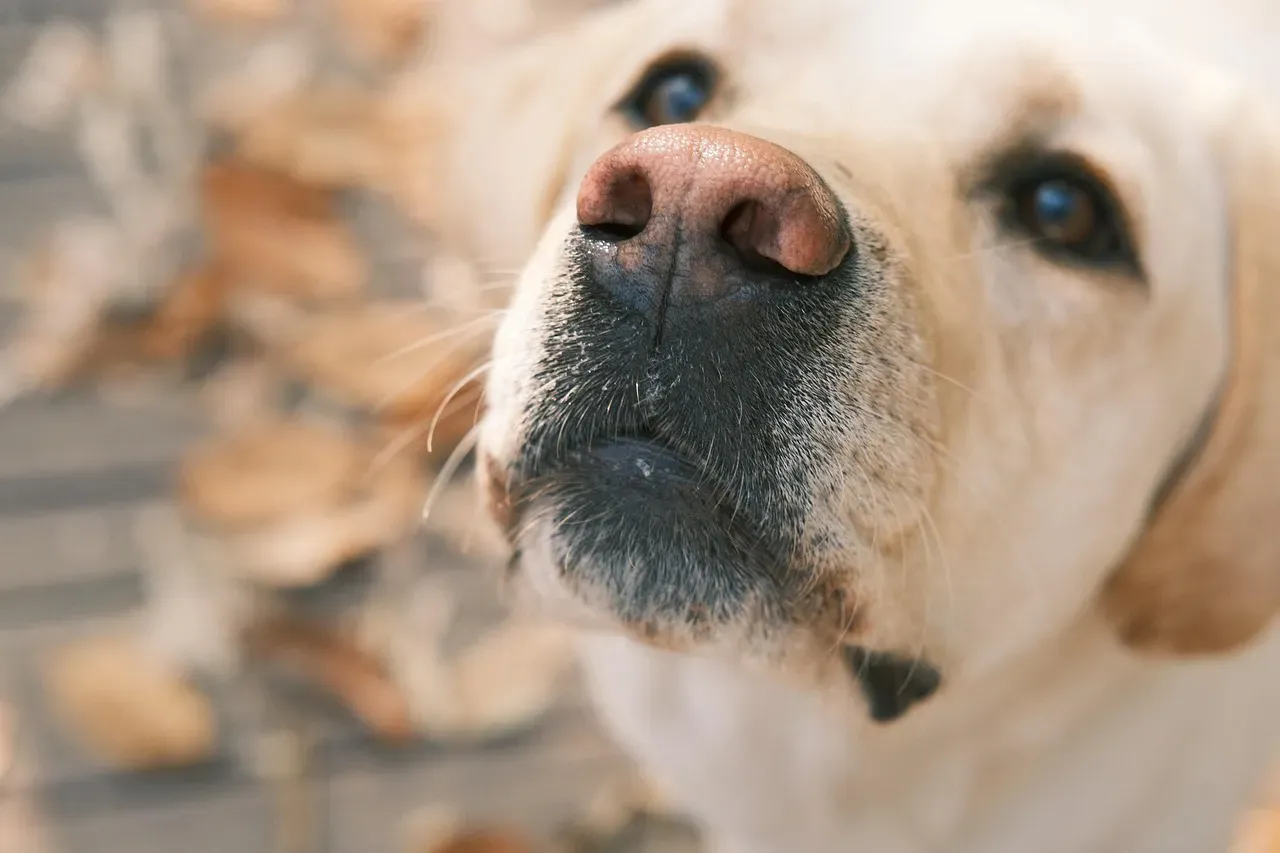
To a dog, stares often translate to challenge, much like when a dog fixates on a squirrel. That intense eye contact we humans use to show love and connection? Dogs read it completely differently. Prolonged staring can make them uncomfortable, worried, or even defensive.
Dogs find prolonged gazing uncomfortable, and staring into a dog’s eyes is considered a threatening behavior seen as a challenge. It’s hard to say for sure, but even your own dog might not love that lingering gaze you think is affectionate. With unfamiliar dogs, it’s definitely interpreted as confrontation.
Instead of locking eyes with your pup, try softer glances. Look at them for a few seconds, then break off and look away. This tells them you’re calm and non-threatening. Save those long gazes for photos, not daily interactions.
3. Yelling When They Misbehave
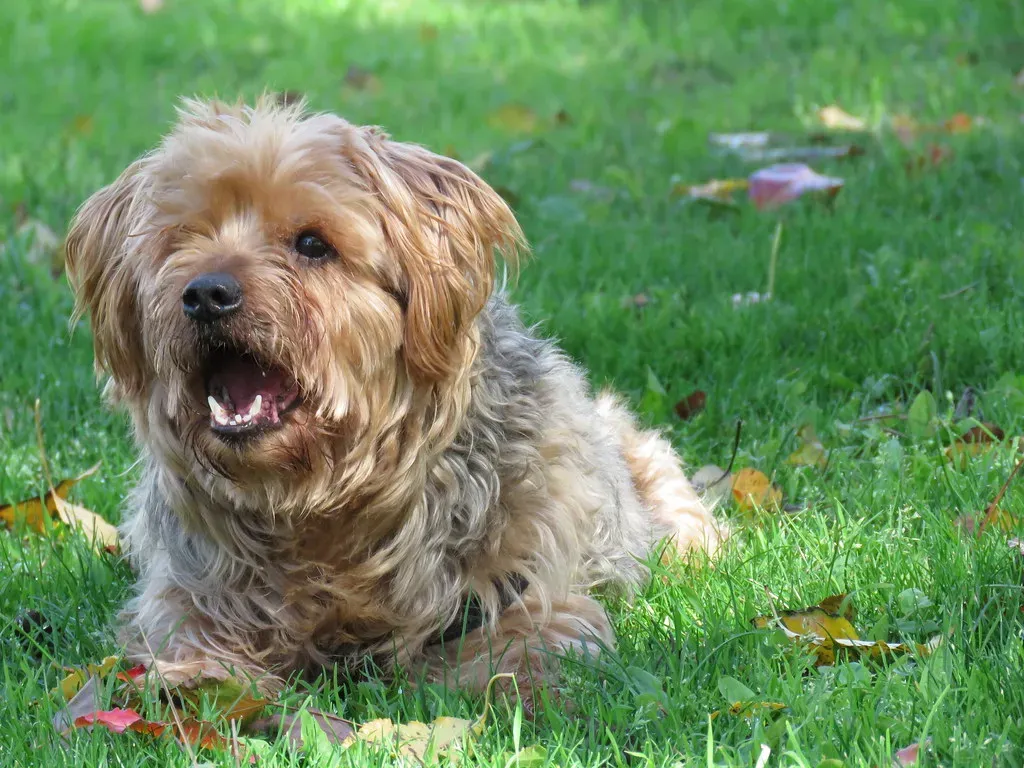
Here’s a reality check. To a dog, yelling is the human equivalent of barking, and they know you’re riled up about something, but they have no idea why. They can’t decode your words the way we’d like to think. All they pick up on is your angry tone and agitated energy.
Yelling is interpreted by your dog as angry barking, which to her means trouble, and as a training technique, it works poorly to shut down bad behaviors. It actually scares and confuses them, making the situation worse rather than better. Your dog might cower or act out even more because they’re stressed, not because they suddenly understand what they did wrong.
The better approach? Keep your voice calm and adjust your tone instead of your volume. A deeper tone can signal you want their attention. A lighter, upbeat tone means praise or playtime. Keep your volume steady and adjust the tone of your voice to communicate more effectively with your furry friend.
4. Skipping Their Sniff Time on Walks

From your perspective, walking your dog might be about providing physical exercise and potty breaks, but that’s not how your dog sees it, and that attitude can ruin your dog’s walks. For dogs, walks are so much more than just physical movement. They’re sensory adventures, social updates, and mental workouts all rolled into one.
Walks should be a chance for mental stimulation, socialization, and a good sniff session, so don’t ask your dog to heel past every fire hydrant and tree trunk. When you constantly pull them along and rush through the route, you’re basically scrolling past every interesting post on their social media feed. That’s frustrating for them.
Slow down. Give your dog time to smell, explore, and process their environment. Let them linger at that tree or fire hydrant for a bit. You’ll notice they’re calmer and more satisfied after walks when they’ve had the chance to truly engage with their world.
5. Bothering Them While They Eat
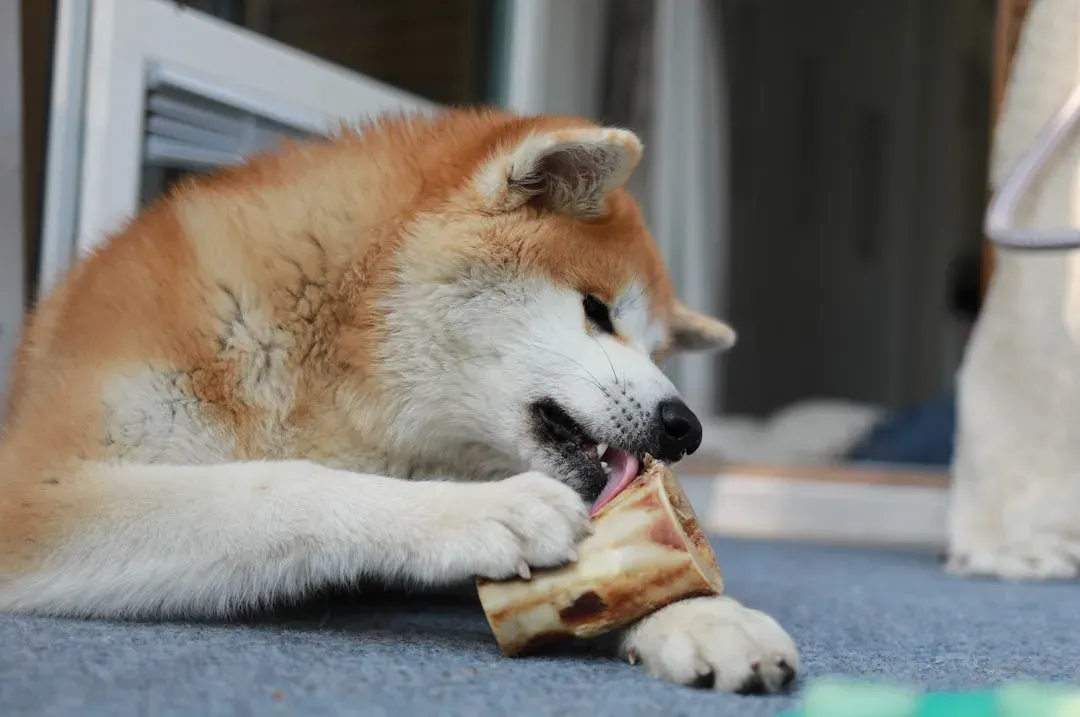
Dogs only eat a couple times per day, and for many, this is a sacred moment, so avoid petting, prodding, or playing with them until they’ve finished. Mealtime is serious business for dogs, and interrupting it can trigger stress and even defensive behavior.
Behaviors like taking food away or petting during meals can trigger an immediate response of displeasure, and some dogs can then become very defensive of their food or toys. You might think you’re being affectionate or testing their temperament, but what you’re really doing is creating anxiety around something that should be enjoyable and stress free.
Let your dog eat in peace. Put their bowl down and walk away. If you need to build trust around food, work with a professional trainer using positive methods. Never take food away once it’s been given, and definitely don’t hover over them while they’re trying to enjoy their meal.
6. Having No Predictable Routine
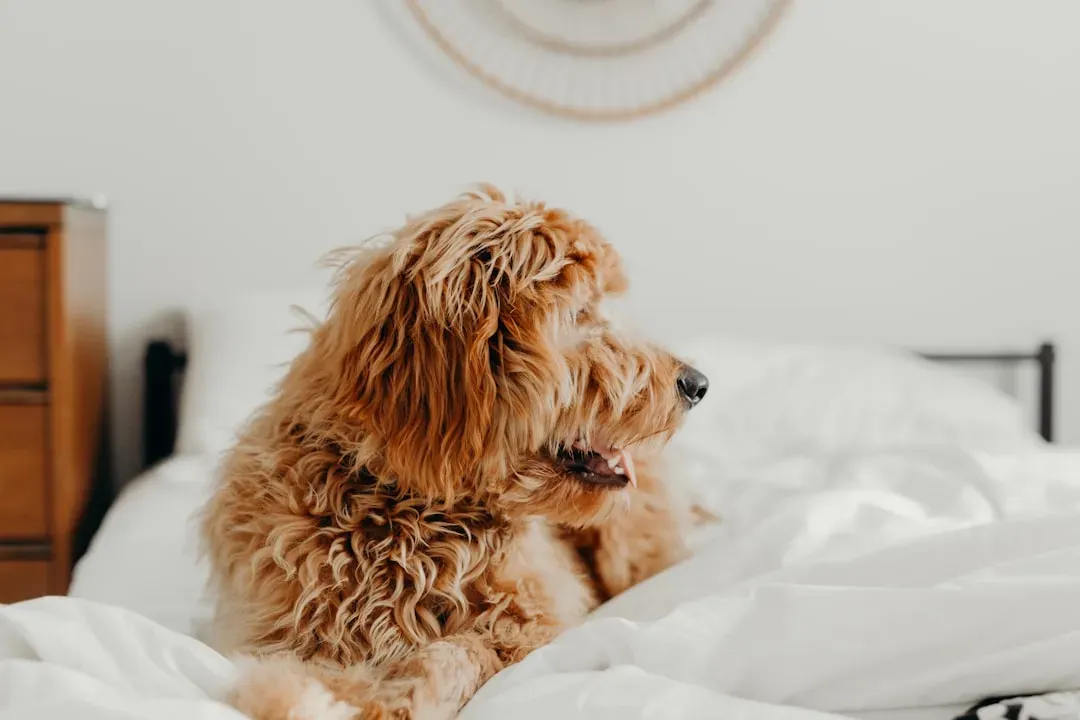
Dogs find routines comforting, and knowing what to expect, such as when you’ll be coming home or when their dinner will arrive, eases their stress. When life feels random and chaotic for them, anxiety creeps in. They don’t know when they’ll eat, when they’ll go outside, or when you’ll be home.
Dogs are creatures of habit who find comfort in having a routine to look forward to, and feeding them at inconsistent intervals without predictable potty breaks can make them not only annoyed, but stressed and anxious. Imagine never knowing when your next meal would arrive or when you’d get a bathroom break. That’s their reality without structure.
Create a consistent schedule for feeding, walks, playtime, and bedtime. It doesn’t have to be rigid down to the minute, but general patterns help immensely. Your dog will feel more secure, and you’ll likely see fewer problem behaviors as a result.
7. Leaving Them Alone For Too Long
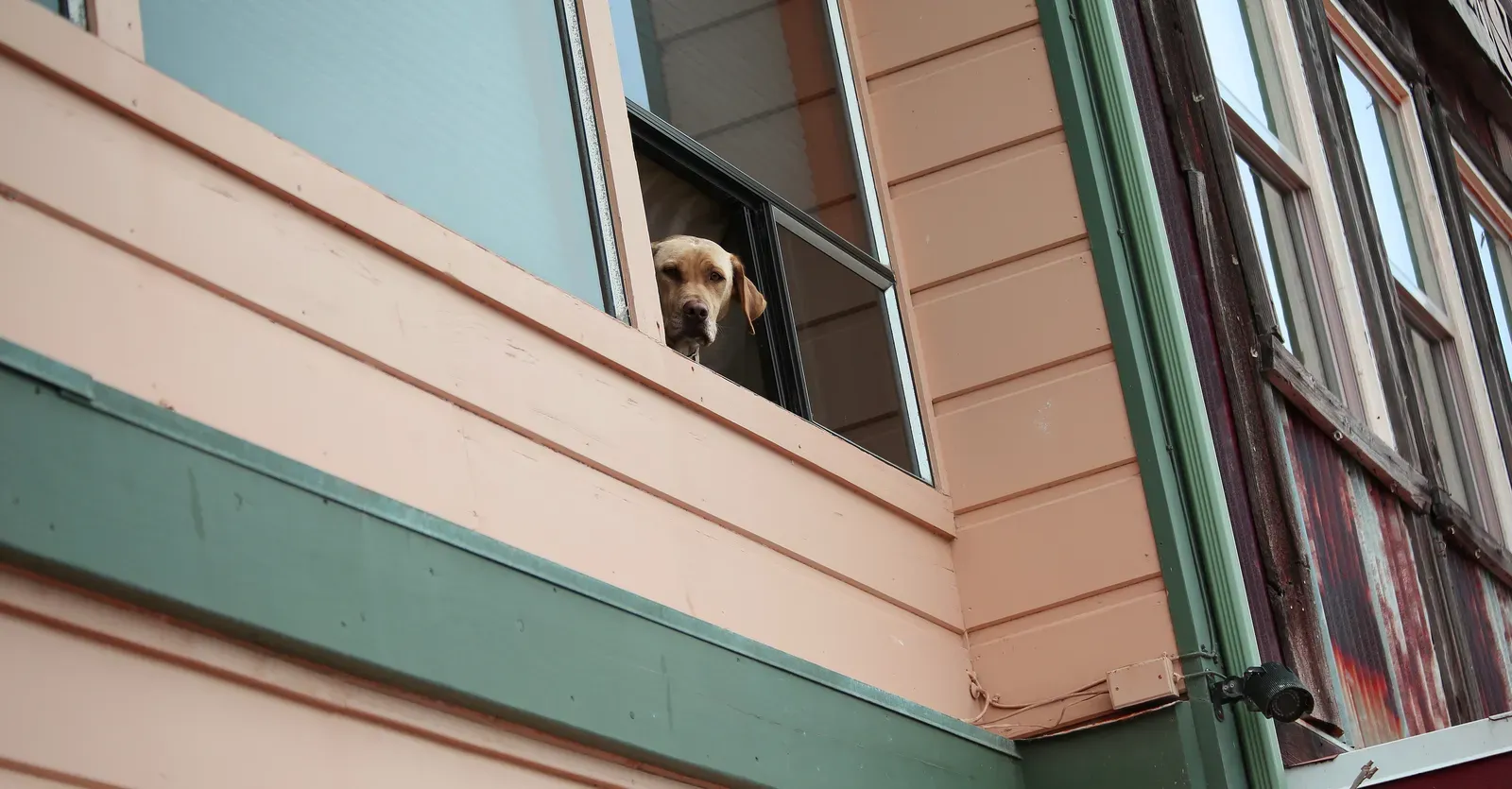
Dogs are highly social and require human company to thrive, and if you leave them alone, it definitely disappoints them. They’re pack animals at heart. Being isolated for long stretches isn’t just boring for them, it’s genuinely distressing.
Dogs are social animals and you and your family members comprise your dog’s pack, and dogs left alone in a home or yard for ten or more hours each day can develop a myriad of behavioral and psychological issues. Separation anxiety, excessive barking, destructive behavior, and even house training regression can all stem from too much alone time.
If you work long hours, consider hiring a dog walker, using doggy daycare, or asking a neighbor to check in. Break up those long stretches of solitude. Even a quick midday visit can make a world of difference in your dog’s emotional well being and behavior.
Conclusion

The beautiful thing about dogs is their willingness to forgive and adapt. Even if you’ve been unknowingly annoying your pup for years, it’s never too late to change. It’s more than worth the effort to bring peacefulness back into your pet’s life, and responsible dog owners take the time to work out what’s bothering their pup and do everything they can to reduce their dog’s exposure to that trigger.
Start paying attention to those subtle signals your dog gives you. The turned head, the tucked tail, the yawn that has nothing to do with being tired. They’re all part of your dog’s language, and learning to understand it strengthens your bond in ways you might not expect. What small change will you make today to show your dog you’re listening?


