

You might think your home is a safe haven for your furry friend, but lurking in every corner are ordinary sounds that could be triggering silent panic attacks. While we barely register these everyday noises, our dogs experience them through an entirely different auditory lens. Their hearing is incredibly sharp, capable of detecting frequencies far beyond what our human ears can perceive, which means that hum from the microwave or beep from the smoke detector might be an unbearable assault on their senses.
Let’s be real, many of us have laughed when our dogs bolt from the room as the vacuum roars to life or bark frantically at the doorbell. Yet these reactions often mask genuine fear and distress. Research shows that nearly half of all dogs suffer from some form of noise sensitivity, and we’re frequently missing the subtle signs of their anxiety. Here’s what you need to know about the sounds that might be secretly terrorizing your pup every single day.
The Roaring Monster: Your Vacuum Cleaner
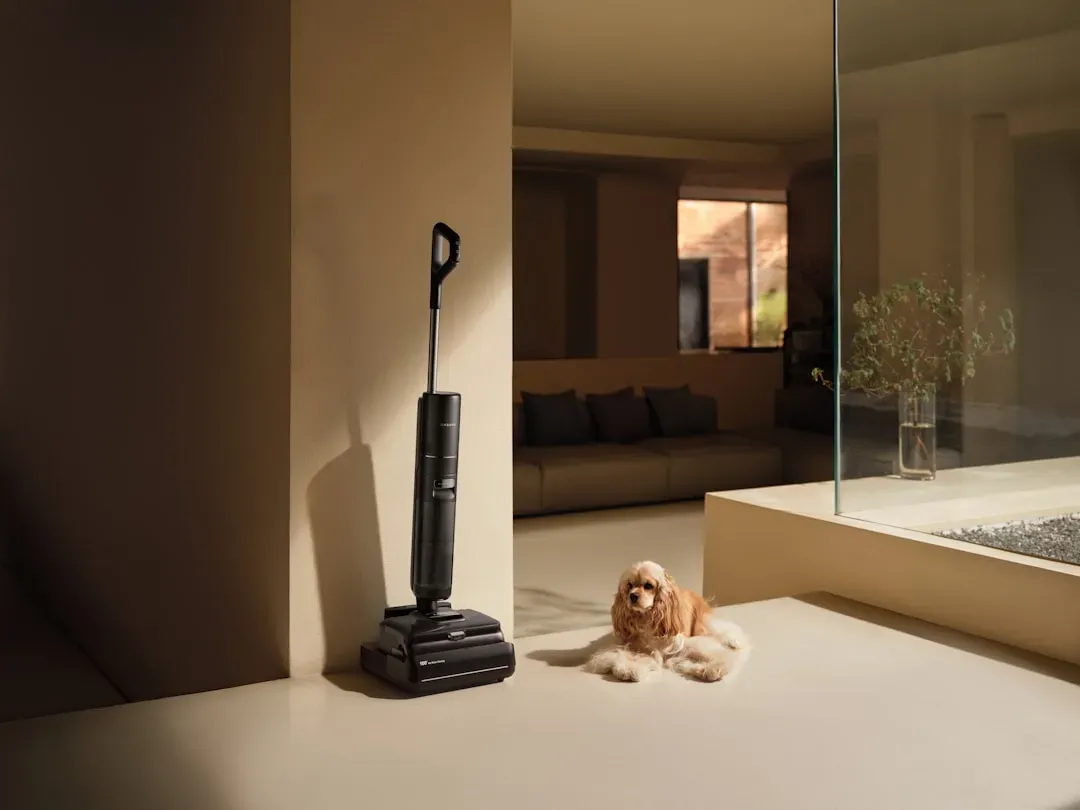
Vacuums can register around 75 decibels, and considering dogs can hear frequencies up to 45,000 Hz compared to our 20,000 Hz, what seems merely annoying to us is quite loud from a canine perspective. Think about it. From your dog’s point of view, this machine suddenly emerges from a closet, roars across the floor like a predator, and invades their territory without warning.
Without understanding their purpose, vacuums can seem to be little more than large, noisy predators to our dogs, and a single scary run-in can set the stage for a lifetime of fear. Just like with thunderstorms, many dogs’ fear of vacuums stems from the loud, high-frequency noises the machine makes. Over time, even the mere sight of the vacuum sitting in the corner can trigger anxiety, with dogs beginning to associate the object itself with the terrifying sound they remember.
That Innocent Ding-Dong: The Doorbell
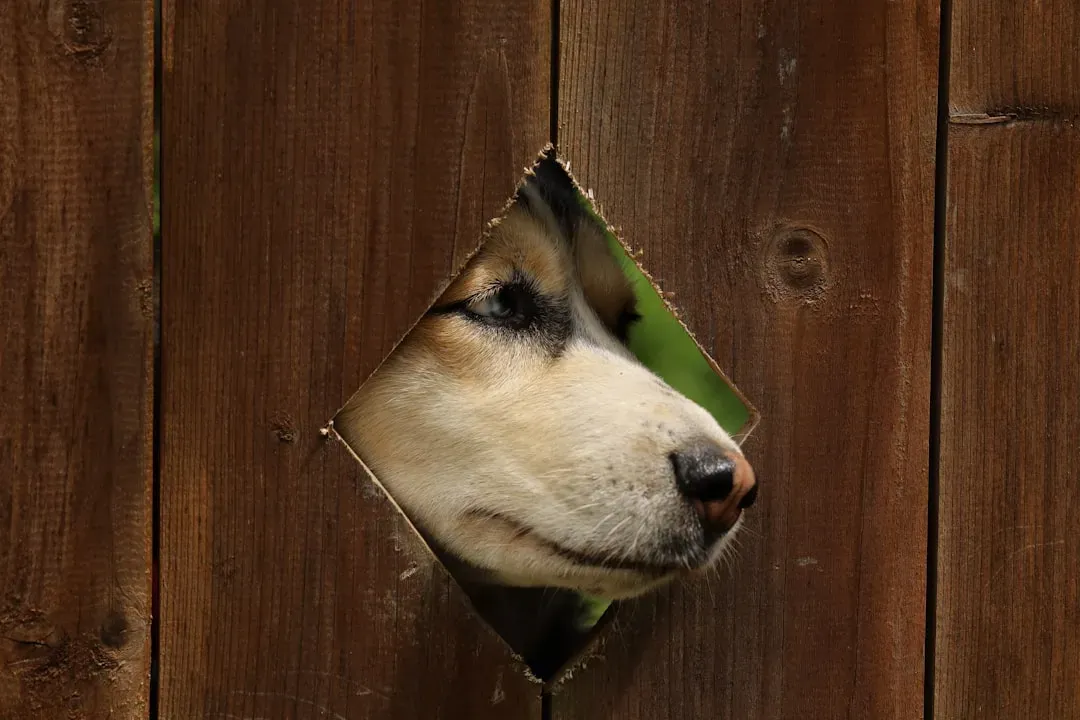
For dogs, the stress can be tenfold, so that friendly little chime might as well be a voice shouting “INTRUDER ALERT!” around the house. Dogs are simply startled by loud noises and the doorbells are designed in a way so that you can hear them over the noise of your household. What we perceive as a pleasant notification becomes an alarm signaling potential danger to our territorial companions.
The ding dong or knock at the door can trigger a nervous system response in dogs, as they may associate the sound with excitement or unpredictability. Many dogs never quite know what’s coming through that door, whether it’s a friendly visitor, a delivery person who quickly disappears, or someone entirely new. This constant uncertainty transforms a simple chime into a source of ongoing stress, especially for dogs who take their guard duty seriously.
The Piercing Beep: Smoke Detector Low Battery Warning
Intense signs of fear, such as trembling, were significantly more likely to be seen in the presence of sounds characterized as high frequency intermittent, such as smoke detector beeps. Interestingly, a low-battery warning chirp of a smoke detector was found to be the reason for stress behaviors lasting several days in a dog. That tiny chirp that happens once every few minutes? It can drive a sensitive dog to absolute distraction.
Fire alarms and smoke detectors make a high-pitched sound that some dogs find terrifying, as they cower and shake, thinking the worlds about to end, and they can’t put their hands over their ears to block out the offensive sound but are forced to endure the ear-splitting tones. Honestly, the unpredictability makes it worse. Your dog can’t anticipate when the next chirp will sound, creating a state of constant vigilance and anxiety that can persist for days until you finally change those batteries.
The Kitchen Symphony: Microwave Beeps and Appliance Alerts

Even common noises, such as a vacuum or microwave, can be a trigger, and researchers discovered high frequency beeping and low frequency continuous sounds such as alarm clocks, plumbing, smoke detectors, cell phone noises, washing machines, dishwashers, vacuum cleaners, and fans can stress dogs out. That quick succession of beeps when your food is ready might seem harmless, but to your dog’s sensitive ears, it’s a jarring interruption to their peaceful environment.
We’ve become so accustomed to these electronic alerts that we barely notice them anymore. Yet our dogs lack the context to understand why these sounds occur. They can’t rationalize that the microwave beeping simply means dinner is ready. Instead, each high-pitched alert becomes another source of confusion and potential alarm, especially when these sounds happen multiple times throughout the day without any discernible pattern your dog can predict.
The Rumbling Chaos: Washing Machines and Dryers

Low frequency continuous sounds such as washing machines, dishwashers, vacuum cleaners, and fans can stress dogs out, and even noises with lower frequencies like the tumbling of a clothes dryer stress a number of dogs. These appliances create a unique combination of vibrations, mechanical sounds, and unpredictable thumping that can set certain dogs on edge. The spinning cycle builds in intensity, creating an escalating sensory experience.
Some dogs find the vibrations traveling through the floor particularly unsettling, as they can feel the machine’s movements throughout the house. When you add the occasional loud bang of an unbalanced load or items tumbling in the dryer, you’ve got a recipe for canine anxiety. The duration matters too, since these cycles can run for extended periods, forcing sensitive dogs to endure prolonged exposure to sounds they find deeply uncomfortable.
The Startling Buzz: Hair Dryers and Power Tools

Common noises that scare dogs include thunderstorms, fireworks, alarms, vacuums, garbage trucks, motorcycles, sirens, and other loud or repetitive sounds, with the most common sounds that frighten dogs including loud household appliances. Hair dryers in particular combine high-pitched whirring with hot air that blows directly at you or near the dog, creating a multi-sensory assault. Power tools like drills take this to another level entirely.
It’s best to keep dogs in a different room if you’re going to work with power tools, as jackhammers, drills, saws, and other tools make jarring metallic shrieks, rumbles, and vibrations. These tools are designed to be powerful, which unfortunately means they’re also exceptionally loud. For a dog with sensitive hearing, the sustained shriek of a drill or the roar of a leaf blower can be genuinely painful, not just annoying.
The Unexpected Clang: Pots, Pans, and Kitchen Crashes

While we might not think of dropping a pot as a major event, the sudden, sharp crash of metal hitting tile or hardwood can send a nervous dog into hiding. These sounds are unpredictable, loud, and often accompanied by our own startled reactions, which can amplify our dog’s fear response. Unlike appliances that follow patterns, kitchen accidents happen without warning, making them impossible for anxious dogs to prepare for.
The metallic quality of these sounds seems particularly disturbing to many dogs. When combined with the natural acoustics of kitchen spaces with hard surfaces that amplify sound, a simple dropped pan can create an explosive crash that reverberates through your dog’s sensitive ears. I think we underestimate how genuinely frightening these moments can be, especially for rescue dogs or those with previous trauma who might associate sudden loud noises with danger.
Understanding and Helping Your Anxious Pup

Certain sounds scare dogs because their hearing is more sensitive than ours, and some loud, sudden, or unpredictable noises can trigger a panic response in the brain, especially in dogs with noise phobia, as dogs have more sensitive hearing than humans and loud, sudden, or unpredictable sounds can trigger the brain’s fear center. The study found that owners not only underestimated their dogs’ fearfulness, but pet parents in the survey underestimated their dogs’ negative emotional responses to upsetting sounds. Recognizing the signs is the first step toward helping your furry friend feel safe.
The good news is that you can help your dog cope with these everyday terrors. Gradual desensitization, creating safe spaces where your dog can retreat, and positive reinforcement training can all make a significant difference. Sometimes it’s as simple as being more aware, like changing smoke detector batteries before they start chirping or giving your dog a quiet room to escape to when you’re vacuuming. What do you think about it? Have you noticed your dog reacting to sounds you never considered scary before?


