

You know that feeling when your dog’s annual checkup is approaching and your stomach starts to tighten? Maybe your pup picks up on your anxiety. Maybe they remember the last visit and start panting the moment you pull into the parking lot. Or perhaps they dig their paws in and refuse to walk through that clinic door.
Here’s the thing. Vet visits don’t have to be a battle. They shouldn’t leave you exhausted and your dog trembling. For many dogs, a visit to the veterinary hospital can be a stressful and overwhelming experience due to unfamiliar sounds and smells, new people, other dogs, and the handling that comes with exams. The good news is that with a handful of surprisingly simple strategies, you can transform those dreaded appointments into something manageable, maybe even positive. So let’s dive in.
Start with Happy Visits Before the Real Deal
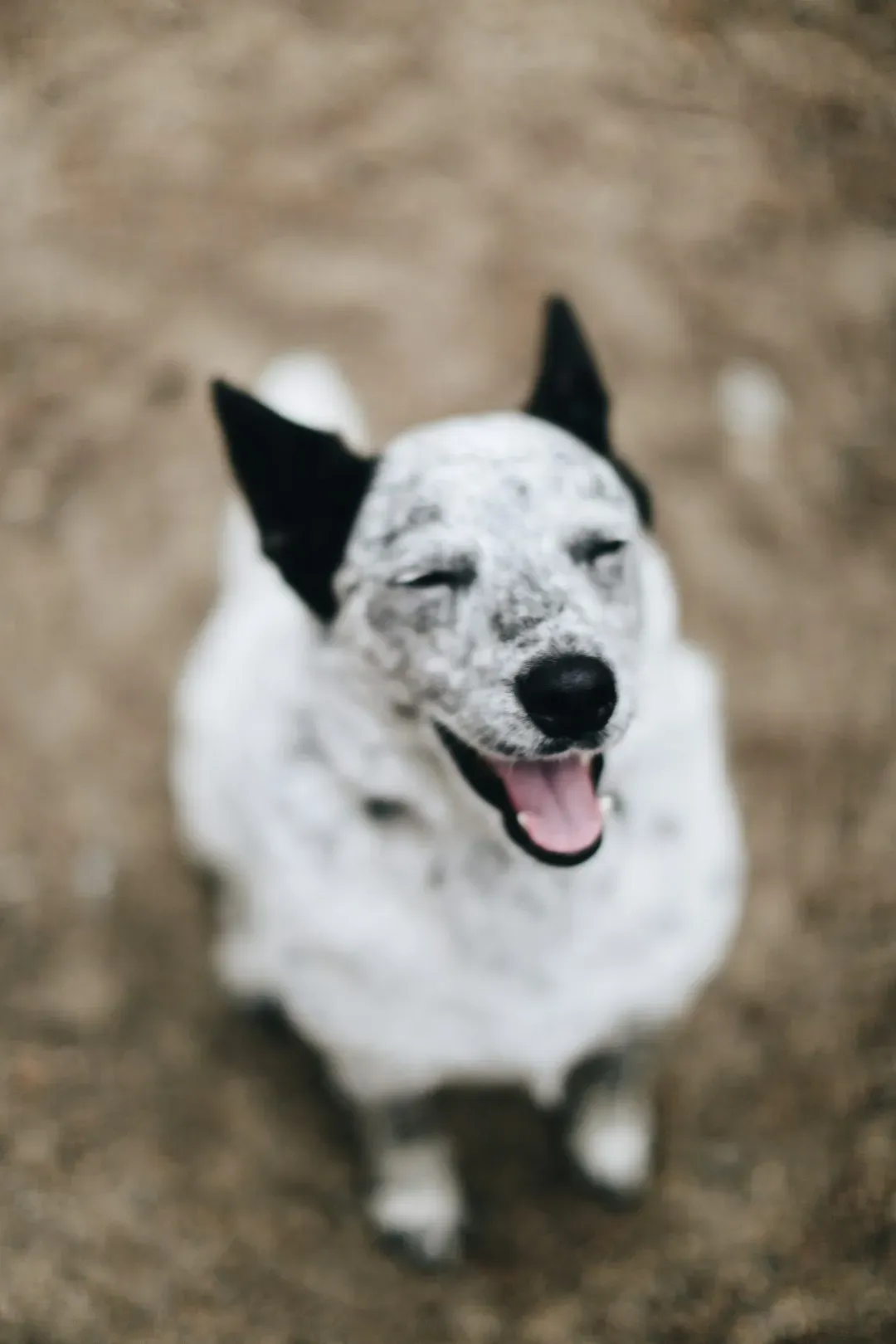
Think about it. If the only time your dog enters the vet clinic is when they’re getting poked with needles or having their temperature taken, of course they’ll develop a negative association. It’s like only going to the dentist when you have a toothache.
Many dogs only see the vet for exams or when they’re already feeling sick, so it doesn’t take long for them to develop a negative view of the office, but what if you took your dog to the vet just for fun? Call ahead and ask if you can pop in for a quick hello. Let your dog sniff around the lobby, get some love from the front desk staff, and score a few treats. No exam table. No thermometer. Just good vibes.
During a happy visit, your pet will greet team members, receive lots of attention, and explore the hospital while receiving high-value treats with no poking, prodding, or needles. Do this a few times and suddenly the clinic becomes just another place where good things happen. Your dog might even start wagging their tail when you pull up. Honestly, it’s one of the easiest ways to rewrite the script.
Practice Handling at Home Like You’re the Vet
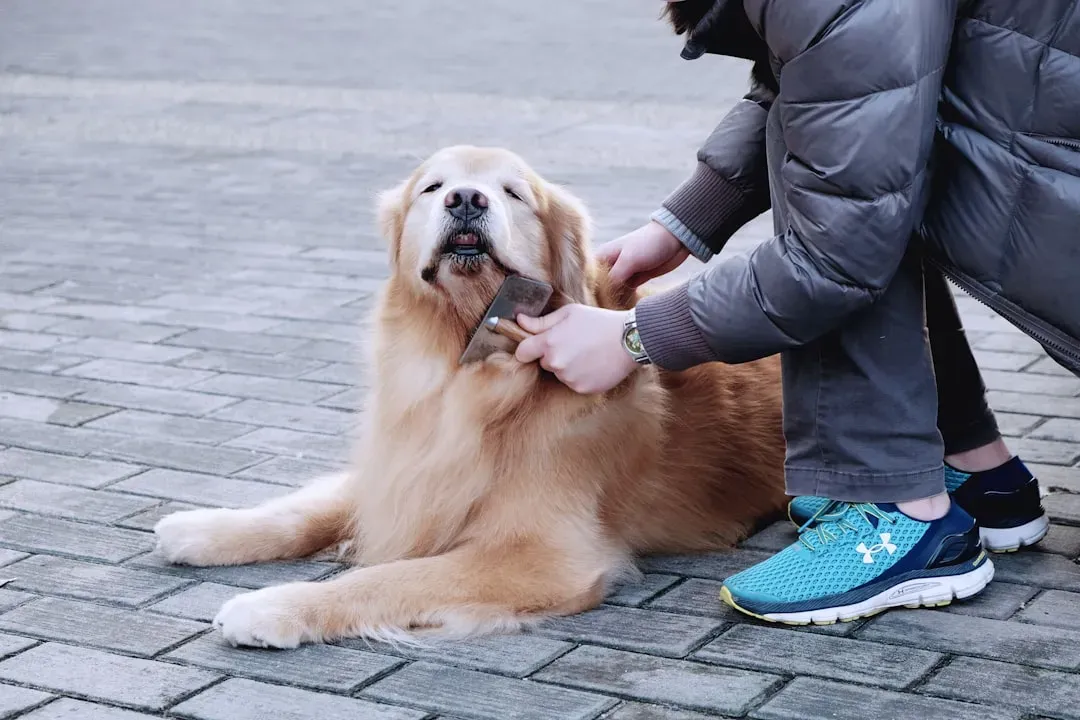
Most dogs aren’t thrilled about strangers touching their ears, paws, or belly. These are sensitive areas, and without preparation, a vet exam can feel invasive and scary.
Dog guardians can practice similar handling techniques commonly used by veterinarians and groomers at home, with the goal for dogs to learn to be comfortable with this type of handling in a stress-free environment by practicing handling your dog’s paws, ears, mouth and other body parts while offering treats as rewards. Start slow. Touch a paw, give a treat. Lift an ear, give a treat. Gradually increase the duration and intensity until your dog barely reacts.
This isn’t a one-and-done thing. Make it part of your routine, maybe while you’re watching TV or hanging out together. Puppyhood is the ideal time to teach comfort with handling, but dogs can learn at any age, though you should never force your dog to accept touch or handling and always allow them to walk away if they are uncomfortable or unwilling to participate. If they walk away, slow down. Go smaller. The goal is cooperation, not compliance through force.
Turn Treats into Your Secret Weapon

Here’s where things get fun. Food is a powerful motivator, and using it strategically can make a huge difference during vet visits. Bring your dog’s absolute favorite treats, the ones they’d do backflips for.
On the day of your veterinary visit, bring your dog’s favorite treats from home by opting for small, soft treats that can be broken into smaller pieces and given throughout the appointment. Some owners even bring spreadable snacks like peanut butter or cheese in a squeeze tube. You might also consider bringing a frozen rubber, hollow treat dispenser or a flat rubber textured mat filled with your dog’s favorite spreadable snacks for extra distraction.
The trick is to keep your dog eating during the entire visit. When they’re focused on licking peanut butter off a spoon, they’re less focused on the stethoscope on their chest. If your dog stops eating or refuses treats, it often indicates their stress levels are too high, and you and your veterinary care team may need to make adjustments in their experience. That’s your cue to pause, take a step back, and give them a breather.
Skip the Stressful Waiting Room
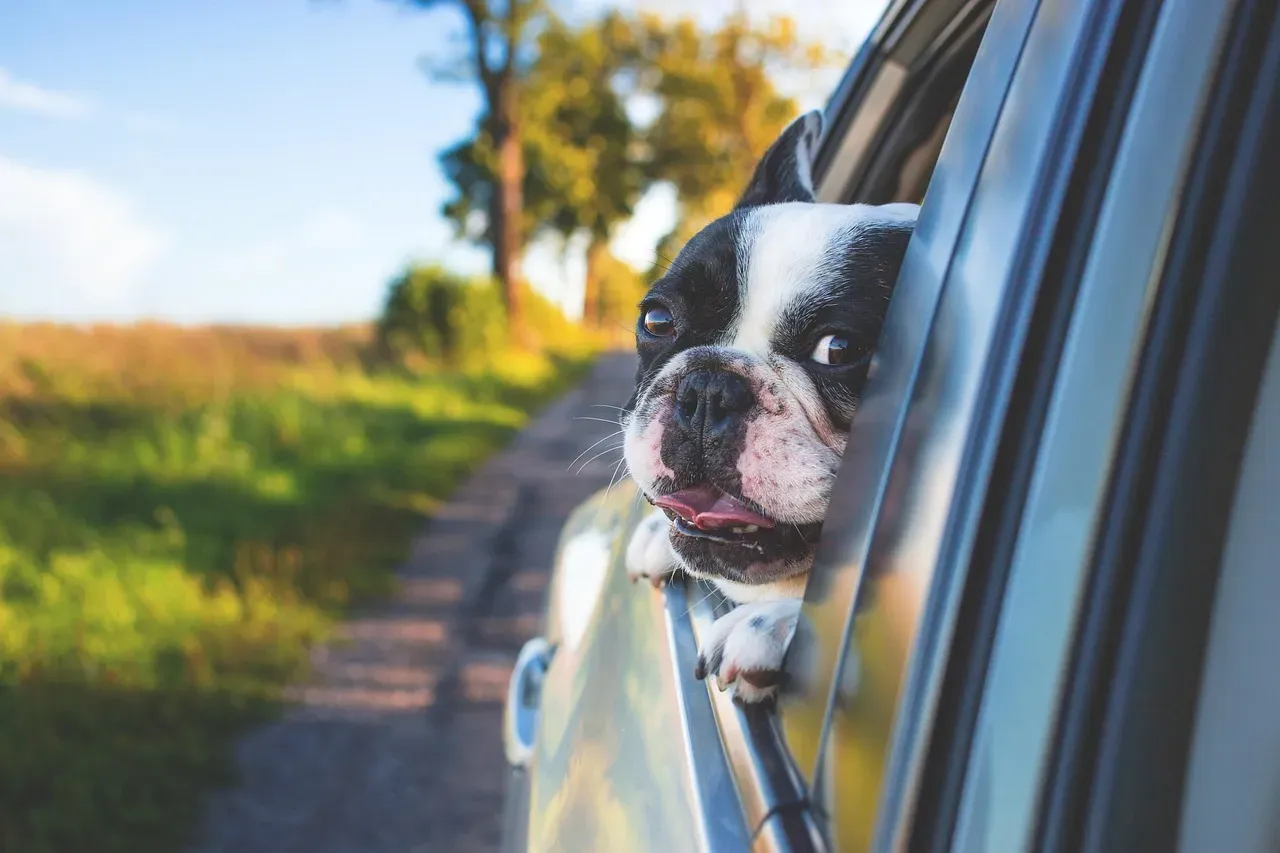
Waiting rooms are sensory overload for dogs. There are other anxious animals, unfamiliar smells, strange noises, and that unmistakable antiseptic scent that screams “vet clinic.”
Waiting rooms can increase stress due to the array of sounds, sights and smells, and while you may not have control over the wait time, especially during emergency visits, you can minimize your dog’s anxiety by waiting in a quieter area, such as outside or in the car, if this is a less stressful environment for them. Call the clinic when you arrive and ask them to text you when a room is ready. Some practices even offer separate waiting areas for dogs and cats.
Your dog will thank you for sparing them the chaos. Instead of pacing and panting in a crowded lobby, they can chill in the car with you, maybe listening to calming music or munching on a treat. It’s a small shift that makes a big difference.
Stay Calm Because Your Dog Is Watching You
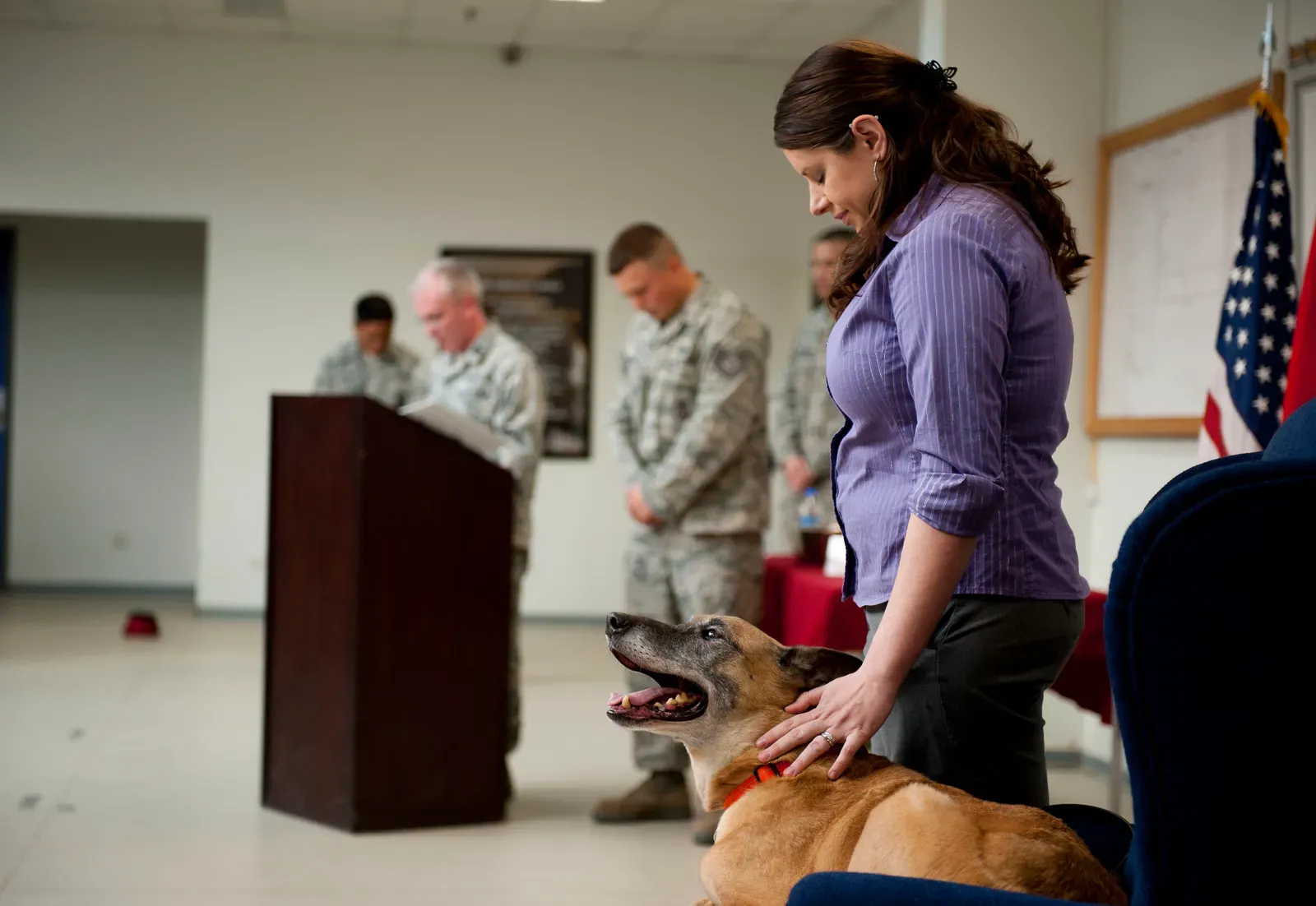
Dogs are emotional sponges. They pick up on your stress, your tension, even the way you’re breathing. If you’re a ball of nerves walking into that clinic, your dog will mirror that energy.
Pets are incredibly tuned into their owners’ emotions and look to them when feeling uncertain about a particular situation, and if you’re worried about your pet’s behavior at the veterinary hospital or concerned about how they’re feeling, you might put off an anxious, unsure vibe that your pet will notice. Take a few deep breaths before you walk in. Speak in a calm, upbeat voice. Act like this is no big deal, just another Tuesday.
I know it sounds simple, but it works. Your confidence reassures them. If you’re relaxed, they’re more likely to relax too. Think of yourself as their emotional anchor. You’ve got this, and so do they.
Consider Pre-Visit Medication for Anxious Dogs
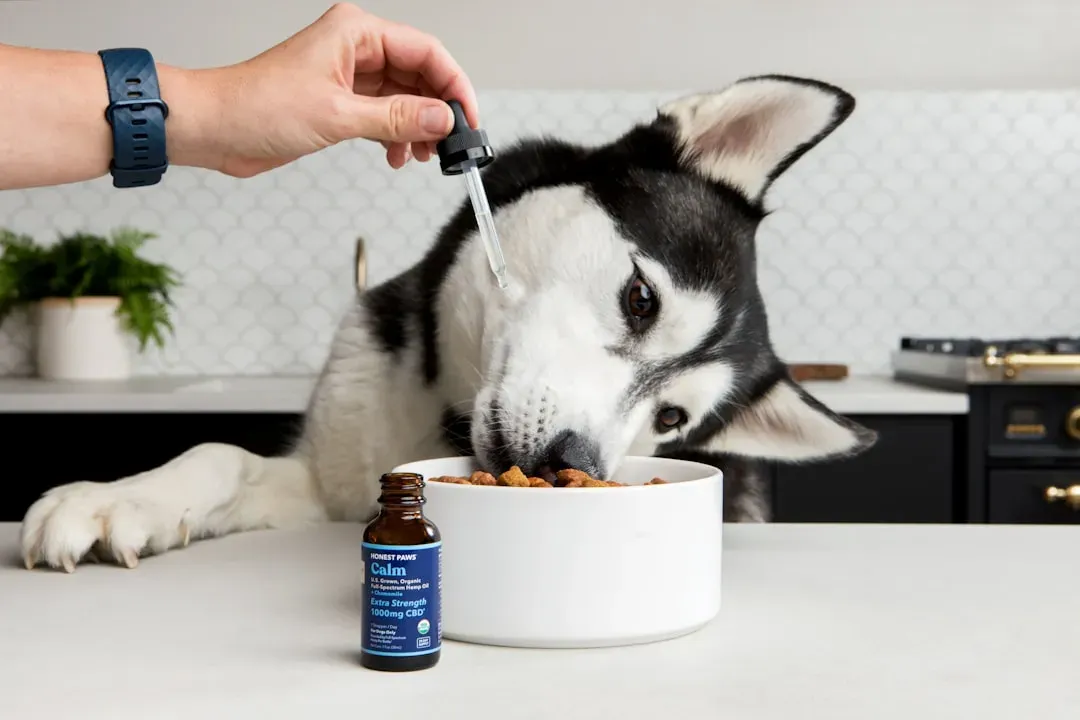
Let’s be real. Some dogs have severe anxiety that no amount of treats or calm energy can fully resolve. For these pups, pre-visit medication can be a game changer.
For many dogs with pre-existing fear or anxiety, anti-anxiety medications can be beneficial when given at home a few hours before a veterinary visit, and not only can high levels of fear and stress in your dog negatively affect their overall health, but it often hinders your veterinarian’s ability to conduct a proper examination and provide medical care, though a dog’s welfare and behavior can significantly improve by giving anti-anxiety medications before stressful events. Talk to your vet about options. There are short-acting medications specifically designed for situational anxiety.
This isn’t about drugging your dog into submission. It’s about giving them the emotional space to tolerate an uncomfortable situation without trauma. For some dogs, their fear, anxiety and stress levels are so high when visiting a veterinary hospital that they enter into a fight, flight or freeze state, and when a pet is in this state, referred to as over threshold, the stress hormones in their body are so elevated, they’re unable to register reassurance or comfort through calming tactics such as offering treats. Medication can help keep them under that threshold so they can actually benefit from all your other efforts.
Choose a Fear-Free or Low Stress Handling Practice
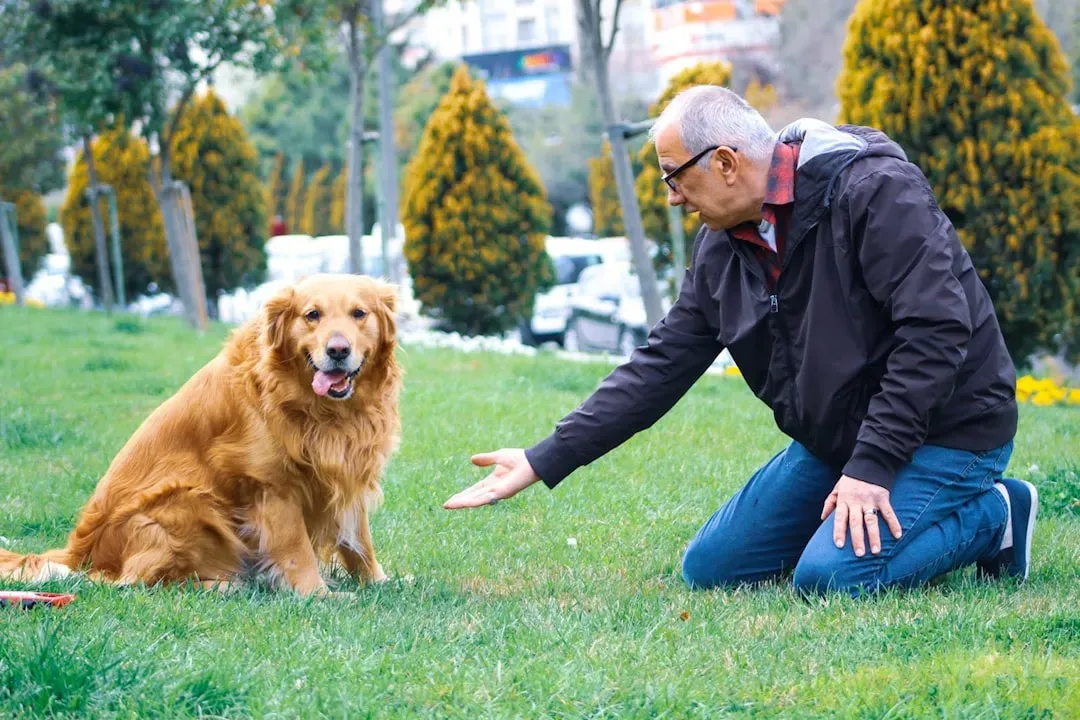
Not all vet clinics are created equal when it comes to handling anxious dogs. More and more practices are adopting Fear-Free or Low Stress Handling protocols, and it makes a world of difference.
When choosing a veterinary team or considering a new veterinarian, consider inquiring about their approach to minimizing fear and stress during appointments, as many veterinarians and staff members are trained in programs such as Fear Free and Low Stress Handling, which aim to create a behavior-friendly environment using minimal restraint. These clinics use techniques like examining dogs on the floor instead of on cold exam tables, offering treats throughout the visit, and allowing dogs to move at their own pace.
Staff trained in these methods understand canine body language and know when to back off. They’ll use gentle handling, avoid forceful restraint, and prioritize your dog’s emotional well-being alongside their physical health. It’s worth doing your research to find a practice that aligns with this philosophy. Your dog will feel the difference, and so will you.
Conclusion
Vet visits don’t have to be a nightmare. With a little preparation, patience, and the right strategies, you can help your dog feel safer and more comfortable during every appointment. Start with happy visits to build positive associations. Practice handling at home so exams feel less invasive. Use treats generously to keep their focus on something good. Skip the stressful waiting room when you can. Stay calm because your energy matters. Consider medication for severe anxiety. And choose a vet practice that prioritizes low-stress handling.
These aren’t just tricks. They’re acts of compassion that honor your dog’s feelings and strengthen the trust between you. Every small step you take makes the next visit a little easier. What’s one thing you’ll try at your dog’s next appointment? Let us know in the comments.


