

There’s something bittersweet about watching your dog transition from boundless puppy energy to their more dignified senior years. The grey around their muzzle, the softer pace on walks, the longer naps in the sunshine. It’s hard not to feel a tug at your heartstrings.
Yet aging doesn’t have to mean slowing down mentally. Much like humans, dogs need mental workouts to stay sharp, engaged, and happy. Nearly half of 14-year-old dogs and the vast majority of 16-year-old dogs show at least one sign of canine cognitive dysfunction, a condition similar to Alzheimer’s disease. That’s a sobering statistic, honestly. Still, there’s incredible hope here. Research reveals that mental stimulation and enrichment can actually help delay cognitive decline and improve quality of life. So let’s dive into how you can keep your aging companion mentally vibrant, no matter how many candles are on their birthday cake.
Introduce Puzzle Toys That Challenge Without Frustrating
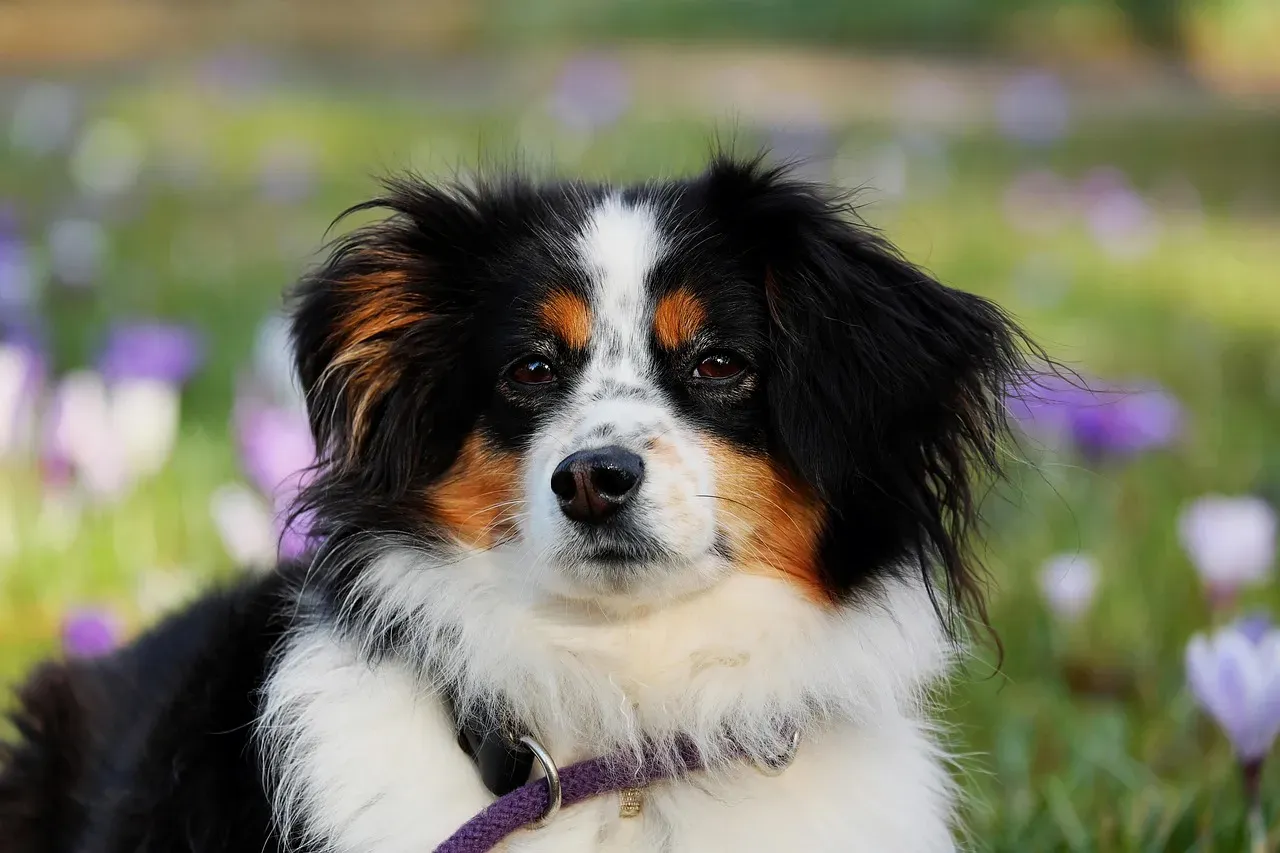
Puzzle toys are like crossword puzzles for your pup. They work wonders for keeping the brain engaged while tapping into natural problem-solving instincts. Food puzzles for seniors can exercise their mind and nose, and there are different difficulty levels to match your dog’s abilities.
Start simple if your dog is new to puzzles. A basic treat-dispensing toy or a snuffle mat can be enough to spark their curiosity without causing frustration. Watch how they react. If they seem stressed or give up quickly, dial it back to something easier. For senior dogs, enrichment toys provide the kind of mental stimulation that keeps them engaged with novel, unique experiences, especially if they’ve lived in the same environment for years. Variety matters, so rotate toys weekly to keep novelty high.
Teach Your Old Dog Genuinely New Tricks
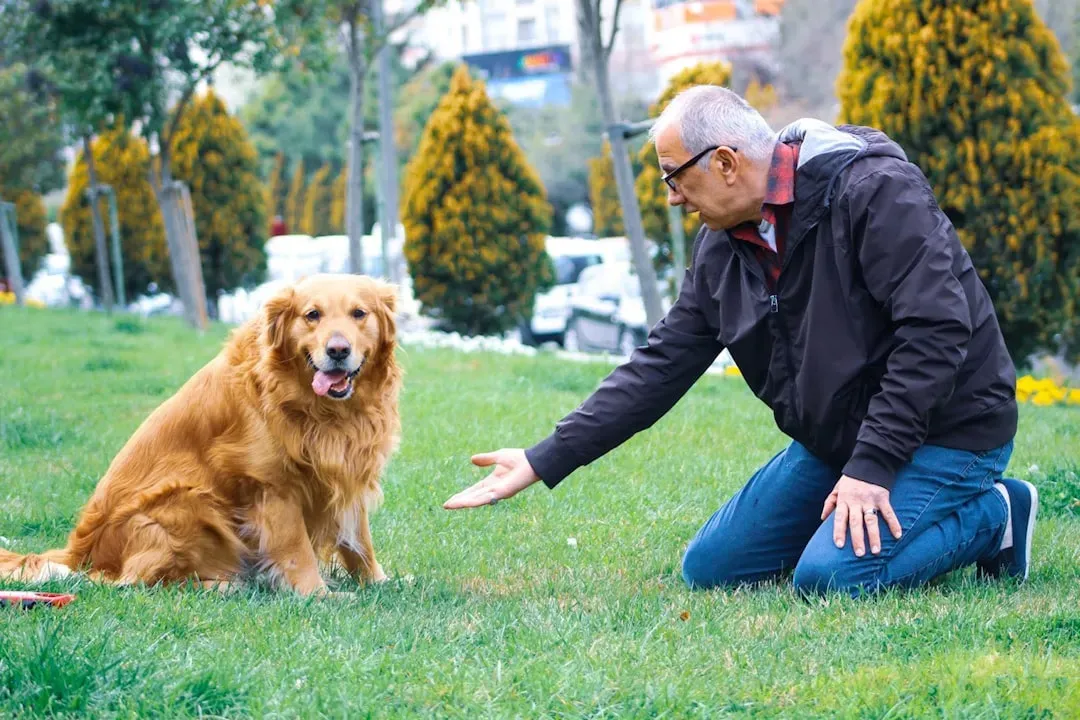
Let’s be real, the saying about old dogs and new tricks is nonsense. Senior dogs are still quite capable of learning, and in their senior years, dogs can certainly learn new tricks. Learning isn’t just for young pups.
Choose tricks that suit their physical condition. Teaching a hand signal for “sit” or “touch” doesn’t require jumping or running. You can teach them to pick up objects, turn on light switches, or even speak on command. Reviewing old tricks and commands also helps keep your dog’s mind active. Plus, the bond you strengthen during training sessions is priceless. Seeing your senior dog master something new, even if it takes a bit longer, is incredibly rewarding for both of you. Use lots of praise and high-value treats to keep motivation high.
Switch Up Your Walking Routine With Sensory Adventures
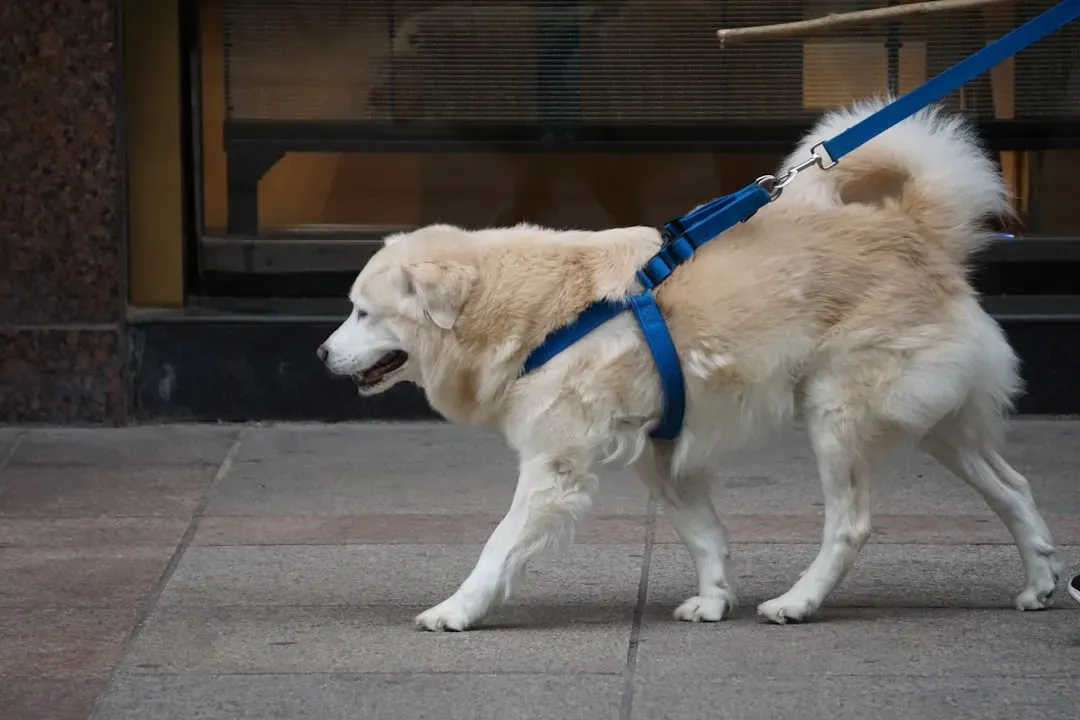
Exposing your dog to new environments, smells, and experiences can help to stimulate his or her senses and maintain cognitive function. It’s easy to fall into the trap of taking the same route every day. I know I’ve done it.
Try a different path, visit a new park, or simply let your dog stop and sniff everything. Opportunities to use their nose are great for senior dogs who may have limited mobility, so sniffy walks (also known as a “sniffari”) are fun options. Think of walks less as exercise and more as mental exploration. Dogs experience the world through their noses, and senior dogs can have sensory decline, but activities involving scent are suitable enrichment activities for most senior dogs since smell tends to remain strong even when vision and hearing fade.
Shorten the distance if needed. Focus on quality over quantity. Let your older friend take their time investigating every bush, fire hydrant, and interesting blade of grass.
Engage Their Powerful Sense of Smell With Scent Games
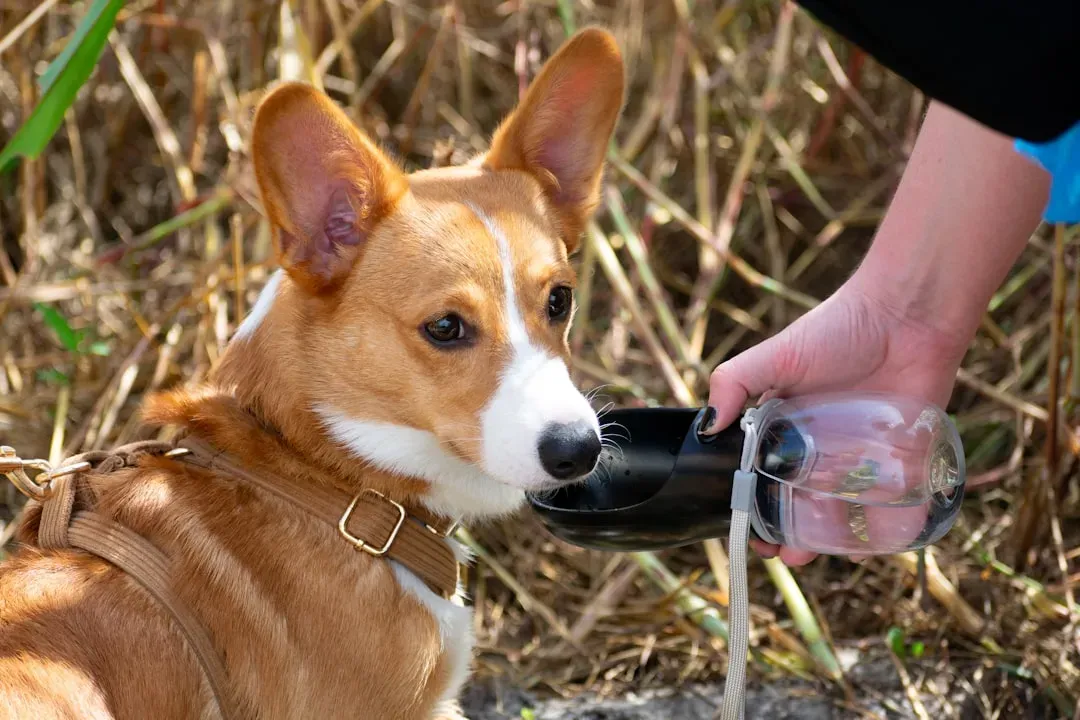
Scent work is absolutely brilliant for aging dogs. Even 16 and 17-year-old dogs compete in scent competitions using their marvelous nose, with no running or jumping required. This makes it ideal for dogs with mobility challenges or arthritis.
Start with something simple at home. Hide treats around the house while your dog waits in another room, then let them search. Take them for shorter daily walks with a focus on plenty of sniff time, and throw treats into the grass or hide them around the house for your dog to find. You can also play the cup game, hiding a treat under one of three cups and letting them sniff it out. These activities tap into instinctive behaviors and provide deep satisfaction. Participation in scent work is good for dog’s welfare, according to research. The mental exhaustion from scent work often leads to a good, contented nap afterward.
Keep Their Social Life Active and Meaningful
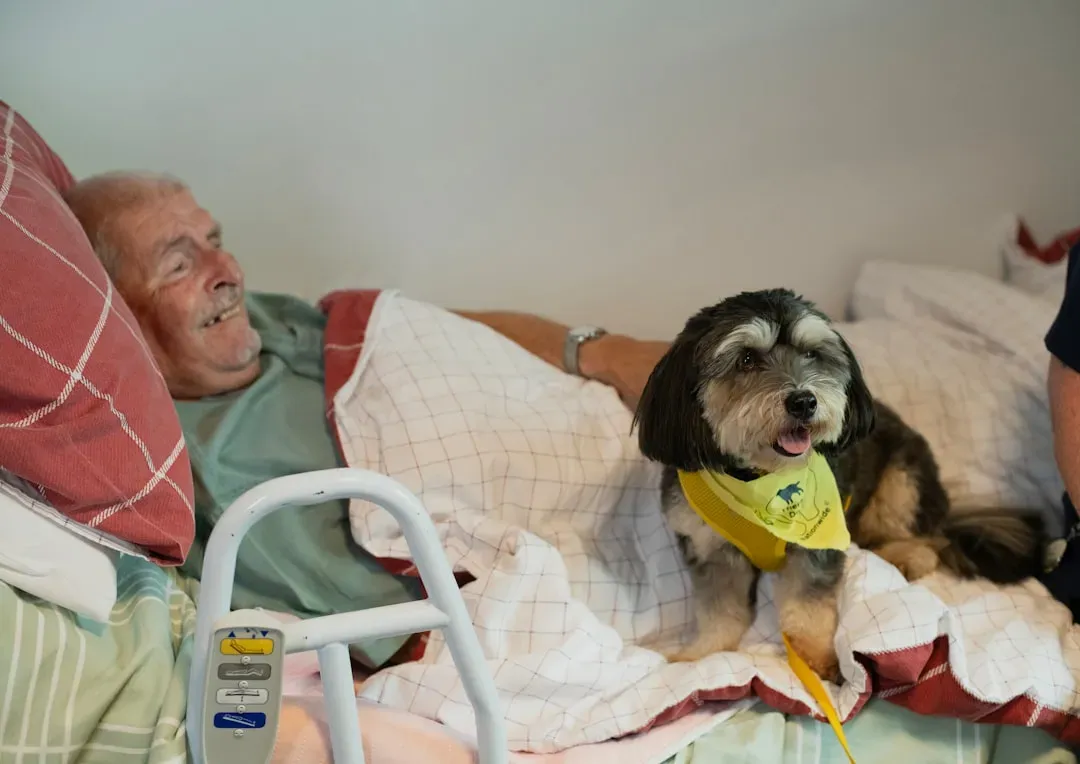
Many people find that their senior dog is no longer as involved in family life as before, perhaps because the dog who once loved long hikes is no longer able to keep up. This isolation can accelerate cognitive decline.
Make a conscious effort to include your senior dog in daily activities. Sit with them while you read or work. Invite them to hang out in the kitchen while you cook. Involving senior dogs in regular activities that they enjoyed when younger is good for them because it provides sociable experiences and cognitive enrichment. If your dog enjoys other canine company, arrange short, calm playdates with well-matched friends. Watch for signs of fatigue or stress and respect their limits. Sometimes just being near you, feeling included, is enough to keep their spirits bright and their mind engaged.
Add Brain-Boosting Foods and Supplements to Their Diet

Nutrition plays a surprisingly significant role in cognitive health. Studies have shown that a combination of behavioral enrichment with a diet high in antioxidants can lead to improved cognition and memory in older dogs. Certain prescription diets are specifically formulated to support brain function in aging dogs.
Talk to your vet about foods or supplements rich in antioxidants, omega-3 fatty acids, and medium-chain triglycerides. These diets contain ingredients that may protect and promote healthy brain cells, and medium-chain triglycerides provide energy to the dog’s brain. Supplements like SAMe have also shown promise in supporting cognitive function. Never make dietary changes without consulting your veterinarian first, as they can recommend options tailored to your dog’s specific health needs and any existing conditions. Combining good nutrition with mental enrichment creates a powerful defense against cognitive decline.
Maintain Consistent Routines With Gentle Modifications

Keeping a dog on a set schedule and routine can help minimize problems and make a dog more comfortable and confident. Predictability reduces anxiety and confusion, especially as cognitive changes begin to emerge. Familiar routines provide a sense of security.
That said, don’t let routine become monotonous. Within the structure, add small variations. Feed meals at the same time but occasionally use a puzzle feeder instead of a bowl. Take walks at consistent times but explore different streets. Keep bedtime rituals steady while introducing a new calming activity like gentle massage. The best thing you can do is catch dementia changes early and try to slow it down through a combination of environmental changes, nutritional supplements, special diets, and medications. Watch for behavioral changes like disorientation, altered sleep patterns, or forgetting familiar people. If you notice any concerning signs, don’t dismiss them as normal aging. Schedule a vet visit to rule out underlying health issues and explore early intervention options.
Conclusion
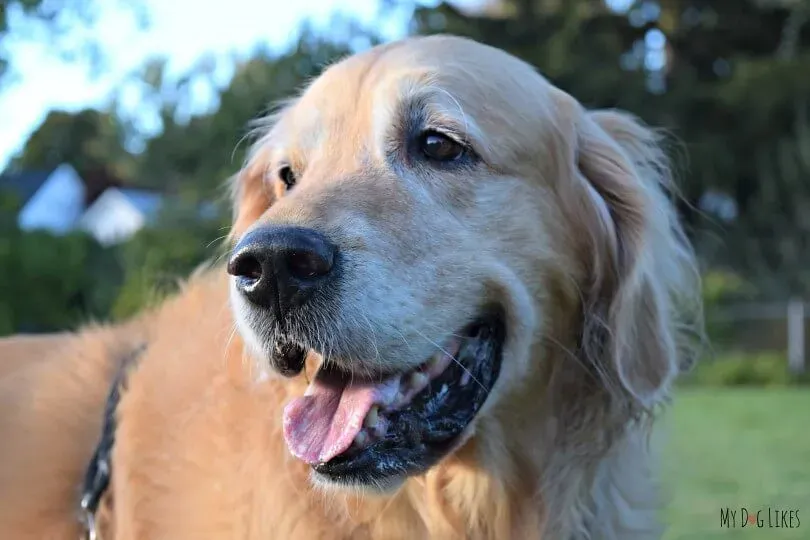
Our senior dogs have given us years of unconditional love, loyalty, and joy. They deserve every effort we can make to ensure their golden years are truly golden. The connection between your dog remaining mentally and physically active and improved cognitive function is compelling, as something as simple as exercise and enrichment can potentially protect your dog’s brain from decline.
These seven strategies aren’t just activities. They’re investments in quality time, deeper bonds, and precious moments with your aging companion. Start small, stay consistent, and always follow your dog’s lead. Have you tried any of these approaches with your senior pup? What’s working best for your furry friend? Share your experiences because every dog’s journey through their senior years is unique and worth celebrating.


